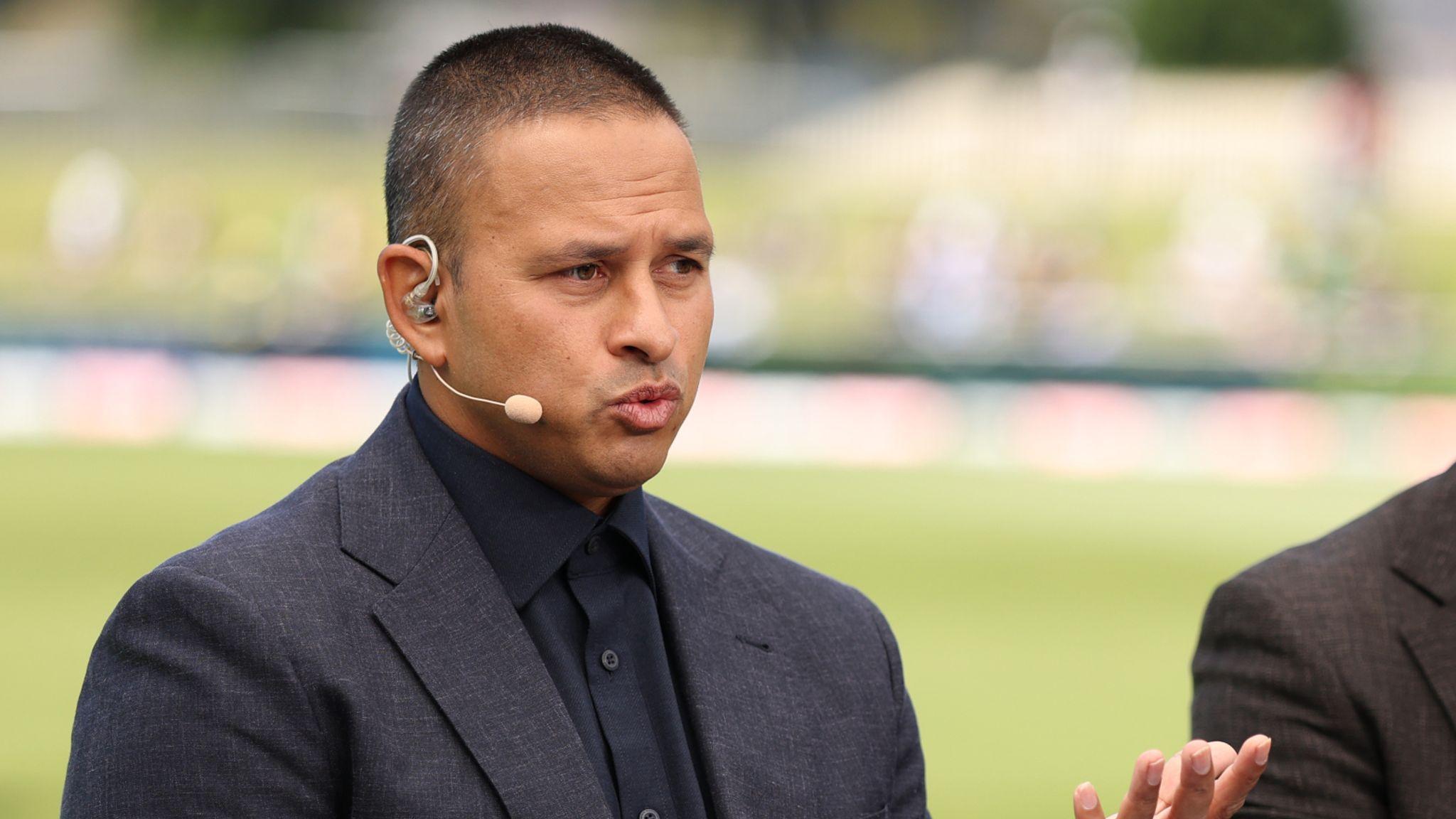
Former South Africa bowler Fanie de Villiers has launched a scathing attack on Usman Khawaja, branding the retired Australia batter the biggest traitor he's ever seen
following the explosive allegations about the Sandpapergate affair that continue to roil Australian cricket.
According to Sky Sports, Khawaja's autobiography contains the claim that every member of the Australia team was aware of the plot to manipulate the ball with sandpaper during the 2018 South Africa tour. That assertion has been supported by David Warner, Chadd Sayers and, most significantly, Cameron Bancroft.
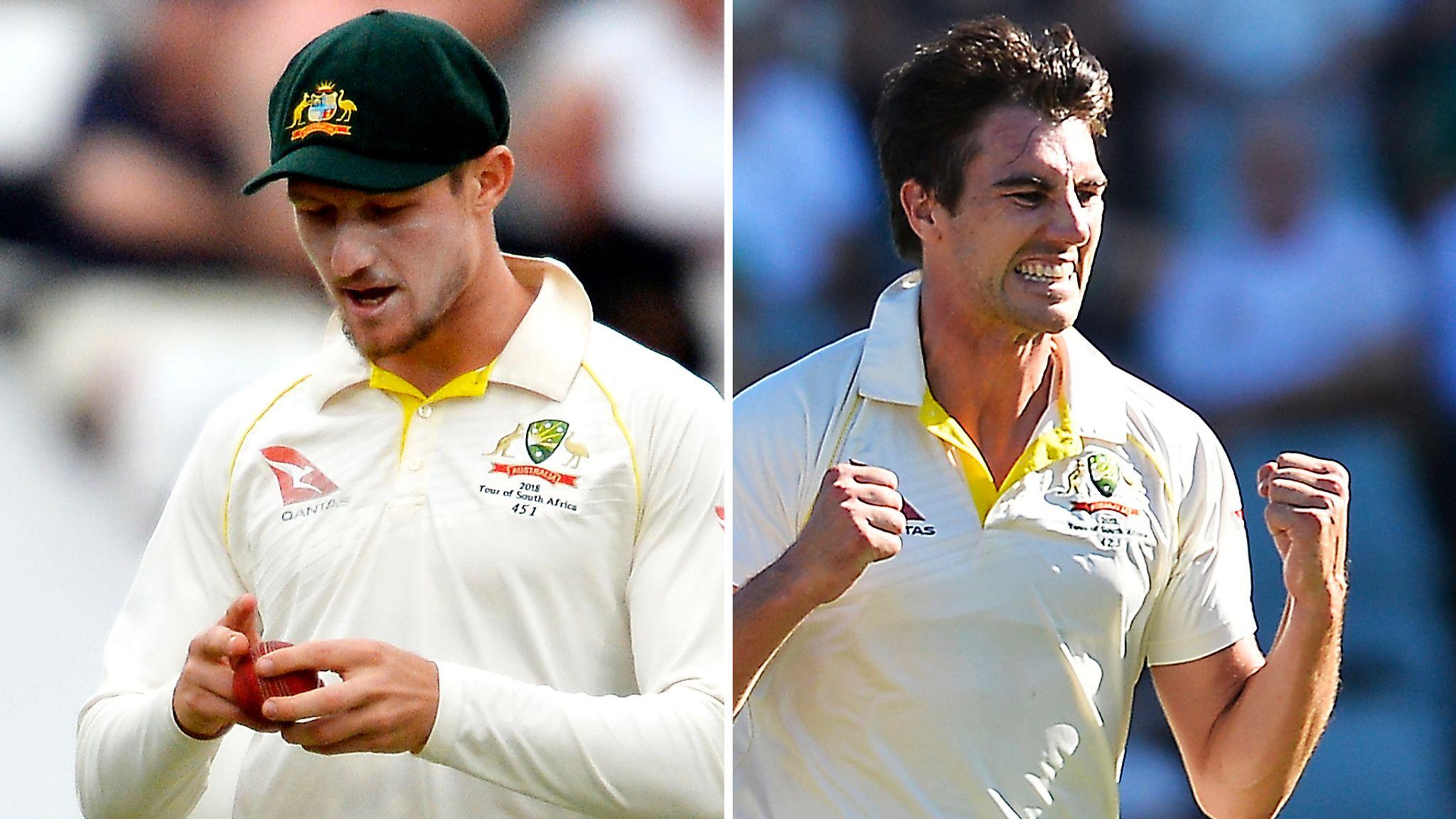
Bancroft, who alongside Warner and then-captain Steve Smith received a ban following the ball-tampering scandal, published a lengthy 4,000-word-plus article in the West Australian newspaper. In that piece, Bancroft revealed that Pat Cummins' forceful denials prompted him to break his silence about what he knew regarding the incident.
The current Australia Test captain Cummins delivered a 68-minute press conference last week in which he dismissed Khawaja's allegations as utter nonsense
. Bancroft responded by saying those denials left him feeling angry, betrayed and alone
.
De Villiers, who represented South Africa in 18 Tests and 83 ODIs between 1992 and 1998, spoke to Perth's 91.3 SportFM with unmistakable fury about Khawaja's decision to air the allegations publicly. The 62-year-old declared:
I want to go on the record and say I think Khawaja is probably the biggest traitor that I've ever seen ... over my last 40, 50 years of watching the game.
De Villiers continued his criticism, saying:
He's sold out his fellow players. This is not about right or wrong. The wrong has already been handled. It's already been part of Australian cricket, and it's sad that it happened. But this guy has brought everything to the fore again. He's brought Australian cricket in disrepute all over again, breaking down of friendships, the code of conduct that one has within the team, he's done everything wrong one can think of.
Khawaja has since defended his position, stating that what he wrote in his book is the truth, though he declined to elaborate further on the controversy. According to Q Radio, Khawaja indicated he would consider being frozen out by Cricket Australia a small price to pay
for speaking up, and described the original bans handed down as grotesquely overboard
.
The allegations have created a complex picture of who knew what during the 2018 scandal. Khawaja's book reportedly states that sandpaper was used in the Port Elizabeth Test two weeks before the Cape Town Test, where the incident became public. Mitchell Starc has denied knowing about sandpaper being taken onto the field, while Khawaja and Warner have expressed anger at Josh Hazlewood for denying knowledge of ball tampering in a television interview after the scandal initially broke.
The controversy has also highlighted tensions between different players' accounts. Khawaja and Warner have expressed frustration at the responses from some teammates, with the pair questioning the consistency of denials made by various players in the years since the incident.
Longstaff sees room for both accounts to be true
Dr Simon Longstaff, who was part of the cultural review into Australian cricket that Cricket Australia commissioned following Sandpapergate, has offered a more nuanced perspective on the competing claims. He told Australian broadcaster Nine that he does not believe Cummins was deliberately lying in his fiery press conference, but he also accepts Bancroft's account as sincere.
I think both (Cummins and Bancroft) have been sincere in what they're saying,Longstaff said. He then outlined a possibility that reconciles the two positions:
It's possible, that as a very young, inexperienced bowler at the time, (Cummins) was having conversations about the ball without understanding the conditions under which it was being altered. That has got to be allowed still as a possibility.
Longstaff drew on his experience investigating similar matters, explaining:
I've been around long enough and have investigated various problems of this kind, where people have sworn black and blue that they were telling the truth, and you eventually find out that they both were being sincere. It's possible to utter what is objectively false but not do so with any kind of inclination to lie, so I think it's something still in the middle of that that needs to be explored.
Significantly, Longstaff indicated that the emerging accounts align with information he gathered during the original investigation.
What is clear now is that the whispers that I was hearing at the time line up pretty much with what Bancroft has said, including the timing for the first use of sandpaper.
However, Longstaff expressed concern about the broader implications for Australian cricket's integrity.
What's distressing is that when people were given the opportunity to tell the truth, including by me, they chose not to do so. And that's a stain that carries across to the team to this day.
Atherton expects Cummins to retain captaincy
Former England captain Michael Atherton has weighed in on speculation about Cummins' future as Test skipper, suggesting the controversy is unlikely to force his resignation. Speaking on the Sky Sports Cricket Podcast, Atherton noted that Cummins has accumulated significant credit through his performance in the role.
He's obviously got a lot of credit in the bank in terms of performance as captain, having transformed the culture and kept Australia at the top of the tree, if you like. So I don't think there's an immediate threat there.
The original Cricket Australia investigation concluded that Warner, Steve Smith and Bancroft were the only players directly involved in the ball-tampering, treating the incident as a one-off occurrence. However, Khawaja's claims have fundamentally challenged that conclusion by suggesting widespread knowledge across the dressing room.
Cricket Australia chief executive Todd Greenberg stated there was no compelling reason
to reopen the investigation, meaning no new formal inquiry has been announced despite the fresh allegations that have emerged through Khawaja's autobiography and Bancroft's subsequent statement.