The Marylebone Cricket Club has completely re-laid Pitch 9 at Lord's following its first-ever ICC demerit point, with the reconstructed surface now expected to remain out of action for between two and three years.
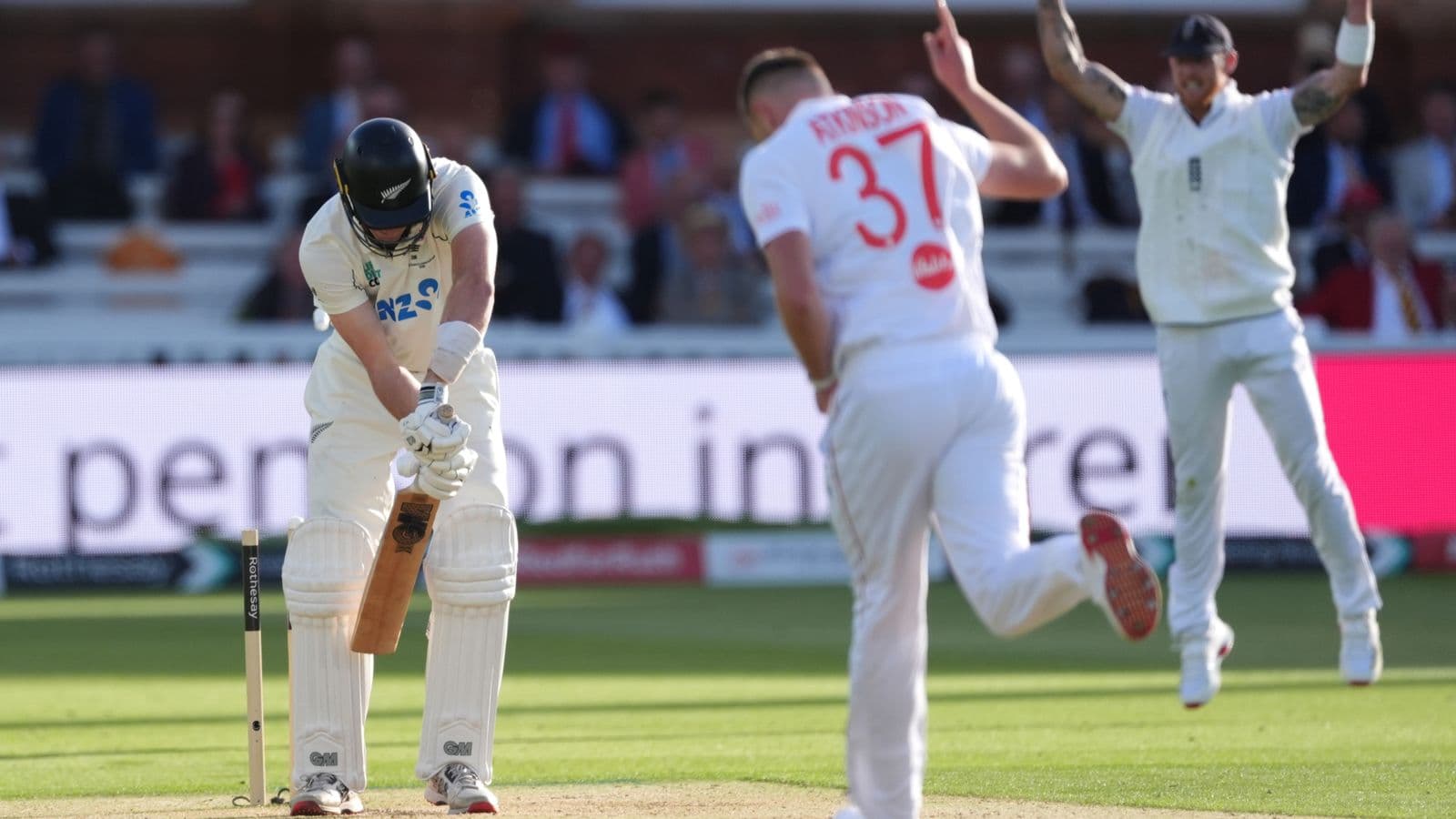
The central strip became the subject of formal censure after match referee Andy Pycroft identified excessive seam movement and inconsistent bounce during England's Test against New Zealand in June. That match, which England won by 115 runs, saw all 40 wickets tumble in just 166 overs—a striking illustration of the pitch's unpredictable behaviour.
Reconstruction work commenced earlier this month as the MCC moved swiftly to address the ICC's concerns. The club informed its membership this week that the decision to excavate and replace the pitch stemmed from what MCC chair Mark Nicholas described as the most comprehensive review of Lord's pitch preparation in a generation.
Nicholas had previously outlined a seven-point action plan following the Test, which was then supported by expert consultation and commissioned data analysis as part of the broader review process. MCC director of cricket and operations Rob Lynch led the review alongside groundstaff, ensuring that the reconstruction reflected the latest understanding of pitch science and preparation.
Hybrid pitches and drop-in trays
Beyond the immediate re-laying, the MCC is pursuing a longer-term modernisation strategy. The club intends to introduce hybrid pitches, which data analysis has shown to be more resilient than traditional surfaces. However, hybrid pitches remain prohibited for Test cricket under current ICC regulations.
The club is also manufacturing the first of three drop-in trays destined for the main square, with installation scheduled for 2028. Unlike the removable drop-in pitches used at multi-venue Australian grounds, these will function as permanent installations, remaining in place rather than being swapped seasonally.
The hybrid pitch composition comprises 95 per cent natural turf and 5 per cent synthetic material, balancing durability with the traditional character expected at Test cricket's most famous venue.
Scheduling implications ahead
Nicholas cautioned members that the pitch reconstruction and modernisation programme would create scheduling challenges in the years to come. Lord's is currently set to host two Tests in 2027: England against Bangladesh from 28 May to 1 June, and England against Australia in the Ashes from 30 June to 4 July.
The World Test Championship final has been allocated to the Kia Oval, removing that fixture from Lord's fixture list for the foreseeable future.