One of the most damaging moments in modern cricket unfolded in Cape Town during March 2018, when a deliberate attempt to alter the ball's condition became public and triggered a crisis that would reshape Australian cricket for years to come.
For the first time since the scandal—which saw Steve Smith, David Warner and Cameron Bancroft handed substantial bans—Australia are now preparing to tour South Africa for a Test series. The opening match begins in Durban on Friday, with coverage starting at 7.30am on Sky Sports (first ball at 8.30am).
As the teams prepare to renew their rivalry, here is a comprehensive account of what happened in Cape Town, how the sport's governing bodies responded, and the lasting impact on those involved.
The incident that sparked the scandal
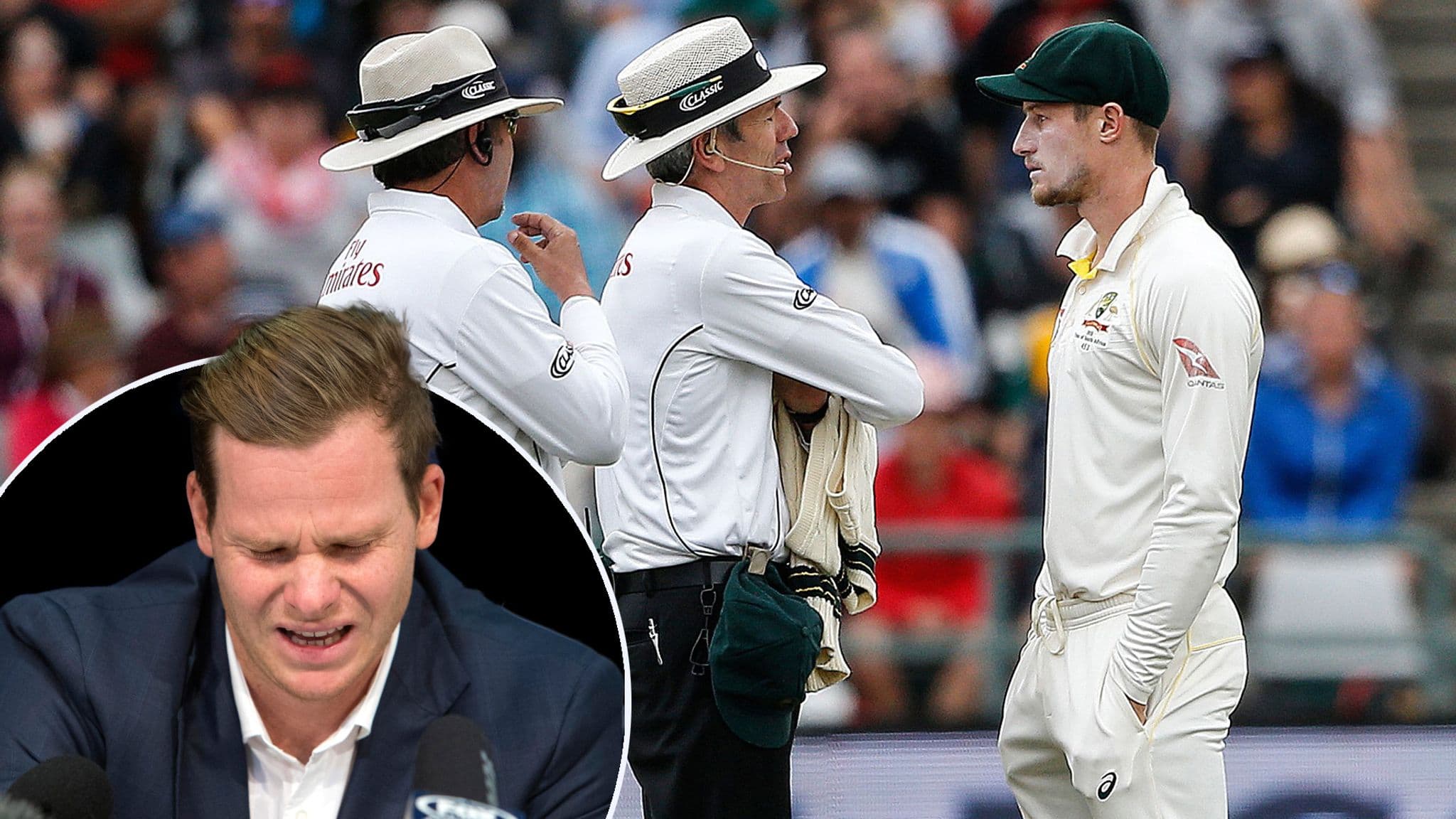
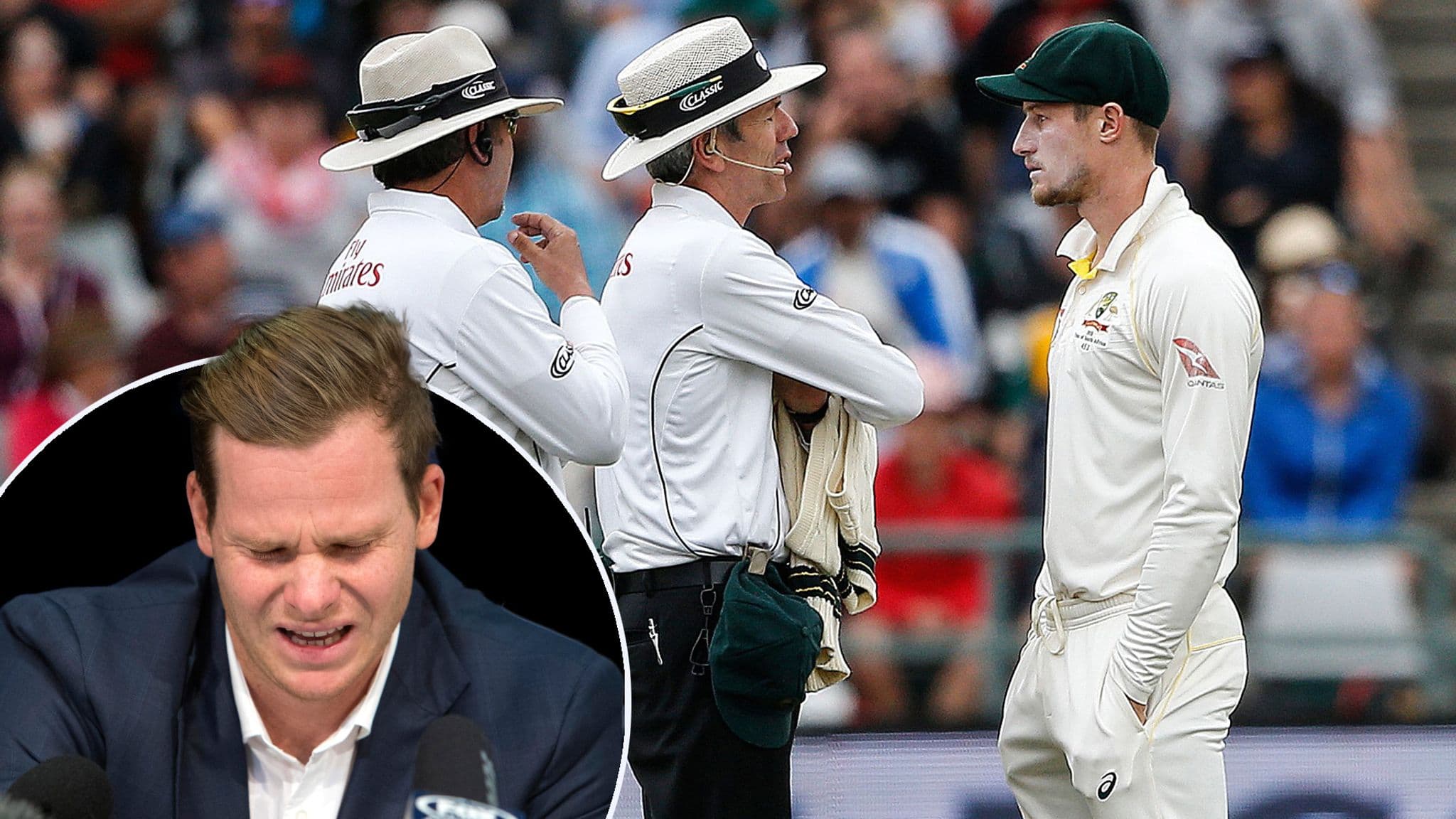
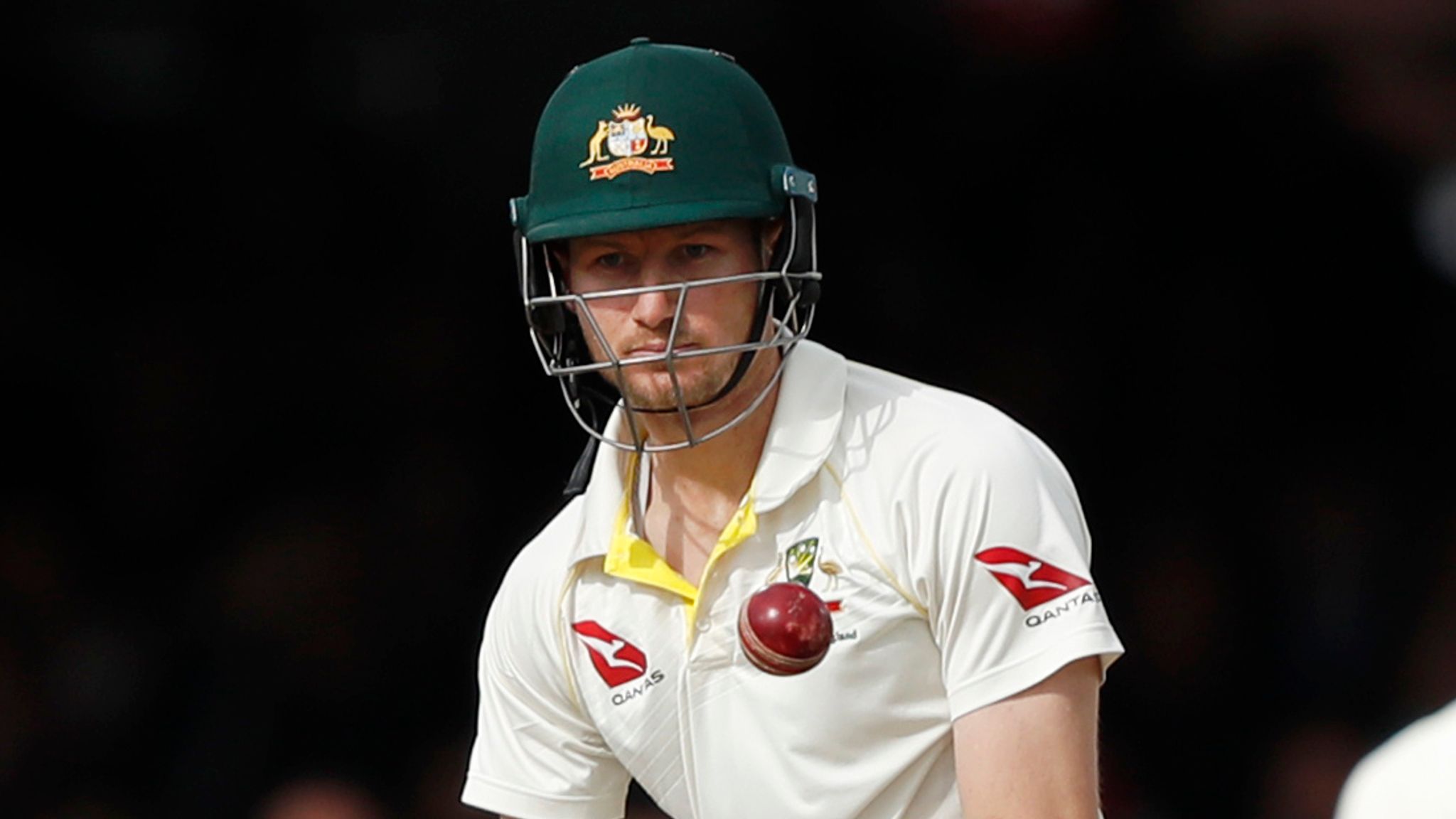
During the third Test of Australia's tour, on day three while South Africa batted in their second innings, Bancroft was captured on camera attempting to scuff one side of the ball using sandpaper. The goal was to make the ball behave unpredictably in the air—a technique known as ball-tampering.
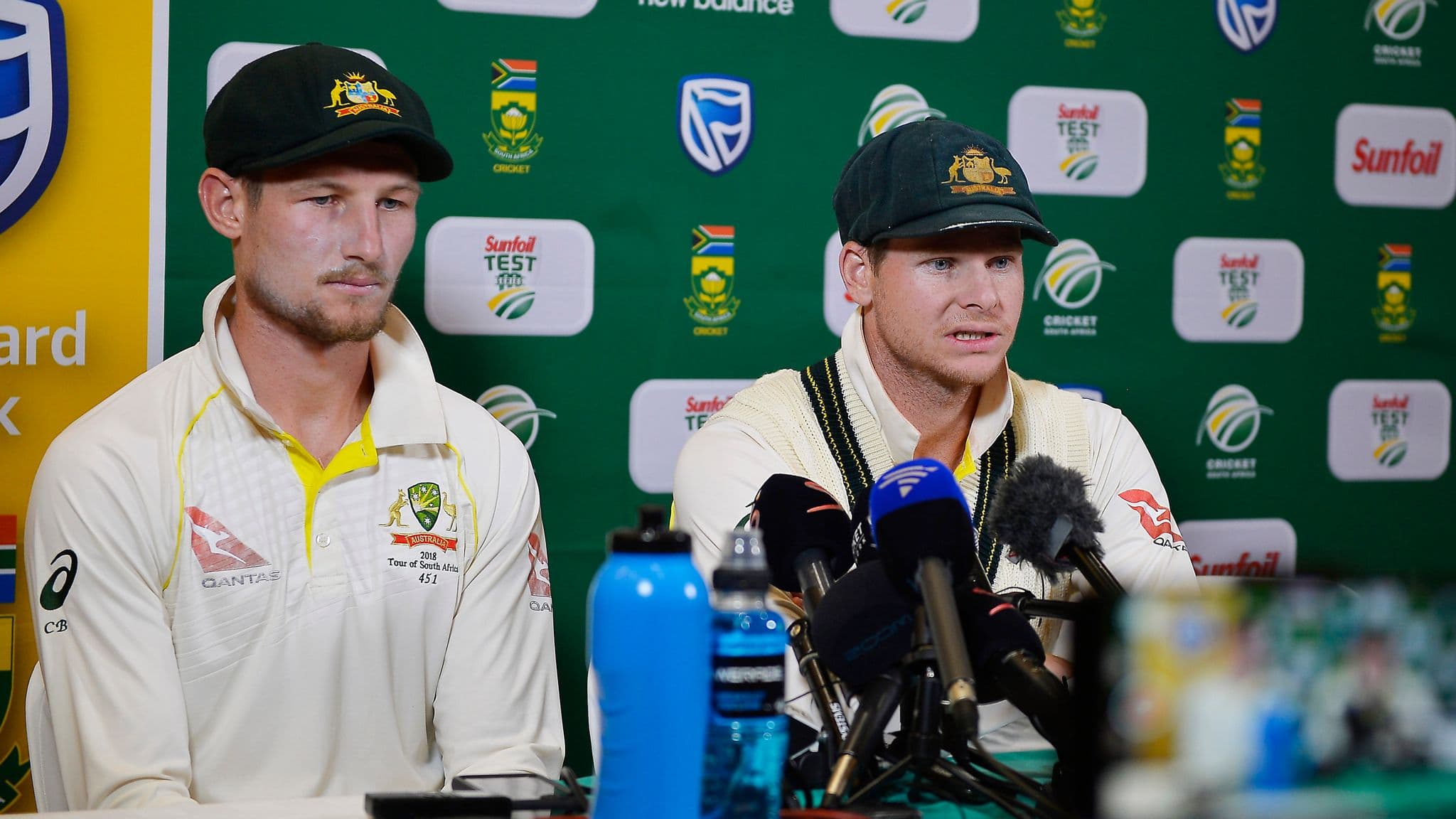
When Bancroft realised he had been spotted, he moved quickly to conceal the sandpaper, initially claiming it was simply a piece of tape. At the close of play that day, both Bancroft and captain Smith appeared before the media to acknowledge the tampering, though they stopped short of admitting to the use of sandpaper at that stage. Smith revealed that the scheme had been devised by the team's leadership group during the lunch break.
Immediate consequences and the series collapse
Smith and vice-captain Warner stepped aside from their leadership duties for the remainder of the Cape Town Test but continued to play. With Tim Paine now captaining the side, Australia's performance deteriorated sharply. The team was dismissed for just 107 in their second innings, with Warner contributing 32, Bancroft 26 and Smith a mere seven runs. South Africa won by 322 runs.
The three players were sent home before the fourth Test. In their absence, Australia suffered a crushing 492-run defeat, leaving them facing a 3-1 series loss. Cricket Australia's investigation, led by integrity head Iain Roy and head of performance Pat Howard, concluded that Warner had developed the plan, Smith knew of it and failed to prevent it, and Bancroft had executed it.
The bans handed down
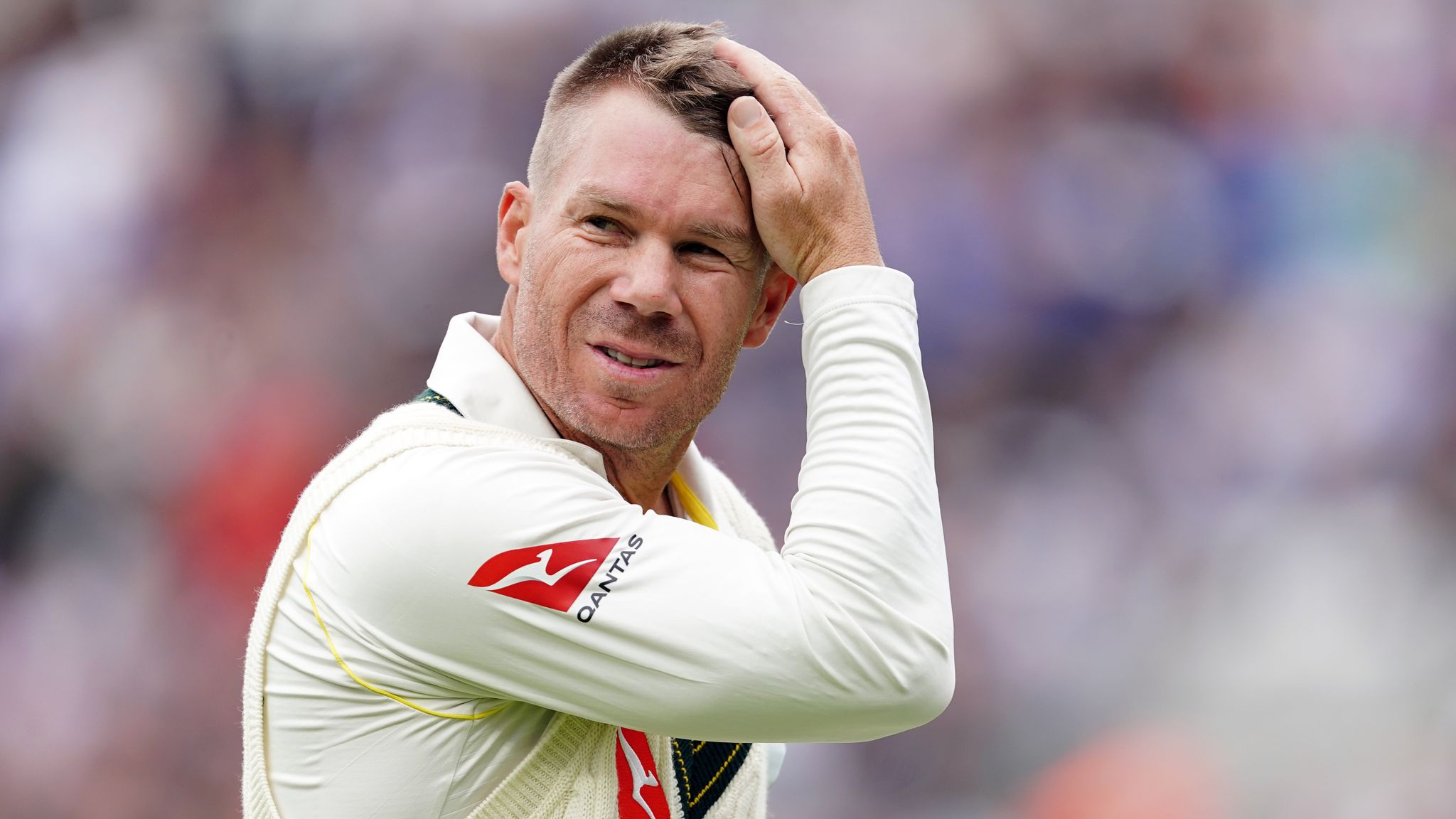
Warner faced the harshest punishment after being found to have orchestrated the ball-tampering plot and instructed Bancroft on how to use the sandpaper. He received a one-year international ban and was told he would never again be considered for a leadership position within the Australian team.
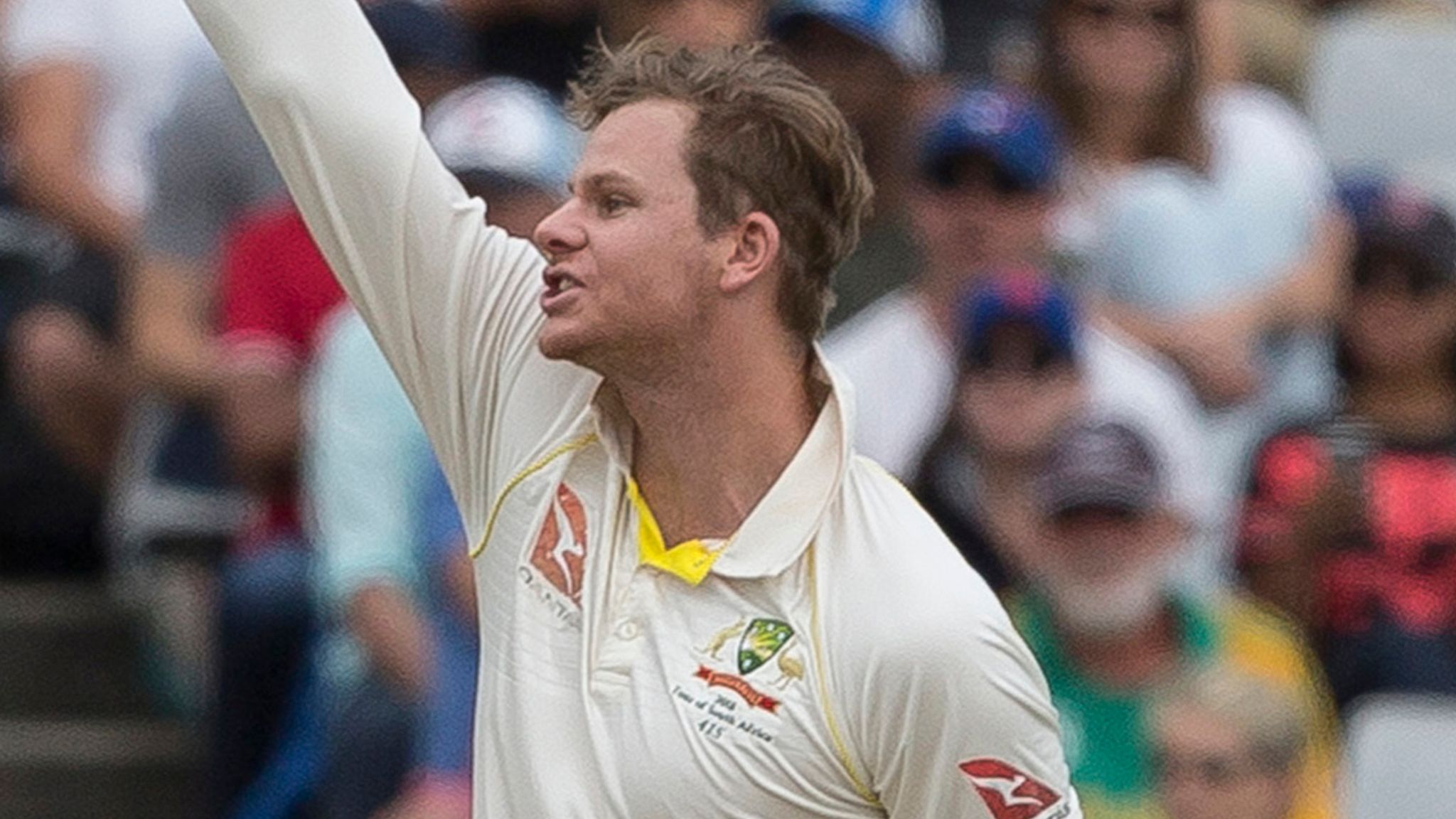
Smith was suspended for 12 months after failing to stop a scheme he was aware of and for making misleading public statements. He was also informed that he could not take on a leadership role until at least 12 months after his ban concluded. The International Cricket Council separately suspended Smith for one Test and fined him 100% of his match fee.
Bancroft received a nine-month suspension. The ICC also fined Bancroft 75% of his match fee and handed him three demerit points.
Collateral damage beyond the playing field
The fallout extended far beyond the three suspended players. Smith and Warner were removed from the 2018 Indian Premier League, where they had been set to play for and captain Rajasthan Royals and SunRisers Hyderabad respectively. Bancroft's county cricket deal with Somerset was cancelled.
Coach Darren Lehmann, though cleared of knowing about the plan, announced before the final Test that he would stand down. Lehmann has since moved into county cricket, where he has been coaching Northamptonshire, leading the Steelbacks to the 2026 T20 Blast title.
Without their three banned players, Australia's Test fortunes deteriorated. They lost series away to Pakistan and at home to India before winning 2-0 in Sri Lanka. Their comeback came with a 2-2 Ashes draw in England in the summer of 2019.
Debate over the severity of punishments
Not everyone agreed the sanctions were proportionate. Former India internationals Gautam Gambhir and Harbhajan Singh, along with broadcaster and ex-Hampshire captain Mark Nicholas, all argued the punishments were excessive. The late Shane Warne, one of cricket's greatest leg-spinners who died in 2022, shared this view.
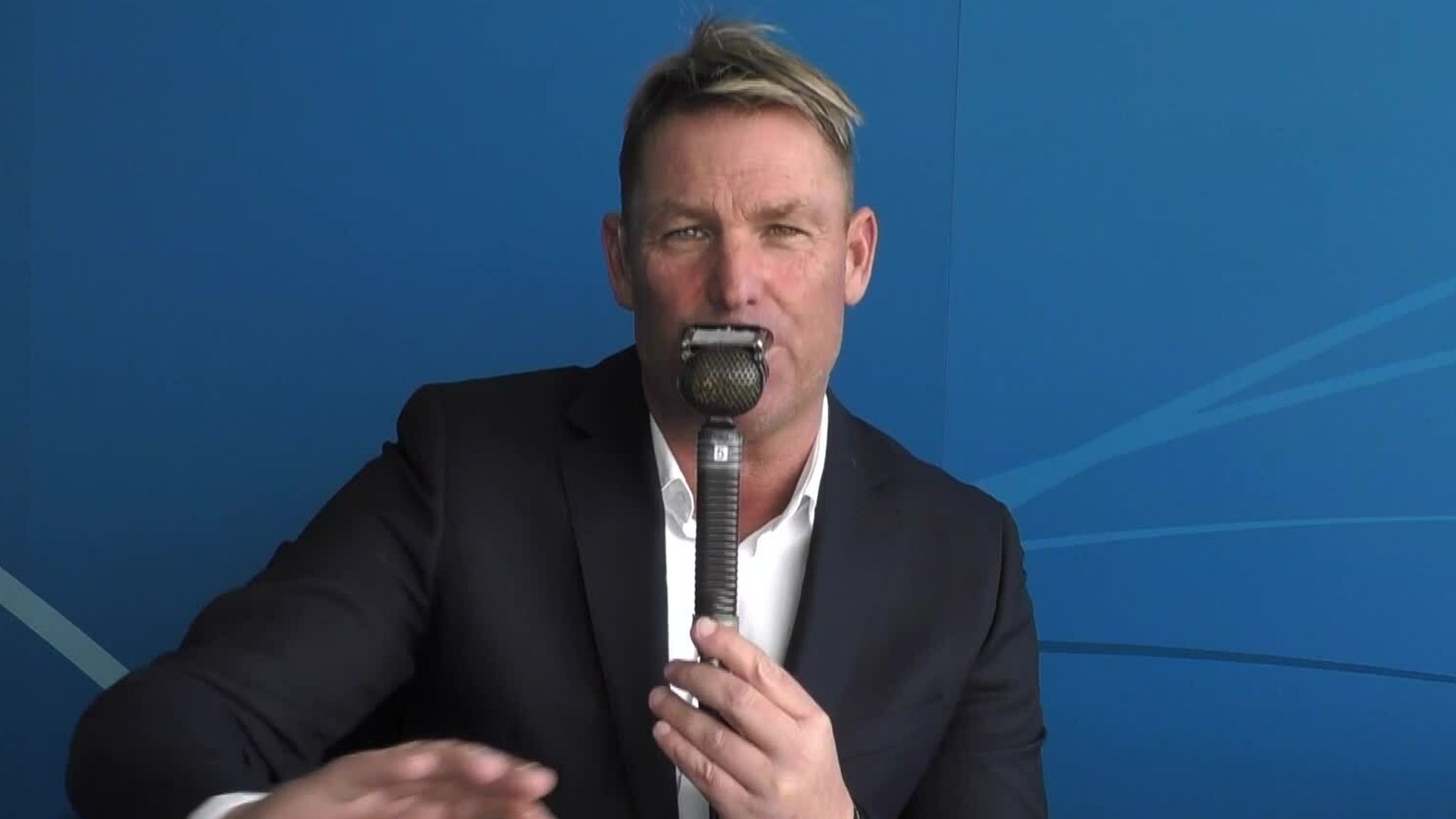
Warne acknowledged the scandal was "embarrassing" for Australian cricket but contended that worldwide "hysteria" had led to a punishment that was "not fitting the crime".
Smith and Bancroft delivered emotional press conferences upon returning to Australia after being sent home. Bancroft later revealed he had seriously considered quitting the sport entirely and becoming a yoga teacher during his enforced absence from the game.
The players' paths after suspension
All three players eventually returned to represent Australia, though their trajectories differed. Smith has continued his international career and remains an active Test player. Bancroft's comeback was limited; his two Tests at the start of the 2019 Ashes series remain his last international appearances to date.
Warner, who retired from international cricket in 2024, initially applied to have his lifetime captaincy ban lifted but then withdrew that application in 2022. The suspension was ultimately rescinded, allowing him to lead Sydney Thunder in the Big Bash League.
Smith's reflections on the trauma
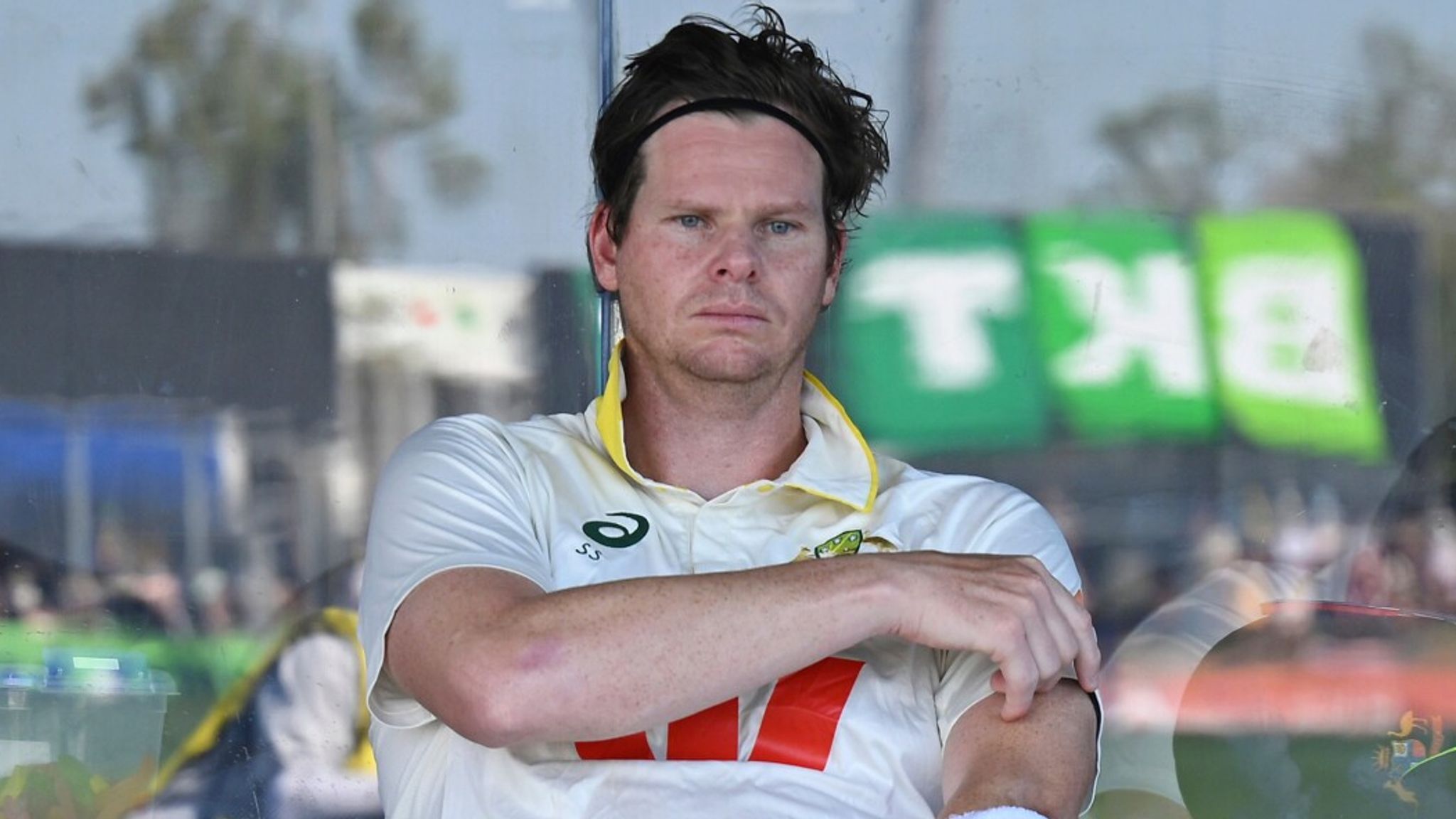
Speaking to News Corp recently, Smith opened up about the psychological toll of the scandal and its immediate aftermath.
That was a traumatic experience in my life and when I hear the flash of a camera it makes me revisit that, in a way, he said.
He described the harrowing period following his ban announcement.
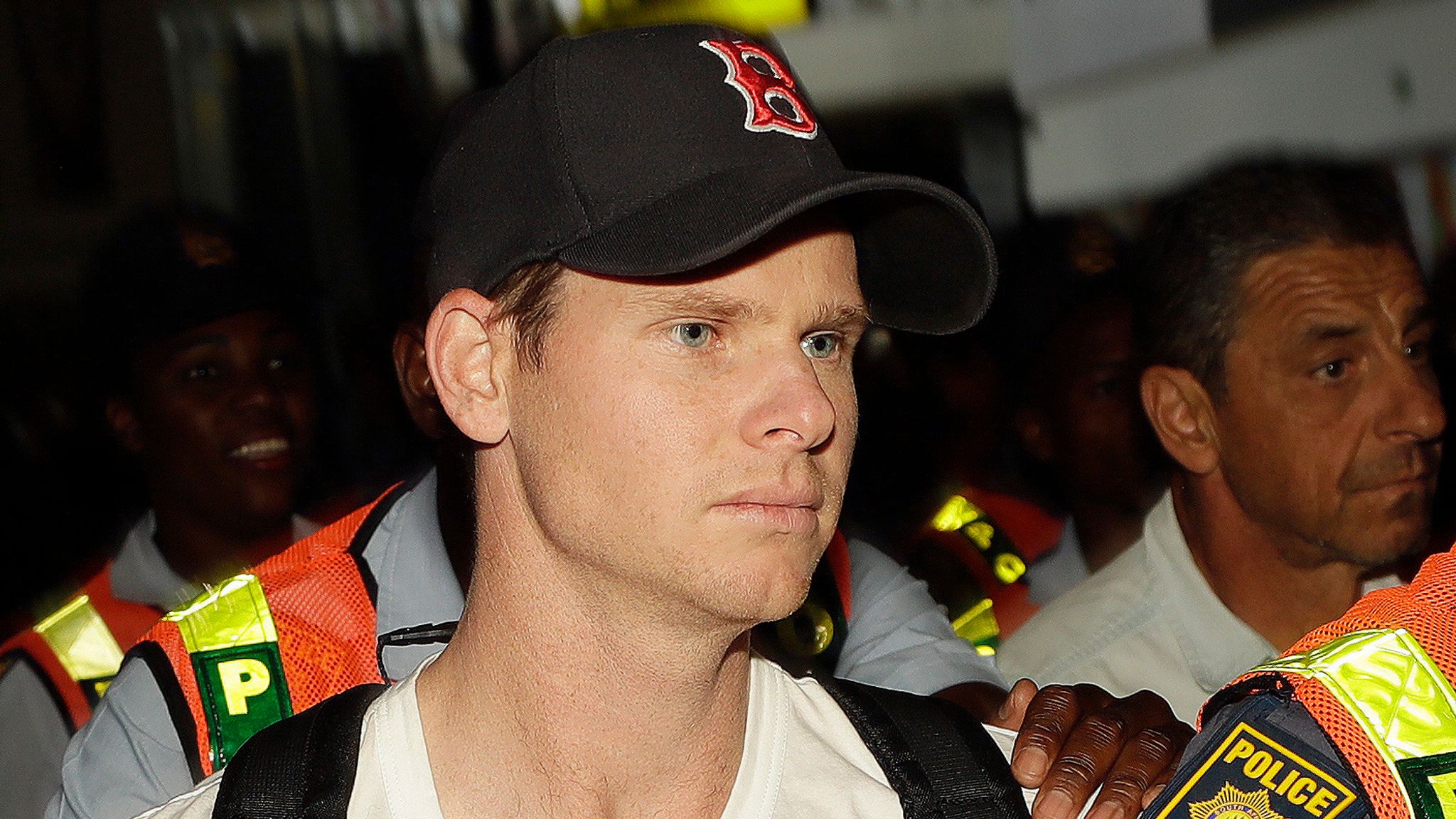
The 24-48 hours after being told I was getting banned for a year, going through the airport in Johannesburg getting absolutely mobbed, and then flying back and doing a press conference... I still have little flashbacks here and there of it.
Smith felt abandoned during that ordeal.
I felt like I was kind of thrown to the wolves through [Johannesburg] airport. I didn't have any support there at all, he reflected.
The mental impact was severe.
It was certainly a difficult period, particularly the initial few days after. The mental state I was in was not great. However, he has worked to move beyond it.
That's somewhere I'd like not to get to again, but I certainly learned from that and have been able to move forward with my life.
Smith has attempted to compartmentalise the experience.
I've tried to kind of erase a lot of 2018 and what happened. I can't remember a lot about the series. I've tried to block most of it out of my memory bank.
What to expect from South African crowds
Australia have returned to South Africa since 2018, but only for white-ball cricket. A proposed Test tour in 2021 was cancelled due to Covid-19. Now, as they prepare for their first Test series in the country since the scandal, questions linger about how supporters will react.
England fans famously taunted their Ashes rivals by dressing as sandpaper during subsequent encounters. Former Proteas all-rounder Shaun Pollock, speaking on the Sky Sports Cricket Podcast, offered his perspective on what Australian players might face.
I don't think it'll be overly hostile, Pollock said. He acknowledged that replays of the 2018 series had been shown in recent weeks in South Africa,
just to create a bit of animosity, I suppose, but when you play against Australia, people in South Africa won't need a reason to have a go at them about some particular reason.
Pollock anticipated some theatrical gestures from the crowd.
I'm sure there'll be a few people coming dressed up in accordance with 'Sandpapergate', I'm sure there'll be some continual reminding of it, but I don't think it'll be over the top or too intense.
Ongoing questions and unresolved matters
While Cricket Australia's investigation concluded that only Warner, Smith and Bancroft were directly involved in the plot, questions have persisted about broader knowledge within the team. Bancroft stated in a 2021 interview that it was "self-explanatory" that bowlers in the squad would have been aware the ball was being tampered with.
Cricket Australia indicated they remained open to investigating any new information that might emerge. The scandal also prompted two broader reviews: one focused on the Australian team itself and another examined the wider cricket culture in both countries.
The tour ahead
Australia's first Test tour of South Africa since the ball-tampering scandal begins on 9 October 2026 at Kingsmead in Durban. The second Test is scheduled for 18–22 October at St George's Park in Gqeberha, with the third taking place from 27–31 October at Newlands in Cape Town—the very ground where the scandal unfolded eight years earlier.
For Australian cricket, 'Sandpapergate' remains an episode the nation would prefer to forget, yet one it will likely never be allowed to escape. The scandal fundamentally altered the sport's conversation about integrity and left scars that continue to shape how the game is perceived and discussed.