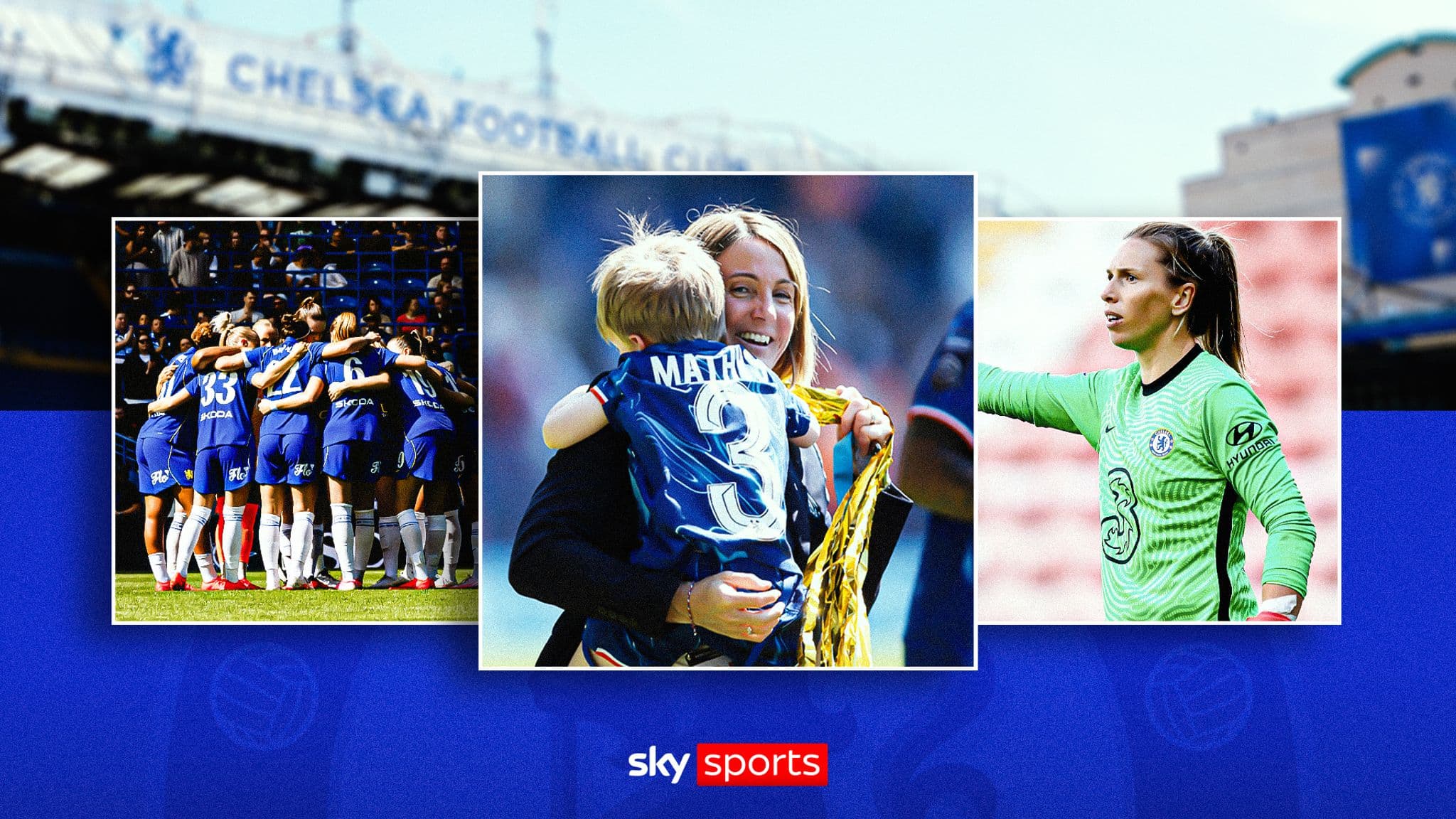
Chelsea have established themselves as pioneers in women's football once again, this time by introducing groundbreaking fertility and maternity policies that give their players genuine choice about starting a family while pursuing elite sport.
The Blues have become the first team in the Women's Super League to roll out these comprehensive support packages, working alongside Fertility Plus, a leading London fertility clinic, to create a fund accessible to all squad members. This represents a significant step forward in how the club supports women's health, building on their earlier work in tracking menstrual cycles—a practice Chelsea pioneered in February 2020 under Emma Hayes.
The fertility fund covers egg freezing, IVF treatment, smear tests, contraception, counselling and educational workshops, allowing players to make informed decisions about their reproductive health without pressure. According to Her Football, the fertility fund is worth at least £189,000, with each of Chelsea's 27 players receiving an annual allocation at the clinic.
The maternity policy works in tandem with the fertility support, offering comprehensive care both during and after pregnancy. Chelsea's official announcement confirms the package includes personalised pregnancy and post-partum recovery support, private scans and delivery options, financial assistance for a partner or nanny to travel to away fixtures for up to one year after a player's return to playing, enhanced adoption and parental leave policies, wage support and subsidised childcare.
Head coach Sonia Bompastor, who has four children with her partner and Chelsea assistant coach Camille Abily, spoke exclusively about the significance of these changes.
As a club, it's always been really important for us to support our players the best way possible. We want to be a club who always supports the players to have more knowledge around different opportunities... it's more for them to be able to make a choice and a decision about what they want for them.
Bompastor reflected on her own playing career, when such options were not available to her. She explained how the lack of support forced difficult decisions about the timing of motherhood.
When I reflect on my own story and experience, I didn't really have the choice. I wanted to have a really good career as a player and I decided to carry on and to finish maybe a little bit earlier than what I should have done because I also wanted to become a mum and have a family.
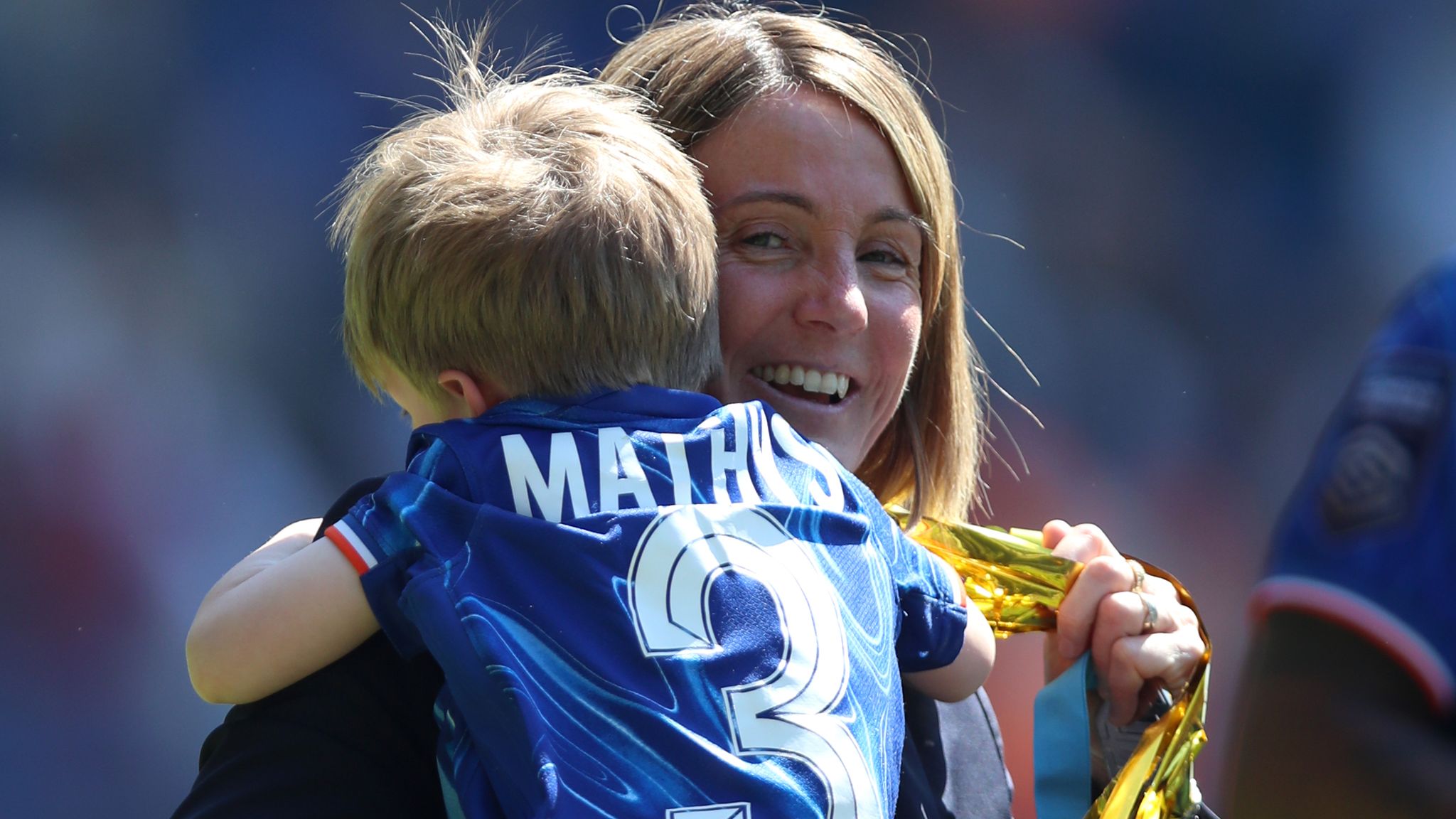
The head coach described the mental burden of navigating motherhood and elite sport without institutional support, highlighting how these new policies remove that barrier.
With the knowledge I had in that moment and everything that was available for me, I thought it was almost the only way for me to do that, because when we talk about becoming a mum when you are still an athlete, there are lot of questions to answer. It's about the pregnancy, but also everything after that. How can you look after your kid when you are an athlete and you play at the highest level? All these things were really difficult questions for me and I didn't have all the answers.
Bompastor emphasised the transformative nature of what Chelsea is now offering.
You don't have to choose anymore between your professional career and your personal life being a mum. Now, both are possible.
Carly Telford, a former Chelsea goalkeeper who now serves as commercial manager for the women's team, has been instrumental in developing the partnership with Fertility Plus. She spoke exclusively about her vision for the initiative.
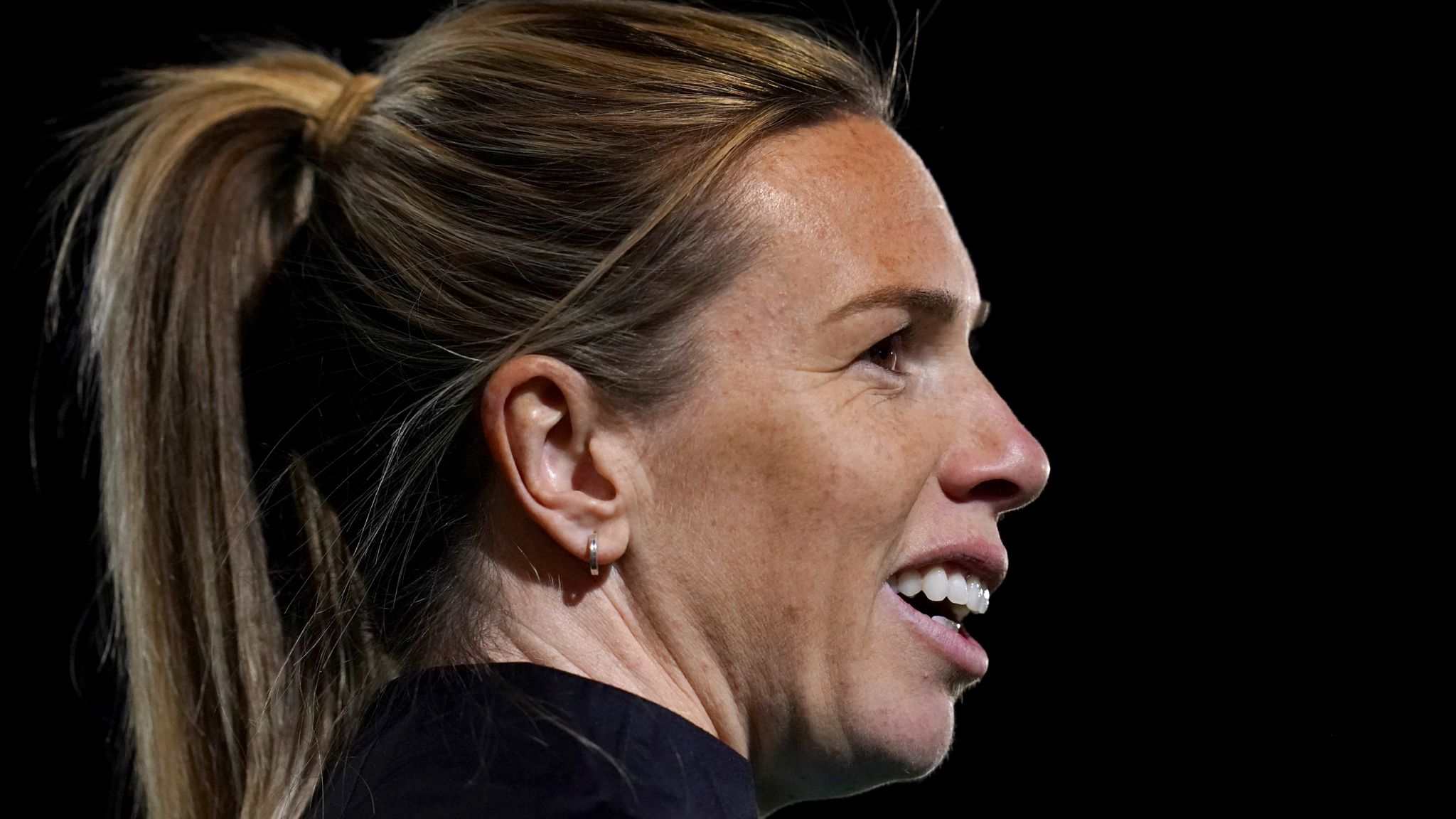
I've seen first-hand the kind of experiences that women, girls and athletes have when it comes to making choices around fertility and I wanted us to be a leading club in that. I wanted to find someone that understood us as athletes first, but also understood us as women and what that comes with.
Telford explained the comprehensive nature of the support available through the partnership.
I wanted to find a fertility clinic that offered more than just egg freezing and more than just optional things, but to give choices around hormones, endometriosis, cycle tracking, testing - something all-encompassing around the female body. Then what the players do with that is completely up to the individual.
She stressed that the policies treat players as complete people, not simply athletes.
It brings comfort and a thought process that we as a club are looking at them differently and are treating them as people as well as footballers. They will give their whole bodies to this club for the amount of time they're with us and it's an extra option for them to think about themselves.
Telford called for the rest of the sport to follow Chelsea's lead.
It's an important thing to have that every club should be looking at, the league should be looking at, the FA should be looking at in terms of making sure that women have a choice when it comes to their whole body and what that looks like during and after their careers.
Player reception and confidentiality
While no Chelsea players have publicly revealed plans to use the new resources—a decision that should remain private—Telford has received positive feedback from squad members about the policies.
We touched base with some of the players and I'm lucky enough to be friends with a lot of them, so I leant on a few of them just to see what they felt about what this would look like for them. A lot of the feedback was 'this would be really good, keep us across it'. As soon as we knew the deal with Fertility Plus deal was close, we informed the leadership group who then informed the team and since then, we've had a lot of good feedback. The players are feeling very comfortable with it and then how they act upon that based on their own individual needs.
Telford assured players that their medical information will be handled with complete confidentiality.
Any information will confidentially be shared amongst the doctors at Fertility Plus and the doctors within the club and it will stay like that.
Chelsea have previous experience supporting pregnant players. Melanie Leupolz gave birth in 2022 and returned to play for the club, while Zecira Musovic moved back to Sweden in June 2025 before giving birth later that year. Former Blues captain Millie Bright recently announced her pregnancy after retiring from playing earlier this year.
Telford suggested that observing these pregnancies prompted the club to consider how older players in the squad might be approaching their fertility and future families.
The 30-plus-year-olds are probably the last group of women that have had to maybe put those things on hold.
Context within the wider game
It is worth noting that WSL players were already guaranteed maternity coverage under an FA-PFA agreement introduced for the 2022-23 season, which established a baseline across the league. Chelsea's expanded club-specific package goes significantly beyond that league-wide standard, reflecting the club's commitment to setting new benchmarks in player care.
A broader vision for women's health
While the policies are player-focused, Telford hopes Chelsea's profile can help raise awareness about women's health more broadly. She spoke about the importance of women understanding their own bodies throughout their lives.
We want to be followed for the things we're doing around the team that have a wider impact when it comes to women in general and that's the impact that our sport has. We're very lucky to play one of the most popular sports in the world and be part of one of the biggest clubs and biggest brands. If we can make businesses, other football clubs and other sports think differently around their women, that is what we want to do.
Telford reflected on her own experience as a player and what she wishes she had known.
As women, we need to take more control of ourselves and have more viewership of what our bodies are doing, what they look like during womanhood and how that changes in terms of genetics, lifestyle, all these things that impact our bodies. And it's not just the athletes. They take a bigger toll on their bodies because of what they do, but general womanhood and what that looks like for us, that is the thing that I wanted to echo outside of football.
She described the knowledge gaps she experienced during her career.
I would have loved to have known more about my body for lots of different reasons while I was playing - how I get the best out of it as an athlete, what it's like during menstruation, what it's like in terms of longevity of my cycle and fertility and what that looks like moving forward, the options I then have during my career and what it looks like later on in life and in my career. Now they have that, I am really proud of it.
Telford expressed hope that the initiative will spark wider conversation.
I do hope this sparks a big conversation around what that looks like, not just for the future of women's sport, but for the future of women in general.
How the two programmes work together
The fertility and maternity policies are designed to complement each other, offering players choice in whatever they decide, whether that involves starting a family or managing their gynaecological health.
Bompastor explained the value of having comprehensive support structures in place.
Having a family is something no one can teach you. You just learn to be a mum when you have your first child and even if someone is trying to tell you how you have to deal with the situation, you only learn when you have a baby. Having the opportunity to have platforms where you have information you can share with different people who already experienced that is already a big thing.
She emphasised the dual demands that elite athletes face when becoming mothers.
Also, giving the support to players after having a baby. They need that because when you are a high-level athlete and you become a mum, those are two full-time jobs and you need that support to be able to do both at your best level. All these elements are really important for the players to have, but also for them to know there are different opportunities and they are available for them.