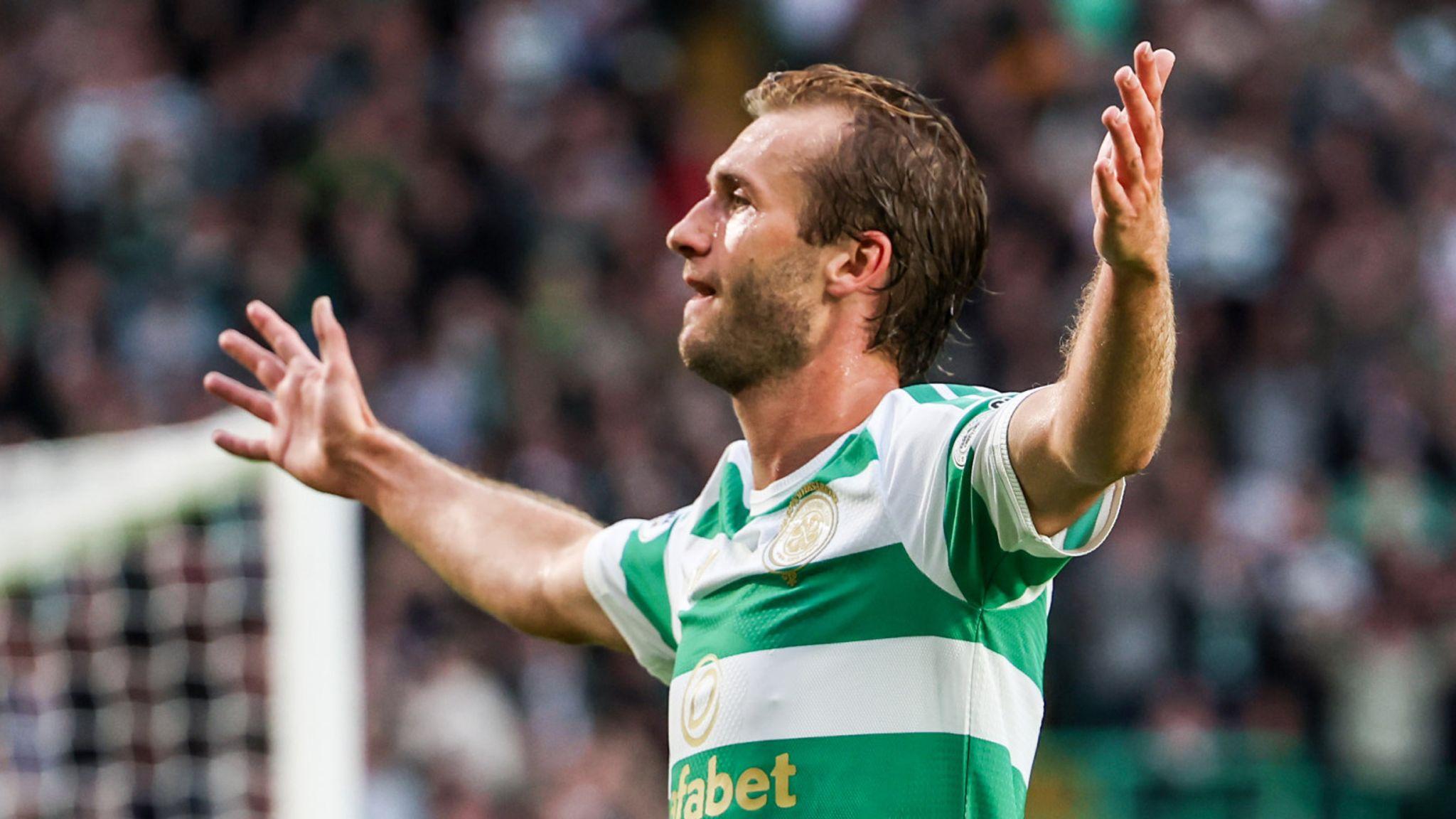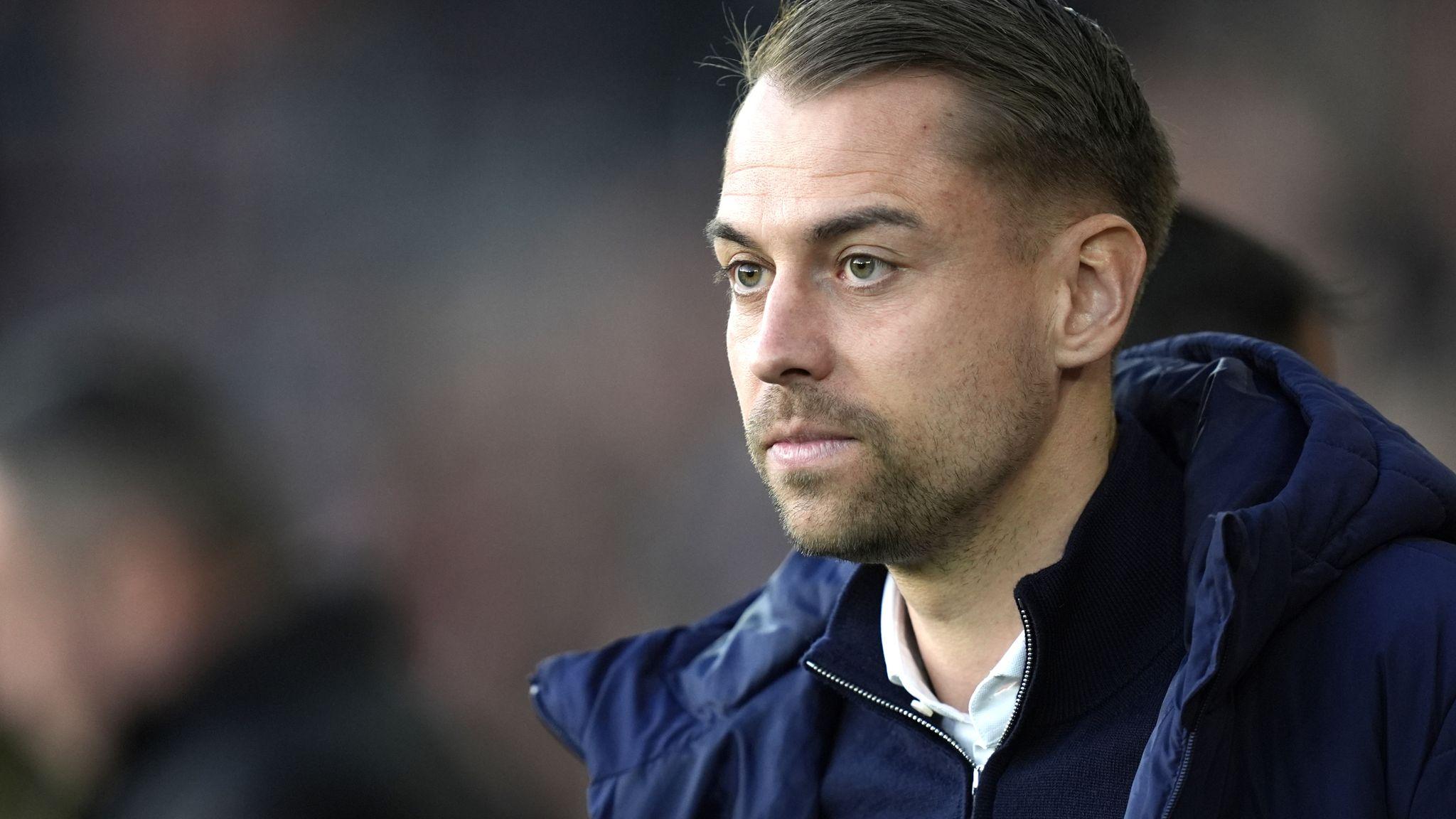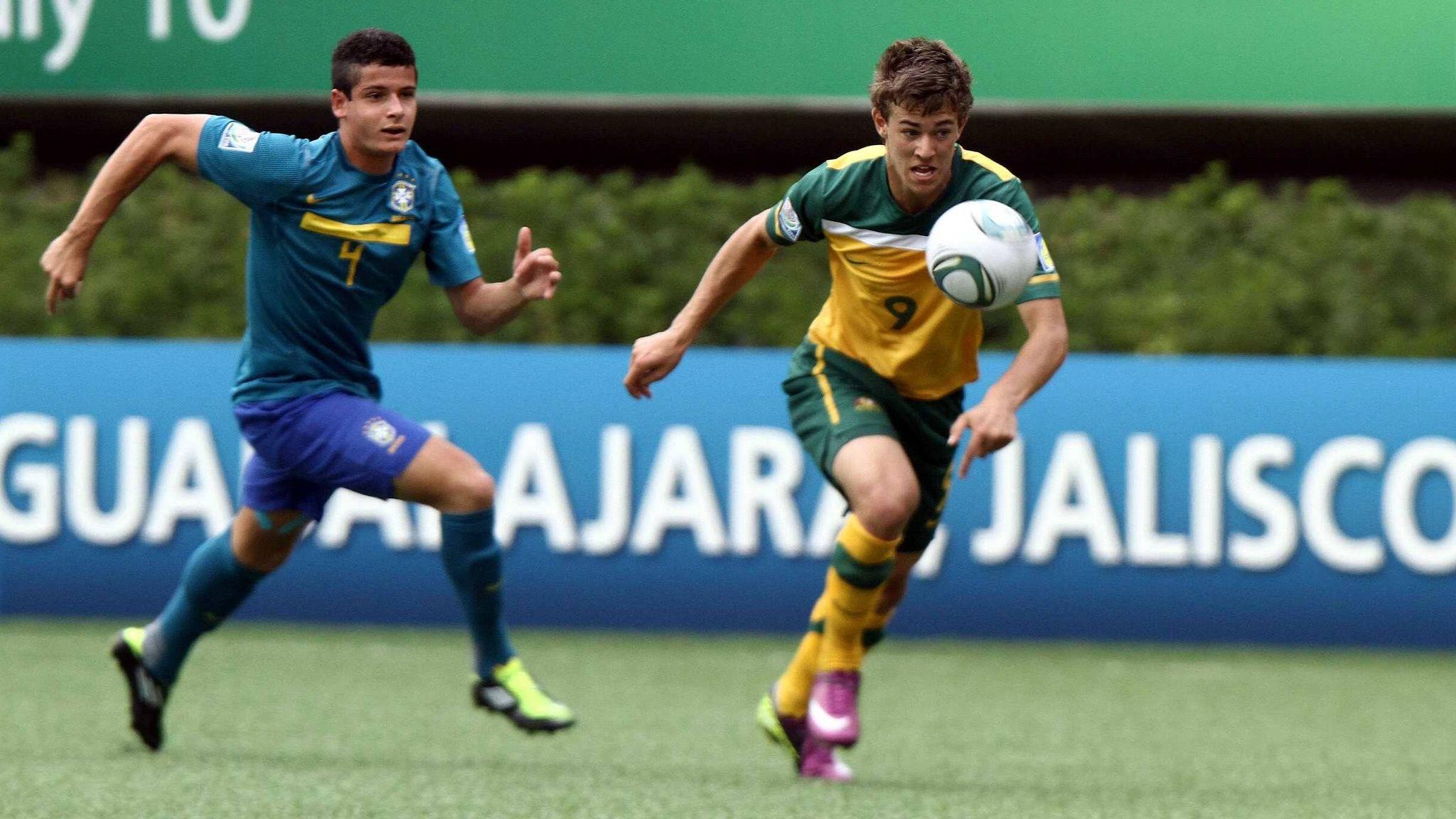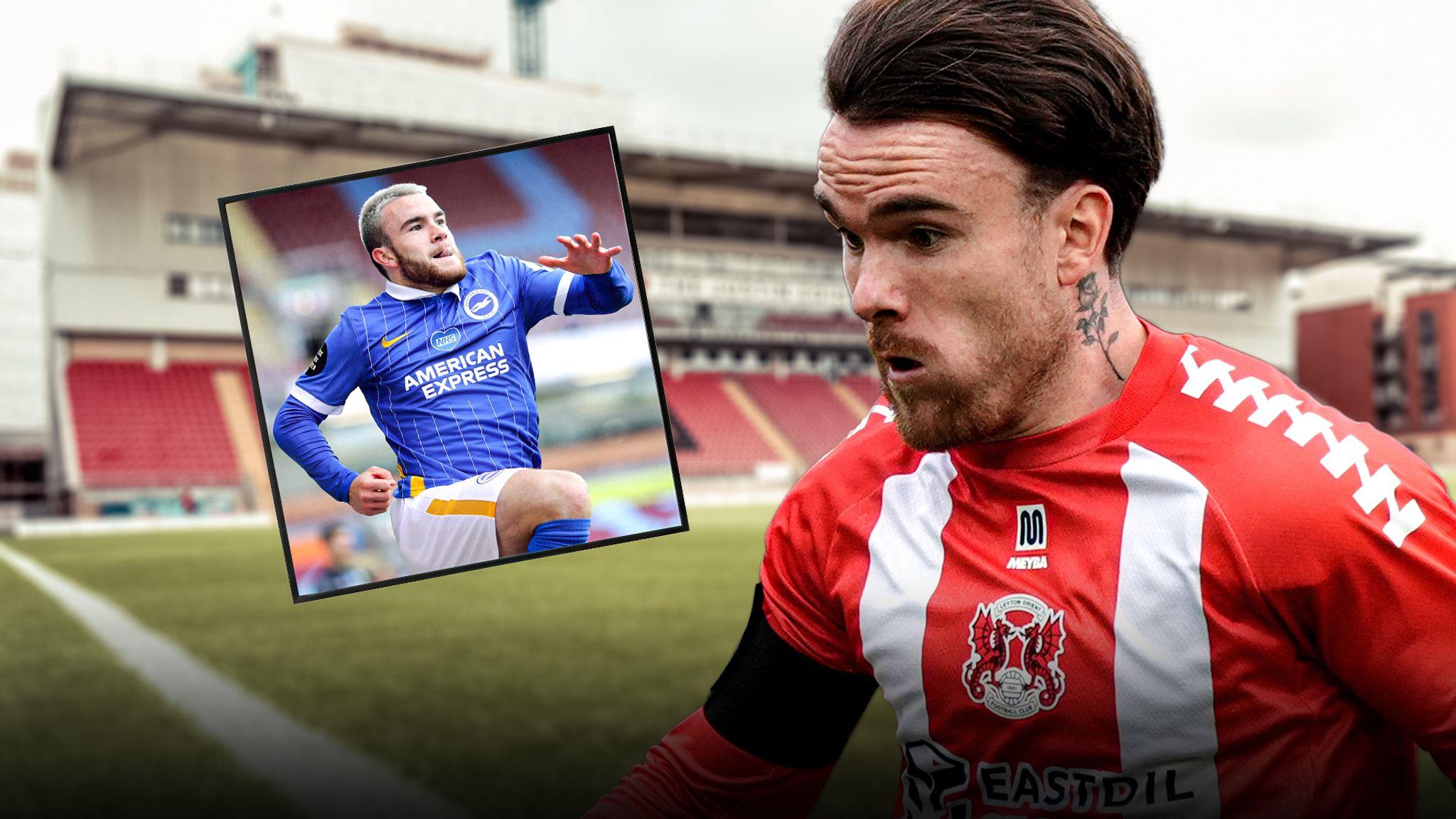
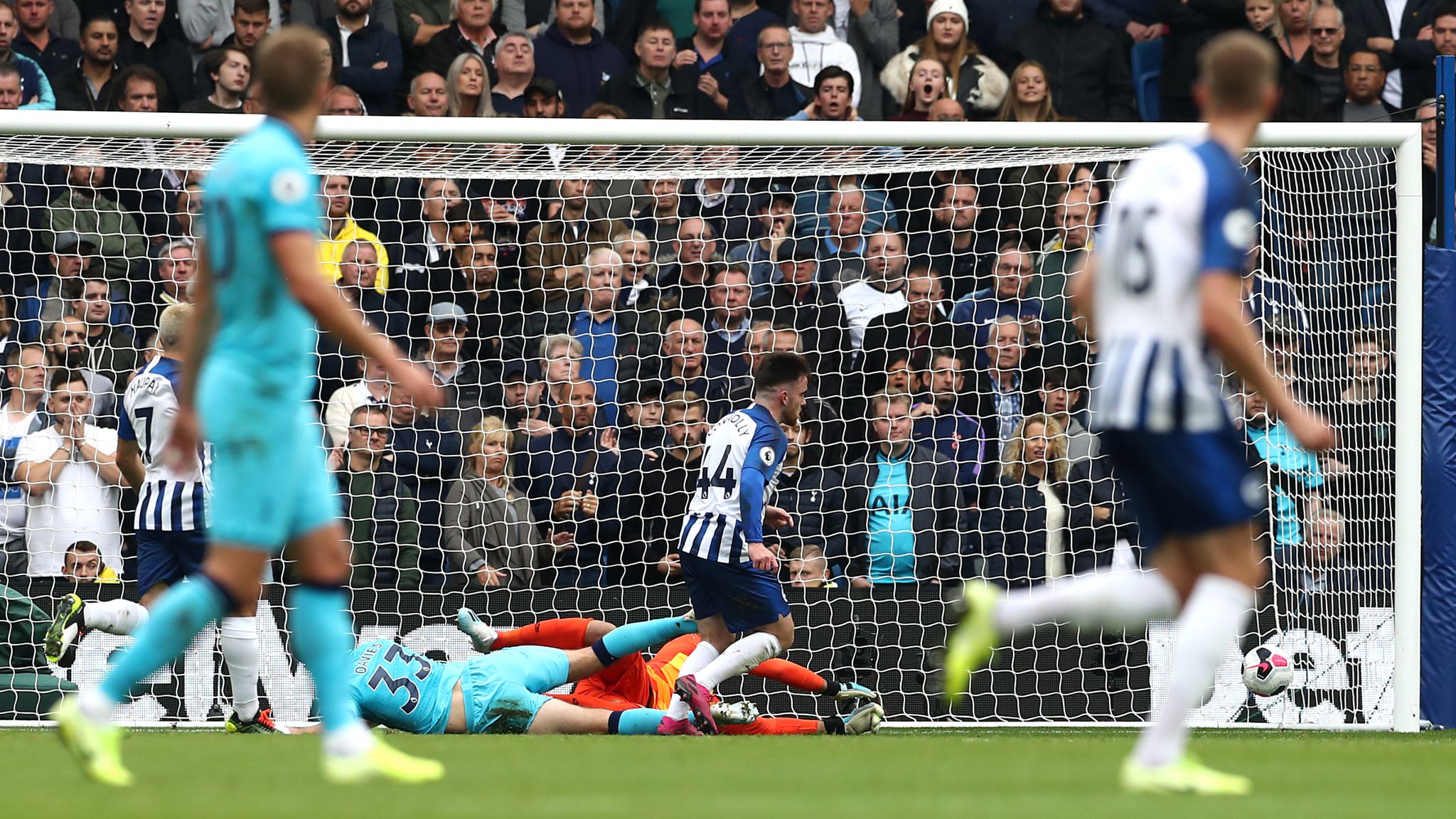
At 26 years old, Aaron Connolly has already lived through enough football drama to fill a decade. Seven years have elapsed since that unforgettable Premier League debut—two goals for Brighton against Spurs at just 19 years old in 2019—yet the intervening years have tested him in ways far beyond the pitch.
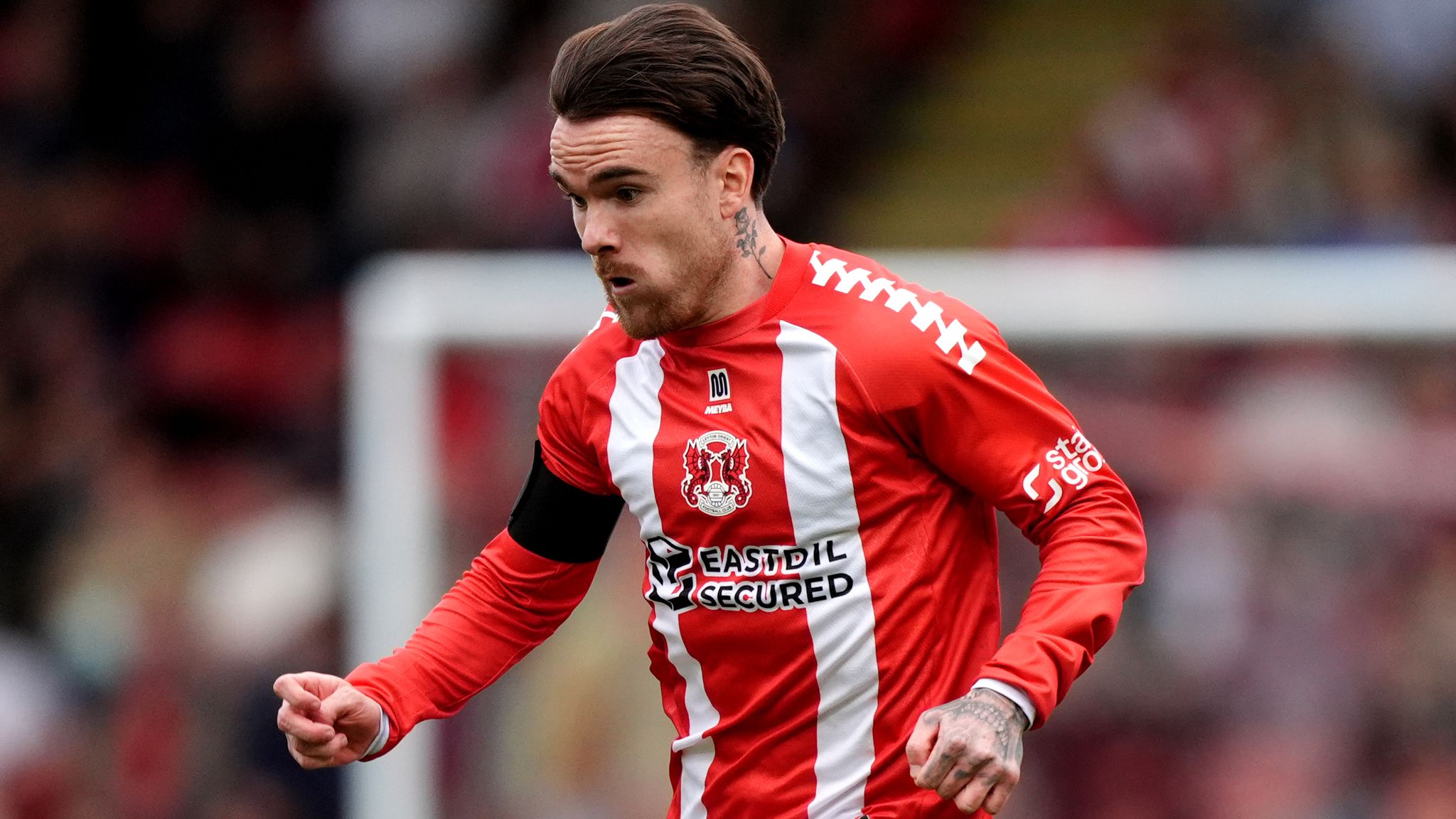
Speaking to Sky Sports, the Leyton Orient midfielder reflects candidly on a career marked by injuries, personal struggles, and hard-won self-awareness. His journey from Premier League prospect to League One player has been anything but straightforward, shaped by setbacks both physical and psychological.
The weight of early success
Connolly acknowledges that his meteoric rise at Brighton created a false sense of security.
"I probably believed the hype straight away and thought I'd scored two on my full debut, so I'm going to score 30 in the Premier League without dedicating myself to it, being in the gym, being first in and last to leave,"he explains. That youthful arrogance came at a cost.
The midfielder admits he squandered the opportunity his early success had provided.
"I let myself down a lot, and that's probably why I ended up getting injured. I'd be late into training, be the first one to leave, never really stay and work on my craft or anything."He describes a mindset of complacency, believing a long-term contract meant years of guaranteed opportunity.
"I kind of thought I'd signed a long-term deal here now, so I've got five years to play with. That five years just went, and every footballer will tell you it goes quickly. It does."
A cascade of injuries and lost momentum
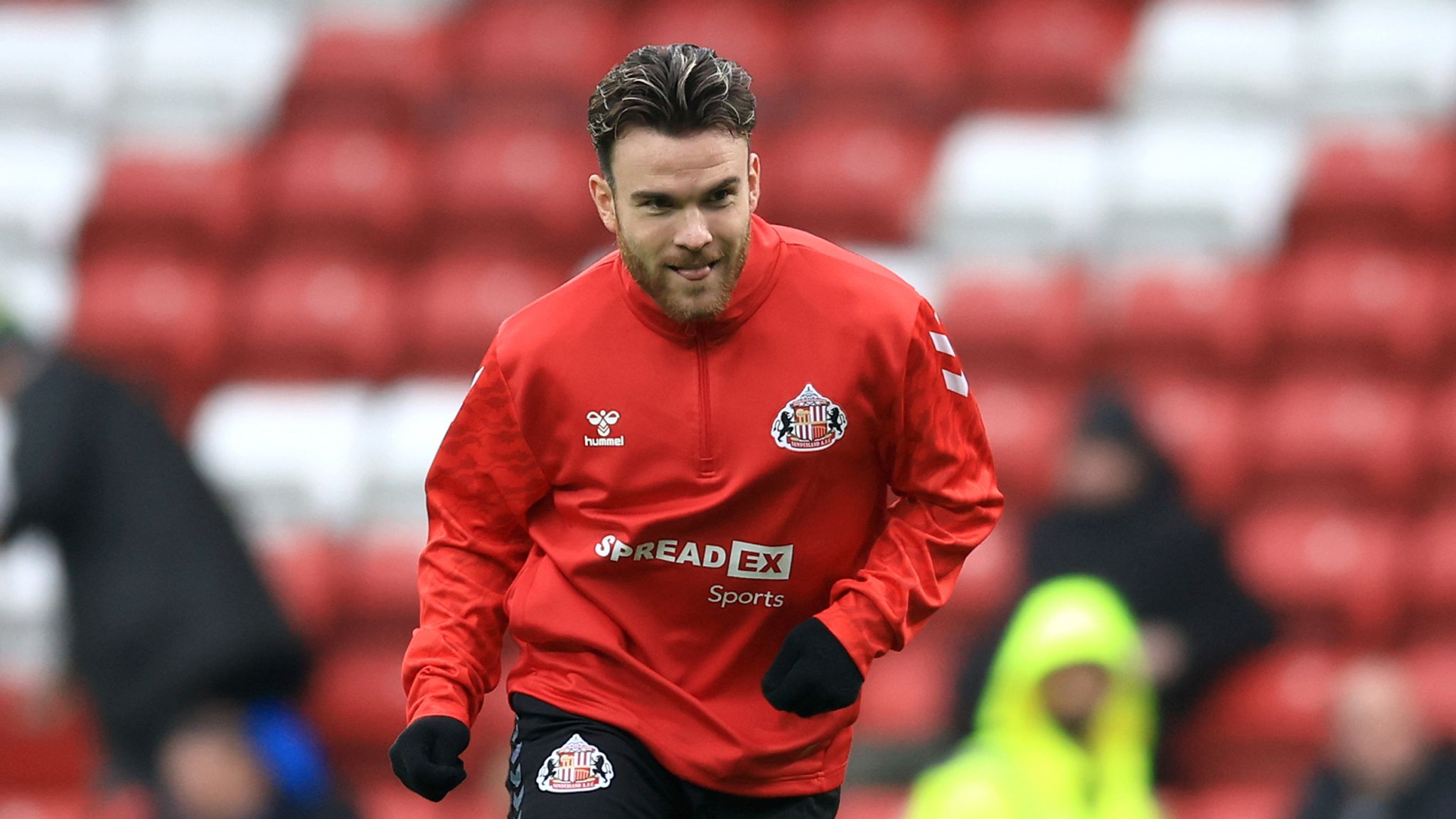
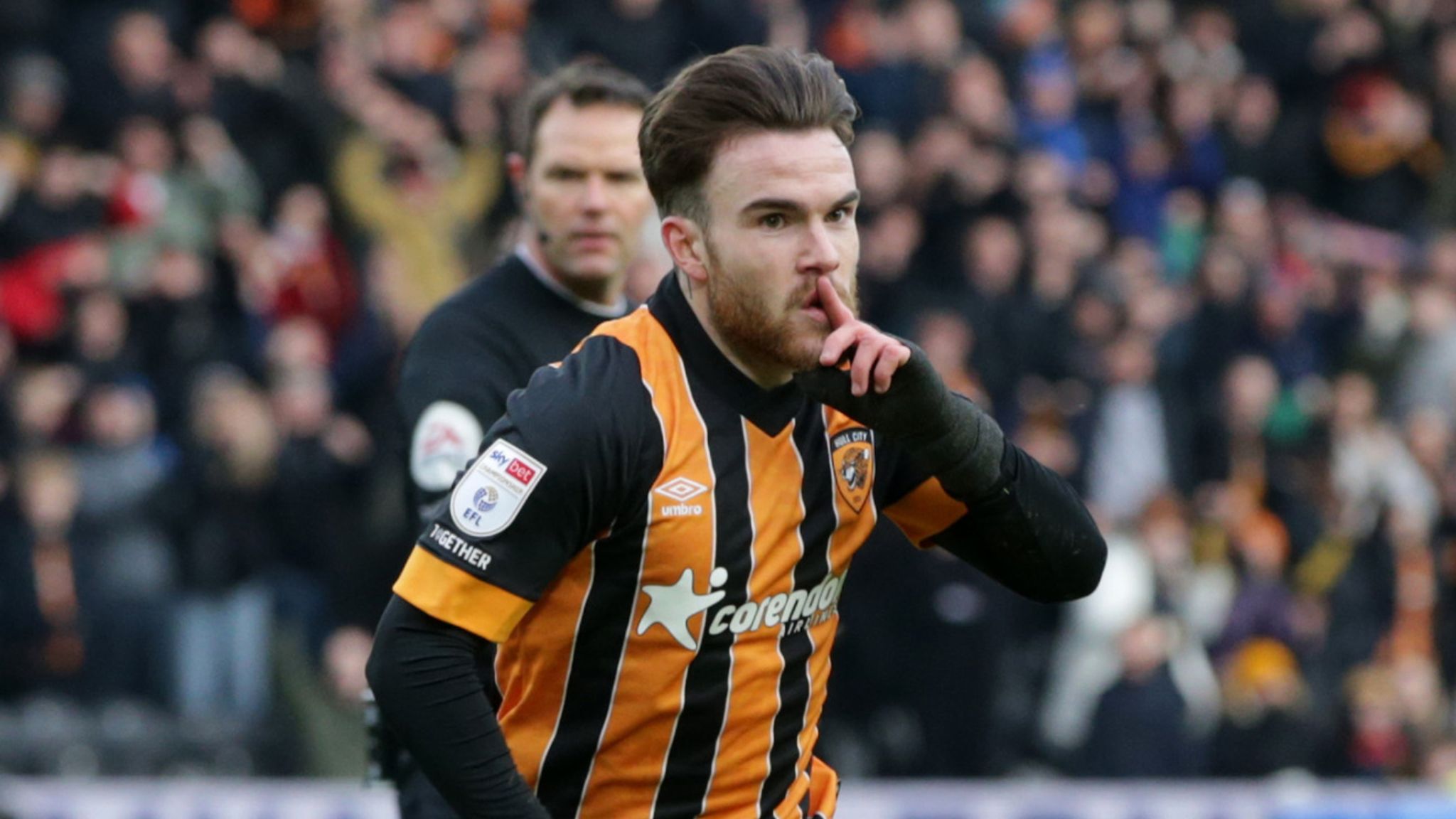
The physical toll has been relentless. During his time at Hull, Connolly found form and was scoring regularly before injury derailed his progress. A move to Sunderland promised a fresh start, but the pattern repeated itself: he scored in one of his opening matches against Millwall, only to suffer another setback that cost him momentum.
Last season at Orient proved particularly cruel.
"I had that momentum for about 15 to 20 games. I started scoring and assisting, and then tore my quad. I was in a bit of a rush to come back and then obviously did my shoulder and needed surgery again."The sequence of injuries—compounded by his own eagerness to return—left him frustrated and questioning whether he could ever recapture consistency.
Yet Connolly has since shown signs of recovery. According to BBC Sport, he scored in Leyton Orient's 5–1 FA Cup victory over Harborough Town on 7 November 2026, with his goal coming in the 25th minute after he collected Alex Gilbert's short free-kick and finished from outside the box. The performance offered a glimpse of what he can still achieve when fit.

Confronting demons beyond football
Connolly's struggles extended far beyond injuries. Years of poor lifestyle choices—particularly his battle with alcohol addiction—undermined his career trajectory during his late teens and early twenties. He opened up about this publicly a couple of years ago while at Sunderland, using World Mental Health Day as a platform to share his story.
"I don't want to be that kind of player that's known for these types of issues, but also the reason I need to remember why I did the interview a few years ago was just to help as many people as possible,"he says. Family history made the issue personal: his maternal grandfather struggled with alcohol, giving Connolly added motivation to speak openly.
The midfielder has since rebuilt his relationship with the game and with himself.
"I'm in a good place with all of it. Obviously, it is a difficult thing to wake up and realise I can't do what a lot of my team-mates can do, which is go out on a Saturday, have maybe a couple of sociable drinks and go home. I know that's not me."
Sobriety has transformed more than just his football.
"I don't miss it, that's for sure. I have a better life and better relationships with people now without it. And my football, if I was drinking and going out, I wouldn't be able to do any of it, at any level."He describes how his previous lifestyle made him selfish and isolated, whereas now he has time and energy for those around him.
The long road to self-realisation
Between the ages of 23 and 25, Connolly spent considerable time reflecting on his younger self, bewildered by his own choices.
"I was just looking back on when I was 19, thinking, 'what did I do? Why did I do it for so long?'"Even during injury recoveries, he failed to adopt the discipline required for proper rehabilitation, allowing minor injuries to balloon into lengthy absences.
"Even when I was injured, I still wanted to do the same thing because when I was at Brighton, if I got a little injury, that injury would take six weeks when it should have been two because of the way I was doing things. I wasn't doing everything properly."
The turning point came when he finally grasped what elite football demands.
"I've realised now that I need to dedicate myself to football. Sometimes when I'm at the training ground now, I come in first and leave last, and I'm sitting there thinking, 'why has it only clicked for me now that that's what you need to do in football?'"
Connolly refuses to view his early success as a curse, despite its complications.
"I can never look back and say I wish I hadn't scored those two goals straight away, because I might not have ended up at Sunderland, for example, without that kind of CV behind me because of the impact I had early on at Brighton."The goals opened doors that might otherwise have remained closed, even if they also created unrealistic expectations.
Mentoring the next generation
Now at Leyton Orient, Connolly is keen to share the lessons learned through his difficult journey. Though the club's academy players lack his Premier League exposure, he recognises the value of his cautionary tale.
"Everyone needs to make mistakes,"he reflects.
"I'm not going to know all the answers straight away when I was 19 and getting paid all this money and playing in front of 50,000 every week."
The sudden attention that comes with Premier League football caught him unprepared.
"People are texting you saying, 'I can sort you this, I can do this for you', the minute you start playing in the Premier League. It took a lot of adjusting and getting used to that."Growing up in Ireland had not equipped him for such temptations.
Connolly makes himself available to academy players, sitting with them in the physio room and offering guidance when they seek it.
"They all want to play in the first team, but they're currently on loan in the Isthmian Premier, and they're thinking it's the end of the world. Why am I here at 18 or 19?"He reminds them that career trajectories vary wildly.
"I'll remind them that some journeys are completely different. I was in the Premier League at 19 and now I'm in League One. You might be in the Isthmian at 19 and could be in the Premier League by 26. There are different journeys."
He recalls conversations with Adam Webster, his former Brighton teammate, who was playing for Portsmouth in the lower leagues at 19.
"He'd say, 'well, I'm here at 26. Let's see where you are at 26'. He was right. They probably saw it coming before I did."Webster's steady rise contrasted sharply with Connolly's chaotic descent, a lesson not lost on the younger players he now advises.
Accepting his level and fighting for more
Connolly has made peace with the possibility that League One might be his ceiling.
"Like I said before, if this is going to be my level and this is where I end up at 35 or 36, then that's fine. At least I know I've given it everything, and then it's down to whether there are better players than me and better players in my position going ahead of me. I can accept that."
What he cannot accept is the alternative: a career haunted by regret.
"But if I'd kept living the way I was and not appreciating the game, I'd probably look back when I'm 34 or 35 thinking, I wish I'd realised this 10 years earlier. I don't want to look back on my career with regret."
The sentiment echoes advice he heard during his teenage years from visiting speakers at training grounds.
"You always hear that when I was 18, there used to be people coming into the training ground for educational talks and saying that."Now, at 26, those words carry the weight of hard-won experience.
According to FotMob, Connolly has recorded one League One goal in the 2026–27 season from 313 minutes of play, a modest return that reflects both his injury struggles and his recent return to action. He was an unused substitute in Orient's 4–2 EFL Trophy defeat at Barnet on 10 November 2026, suggesting his fitness continues to be managed carefully.
What comes next
Connolly's immediate focus is straightforward: regain full fitness and build consistency with Leyton Orient.
"I'm just looking forward to seeing what I can do at 100 per cent fitness."With time still on his side at 26, he believes redemption remains possible.
Leyton Orient are scheduled to host AFC Wimbledon in League One on 21 November 2026, offering Connolly another opportunity to demonstrate his commitment to the comeback narrative he is writing. Whether he can sustain the form that earned him his FA Cup goal against Harborough will determine whether his story becomes one of genuine recovery or merely another chapter in a career defined by unfulfilled potential.