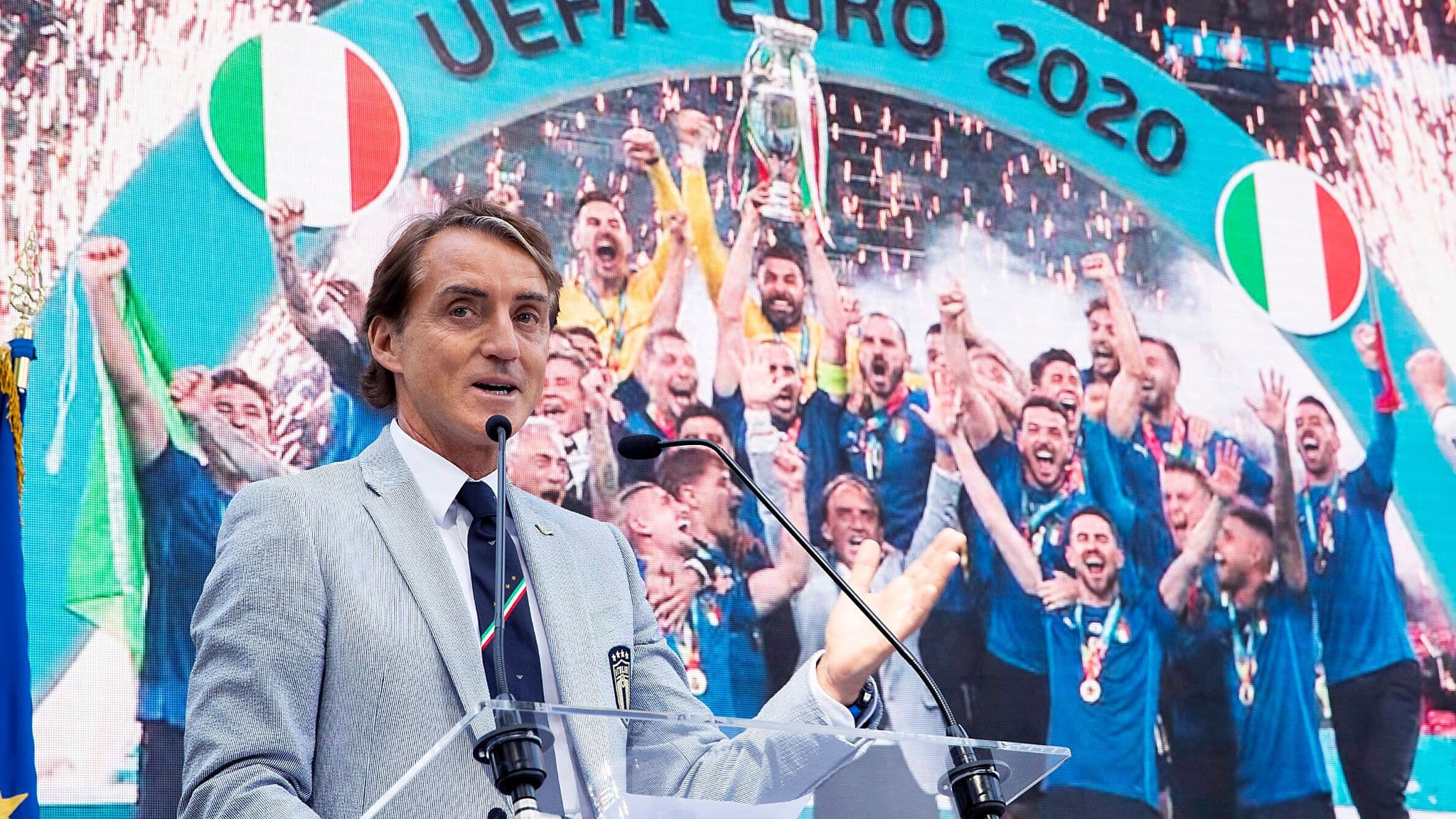
Italian football reached a nadir this year. Domestically, only Atalanta managed to progress beyond the Champions League last 16, with no other Serie A representative advancing past the quarter-finals in European competition. Yet the national team's plight proved far more damaging.
For the third consecutive World Cup cycle, Italy failed to secure qualification. The prospect would have seemed impossible for a nation that has claimed the trophy on four occasions.
The first two qualification failures were softened by the Euro 2020 triumph at Wembley, which offered the country a lifeline of optimism. The third World Cup absence, however, proved the breaking point. Even with the tournament expanded to 48 teams, Italy found no place at the table. The fallout was swift and severe: head coach Gennaro Gattuso departed, Italian FA president Gabriele Gravina stepped down, and Gianluigi Buffon relinquished his role as head of delegation.
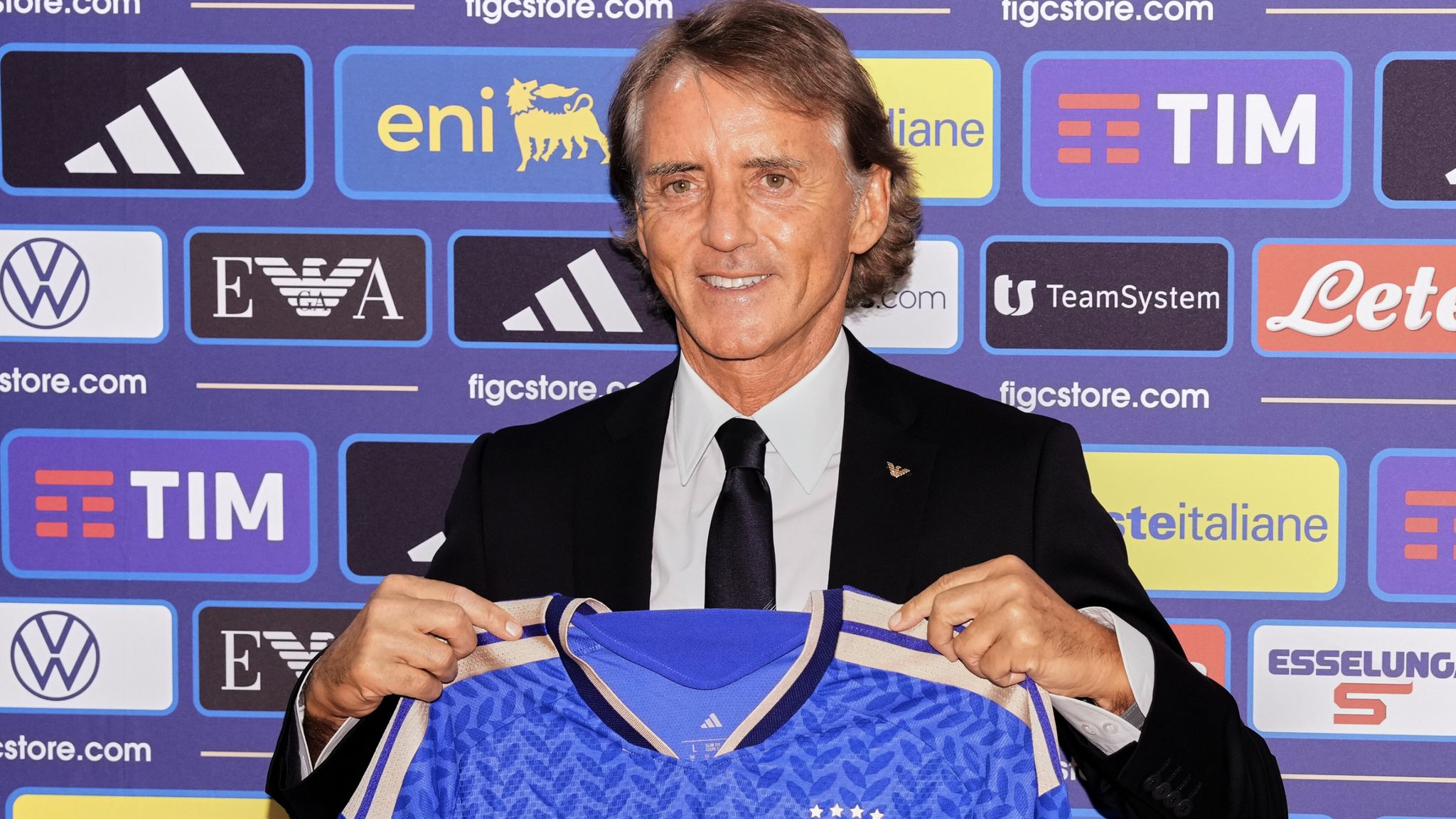
Italy's captain reflected on the magnitude of the crisis.
It's a sensitive subject that affects me a lot, because not qualifying for three World Cups in a row is tough, and Italy certainly doesn't deserve that,Gianluigi Donnarumma told Sky Sports.
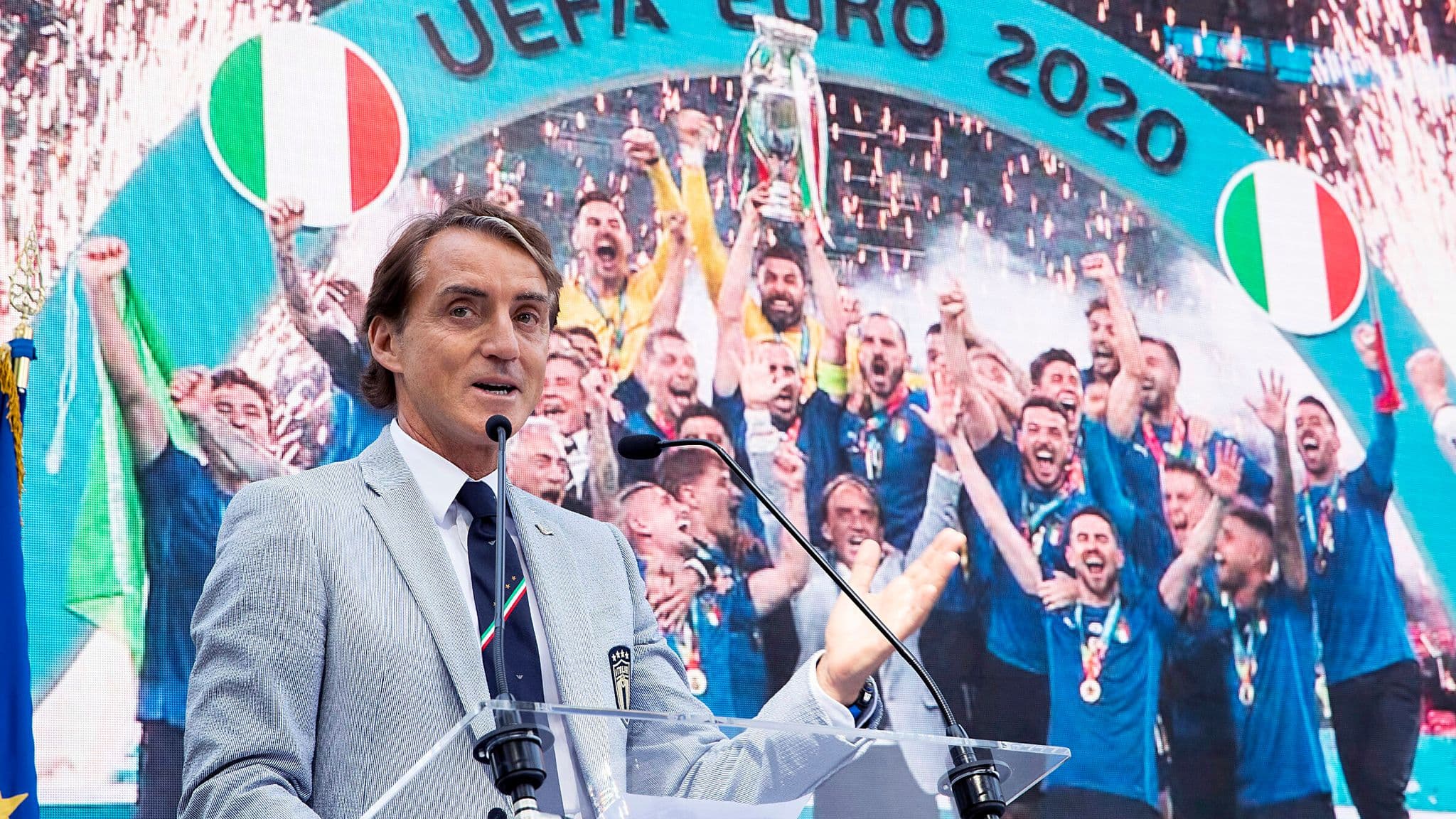
Now, the federation has turned to experience. Roberto Mancini, the architect of Italy's Euro 2020 triumph five years earlier, has returned to the helm. According to Reuters, Mancini took charge on July 28, 2026, after FIGC president Giovanni Malagò announced his second spell as Italy coach. The 59-year-old has signed a four-year contract and stated he hoped to win an important trophy, or even two during his second tenure.
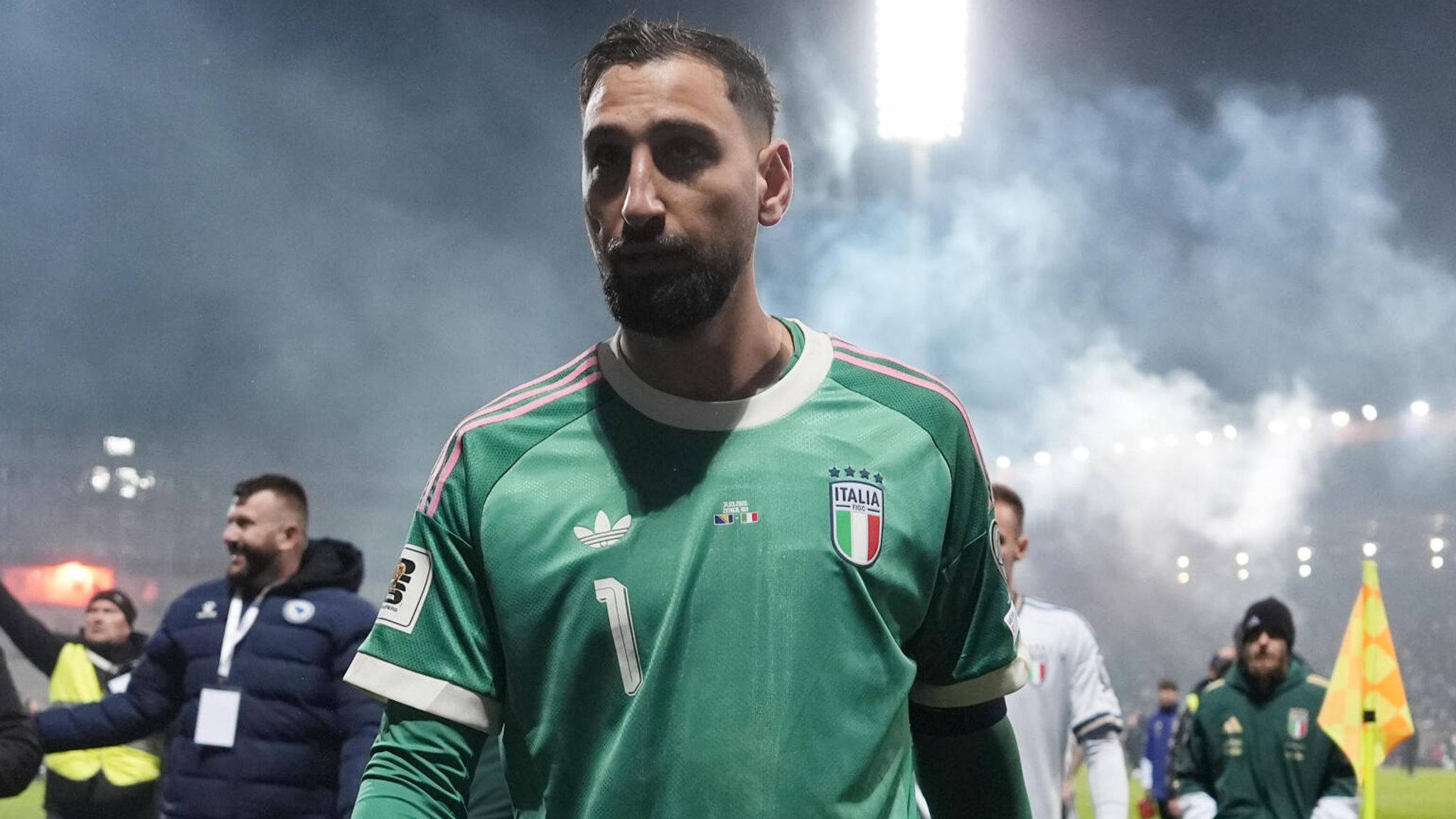
Donnarumma acknowledged the scale of the task ahead.
We have to work. The only way forward is to work,the goalkeeper said.
There has now been a change of coach, the return of Mr Mancini - and the objective is to work and try to take Italy back to where it deserves to be.
The captain emphasised the emotional weight of the challenge.
I know it's not easy for the fans, but especially for us, because only we know how much it means to us to play in a competition like the World Cup. So we'll give everything to bring Italy back to where it deserves to be. We have a great responsibility because history says that Italy should always be there. History has taught us that. So we have to bring Italy back to where it belongs.
A nation in decline
Italy's fall from grace has been prolonged and steep. Two decades have passed since their penalty shoot-out victory over France in the 2006 World Cup final - their last appearance in a knockout stage of the tournament. In the intervening years, they have managed just one World Cup victory: a 2-1 win over England in Brazil in 2014.
The 2012 European Championships offered a glimmer of hope when Italy reached the final, but that generation has since faded. The squad that conquered the world in 2006 featured Fabio Cannavaro, Alessandro Nesta, Gennaro Gattuso and Alessandro Del Piero. By 2012, that core had evolved but remained potent, with Gianluigi Buffon, Daniele De Rossi and Andrea Pirlo still commanding respect. However, since Giorgio Chiellini and Leonardo Bonucci retired from international football, Italian football has struggled to produce the next generation of world-class talent.
The statistics paint a bleak picture. According to the CIES Football Observatory, Italy produced just 413 football exports between 2020 and 2025, ranking 24th globally - behind the United States, Japan and Russia. The other four nations in Europe's big five leagues all managed over 1,000 players in the same category. Italian talent, whether young or established, has become less attractive to Europe's elite clubs.
This shortage of quality has cascaded into the national team. Between June 2025 and February 2026, only one capped Italy player was under 24 years old - Inter's young forward Pio Esposito. England fielded a dozen in the same period. In Serie A during 2025, Italy allocated just 1.9 per cent of minutes to eligible players under 21, the second-lowest proportion among the top 50 leagues worldwide. Only the United Arab Emirates Pro League managed fewer opportunities for youth development.
The domestic league itself has suffered. Recent high-profile signings including Kevin De Bruyne, Luka Modric and Jamie Vardy reflected a reliance on veteran imports rather than homegrown talent. Managerial appointments have also lacked innovation, with Antonio Conte, Max Allegri, Gattuso, Luciano Spalletti and Maurizio Sarri cycling through the top clubs without substantial tactical variation. Even this summer, Maurizio Sarri moved to Atalanta while Max Allegri joined Juventus.
The exception has been instructive. Cesc Fabregas' Como revolution, which culminated in Champions League qualification earlier this year, demonstrated what fresh tactical ideas from outside the established circuit can achieve. Similarly, Ruben Amorim's arrival at AC Milan has produced eye-catching football with the Rossoneri.
A new generation emerges
Yet there are emerging signs of change. Mancini's first squad selection since his return contained encouraging developments. The 34-player roster included nine uncapped players and 11 players under 23 years old, assembled for four Nations League matches, immediately testing the rebuild.
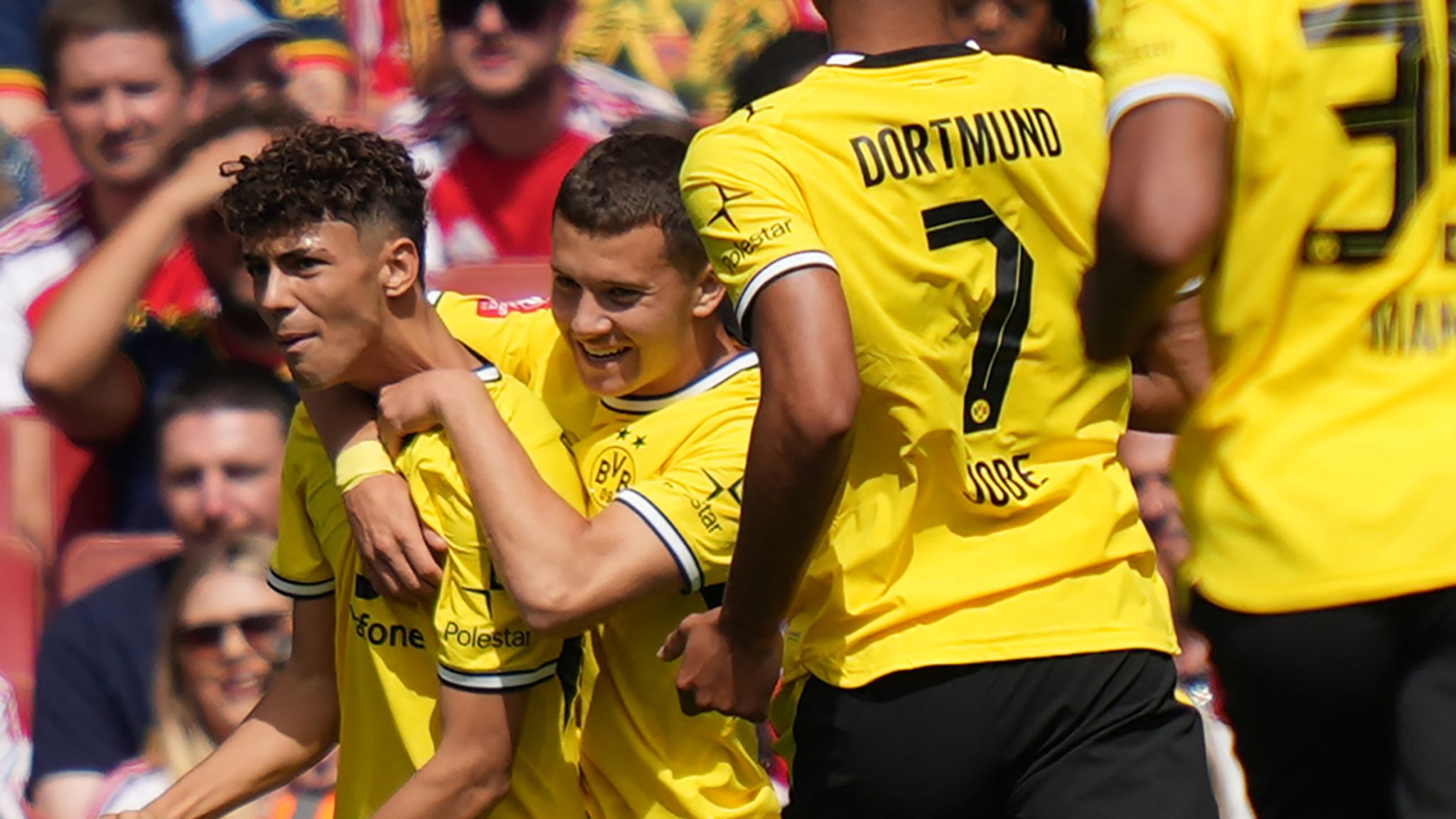
Among the fresh faces is Borussia Dortmund's 18-year-old striker Samuele Inacio. Chelsea-bound defender Honest Ahanor, currently at Crystal Palace, has also been included. Brentford's Michael Kayode represents another promising prospect in the new wave.
Inacio joins fellow Inter forward Pio Esposito, who has already made an impact with five goals in nine Italy caps. FC Nurnberg's Ali Zoma, who has scored 20 goals in 36 appearances in the German second division, offers further attacking depth. Midfielder Issa Doumbia has established himself as a key player at Sporting CP this season.
Donnarumma outlined the balancing act required.
There will certainly be some established players. We're getting older, but we're still young, and there will also be some very young players joining the team. So it will be a mixture, and we need to help these young players integrate well. They can give us a great deal of help. They're certainly talented players who need to play and gain experience, but I'm sure Italy will return to where it belongs.
The road ahead
Italy's immediate challenge arrives in the Nations League, where they face Belgium, Turkey and France in a fiercely competitive Group A. According to The Guardian, their campaign begins with Belgium in Rome on September 25, 2026, followed by Turkey on October 5, 2026.
Mancini has also acknowledged the need to rebuild trust with supporters. He departed for Saudi Arabia in August 2023 after his first spell ended, and has indicated he wants to win back supporters still upset over his 2023 exit.
A nation that has languished in darkness for far too long requires only one spark to reignite. Whether Mancini can provide it remains the defining question of Italian football's immediate future.