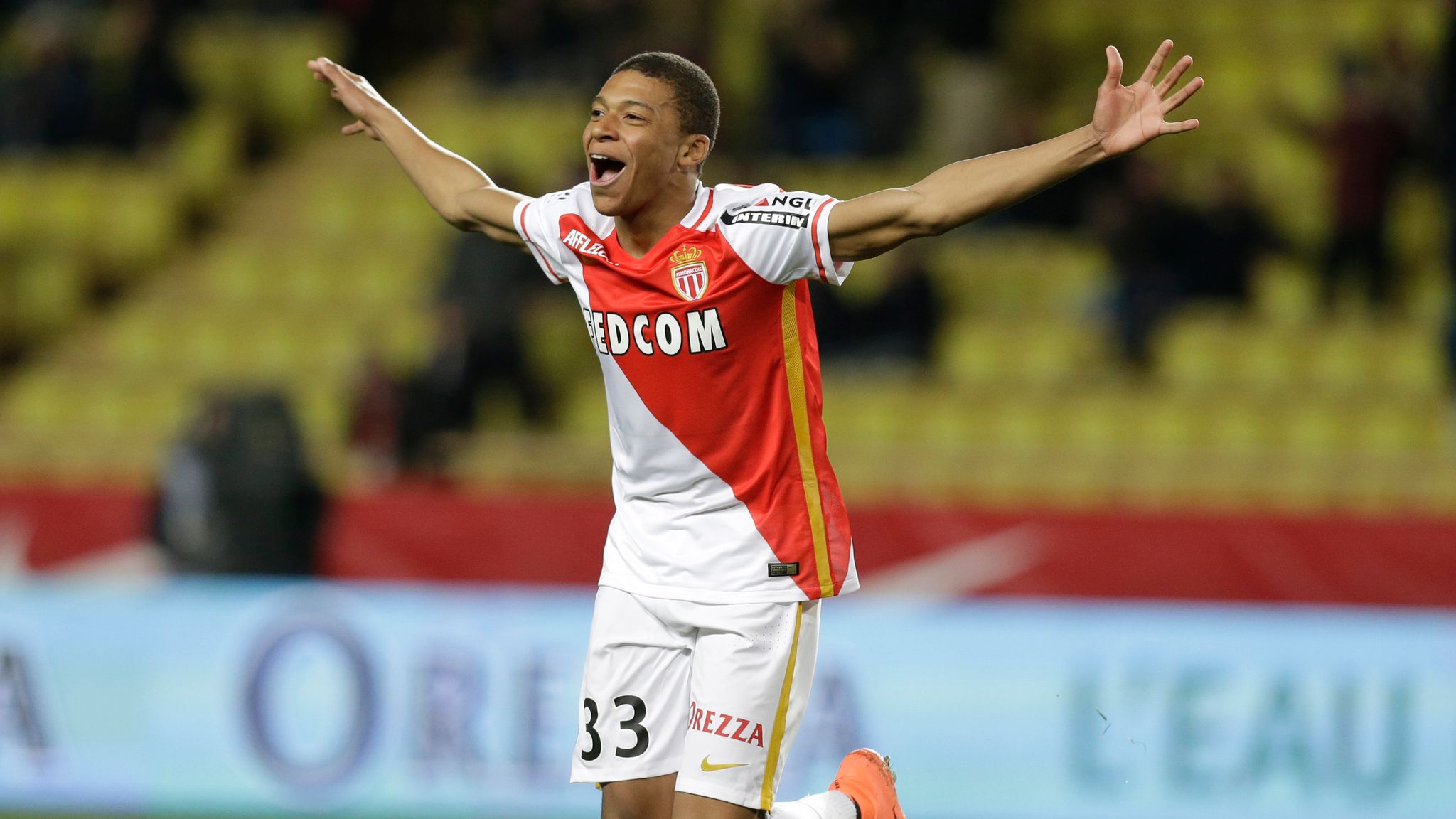
The corridors of La Diagonale tell a story written in the names on bedroom doors. Young players arriving at Monaco's celebrated academy find themselves sleeping in rooms dedicated to the club's greatest exports—spaces that once housed Thierry Henry or Kylian Mbappe, names that carry the weight of possibility.
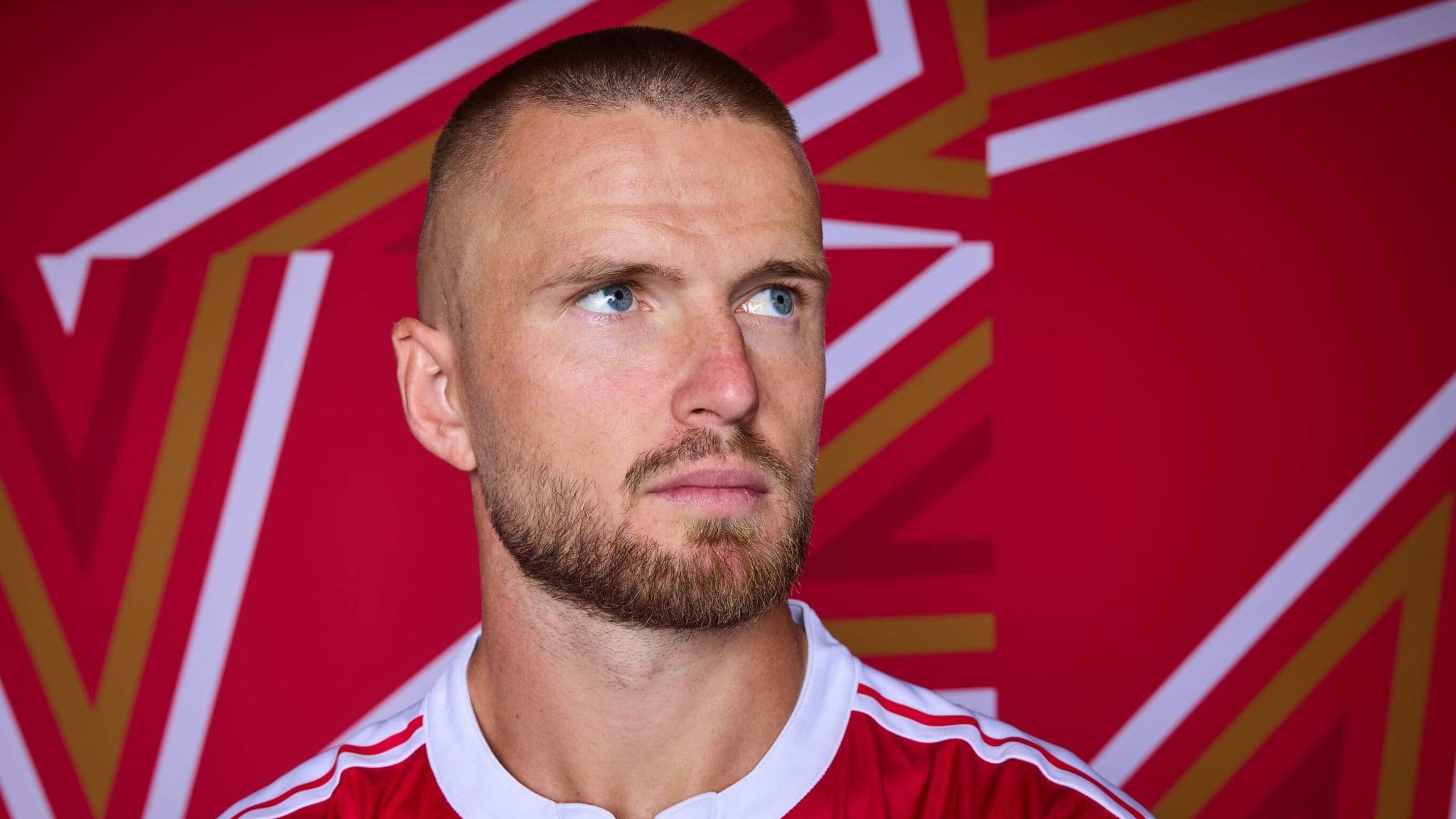
For the current generation of teenagers navigating their early professional years, those plaques serve as daily reminders of what the pathway can lead to. Eric Dier, now a senior figure at the club, understands the psychological power of such details.
I like that kind of detail. It is very special.
Dier's appreciation stems from his own formative years at Sporting, where similar touches shaped his development. The symbolism extends beyond decoration—it creates an intangible sense of belonging to something larger than oneself.
It makes you feel you are in the right place to make that journey as well. Because of how they have been successful that gives a lot of confidence to the young guys to be in an academy where so much talent comes through. They see a clear pathway. They know they are at a club that knows how to do it. It is a remarkable place.
Building confidence in uncertain times
For Thiago Scuro, Monaco's general manager, cultivating that sense of purpose among academy prospects has become more critical than ever. The club faces financial headwinds this season, operating without the revenue that Champions League participation typically generates. Simultaneously, the competition for emerging talent has intensified dramatically across European football.
Yet Monaco's position remains distinctive. The club sits atop Ligue 1 after five matches with 13 points from four victories and a draw, according to BeIN Sports. That early-season success, built substantially on academy graduates and young players, underscores the academy's strategic importance.
Imagine how inspiring it is for a 15-year-old kid coming to live in La Diagonale. There are a lot of factors that Monaco a very special place for young players and a big part of our strategy is investing in the academy to help develop them.
Scuro's words reflect a club philosophy rooted in necessity and refined through decades of success. Monaco operates as a nation-state playing professional football, a unique position that shapes every strategic decision.
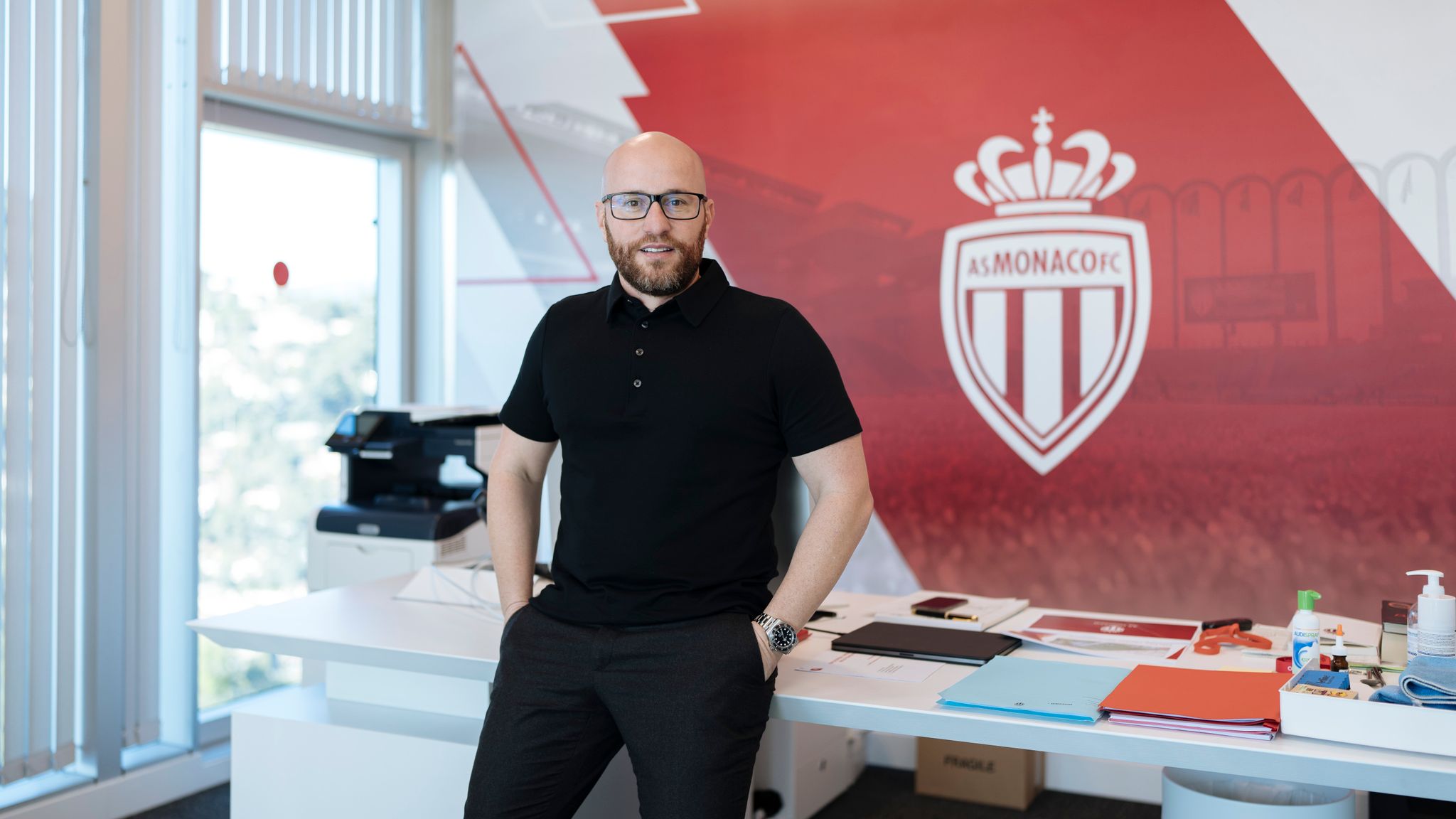
We have a mission to represent the Principality.
Beyond the symbolic dimension, practical constraints have made the academy indispensable. With a population of just 36,000 and a stadium capacity of 36,000, Monaco cannot compete with wealthier rivals on spending power alone. The club's survival at the highest level depends on identifying and developing talent before larger institutions can acquire it.
We need to be able to develop players to be able to compete at the top level because we do not have a big stadium. We only have 36,000 people living in Monaco.
The acceleration of talent movement
Historically, the pathway from La Diagonale to European stardom followed a predictable arc. Thierry Henry and Kylian Mbappe both won Ligue 1 titles at Monaco before departing for bigger stages—but the timeline has compressed dramatically. Henry was 21 when he left; Mbappe just 18. That acceleration reflects a fundamental shift in how elite clubs now approach youth recruitment.
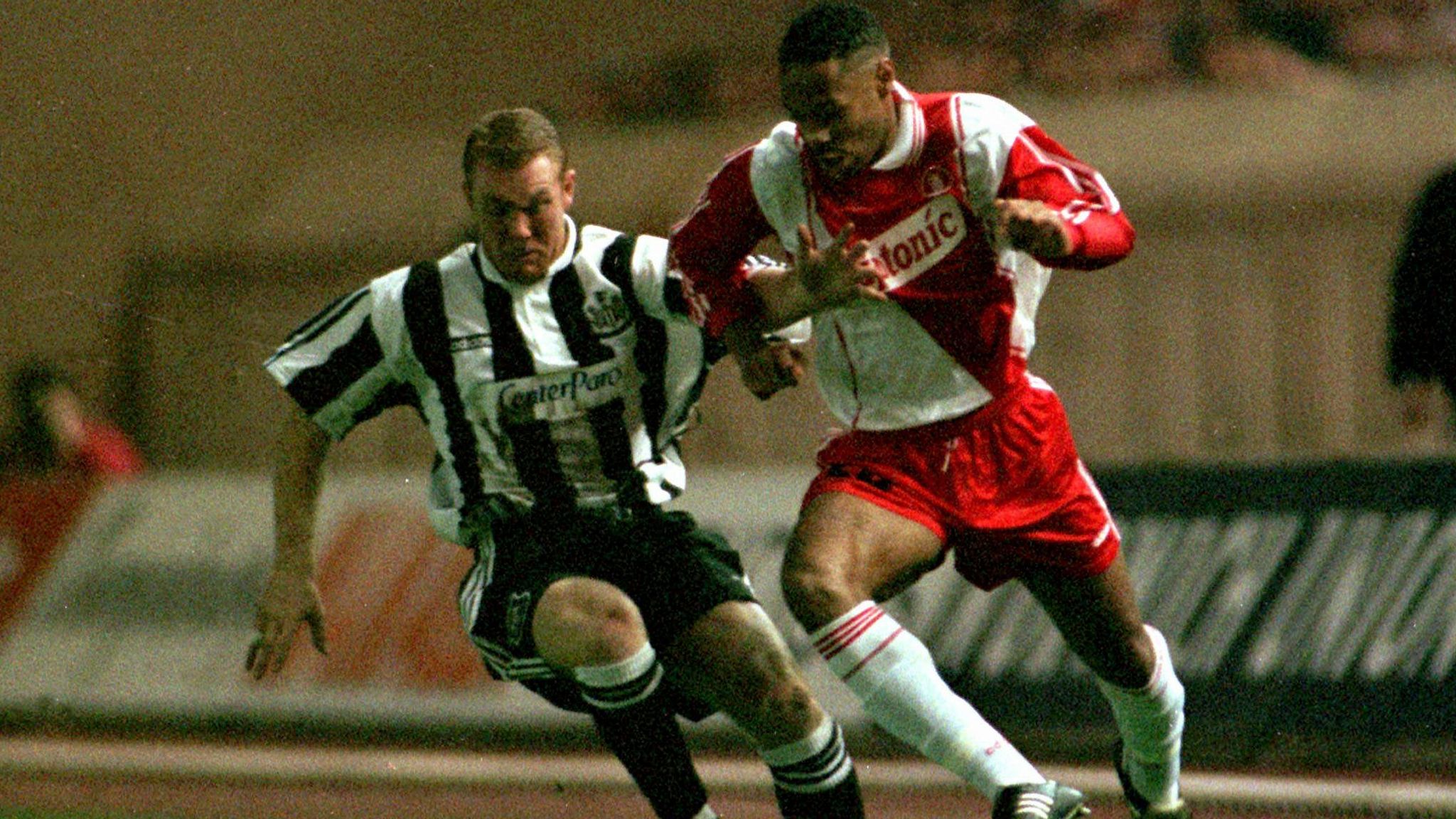
The competition for young, talented players has gone to another level. Ten years ago, clubs like Monaco, Benfica, Porto, Ajax and Lyon would recruit young players and develop them. The food chain was always there but it took time. If they succeeded then they would reach the Premier League, they would reach Madrid or Barcelona. But the reality is that in the last decade, more and more of those clubs are going directly to recruit 17 and 18-year-olds. This has forced us to adapt our strategy.
Scuro's assessment captures the new reality facing development-focused clubs. The traditional model—recruit at 16, develop over three to four years, sell at 20—has been disrupted by wealthier institutions willing to invest heavily in teenage prospects. Monaco has responded by pushing recruitment even younger.
Mamadou Coulibaly arrived at La Diagonale at just 15, leaving his native Paris behind. The transition tested more than his football.
At the start, it was hard because not everyone has to leave their parents. I had to adapt. I worked a lot on my mentality, to become a man. I just say thanks to the educators during my time with the academy. I progressed with them a lot and made friends. At Monaco, yes, it is a beautiful place. But the football side of it is also top.
Now 22, Coulibaly has established himself as a first-team regular. He featured in Monaco's 2-1 victory away to Paris Saint-Germain, one of the standout results of the club's strong start. His four-year journey through the academy to senior football represents the model Scuro hopes to replicate, though he acknowledges the system faces mounting pressure.
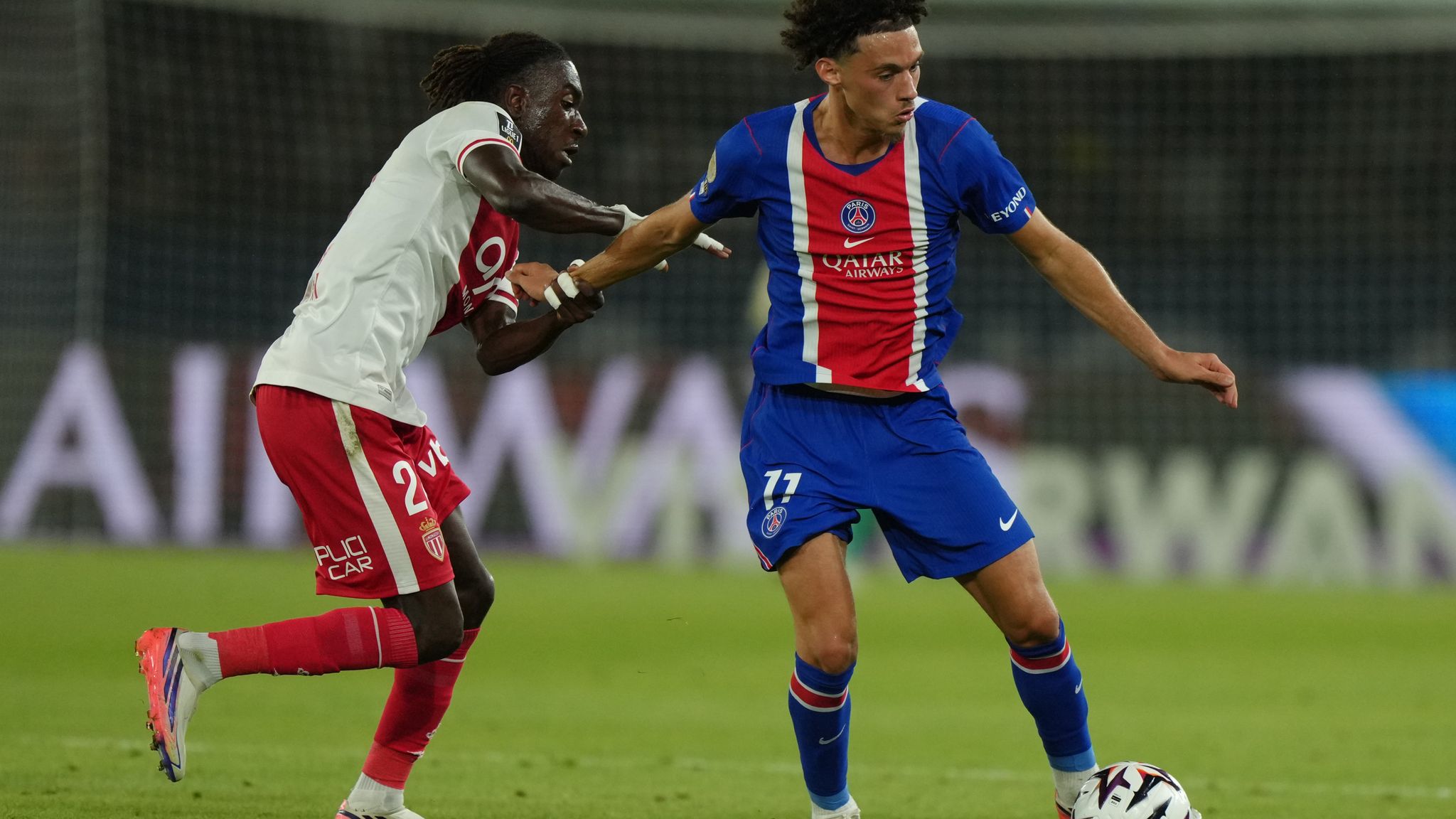
Others, such as Aladji Bamba, have progressed through La Diagonale only to depart for significant transfer fees before establishing themselves at senior level. Scuro expresses concern about this trend, arguing that skipping the development phase can damage long-term potential.
Monaco can be an important step in the journey. He talks of football pushing too many players from this path and how it is starting to have an impact on how good these boys can become if they skip this development phase.
Experience as ballast
To counterbalance the influx of teenagers, Monaco has deliberately constructed a squad architecture that pairs youth with experience. The club aims for roughly one-third of its playing staff to consist of established players who can set standards and provide daily guidance.
Dier embodies this role. The English defender has recorded one goal and one assist in Monaco's opening five league matches, according to BeIN Sports, contributing directly to the team's strong start. Beyond his on-pitch contributions, he has assumed a coaching role within the academy itself.
This is where we try to create the balance. Young players also need reference inside the dressing room. They need experienced players to give sustainability to the team but also to guide those players daily on how to behave, how to learn, how to work. They became a strong source of inspiration.
Alongside Dier, captain Denis Zakaria provides leadership. Aleksandr Golovin has now completed nine seasons at the club, while goalkeeper Lukas Hradecky adds further experience. Dier takes his mentoring responsibilities seriously, viewing it as an obligation to the sport that has given him so much.
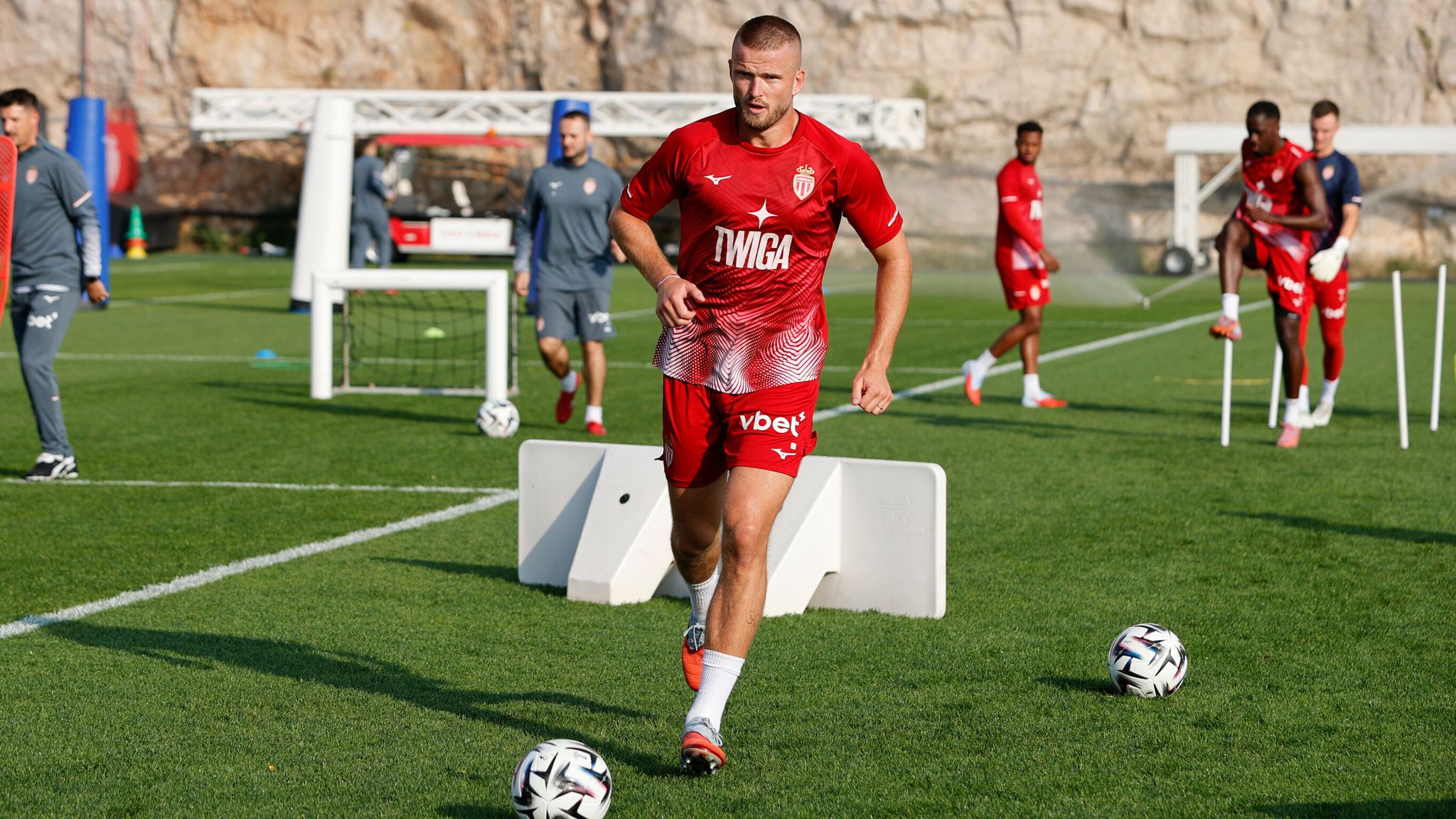
I really enjoy it. The club, academy director Manu Dos Santos, the coach of the under-17s, they have been so welcoming and open to me. It has been a fantastic experience to spend time with them and try to develop myself and try to help them at the same time. To spend time with the young boys at the start of their journey, it is great to be a part of that and to help them if I can, even in the smallest way. For me, I feel a bit of a sense of responsibility. I feel like football deserves it from me for what it has given to me.
Filipe Luis and a new tactical direction
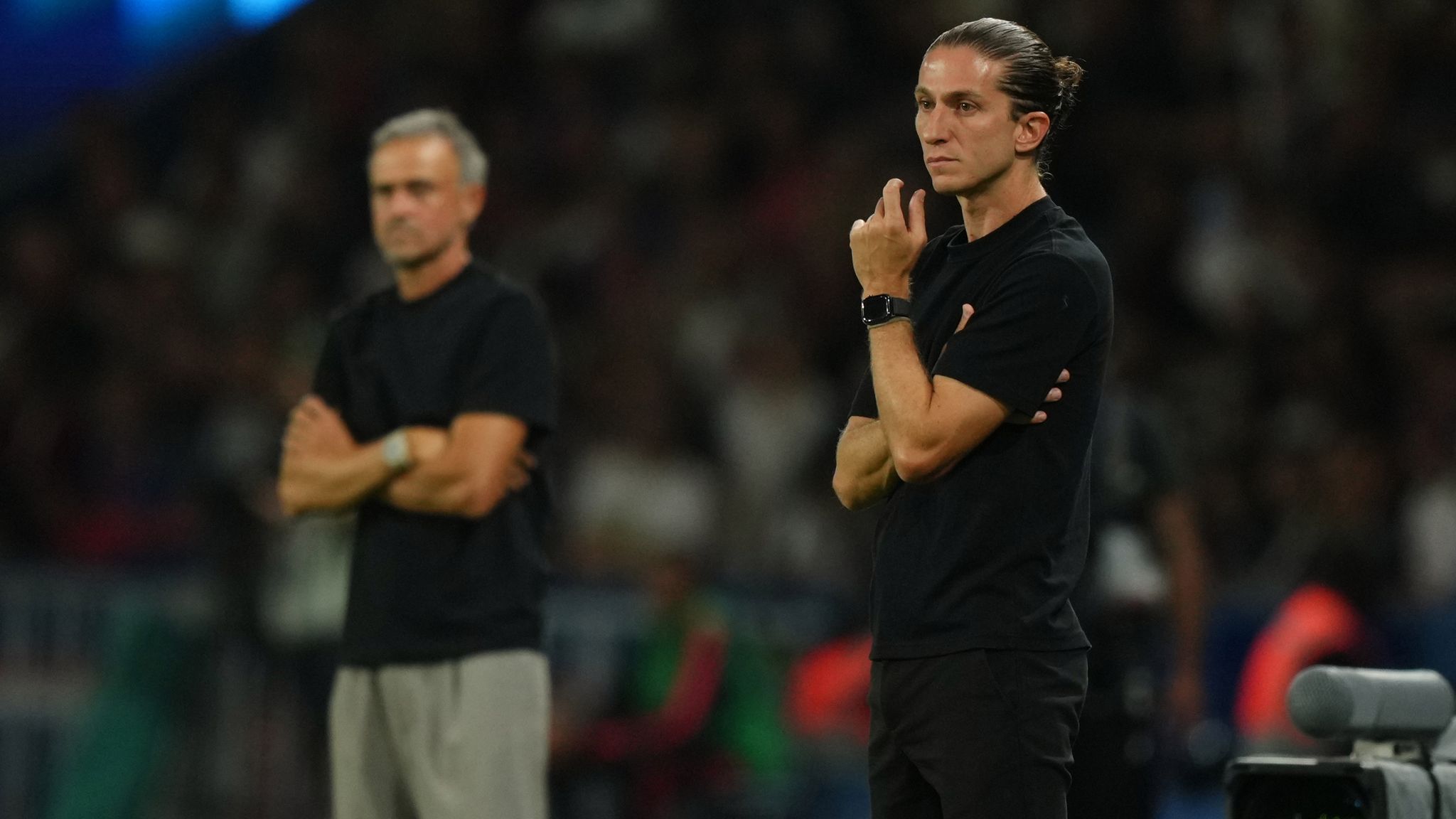
The first-team environment has been transformed by the arrival of head coach Filipe Luis, the former Chelsea and Atletico Madrid left-back. His appointment has already yielded tangible results, with Monaco winning four of their first five league matches and drawing the other. The club also navigated the UEFA Conference League play-off round successfully.
Dier has been impressed by the coaching philosophy and the clarity of tactical instruction.
It is always a pleasure for a player when you work with a coach where you feel you are learning new things and being pushed to improve. I love working with him. I think you can see a really consistent, gradual improvement in the team, moving towards what he wants and what we are working on every day. I think you can really see a clear style and clear principles of play in every phase of the game.
Scuro was drawn to Luis's track record at Flamengo, where he won the Copa Libertadores last year. Beyond trophy success, Luis demonstrated an ability to reshape player behaviour and elevate individual performances—precisely the skill Monaco requires as it integrates so many young talents into a cohesive unit.
We know how hard it is to do what he did. Importantly, he developed individuals too. Changing the behaviour of the players at Flamengo. He can help us to give another step in our football project, which is becoming a better team, especially in possession.
Financial constraints and strategic clarity
The optimism surrounding Monaco's early-season form is tempered by ongoing financial pressures. The deadline-day decisions to retain Folarin Balogun and Lamine Camara, while positive for squad continuity, prevented the club from generating transfer revenue that might have eased budgetary constraints.
Last season, we were not able to deliver the same level of success and this creates a big impact on the way that we manage the team. It is very important to consistently play in the Champions League.
Scuro's acknowledgement of this reality underscores why La Diagonale remains non-negotiable to Monaco's future. The academy is not merely a development centre; it is the financial and sporting engine that keeps the club competitive.
Our main goals is to be a top-three club in France systematically through players development and a very clear playing style. Developing players is crucial for us.
The next generation emerging
The proof of concept is already visible. Three teenagers—Safouane Benzahra, Oumar Kounate and Anis Soubeir—all made their professional debuts in August. Benzahra went on to feature in Ligue 1 during Monaco's victory over PSG, a milestone that would have been unthinkable without the academy's systematic approach to progression.
According to AS Monaco's official website, fourteen La Diagonale academy players were called up for the October international break, a testament to the quality being produced at the facility. Dier remains struck by the calibre of young talent flowing through the academy.
It is incredible. Every time a kid comes to train with us it is always impressive.
Scuro adds perspective on Monaco's distinctive position within French football.
Players are produced all over the country now. But the reality is that Monaco has a much longer history of this.
What comes next
Monaco's immediate focus turns to domestic competition. The club is scheduled to host Toulouse in Ligue 1 on October 10 at 20:45 local time, followed by a Conference League trip to CSKA Sofia on October 15 at 18:45. These fixtures will test whether the early-season form represents genuine progress or a temporary peak.
The longer-term narrative, however, remains rooted in La Diagonale. As each new cohort of teenagers arrives at the academy, another bedroom door awaits a name. The next generation of players will sleep in rooms honouring those who came before, inheriting not just a facility but a philosophy—that at Monaco, talent is cultivated, not simply purchased.