Northampton Town are banking on a fresh dawn following one of the darkest chapters in their history. After a calamitous season that saw them relegated, a consortium featuring former Brazil international Pato took control in September, bringing renewed optimism to Sixfields and their devoted supporters.
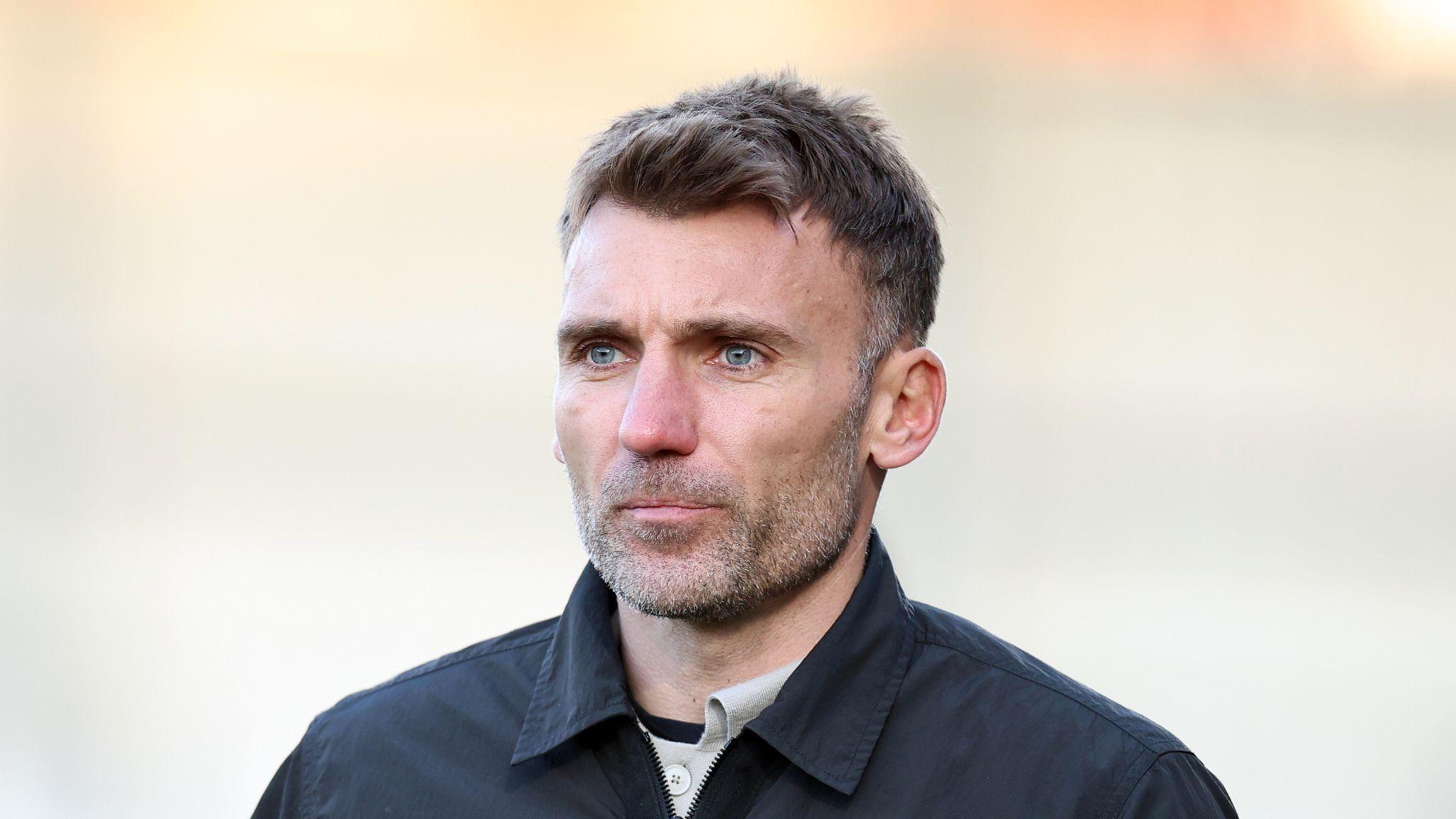
For Chris Hogg, stepping into his first managerial role, the reality of turning the struggling club around remains a gruelling daily battle. According to Sky Sports, while the long-term picture has brightened off the pitch, Northampton's recovery was always destined to be arduous following such a miserable drop to League Two. The campaign completely fell apart, culminating in 12 consecutive defeats.
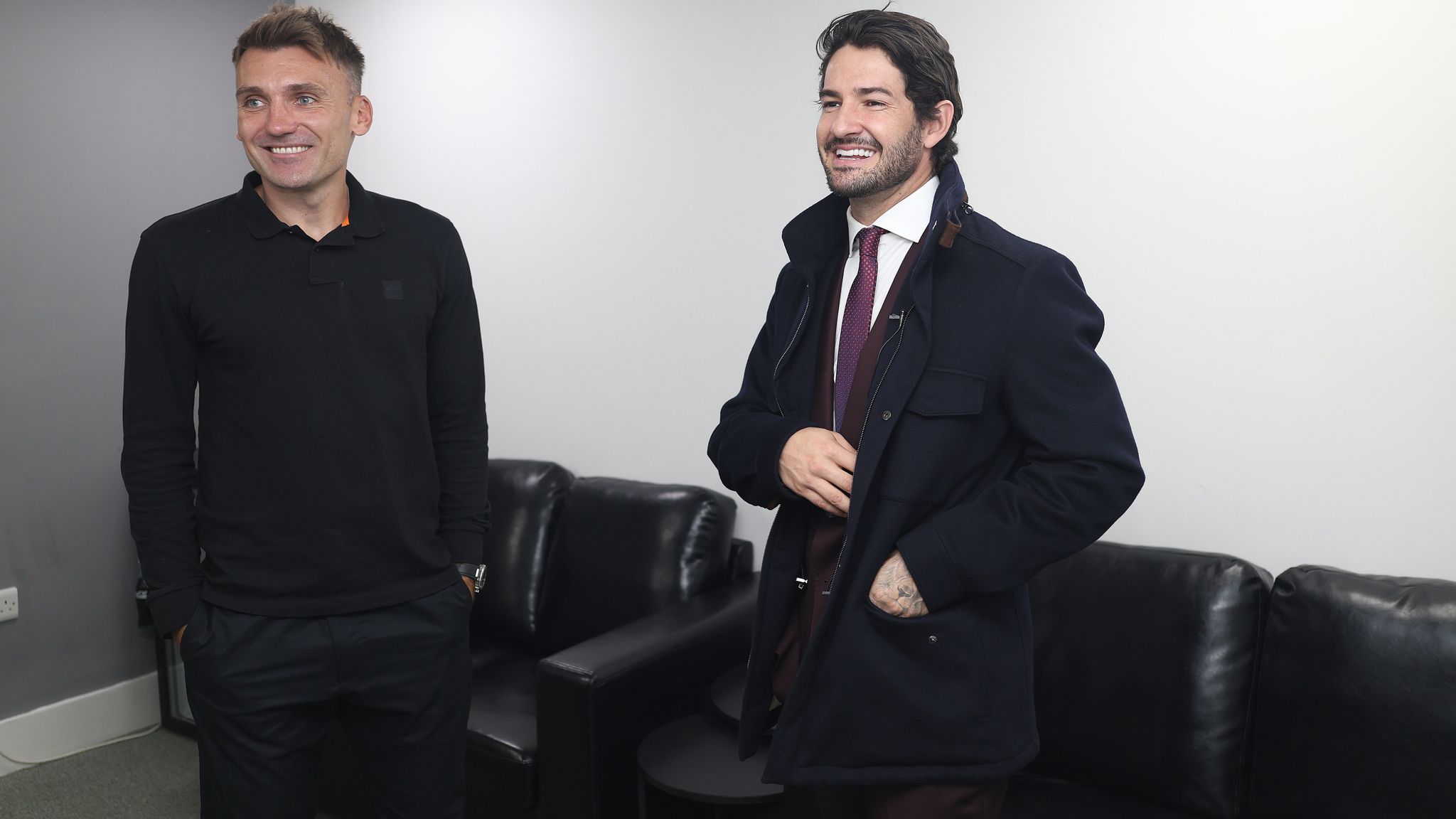
The takeover was completed on 30 September, with Sports Alpha Capital taking a 70% stake and the club becoming debt-free. The consortium's co-chairmen are João Xavier and Tim Chamberlain, with Pato joining the board as a director. Existing owners David Bower, Nigel Le Quesne and Kelvin Thomas retained a combined 30% stake. Xavier revealed that the TV series Welcome to Wrexham prompted him to explore buying a club, and the group had nearly purchased Colchester United before pursuing Northampton.
Dropping into a lower division was never going to resolve the underlying issues.
Relegated teams have found it difficult in League Two. I was very aware of that,Hogg tells Sky Sports. The club needed a complete overhaul, a fundamental shift in how it operated.
Boys with experience of winning.
Hogg has tasted winning throughout his own career, first as a player with Hibernian and later as assistant manager to Liam Manning at MK Dons, Oxford United, Bristol City and Norwich City. Yet this represents his first opportunity as a number one, and it has been quite an initiation.
When appointed in May, Hogg's phone filled with 150 messages on his first day and roughly 300 more the next.
Eighty per cent from unknown numbers.Many came from agents seeking to place their clients. Such is the reality of stepping into a manager's shoes.
On what has changed most dramatically, he reflects:
The volume of decisions. At other clubs, a decision might be half made before it comes to you. Here, it comes directly your way. It could be coaching, media, sports science, medical. The chain of command stops here.
To prepare for the challenge of leading a lower-league club for the first time, Hogg made a deliberate choice to surround himself with experienced support. He recruited Chris Doig, a long-standing contact who has served as an assistant elsewhere and previously played for Northampton.
He has been promoted with this club, has been promoted at this level as an assistant before too. That all went into the mix. He knows what the job looks like for an assistant. We are different personalities and we challenge each other but we are very aligned.
At Northampton, everyone pitches in across multiple responsibilities.
Everyone is kind of at full tilt and doing about three different jobs. But it is great. It is a really tight-knit club and you have to embrace that,Hogg says with a laugh.
The goalkeeper coach brought his drill in one day.
Hogg has carved out a small makeshift office at the training ground.
A place to have the difficult conversations or just go through clips with players.The club was short an analyst during pre-season, so much of that analytical work fell to him personally.
He acknowledges it has been
eye-opening in a good waybut he favours this hands-on approach.
It can become a stretch but if you can get that sweet spot where everyone is accountable that is better than having three people for a job and things falling between the cracks.
Hogg himself made calls to arrange time at St George's Park during pre-season.
It was a change of scenery and a chance to show them what good looks like. It helped to accelerate relationships. It is about giving the boys no excuses.
Building a Better Culture
He has invested considerable effort in improving the players' working environment. Overgrown bushes have been trimmed to free up space. Exercise bikes have been relocated to an outdoor area to make the medical room less cramped. The ice baths are operational again.
A breakfast club has been introduced and, lacking an on-site kitchen, the club now uses an external supplier to raise the standard of food for the players. Rather than chasing marginal gains, Hogg views these changes as fundamental to reshaping the club's culture.
It might sound really simple but what food are we giving the boys? Are we getting the nutrition and the hydration right? Sometimes that is not there in clubs,Hogg explains.
We are just making sure we are on top of those basics. The rest is always nice to have.
He continues:
Everyone in football chases the one per cent, the flashy new thing, the trends. We cannot do everything, we are a football club that has to live within our means. So I have gone hard on nailing the basics. We have to be brilliant at the basics.
On the pitch, this philosophy has translated into defensive solidity. Northampton are the lowest scorers in League Two but possess a stronger defensive record than any team in the top six. This partly reflects the strategy to construct a younger squad and adopt a longer-term vision.
Backing Young Talent
The acquisition of Matty Warhurst represented a departure from typical recruitment at a club in Northampton's position. Young players from elite academies usually arrive on loan, yet Northampton paid a transfer fee to Manchester City to secure Warhurst permanently. He was only 20 years old when he joined in September.
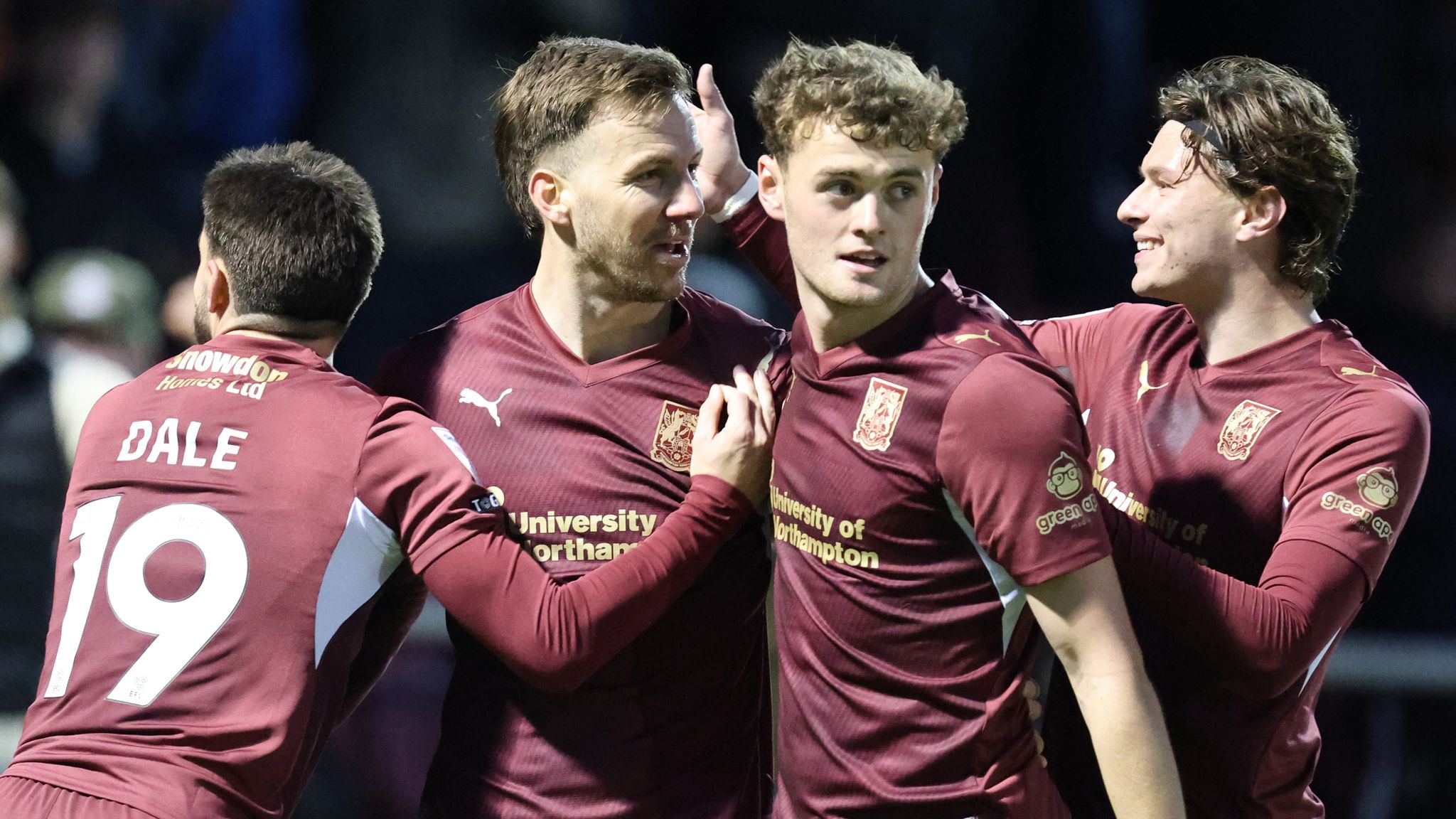
There are certain things that you need in terms of physicality, pace and experience but one thing I look at is the ceiling of the player. I would rather take someone like Matty who has loads of room to get better than someone at the end of their career,Hogg explains.
We put a lot into the recruitment process and we did our homework as well. Normally, there is always something when you speak to five or six people about a player but with him the reference all came back the same. He has the work ethic that we are looking for.
The exciting thing is that it is a permanent deal. It was a coup for us really to get him out of Man City. Sometimes you have to think about how you can do the best for the club in the mid-to-long term. He is here for three years. If he does well, it will benefit everyone.
The tension between prioritising immediate results and building for the future is a constant dilemma for managers in Hogg's position. Some would argue that a first-time boss should focus solely on winning matches to safeguard his own job security.
Yet the club's new ownership structure makes this calculus simpler. Whatever unfolds, Hogg is determined to contribute to the club's long-term development.
I will always make decisions for the long term, for the club, knowing that I am not going to be here forever.
He elaborates:
Everything that I am doing is to make this football club better, to build it in the right way. If I am here long term then that is great, but I want to know that I am making decisions so that no matter what happens the club will be in a better place.
Early signs suggest the cultural shifts are beginning to yield results. Against Rochdale on Saturday, Northampton came from behind to secure victory for the first time in over a year. The club beat Colchester United 2-0 on 24 October, moving out of the relegation zone, with Pato watching from the stands.
The road ahead remains long and challenging. Yet after too many months of darkness, there are finally glimmers of hope emerging at Northampton Town.