
Luis Miguel Ramis once wore the white of Real Madrid as a player, making his LaLiga debut for the club before later lifting the title with Deportivo La Coruna. Now, at 56, he has finally returned to Spain's elite division - only this time from the dugout.
The journey back has been a long one. Ramis spent a decade shaping young talent inside Real Madrid's academy before enduring a further ten years working through Spain's lower leagues. This summer, that graft paid off when he was appointed head coach of Osasuna.
"This opportunity came my way," Ramis tells Sky Sports. "I am prepared and excited for the challenge."
According to Osasuna's official announcement, the appointment represents Ramis's first job coaching in LaLiga EA Sports proper, following a decade spent working in Spain's second tier.
A well-travelled route to the top
Ramis's coaching CV is a lengthy one. Before Osasuna came calling, he had spells in charge of Real Madrid Castilla, Almeria, Albacete, Tenerife, Espanyol and Burgos, as detailed by Xinhua.
His exit from Burgos came after that club missed out on the promotion playoffs on goal difference, the same news agency reports. It is a cruel echo of the situation he now inherits, given Osasuna themselves only avoided relegation from LaLiga last season on goal difference, having finished down in 17th place.
Ramis succeeds Alessio Lisci in the Osasuna hotseat, according to the same June 10 report, taking over a club that had come uncomfortably close to the drop after years of consistently punching above their weight.
There is an interesting academic footnote to his story too. Diario de Navarra reports that Ramis studied biochemistry and holds a degree in Chemical Sciences, an unusual background for a man now tasked with keeping Osasuna in Spain's top flight.
Osasuna's own statement also credits Ramis with having served as Real Madrid's academy methodology director during his time at the club, underlining just how central he was to the development of the famed La Fabrica production line.
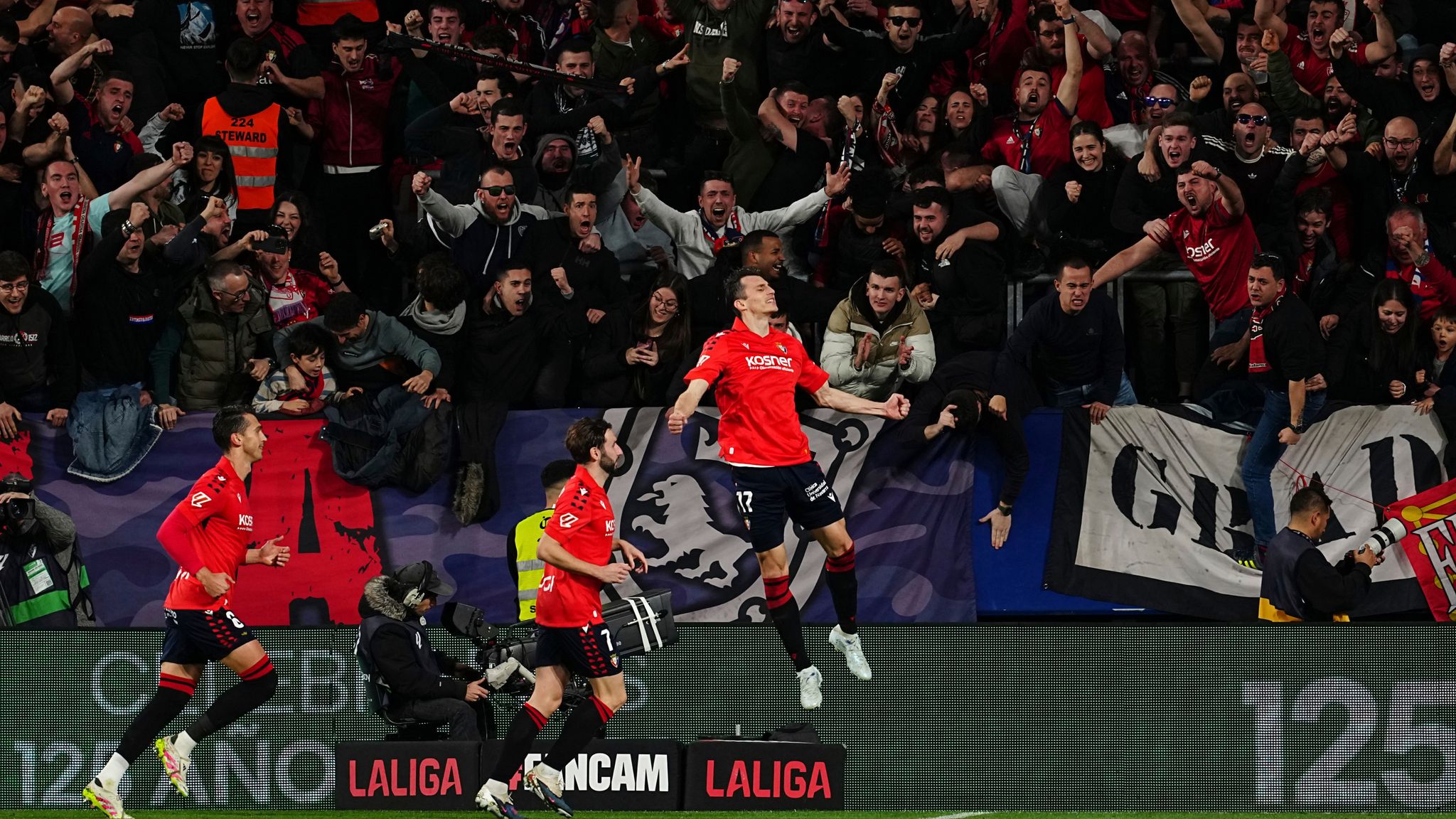
No room for stars, only structure
Victor Munoz, long regarded as Osasuna's prized asset, has already departed for Liverpool this summer. He will now link up with Andoni Iraola's squad at Anfield, where team-mates have already been feeling the intensity of the new manager's methods, as Milos Kerkez has described in detail.
But Ramis insists he is not preoccupied by the loss of his star man. His priorities lie elsewhere entirely.
"I want a team that has a collective spirit, is organised and balanced," he explains. "We need to have a strong defensive structure and a collective mentality."
Transfermarkt data lists Ramis's preferred formation as a 4-2-3-1, a shape built to support exactly the kind of defensive solidity and balance he describes.
When Ramis speaks of the "heavy physical workload" the players are enduring in pre-season, it paints the picture of a pragmatic operator readying his squad for a demanding campaign ahead. Yet this former defender is equally capable of appreciating flair as he is graft.
Tales of Prosinecki and Djalminha
He smiles when recalling his time as a team-mate of Robert Prosinecki, both at Real Madrid and later at Sevilla. The gifted Croatian was famed for enjoying a cigarette at half-time - a habit that was simply tolerated given his obvious brilliance.
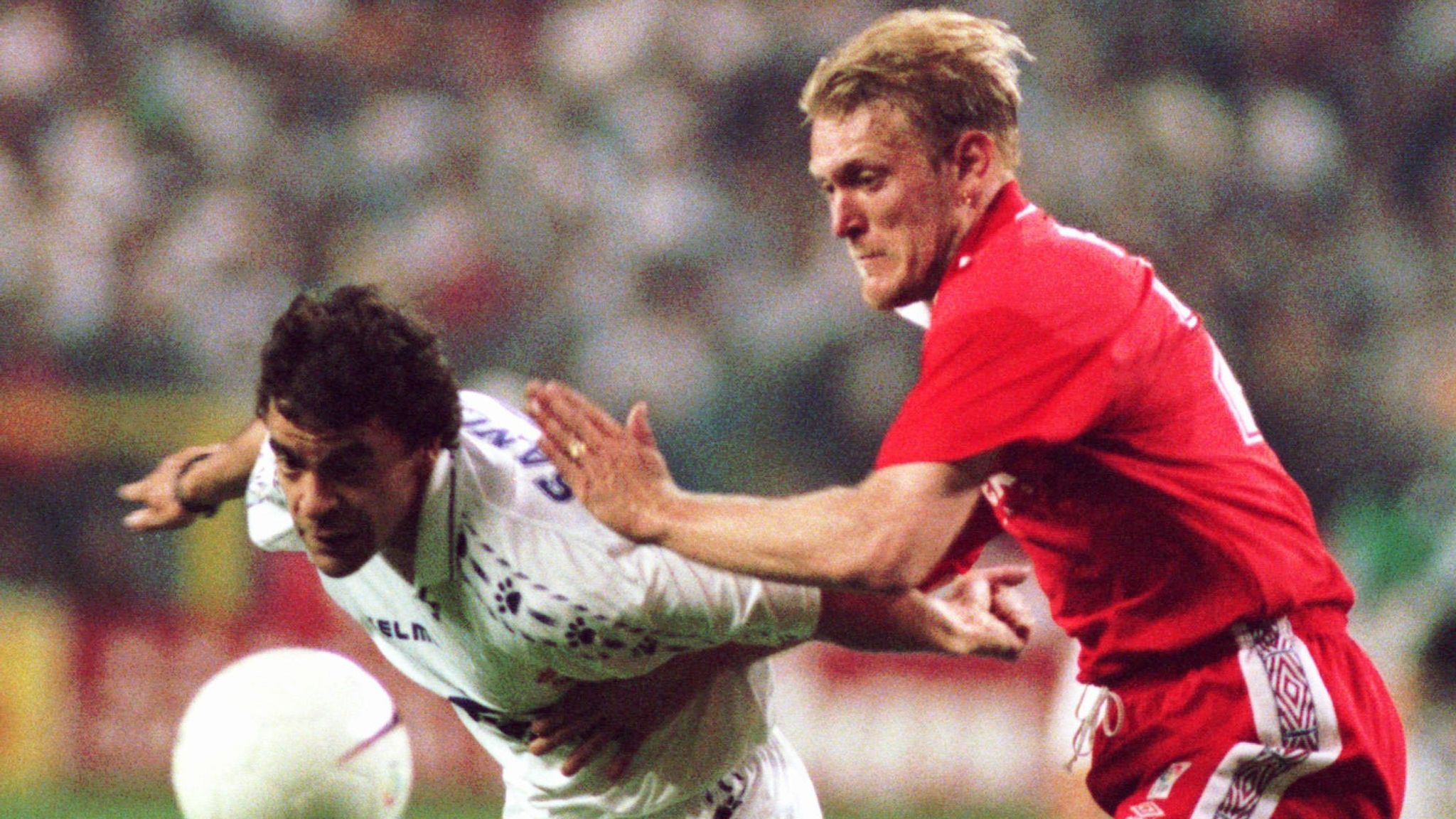
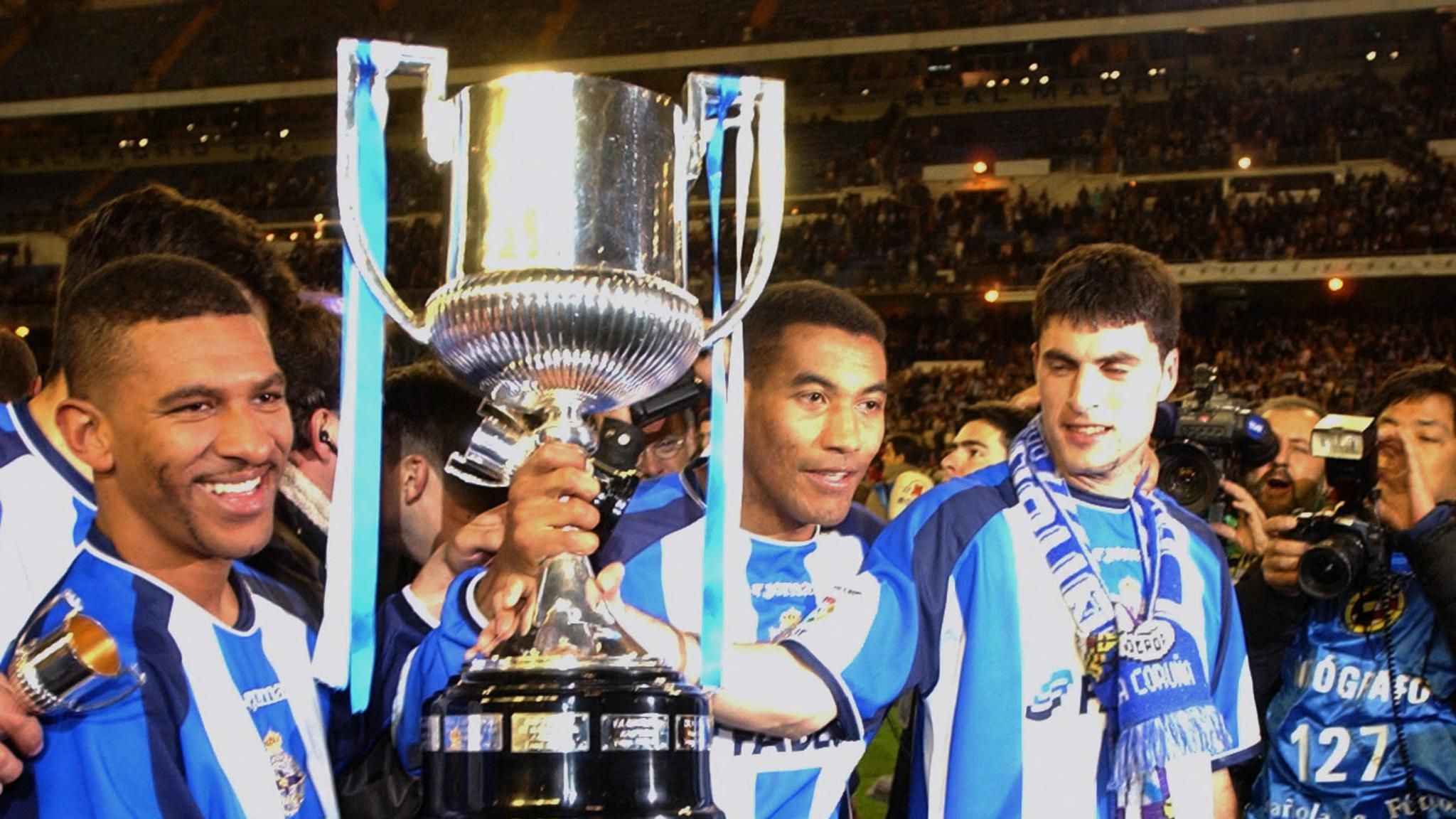
At Deportivo, Ramis played alongside Djalminha, the mercurial Brazilian playmaker whose talent helped fire the Galician club to Spanish glory at the turn of the century. Managing such unpredictable personalities as a coach might seem a daunting prospect. Not so, Ramis insists.
"Not at all! They were exceptional team-mates who tried to inspire with their talent," he insists. "What mattered least of all to any of us were each other's private lives. What mattered most of all to us was that we respected each other in the dressing room."
He is, however, quick to acknowledge that the sport has moved on considerably since those days.
"Football has evolved enormously. Talent still exists. Star players still emerge. Those with special qualities still reach the top. But there has been significant progress in terms of players' physical conditioning."
"Nutrition departments, psychology departments and improved facilities have emerged. Coaching is better too. All that makes players more complete. In the past, teams depended more on talent. Now, besides talent, you need many other qualities."
The Odegaard lesson
His years working with elite young talent inside the Real Madrid academy taught him plenty about what it takes to make the leap to the very top. Among the countless prospects who passed through under his watch was Martin Odegaard, now one of the Premier League's finest midfielders and captain of reigning champions Arsenal.
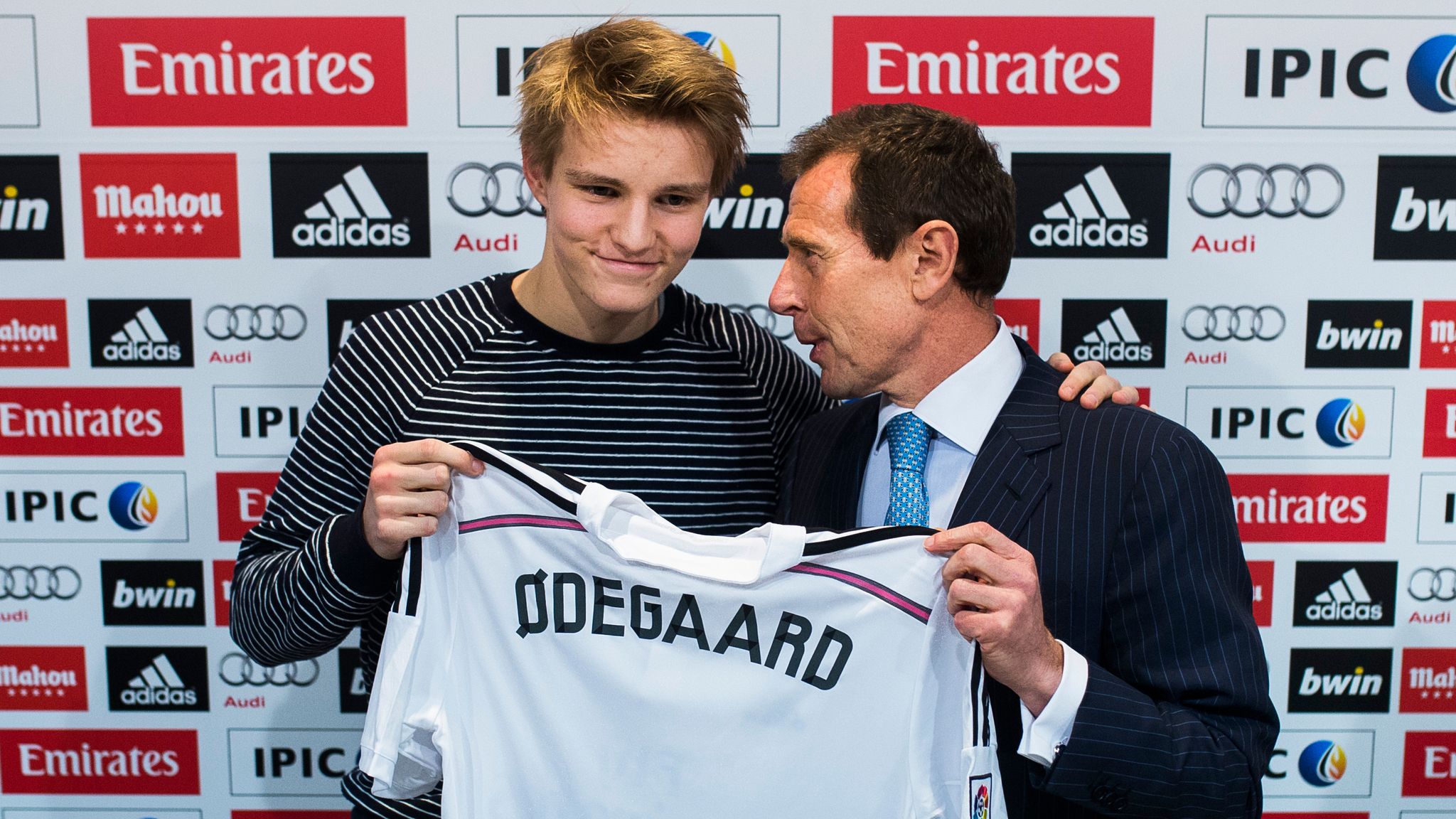
Ramis remembers the raw ability. But more than that, he remembers exactly what else was required for that talent to be realised.
"He only needed to add hard work, sacrifice and a competitive character. Today, he is a reference in England and for his national team."
It is a theme he returns to repeatedly.
"In football, the players who reach the highest level do not get there just through talent. They get there because of their work, their sense of responsibility and the personality they show in the big moments."
A club built on youth
These are messages Osasuna will be hoping their new coach can instil throughout the squad.
"Osasuna is certainly a club that pays close attention to its young players."
A decade ago, the Pamplona club stood out across Europe's major leagues for handing more minutes to home-grown, domestic players than any other side. Many of those academy graduates remain in the first-team squad today, which is part of the reasoning behind Ramis being seen as such a natural fit.
"It is true that spending so much time in Real Madrid's academy has given me experience in the development and progression of younger players," he acknowledges.
"In fact, there are quite a few academy players here. The important thing is that if we see them as ready to play then we play them so that they can continue their progress and development and experience the level that is required to play in the top division."
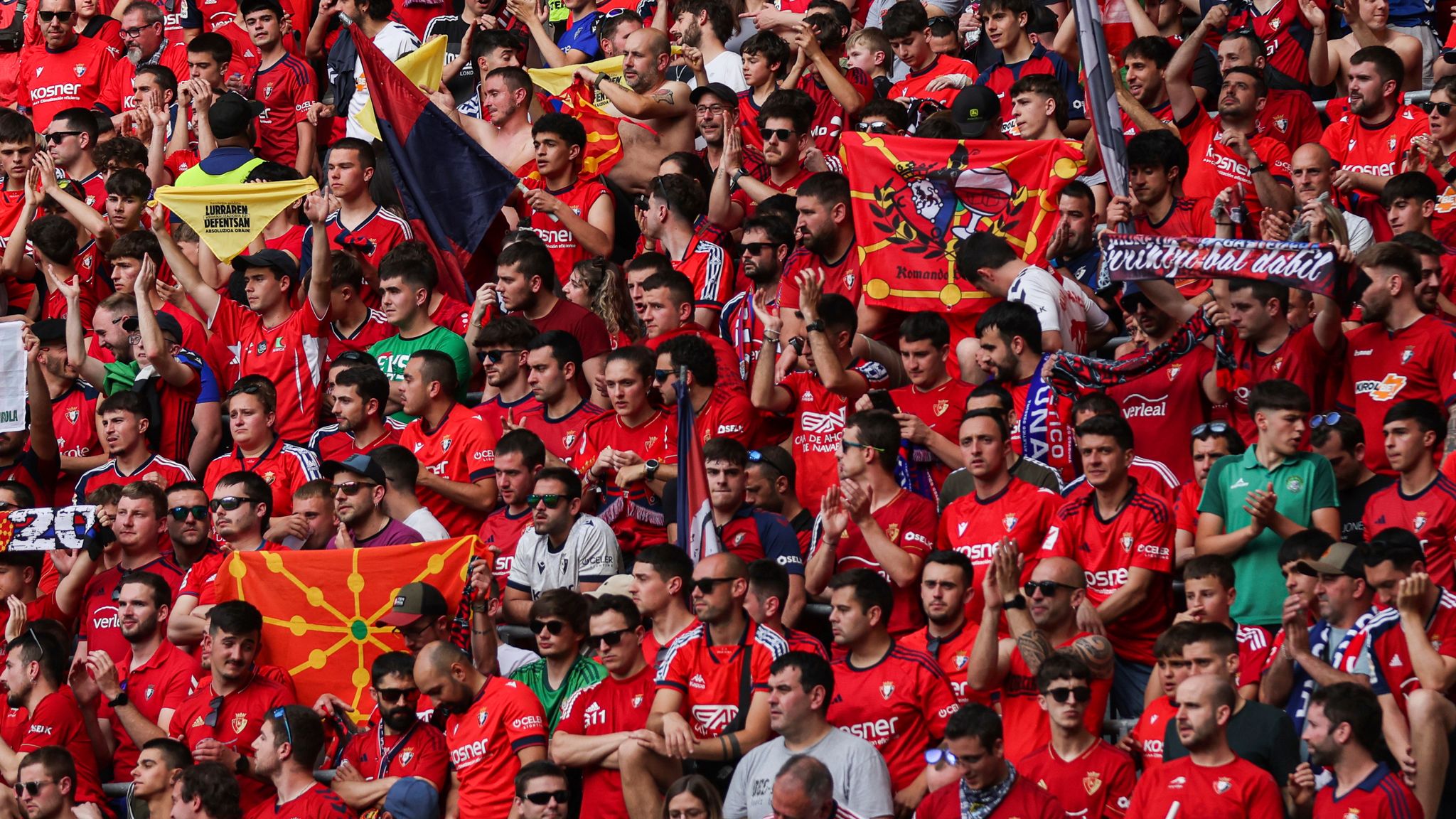
But this is no longer a development role, as it was at La Fabrica. This is Osasuna, the only major club representing the province of Navarre, now embarking on their eighth consecutive season in the top flight and determined to stay there.
"Every team has its own needs and characteristics."
For Osasuna specifically, the mandate is clear: improve on last season's near miss.
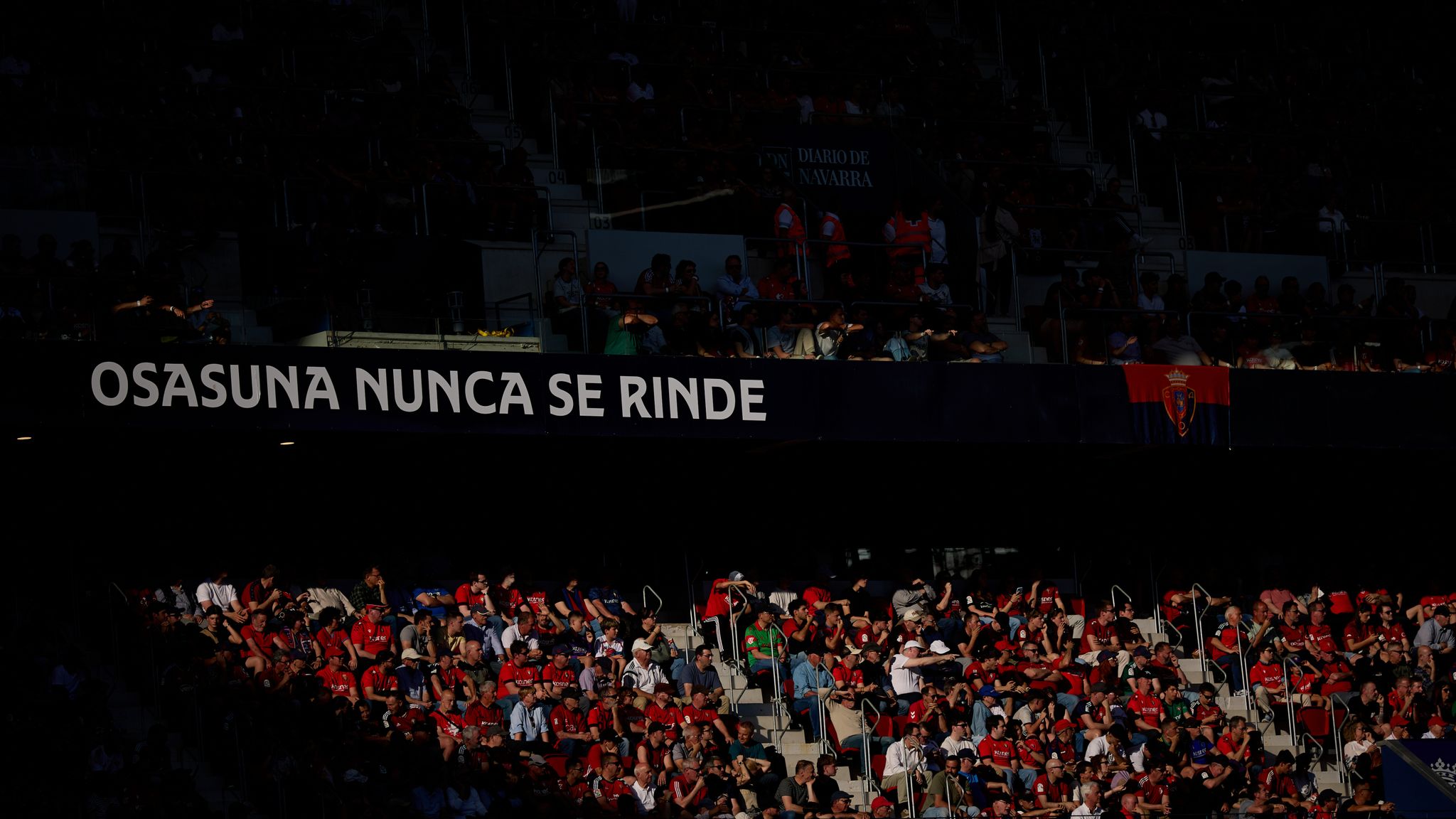
"First of all, we want to avoid suffering the way that the team did last season. We know there will be good moments and less good moments but we want consistency in the team's behaviour and their identity."
What happens next
Osasuna's official statement confirms Ramis has signed a deal running through to June 30, 2028, though there is a slight discrepancy in how that length has been reported. Osasuna themselves describe it as a two-season contract, while Xinhua's report characterised it as a two-year agreement expiring at the end of June 2028.
No specific date has yet been confirmed for Ramis's competitive bow in the dugout, but his first LaLiga fixtures in charge will mark the next milestone in a coaching journey that has taken two decades to bring him back to Spain's top table. After years spent helping others make that step up, the responsibility now falls on Luis Miguel Ramis himself.


