Mauricio Pochettino and Manchester United have inhabited a peculiar orbit around one another for the better part of a decade. Their paths have threatened to intersect on numerous occasions, yet circumstances have repeatedly conspired to keep them apart. Now, after years of near-misses and complicated timing, the possibility of their eventual union has emerged once more—but the stakes have never been higher, nor the club's circumstances more precarious.
According to Sky Sports, the Old Trafford hierarchy have long harboured admiration for the Argentine tactician from a distance. He featured prominently on their managerial wishlist during his tenure at Tottenham, and again when his spell at PSG appeared to be drawing to a close. Yet when Pochettino eventually returned to English football, he opted for Chelsea rather than United. Throughout this extended period of unfulfilled interest, the club remained a persistent suitor in the background.
The timeline of missed opportunities reads like a series of sliding doors moments. When Chelsea announced Pochettino's appointment in 2023, United were simultaneously enduring one of their most humiliating European nights under Erik ten Hag, dismantled by Sevilla in a performance that dominated the back pages the following morning. The headlines screamed of defensive inadequacies and tactical confusion—narratives that would become depressingly familiar at Old Trafford.
It would take another 18 months before the club finally moved to remove ten Hag. Four managers of varying tenure followed in rapid succession, each struggling to impose order on an increasingly fractured institution. Now, a full decade after their first serious flirtation, another opportunity has presented itself to pursue the one that got away.
At 54 years old, Pochettino has accumulated considerable experience navigating the chaos that engulfs struggling elite clubs. His stints at PSG and Chelsea both began during periods of significant institutional turbulence, yet he emerged from both with his reputation for developing players and fostering a supportive culture largely intact. Crucially, he remains one of the few modern managers with genuine Premier League pedigree—a distinction that cannot be overstated given United's post-Ferguson struggles.
The Argentine was originally endorsed by Sir Alex Ferguson, a detail whose significance endures despite the Scot's retirement 13 years ago. Pochettino commands respect among football's elite in a way few contemporary managers do. Since Ferguson's departure, United have repeatedly failed to appoint leaders of sufficient stature and experience, with Jose Mourinho standing as the solitary exception. Not since the Portuguese manager's departure in 2018 has United employed a coach capable of commanding a vessel as unwieldy as this one.
Beyond his attractive football and commitment to player development pathways, Pochettino has demonstrated an ability to withstand intense pressure. His most recent role as United States national team head coach tested this mettle considerably. Managing at a home World Cup, he navigated what he himself described as an environment poisoned by "politics and manipulation," maintaining professional separation from external chaos while keeping his position intact. He emerged with a new four-year contract extended through the 2030 World Cup and a nation captivated by his character and adopted Americanisms.
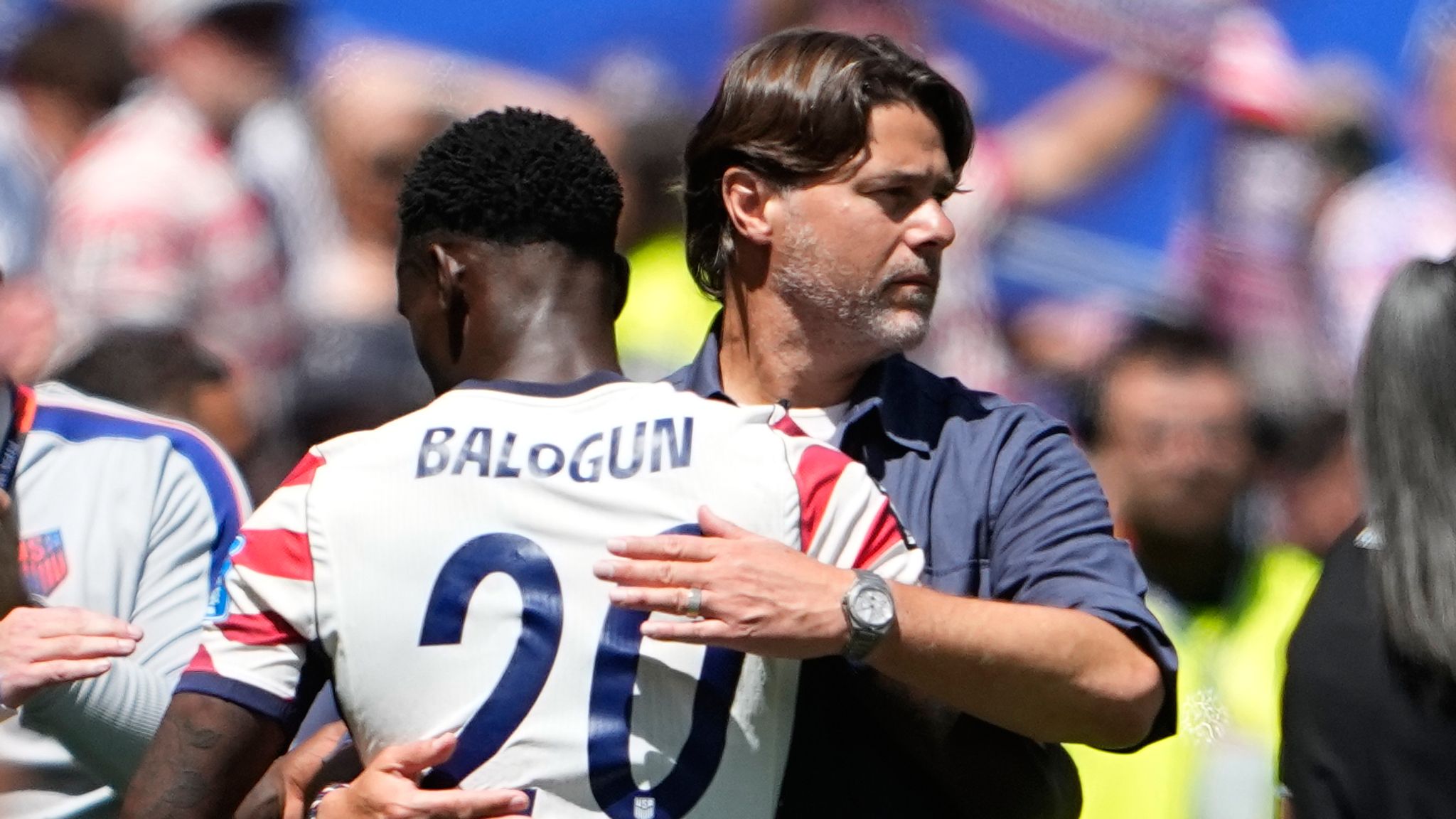
Yet international management, for all its prestige, carries an inherent stop-start rhythm unlikely to satisfy Pochettino's deeper ambitions. Club football has remained his true passion, and he has made little secret of his openness to a return since departing Chelsea. The timing of a potential move back to the domestic game aligns with his stated preferences.
The Current Crisis
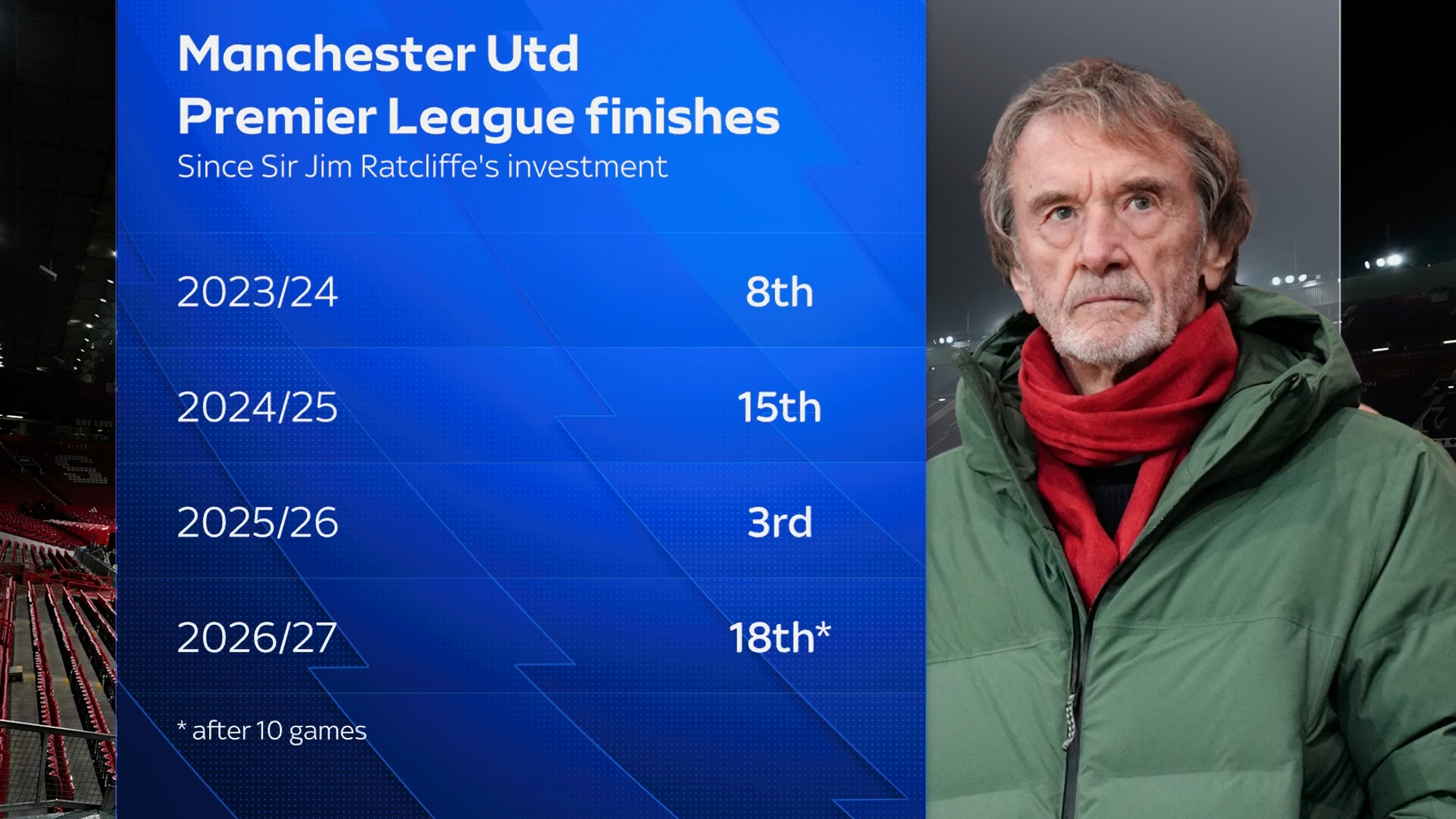
The scale of United's predicament cannot be understated. According to reporting from the Kansas City Star, the club had accumulated just one league victory and eight points after 10 matches, sitting 18th in the table and winless in the league since August 30. This represents not merely a poor run of form but a structural collapse that extends across multiple dimensions of the club's operation.
Michael Carrick currently occupies the manager's position, though his future remains uncertain. According to Sky Sports, United's leadership was scheduled to discuss Carrick's future in Monaco on Wednesday, November 11, with no final decision having been made as of that date. The club has also reportedly considered alternative candidates including Eddie Howe, Kieran McKenna and Julian Nagelsmann.
The state of the playing squad compounds these structural difficulties. Players have demonstrated unreliability both on and off the pitch throughout the season, creating an environment where even a manager of considerable experience would struggle to impose immediate order. The imbalances within the squad—both in terms of personnel and tactical fit—appear destined to plague whoever occupies the dugout.
The Risk and Reward Calculation
Assessing whether Pochettino represents the solution requires honest acknowledgment of the risks involved. His appointment would require a blind leap of faith in the midst of an already unravelling campaign, undertaken without the guarantees that typically accompany managerial changes at elite institutions. The wider structural problems at Old Trafford extend far beyond what any individual manager can reasonably be expected to remedy.
Yet paradoxically, the club's dire circumstances may contain their own appeal. Pochettino arrives without any silverware won in English football—a gap in his otherwise impressive résumé that represents both vulnerability and opportunity. Joining a club teetering on the brink of genuine crisis offers the possibility of quick wins that could establish credibility and buy time for longer-term reconstruction. Installing even a basic level of respectability would represent progress from the current nadir.
The January transfer window presents additional opportunities for squad reinforcement, though the club's financial position and reputational damage may constrain their options. Nonetheless, the redemptive arc holds mutual appeal: Pochettino is unlikely to receive another opportunity to manage a fallen giant of this magnitude, while United desperately require a manager capable of functioning as a medium to long-term project coach rather than a short-term fix.
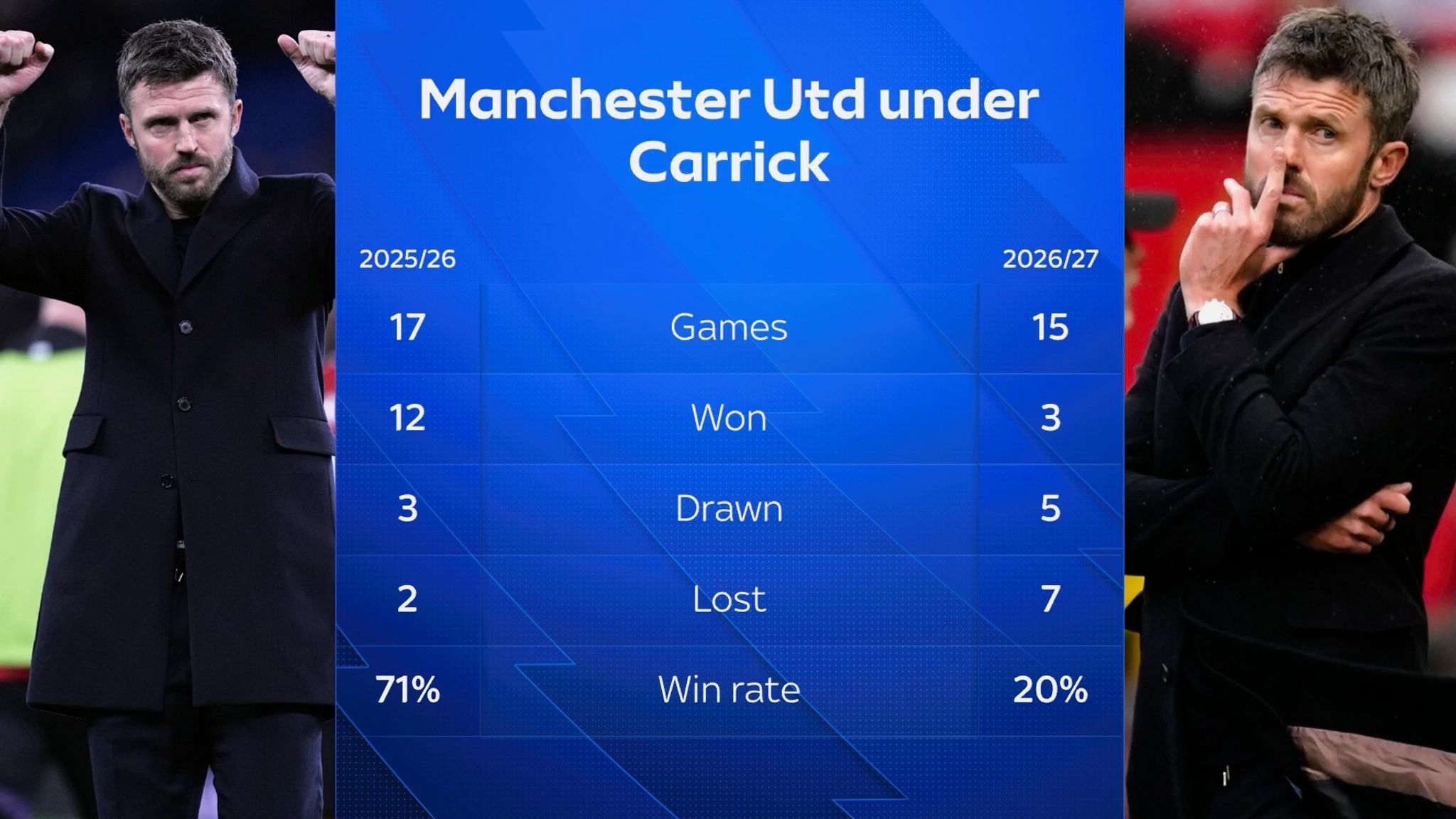
Pochettino's tactical blueprint offers a recognisable framework suited to Premier League demands—a considerable advantage over the tactical ambiguity that currently defines United's approach. His man management skills should theoretically generate greater levels of effort and commitment from the playing squad, though he will inherit the same fundamental imbalances and inefficiencies that threaten to overwhelm Carrick.
The Negotiation and Timeline
According to The New York Times, Manchester United is reportedly negotiating personal terms with Pochettino, contingent on a decision to dismiss Carrick. Extracting the Argentine from his current role presents its own complications: his USMNT contract reportedly contains a buyout clause of approximately $10 million, with additional costs required to secure his coaching staff.
Pochettino's USMNT contract was extended through the 2030 World Cup in August 2026, providing the federation with contractual security. However, the managerial speculation surrounding United has begun to circulate widely. According to reporting on the situation, USMNT player Antonee Robinson acknowledged that the Manchester United speculation was being "thrown all over the rest of the world," while emphasising that the national team remained unaffected by the external noise.
The timing of any potential move remains fluid. United's next fixture is scheduled away to Liverpool on November 22, following the international break. During that same international window, Pochettino's USMNT will prepare for the Concacaf Nations League quarter-finals against Haiti, creating a compressed timeline for any negotiations or transition arrangements.
The Fundamental Question
The soap opera element surrounding this potential appointment cannot be ignored. Yet assuming a manager with recent experience navigating Trump's media storm possesses the resilience to handle Old Trafford's intense scrutiny, the central question remains whether Pochettino can inspire a group of players who have already demonstrated themselves to be wholly unreliable across multiple dimensions this season.
Objectively, this slow-burn narrative holds genuine fascination precisely because the answer remains genuinely uncertain. Had the solution been obvious, Pochettino would have received his opportunity years ago. Instead, a position a decade in the making now presents itself under the most challenging circumstances imaginable. Whether the wait will prove worthwhile remains one of football's most compelling open questions.