Legendary basketball coach Phil Jackson won 11 NBA championships, more than any other coach in the sport's history. Yet in his book Eleven Rings, Jackson reflects on a troubling pattern he observed across his career: the year following a championship victory presents unique psychological challenges that can unravel even the strongest teams.
According to Sky Sports, Jackson's analysis offers a cautionary tale relevant to Arsenal's current position.
That's when everybody's ego rears its head and the uncanny chemistry the team felt just a few months earlier suddenly dissolves into thin air, Jackson wrote. The coach illustrated this point through the experience of Rick Fox, a three-time NBA champion who later became an actor, who drew a parallel between winning a championship and winning an Oscar.
Fox's perspective captures the psychological shift that occurs after major success.
It defines who you are. For the rest of your life you mean something.While such recognition can serve as motivation, Jackson notes the danger lies in how it reshapes expectations.
But it also changes your expectations, he observes.
The actor elaborated further on the problem:
You win a championship and you all go away and get patted on the back for several months. Then you return for the new season and you're saying, 'This is what I want to happen for me.'In team sports, this shift from collective purpose to individual desire can prove destructive.
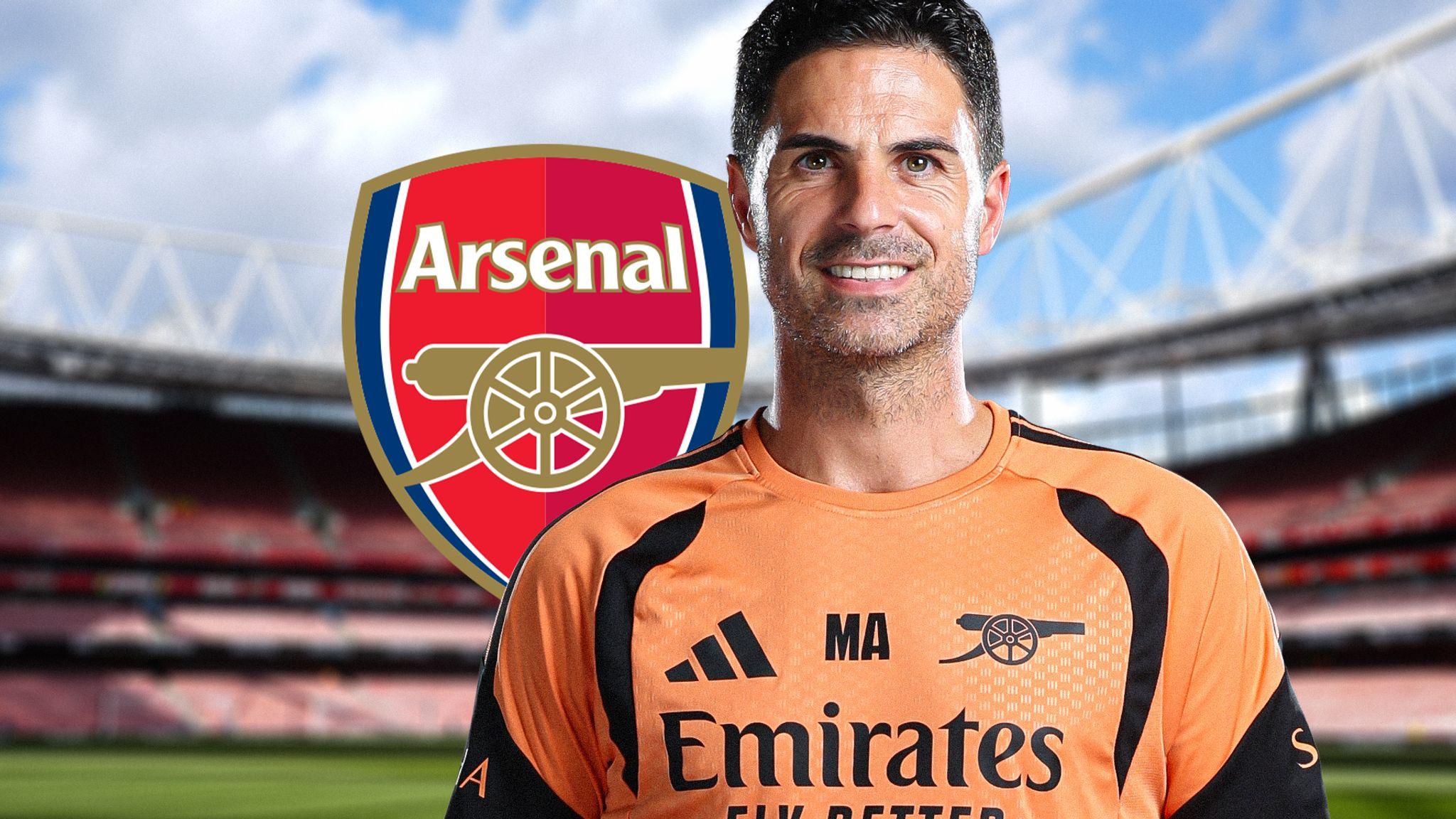
Arsenal face precisely this challenge. Earlier this year, the Gunners claimed their first Premier League title in 22 years under Mikel Arteta, ending a drought that had built enormous tension throughout the club and across the fanbase. The relief was palpable, yet Arteta recognised the real test lay ahead: ensuring his team viewed the championship as a beginning rather than a conclusion.
Multiple factors suggest Arsenal will resist the psychological pitfalls Jackson identified. The club's own history provides powerful motivation. No Arsenal manager has ever successfully retained the Premier League title. The club's famous 1930s threepeat—won under three different managers as Herbert Chapman's death led to Joe Shaw's caretaker spell before George Allison took over—remains the only instance of consecutive titles in the club's history. For Arteta, achieving back-to-back championships would represent an unprecedented achievement in the modern era.
The Champions League final defeat to Paris Saint-Germain in Budapest, while painful, may have inadvertently served Arteta's purposes. Rather than allowing complacency to set in, the loss appeared to crystallise the team's hunger.
We are going to use this moment to fuel us for the upcoming seasons - speaking to the players and the manager, there is no reason why we are stopping here, declared Declan Rice in the aftermath.
Next year, we are going to go even stronger and we are going to be ready again.
Ten matches into the current Premier League season, Arsenal sit five points clear at the summit, positioned as favourites to retain their crown. In the Champions League, they occupy third place while remaining unbeaten. The club's defensive record stands as the best across both competitions, a statistic that underscores their continued focus and organisation.
Arteta appears acutely aware of the psychological dimensions of maintaining excellence. His summer transfer strategy reflected this understanding. The decision to remove championship branding from the stadium quickly sent a symbolic message, while the recruitment of experienced players like Bruno Guimaraes and Ezri Konsa—both yet to win major trophies—brought mentalities focused on future achievement rather than past glory.
The manager's own contract extension, agreed in October, became another tool for reinforcing the narrative of incompleteness.
What is so exciting is that this is only the beginning of what we can achieve together, Arteta stated upon signing his new four-year deal. This framing proved notable enough to draw comment from Jose Mourinho, who observed the contrast with his own experience at elite clubs.
I saw something interesting that would not happen at Real Madrid. Mikel Arteta renewed his contract and said something like, 'We are still starting, this is just the beginning.' And he has been there for years.
Mourinho's observation carries weight given that Arteta now enters his seventh year as Arsenal manager. He has already become the longest-serving boss in English football, having held his position three years longer than any other Premier League manager. Yet rather than suggesting stagnation, his continued emphasis on potential unfulfilled suggests a deliberate strategy to keep his squad mentally engaged.
The evidence suggests Arteta understands something fundamental about sustaining success: the moment a team believes the mountain has been climbed, descent becomes inevitable. By consistently framing Arsenal's achievements as waypoints rather than destinations, he appears to be constructing psychological defences against the very complacency that Jackson warned about. As long as his players remain convinced they are building something rather than preserving it, the potential for continued excellence remains tangible.