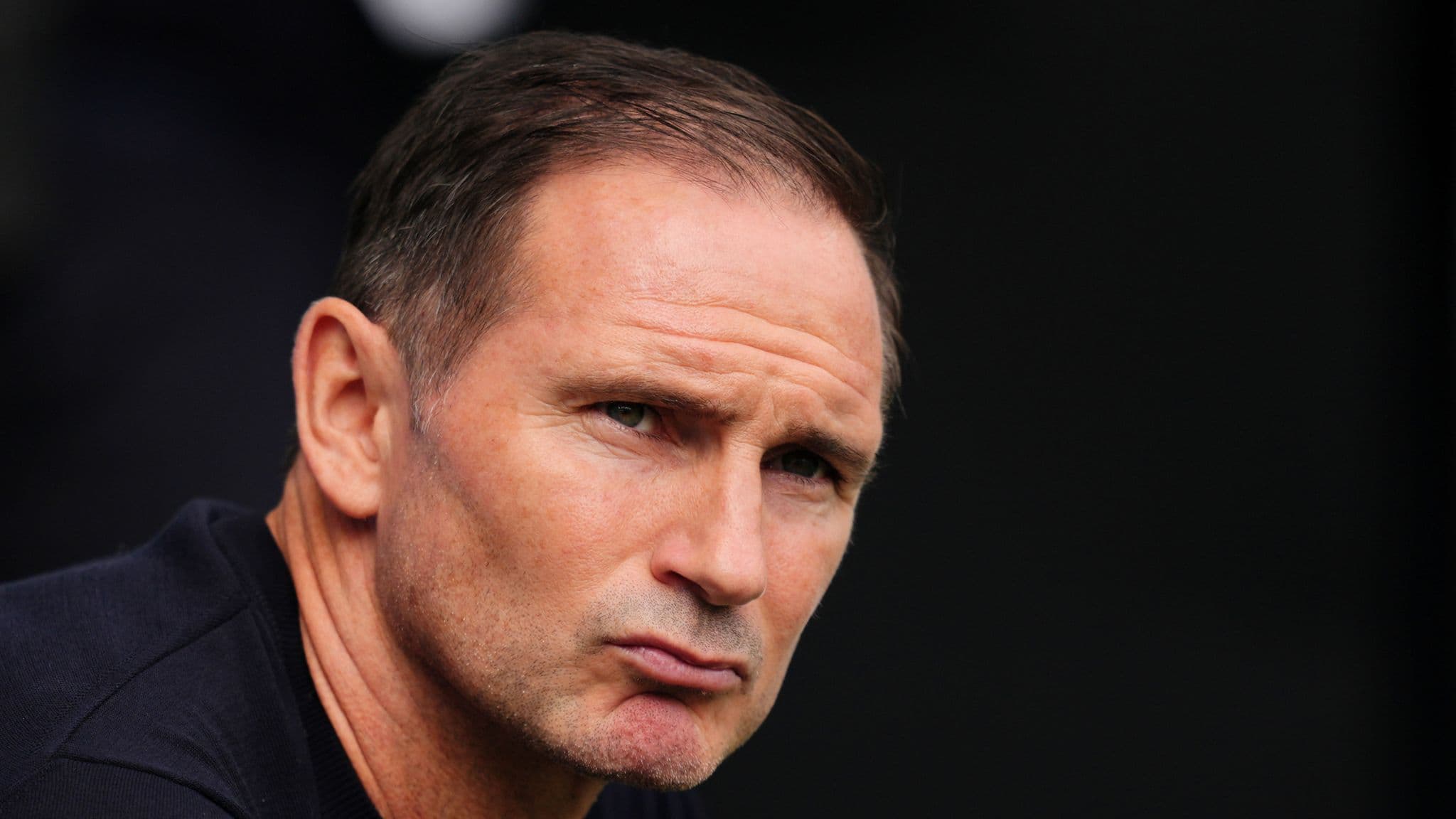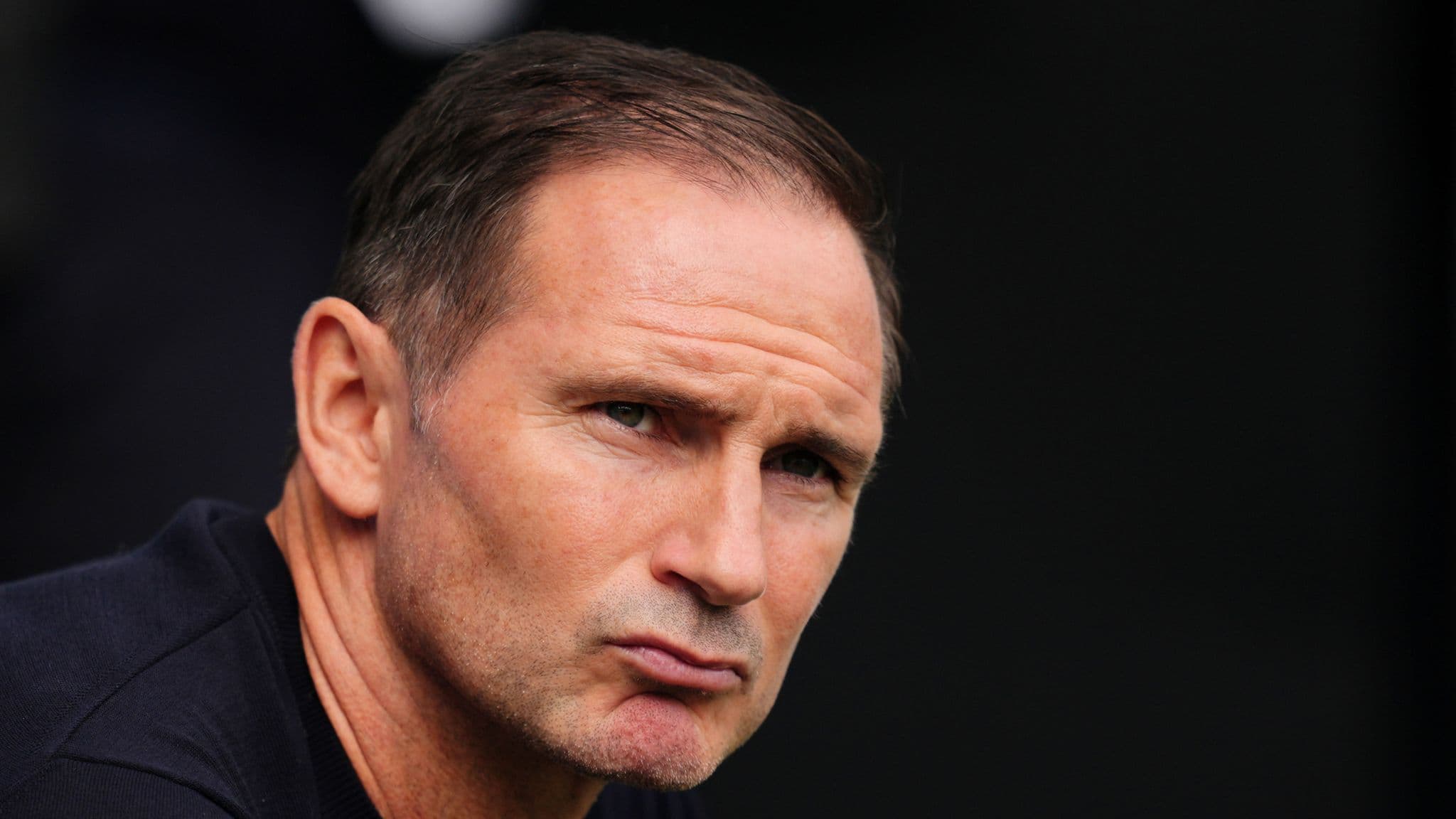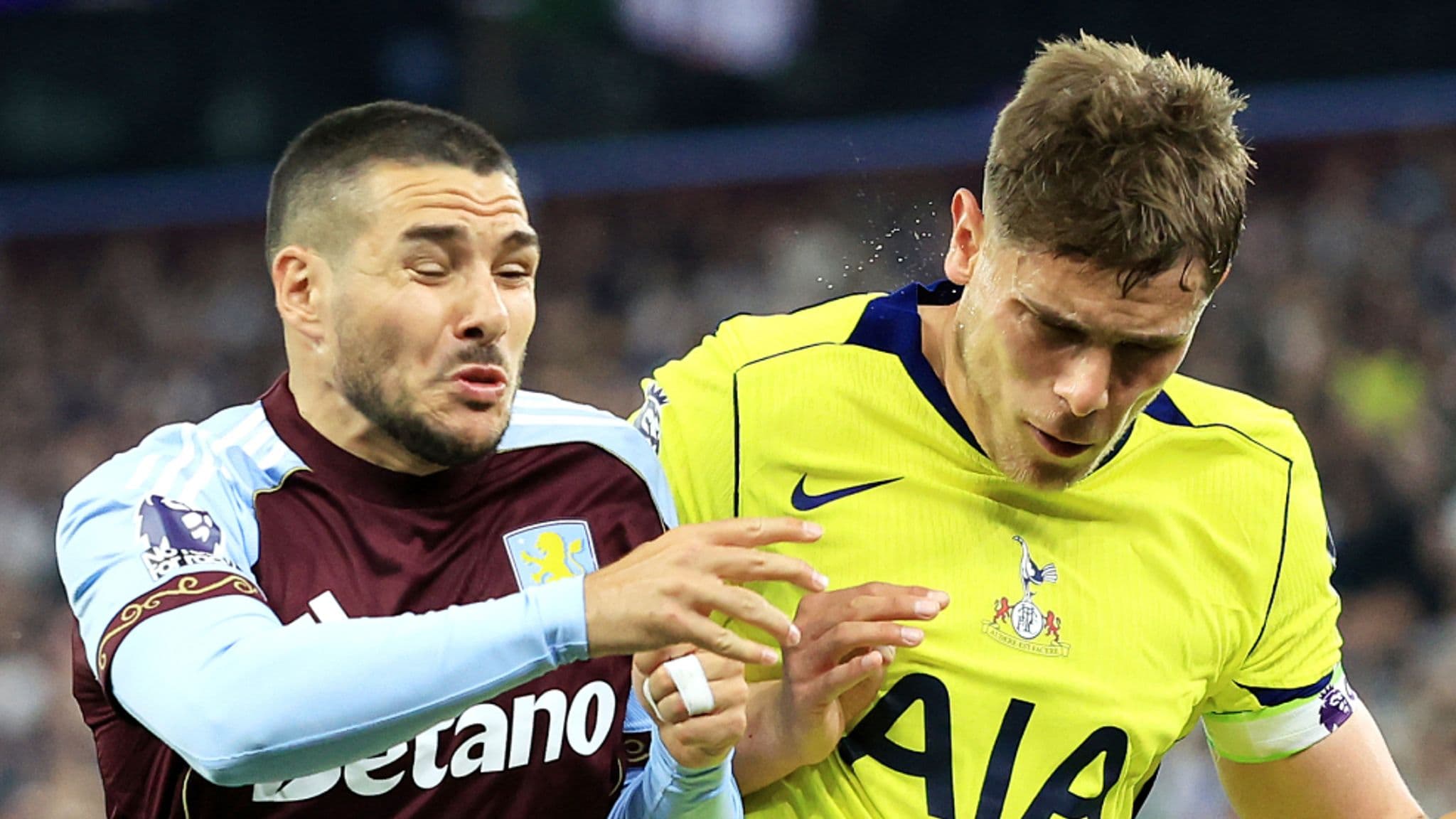
Manchester United's Carabao Cup second-round loss at Grimsby during Ruben Amorim's tenure was a result that defined a troubled period. That defeat became emblematic of the former head coach's struggles at Old Trafford.
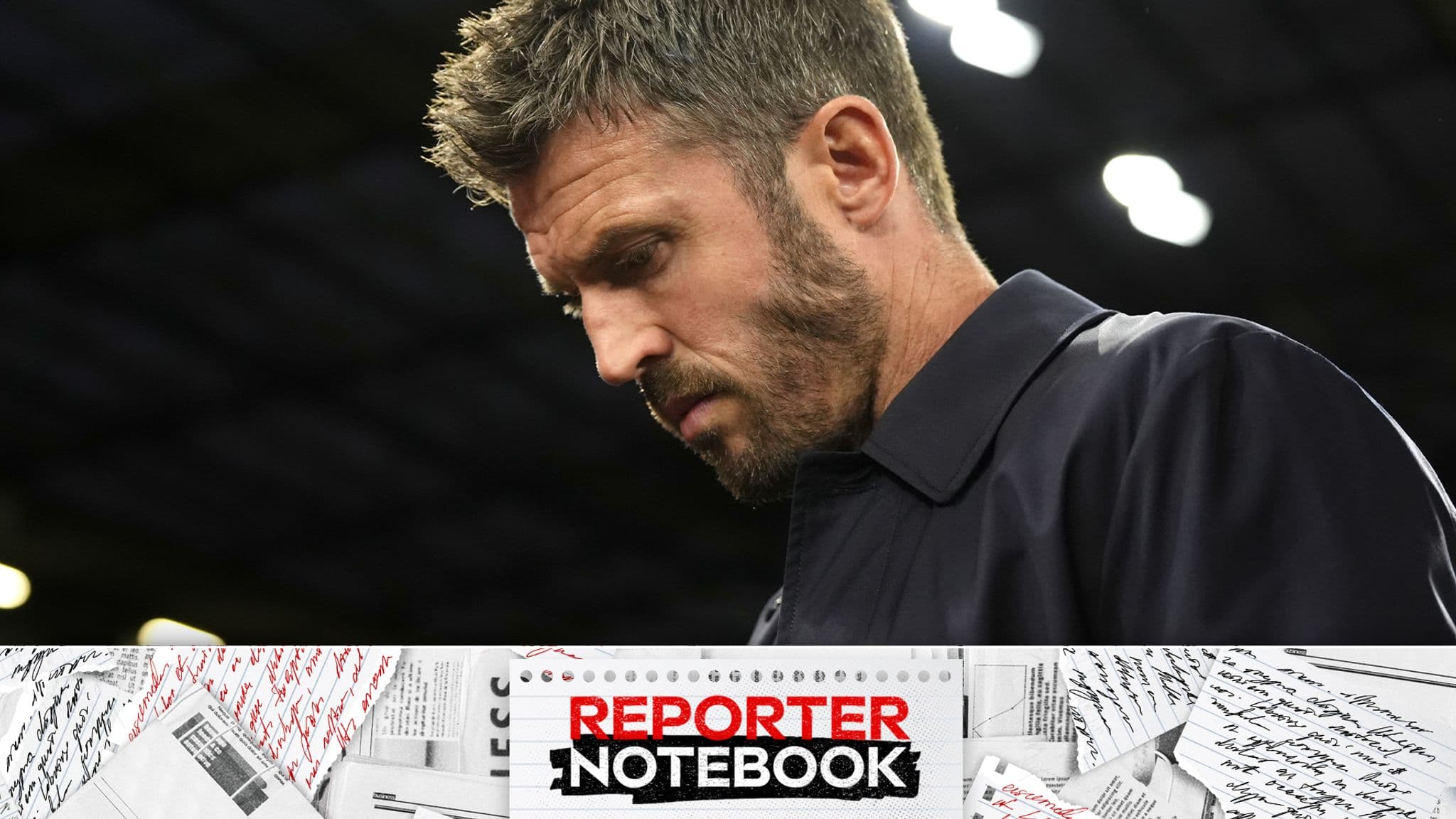
Michael Carrick, who took over from Amorim in January, now faces his own reckoning. Wednesday's home defeat to Brighton carried uncomfortable echoes of those darker days, though the circumstances differed in ways that may prove even more troubling for the new manager.
United's captain Youri Tielemans acknowledged the turning point after the match, saying his side simply stopped competing once they fell behind. The performance deteriorated visibly from the 20-minute mark onwards, with Brighton seizing control of the contest. Even the introduction of Bruno Fernandes, Kobbie Mainoo, Bryan Mbeumo and Matheus Cunha failed to spark any meaningful response.
What will genuinely concern Carrick is that there was no redemptive quality to extract from the display, no silver lining he could point to in his post-match analysis as he has done following previous setbacks.
From defensive solidity to alarming fragility
When Carrick and his coaching staff arrived at the club, they earned widespread acclaim for their immediate impact. The defence appeared organised and compact, producing impressive victories against Manchester City and Arsenal. Additions like Steve Holland, Jonathan Woodgate and Jonny Evans strengthened the back line noticeably.
That defensive foundation has now crumbled. Carrick's team have conceded two goals in three of their four Premier League matches this season. Against Brighton, the backline was exposed repeatedly. While goalkeeper Karl Darlow made an error for one goal, the deeper issue lay in the shape and understanding of the entire defensive unit, which lacked any semblance of coherence.
The left-back position has become a glaring vulnerability. Carrick has avoided publicly labelling it a weakness in his media appearances, yet it represents a significant problem that the United hierarchy identified during the summer transfer window but failed to address adequately.
Luke Shaw, United's only senior left-back, has missed the last three games through a minor injury. Given his age and extensive injury history—despite his excellent availability last season—the club's decision not to recruit in that area appears shortsighted. Carrick has tried Noussair Mazraoui in the role, but the less experienced Patrick Dorgu was preferred for the Manchester derby. Young prospect Harry Amass does not appear to be viewed as a long-term solution either. How United will resolve this positional crisis for the remainder of the season remains unclear.
The uncomfortable questions about Carrick's future
Discussing Carrick's job security after only weeks into the new season seems premature. Manchester United have accumulated more points than any other club since his return in January, a statistic that speaks to the foundation he has built.
Yet Carrick himself has acknowledged that recent moments—Ainsley Maitland-Niles' equaliser for Everton, Manchester City's controversial VAR goal, and now Brighton's stunning collapse from 2-0 down—have shifted the narrative entirely. After the Brighton defeat, Carrick said "we had the game exactly where we wanted it and let it get away from us in a big way" and accepted responsibility for the result.
The Brighton loss was particularly damaging. United's 3-2 loss marked the first time in 50 years that a team came from 2-0 down to win at Old Trafford, and also the first time United had lost at home after leading at half-time in 551 such matches. S Lacey had given United the lead in the 8th minute, with M Mount extending it in the 10th, but Brighton's winning goal came from Maxim De Cuyper in the 69th minute.
If United lose at Fulham on Sunday, broadcast live on Sky Sports, uncomfortable discussions about whether Carrick possesses the capability to steer the club through their current turbulence will become unavoidable. That conversation may yet come, but Carrick deserves acknowledgment of the squad constraints he inherited.
The club's failure to generate significant sales this summer hampered their ability to reinforce the squad meaningfully. Yet does that excuse overlooking critical areas? The left-back position required attention. With Benjamin Sesko nursing a shin injury throughout the summer, United might have signed a temporary striker to share the load rather than deploying Mbeumo and Cunha out of position. Both players have struggled to replicate the form they demonstrated under Carrick's management previously.
Until United can reshape their squad comprehensively in a single transfer window, they will remain trapped in a cycle of incremental strengthening with players inherited from previous administrations. This structural problem may explain the boos that echoed around Old Trafford following the Brighton defeat—not merely a reaction to that specific performance, but recognition of a familiar pattern repeating itself, a sense of déjà vu from seasons past and another promising beginning that may end in disappointment.
The path forward
It feels premature to write Carrick off entirely. He merits time based on what he delivered last season, but these are the treacherous waters he must navigate. Ultimately, he will be judged by his ability to arrest the decline.
Manchester United travel to Fulham on Sunday, 20 September 2026, with the manager facing a defining moment. Even without victory, a positive performance could provide breathing room and allow time to work its restorative magic. If he can stabilise the ship, the narrative may yet shift. But the window for redemption is narrowing rapidly.