Hull City's start to life back in the Premier League reads like a survival manual written by textbook. Sitting comfortably in mid-table, clear of the relegation zone and unbeaten at home throughout the season, the newly promoted Tigers have ticked every box that typically signals a club will avoid the drop. Yet according to Sky Sports, the underlying analytics paint an entirely different picture.
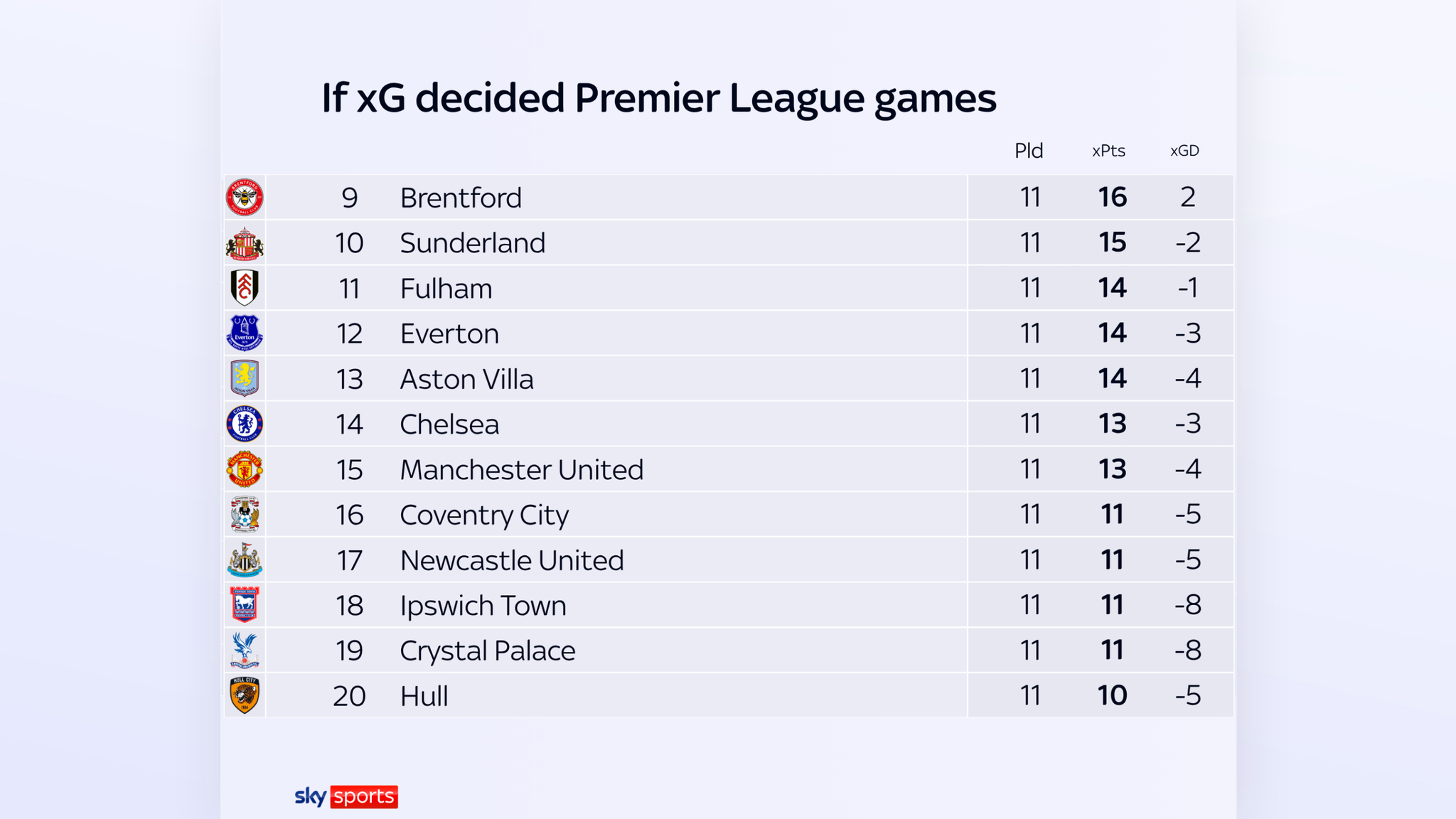
Expected Goals data suggests Hull should be languishing at the bottom of the Premier League table, occupying a position similar to Crystal Palace, whom they face this Sunday. The numbers are stark: Hull have won just one game this season when judged by xG metrics alone. This statistical anomaly raises a fundamental question about how a club can perform so far above what their underlying data predicts.
On the surface, xG numbers demand caution. Context matters enormously in football analytics. A team trailing in a match often accumulates higher xG than their opponents simply because they chase the game and attack for extended periods. The current xG table illustrates this perfectly: Chelsea sit in 14th place, Bournemouth should rank third, and Nottingham Forest should occupy sixth. After 11 games, significant divergence exists between the Expected Table and reality across the board.
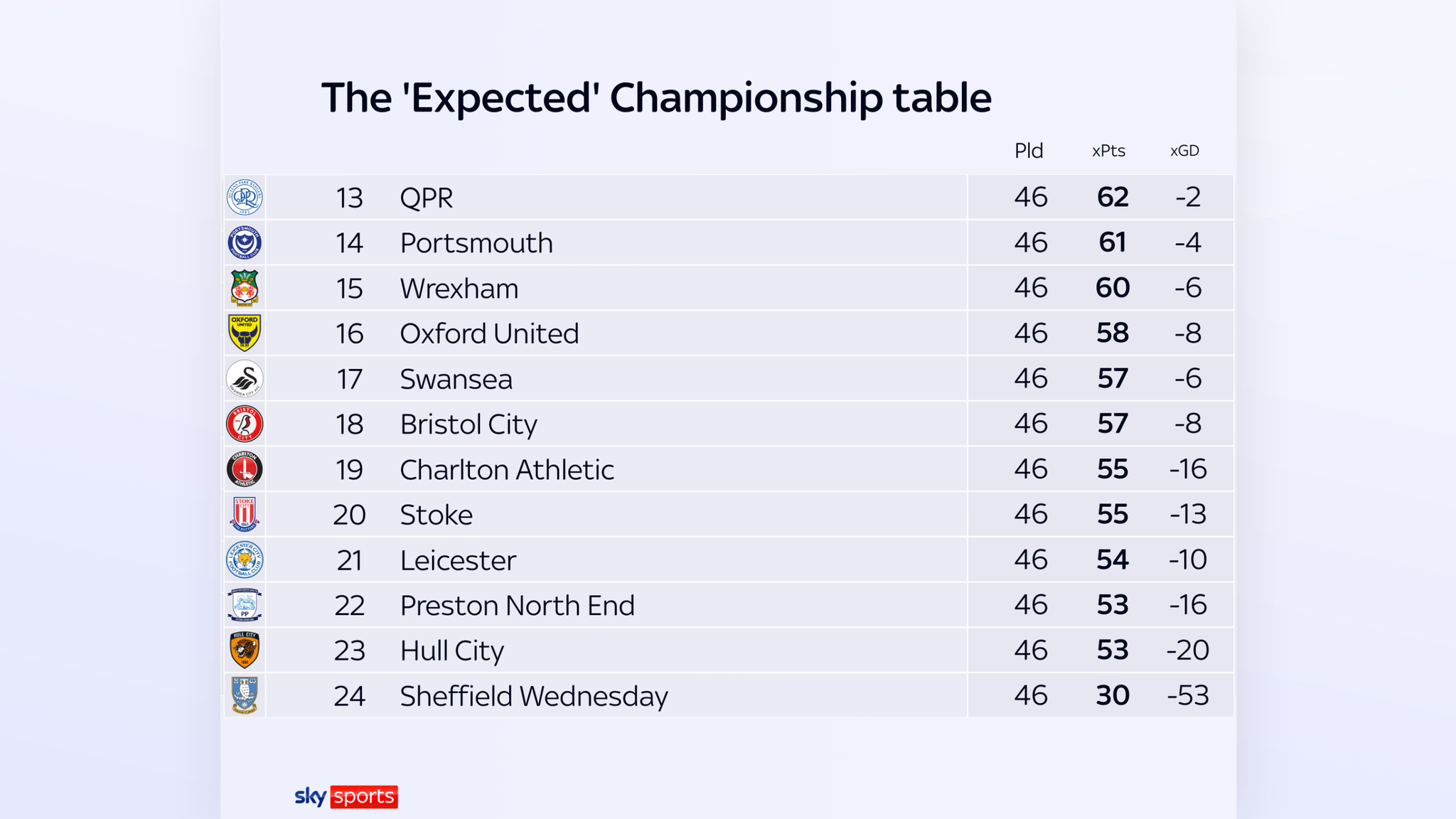
What makes Hull's situation extraordinary, however, is that this pattern has persisted for 18 months. The same xG analysis that places them at the bottom of the Premier League now suggests they should be playing in League One this season. Last term in the Championship, the data indicated Hull should have finished second-bottom after 46 games. Instead, they secured promotion via the play-offs, finishing with 73 points despite an expected-points total of just 53.27, according to xG Edge.
Aston Villa demonstrated last season that overperforming xG for a period is possible, but regression to the mean typically follows. Sustaining this over such an extended timeframe is genuinely exceptional.
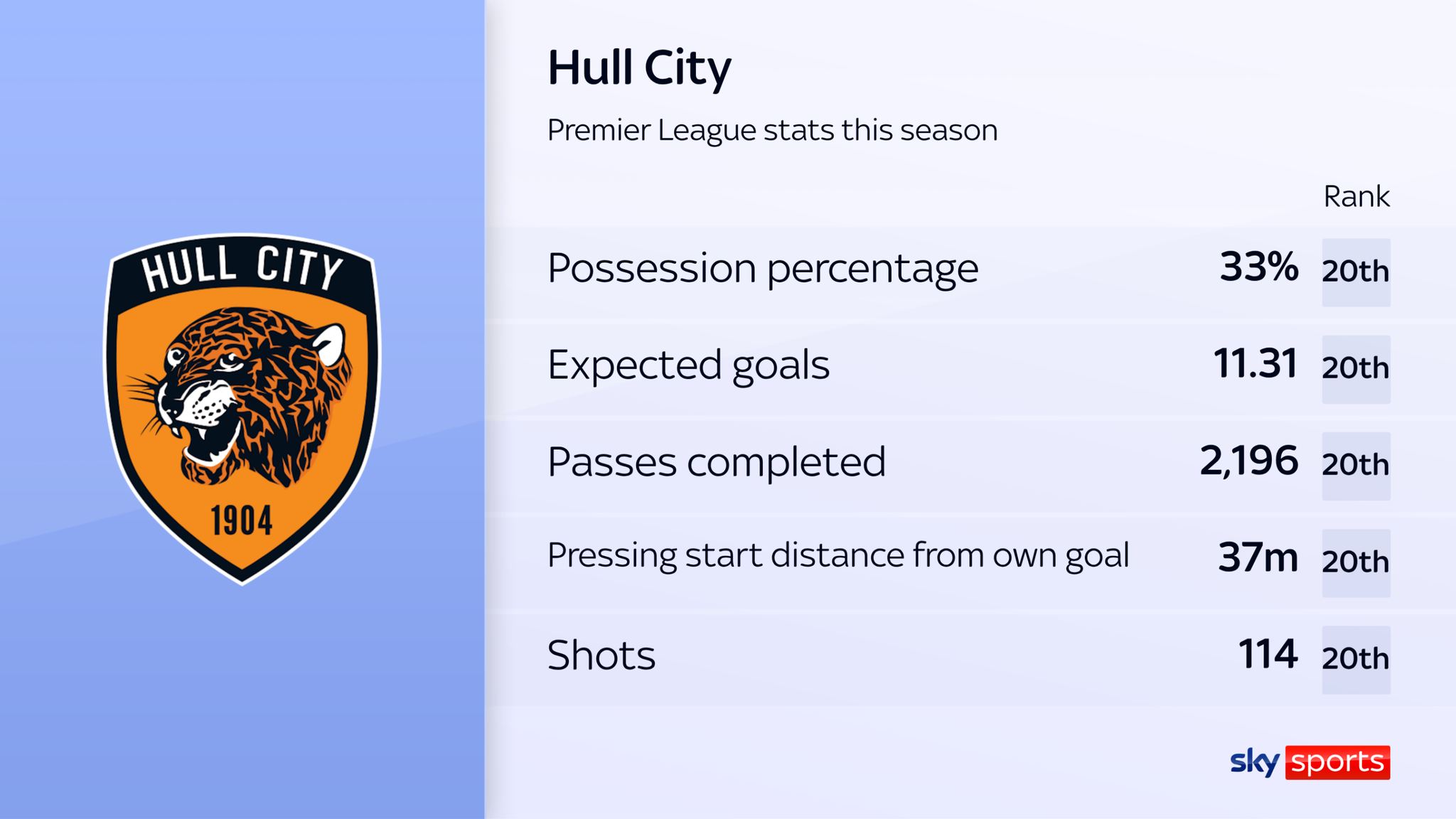
The explanation lies partly in Hull's distinctive tactical approach. Manager Sergej Jakirovic has constructed a 5-4-1 formation that operates with the lowest possession in the Premier League by a considerable margin. Hull also rank bottom for shots attempted and for the height at which they initiate their press.
It is not about possession, it is what you do with it
Jakirovic told Sky Sports in an interview last month, encapsulating his philosophy. Hull are comfortable defending in a low block, which inevitably means losing the statistical battle in most matches. Yet within this constraint lies their method.
When Hull do gain possession, they move the ball up the pitch quicker than any other Premier League team. This efficiency in transition, combined with clinical finishing, forms the foundation of their success. In the Championship last season, forwards Ollie McBurnie and Joe Gelhardt received few opportunities but converted them at an exceptional rate. That same culture persists in the top flight.
No matter who is the opponent, we will have our chances
Jakirovic added, reflecting his confidence in the system despite the underlying numbers.
Hull's pressing strategy exemplifies their selective approach. They rank bottom for high turnovers in the Premier League this season, yet they have the second-most goals from high turnovers and rank fourth for high pressures that result in a shot. It is a patient, calculated press rather than an aggressive one.
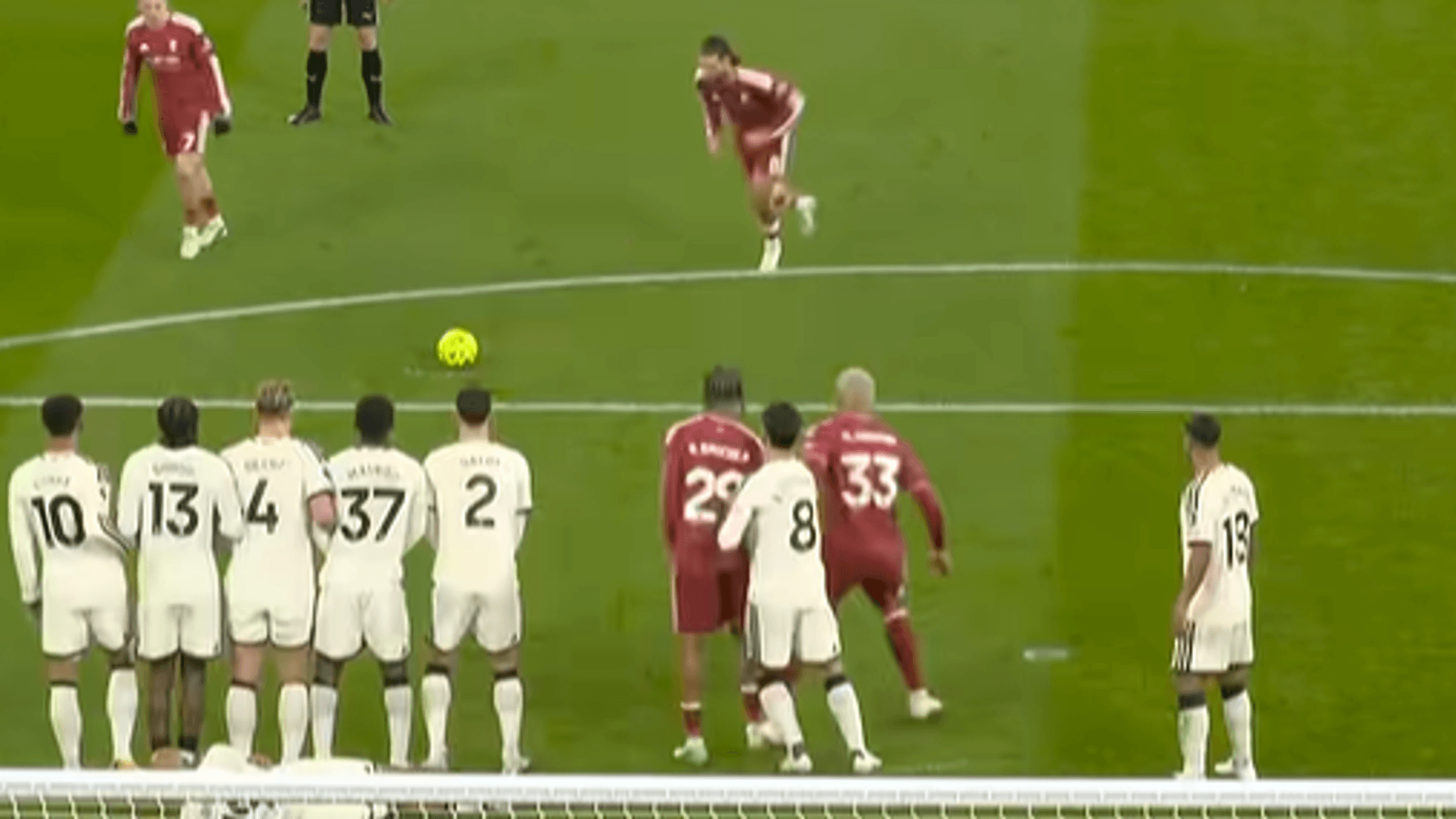
Their recent draw with Brentford illustrated this perfectly. Hull's sole first-half chance came from pressing Brentford's out-of-position midfielder Aaron Hickey, winning a penalty which they converted. They then relied on their defence to hold firm, conceding late but securing a point many considered valuable. After 11 matches, Hull had accumulated 14 actual points against 10.56 expected points, according to xG Edge, and had scored 13 goals from 11.30 xG.
This game plan carries inherent risk. Winning through low possession and clinical finishing requires fortune to align consistently. Hull have benefited from their share of luck. In the Championship last season, they had the most let-offs of any second-tier team in terms of big chances missed by opponents. That pattern has continued in the Premier League.
In Hull's opening two home matches, Manchester United and Aston Villa should each have scored around two goals according to xG. Neither team found the net, and Hull collected four points instead. Fortune played a role, but it is not the complete story.
Goalkeeper Konstantinos Tzolakis has been instrumental. The Greek shot-stopper boasts the best save record of any Premier League goalkeeper this season, having prevented nearly 2.0 worth of xG from crossing the line. Hull fans have dubbed him the 'Greek God' following his recent performances, and his contribution cannot be overstated. Without his excellence and without Jakirovic's tactical blueprint, Hull would sit considerably closer to the bottom of the table.
The underlying statistics reveal a team that should be struggling far more than they are. Hull averaged 33% possession and 10.36 shots per match in the league, while scoring 13 goals from 12.03 xG in the season data, according to StatMuse.
As newly promoted Hull, Coventry and Ipswich have reshaped the relegation battle, with the three promoted clubs collecting 24 points between them after six games, the focus has shifted from whether all three will go down to which established Premier League sides could face the drop. Hull's resilience has been central to this narrative shift.
What happens next
Hull travel to Selhurst Park to face Crystal Palace on Sunday 29 November 2026, with kick-off at 14:05 GMT. The match against the Premier League's basement club represents another opportunity for the Tigers to prove that their overperformance is more than statistical anomaly, and that their tactical discipline and clinical execution can sustain their unlikely challenge for survival.