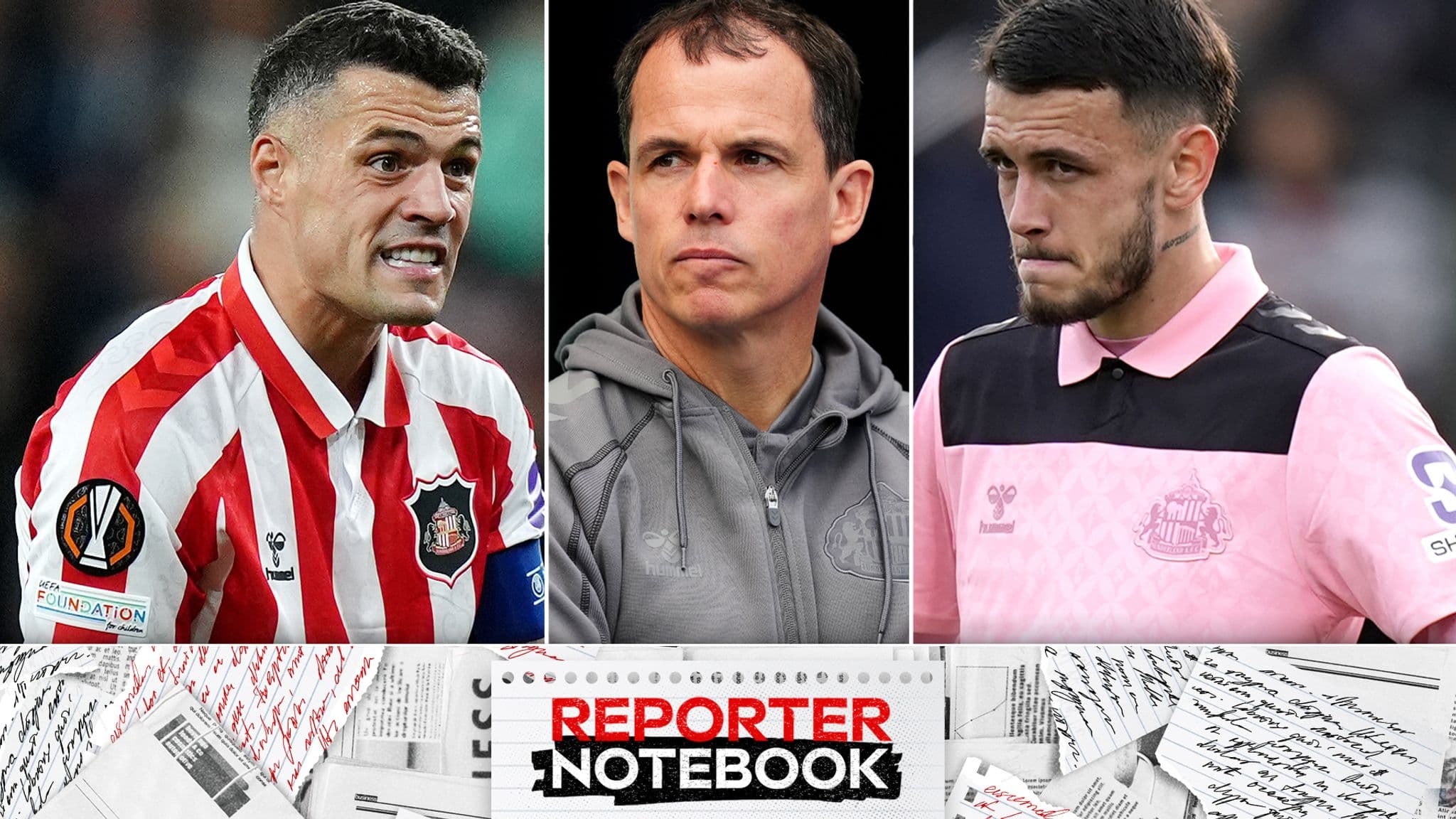
Sunderland's opening to this campaign has painted a starkly different picture from their triumphant Premier League return last season. According to Sky Sports, the Black Cats currently occupy the bottom rung of the table with just four points harvested from seven matches. Their previous campaign saw them burst from the blocks and establish the Stadium of Light as a fortress, going months without tasting defeat on home soil.
The additional burden of European competition, absent from Sunderland's fixture list for more than half a century, has clearly weighed heavily on both body and mind. Their recent showing at Bournemouth, sandwiched between a gruelling away trip to Portugal in the Europa League, was marred by careless play and lapses in concentration that proved costly.
Defender Nordi Mukiele's post-match assessment that the squad had grown "arrogant" struck an odd note, yet it may have contained a kernel of truth beneath the surface. The relentless schedule is undoubtedly taking its toll, both in terms of physical fatigue and mental sharpness. Club insiders anticipated that juggling European commitments alongside league obligations would present a formidable challenge, and the evidence is now written across the standings.
Injuries to key attacking personnel have compounded the difficulties. The absence of Brian Brobbey and Wilson Isidor early in the season forced manager Regis Le Bris to deploy the inexperienced Timur Tutyerov as his primary striker in recent matches—a scenario that was never part of the original blueprint. According to the Yorkshire Post, Le Bris confirmed that Brobbey had trained with the squad for approximately ten days and "should be ready" for the Leeds fixture, offering a glimmer of hope for the upcoming clash.
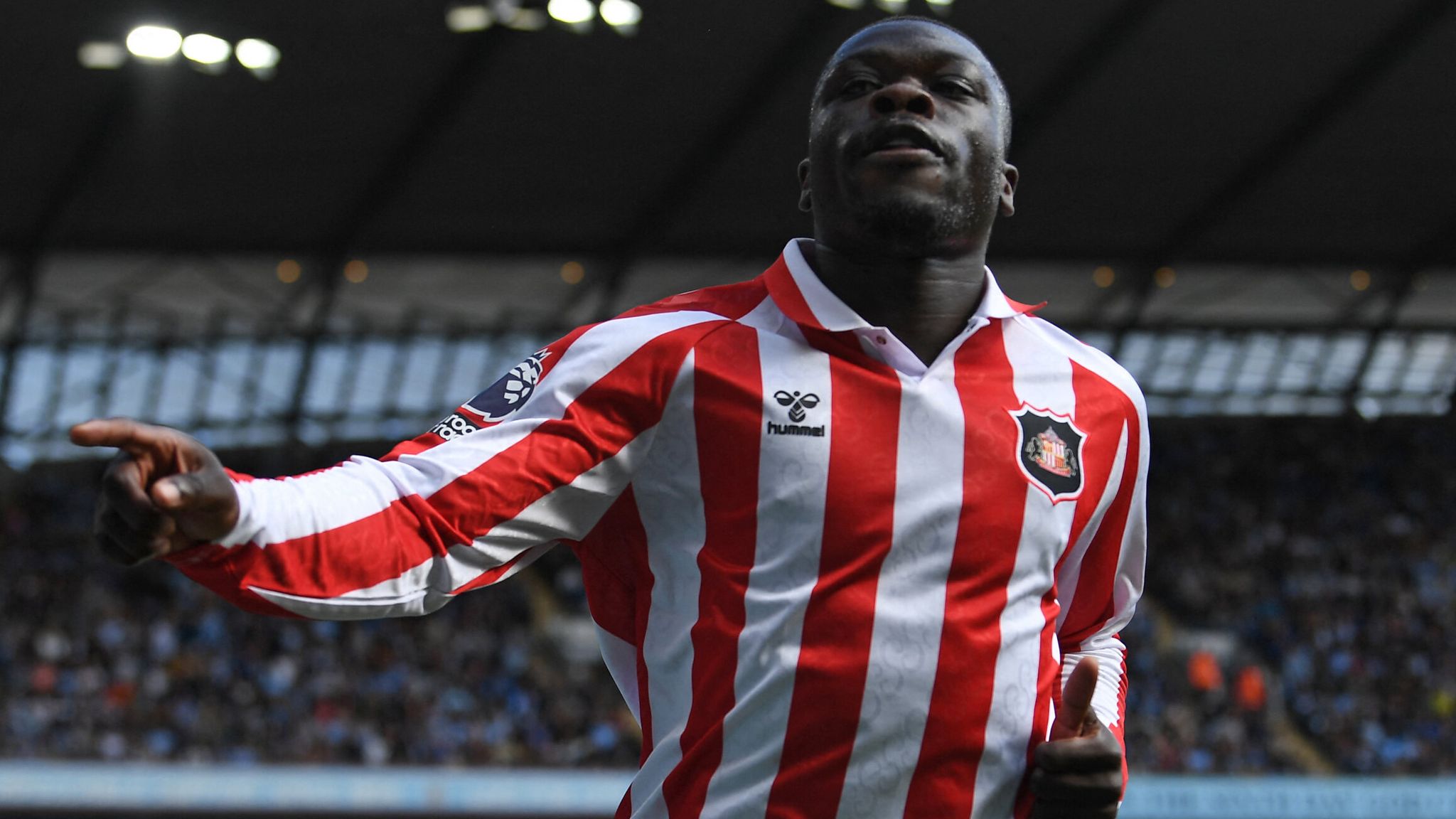
Last season's domestic resilience was built on a foundation of defensive solidity and an uncompromising style of play. The Stadium of Light became a place opponents feared, with only four league defeats across the entire campaign. Early signs suggested that fortress mentality would persist, particularly after a composed performance against champions Arsenal in September and a narrow victory over Fulham. However, the 2-0 reversal to ten-man Brighton has sent shockwaves through the fanbase and raised genuine concerns about the team's trajectory.
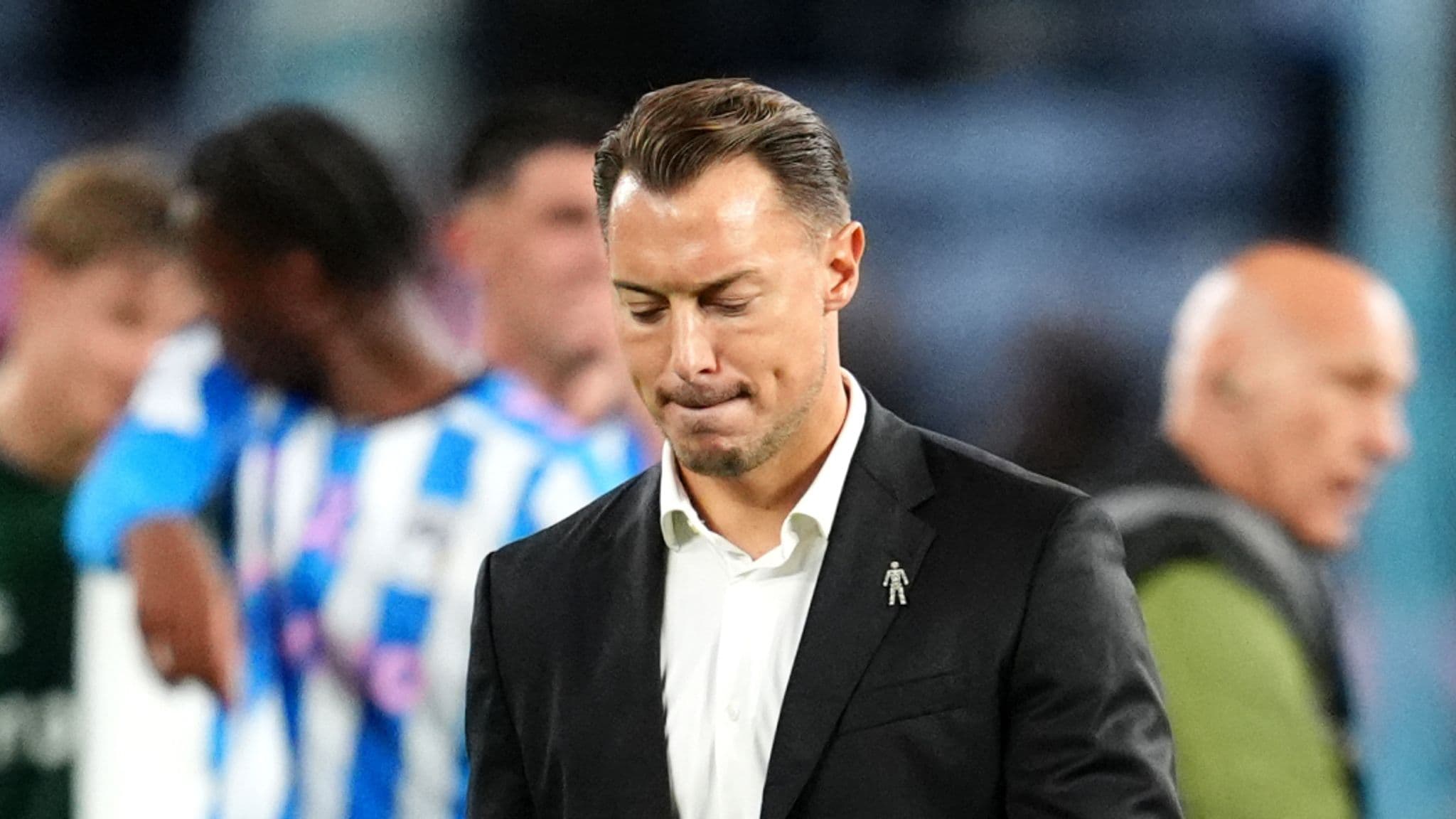
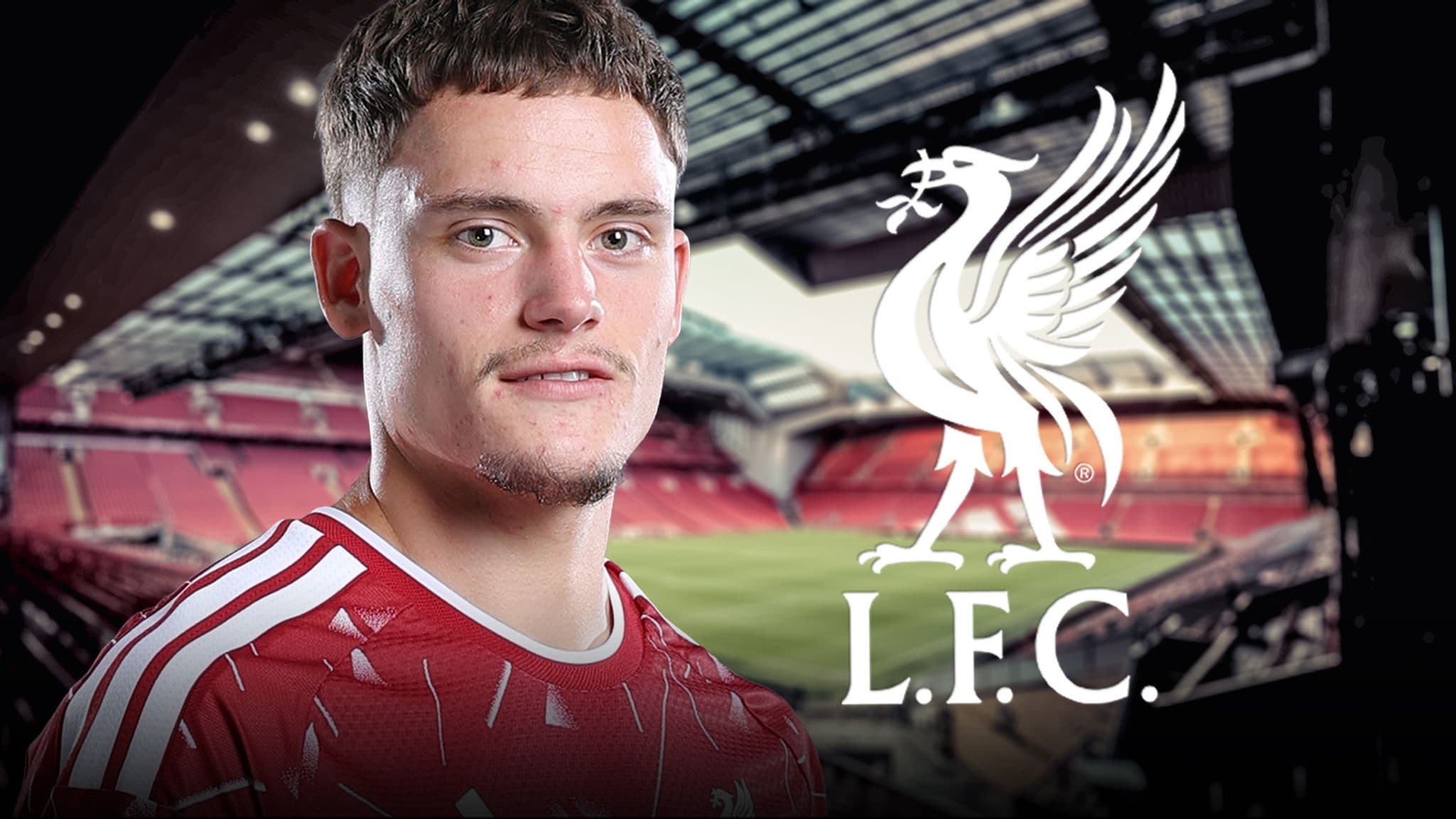
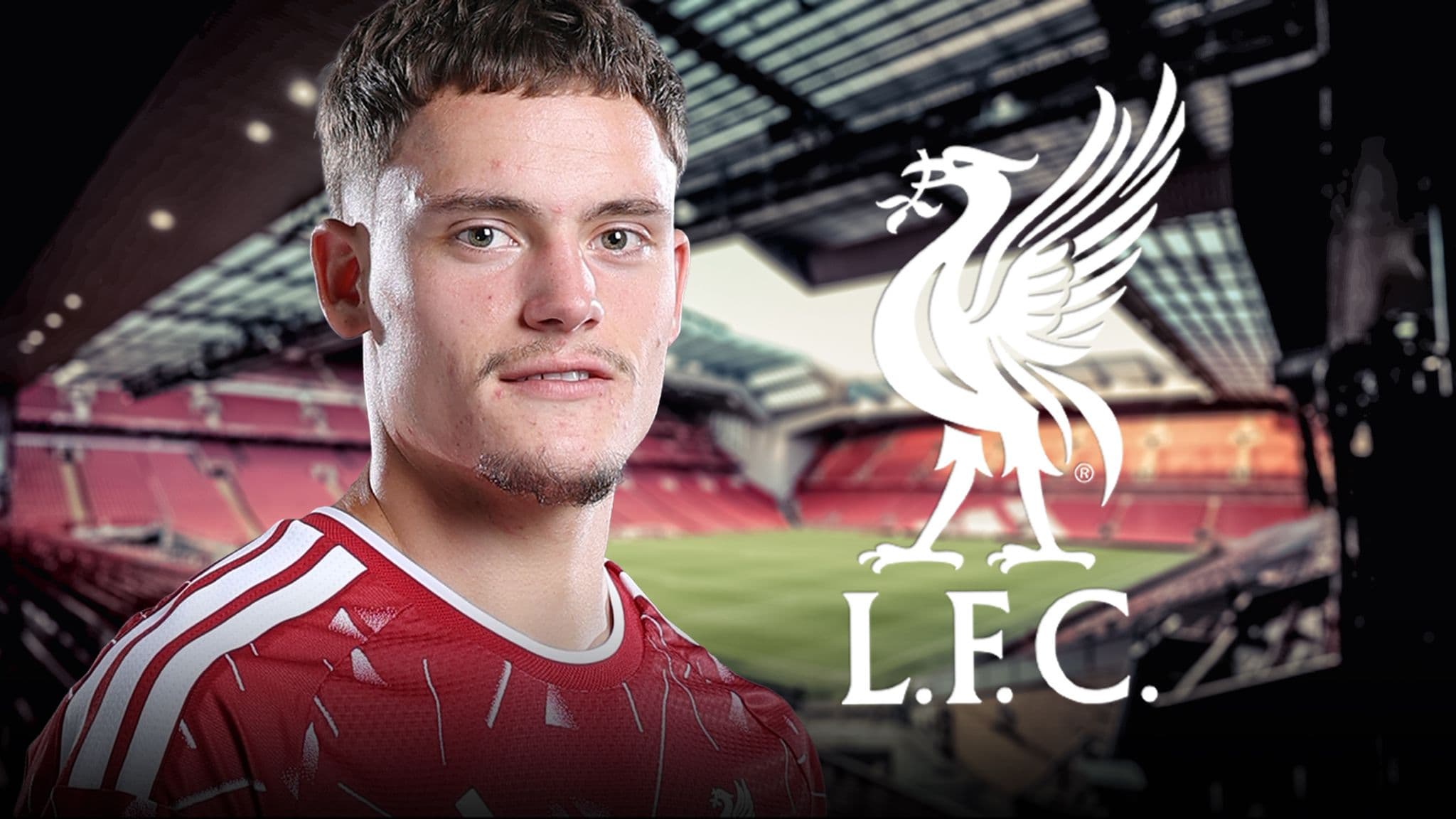
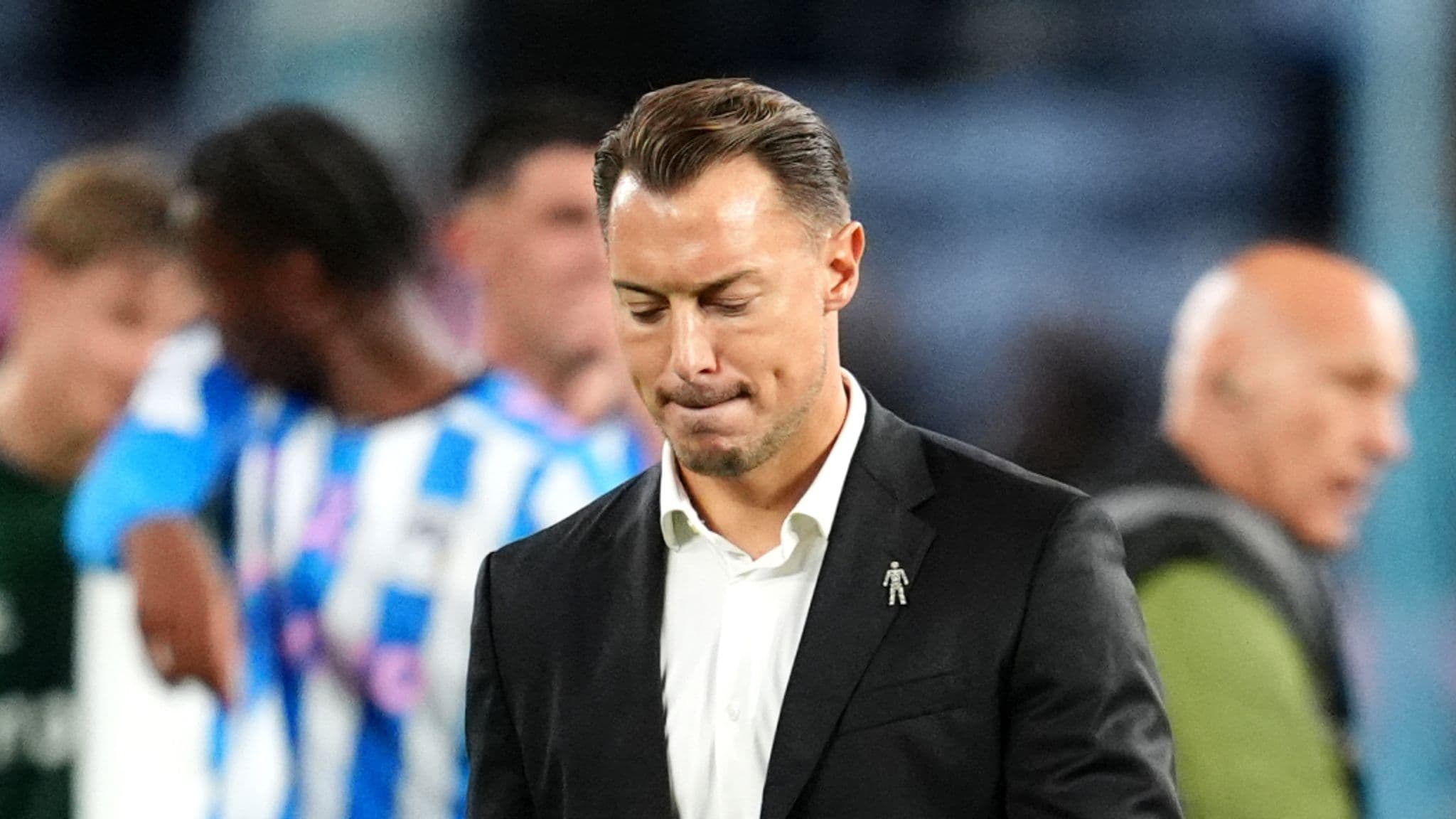
The summer transfer window proved frustrating for sporting director Florent Ghisolfi, with business moving at a glacial pace until the final hours. Owner Kyril Louis Dreyfus was forced to intervene personally, flying to Lyon to persuade Malick Fofana to choose Sunderland over Crystal Palace in the dying moments of the deadline. The club sweetened the deal with a financial package the Belgian winger could not refuse, yet the protracted nature of the window left many puzzled given the euphoria surrounding their previous season and the allure of European football.
The squad depth remains respectable on paper, with two capable performers available for each position. Yet when established players underperform and injuries strike at their potential replacements, the cracks become impossible to ignore. Le Bris will be hoping to welcome back either Brobbey or Isidor for the Leeds encounter, a fixture that already carries enormous significance for the campaign's direction.
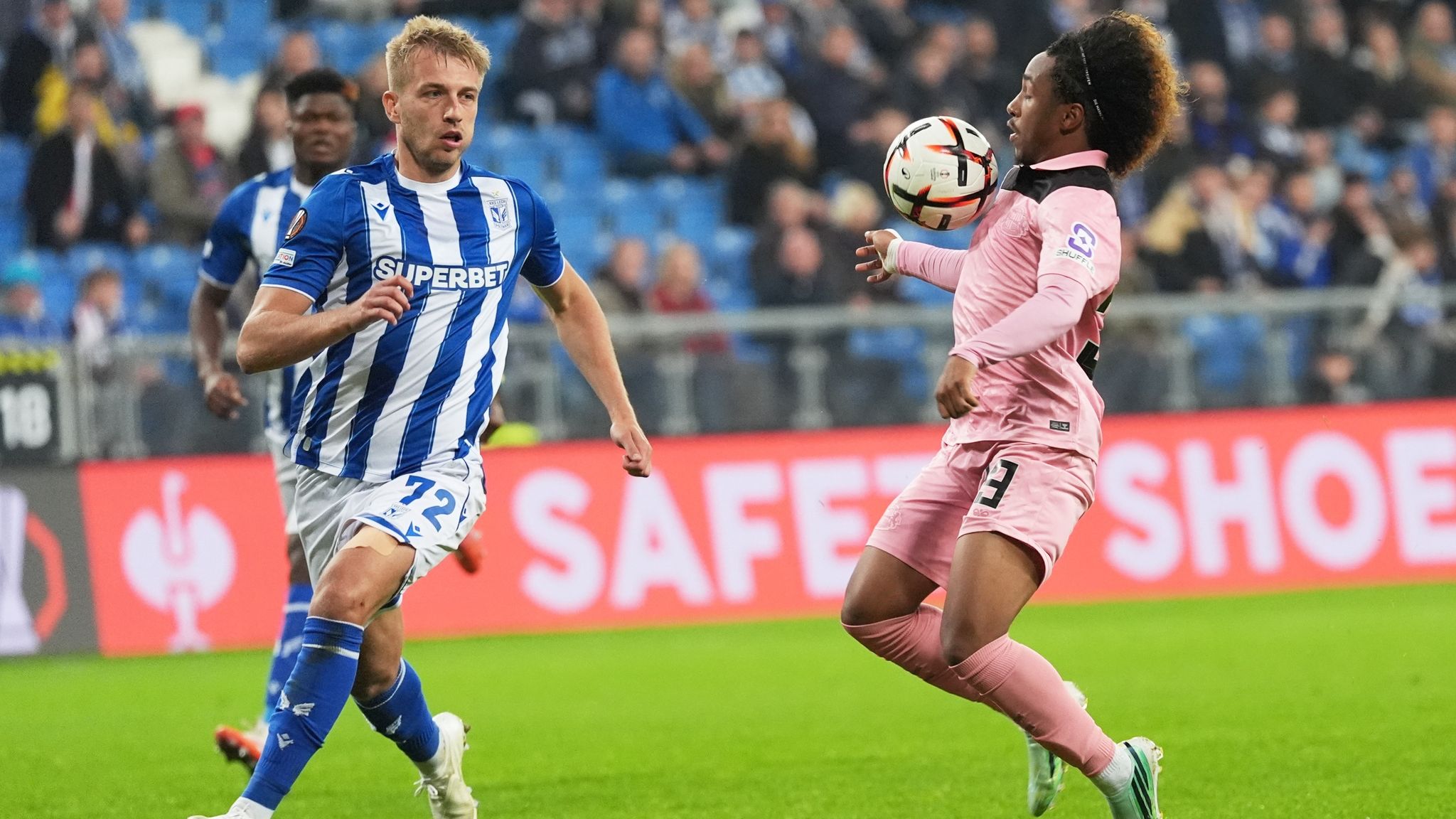
Remarkably, Sunderland have managed to excel in their European venture. According to the BBC, the club beat Lech Poznań 2–1 on 22 October, extending their strong start in the competition to three wins from three. This success has given supporters something to celebrate even as domestic form has deteriorated, creating an unusual dynamic where the fanbase can take solace in continental progress whilst watching their league position slide.
The supporters themselves have demonstrated a mature perspective on the situation. Many acknowledged during the summer that a successful campaign would involve a respectable Europa League run coupled with Premier League survival, accepting that domestic form might suffer as a consequence. Having endured a decade of hardship, Sunderland's long-suffering fans are unlikely to panic at the current predicament. They recognise the quality within the squad—the experience of Granit Xhaka, the defensive prowess of Mukiele, and the attacking threat posed by Brobbey when fit—and trust these players to navigate the turbulent waters ahead.
Le Bris himself carries considerable credit following two outstanding seasons on Wearside. He has been instrumental in the club's resurgence and remains the architect of their attacking philosophy and defensive discipline. The 50-year-old faces no external pressure at present; any demands for improvement will come from within his own exacting standards. He operates with an impressive support structure around him at the Stadium of Light, and all parties remain aligned in their ambitions.
Le Bris has emphasised the need to balance European and league workloads, noting that the team "has emotions and cares" following the Bournemouth defeat. The word he frequently invokes is "humble," and his players must reconnect with the qualities that propelled them to such heights last season—the snarling intensity, the physical edge, the streetwise approach that overwhelmed opponents week after week.
The upcoming fixtures offer a pathway back to form. Two home matches in swift succession—Leeds in the league and Brentford in the Carabao Cup—provide the ideal opportunity to rediscover the fortress mentality that defined their previous campaign. Sunderland are scheduled to host Leeds United in the Premier League on 25 October, followed by a Carabao Cup tie against Brentford on 28 October. Leeds themselves drew 1–1 with Manchester United on 18 October, suggesting they are far from invincible.
The road ahead
Without a return to their core strengths—the aggression, the physicality, the refusal to be bullied—Sunderland risk finding themselves in genuine trouble. Yet there is no sense of panic warranted at this stage. The foundations remain solid, the manager retains the full backing of his club and supporters, and the squad possesses sufficient quality to turn the tide. Mukiele's post-match comments, whether poorly chosen or not, may yet prove to be the catalyst that reignites the fire within the dressing room. If Le Bris can restore that winning mentality and get his key players back to full fitness, there is every reason to believe Sunderland will emerge from this difficult period stronger and more resilient than before.