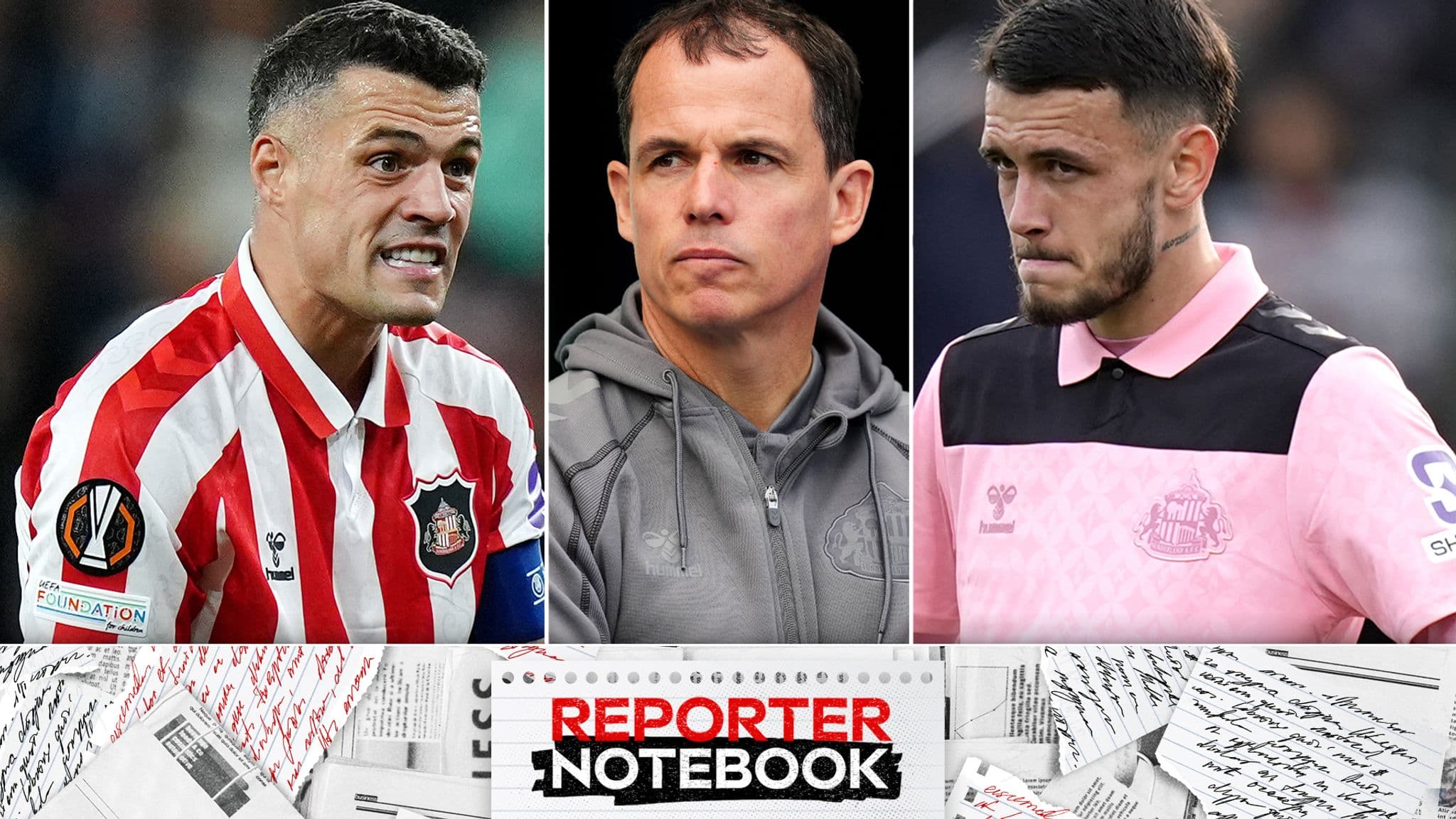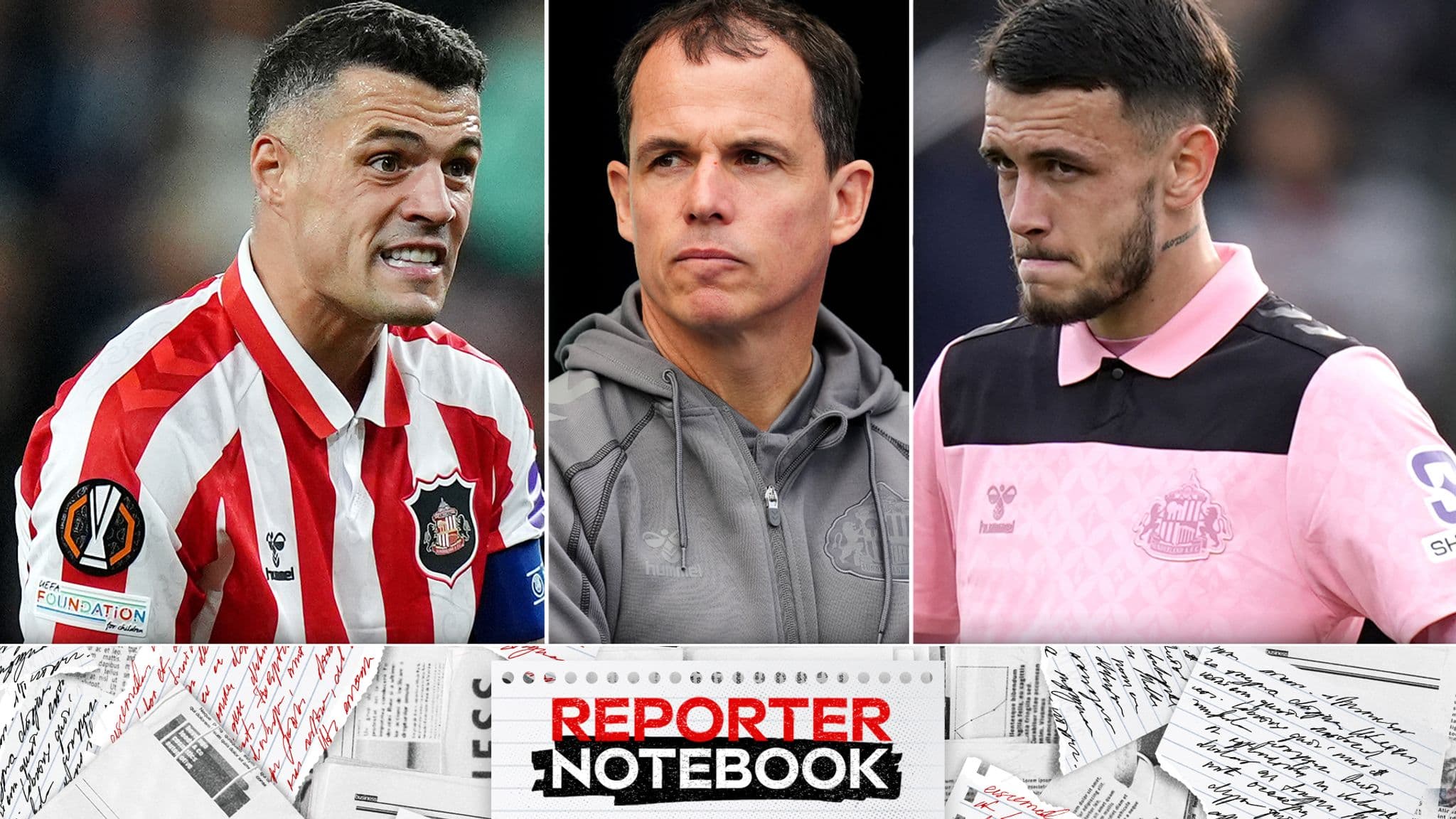
Sunderland's opening to this season bears little resemblance to their triumphant return to the Premier League twelve months earlier, when they stormed through the campaign and remained unbeaten at home for months. Now they find themselves propping up the table with just four points accumulated across seven matches. According to Sky Sports, the additional demands of European competition—something the club has not navigated in over five decades—were always going to complicate their domestic campaign.
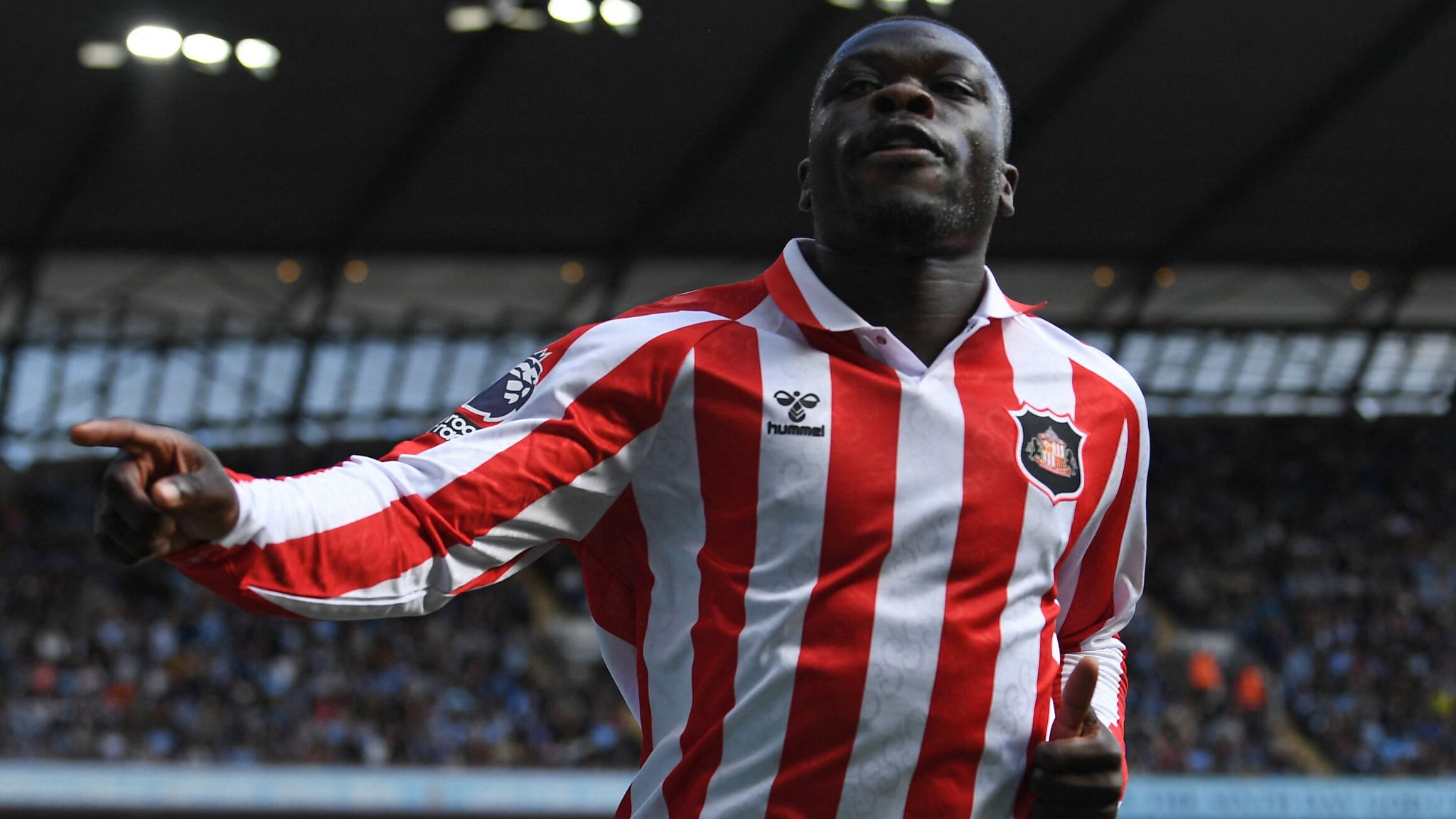
The display at Bournemouth on Sunday illustrated the toll that balancing continental football with league obligations is taking. Having just returned from a Europa League fixture in Portugal, Sunderland's performance was marred by lapses in concentration and individual mistakes that proved costly. Defender Nordi Mukiele's post-match assessment that the team had become "arrogant" struck an odd note, though it may have been his way of expressing frustration rather than a genuine reflection of the squad's mentality. The reality is more straightforward: the relentless schedule is exacting a physical and mental price that is showing up in their results.
The club anticipated that European football would present a significant challenge this season, and that prediction is materialising on the pitch. The situation has been compounded by injuries to key attacking players Brian Brobbey and Wilson Isidor early in the campaign, forcing the relatively inexperienced Timur Tutyerov to shoulder the responsibility of leading the line in the last two matches—a scenario that was never part of the original plan.
Last season, Sunderland's home fortress was nearly impregnable. They surrendered just four league defeats across the entire campaign at the Stadium of Light, a record that suggested their defensive solidity would carry forward. An encouraging showing against champions Arsenal in September, coupled with a narrow victory over Fulham, hinted that this defensive resilience would persist. However, the 2-0 defeat to 10-man Brighton has triggered genuine concern among supporters and observers alike.
The path back to those defensive foundations runs through their next two home fixtures. Sunderland must host Leeds United in the league on 25 October, followed by a Carabao Cup encounter with Brentford on 28 October. To succeed in these matches, they need to rediscover the aggressive, physical, streetwise approach that overwhelmed opponents throughout their first season back in the top flight—a style that has been conspicuously absent at times this term.
Mukiele's comments may ultimately prove prophetic if interpreted as a call for the team to resurrect that intensity and combative edge. Sunderland have appeared tentative in stretches, a stark contrast to the fearless football that defined their previous campaign. Without that aggressive foundation, the club risks finding itself in genuine trouble.
The summer transfer window proved frustrating for sporting director Florent Ghisolfi, with the club struggling to complete signings until the final hours. It required owner Kyril Louis Dreyfus to personally travel to Lyon to persuade Malick Fofana to choose Sunderland over Crystal Palace, with the deal concluded only as the deadline approached. The financial package required to secure the Belgian winger was substantial, yet the broader difficulty in assembling the squad during a summer when European football should have been an attractive selling point raised eyebrows across the football world.
Despite these recruitment challenges, the squad possesses genuine quality and depth, with two capable players available for most positions. The problem emerges when senior figures underperform and injuries to their potential replacements create gaps that cannot easily be filled. Manager Regis Le Bris will be hoping to welcome back either Brobbey or Isidor for the Leeds match, a fixture that already carries significant importance.
According to BBC Sport, Le Bris confirmed that Brobbey had trained with the squad for approximately ten days and "should be ready" for the Leeds encounter, though he cautioned against rushing the striker's return from a hamstring injury. The manager also acknowledged the need to balance player workloads carefully and described his squad as emotionally invested in their performances, clearly affected by recent defeats.
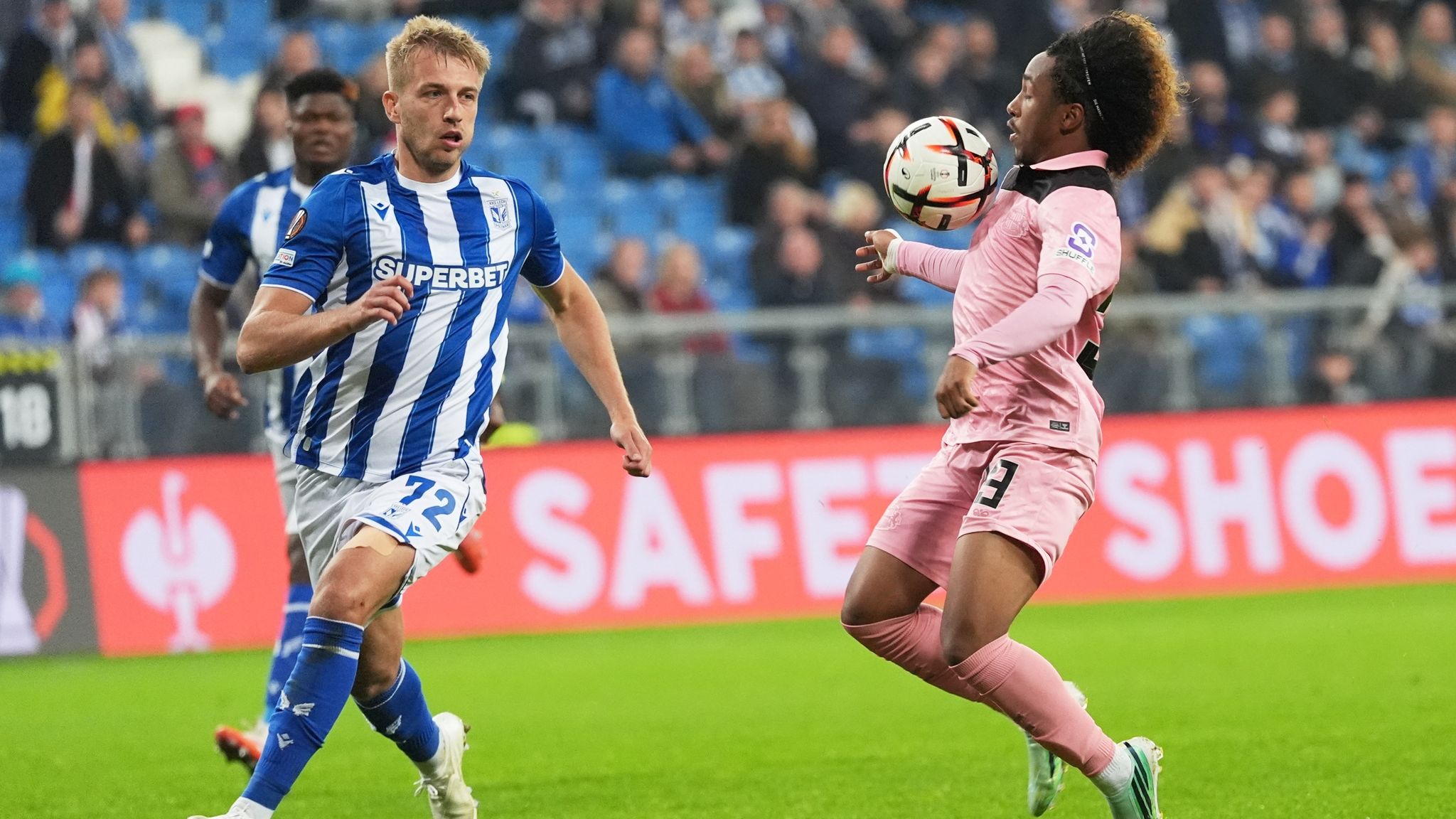
The season has created an unusual dynamic for the Sunderland support. The club has begun their Europa League campaign impressively, winning their opening two matches before drawing 1–1 away to Lech Poznań on 22 October, according to ESPN. Supporters are genuinely enjoying that continental journey, yet they cannot ignore the sight of their team anchoring the Premier League table. However, there was always an understanding that balancing European football with league survival would demand compromise, and that domestic form might suffer as a consequence.
In conversations with supporters during the summer, a common refrain emerged: a successful season would constitute a respectable run in Europe combined with Premier League survival. The fanbase appears sufficiently realistic to accept a dip in domestic performance, and panic has not yet set in. They recognise that the experienced spine of the squad—including Granit Xhaka, Mukiele, and Brobbey—possesses the calibre to navigate these demanding weeks.
Sunderland's supporters have endured a torrid decade, and that collective experience has built resilience. They will not be unduly alarmed by the current predicament, but they will demand to see tangible improvement in performances and results imminently, beginning with the Leeds fixture. The pressure on Le Bris appears minimal at this stage, largely because he has accumulated considerable credit through two exceptional seasons on Wearside.
The 50-year-old has been instrumental in everything positive the club has achieved recently, and both the institution and its supporters are backing him to restore order. He is a meticulous operator who pursues excellence relentlessly, and Sunderland are fortunate to have secured his services. His support network at the Stadium of Light is equally solid, and everyone is aligned in their objectives. Le Bris will be acutely aware that domestic performance must improve, and perhaps Mukiele's pointed comments will serve as the catalyst his players require.
The word Le Bris frequently invokes is "humble," and his squad must reconnect with the principles that delivered such success previously. There is genuine reason for confidence that Sunderland will stabilise their league campaign and emerge from this challenging period intact.
What happens next
Sunderland face Leeds United at home in the Premier League on 25 October before hosting Brentford in the Carabao Cup on 28 October. Both fixtures offer opportunities to rebuild momentum and demonstrate that their early-season struggles are a temporary consequence of fixture congestion rather than a fundamental decline in quality.