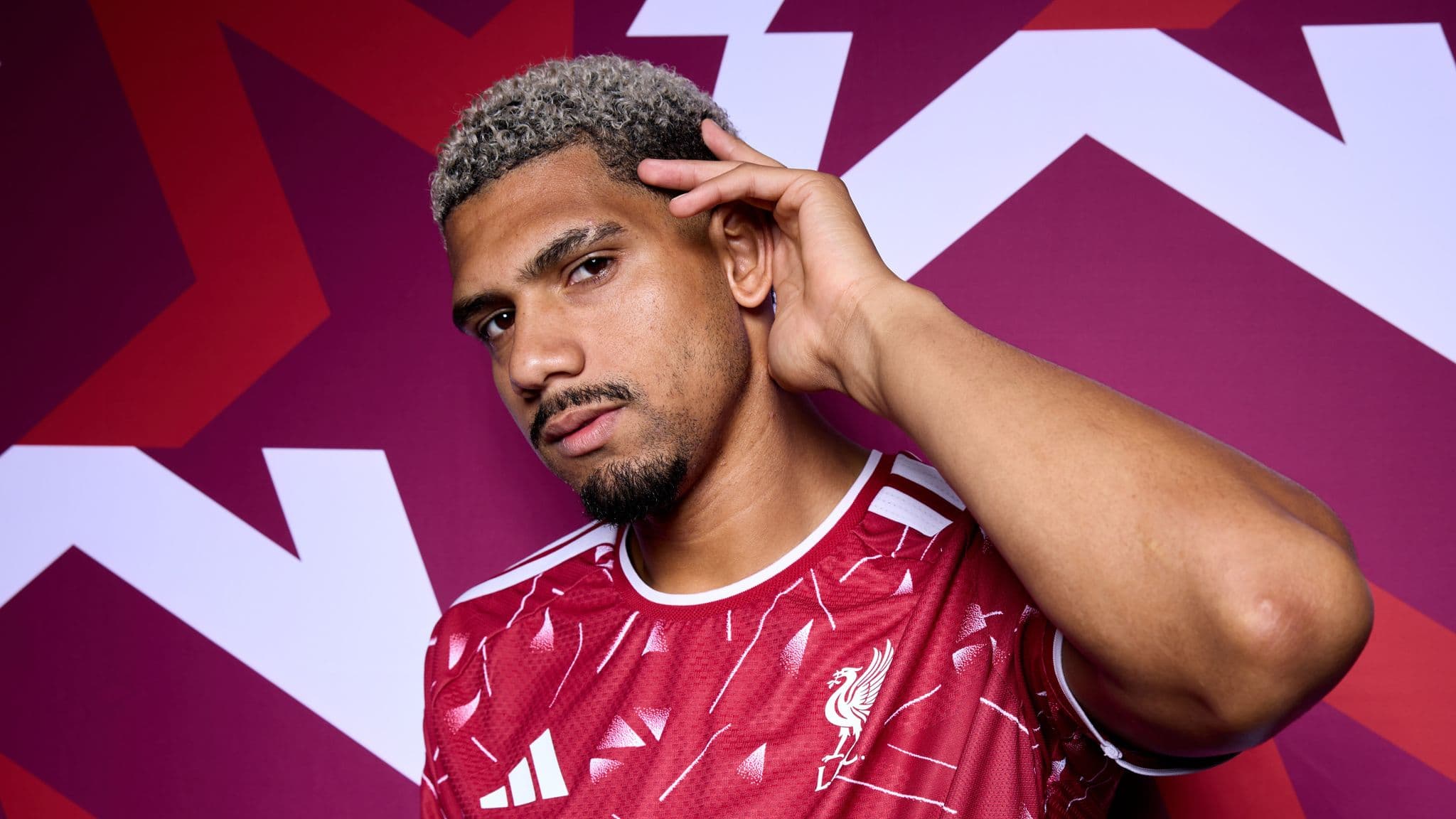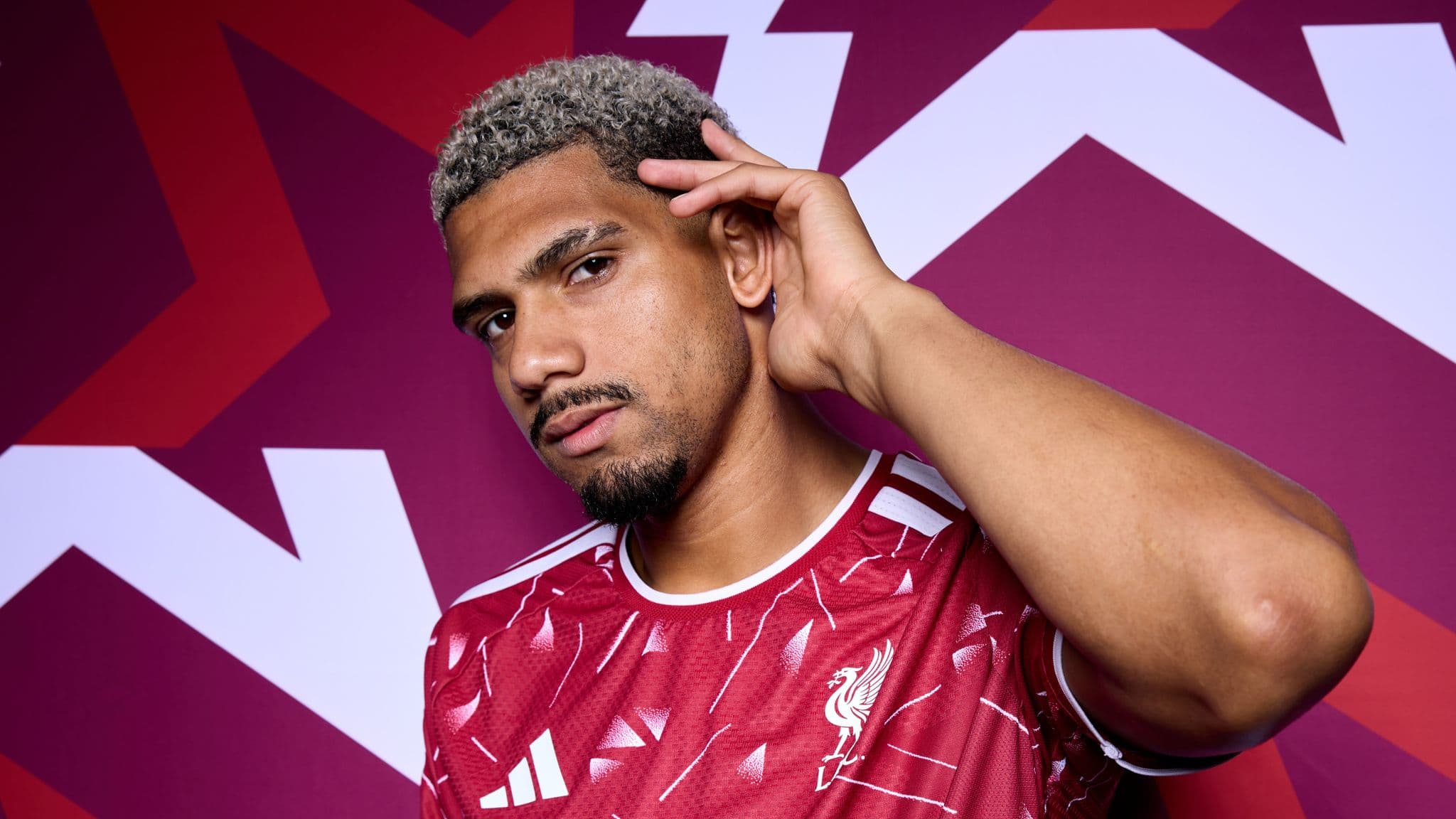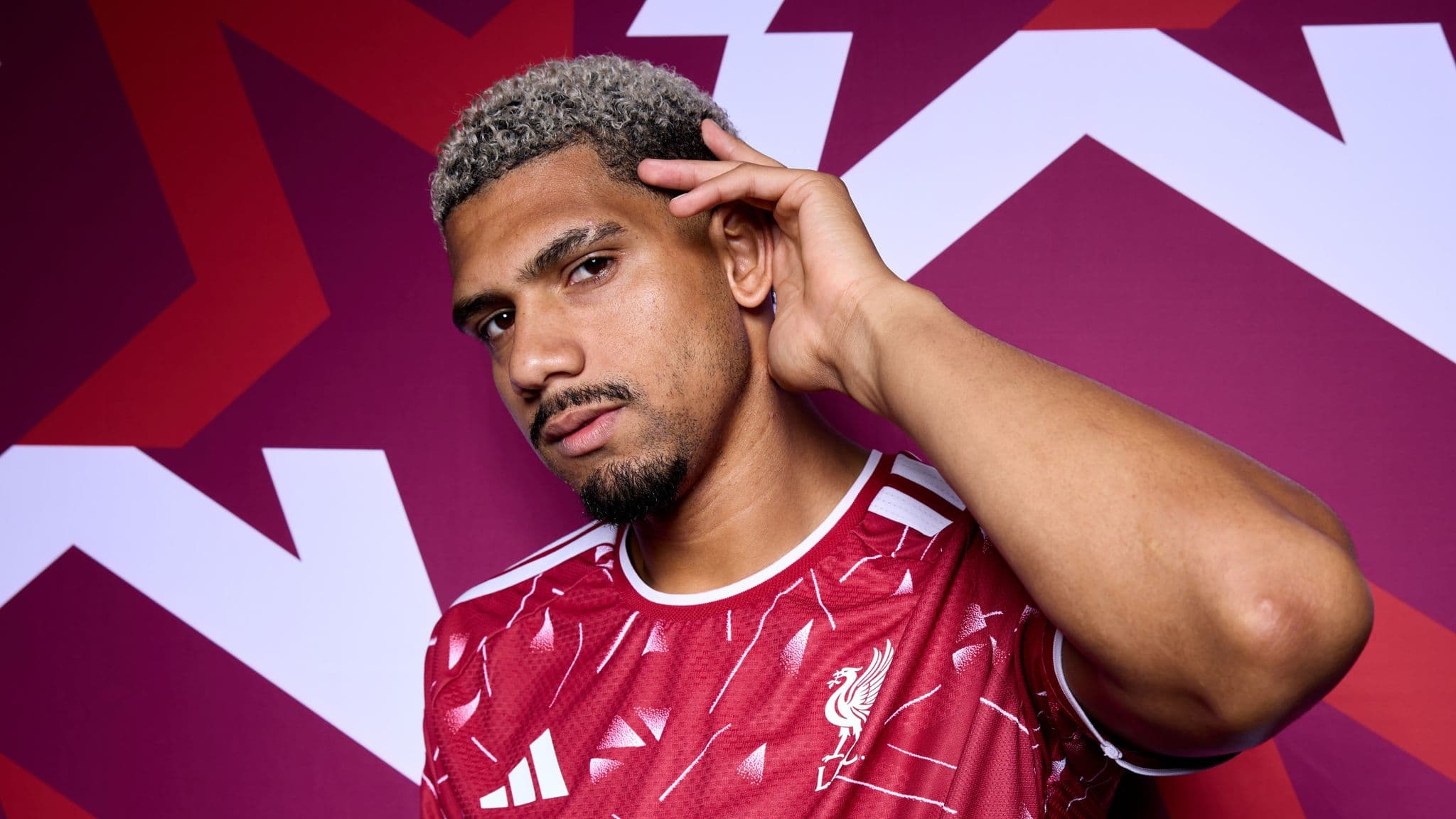
Liverpool's opening fortnight proved troubling on the defensive front, with the Reds shipping two goals in each of their first two matches. The narrative shifted dramatically thereafter. Since those early stumbles, the club has conceded just two goals across their last five outings—a transformation that coincides precisely with Ronald Araujo's integration into the side.
The 27-year-old Uruguayan arrived on loan from Barcelona without the fanfare that greeted other summer acquisitions. His transfer generated none of the excitement surrounding Bradley Barcola's £123m move or the prospect Jeremy Jacquet represents. Yet early evidence suggests Araujo's late-window arrival could prove the most consequential piece of business Liverpool conducted during the off-season.
Araujo has stepped into a problem position and begun solving it with remarkable efficiency. Primarily a centre-back, he has brought unexpected balance to Liverpool's right-back role—a position that had exposed the team's vulnerabilities in those opening defeats. According to The Athletic, Liverpool's loan deal includes a €55 million option to buy and the club agreed to cover Araujo's wages, reflecting their commitment to securing defensive reinforcement.
Jeremie Frimpong's positioning in those early games left Liverpool dangerously exposed to opposition attacks. Manager Andoni Iraola withdrew him midway through the second half when Nottingham Forest took the lead at Anfield and has not recalled him to the Premier League starting eleven since. Araujo's arrival has fundamentally altered how Liverpool constructs its defensive shape.
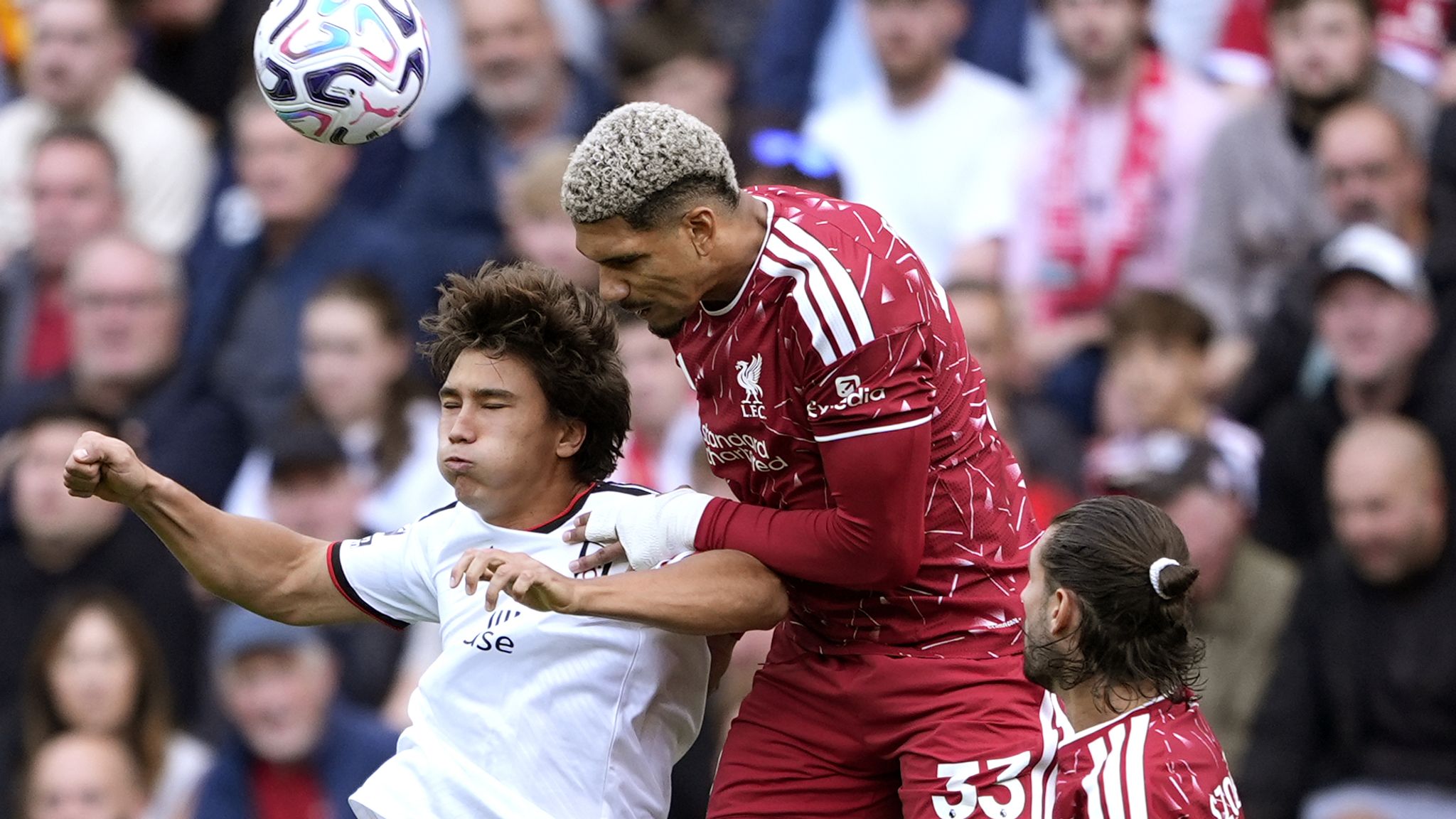
Unlike Milos Kerkez on the opposite flank, Araujo operates with a different tactical remit. His presence enables Iraola to build in a three-man defensive structure when circumstances demand, and his sweeping instincts provide additional security. The switch of play—a weapon that had troubled Liverpool early in the campaign—has become considerably less effective, while set-piece vulnerability has diminished noticeably.
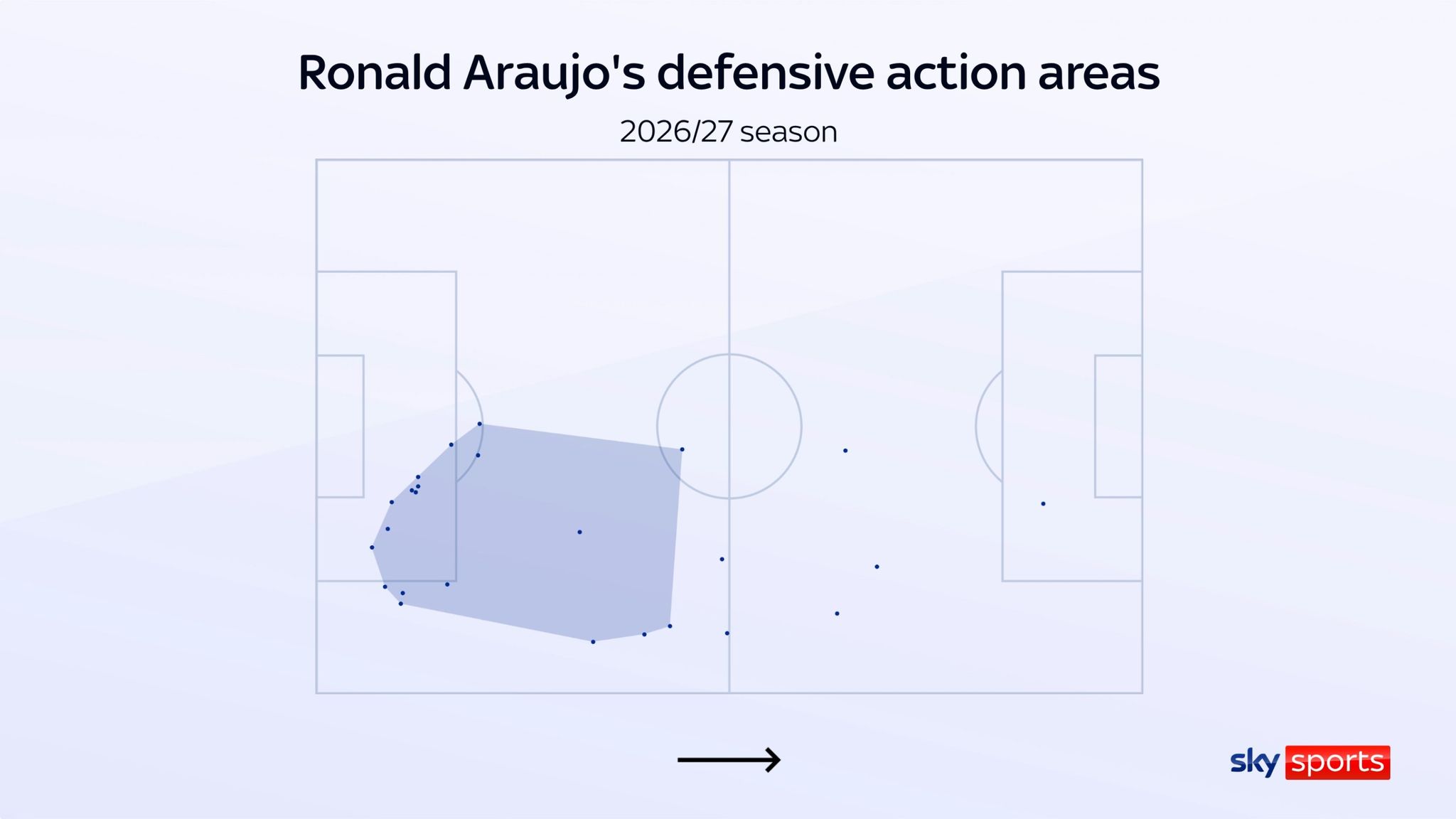
The statistical evidence reinforces the visual impression. Since the Ipswich match, Araujo has claimed 15 aerial duels—more than double the tally of any teammate during that period. His defensive action map reveals consistent involvement in and around Liverpool's penalty area, demonstrating a willingness to engage in the unglamorous work that underpins defensive solidity.
Within Anfield's corridors, Araujo has earned respect for the speed with which he has absorbed Liverpool's demands. Those close to him report that he has been struck by the intensity of the step up from Barcelona—a club where he made 213 first-team appearances before the move—yet he has embraced the challenge with evident relish.
This mindset traces back to his formative years. Diego Scotti, a senior figure at Boston River when Araujo broke through as a teenager, has maintained contact and observed his trajectory closely. Speaking to Sky Sports, Scotti offered insight into the character that has enabled such rapid adaptation.
From the first day, he caught my attention. I was struck by his personality, his dedication, and the intensity with which he trained. I saw him taking the game very seriously. He was a youngster very interested in learning and in listening.
Scotti identified something beyond technical ability. The young defender's physical attributes impressed even then, but what truly distinguished him was his approach to improvement. Daily dedication and receptiveness to coaching marked him as different.
Every day, I saw him train with a lot of dedication, which is important in this profession. That was the first thing that surprised me about him. And, as well as his talent, more than anything else, I was surprised by his physical characteristics at such an early age.
Progress came swiftly. Araujo joined the first team and performed with the composure of an established top-division player, though inevitable errors in positioning and decision-making emerged. Crucially, he corrected these mistakes rapidly, improving his technical foundation with each passing day.
Scotti harboured no doubts about Araujo's destination. The defender represented Uruguay at international level by age 20, a trajectory that suggested elite football awaited. Barcelona's arrival accelerated his development considerably.
I had no doubt that he was destined for elite football. He was playing for Uruguay at 20. At Barcelona, he polished everything. His technique, his control, his passing.
The Barcelona education proved transformative. Araujo refined his technical execution while maintaining the physical and aerial prowess that had always defined him. Yet Scotti emphasises that technique alone does not explain his rise.
When you can combine that with a strong aerial game, his physical qualities, his personality and his attitude… Something that I always liked about him was that he was humble. He would listen to what older players told him. He was always receptive.
That humility persists. Scotti, now in charge of Uruguay's Footballers' Union, notes that Araujo remains attentive to developments in his home country and has not forgotten his origins—a quality Scotti describes as remarkable in a player of his standing.
Even now, he is always willing to collaborate. I am personally in charge of the Footballers' Union in Uruguay. He is very attentive to what is going on in our country. He does not forget where he came from. I think that is remarkable. He is a good teammate.
Araujo has demonstrated capability beyond the defensive sphere. His clever flick released Dominik Szoboszlai to level the match against Atletico Madrid—a moment that hinted at attacking potential. While such contributions remain occasional, they underscore his value as a complete footballer.
Iraola recognised this dimension after the Atletico encounter. The manager highlighted Araujo's assist and his surging runs from deep, suggesting the defender offers more in the final third than his position typically demands.
Sometimes, because he is a centre-back, we underrate his offensive side. He gave a great assist for Dominik Szoboszlai, he made a couple of very good surges from his position. I am very happy with him. He has come with a willingness to show he belongs to this level and I hope we can keep him there because he is in a lovely place.
Scotti shares Iraola's assessment and suggests Araujo's potential extends further still. His tactical intelligence permits him to manage both offensive and defensive phases, while his positional versatility—he has performed competently as a central midfielder—provides Iraola with tactical flexibility.
Tactically, he can handle the offensive and defensive phases. And, regarding his position, I have even seen him play as a central midfielder and do it well.
This adaptability represents a significant asset for squad construction. Iraola can deploy Araujo across multiple positions, a quality that eases integration and maximises his utility.
He can adapt to all these positions, which obviously gives him an advantage when it comes to integrating into the squad. The coach can count on him.
The evidence suggests Iraola already does. Araujo took an indefinite leave of absence from Barcelona in December before returning to the team at the end of January, a period that raised questions about his availability. His arrival at Liverpool nonetheless represents a fresh start, and he has seized the opportunity with characteristic professionalism.
Liverpool's summer spending has drawn considerable attention, yet the most impactful acquisition may prove to be the one that generated the least noise. While not the biggest name to arrive at Anfield, Araujo could emerge as the most important.
What comes next
Liverpool face a demanding fixture schedule as the season progresses. The club is scheduled to host Manchester City in the Premier League on October 11, 2026, at Anfield—a clash that will test Araujo's defensive credentials against elite attacking talent. Following that encounter, Liverpool's next Champions League fixture takes them away to LASK on October 14, 2026, continuing a demanding run of fixtures that will require defensive stability.