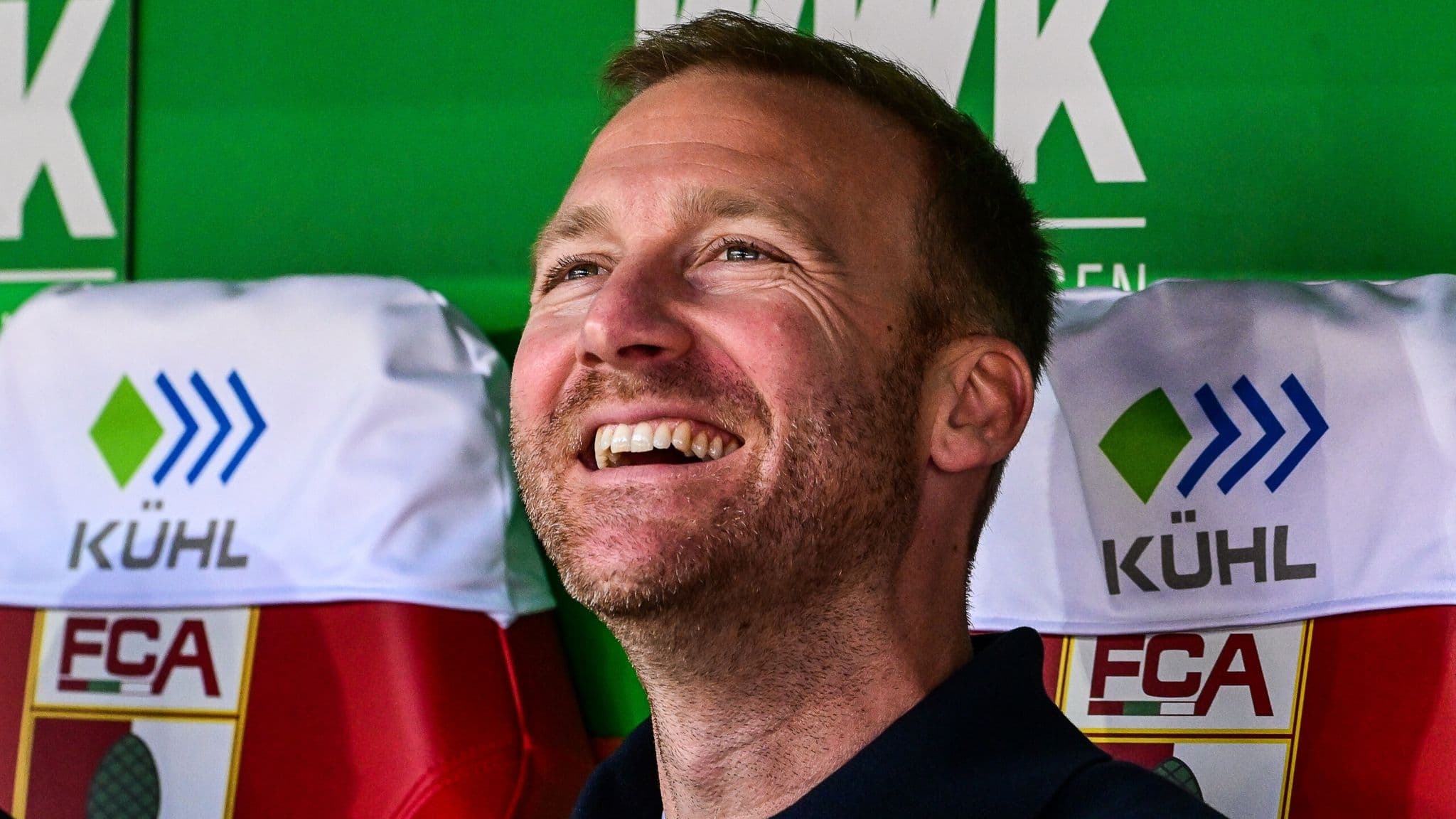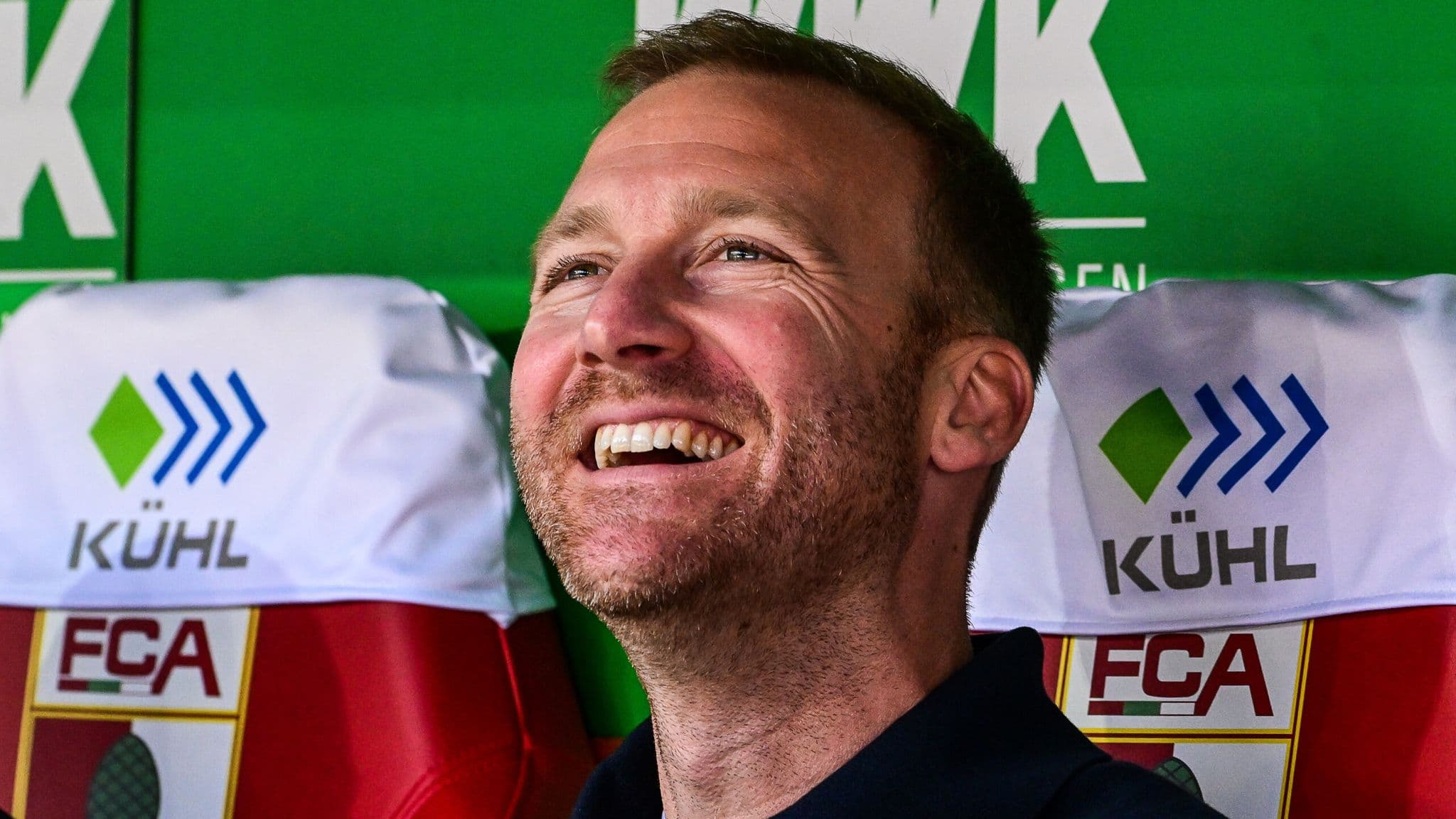
When asked whether he played a role in Chelsea's 2021 Champions League triumph, Benjamin Weber laughs at the suggestion.
For sure. I told Mason to turn and to play the pass.He is referring to Mason Mount's assist for Kai Havertz's winning goal in the final against Manchester City.
Weber served as an analyst under Thomas Tuchel across three major clubs: Mainz, Borussia Dortmund and Chelsea. His time at Stamford Bridge remains the highlight of his career.
To win that title was absolutely amazing. I don't want to make my part too small, nor too big.
Most professionals in his position would have remained at the top level, following Tuchel to Bayern Munich and beyond. Instead, Weber chose a different trajectory.
When you are fighting for the Champions League and finally you win it, what else is there to come? You always need an objective.
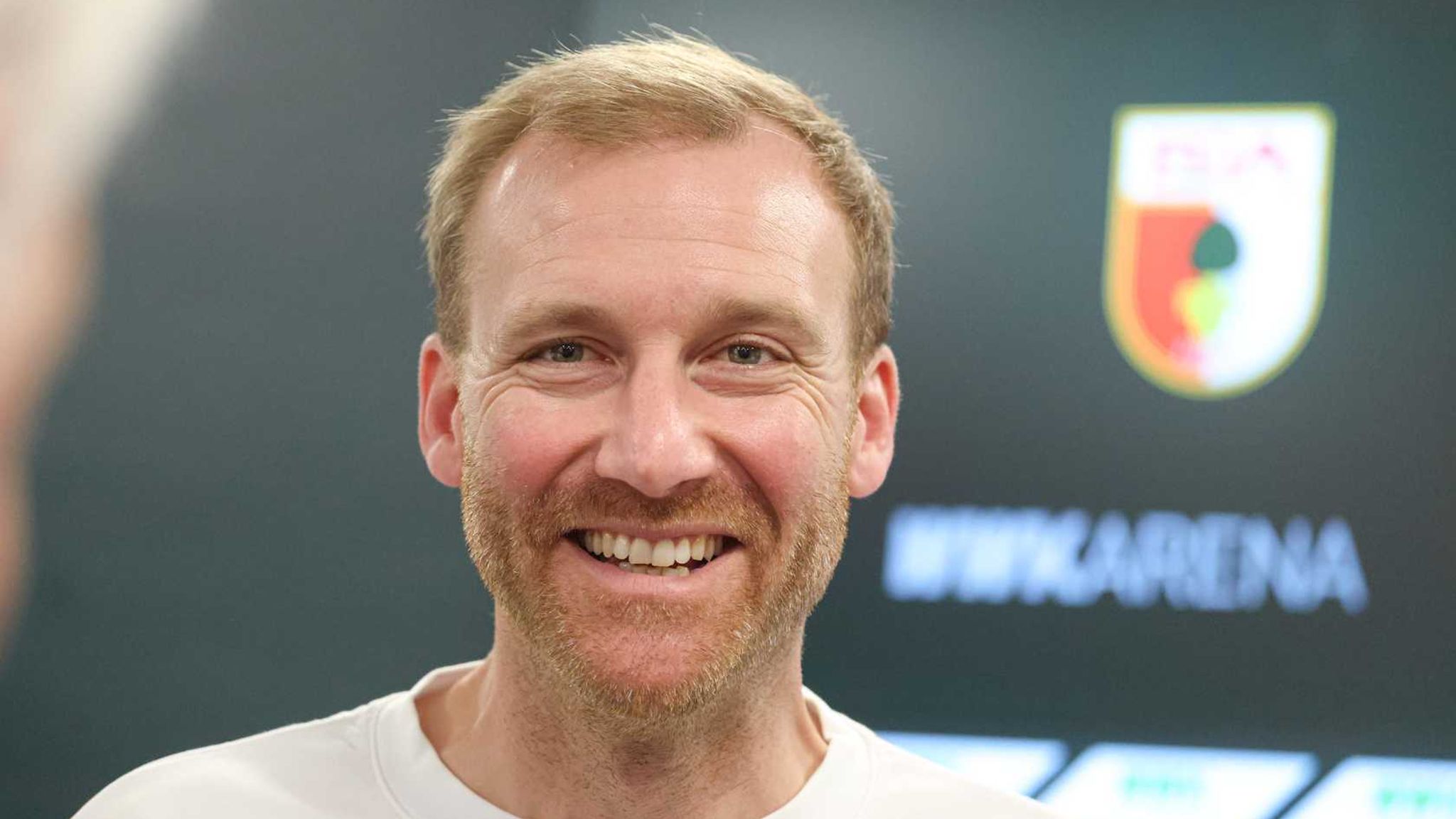
In 2023, Weber moved to SC Paderborn as managing director for sport. Two years later, he was confirmed as Augsburg's sporting director on 27 June 2025, departing Paderborn to take on the role.
I told Thomas. It was tough.The decision to leave the glamour of European football's elite for a mid-table Bundesliga club represented a significant shift in perspective.
I don't work just to work. I was curious enough to do something different.
Augsburg may lack the prestige of his previous employers, yet the club has become a remarkable success story within German football. Their consecutive Bundesliga tenure now spans 16 seasons—a feat matched by only five other clubs in the division.
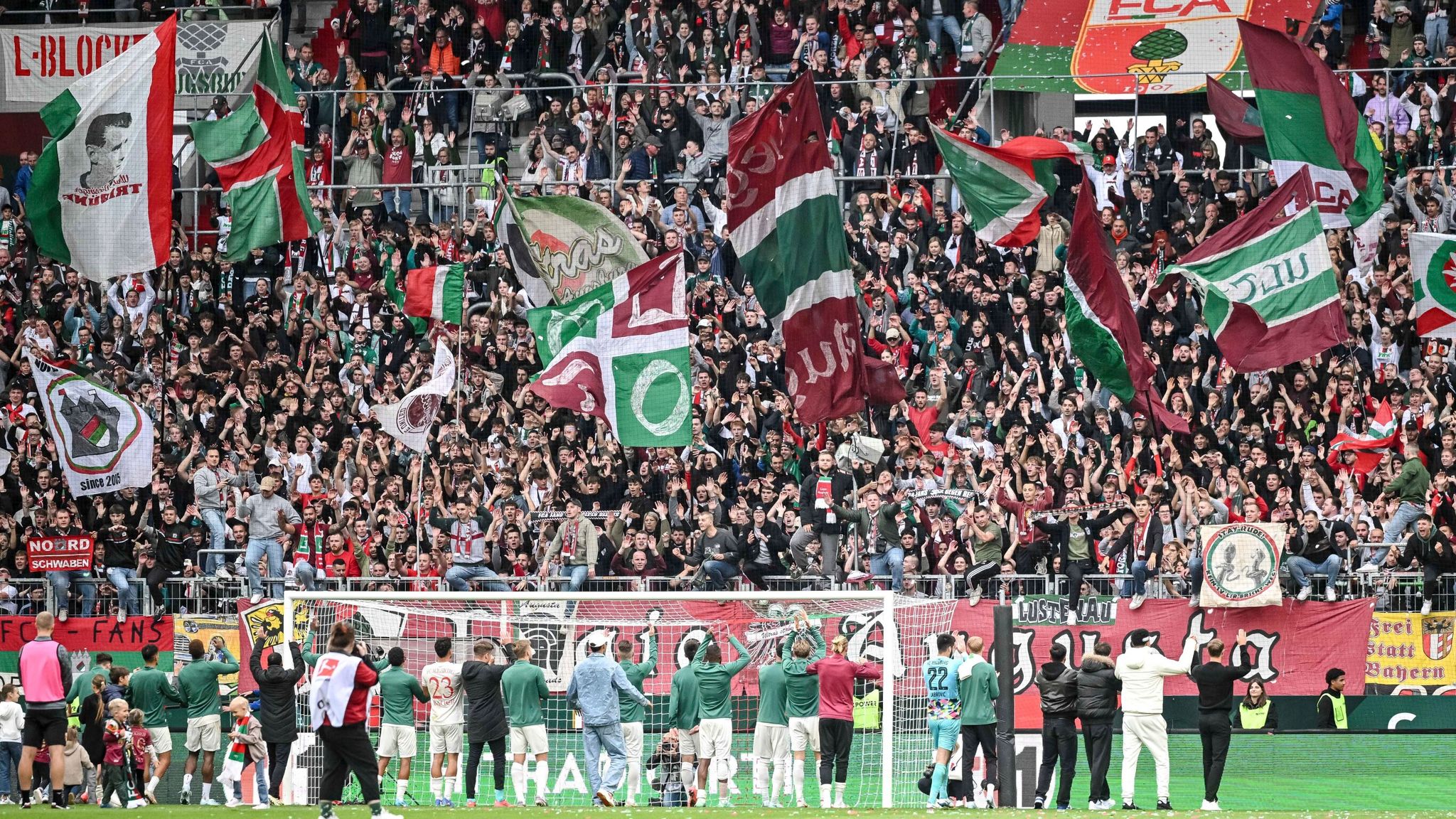
Weber's first season in charge, 2024-25, proved particularly significant. Augsburg secured their first top-half finish in a decade, a remarkable achievement given the structural changes implemented during the campaign. The club made the bold decision to change managers midway through the season, a move that ultimately paid dividends.
The transition from Sandro Wagner to Manuel Baum represented a difficult but necessary intervention.
It was very difficult. And emotional because I have been sat on the other side of the table. I know how it feels. It would be easy to hide but I am there to make decisions even if it is tough. We needed something different to get back on track.
The gamble worked.
We had problems with results and performance but not development. In the end, we were ninth, after many changes last summer, and it worked out.Baum was appointed permanent head coach on 20 May 2026, having initially taken the role on an interim basis with the understanding he would return to his position as director of development.
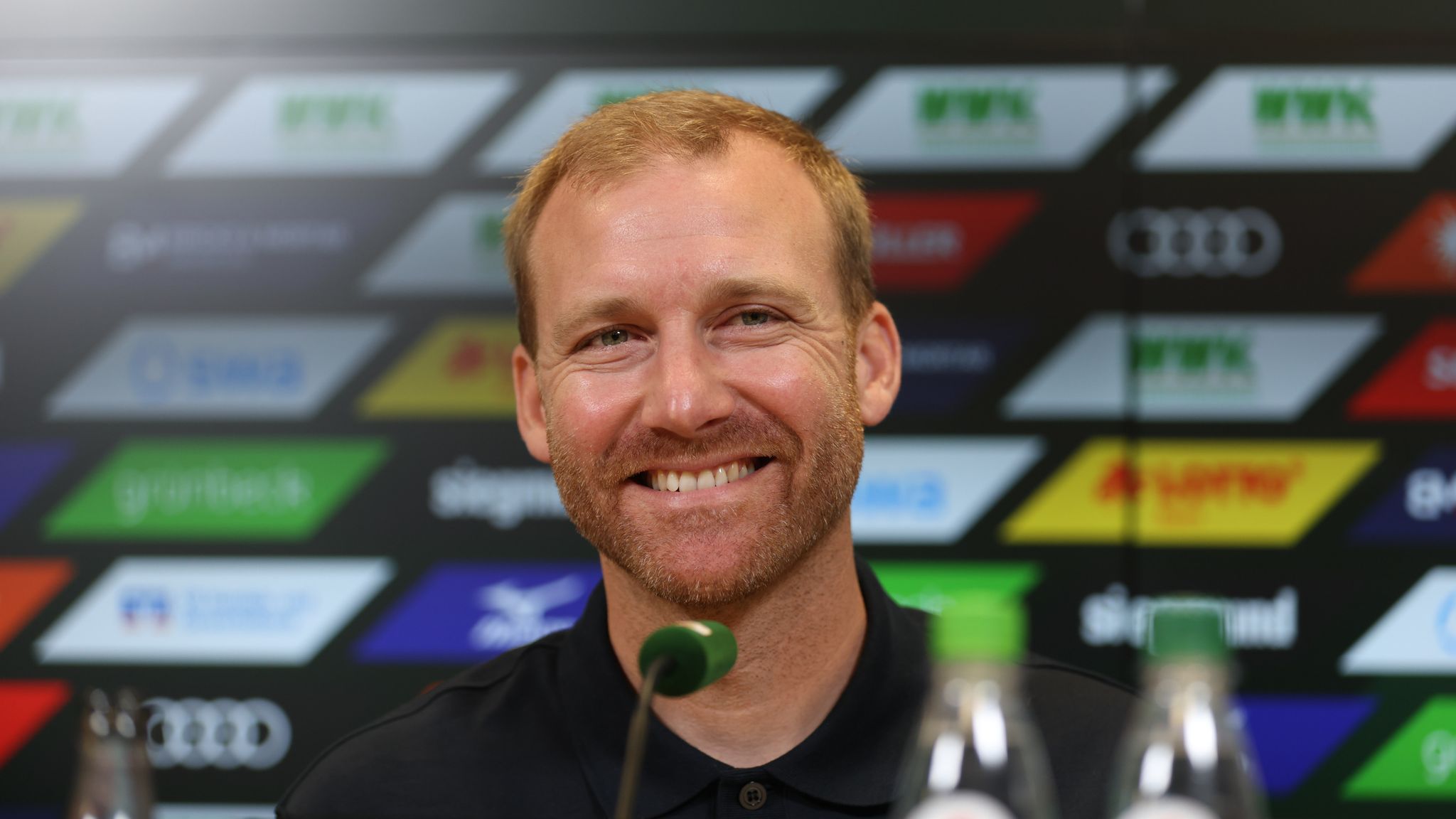
For Weber, the shift from elite European clubs to a provincial Bundesliga outfit has brought unexpected pressures.
On the one hand, there was a lot of pressure at the bigger clubs. On the other, for me personally, it was always Thomas. I could hide.At Paderborn, he experienced a different kind of pressure entirely.
When you sign a player and you know that the club will only survive if it is the right player, that is pressure. When you lose your job at a small club, and you have a family, that is pressure.
His profile at Augsburg is considerably higher than it was in his analyst days.
There is more focus on me personally now. I was always a little bit the hidden guy in football. Now I came a little bit into the light. Not the biggest stage, I do not need that. But when we have success, I am part of it. And when we do not, I am also part of it.
The decision to retain Baum appears vindicated.
Plans can change. He had an open mind. We did not know if it would work out and he would go back to his old role but in the end we all felt comfortable with this. It is human to change your perspective.Weber's analytical background and coaching experience position him well to bridge the gap between recruitment and tactical philosophy.
I did analysis my whole life. For sure, I can bring this into our recruitment so maybe this is an advantage. And I know how coaches think. Maybe that helps too.
The question remains: how far can Augsburg progress under Weber's stewardship? The WWK Arena attracts approximately 30,000 supporters per match—respectable by most standards but unremarkable within the Bundesliga. Ambition for a club of Augsburg's stature must be calibrated differently than at the continental powerhouses Weber previously served.
What is maybe unique is that we are stable.Stability, while unglamorous, provides a foundation for sustained improvement. Augsburg's reputation as a reliable Bundesliga fixture can become an asset in recruitment.
Players love to come to Augsburg, this is a good first step. We want this unique selling point in the sense of developing players. We want to build more of a connection to the youth academy as well. This is what we want the club to stand for.
Recent signings reflect this philosophy. Rodrigo Ribeiro's loan from Sporting was converted to a permanent transfer following a promising campaign. Hennes Behrens arrived from Hoffenheim, while Sima Suso joined from Fortuna Düsseldorf. All three are 21 years old, positioning Augsburg as a destination for emerging talent rather than established stars.
Looking ahead, Weber has publicly discussed the summer 2026 transfer market, noting that Mert Kömür and Alexis Claude-Maurice both have "big markets," while stressing Augsburg still plan to keep them. The club's ability to develop and retain young players will be central to their continued progress.
Can Augsburg replicate the success stories that have captured imaginations across European football?
You need not to be crazy, but to dream a little bit, have a vision. In England, you will know the Sunderland story, the Brentford story, so many good stories.Weber sees potential for Augsburg to become Germany's equivalent.
We need work ethic, character. With that, it can bring the best out in you and you can hunt to get to the top. We have to want to hunt together and be good hunters. Then we can maybe go step by step.
It is a markedly different objective from winning the Champions League, yet Weber appears content with his choice.
In the end, I have the feeling it was a good decision.