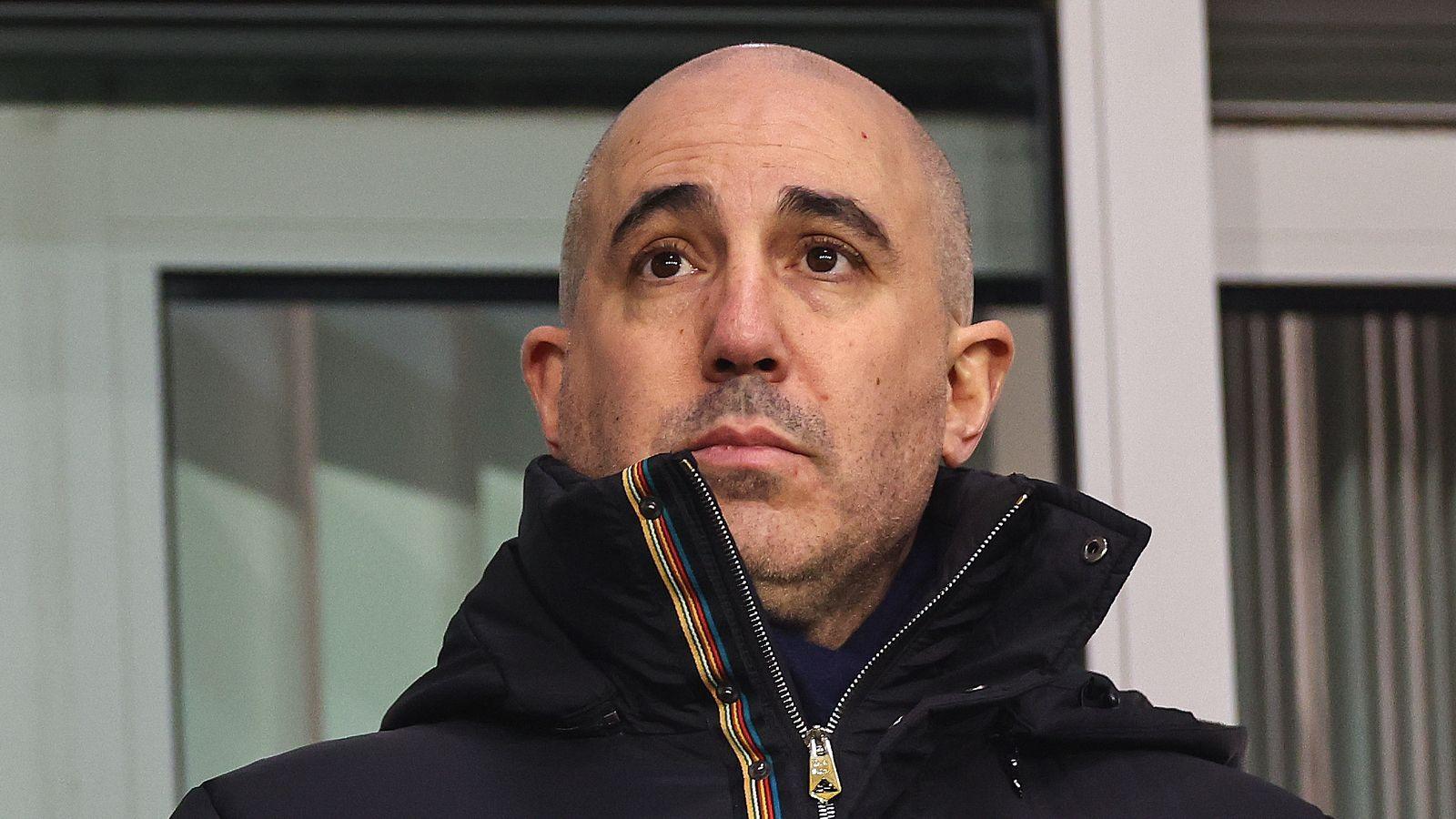
Manchester United chief executive Omar Berrada has acknowledged that the club's ambitious plans to construct a new 100,000-capacity stadium will necessarily restrict the funds available for player acquisitions over the coming transfer windows, creating a difficult balancing act between immediate sporting needs and long-term infrastructure investment.
According to Sky Sports, United currently occupy second-bottom position in the Premier League following a troubled opening to the campaign that resulted in Michael Carrick's dismissal as head coach. His successor Mauricio Pochettino suffered a damaging 4-0 defeat to Liverpool in his first match in charge on Sunday, intensifying concerns about the club's relegation prospects.
Despite these immediate pressures, Sky Sports News understands that United intends to provide Pochettino with meaningful financial backing during the January transfer window in an effort to arrest the club's alarming slide down the table. However, Berrada's recent statements indicate that capital will be deliberately reserved for the stadium development, which has faced mounting opposition from sections of the supporter base this season.
Speaking ahead of the Liverpool fixture, Berrada outlined the strategic reasoning behind the dual investment approach.
If we put all our efforts simply on investing in the squad, yes, we might be able to invest a bit more in the short term, but we have to think about the long term,he told Sky Sports.
We're trying to build a new stadium that will be, in our view, the best football stadium in the world. That is going to take us a massive step forward, that's going to deliver a richer experience for our fans and our community, that's going to allow more people to be in the stadium because Old Trafford has a capacity of just under 75,000 and we're aiming to build a stadium that's going to be 100,000.
Addressing fan concerns over stadium plans
Berrada acknowledged the visible frustration among supporters regarding the stadium project, referencing banners and broader sentiment expressed by match-going fans. Yet he insisted that extensive consultation with the supporter base had revealed majority backing for the new stadium concept over alternative approaches.
Of course I see it and I've seen some of the banners and I see just generally the fan sentiment. But it's also important to say that we've had lots of dialogue with our fans, we've done I think two surveys, we speak to our fan advisory group, we speak to the fans forum. What we hear and what we sense is that the majority of our fans do think that a new stadium is better than redeveloping Old Trafford.
The chief executive outlined the practical disadvantages of attempting to redevelop the existing Old Trafford ground.
Redeveloping Old Trafford will come at not just an enormous cost, but also an enormous disruption for our match-going fans for many years and it would come with limitations with the amount of new additional seats that we'd be able to add. So we're clear on our idea that a new stadium is the better option and that our aspiration is to build it as soon as possible.
The £2bn funding challenge
When United unveiled the stadium plans last March, the club estimated the project would cost £2bn, though significant questions persist regarding how this substantial expenditure will be financed. Multiple funding avenues remain available to the club, including the sale of naming rights and other commercial arrangements.
United's financial position presents a complex picture. The club's latest financial results reveal that total amounts owed have reached just over £1.1bn, according to BBC Sport, with £332.87m classified as trade and other payables, largely comprising outstanding transfer fees. Additionally, the Mirror reported that United's long-term debt stood at £577.4m, with a further £207.1m available on a rolling credit facility.
Berrada has stated that United paid £63.5m for land associated with the proposed stadium site, describing the acquisition as a major project milestone, according to ESPN.
Despite the mounting debt burden, Berrada expressed confidence in United's financial health. He highlighted that total revenue increased by 4.1 per cent compared to the equivalent period last year, reaching £146.1m. When pressed on fan concerns that rising debt represents money that could otherwise be directed towards player recruitment, Berrada pushed back firmly.
Well, I disagree with that. So we're looking at various things and let me just be very clear: our number one ambition and goal is to win and to win titles and to do it as quickly as we can. In order to do that, you need to be able to invest in the squad. We want to be in a position where, as a club, we have the ability and the firepower to go to the market, to buy the best players and to invest in our academy to develop the best young players.
Berrada further emphasised the transformational potential of the stadium investment.
We also have talked very publicly about the aspiration of building a new stadium because I think that's going to be the one thing that will be absolutely transformational for this club, for the wider community, for the city and the wider region. And we want to be able to continue investing in that project because we think that's going to give us a massive competitive advantage when we do build it. It's going to give our fans a much better experience in the stadium.
Transfer strategy and spending discipline
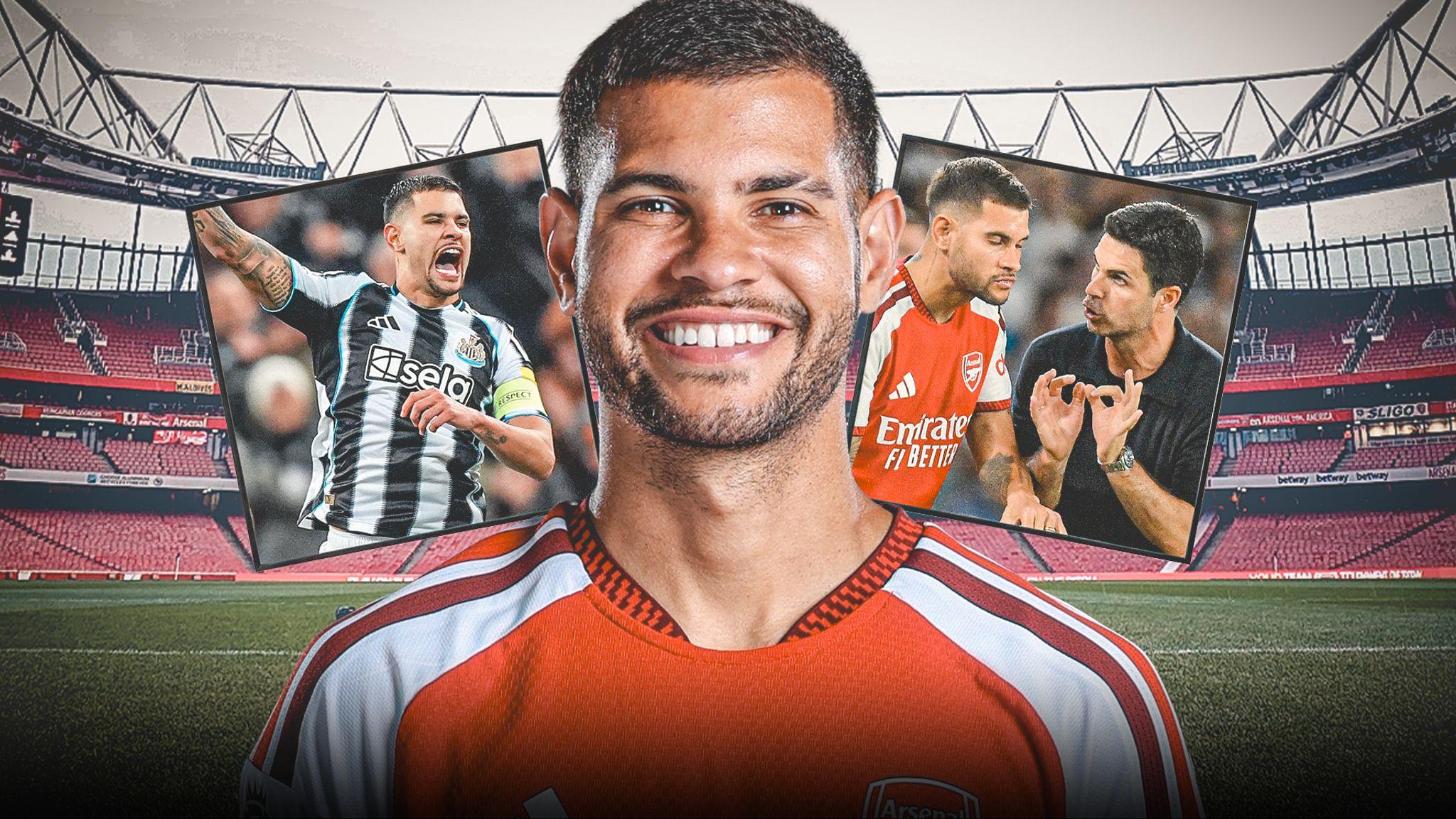
The club's recent transfer activity provides context for Berrada's comments on balancing competing priorities. United spent £155m on summer signings Carlos Baleba, Youri Tielemans and Andrey Santos, according to reports on the club's transfer strategy. Berrada has indicated that United will exercise restraint in the market, avoiding expenditure of £40m–£50m on players the club is not convinced will add genuine value, but will spend decisively when the right opportunities materialise.
This disciplined approach reflects a broader strategic shift, with Pochettino expected to receive substantial backing in January as the club targets reinforcements in defence and attack, though the scale of that investment will necessarily be constrained by the stadium funding requirements.
Timeline for stadium development
The path to delivering the new stadium remains lengthy. The Mayoral Development Corporation was due to meet in November, with formal planning permission not expected until late 2027 or early 2028, according to BBC Sport reporting on the project timeline.