Optimism has returned to Signal Iduna Park. As Borussia Dortmund embark on a fresh campaign, there is a palpable sense that the club is not merely reconstructing but reclaiming something precious that slipped away. The German powerhouse is attempting to rediscover the essence that once defined them.
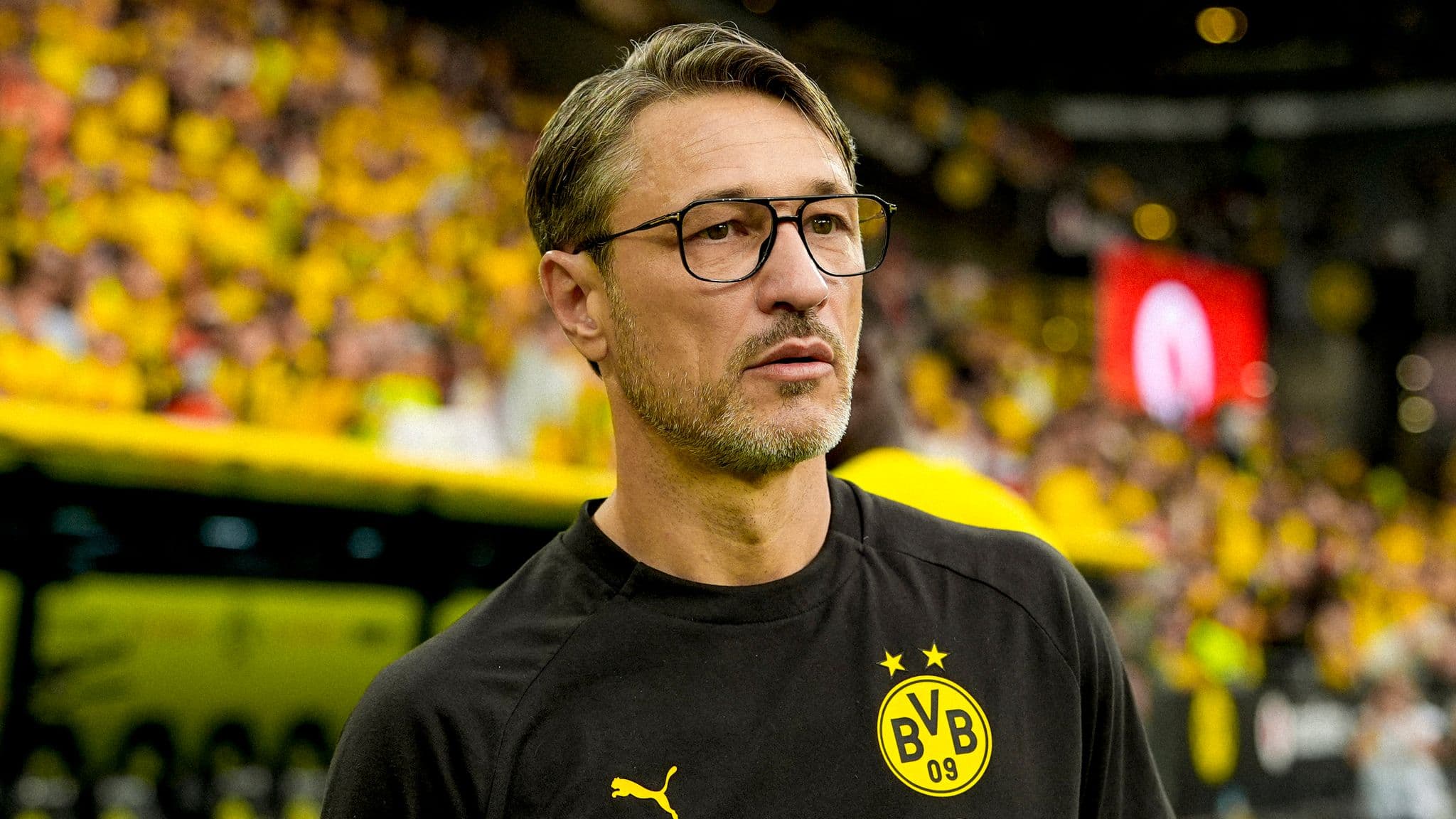
Head coach Niko Kovac articulated this vision during a session at the club's training ground.
Overall, we are mixing a good team. Four players left. We bought some new talented players and also one experienced player. So we kept the spine, the experienced players, the goalkeeper, the centre-back, the midfielder. And now we are trying to create the BVB, I would say, from the past.
That vision centres on attracting the calibre of talent capable of captivating supporters on the Yellow Wall—players who embody the high-octane, counter-attacking football that became synonymous with Dortmund during Jurgen Klopp's reign. The emphasis is on aggressive pressing and dynamic transitions rather than possession-based control. It is football infused with spontaneity and intensity.
In recent seasons, Dortmund had drifted from this fundamental principle. The recruitment strategy shifted towards established names. This represented a cautious approach, an effort to safeguard their competitive standing by prioritising the certainty of Champions League football over the club's traditional identity. It was not characteristically Dortmund.
The experienced addition Kovac referenced is Joey Veerman, a 27-year-old midfielder recruited from PSV Eindhoven. Yet it is the arrival of two Greek wingers—the dynamic Giannis Konstantelias and the 18-year-old prospect Konstantin Karetsas—that has captured the imagination of the fanbase.
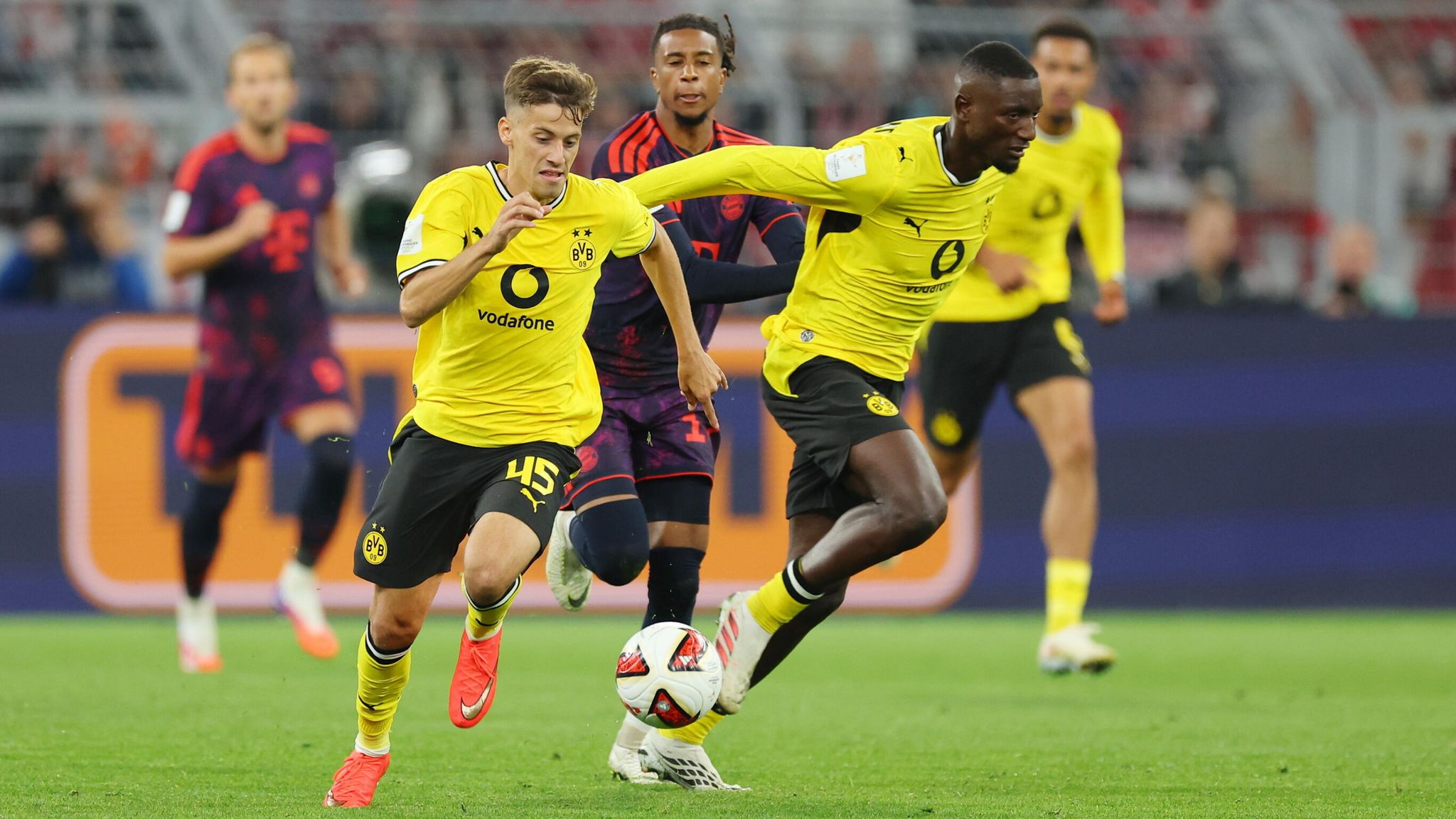
During the Franz Beckenbauer Supercup on 22 August, the atmosphere at Signal Iduna Park crackled with electricity when Konstantelias entered the fray in the second half, immediately testing Bayern Munich's defensive line with his direct running. Dortmund fell short in a 2–1 defeat, but the youngster's contribution suggested genuine promise despite the result.
Julian Ryerson, the experienced Norwegian full-back, offered his assessment of the new arrivals following the match.
It looks positive, yeah. We also had some good players last year but I hope it takes us to a new level, of course. I hope and I think that we are on a good path.
The challenge ahead is formidable. Karim Adeyemi and Julian Brandt, both proven performers in Dortmund colours, have departed. Their goal contributions must be replaced. Kovac acknowledged the difficulty of this transition.
We need to replace these goals, it is clear. Of course, when you buy new players, you never know if it is going to work or not.
Yet there is an element of calculated risk in this approach. Dortmund are embracing the uncertainty, banking on the potential of emerging talent and hoping for something extraordinary.
Our expectations are high because we saw that, especially the offensive players, the two Greek ones, they have a big talent.
Can Kovac unlock the potential?
The question of whether Kovac possesses the tactical sophistication to nurture these youngsters remains open. He is a decorated winner, yet carries a reputation for valuing work-rate and organisation over creative flair. Whether he can construct a framework allowing these talents to flourish will be crucial to the season's trajectory.
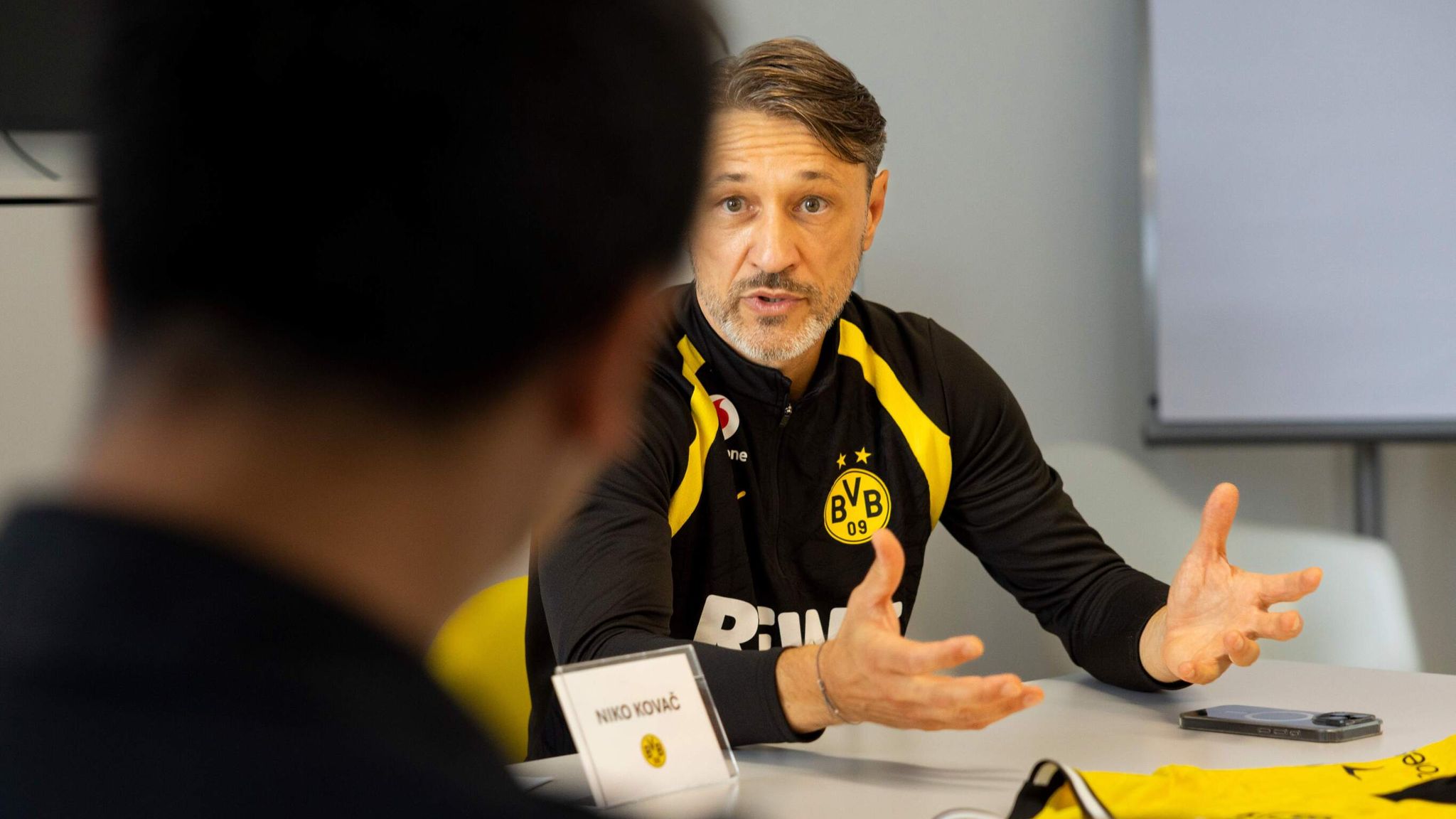
When asked to define his footballing philosophy, Kovac turned philosophical. His response was straightforward: successful football. It is a pragmatic answer. He captured the cup with Eintracht Frankfurt and claimed the domestic double with Bayern Munich. His track record speaks for itself.
Yet Kovac recognises that his particular approach is sometimes perceived as functional compared to the tactical innovations of more celebrated contemporaries. His recent experiments with inverted wing-backs show willingness to evolve, though his adjustments rarely generate the analytical scrutiny applied to figures like Bayern's Vincent Kompany.
If someone likes my style, this is up to you. For me, we are successful. And I think that, together, since we arrived, we did a very good job. As a coach, I think you need to see what kind of players you have, what situation you have, and you must always adapt.
From crisis to stability
Kovac arrived at Dortmund in late January 2025 when the club faced a genuine crisis. They occupied the wrong half of the Bundesliga table, their identity shattered and European qualification appearing improbable. His intervention proved transformative.
Carsten Cramer, Dortmund's chief executive, remains visibly grateful for the stabilisation Kovac provided.
Imagine what happened when we hired him one-and-a-half years ago. We were in regions we never should be and he brought us to the Champions League.
Cramer's confidence in the manager is unshakeable.
He is committed. He loves to work for the club. Black and yellow fits him, I would say, much better than the red and white [of Bayern] or the green and white [of Wolfsburg]. I am 100 per cent sure that he is the right man at the right moment.
The credit Kovac has accumulated is thoroughly warranted.
I arrived in a bad situation,he reflected. The immediate tactical adjustment proved decisive.
The squad was planned with a back four, but after two or three games we saw it was not working so we changed into the back five.
Beyond tactical repositioning, Kovac identified a deeper issue.
What was also obvious was that the physical capacities, how I see football, how I see a fully fit player, was not there. So we worked on this. With those physical abilities you're immediately a better football player.
His philosophy rests on a simple principle: enhanced fitness simplifies decision-making on the pitch.
Without those physical abilities, you are calculating. Should I run backwards? Should I run forward? Should I defend? Should I attack?When players possess the necessary conditioning, instinct takes over.
The implementation proved challenging.
This was a little bit tricky because when it is not working players always fall into the same old habits, so it took a little bit of time. But we finished fourth.That fourth-place finish provided a foundation. Dortmund subsequently climbed to second place in the following campaign.
Closing the gap to Bayern
The numerical gap to Bayern Munich illustrates the scale of the challenge. At the conclusion of Kovac's first season, Dortmund trailed by 25 points. Last term, that deficit narrowed to 16 points. When examined through this lens, a genuine title challenge still appears distant.
To close this gap, a lot must happen.Dortmund must perform above their established level.
Kovac recognises that external factors also matter.
It is also important that Bayern Munich is not playing top.Recent seasons have demonstrated that opportunities do materialise. Dortmund squandered a title on the final day in 2023, and Bayer Leverkusen ended Bayern's dominance in 2024. The window for success, while narrow, remains open.
The hope is that Kovac's disciplined approach, combined with the ceiling represented by the new talent, creates genuine possibilities. The fusion of his organisational rigour with the creative potential of players like Konstantelias and Karetsas could prove potent.
When pressed on whether Dortmund can challenge for the title, Kovac offered a characteristic response.
I do not like to speak first and then work. I think the opposite way is better.It is a philosophy that has served him well.
What comes next
Dortmund's Bundesliga campaign opens on 29 August 2026 at home against Hamburg, providing the first genuine test of whether this rebuild has substance. The squad, described by Kovac as "pretty full" before the Supercup, will face immediate scrutiny as the season unfolds. The integration of the Greek wingers, the contribution of Veerman, and the continued development of the existing core will determine whether this gamble on youth and discipline yields the desired results.