Lisandro Martinez's fiery criticism following Manchester United's 2-0 defeat to Atletico Madrid has thrust director of football Jason Wilcox and the club's decision-making into sharp focus. The Argentine defender's comments about insufficient summer investment and his expectations from senior management have ignited debate about the club's transfer approach and long-term vision.
Sky Sports News reporters Rob Dorsett and Kaveh Solhekol have examined the fallout from the incident and what it means for the club moving forward.
Wilcox's position remains secure despite criticism
Despite the personal nature of Martinez's remarks directed at Wilcox, the director of football retains backing from Manchester United's leadership. According to Rob Dorsett,
Jason Wilcox retains the full support of his Manchester United bosses, despite the personal criticism directed at him by Lisandro Martinez.
Dorsett explained that while Martinez's frustrations resonate with sections of the United fanbase, Wilcox operates under a carefully structured transfer strategy approved by chief executive Omar Berrada and co-owner Sir Jim Ratcliffe.
The defender's comments reflect the frustrations of some significant sections of the Manchester United fan base, but it is clear that Wilcox is working to a carefully planned transfer strategy that has been sanctioned by the chief executive, Omar Berrada, and the club's co-owner Sir Jim Ratcliffe.
The club's hierarchy remains committed to strict spending discipline, determined to avoid repeating past errors where players unsuited to the first team remained locked into expensive contracts. Given Manchester United's current financial position, overhauling the squad fully will require several transfer windows.
According to BBC Sport, Wilcox, who is 55, faces no threat to his employment despite the controversy. The club's strategic approach is underpinned by intelligence gathered by director of data and AI Michael Sansoni. Analysis conducted two seasons ago identified improving goal-scoring as the primary pathway to better immediate results, prioritised above reducing goals conceded.
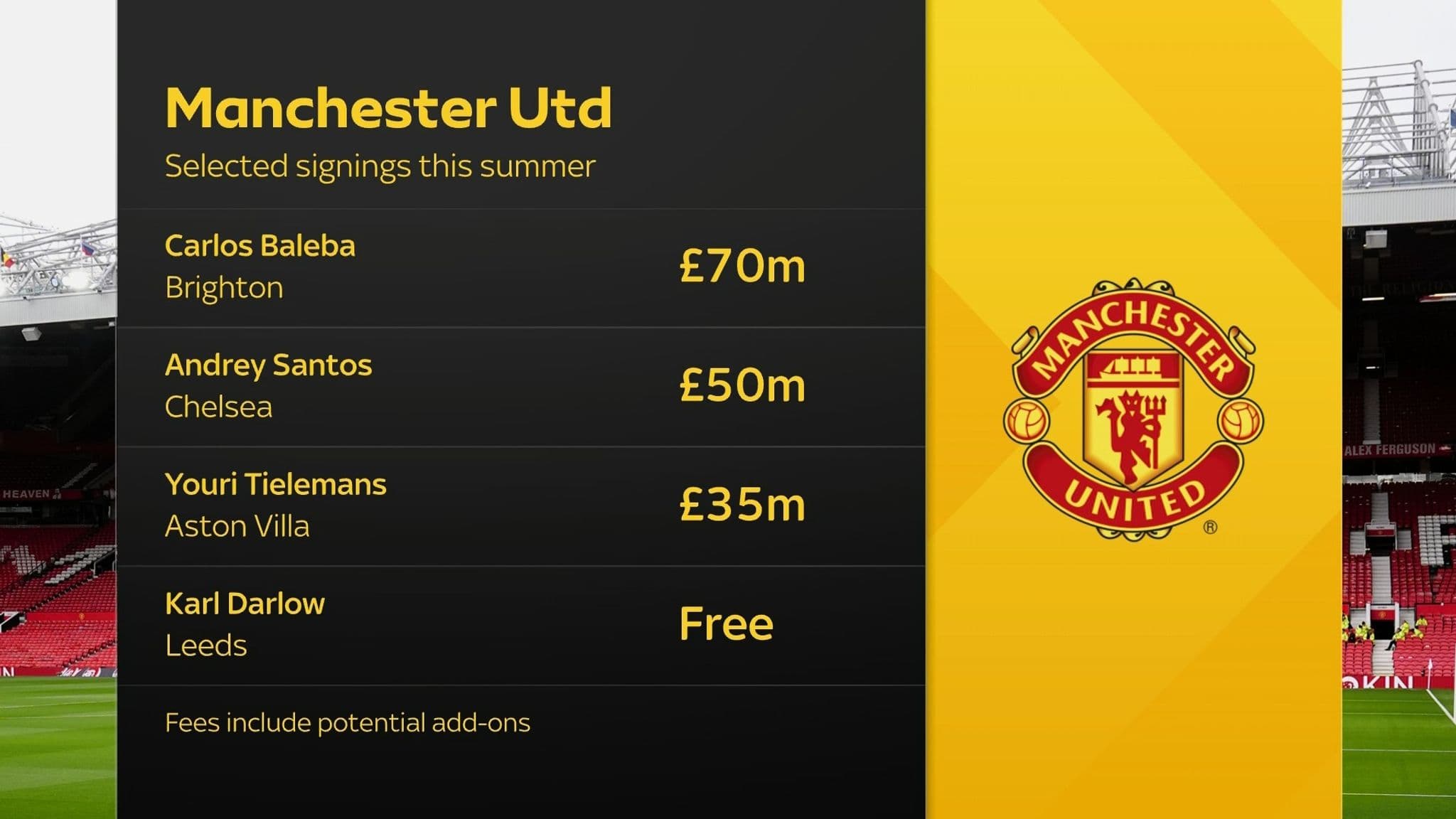
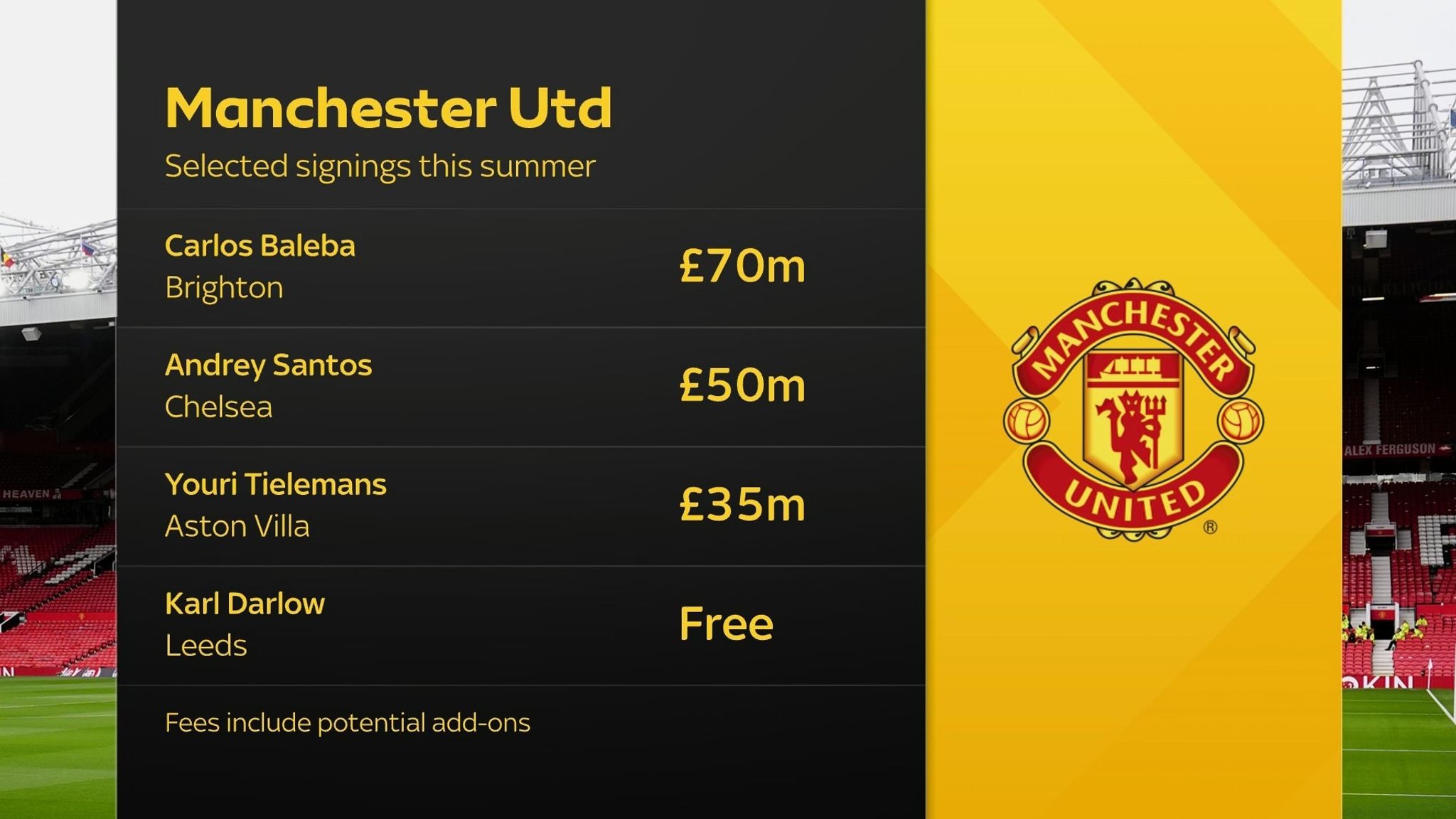
This analysis shaped the 2025 summer window, when United brought in Benjamin Sesko, Bryan Mbeumo and Matheus Cunha to strengthen attacking options. The subsequent summer window shifted focus to midfield reinforcement, with United investing £158m in three central midfielders: Carlos Baleba, Andrey Santos and Youri Tielemans. All three featured in the Champions League encounter in Madrid.
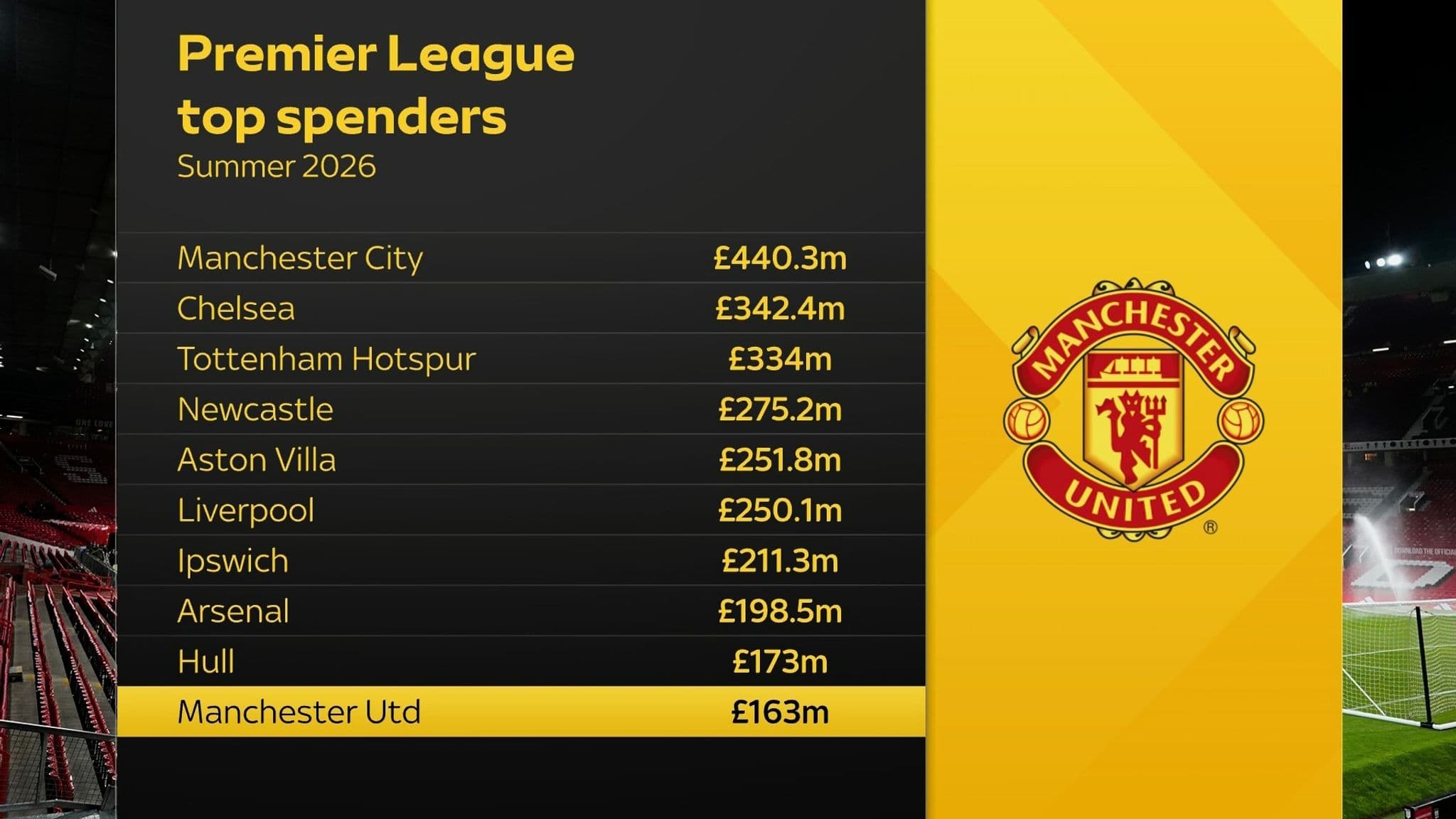
Supporters have voiced strong opinions about the need for an experienced striker with a superior goal-scoring record compared to Sesko, and the long-standing requirement to bolster left-back depth, where Luke Shaw remains the sole recognised senior left-footed full-back. However, United sources maintain the club simply lacks the financial capacity to address all squad deficiencies simultaneously. Despite generating record revenues of £678m in 2025/26, the club recorded a pre-tax loss of £47m.
The next two transfer windows will concentrate on defensive reinforcement, with Martinez's future also under consideration.
The real target and underlying tensions
While Martinez's remarks were explicitly aimed at Wilcox, Dorsett suggested deeper motivations may be at play.
Well, they were clearly directed at, very personally, the director of football Jason Wilcox. But the impression I've got from the people I've been speaking to have suggested to me that there may be an ulterior motive there because Martinez hasn't particularly liked the message he's got back from Manchester United in terms of his contract being extended in the summer.
According to The Athletic, Martinez's outburst followed an unresolved disagreement over his contract extension. The defender subsequently released a statement clarifying his position, saying his comments stemmed from
anger and frustration, while expressing confidence in his teammates, manager Michael Carrick and others working to advance the club. Notably, he did not apologise for his remarks.
In a separate CBS interview, Martinez reiterated his criticism, stating
Every season we are saying the same thingand
If we don't say the truth, nothing will change.
While Martinez's message has resonated with supporters, his comments created tension within the squad. Dorsett revealed that
at least one of them challenged him as they were getting on the plane to come back from Spain last night because Martinez was suggesting that some of his team-mates aren't good enough and he'd like better replacements.
The three midfielders signed this summer—Baleba, Santos and Tielemans—would understandably have questions about being implicitly criticised. Dorsett noted that
There'll be some fallout from this for days to come. It's Michael Carrick's job to try and steady the ship and get them playing football and winning matches again.
Dorsett contextualised Martinez's frustration, explaining that the defender recently participated in the World Cup, played alongside Lionel Messi and reached the final.
Martinez is just frustrated. He's been at the World Cup in the summer. He's played with Lionel Messi. He got to the World Cup final. He wants to be challenging for trophies at this stage of his career. And he's come back to Manchester United.The current state of the club—having lost to Hull, with Brighton and Brentford performing better—has intensified his disappointment.
The financial reality facing Manchester United
Chief correspondent Kaveh Solhekol addressed the broader financial context. Despite the absence of European football and reduced domestic cup participation, United achieved record revenues of £678m. This reality underscores the gap between Manchester United's historical status and its current position.
Solhekol observed that
I think Martinez knows his history. He knows that historically Manchester United were probably the biggest club in the world along with Real Madrid and Barcelona and they could buy whatever they wanted to buy.In the Ferguson era, the club could attract elite talent simply by offering the opportunity to play for United.
Alex Ferguson would just pick up the phone, pick the best players, Wayne Rooney, Rio Ferdinand, whoever it was, and they were desperate to play for Manchester United.
That dynamic has fundamentally shifted.
That is not the case anymore. You speak to the top players, why would they want to go to Manchester United? They can get more wages at other clubs and they can also win trophies at other clubs. Two things that you're not as likely to get at United at the moment.
Solhekol highlighted United's inability to compete with rival clubs in the transfer market.
Man Utd tried to sign Antoine Semenyo, they tried to sign Elliot Anderson and as soon as the figures that Manchester City were prepared to pay for those players were put on the table to Manchester United, it was like 'we can't get anywhere near that'.
The financial disparity reflects a broader shift in the club's standing.
That is the financial reality of where United are and I think there's a bit of a disparity in terms of where Manchester United were as one of, if not the biggest club in the world, and all the successes that they had and a fan base that got used to that.Supporters understandably feel the frustration of watching their club unable to compete at the level they once dominated.
Spending patterns and the academy problem
When questioned about whether United spent significantly less than rivals last summer, Solhekol provided nuance. While headline figures show Manchester City spending over £400m against United's £120m, the comparison oversimplifies the situation.
But the big, big difference is that Manchester City make a lot of money from selling players. Chelsea make a lot of money from selling players.Manchester United's challenge stems from a different source.
The problem at United has been that they're not making money from selling players because of past mistakes that have been made in the transfer market and because their academy does not produce the kind of players for a whole variety of reasons that the academies at Chelsea and Manchester City produce as well.
Solhekol concluded that
I don't think it's a case of United not spending any money at all. I think it's more complicated than that. Always is, isn't it?
Assessing squad strength and defensive vulnerabilities
Regarding the departure of Casemiro and whether the squad has weakened, Solhekol clarified that United did invest substantially in midfield replacement. When Casemiro departed, United were left with only Kobbie Mainoo as a senior central midfielder. The club subsequently spent £156m on three central midfielders in Baleba, Santos and Tielemans.
Baleba exemplifies United's transfer strategy.
Baleba is an example that Manchester United would shout out and say, 'this is what we have to do, this is what we're trying to do. We were quoted £105m by Brighton the season before to sign him. We weren't prepared to pay that, we couldn't afford to pay that. We wait 12 months, we get him for £70m'.This approach demonstrates patience and financial pragmatism.
While the squad has strengthened in midfield, significant challenges remain.
I think the squad is stronger, but they've still got a number of players they need to move on.The defensive strategy is clear: United will prioritise strengthening their back line in coming transfer windows.
The left-back situation represents a critical vulnerability. United entered the season with only one recognised senior left-back in Luke Shaw, compounded by his historical injury problems. With Dorgu and Mazraoui also sidelined, Carrick faces a major operational problem. However, United refuse to repeat past mistakes by signing a temporary solution on inflated wages.
They're interested in Lewis Hall, they're interested in Myles Lewis-Skelly. The hard facts are they couldn't afford them in the last transfer window. And they will try and go after that calibre of player again in the windows to come.
Historical context and current standing
Solhekol placed United's current predicament in historical perspective. Since Sir Alex Ferguson's departure, the club has made numerous transfer errors that the current leadership attempts to rectify.
But the bottom line is United are just not that special anymore. Ten years ago, they were the richest club in the world. They were at the top of the Deloitte Money League. Now they are eighth, miles behind Real Madrid and Barcelona.
The competitive landscape has shifted dramatically.
Ten, 20 years ago, United could compete to buy the best players in the world. That is just not the situation now.This reality underpins much of Martinez's frustration, as elite players now have superior alternatives elsewhere.
Discipline and Carrick's position
Regarding potential consequences for Martinez, Dorsett suggested the defender is unlikely to be dropped given Carrick's reliance on him.
I don't think he'll be dropped because Michael Carrick needs him. As Paul Merson said, this has probably done Carrick a bit of a favour.
With United winless in five matches and managing two wins in nine overall, Carrick benefits from having a key player publicly state that managerial resources are insufficient.
No win in five, two wins in nine all season and from Michael Carrick's perspective, he's got one of his key players coming out and saying 'the manager hasn't been backed enough, he hasn't got enough resources to make us competitive'.
However, the club's hierarchy will view the matter differently.
So I think Carrick won't be unhappy with it. The bosses will be. Jason Wilcox and Omar Berrada certainly will be and it remains to be seen whether he will be disciplined.
Technically, Martinez's public criticism constitutes a breach of contract. According to Sky Sports, club sources expected him to be fined, though United had not finalised a disciplinary decision. Whether any punishment is made public remains uncertain, and Carrick will face questions about the matter at his next press conference.
Last season's anomaly and current struggles
When asked how the same players performing well at the end of last season have struggled at the start of this campaign, Dorsett acknowledged the difficulty of the question.
That's a really good question. I don't have the answer to that. Michael Carrick probably doesn't have the answer to that.
The explanation lies in the unique circumstances of last season.
Look, the practicality is last season was a bit of a freak season for Manchester United.Eliminated early from the League Cup and FA Cup with no European football, United focused exclusively on the Premier League.
They were knocked out of the League Cup at the first stage. They were knocked out of the FA Cup very early. They didn't have European football. They only had the Premier League to focus on.
This narrow focus masked underlying squad deficiencies.
And the fragility in their squad, the lack of depth in their squad was not exposed. It's as simple as that.