Spain’s opening World Cup draw under scrutiny
One of Spain’s matches on their way to winning the 2026 FIFA World Cup became the subject of a match-fixing probe. Spain won the tournament thanks to a 1-0 victory over Argentina in the final, having triumphed in all but one of their seven matches on their way to the climax at MetLife Stadium.
The exception was a goalless draw with Cape Verde in their opening match of the World Cup, and the game was flagged as suspicious by the Council of Europe's betting monitoring unit, the Group of Copenhagen. Investigators were thought to be left surprised that Cape Verde managed to hold Spain to a goalless draw, and the match was played on ‘yellow notice’, meaning further investigation was required.
The draw was one of seven matches from the World Cup that the body has informed FIFA deserve to be looked into further. Approximately £3.6m was staked with US cryptocurrency-based prediction market Polymarket on Spain failing to win what seemed at the tournament's outset to be a guaranteed victory.
However, after officials examined betting patterns, intelligence and social media activity surrounding the outcome they concluded it was merely an extraordinary upset, as per the Daily Star. They discovered Spain had 27 attempts compared to six for their rivals - but not one of the seven they directed on target could beat inspired Cape Verde goalkeeper Vozinha in the opening Group H encounter in Atlanta.
The 40-year-old produced stunning saves to thwart Mikel Oyarzabal, Aymeric Laporte and Ferran Torres - who also struck the crossbar as Spain bombarded the Cape Verde goal.
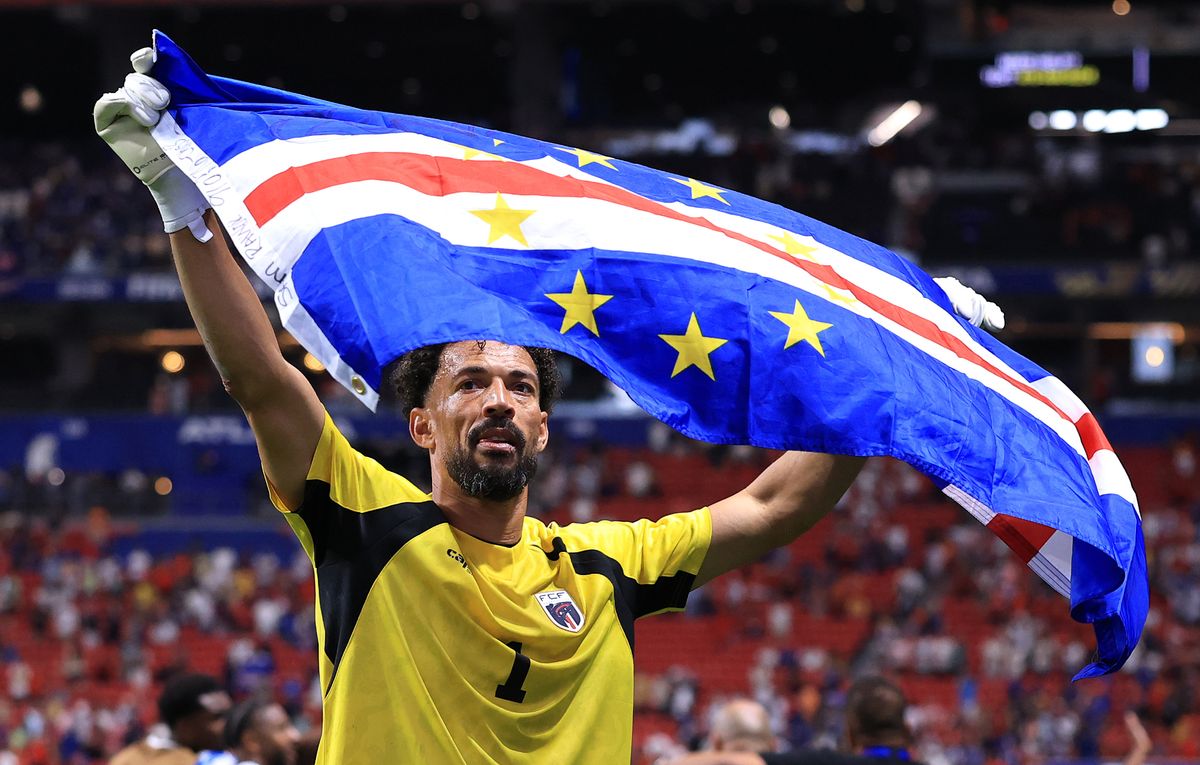
The underdogs went on to draw with Uruguay and Saudi Arabia as well, securing qualification as group runners-up.
JOIN US ON FACEBOOK! Latest news, analysis and much more on Mirror Football's Facebook page
They ultimately fell 3-2 to reigning world champions Argentina - following extra-time. Meanwhile, Spain defeated Argentina in the final.
FIFA and betting monitors dismiss manipulation fears
FIFA's Integrity Task Force determined there was ‘no suspicious betting activity or indications of match manipulation’ and the Group of Copenhagen concurred - reclassifying it as 'green' or 'normal'.
“It was a remarkable result. The fact it flagged up as a potentially suspicious result shows just how well Cape Verde did. But it was simply a huge shock. Shocks do happen in football.
A source close to world football's governing body told the Daily Star:
“Argentina lost 2-1 to Saudi Arabia in their opening game in Qatar in 2022 and still went on to win the World Cup that year.
“Cape Verde were unbeaten this time in any match in 90 minutes. Argentina needed extra time to beat them. It was the kind of fairytale performance that makes the World Cup so special.”
The Group of Copenhagen was among several independent organisations - including the FBI - scrutinising the tournament's 104 matches for evidence of potential fixing. A red card issued to South Africa's Themba Zwane in the 84th minute of his team's tournament-opening clash against Mexico was also initially flagged yellow and subsequently de-classified to 'normal'.
A three-and-a-half-minute delay from the video assistant referee team to disallow a goal from Spain's Ferran Torres in its 4-0 win over Saudi Arabia was also highlighted. A surge of bets on US striker Folarin Balogun's red card ban being overturned so he could feature against Belgium in the last 16 was also flagged up.
His ban was suspended – which meant he could play – after Donald Trump made a personal plea to FIFA president Gianni Infantino. Belgium performed a 'Trump shuffle' on the pitch after hammering the US team 4-1.
The Group of Copenhagen noted no other wagers were available on red card bans being overturned at the tournament. However, FIFA told the Daily Star it backed the conclusions of its Integrity Task Force which had discovered no evidence of match outcome manipulation at the competition.
A spokesman said:
“FIFA stands by the conclusions of its Integrity Task Force which is the result of a collaborative effort by a large number of independent expert groups.
“Betting‑monitoring reports and other relevant data and information provided by Task Force members, as well as information received through available reporting mechanisms, was analysed and shared among Task Force members in line with operational procedures.
“As a result no suspicious betting activity or indications of match manipulation in connection with any fixture was identified.”