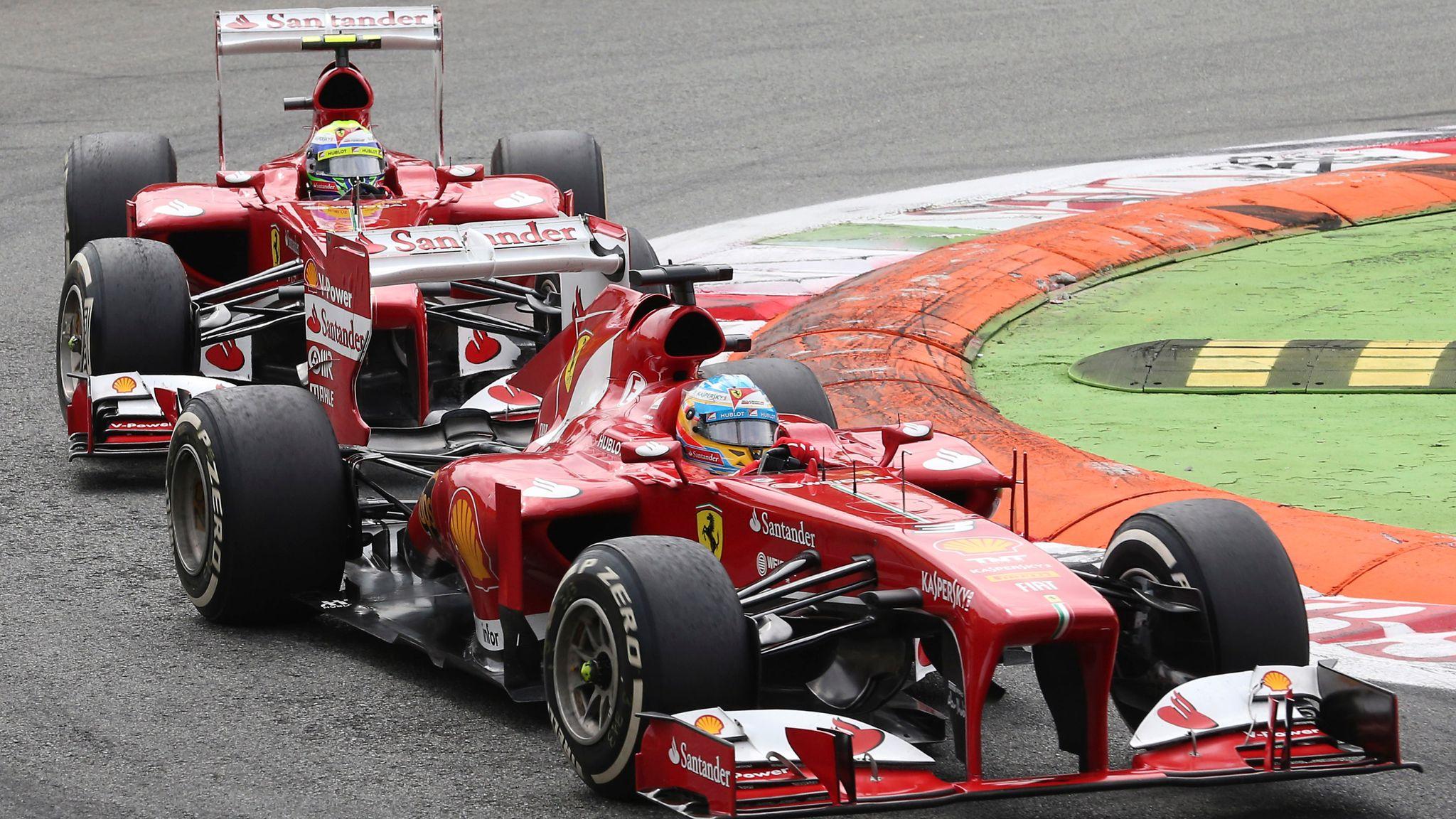
Formula 1's driver roster has rallied behind the prospect of V8 engines making a comeback to the sport in the 2030s, with leading names expressing enthusiasm for the proposed regulation shift. According to Sky Sports, the FIA president Mohammed Ben Sulayem teased the possibility earlier this week ahead of the Las Vegas Grand Prix, posting a video of a screaming F1 engine with the caption: "You spoke, we listened. V8s coming soon."
The FIA subsequently shared graphics on social media suggesting that an agreement in principle had been struck between the governing body, Formula 1 management and engine manufacturers for V8 engines to return from 2030. The post was later removed, though the current regulations are scheduled to run until 2031, which may explain the deletion. According to The Race, the proposed engine architecture centres on a 2.1-litre turbocharged V8 with a smaller electrical component, though the final technical details remain unsettled.
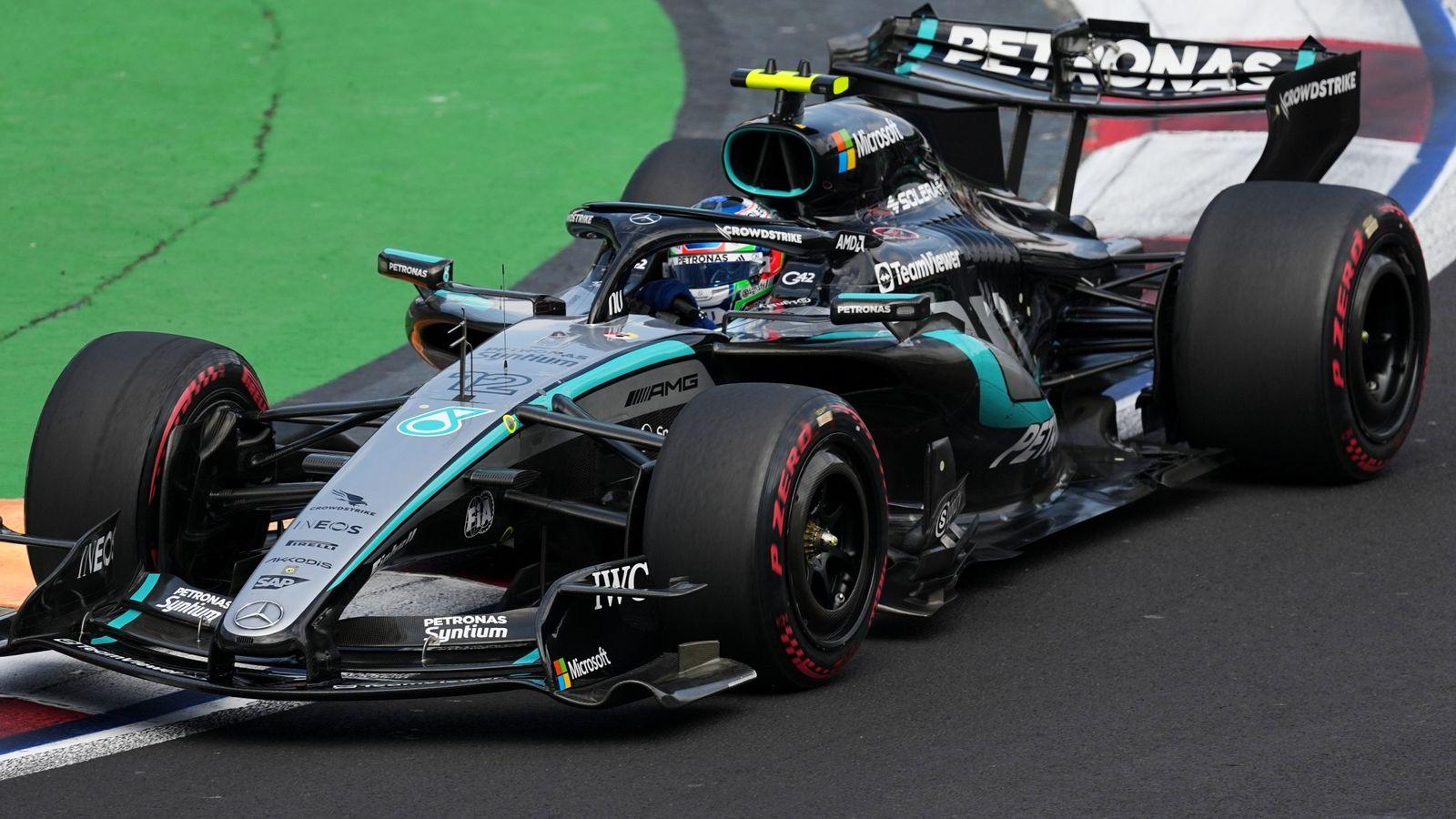
Mercedes driver George Russell expressed his enthusiasm for the change, reflecting on the distinctive character of earlier power units.
I'd love to see it. When I look at the old videos of the old engines, they give me goosebumps,Russell said.
I think it's about just that high-pitched squeal that I'm missing from this era. The purists will say take away all electrical power, but I think when you look at how a lot of these cars have evolved in recent years, and the power output from some of these electrical motors these days, Formula 1 is going to continue to be the fastest race cars on the planet, you need to have it, that's just the reality.
Russell acknowledged the practical necessity of retaining a hybrid element within the new framework.
You need to have some sort of hybrid, because the power you get, you can't really produce that just solely on internal combustion.He outlined his vision for the future power unit:
If we go back to V8s, having some sort of electrical power as well, to give you that extra 400, 500 kilowatts to bring the cars to 1000+ horsepower, that's what we want.
The Mercedes driver also offered a historical perspective on the previous V8 era.
I think it's worth remembering as well actually, the final V8 era, they sounded awesome, but the cars, they actually weren't very fast. I don't think many people realise that.
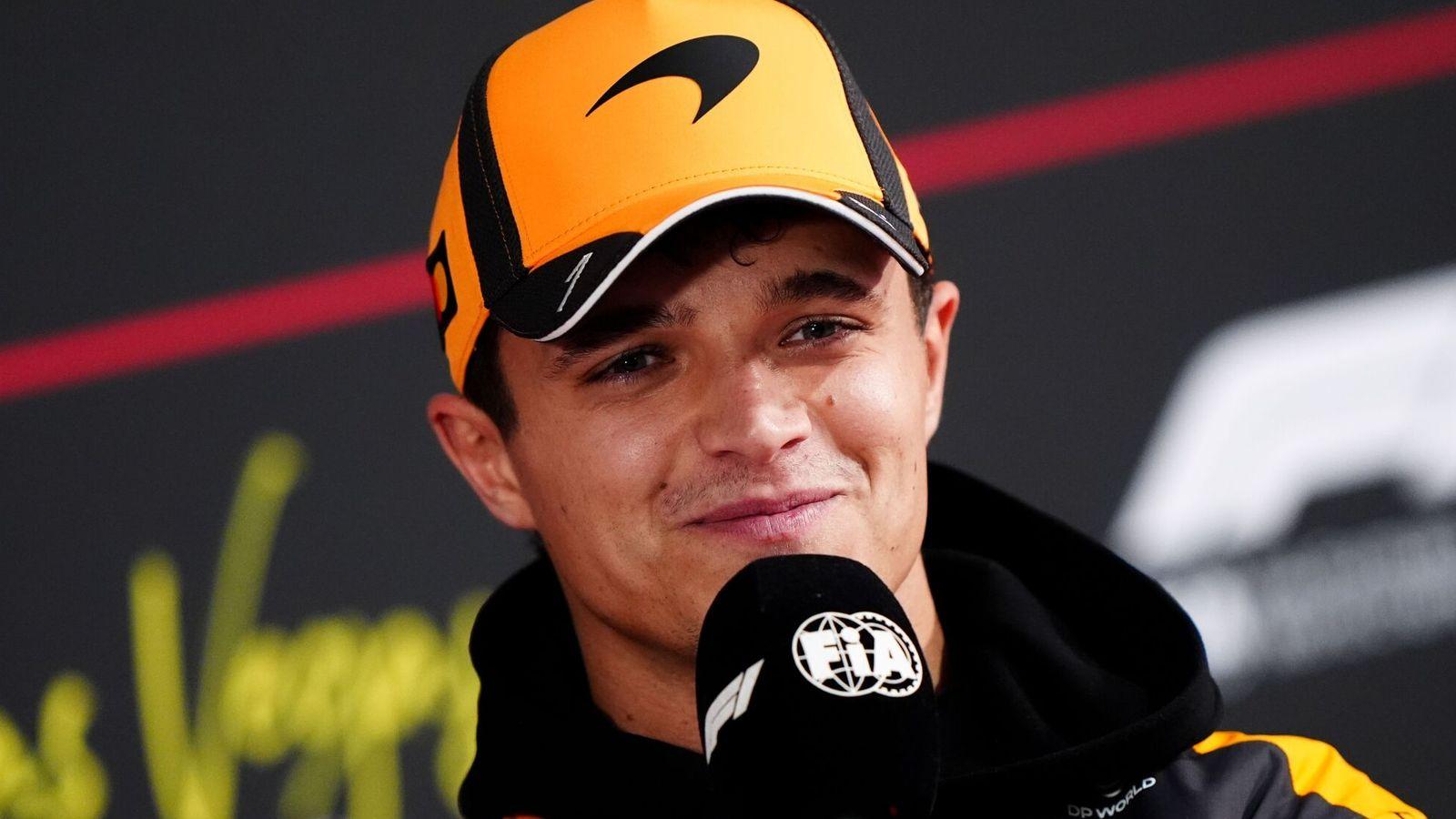
Newly crowned world champion Kimi Antonelli shared his team-mate's optimism about the regulation change.
It's going be very cool to go back to more old style. Also, the cars will get lighter even further, probably 70kg, which is immense,Antonelli stated.
Definitely, I think it's a very exciting regulation change. Of course, we have got to first do well in this one.
Verstappen backs FIA direction on power units
Max Verstappen, who has been vocal in his criticism of the current power units which carry approximately 53 per cent battery assistance, believes the FIA has responded to driver feedback. The four-time world champion has previously warned that the 2026 regulations represent
not what you wantin terms of racing dynamics.
Verstappen outlined his preferred approach to future engine design, though he acknowledged the practical constraints involved.
In some tracks then you're not allowed to race because it will be too loud because if it's up to me I would take the turbo off,he explained.
I would get rid, maybe you can use it as a push to pass, but not too much of the battery side. But then on some tracks, you're not allowed to race, so fuel consumption goes up a lot without a turbo, so you need a bigger tank if you don't want to do refuelling in the races, so I understand that you want to have a turbo.
The Red Bull driver expressed his ideal scenario whilst recognising the constraints of modern motorsport.
If it's fully up to me, of course you go back to like a V10 or whatever. That sounds even better, but I know that not something realistic.He welcomed the V8 announcement but stressed the need for confirmation.
This [news] is good. This is for sure in the right direction, but again, it's not confirmed yet. So there's still a few things I guess that they need to agree on.
Hamilton and Alonso weigh in on V8 return
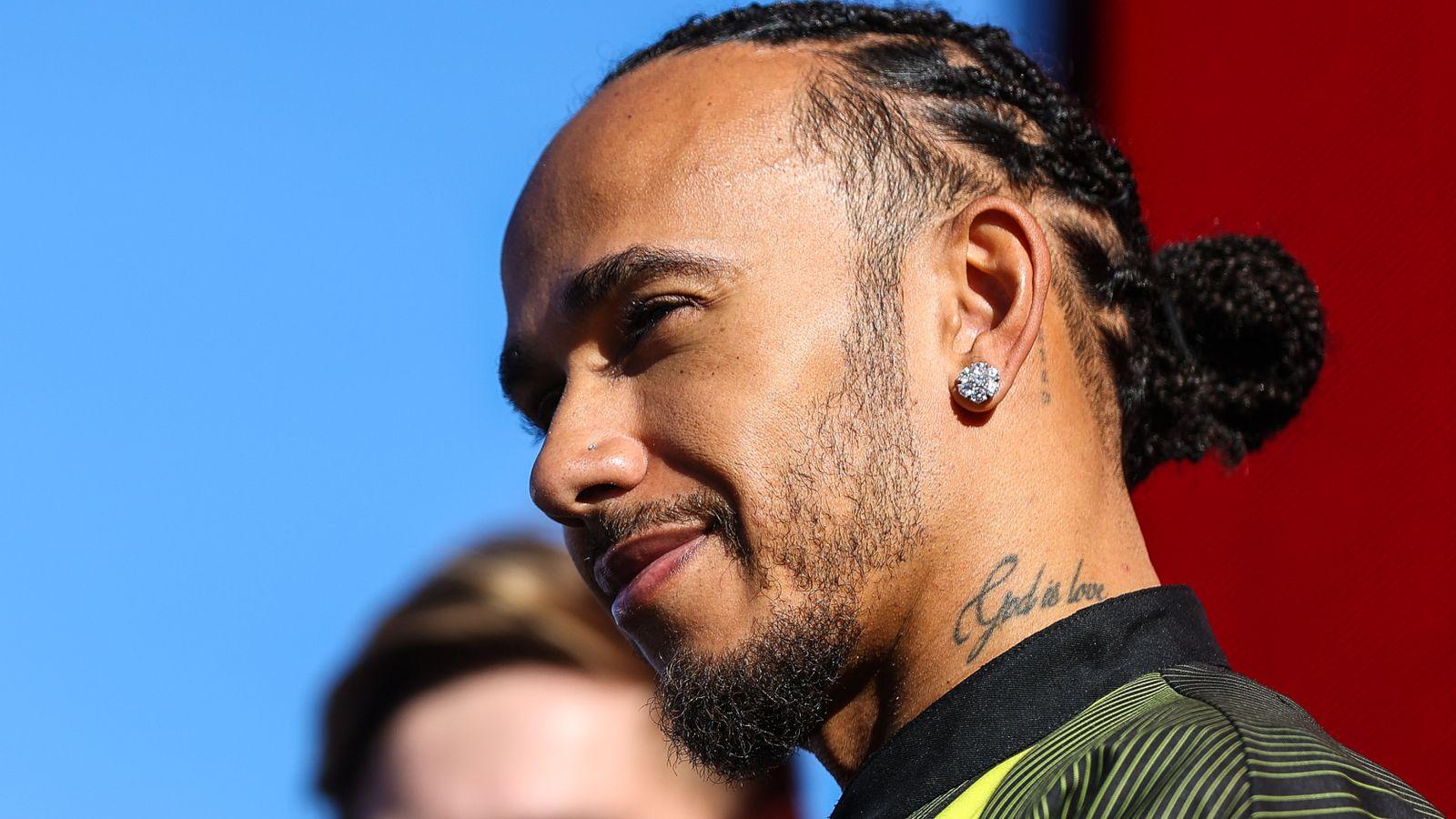
Lewis Hamilton, one of only five drivers on the current grid with experience of the previous V8 era which concluded in 2013, offered a measured response to the proposed change.
I think it's ultimately dependent on… it's all well going to V8. It depends on how they design it, regulation-wise, and going back to the good sound because that's I think been lacking since we've been in the V6 era,Hamilton said.
The seven-time world champion emphasised the importance of sound quality in the new regulations.
Yeah, bring back the smaller exhaust and get that sound back.He also raised concerns about reliability during racing.
But you could have that, and as long as we don't have the engine dying halfway down the straight, then I think that'd be better.
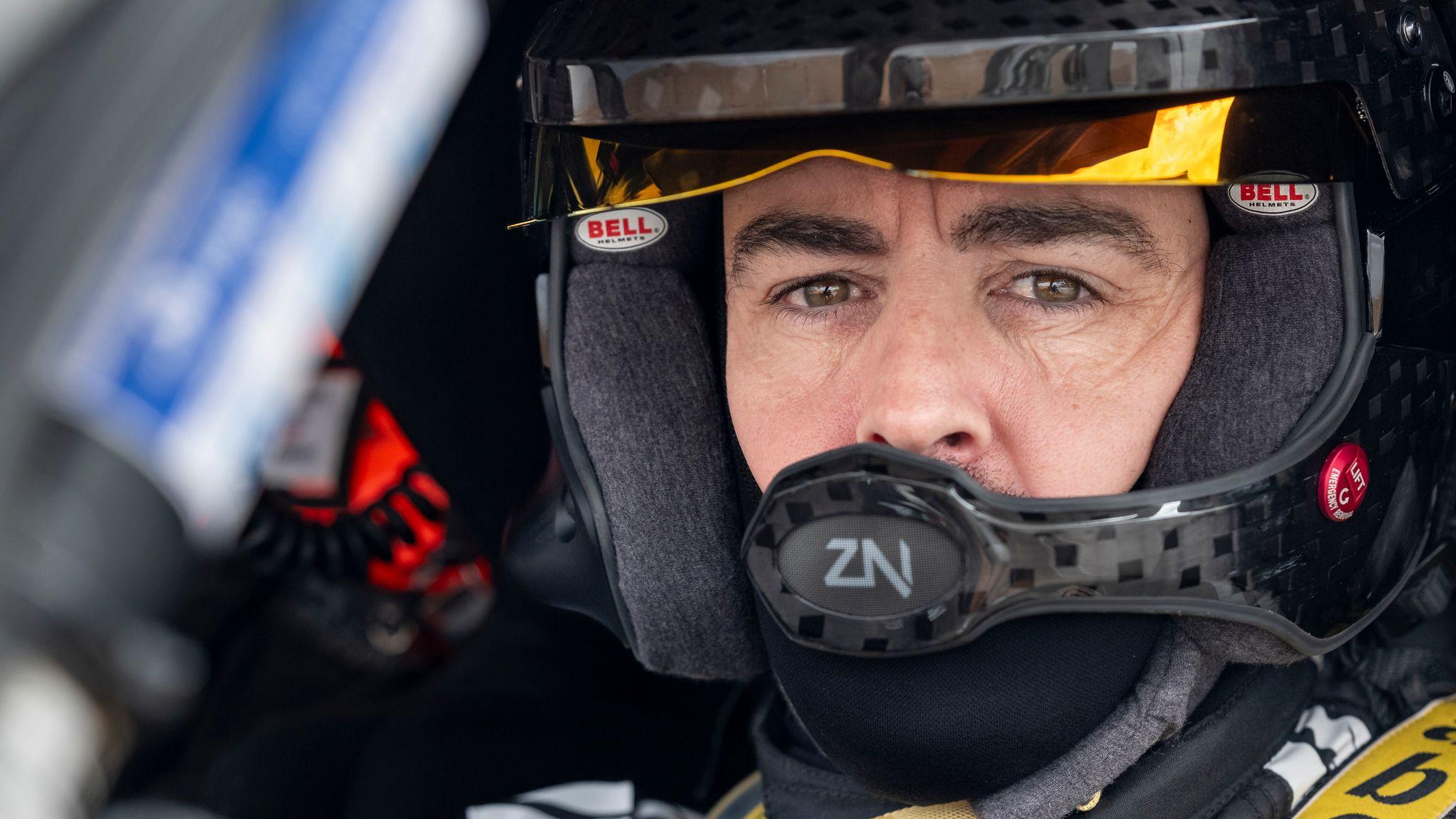
Fernando Alonso, another veteran of the V8 era, expressed frustration at the extended gap since those engines departed the sport. He described it as
frustratingthat Formula 1 has operated without V8 engines since 2014. Nico Hulkenberg, Sergio Perez and Valtteri Bottas are the other drivers who competed during the previous V8 cycle.
Technical framework and regulatory timeline
According to Racing News 365, the proposed framework aims to make power units simpler, lighter and cheaper, with reduced hybrid assistance compared to the current generation. The shift represents a significant departure from the direction established by the 2026 regulations, which introduced increased electrical complexity.
The timing of the change requires careful coordination between manufacturers and teams. The current engine cycle was expected to continue through 2031, meaning a 2030 switch would necessitate bringing the change forward by a year. Earlier discussions had considered a 3.0-litre turbo V8 with approximately 100 kW of electrical assistance, but Grande Prémio reports that the latest proposal instead centres on the smaller 2.1-litre engine configuration.
What happens next
The FIA World Motor Sport Council is scheduled to consider the definitive 2030 regulatory framework during its meeting in Shanghai on 10 December 2026. This session will determine whether the in-principle agreement moves forward to formal approval, with manufacturers and teams needing to confirm their commitment to the accelerated timeline before the regulations can be finalised.