Formula 1 roars back into action this weekend at Zandvoort, and Mercedes technical director James Allison has served notice that keeping the car finishing races could matter more than the next shiny upgrade package when it comes to deciding this year's world championships.
The sport returns from its four-week summer shutdown for the Dutch Grand Prix, the opening race of 12 still to run in 2026. According to Formula1.com, the weekend runs across sprint qualifying on Friday, a sprint race and further qualifying on Saturday, and the grand prix itself on Sunday 23 August at 14:00 BST.
Mercedes head into the restart in control of both championships. Kimi Antonelli holds a 50-point cushion in the drivers' standings, while the constructors' gap sits at 72 points. Figures reported by GPFans put the constructors' totals at 379 points for Mercedes against Ferrari's 307, with Antonelli sitting on 219 points in the individual standings.
Yet those advantages could have been wider still. Mercedes have been hit by reliability issues with the W17 chassis and its power unit during the first season under F1's overhauled technical rules, and Allison says eradicating those problems is now the priority above anything else on the development front.
"Everyone naturally focuses on upgrades because they're visible and they're exciting, but reliability may end up having a much bigger impact on the championship," Allison told Mercedes' Nu Silver Arrows Radio Show.
"A successful upgrade programme might gain you 10, 15 or perhaps 20 points over the course of a season, depending on the circumstances.
"A single retirement can cost you that amount in one afternoon. So while we're committed to continuing development, our biggest focus going into the second half of the season is reducing the self-inflicted wounds that have cost us points in the opening races.
"We've had reliability issues and operational setbacks that simply shouldn't happen, and addressing those areas is arguably more important than the next upgrade package.
"If we can continue to improve the car while also delivering clean execution and reliability, then we'll put ourselves in the strongest possible position for the championship run-in."
The title picture heading into Zandvoort
Antonelli's advantage has been the dominant theme of the campaign so far, and our own analysis of the standings at the summer break examined whether Lewis Hamilton and Ferrari can turbocharge a challenge to the young Mercedes driver's 50-point lead, weighing up the mistakes Hamilton needs to cut out and the development race behind the scenes at Maranello. A companion piece looked more broadly at who else could still catch Antonelli and what factors are likely to prove decisive across the remaining rounds.
McLaren's Lando Norris has also been chipping away, and after his win at the Hungarian Grand Prix our coverage explored how a fresh McLaren upgrade had reshaped the title picture and given him a genuine route back into contention, while a separate analysis set out why the reigning champion can still defend his crown after that Budapest victory trimmed his deficit to Antonelli to 91 points.
More upgrades still to come, says Allison
Despite the emphasis on cutting out costly errors, Mercedes insist they are not done developing the car either. Allison revealed the pace of progress in the wind tunnel has been extraordinary in this first year of the new rules, and further parts are being prepared to counter the gains made by Ferrari, McLaren and Red Bull before the break.
"We made a conscious decision before the season to push the first car harder than we've ever pushed one before," said Allison.
"We left things later than usual and effectively built a programme with almost no contingency. The upside was that we were able to capture as much of that steep development curve as possible before the first race, which is why the car arrived with such a strong level of performance.
"The downside is that we essentially spent all of that performance upfront. Other teams finalised their cars earlier and were therefore able to begin developing upgrades earlier.
"We're now slightly out of phase with some of our competitors. They have been introducing upgrades while we've been rebuilding our development pipeline. What we're seeing is that everyone is making gains at a broadly similar rate. That means the competitive picture can change very quickly.
"Our objective is simply to keep our nose in front and ensure that the next wave of upgrades restores the advantage we built at the start of the season. In the meantime, we just have to ride out those moments when other teams arrive with significant new developments."
Allison acknowledged that balancing this season's needs against next year's car presents a genuine dilemma at this stage of the campaign.
"The difficulty is that development rates are still exceptionally high," he added.
"If you stop too early and your competitors continue finding performance, the final part of the season can become very uncomfortable. Our job is to judge that moment correctly.
"We need to continue bringing performance to the track at a rate that allows us to stay ahead of the development race while also making sensible decisions about how much resource we commit to the future.
"I feel optimistic about our position because I know what we've already seen in the wind tunnel and I know what is still making its way through the development pipeline.
"There is meaningful performance still to come."
Wolff echoes concerns over pace of development
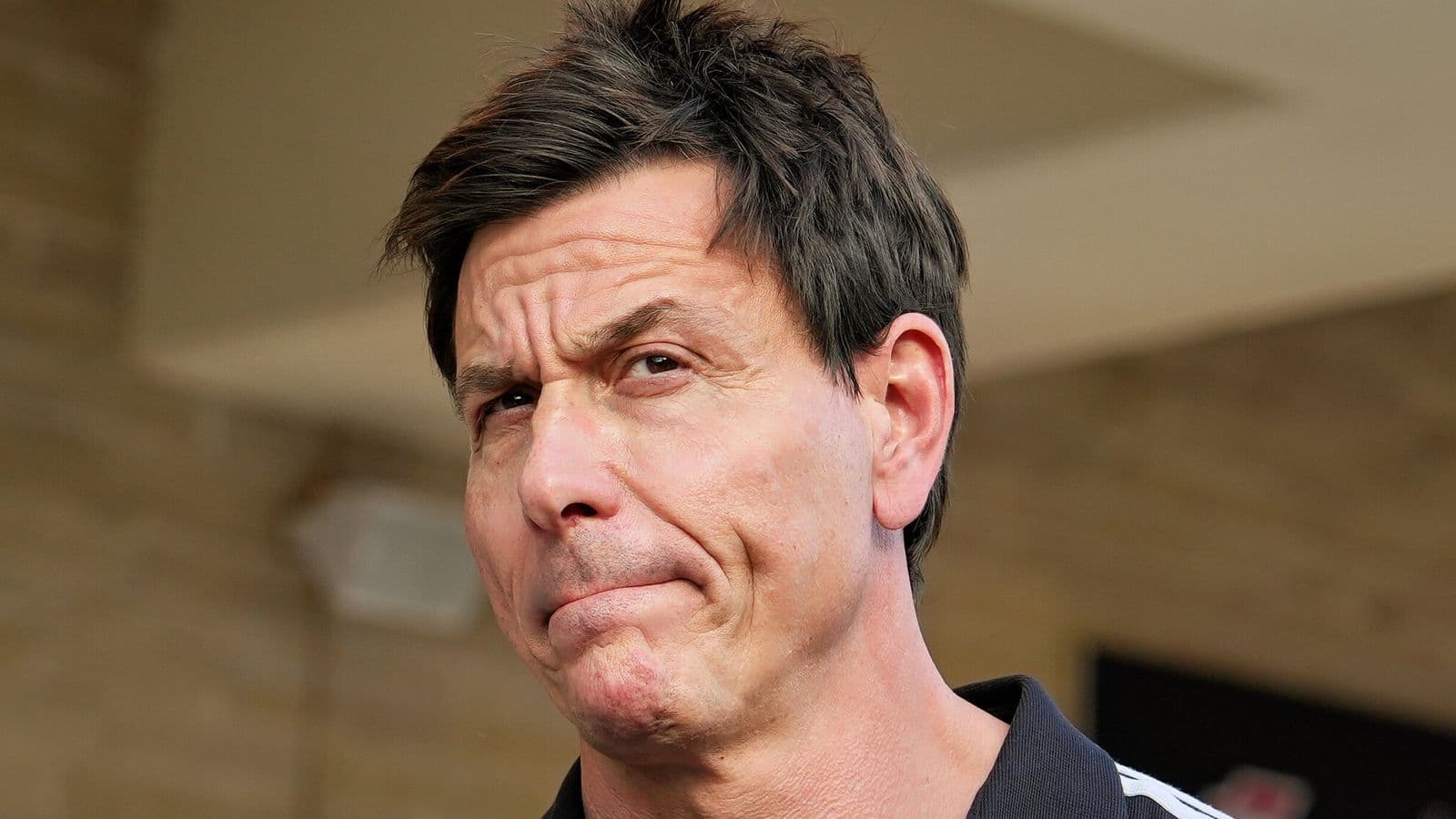
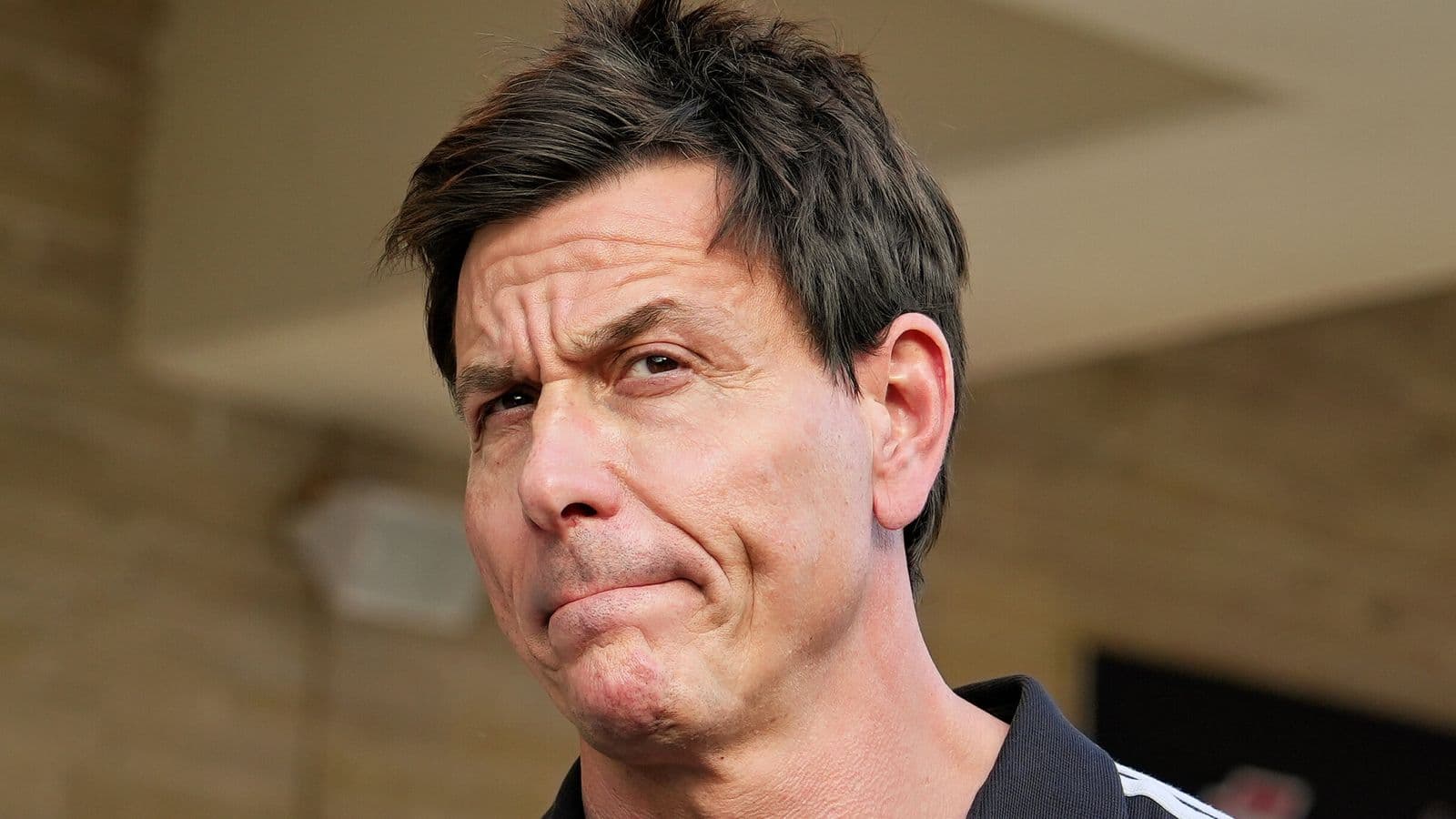
Team principal Toto Wolff struck a similar note in Mercedes' official preview material for the Zandvoort weekend, admitting the team has shipped ground to its rivals since the season began.
"We have left points on the table, our rivals have reduced the performance gap, and we know the second half of the year will demand more from us than the first," Wolff said.
"The championships will be decided by execution and the rate of development we can bring to the car across the next 12 races.
"Whilst we are slightly out of step with upgrades compared to our rivals, we have more performance to unlock and a clear development plan to do so."
Zandvoort's history has not been kind to Mercedes
Lewis Hamilton finished second for Mercedes when the Dutch Grand Prix made its modern return to the calendar in 2021, but the team have never bettered that result since. The circuit, which is due to drop off next year's schedule, has proved one of the team's toughest venues in recent seasons, with no podium finishes and at least one Mercedes car failing to reach Q3 in each of the last three years.
"Zandvoort has been a unique challenge since its return. It is a difficult track to master, the fans create an incredible atmosphere, and it has become a race that the teams and drivers look forward to," Wolff added.
"We have come close but never won there in the modern era. This is our final opportunity to change that, and that's a challenge we would like to meet."
What happens next
Practice for the Dutch Grand Prix gets under way on Friday 21 August, with sprint qualifying following later the same day, according to the BBC's schedule guide. The sprint race and full qualifying take place on Saturday, before the grand prix itself on Sunday 23 August, with lights out scheduled for 14:00 BST according to Formula1.com.
Organisers have confirmed via the official Dutch Grand Prix website that this year's event at Zandvoort is completely sold out, meaning capacity crowds will be on hand to see whether Mercedes can finally add a Dutch Grand Prix win to their record before the race potentially leaves the calendar next season.
The Formula 1 season resumes after the summer break with a Sprint weekend at the Dutch Grand Prix from Friday, with every session live on Sky Sports. Stream Sky Sports with NOW - no contract, cancel anytime.