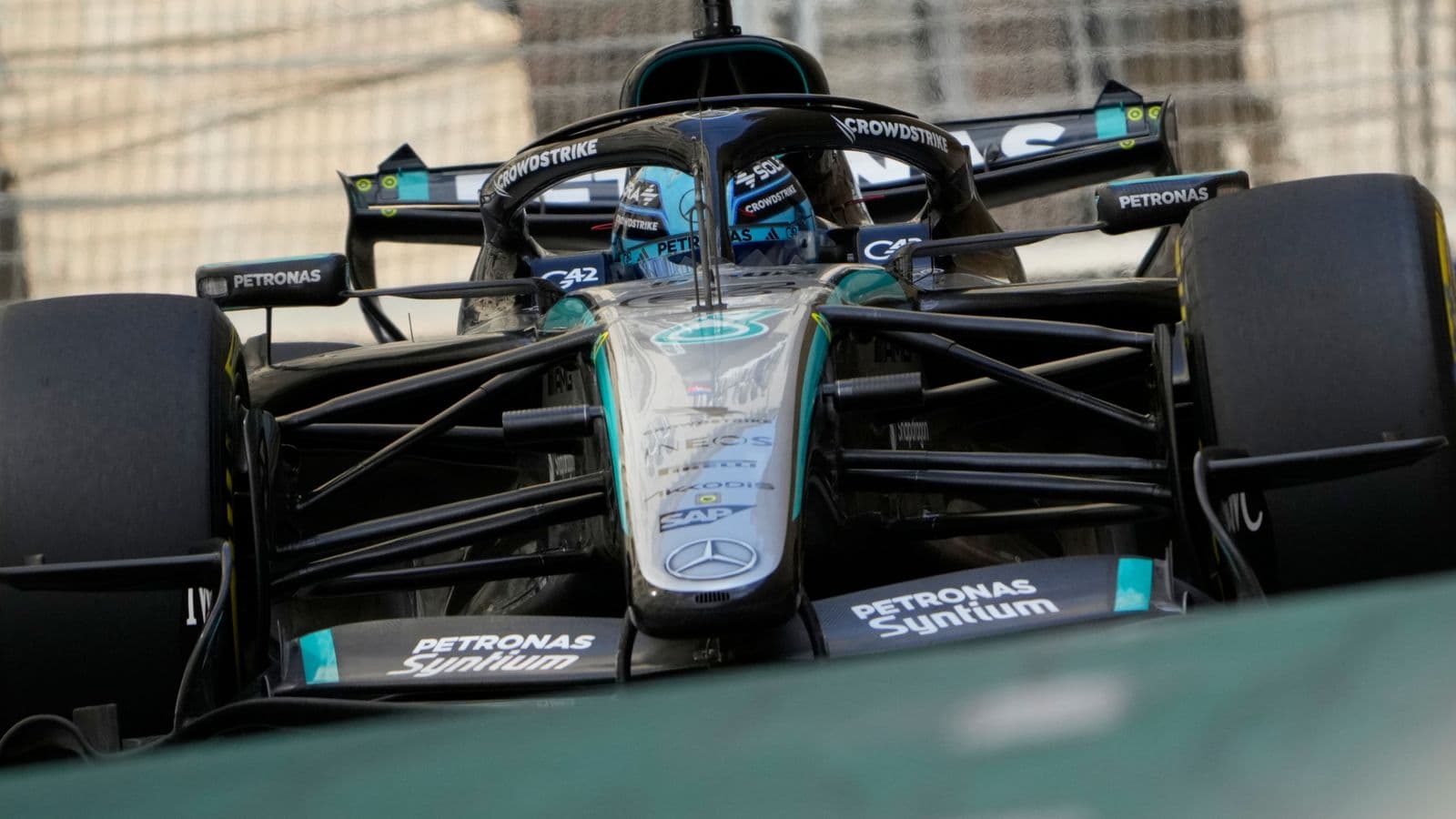
The 2026 Formula 1 title race has crystallised into a straight fight between Mercedes teammates Kimi Antonelli and George Russell, with eight rounds left to run. Antonelli holds a commanding 66-point advantage heading into this weekend's Bahrain Grand Prix at Sepang in Malaysia, though the Italian will be keen to bounce back after describing his previous outing in Baku as his
worst weekendof the season.
Russell claimed victory in Azerbaijan, holding off Max Verstappen by just 0.196 seconds in a thrilling contest that underlined the unpredictability of the championship run-in. According to Grand Prix data, Isack Hadjar finished third for Red Bull in his first race since the end of July, marking the first time in over two years that two Red Bull drivers have featured on the podium together.
The standings after Baku tell their own story: Antonelli sits on 302 points, Russell on 236 and Verstappen sixth on 163, a full 139 points adrift of the leader. Yet despite that gap, every conversation on the grid this weekend will centre on one question: can Verstappen disrupt the Mercedes dominance?
Mercedes are expected to introduce a major upgrade package in Malaysia this week, and depending on its effectiveness, the Silver Arrows could establish an iron grip on the final third of the season. However, the Dutchman's recent form suggests he remains a genuine threat to both title contenders.
The 2016 parallel: when Verstappen spoiled the party
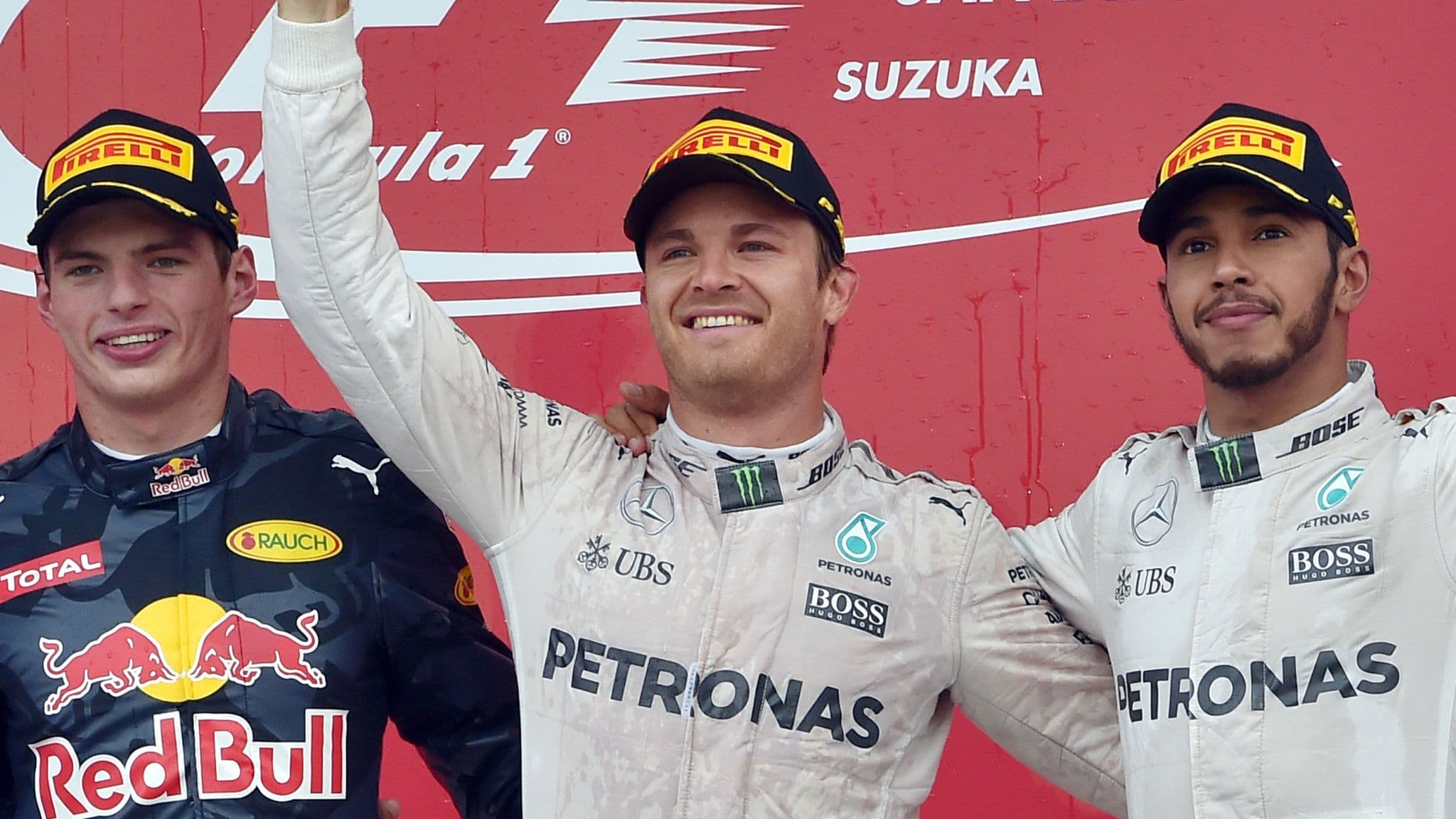
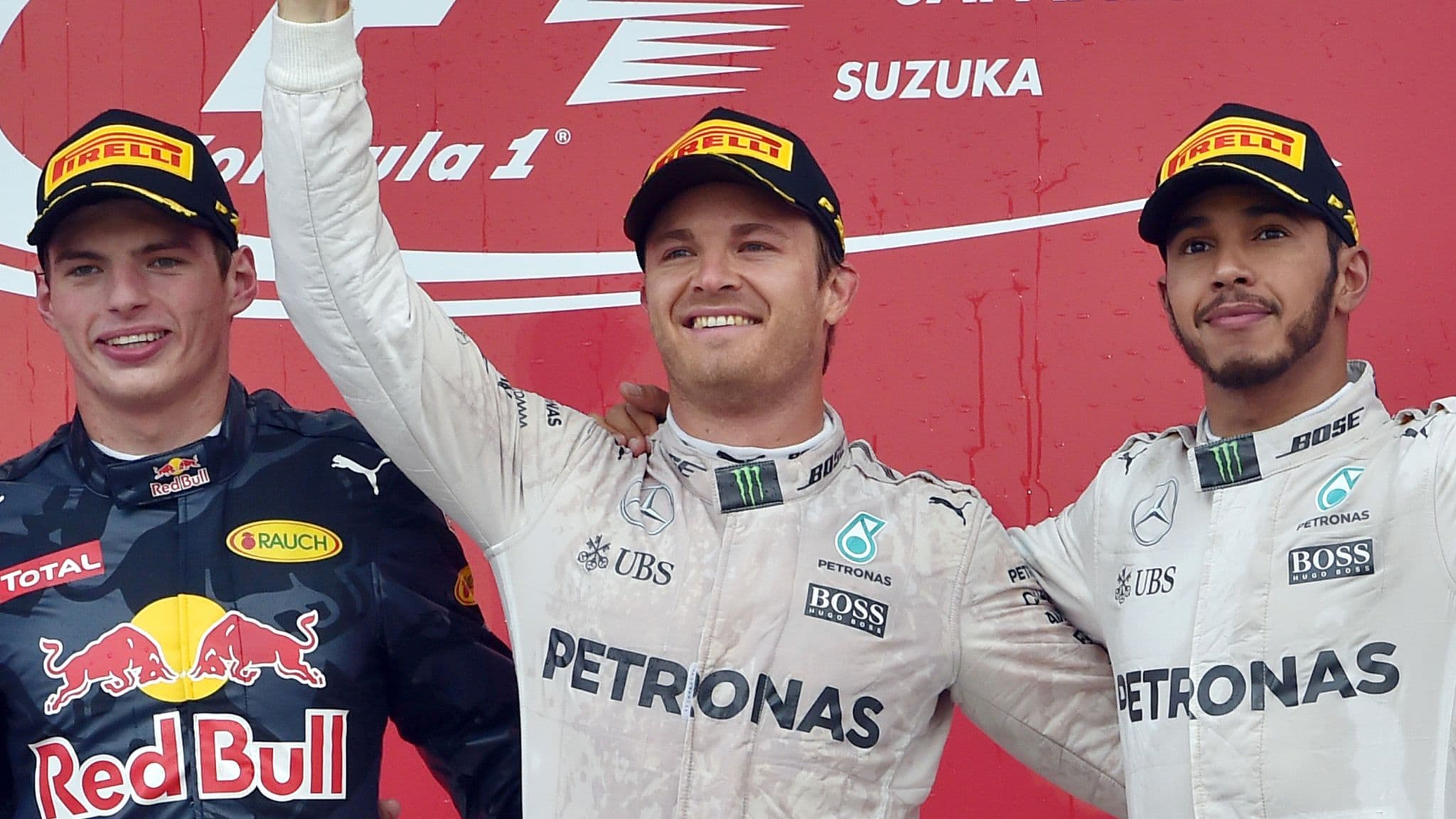
A decade ago, Nico Rosberg and Lewis Hamilton battled for supremacy in a Mercedes that was often untouchable. Yet throughout that season's climax, a 19-year-old Verstappen repeatedly gave both drivers headaches, despite driving for a less competitive Red Bull.
Rosberg reflected on that turbulent period when speaking to Sky Sports F1, recalling the psychological toll of Verstappen's presence:
My god, having him around in the races! The risk of a DNF for myself, it increases like 10-fold. On my way to the championship, I had him around me every race in the last four races. He passed me I think in three of those four races, in a tussle.
The Japanese Grand Prix that year saw Verstappen position himself ahead of Hamilton in the closing stages and prepare to defend with characteristic aggression. Hamilton's complaint that Verstappen
moved under brakingprompted the FIA to introduce what became known as the "Verstappen Rule", a regulatory response to his uncompromising driving style.
Brazil 2016 remains etched in memory for Verstappen's stunning wet-weather comeback to the podium, but few recall that he had earlier danced around the outside of Rosberg at Turn 3 to run in second place. With no wet races or qualifying sessions held in 2026 so far, Verstappen's mastery of rain conditions remains an untested wildcard—though in theory, cars with maximum downforce should excel in such circumstances.
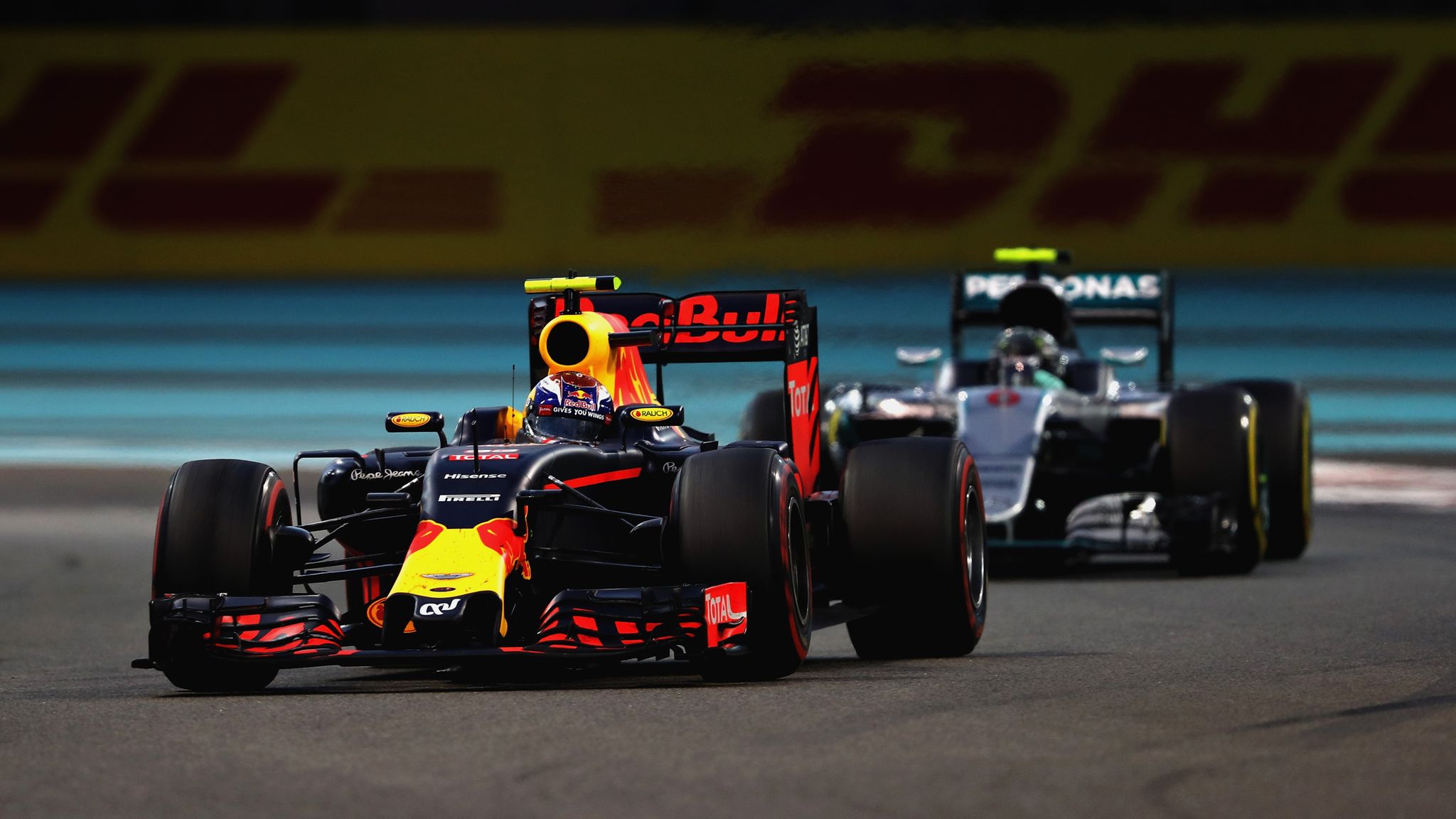
The season finale that year proved equally dramatic. Verstappen spun on the opening lap and dropped to the back, only to run an alternative strategy that brought him into contention mid-race. Rosberg, on fresher tyres after pitting, found himself needing to overtake the Red Bull driver for the championship.
Tony [Ross, Rosberg's race engineer] saying it's critical we pass Verstappen for the championship…holy moly, seriously!Rosberg recalled.
The feelings that I had in the battle and right after when I realised that I passed him, I've never had that in a race car before ever in my life.
That history looms large as Antonelli and Russell prepare for their own climactic battle. Verstappen's willingness to take risks when Mercedes drivers may hesitate—much as Rosberg did in 2016—could prove decisive on certain weekends.
Red Bull's upward trajectory and the upgrade question
Mercedes have maintained a consistently competitive car throughout 2026, though not always the fastest. Ferrari, McLaren and Red Bull, by contrast, have suffered from inconsistency, each carrying clear weaknesses that render them uncompetitive at particular circuits. On average, Red Bull have fielded the fourth-fastest car on the grid.
Yet Verstappen has defied that statistic with remarkable consistency. He holds the most podiums—seven—of any non-Mercedes driver, and five of those have come in the last six rounds. His second place in Baku represented his sixth podium in eight races, underlining a sustained period of form that has coincided with Red Bull's technical improvements.
Red Bull introduced their final major upgrade package of the season in Baku, with both drivers expressing satisfaction with the new floor, diffuser and sidepods. Verstappen came within two tenths of snatching victory from Russell, a margin that suggests the upgrades are working.
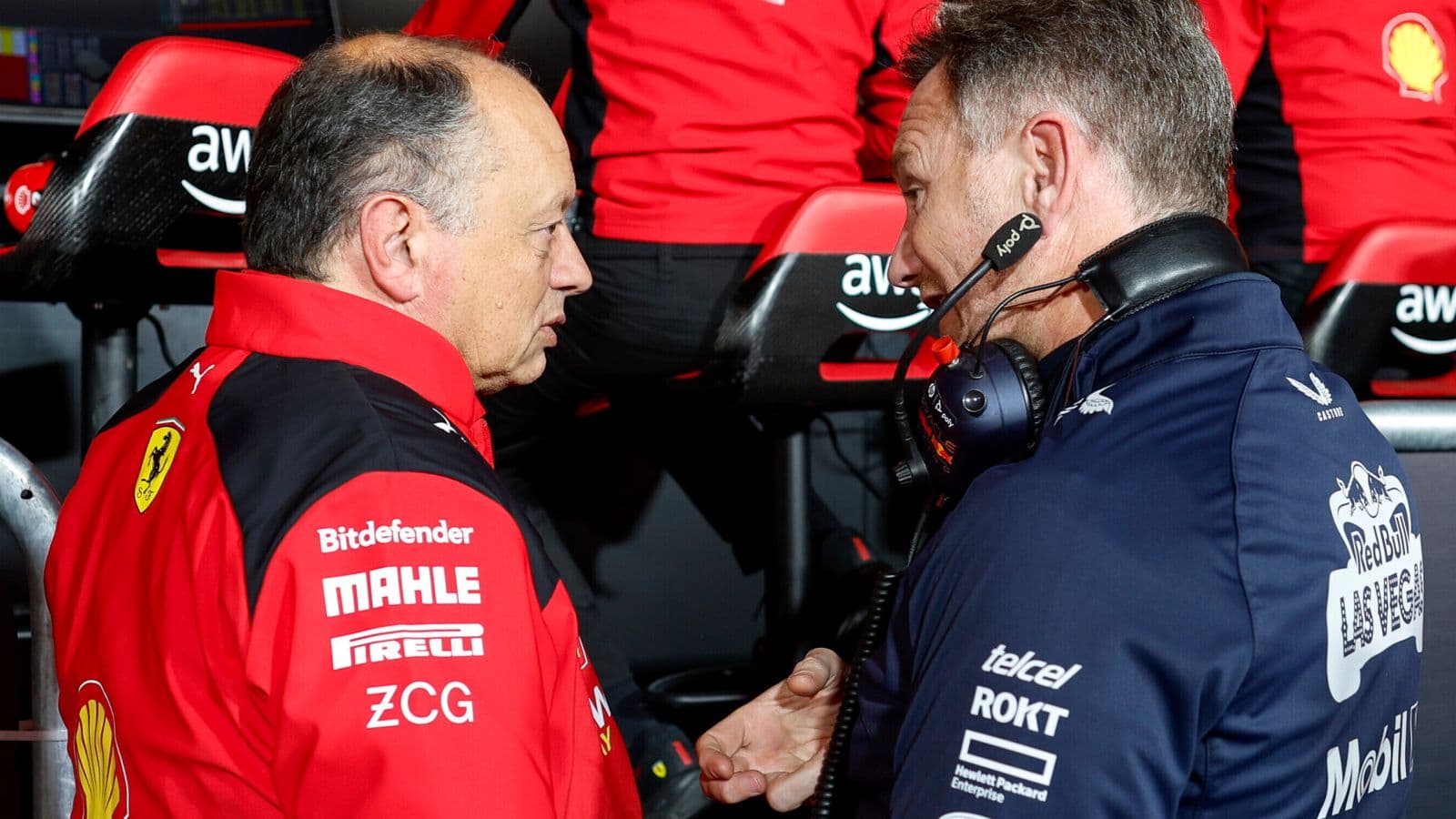
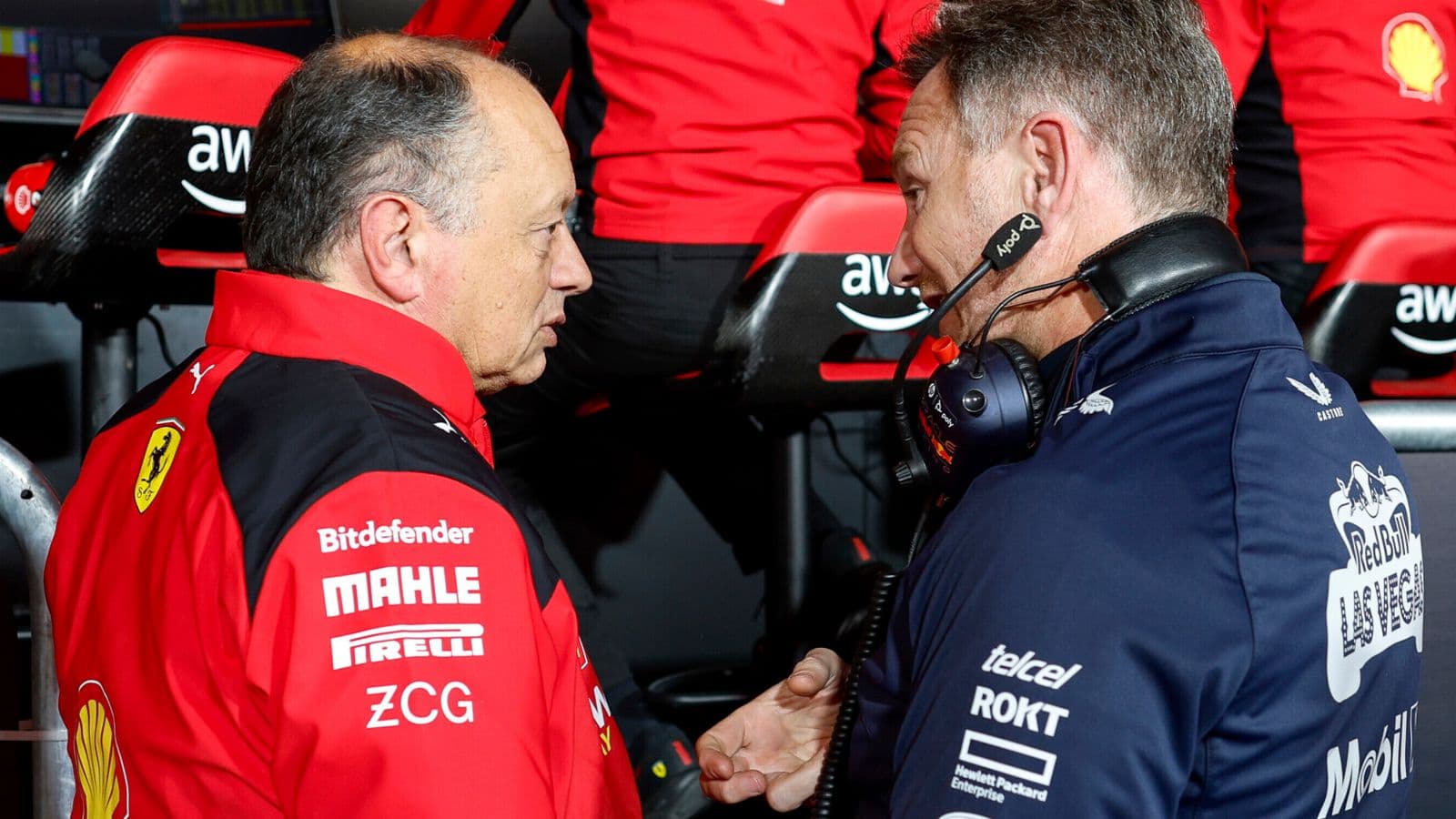
Red Bull team principal Laurent Mekies offered a cautiously optimistic assessment:
On paper, Baku was the most favourable [track] in terms of car characteristics. Equally, I think the performance we've shown in the race is giving us decent hope that we will get another couple of occasions before the end of the year. On top of getting a couple of other occasions to get that first win, it's also good to go on tracks where it's going to be more difficult, because it's exactly what we need to be confronted with to continue to progress.
The real test of those upgrades arrives this weekend at Sepang International Circuit, a traditional track with big medium to high-speed corners that demands aerodynamic efficiency. Tyre wear has plagued Red Bull throughout 2026, and if the Baku package has addressed that vulnerability, Verstappen and Hadjar should prove competitive once more.
According to recent performance data, Verstappen's average finish excluding retirements since the Austrian Grand Prix stands at 2.33, compared with 3.0 for Russell and 3.88 for Antonelli—a stark illustration of his recent superiority.
The streak and the hunger
Red Bull and Verstappen have won a race in every season since 2016, a remarkable streak that the Dutchman will be determined to extend. While he may downplay the significance of maintaining his record of winning in ten consecutive seasons—the all-time record of 15 is held by Lewis Hamilton and Michael Schumacher—the competitive fire clearly burns bright.
When asked about his ambitions for the remainder of the season, Verstappen struck a characteristically measured tone:
If Mercedes is bringing an upgrade and it works, then they take a step ahead, and that's not what you want. It will make it even more difficult to win. But we'll try every single weekend and, of course, if the opportunity is there, we go for it.
Identifying Verstappen's best chance of victory depends heavily on how Mercedes' upgrades perform and how Red Bull fare on more traditional circuits in the weeks ahead. Las Vegas in November bears similarities to Baku with its low tyre degradation and long straights, potentially suiting Red Bull's characteristics. Mexico City in October presents a different puzzle: its high altitude of 2000 metres above sea level will test which power units perform best, with Honda's unit having shown particular strength at altitude under previous regulations.
Even if victory eludes Verstappen, his presence will shape the championship narrative. He will be aggressive on opening laps and at Safety Car restarts, knowing he has nothing to lose against the Mercedes drivers. Antonelli and Russell cannot afford to ignore him, for as Baku demonstrated, Verstappen is unrelenting and never makes life easy on track.
What happens next
The 2026 Bahrain Grand Prix has been relocated to Sepang, Malaysia, retaining its official name despite the venue change. The 56-lap race takes place on Sunday, October 4, with practice and qualifying running across Friday and Saturday. Mercedes' upgrade package will be the first major talking point, but Verstappen's capacity to capitalise on any weakness in the title fight remains the subplot that could reshape the championship.