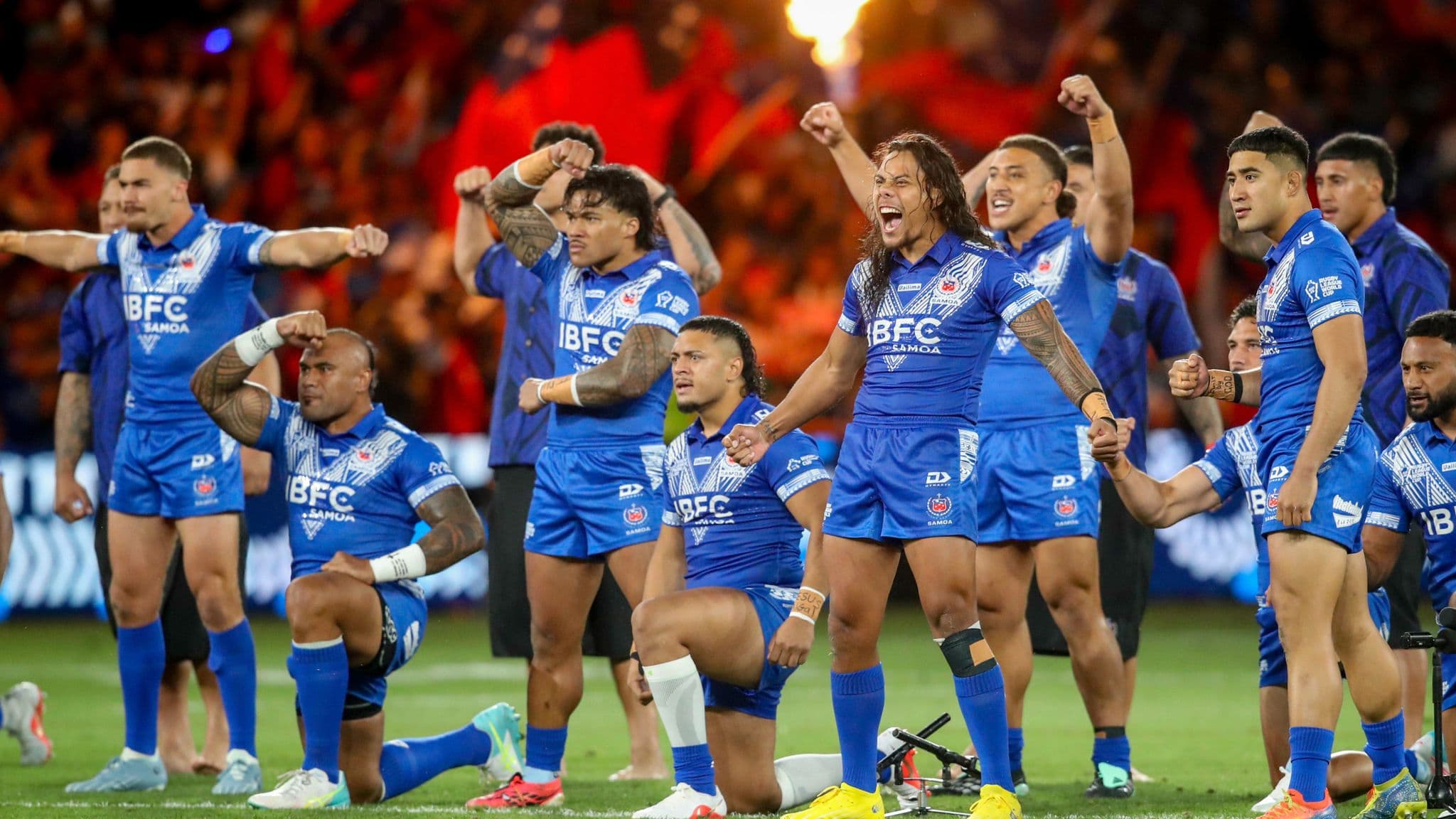
The narrative arc of sport often circles back on itself, and the Rugby League World Cup offers a perfect illustration. Despite the emergence of Tonga and Samoa as genuine title contenders—not merely capable of pulling off an upset or two, but genuinely threatening to claim the trophy—the tournament's final stages have delivered a familiar outcome. According to Sky Sports rugby league analyst Brian Carney, the old guard has reasserted itself in the knockout rounds.
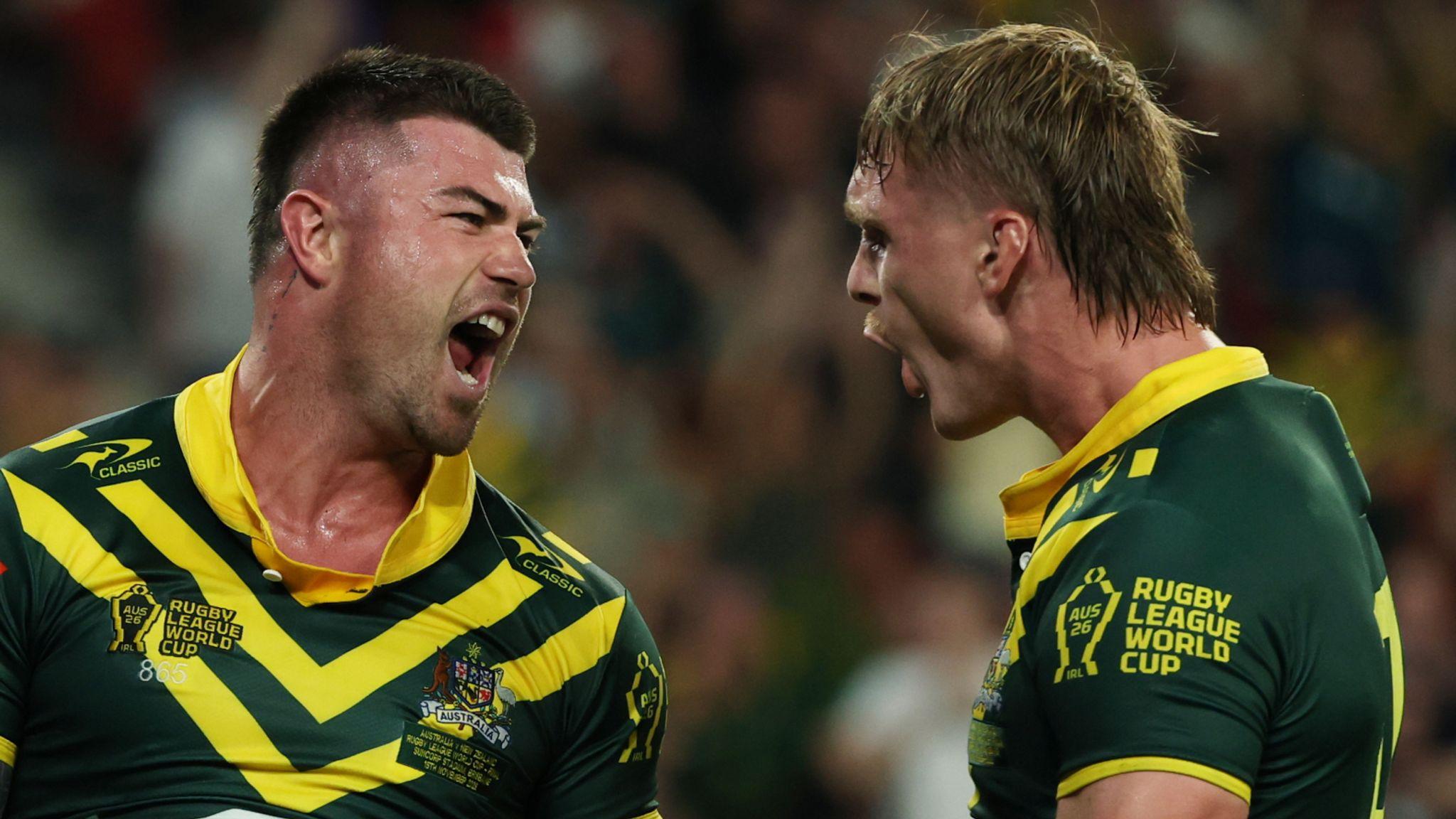
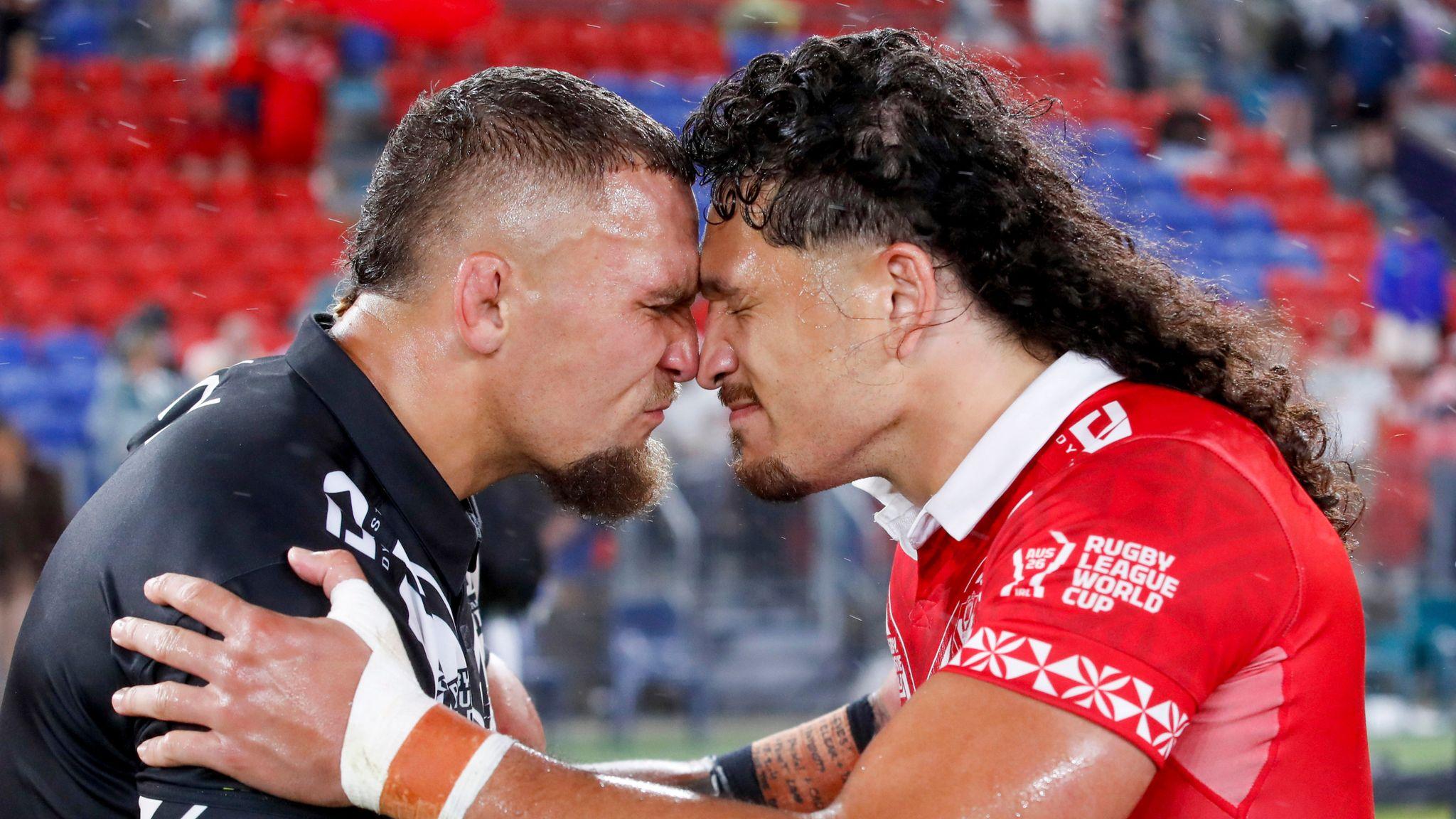
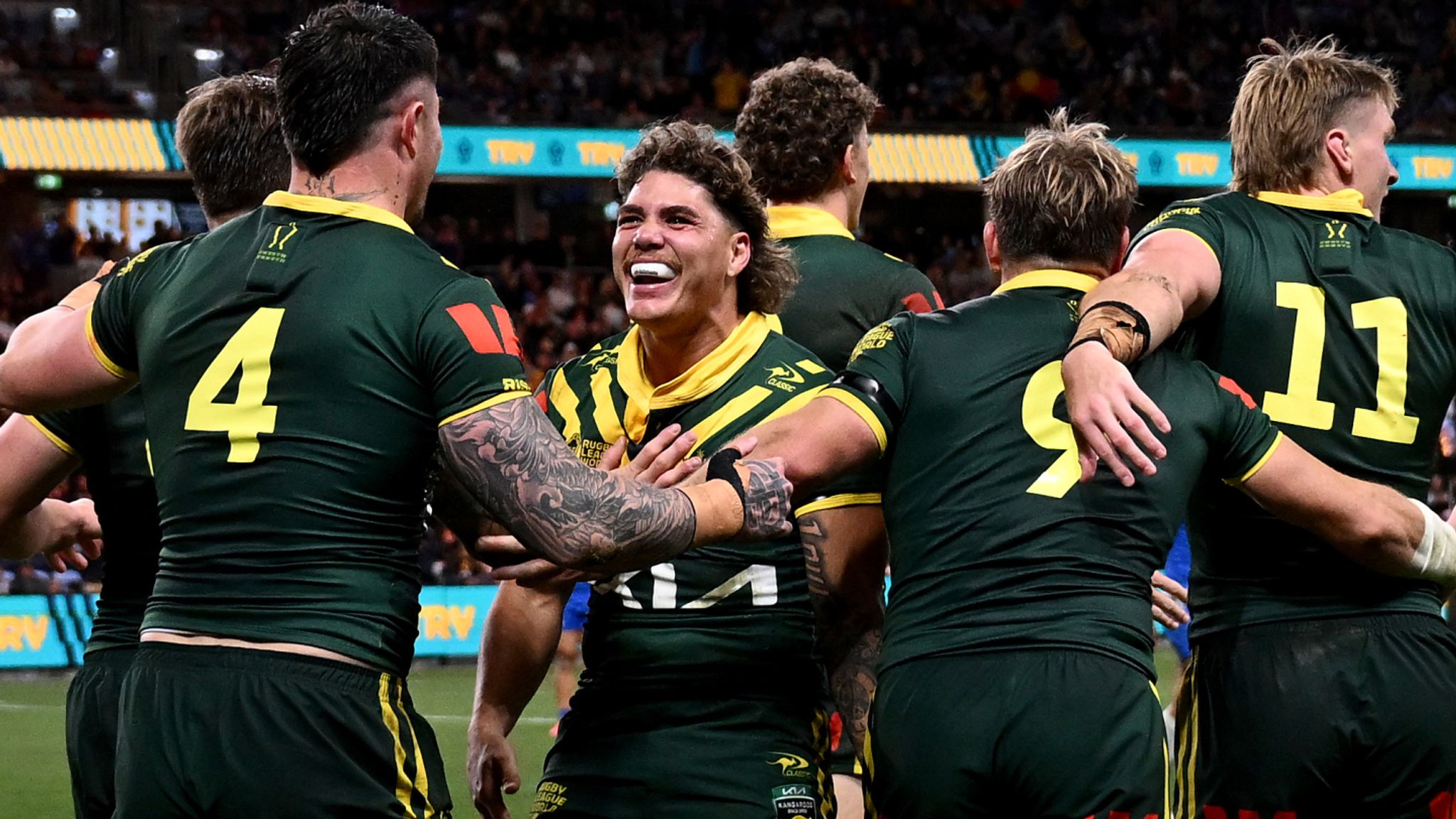
Australia and New Zealand have secured their places in the men's final, and both teams merit their position there. The tournament opened with a spectacular encounter between these two heavyweights, and the final promises to deliver more of the same intensity. Australia beat Samoa 44–12 in the men's semifinal, with Reece Walsh scoring a hat-trick, while New Zealand defeated Tonga 34–10 to reach the men's final.
Carney finds himself unable to separate the two finalists. He rates New Zealand's chances highly, yet acknowledges Australia's proven ability to find victory when circumstances appear bleakest. Even when the Kangaroos appeared off-colour against Fiji, they discovered a way through. The return of Kalyn Ponga to the New Zealand lineup represented a significant boost for the Kiwis, and he demonstrated no ill effects from his broken arm, throwing himself into tackles and producing crucial try-saving moments.
The men's final will rank among the finest World Cup encounters. There is no room for complaint about the quality of the two teams contesting it.
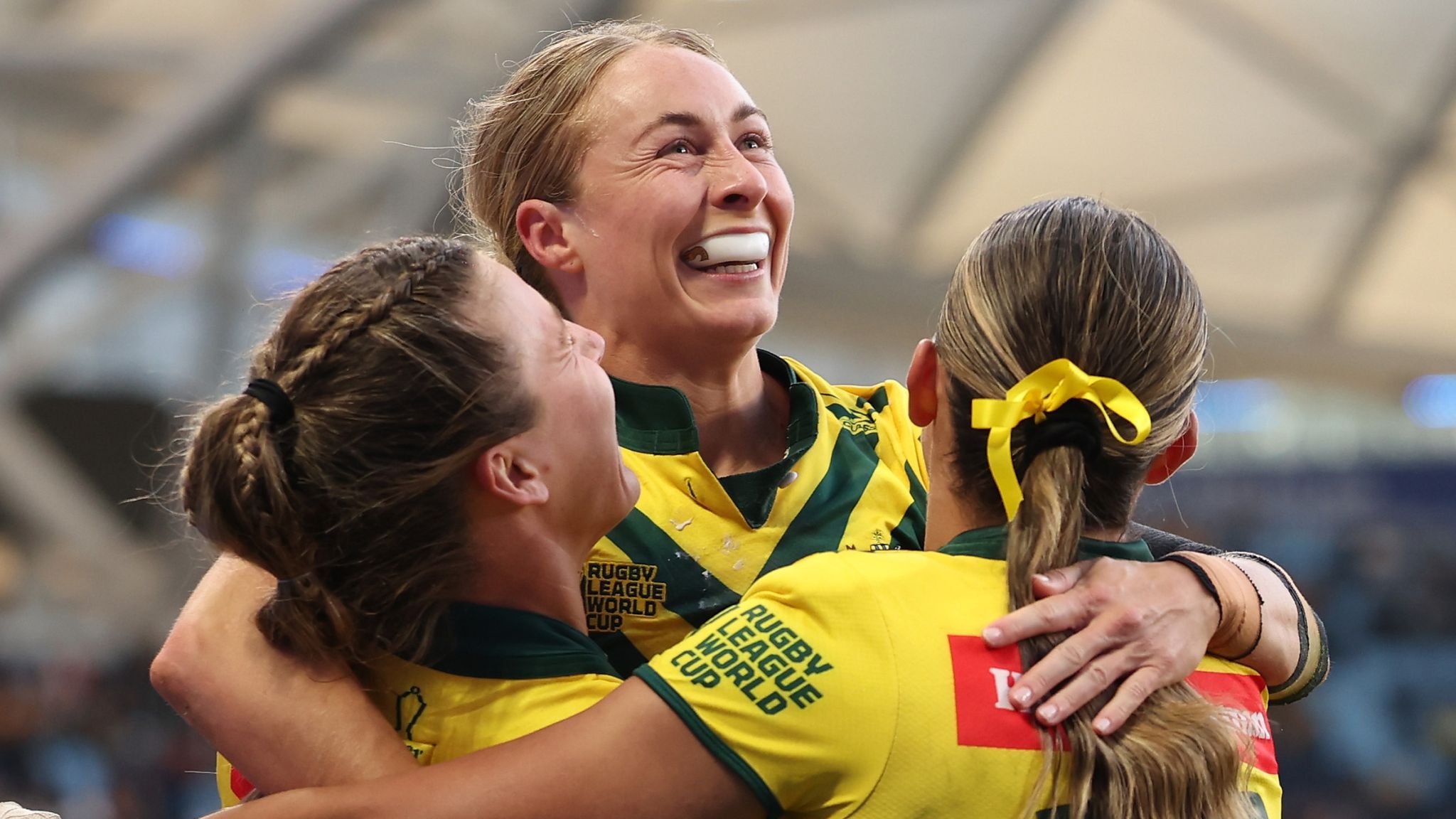
In the women's tournament, Carney sees no realistic challenger to Australia's dominance. The Jillaroos operate at a level of superiority that he believes surpasses even the Kangaroos' historical standards. The margins of victory they are posting, combined with their capacity to win matches comfortably whilst still leaving points unconverted, stands as remarkable. Australia beat Fiji 30–14 in the women's semifinal; Abbi Church scored four tries, and Australia advanced to its fifth consecutive final. The challenge facing New Zealand and Samoa in the women's final appears steeper than the hurdle confronting either finalist in the men's game.
Did Tonga's intensity against Samoa prove costly?
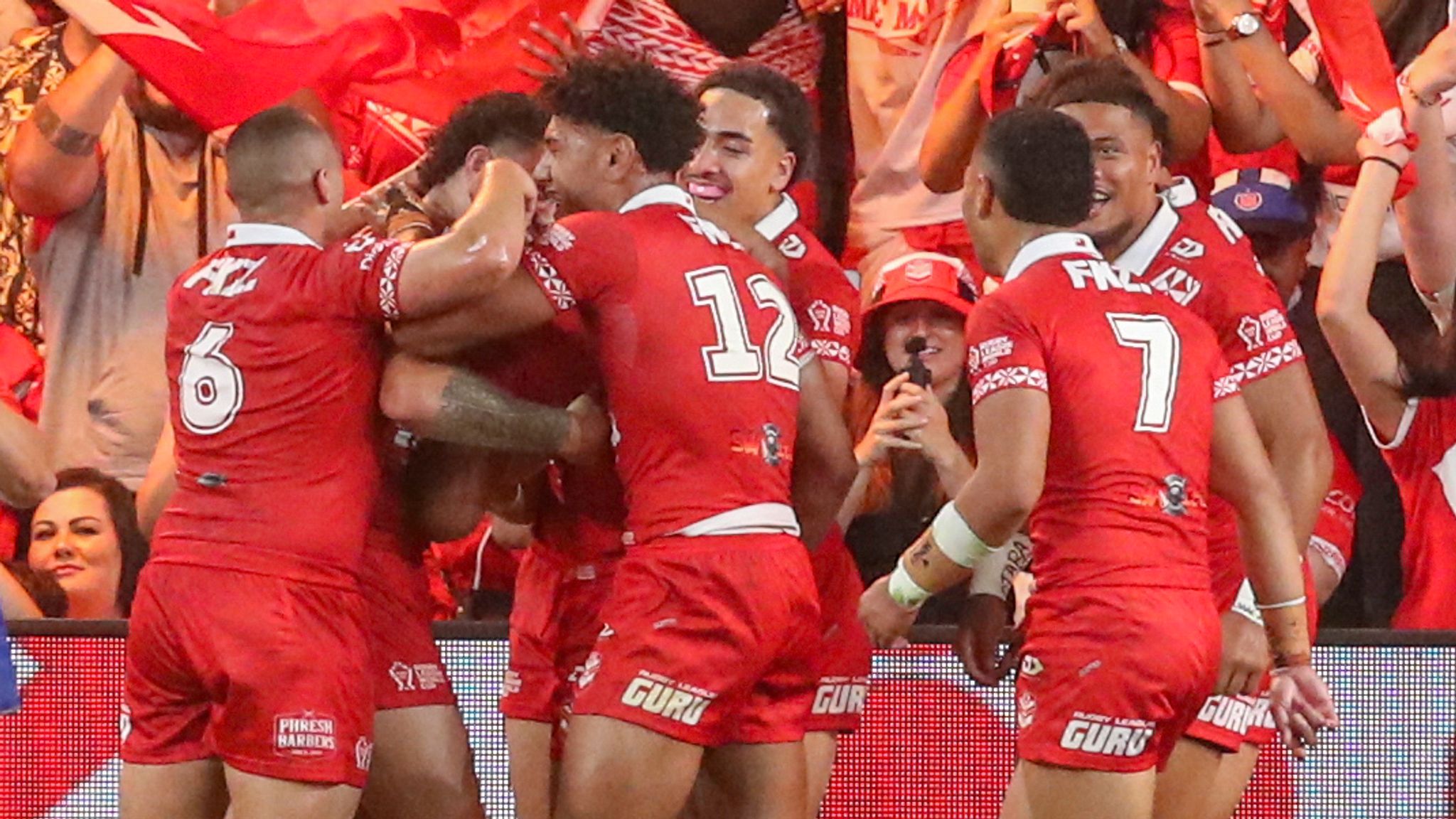
Carney contends that on any given day, the gap separating Australia, New Zealand, Tonga, and Samoa remains marginal. He would not have been shocked had either Tonga or Samoa won either semifinal. What did surprise him, however, was Tonga's decision to commit fully to their group-stage encounter with Samoa—a match they did not need to win.
Both teams fielded their strongest sides and expended considerable energy in a fixture that carried enormous emotional weight. While Carney acknowledges and respects the passion that drove both nations to field strong lineups, he questions whether the strategic calculus favoured Tonga. The opportunity existed to rest players and build freshness for the knockout stage.
The fundamental objective was to win the World Cup, not to defeat Samoa. That distinction mattered.
Tier 1 status: A reckoning that began in 2017
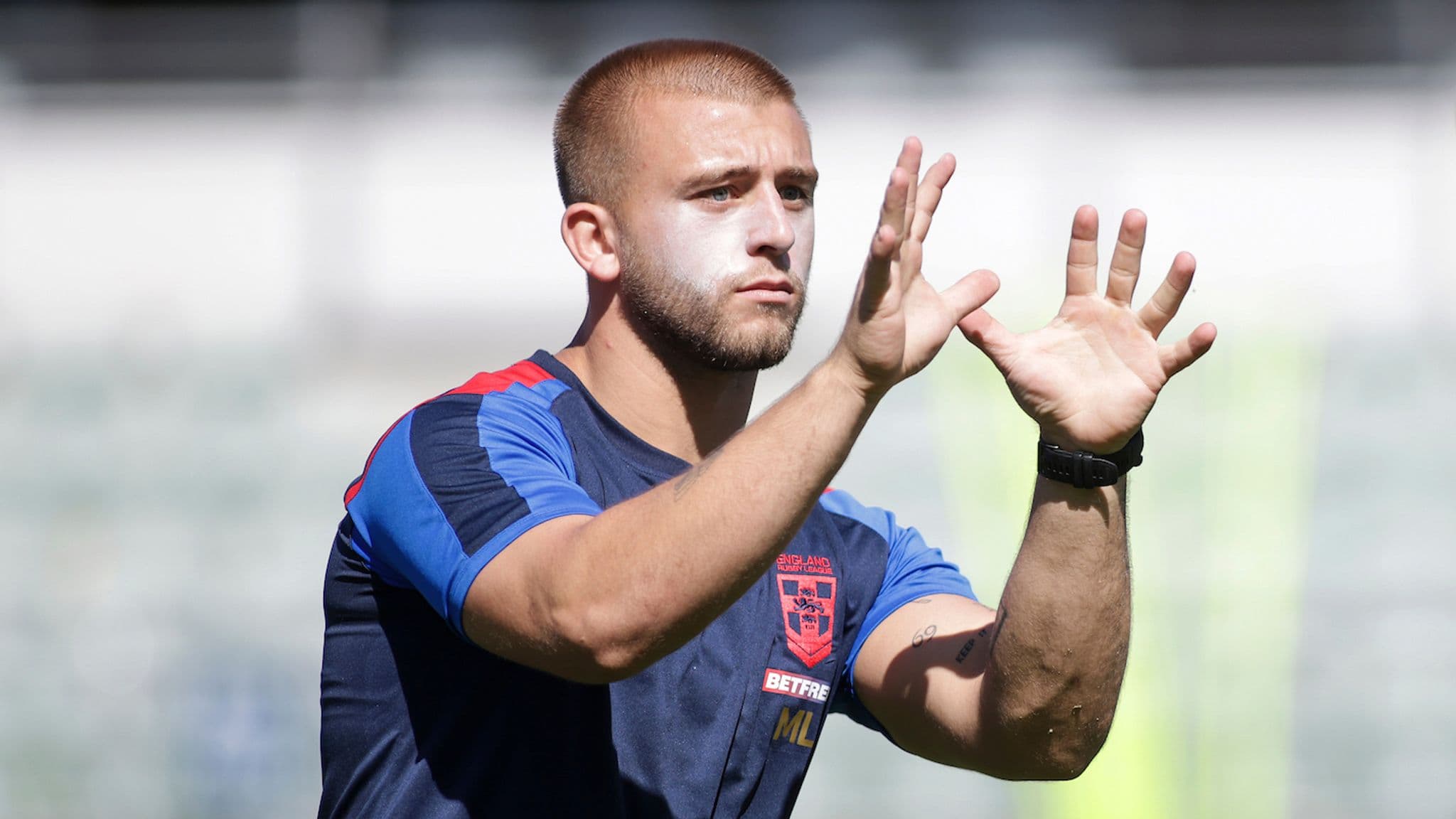
The elevation of Tonga and Samoa to Tier 1 status should not have caught England off guard. Carney suspects that the warning signs emerged back in 2017, when Tonga first emerged as a force in international rugby league. England will have monitored their trajectory closely and anticipated this development.
The sport benefits from this recognition, and credit belongs to the various individuals and organisations who have worked to elevate these teams. Yet the spark that ignited the Pacific renaissance traces back to the players themselves. Andrew Fifita, Jason Taumulolo, and Daniel Tupou made the pivotal decision in 2017 to represent Tonga, a choice that fundamentally altered the trajectory of both Tonga and Samoa in international rugby league.
Reimagining the World Cup: The 'Magic' model for 2030
The 2030 Rugby League World Cup represents a departure from convention. Rather than spreading matches across multiple venues and weeks, the tournament will adopt a Magic Weekend format—descending upon a single city for a weekend to play all matches, then relocating to another host city for the next round.
This unconventional approach bears the fingerprints of Peter V'Landys and the Australian Rugby League Commission. The ARLC possesses both the financial resources and the institutional authority to reshape international rugby league, and V'Landys has demonstrated throughout his career a willingness to challenge established norms.
Consider his approach to horse racing. When tasked with competing against the Melbourne Cup—one of the world's most prestigious racing events—V'Landys did not attempt to replicate it. Instead, he created something entirely different: the Everest race. The draw mechanism differed, the target audience shifted, the sponsors changed, and the entire presentation felt distinct from the Melbourne Cup. By every measure, the venture has succeeded.
V'Landys will not attempt to compete with rugby union or football on their own terms. His philosophy centres on differentiation. He brought rugby league matches to Las Vegas when sceptics insisted it could not work and would not succeed. Yet it did.
Carney finds himself fascinated by this approach. The sport possesses momentum, financial backing, and the will to execute this vision. While traditionalists may resist the departure from established World Cup formats, V'Landys' thinking may represent what rugby league genuinely requires. He may have identified something genuinely innovative.
This strategic direction aligns with the expansion of eligibility rules to include great-grandparents. V'Landys seeks to secure Tonga, Samoa, Fiji, Cook Islands, and Papua New Guinea—to consolidate the entire Pacific region. This represents another mechanism for ensuring these nations possess the player depth necessary to create narratives that resonate within their home countries.
Rugby league possesses an advantage in its relative smallness and fewer institutional constraints compared to larger sports. This flexibility has permitted the ARLC to determine the shape of international rugby league. When one organisation funds the enterprise, that organisation determines its direction. V'Landys appears to operate on a principle that most administrators spend careers solving problems, yet he seems to discover that those problems never existed in the first place.
Domestic uncertainty: A price worth paying
The sport currently exists in a state of domestic limbo. November has arrived, yet numerous announcements remain pending. The potential NRL partnership deal represents a transformative development for rugby league, and reaching this point has required considerable time and effort.
If this partnership materialises, delays to other initiatives become acceptable. Carney acknowledges the situation is not ideal, and it may complicate planning timelines. Yet if the final outcome delivers what the sport requires, the temporary disruption will prove worthwhile. He will not lose sleep over the delay.
Improvement in the domestic game stands as vital—not merely for international rugby league, but for the sport's fundamental health. Continuous enhancement of the domestic product matters for audiences, who represent the lifeblood of the sport. The fans are the most important constituency.
The product must improve for those supporters, and it must remain compelling enough to attract growing numbers. If the domestic game strengthens, the international game should improve by extension. Yet the primary focus must remain on the fans and ensuring they receive a product they wish to watch in increasing numbers and with genuine satisfaction.
That remains the only question that requires answering.
What happens next
Australia and New Zealand will meet in the men's final on Sunday, November 15, at Suncorp Stadium in Brisbane, with the match scheduled for 7:35 p.m. AEDT. Australia will be seeking to extend its remarkable record—the nation has now reached 16 consecutive men's World Cup finals. Australia and New Zealand also contest the women's final on November 15 in Brisbane, with the Jillaroos seeking their fifth consecutive title.