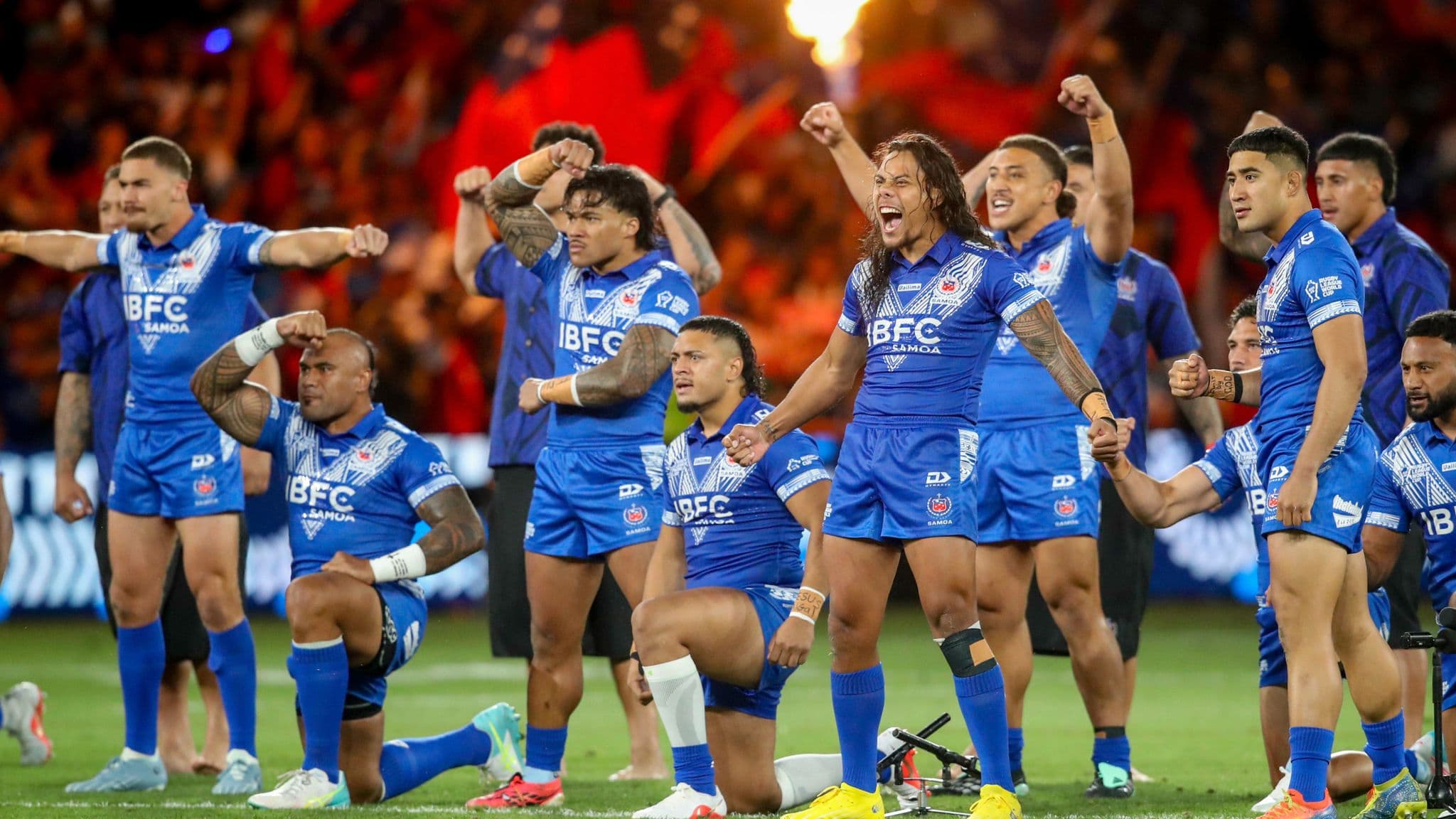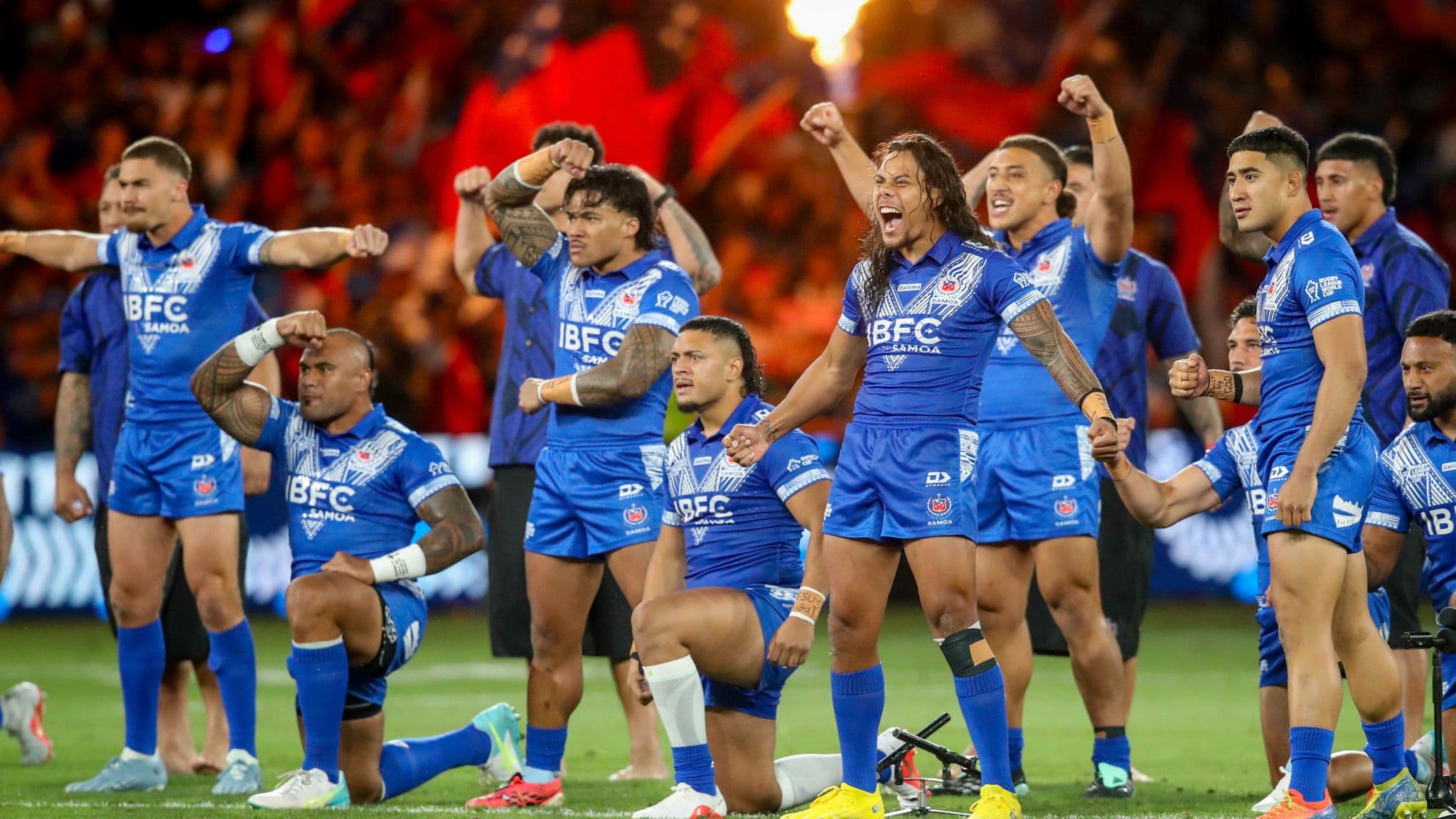
The most eagerly awaited fixture of the group stages delivered in spectacular fashion as Tonga and Samoa battled for supremacy, with both nations securing their places in the Rugby League World Cup semi-finals. According to Sky Sports, Tonga prevailed 20-18 in a thrilling final group encounter that showcased the emergence of two genuine powerhouses in international rugby league.
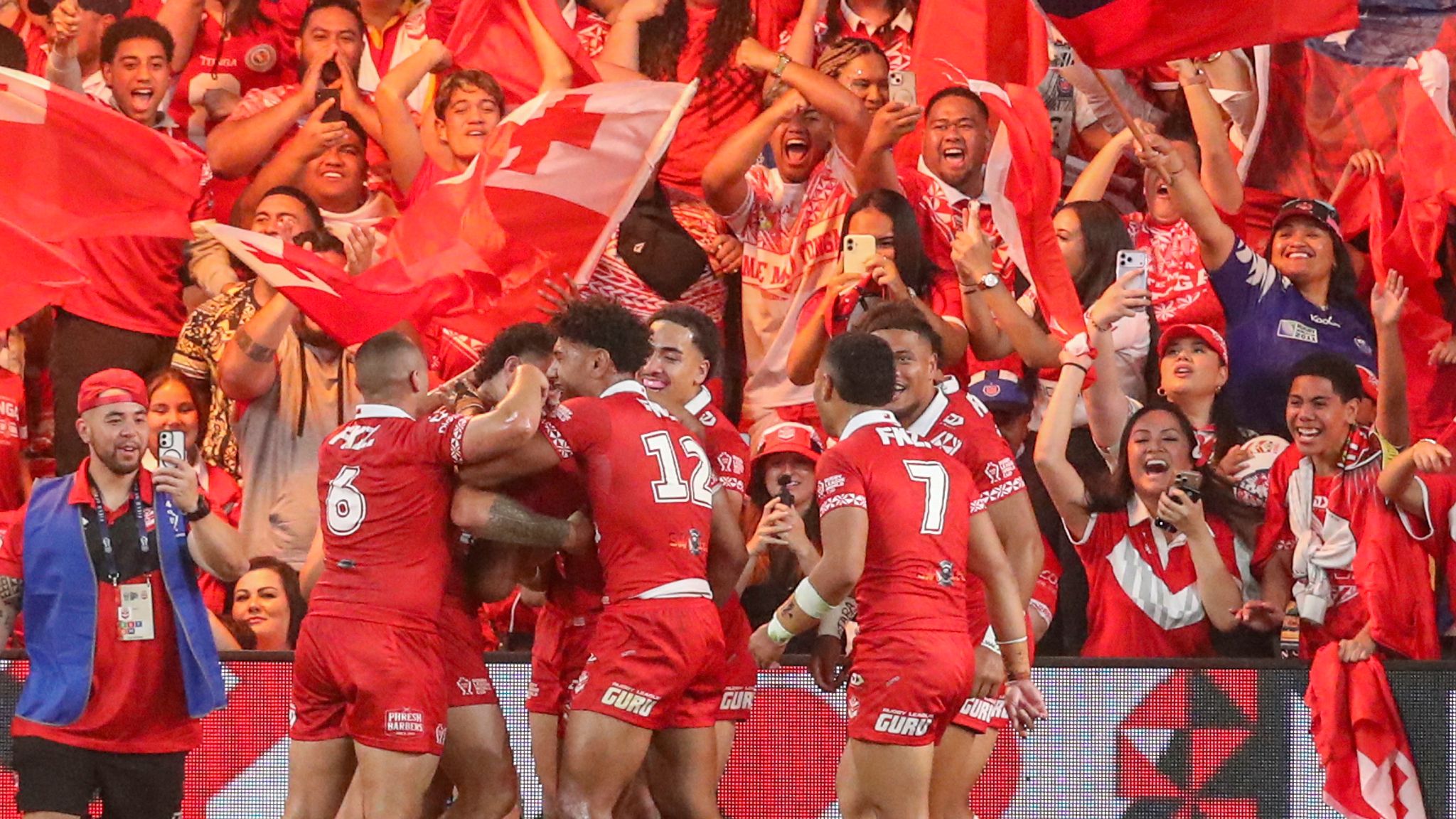
The encounter proved to be a remarkable spectacle, with supporters creating an atmosphere of unprecedented intensity. The match drew a record 29,411 spectators at CommBank Stadium, underlining the magnitude of the occasion and the passionate support both nations command.
The transformation of Tonga and Samoa into genuine contenders owes much to a pivotal shift in eligibility regulations. Relaxed rules governing player representation enabled a wave of Australian and New Zealand-born athletes to commit to representing their heritage nations, with expanded State of Origin eligibility criteria accelerating this momentum. This influx of talent has fundamentally altered the competitive landscape of international rugby league.
For the traditional powerhouses of Australia, New Zealand, and England, the emergence of these two island nations has presented a formidable challenge. England, in particular, have discovered that matches against Tonga no longer represent routine victories. The gulf that once separated the established nations from the challengers has narrowed considerably.
Head coach Kristian Woolf has been instrumental in Tonga's rise, building a squad culture of resilience and ambition. The players themselves have invested years of dedication to elevate their nation's standing on the world stage, and their efforts are now bearing tangible results.
Samoa's trajectory mirrors this upward curve. In the previous World Cup, they recovered from a heavy opening defeat to England and subsequently eliminated the English in the semi-finals, announcing themselves as a genuine threat to the established order.
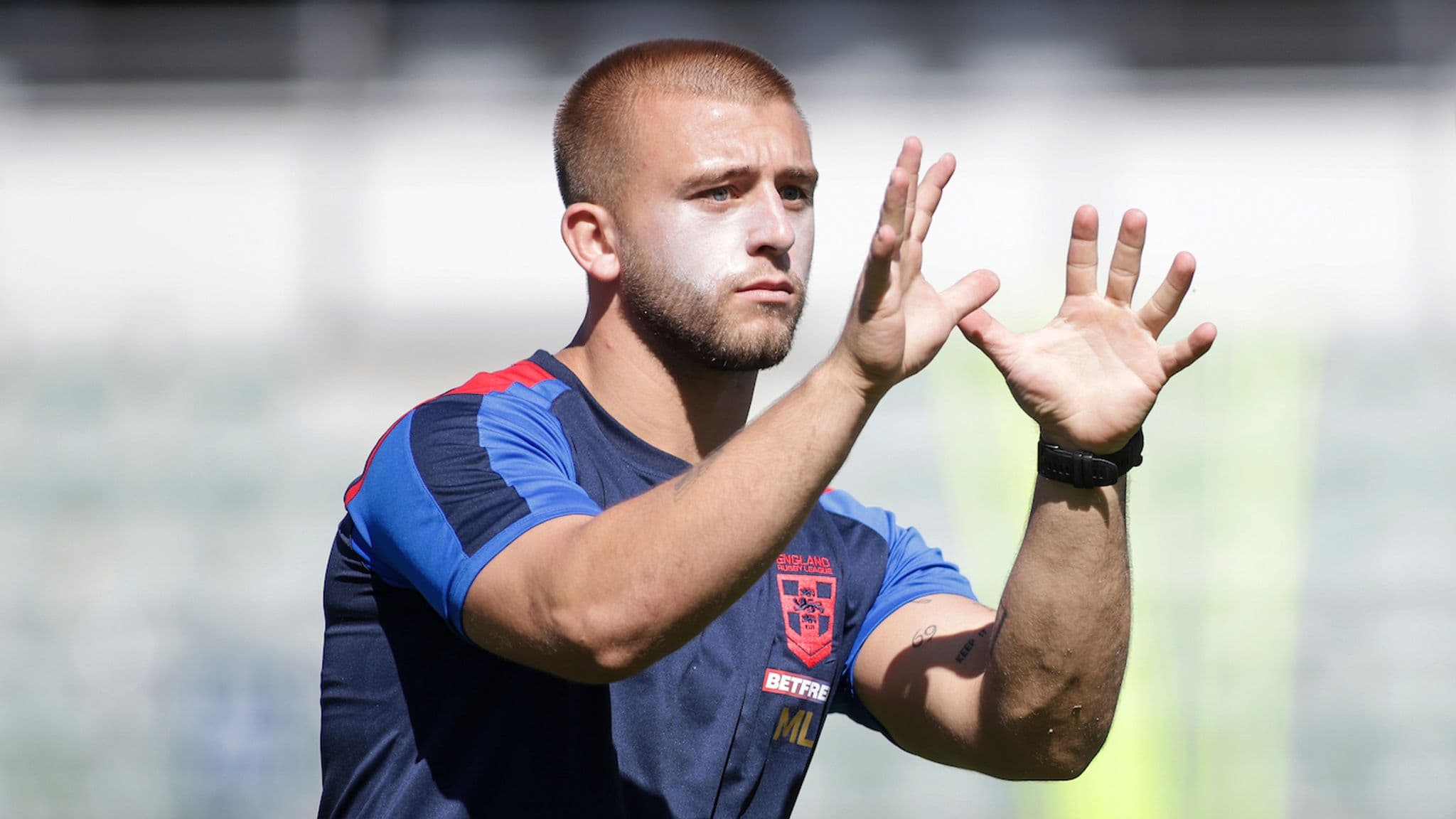
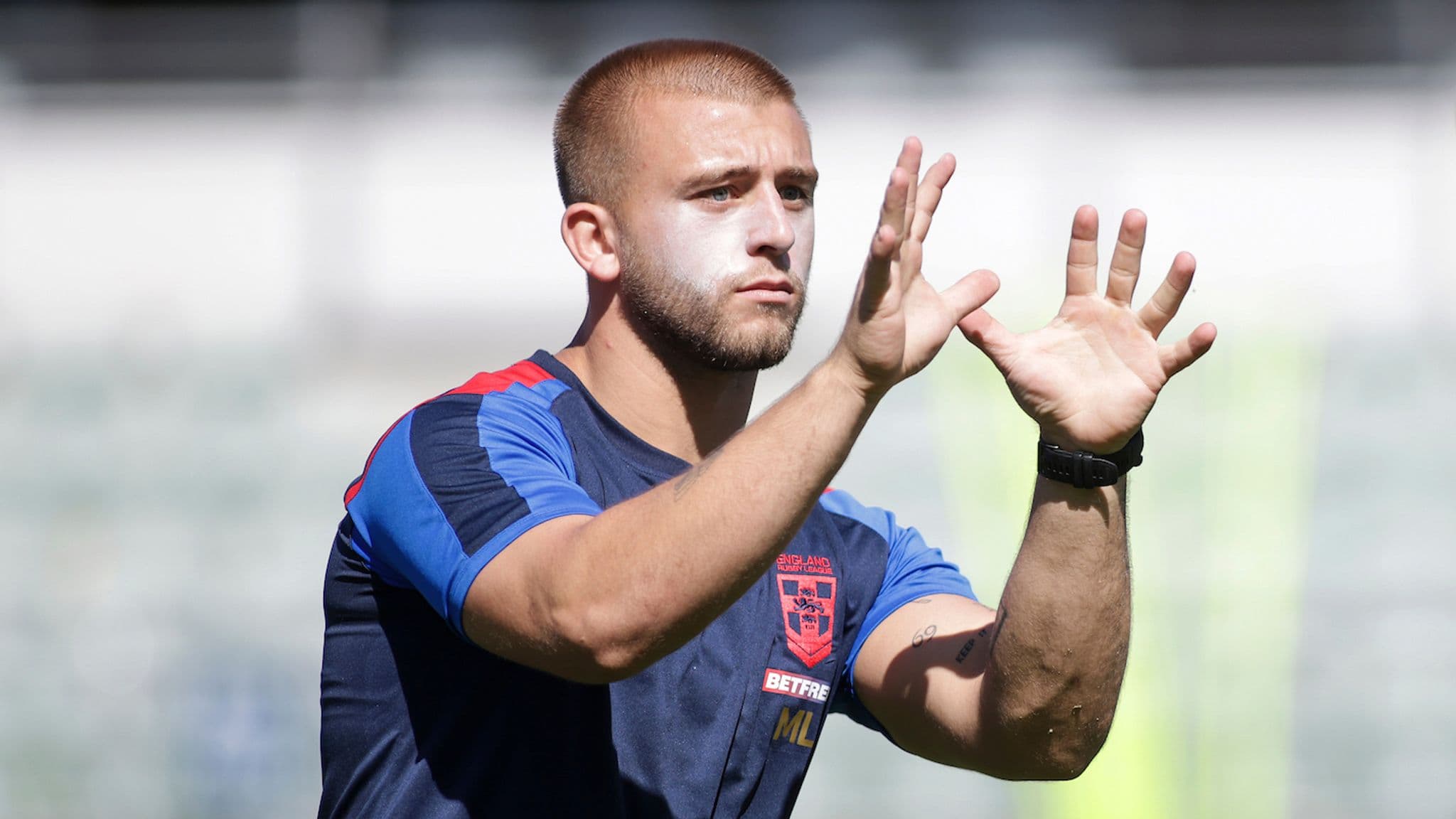
England's World Cup campaign has prompted reflection within the sport's hierarchy. Head coach Brian McDermott, appointed with minimal preparation time and facing considerable obstacles, will now oversee a comprehensive review of the tournament. The question of his future remains unresolved as the Rugby Football League contemplates the path forward.
For England to reclaim their position among international rugby league's elite, domestic investment must become a priority rather than an afterthought. The current trajectory suggests stagnation without meaningful structural change. The challenge ahead is formidable: England must essentially become the disruptors themselves, mirroring the approach that has served Tonga and Samoa so effectively.
This transformation demands sustained commitment to international competitions, dedicated training camps, regular Test matches, and a genuine prioritisation of player development pathways. The sport's most accomplished modern figures are expected to convene and contribute to reshaping the national programme. Their agenda encompasses comprehensive analysis of the entire pyramid structure, from grassroots development through to the elite international player pool.
A Shift in World Cup History
Since the Rugby League World Cup's inception in 1954, a clear pattern has dominated the tournament's narrative. Although France contested that inaugural final against Great Britain, the subsequent 15 finals have followed a remarkably consistent script. Australia has featured in every single final across that span, claiming 12 titles, whilst New Zealand secured one victory and Great Britain or England won in 1954, 1960, and 1972.
Samoa shattered this narrative in 2021 when they stunned England in the semi-finals to reach their first final. Now Tonga possesses the opportunity to write their own historic chapter. The semi-final draw has positioned Tonga to face New Zealand whilst Samoa will contest a rematch of the 2022 World Cup final against Australia.
Should both nations prevail in their respective semi-finals, rugby league will witness a genuinely unprecedented moment. Even if only Samoa advances, the sport will stage its first World Cup final without Australia since 1954—a seismic shift in the tournament's established order.
The prospect of a final contested between the Sipi Tau and the Siva Tau—the respective haka and war dances of Tonga and Samoa—would create a spectacle of immense cultural and sporting significance. The emotional resonance, the intensity, and the sheer magnitude of such a moment would reverberate far beyond the sport itself.
The Weight of Representation
The players who elected to represent Tonga and Samoa made a profound personal decision. They chose to defy convention and embrace their heritage, pledging allegiance to nations rather than the traditional rugby league superpowers. That choice carries considerable weight and meaning.
A scenario now exists where Australia and New Zealand could find themselves watching from home as these two island nations contest the sport's ultimate prize. The implications of such an outcome would extend far beyond the scoreline.
Tonga's population stands at approximately 100,000, whilst Samoa's reaches around 200,000. Yet a World Cup victory for either nation would generate shockwaves of incalculable magnitude. The scenes of celebration would transcend anything previously witnessed in the sport.
The Road to the Final
Tonga are scheduled to play New Zealand at McDonald Jones Stadium in Newcastle on Saturday, November 7, at 8:05 p.m. AEDT, whilst Samoa are scheduled to play Australia at Allianz Stadium in Sydney on Sunday, November 8, at 8:05 p.m. AEDT.
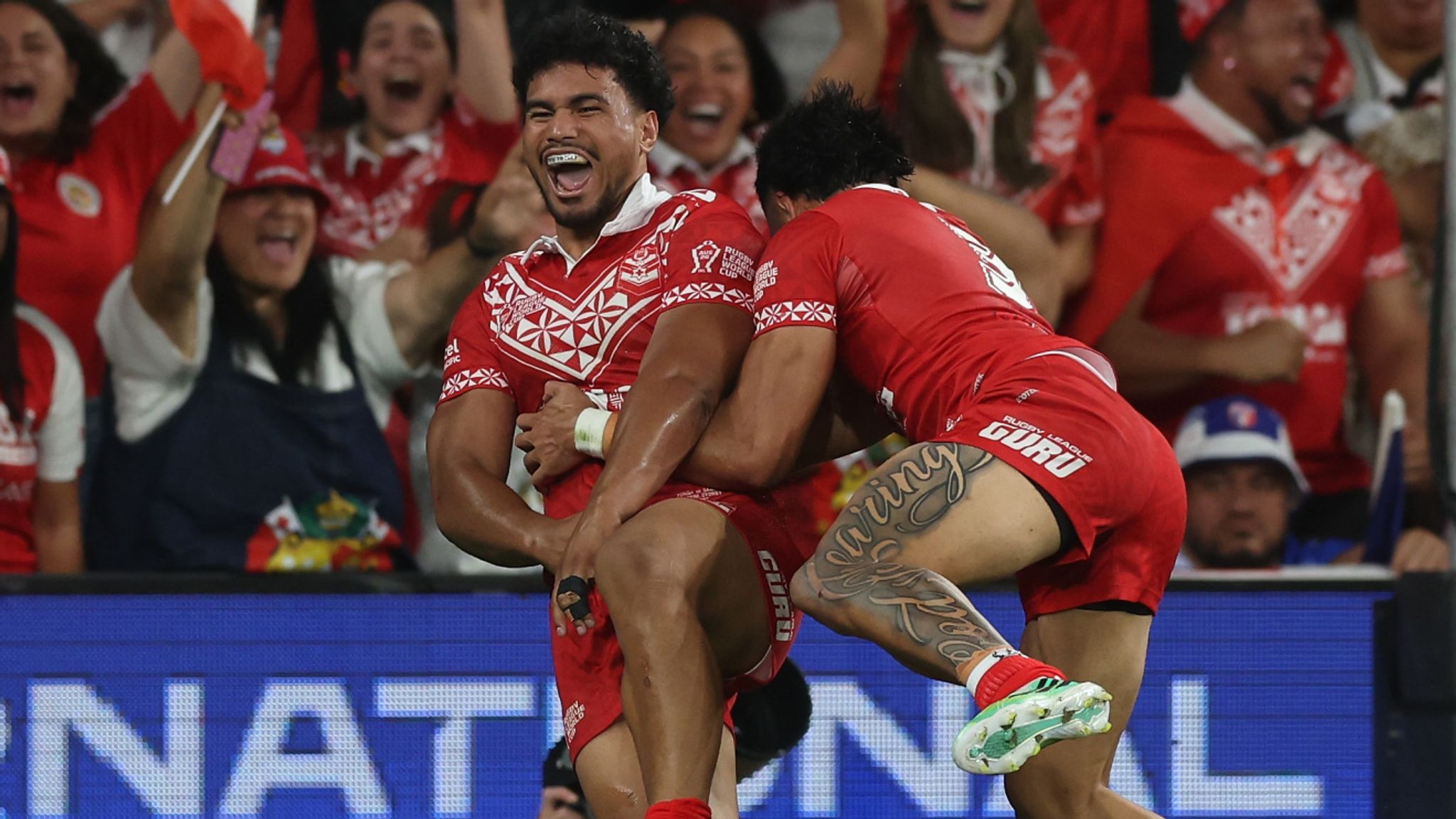
The Tonga-Samoa encounter itself provided crucial tactical insights. Tonga captain Addin Fonua-Blake scored the winning try with eight minutes remaining, securing a dramatic victory. Samoa's attacking prowess was evident as they scored four tries to Tonga's three, though they missed three conversions. Tonga's Isaya Katoa proved more reliable with the boot, successfully converting three attempts and adding a penalty goal.
Samoa's preparation for their semi-final has been complicated by injury concerns. Chanel Harris-Tavita sustained a hamstring injury during the match against Tonga and underwent scans to determine his availability for the knockout fixture, adding an element of uncertainty to their campaign.
Meanwhile, England's elimination was confirmed by Tonga's victory. The English would have required Tonga to lose by a margin exceeding 46 points to progress, a scenario that never materialised. The tournament's group stage has thus delivered a genuinely transformative outcome for international rugby league, with two nations poised to challenge the established order in the sport's most prestigious competition.