Jack Willis has suggested he might consider representing Ireland instead, with the flanker currently unable to play for England due to the RFU's restrictions on overseas-based players.
The 29-year-old back row forward at Toulouse has delivered an exceptional season in the Top 14, earning the accolade of the league's Player of the Season for the second consecutive year this week.
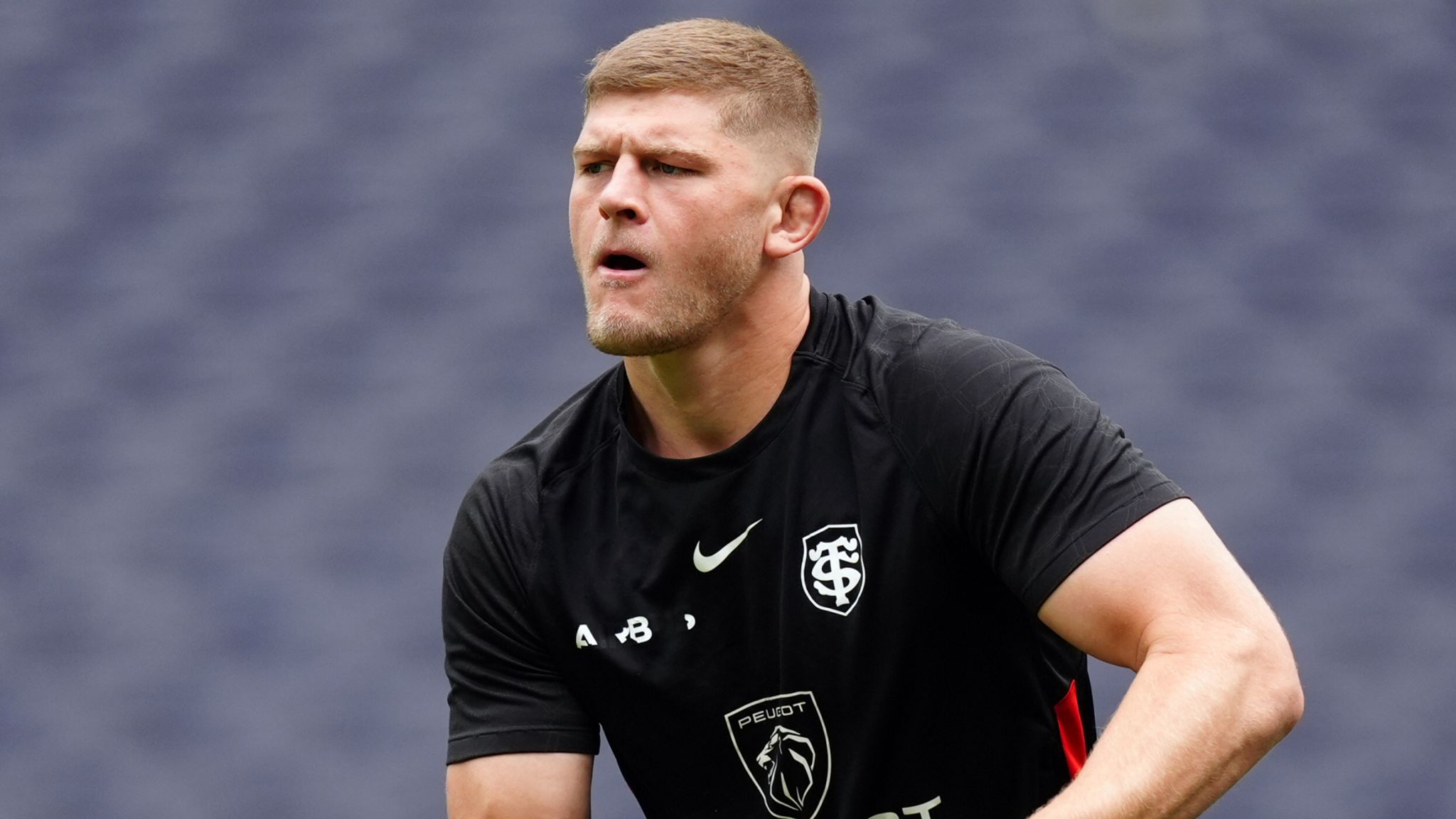
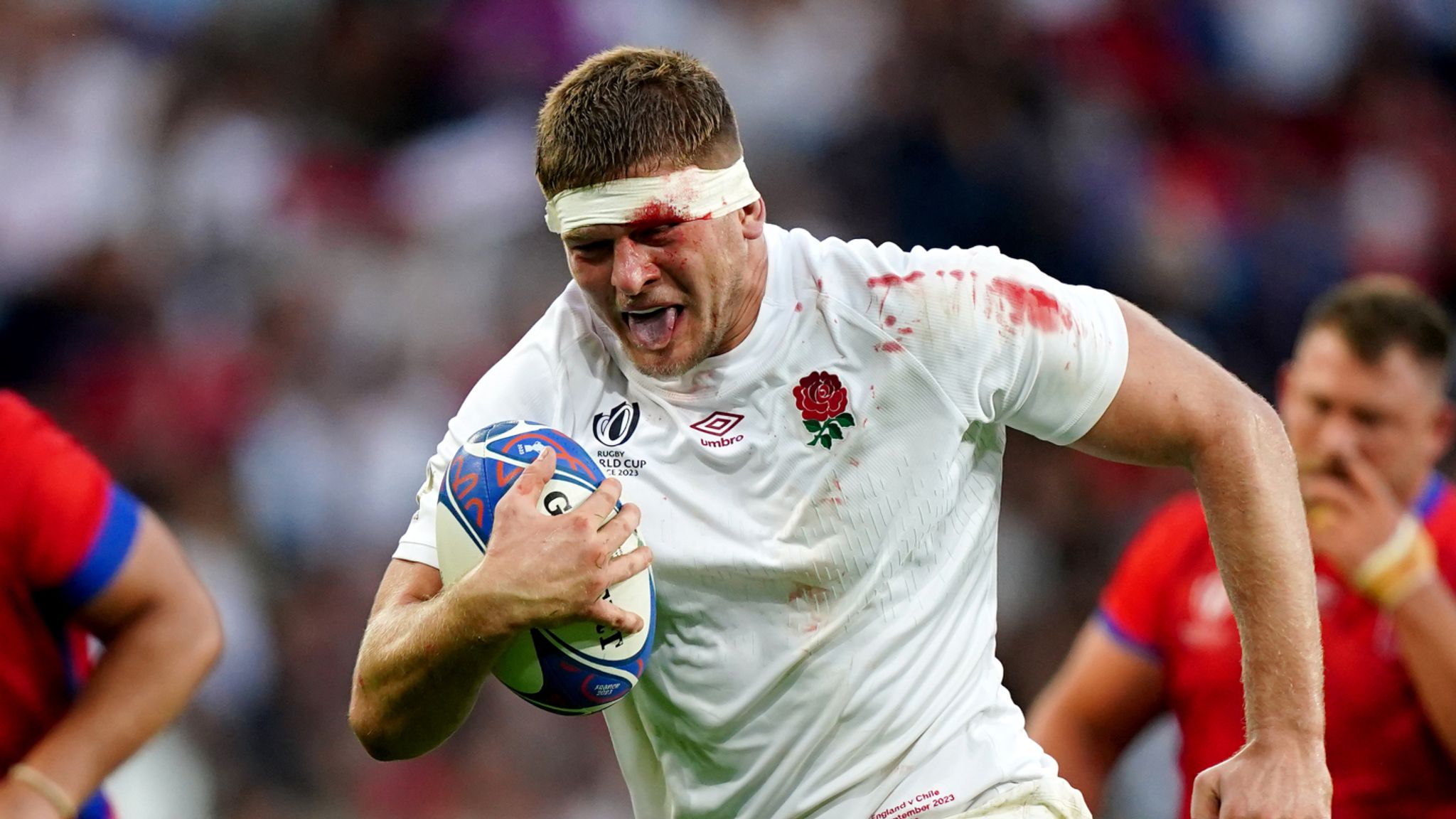
Since joining the French club in November 2022 following Wasps' administration, Willis has been locked out of England selection. He earned his most recent cap during England's pool-stage win over Chile at the 2023 Rugby World Cup, bringing his total to 14 appearances. His contract with Toulouse runs through 2029.
The RFU granted Willis special permission to feature in that World Cup tournament despite his overseas status, but the governing body has maintained its general policy excluding foreign-based players from the national setup.
Willis possesses Irish heritage through his grandfather, who was born in Belfast, making him theoretically eligible to switch allegiances and join Andy Farrell's Ireland squad. However, a significant obstacle remains: Ireland enforces comparable restrictions, requiring prospective internationals to play for one of the country's four provinces—Munster, Ulster, Leinster or Connacht.
According to Yahoo Sports, a potential pathway to Irish selection would involve Willis securing a one-year loan deal with one of those provinces by July 2027, enabling him to participate in Ireland's pre-World Cup preparation camp.
Willis has not abandoned his ambitions in international rugby and playfully urged journalists at this week's Nuit du Rugby ceremony in Paris to devise a solution to the eligibility restrictions.
I'm a quarter Irish. But they have the same rules as England,
Willis told The Telegraph and The Times.
You need to do some digging, that's your job, you find the way [around the rules].
He added with humour to the assembled reporters.
World Rugby modified its international eligibility framework in 2021, permitting players to change national representation under specific circumstances. These include having a parent or grandparent born in the target nation and observing a three-year hiatus from international competition.
Willis has continued to flourish in French rugby since his move to the south of France. He proved instrumental in Toulouse's fourth straight Top 14 championship last season, contributing six tries and executing 173 tackles across the campaign.
The flanker acknowledged that he "missed" representing England, yet maintained that his decision to pursue his career in France was deliberate. According to BBC Sport, Willis's original move to France was not his choice, as it came after Wasps' collapse, but he has since chosen to remain at the club despite understanding the consequences for his England prospects.
You know what you sacrifice,
Willis explained.
It's something I still want to do, but rules are rules.
On 29 September 2026, Willis indicated he would be "definitely" content to conclude his playing career at Toulouse and stated he could not discuss matters beyond his existing contract, according to the Irish Examiner.
Premiership concerns over eligibility changes
The debate surrounding England's overseas-player policy has intensified recently. Sale Sharks director of rugby Alex Sanderson has cautioned that relaxing England's restrictions would prove catastrophic for the Premiership, signalling that domestic clubs fear losing their top talent to overseas opportunities if the RFU reverses course.
Ireland's precedent with overseas players
Ireland has demonstrated flexibility with its overseas-player policy in the past. Johnny Sexton represented Racing 92 while playing for Ireland, and Tommy Bowe continued his international career while at the Ospreys. By contrast, Simon Zebo was excluded from Irish selection after moving abroad, showing the union's inconsistent approach to overseas-based players.
Willis's situation remains unresolved, with the flanker caught between his ambitions for international rugby and the restrictive policies of both the RFU and the Irish Rugby Football Union.