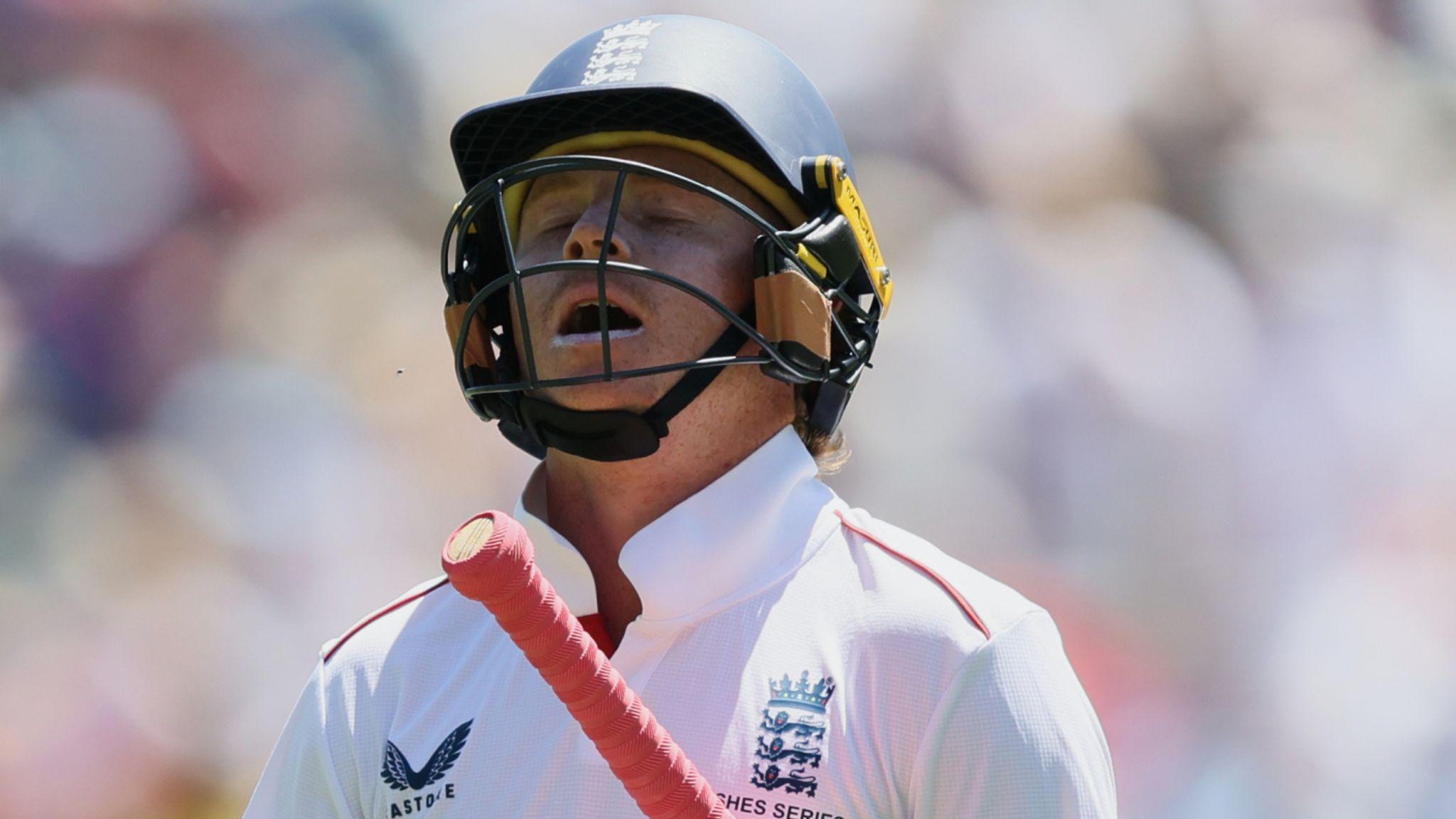
As Australia grapples with renewed controversy over past conduct, England appear intent on capitalising on lessons learned from their own recent failures.
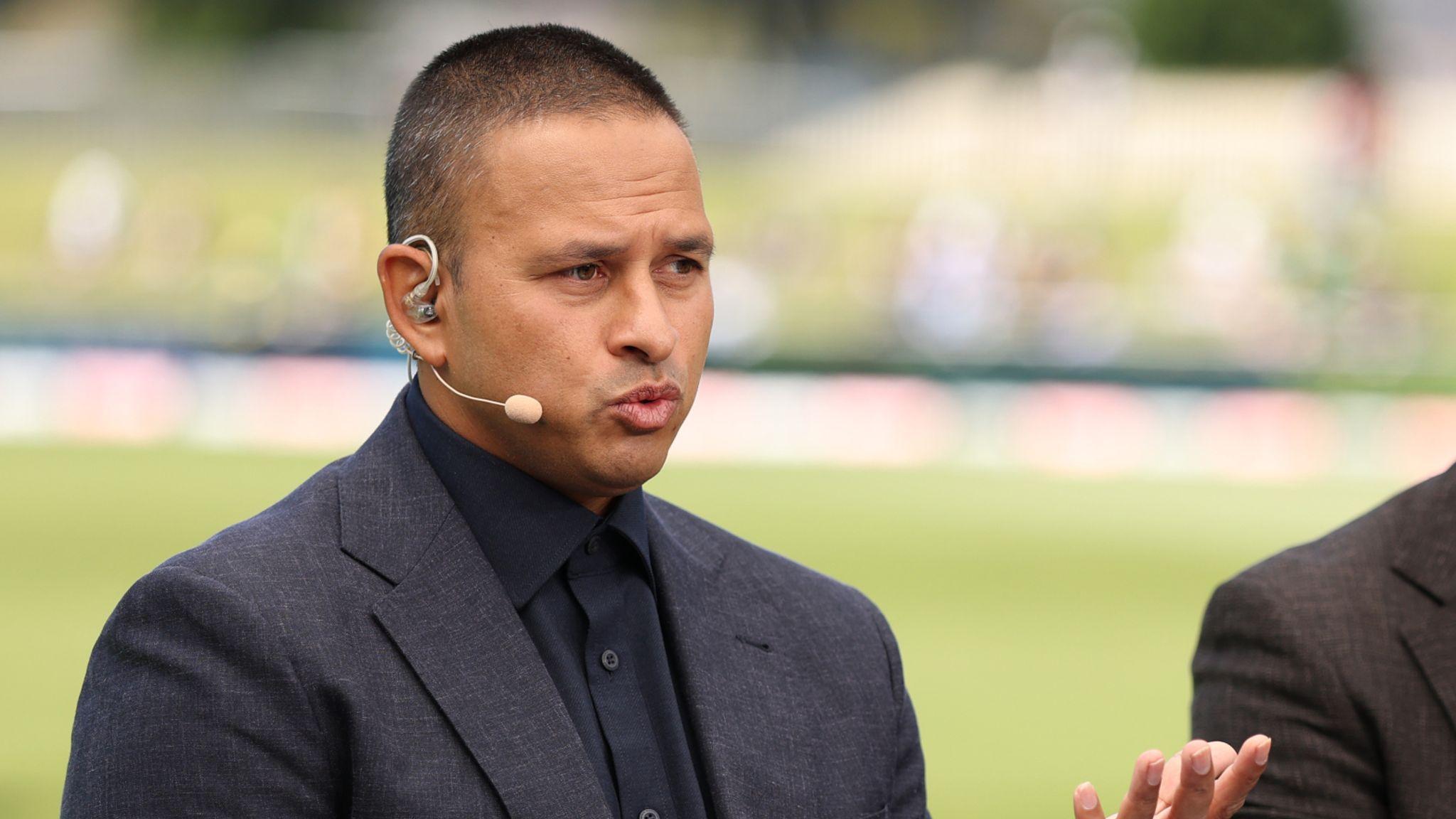
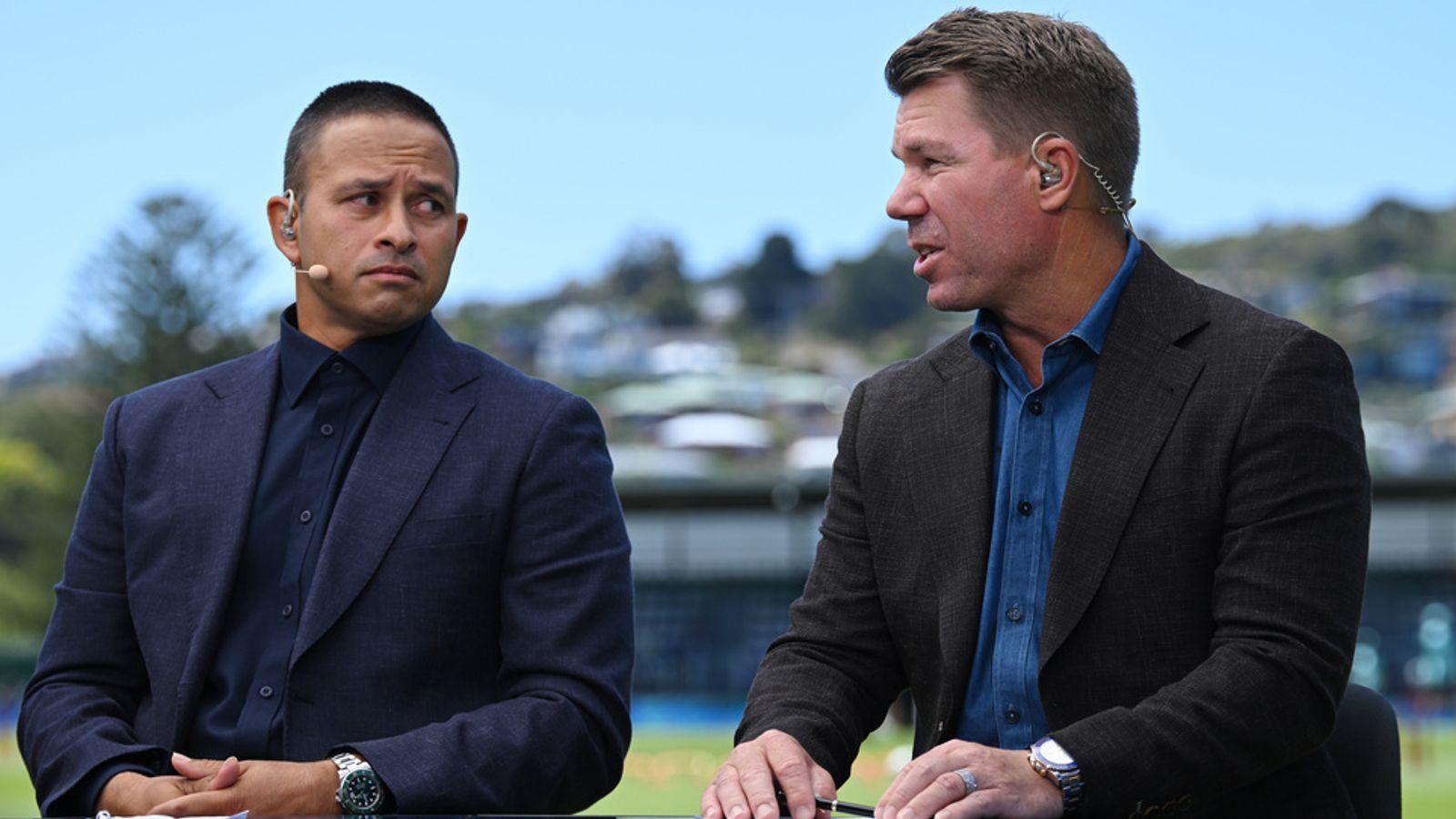
The white-ball contest between the Ashes rivals, commencing with the first ODI in Perth on Friday, has been overshadowed by allegations contained in Usman Khawaja's recently released autobiography. According to Sky Sports, Khawaja has claimed that every member of Australia's squad in 2018 possessed advance knowledge of the ball-tampering scheme in South Africa, and that sandpaper had allegedly been deployed during the preceding Test against the Proteas in Gqeberha.
Mitchell Starc, the fast bowler who featured in that 2018 series and remains a central figure in Australia's attack, has consistently rejected these assertions. According to ABC News, Starc stated that the bowlers first saw the sandpaper on the big screen in Cape Town and that he had not known of its alleged use in the previous Test. The dispute over who knew what and when may never reach a definitive conclusion.
Meanwhile, David Warner has publicly backed Khawaja's account, calling it "100% true", adding further complexity to the unfolding saga. Khawaja has cancelled several media appearances after facing questions about his claims, while the Australian Cricketers' Association called for calm. Cricket Australia has declined to reopen its inquiry into the 2018 incident.
England determined to avoid repeat of Ashes preparation failures
England, observing these developments with evident satisfaction, have returned to the venue of their own recent cricketing catastrophe. The issue was not ball-tampering but rather woefully inadequate preparation for a series of the magnitude of The Ashes.
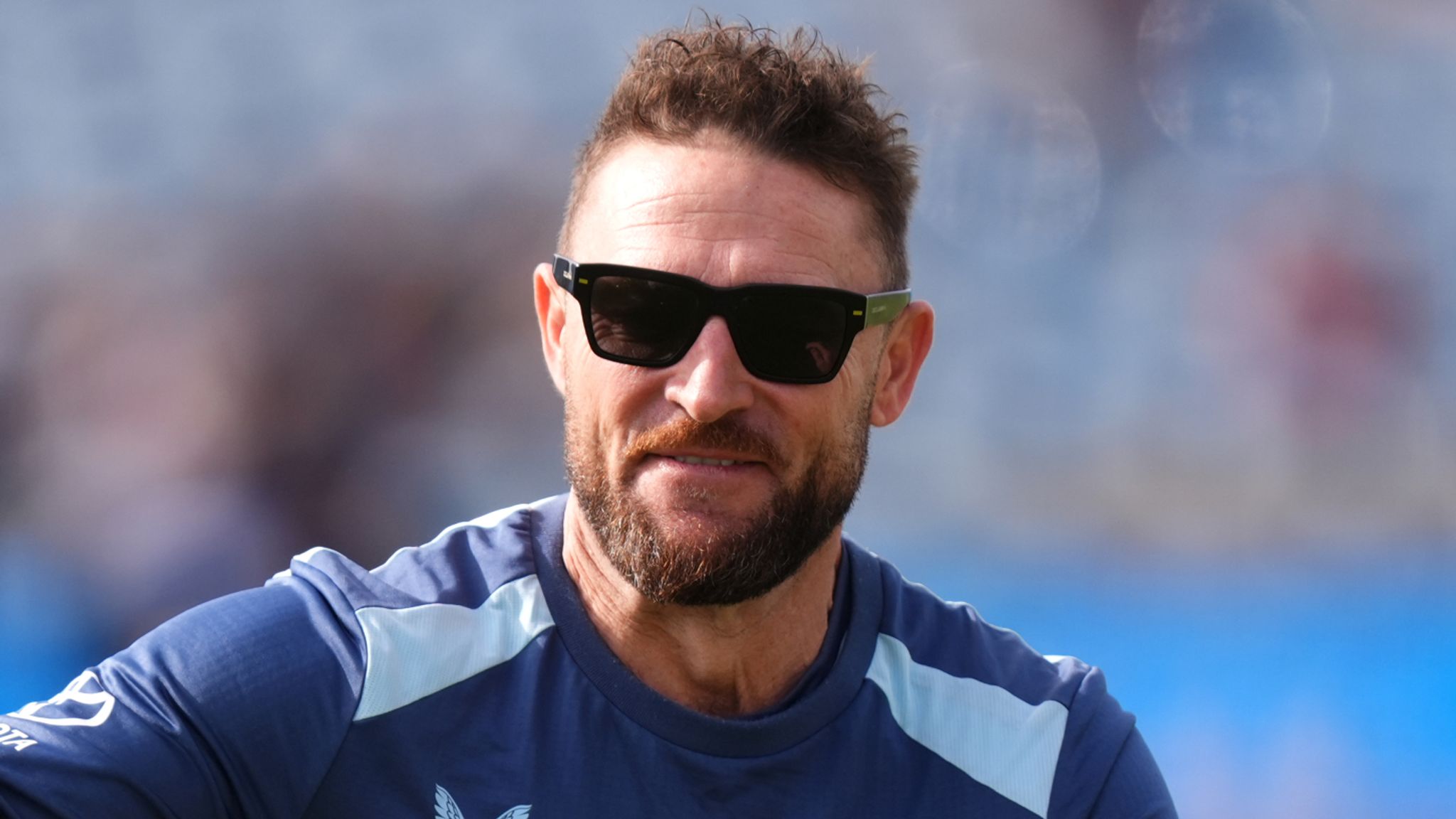
Brendon McCullum held the Test coaching position at that time—he was dismissed in July following the 4-1 Ashes defeat and a subsequent 2-1 series loss at home to New Zealand—and oversaw a shabby preparation for the opening Test. The only warm-up fixture was an intra-squad match on a benign pitch at Lilac Hill, which bore no resemblance to the bouncy conditions at the Optus Stadium where Perth's Ashes opener took place. The consequence was catastrophic for England.
A contest that appeared destined for victory instead ended in defeat inside two days, precipitated by a stunning batting collapse driven by the misguided decision to repeatedly drive on the up. Equally problematic was the failure to address this dismissal pattern between the Perth loss and the subsequent day-night defeat in Brisbane.
Following the pink-ball mauling at The Gabba, the series had already slipped beyond England's grasp. When they returned from a beach break in Noosa—which some observers characterised as drink-laden—and subsequently lost in Adelaide, the series was definitively lost. The Ashes were gone.
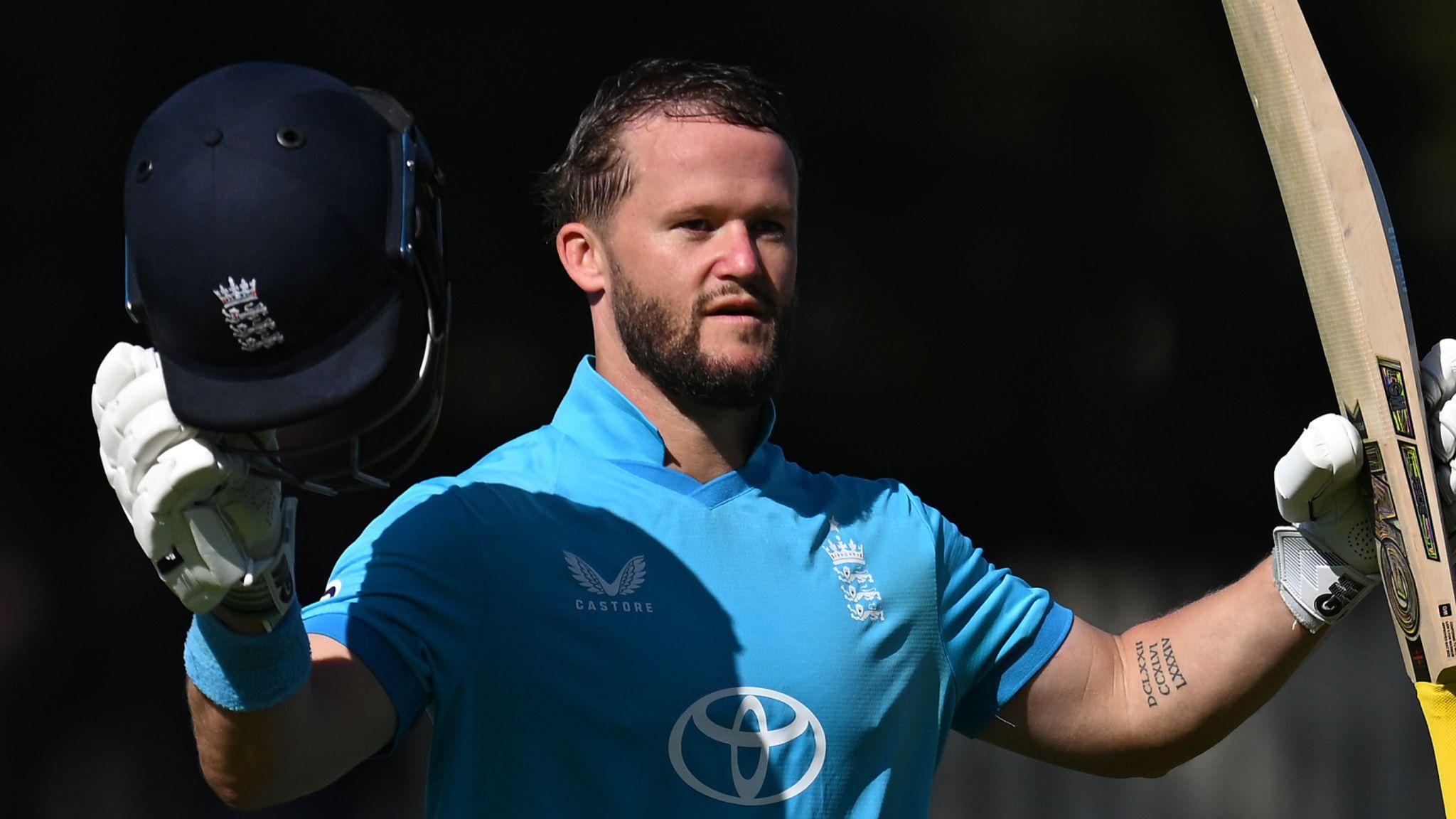
This iteration of England, however, may represent a different proposition. McCullum remains in the white-ball coaching role despite his Test dismissal, and captain Harry Brook is keen to demonstrate growth from the harrowing experience of twelve months prior.
Michael Atherton told the Sky Sports Cricket Podcast:
I think the Ashes was a bit of a wake-up call for players like Brook so he will come to this tour now a bit older and a bit wiser - and hopefully hurting to a degree where England are motivated to put on a show.
Contrasting preparation strategies reveal England's evolution
McCullum, retained as limited-overs head coach following his Test removal, has overseen a largely successful white-ball programme. Aside from a problematic tri-series in the subcontinent where England faltered in run chases against Pakistan and Sri Lanka, results have been encouraging.
The team has secured three consecutive bilateral 50-over series victories and currently occupies the top position in the T20 rankings, first achieved after routing India 4-0 in July and subsequently reinforced by sweeping Sri Lanka 3-0 in September.
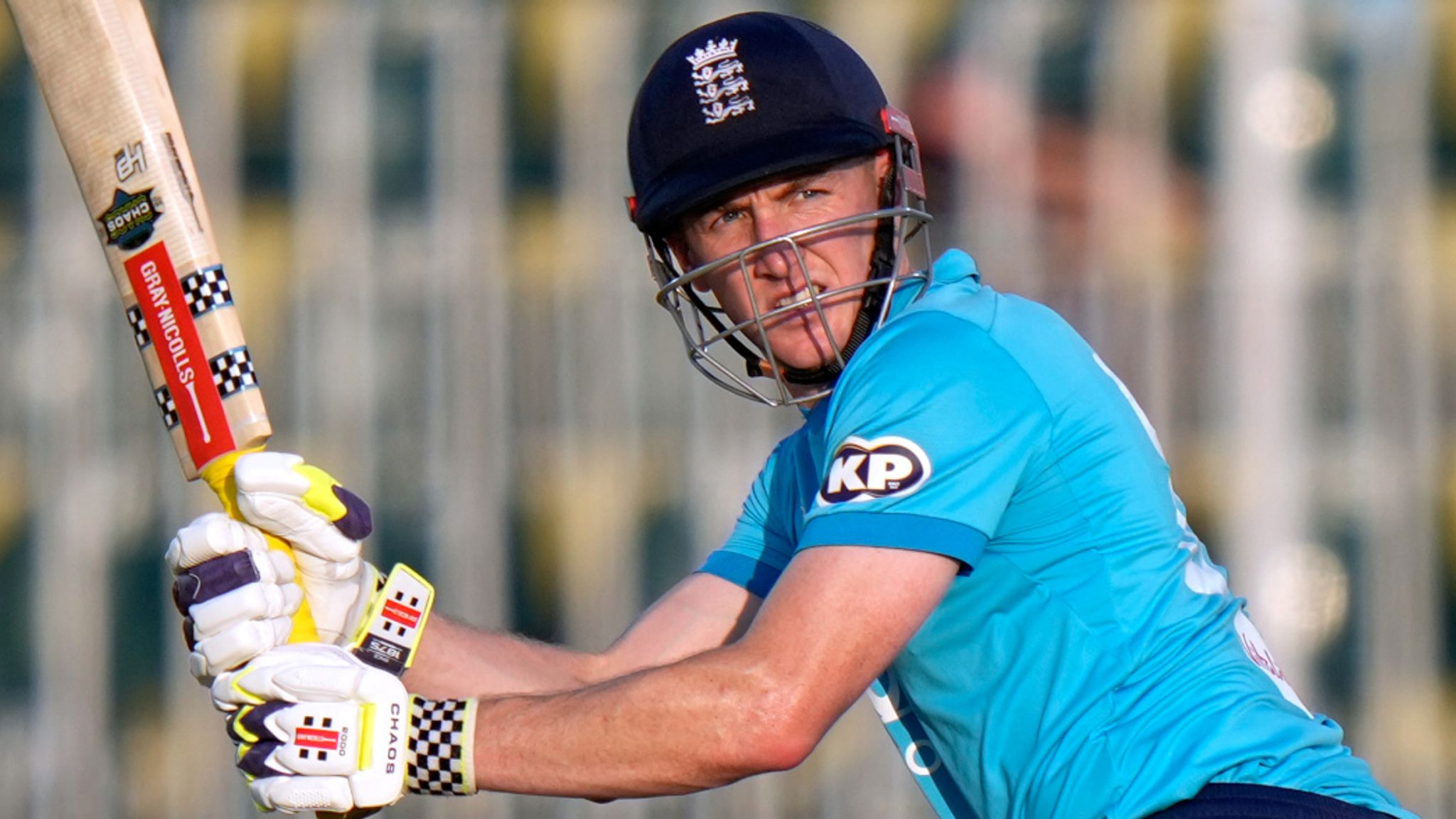
Critically, England have made astute tactical decisions both on and off the field through Brook's captaincy and management's strategic choices. This includes the decision to stage a proper warm-up fixture ahead of the Australia ODIs—a 92-run victory over Western Australia at The WACA on November 7. England scored 251 with Western Australia dismissed for 159 in 32.3 overs.
This approach will be replicated ahead of the three-Test series in South Africa commencing December 17, when Joe Root's red-ball squad will face a Cricket South Africa XI in Durban. A practice match is also scheduled for their return to Australia in March for the 150th anniversary Test in Melbourne.
On the superior preparation for Friday's contest at the Optus compared to last November's circumstances, Brook reflected:
The conditions [at the WACA] always feel a lot closer than Lilac Hill. The bounce, the carry, the pace of the pitch - it's miles away from what Lilac Hill offered us. Thankfully we got the opportunity to play there.
He continued:
The key is to try and be one of the fittest and strongest sides in the world. You can never guarantee [winning] but you can guarantee the off-field preparation can be a lot better.
Australia's disrupted preparations amid renewed controversy
Australia's off-field arrangements have undoubtedly been compromised by Khawaja's explosive revelations, despite the fact that only one player from the Cape Town Test eight years ago features in the three ODIs and five T20s.
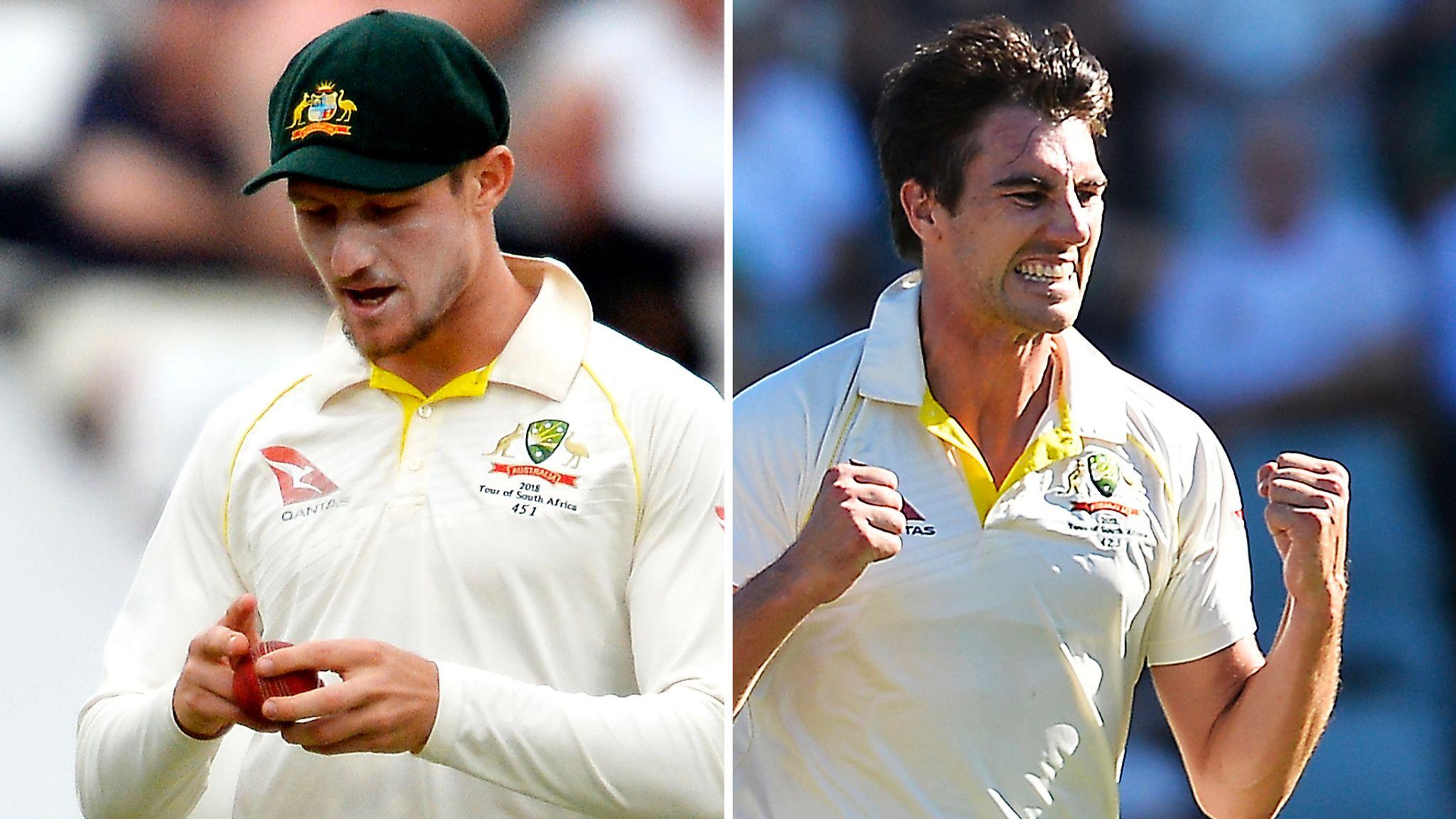
Mitchell Marsh represents the sole figure from the Newlands drama who will participate. As Australia's captain for the England white-ball contests, he will inevitably face intense questioning regarding his knowledge—or lack thereof—of Cameron Bancroft's use of sandpaper on the ball.
Starc and fellow pace bowling veterans Josh Hazlewood and Pat Cummins, who were also involved in the 2018 Test, have been rested from the England white-ball series. Starc has already retired from international T20 cricket entirely. Their absence from the ODIs against a formidable touring side suggests Australia's pace bowling unit will appear somewhat inexperienced. Their names, however, will likely feature prominently in discussions following Khawaja's allegations.
In 2021, Starc, Cummins, Hazlewood and spin bowler Nathan Lyon released a joint statement denying any prior knowledge of the ball-tampering. Whether they feel compelled to issue further official statements—collectively or individually—remains uncertain.
What is evident is that England possess an opportunity to make a significant statement in the ODIs by capitalising on Australia's vulnerability. The home team is weakened both by their 2-1 Test series defeat in South Africa and by the resurgence of ball-tampering allegations.
Atherton added perspective:
When England arrived a year ago, all the guns were trained on them, the classic Pommie-bashing. "Average Joe" Root, never got a Test hundred here. Pictures of the 'New Zealand-born, whining' Ben Stokes coming through the airport. All the usual focus on England. Now the focus is on the home team - and for an Englishman there is no better time to be in Australia than when the Australian team are tearing themselves apart, as they seem to be doing right now.
Injury blow for England ahead of Perth opener
England's squad has been affected by injury concerns ahead of the series. Jacob Bethell has been ruled out of both the ODI and T20I series against Australia with a knee injury, forcing a reshuffle of the touring party.

What happens next: ODI schedule and T20 fixtures
The first ODI is scheduled for November 13 at Perth Stadium, with subsequent matches in Adelaide on November 15 and Hobart on November 18. The T20 series will follow the ODI contests.
ODIs will commence at 3.30am UK time, with T20s beginning at 8.15am UK time, presenting a challenging viewing schedule for supporters in Britain and Ireland.