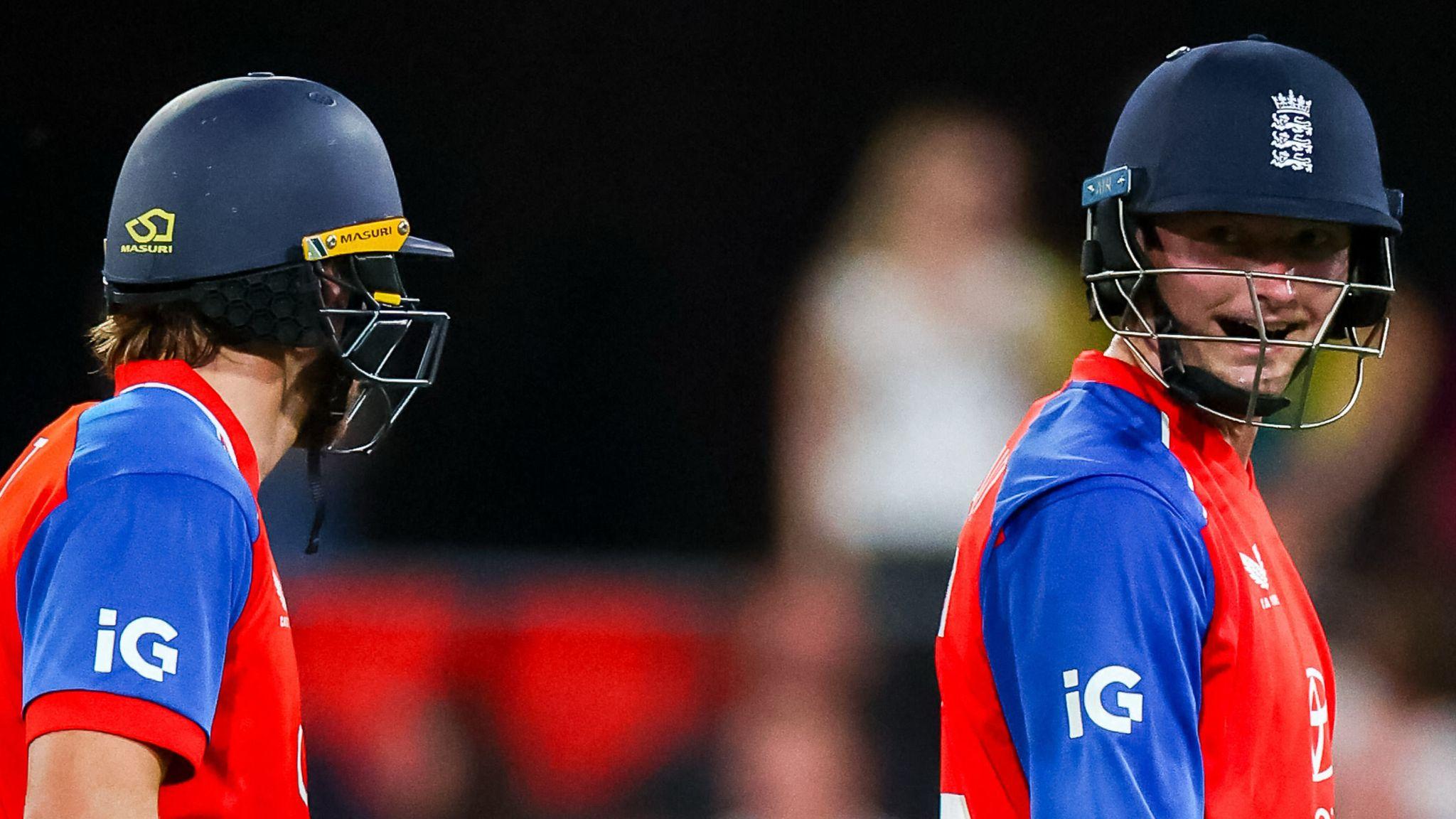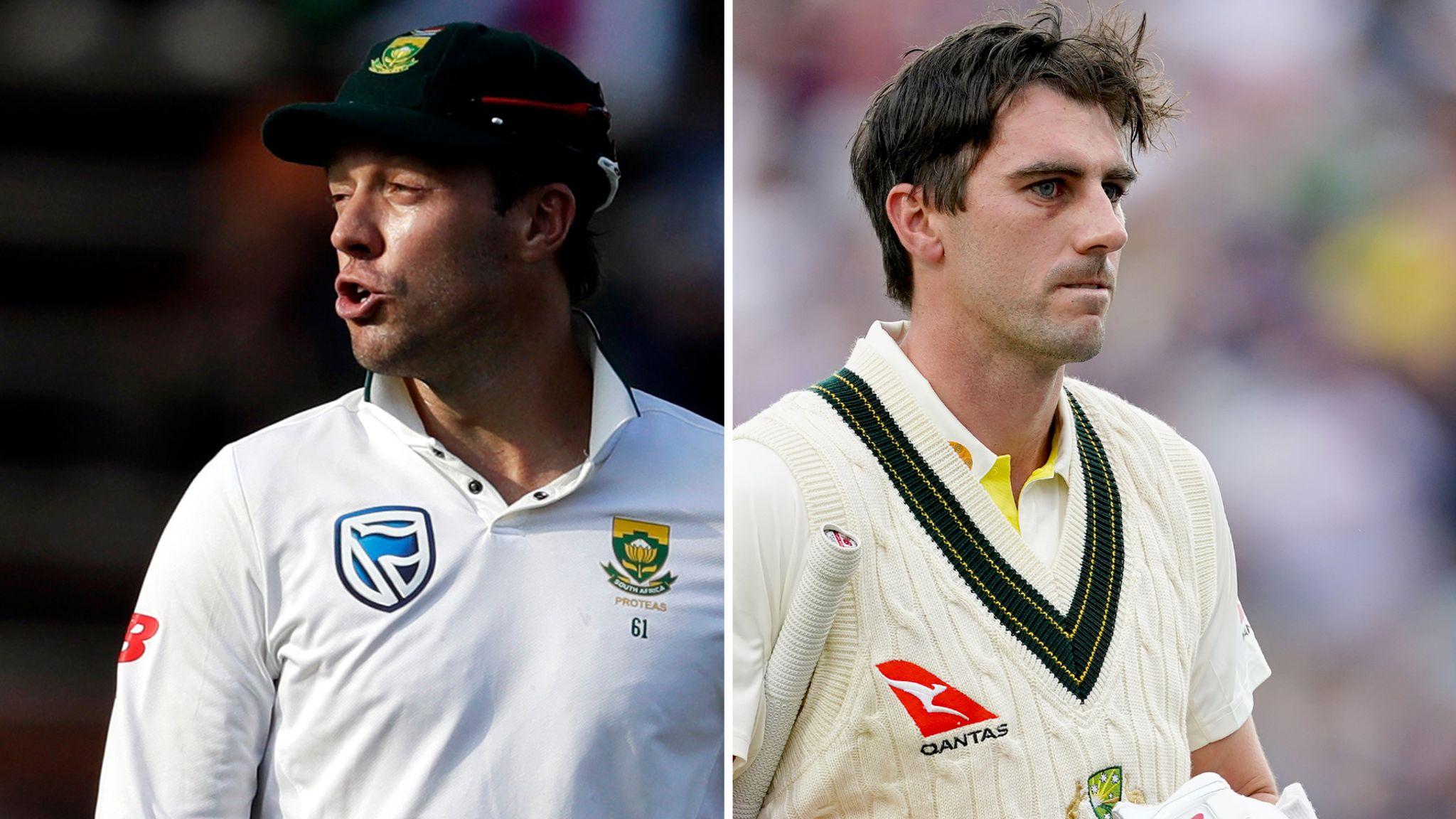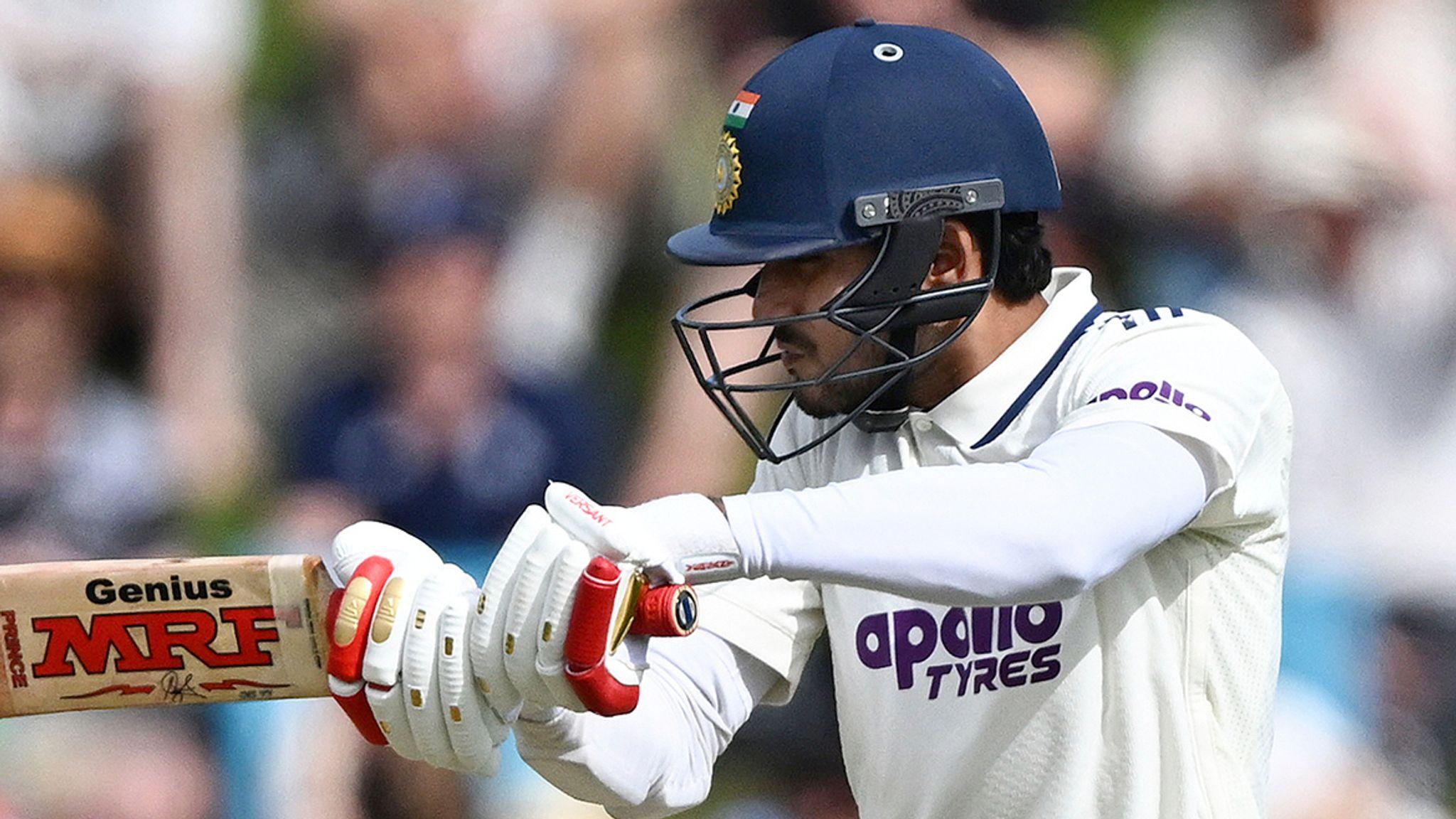
India captain Shubman Gill has renewed calls for the International Cricket Council to lift its prohibition on using saliva to shine the ball, expressing frustration after his side's inability to force victory against a determined New Zealand in the first Test at Wellington.
According to Sky Sports, a resolute partnership between Daryl Mitchell and Glenn Phillips endured for 43 overs on the final day to secure parity in the opening match of the two-Test series, denying the high-flying tourists the victory they sought after declaring on 720-9—a record score by any team batting in New Zealand.
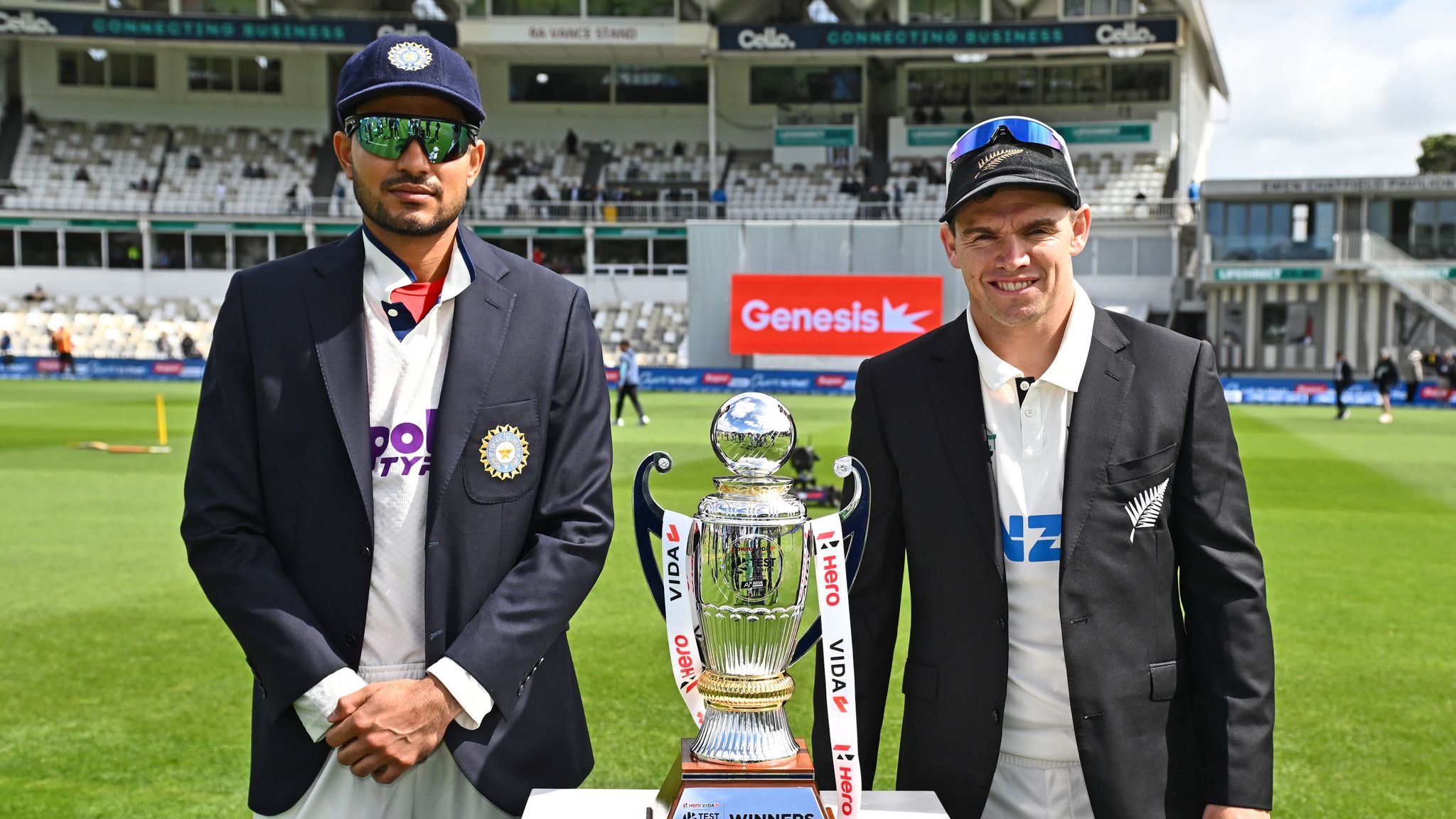
Gill's frustration centred on the continued restrictions on saliva, which the ICC temporarily prohibited in May 2020 and made permanent in September 2022. The measure was originally introduced to reduce the spread of Covid-19, yet the ban remains in place years after the pandemic subsided.
"I don't know why ball shining [using saliva] is not allowed," Gill said. "It's been years since the Covid-19 pandemic passed, I don't know why it's not allowed now."
Sweat remains the only permitted method for polishing the ball under current ICC regulations. Gill's concerns extended beyond the saliva restriction; he also questioned the quality of the Kookaburra ball, noting that it became soft after 20–25 overs, which he argued made bowling considerably harder.
India's record-breaking first innings sets the stage
The match will be remembered chiefly for India's extraordinary first-innings accumulation. K.L. Rahul anchored the innings with 136, opening with a 130-run partnership with Yashasvi Jaiswal, who contributed 85. Rahul then added 165 for the second wicket alongside Devdutt Padikka, who made 80, before combining with Gill for 91 runs. Gill departed for 98 just two balls before the close of day three.
Wicketkeeper Rishabh Pant then seized the initiative, compiling an aggressive 128 from 153 balls. He shared a 100-run stand with Gill, a 68-run partnership with nightwatchman Anshul Kamboj, and a 75-run alliance with Dhruv Jurel, who finished with 78. India's declaration at 720-9 left New Zealand facing an enormous target and the prospect of chasing down an improbable lead.
New Zealand's fightback from the brink
New Zealand's first innings had begun in dire circumstances. Sent in to bat on a green pitch, the hosts collapsed to 70-5, appearing destined for a heavy defeat. However, Henry Nicholls (175) and Glenn Phillips (118) combined in a 216-run partnership that rescued New Zealand to 368.
Phillips' contribution proved vital. His measured 118 in that first-innings recovery set the tone for his later defensive masterclass. Nicholls, who remained unbeaten on 175, reflected on the turnaround with satisfaction.
"As you look back over the five days from that first innings to where the game ended up, the wicket changed throughout but I thought it was a great test match," Nicholls said. "Both teams gave it everything. For us to get a draw from where we were was a pleasing result."
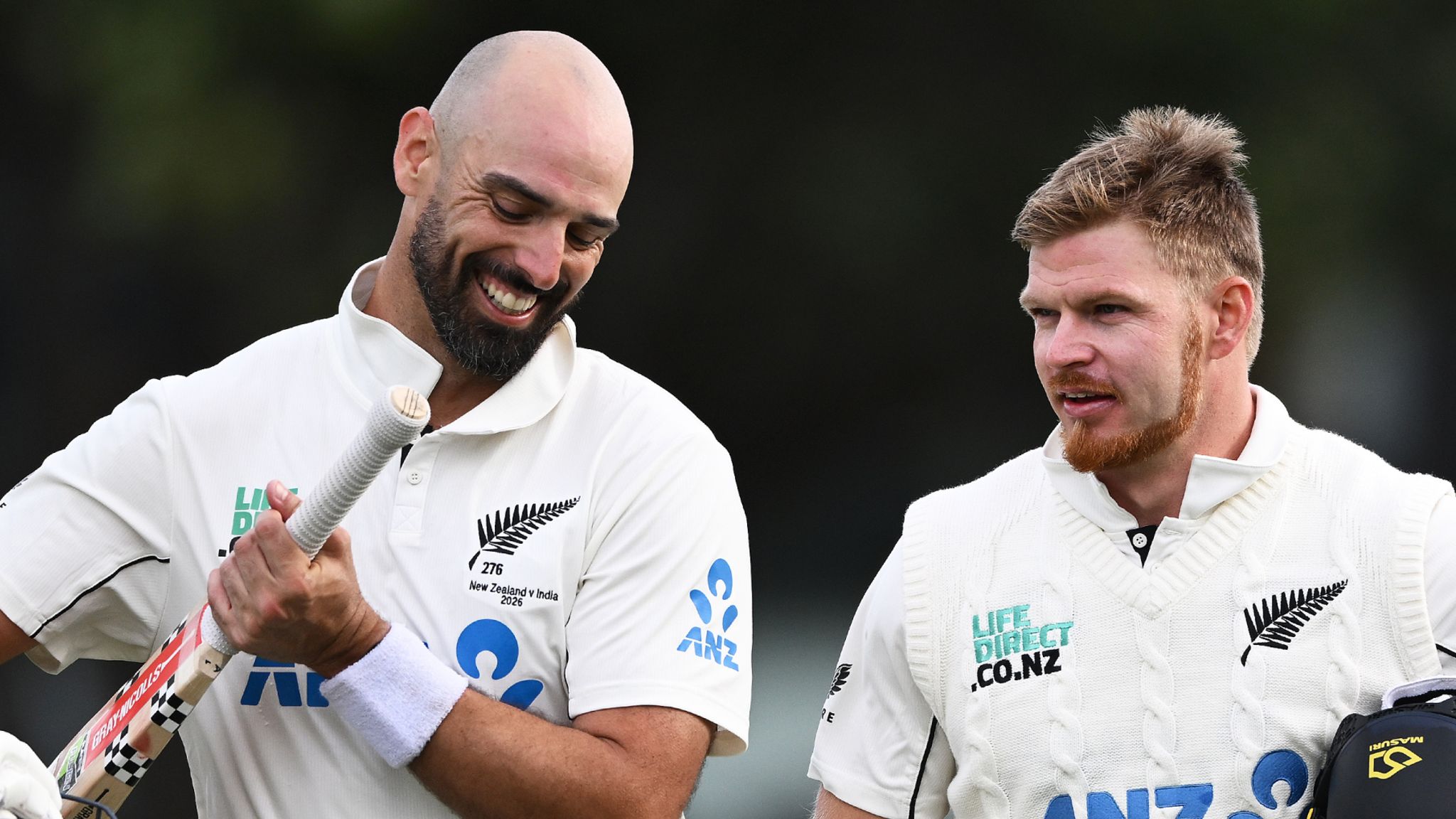
India began day five with New Zealand at 119-2, providing the tourists with at least 90 overs to capture the eight wickets required for a series lead. New Zealand needed 233 runs to force India to bat again, but survival became the overriding objective.
India struck early on the final day, removing overnight batters Devon Conway and Rachin Ravindra within the first hour, then dismissing Tom Blundell shortly after lunch. This brought together Mitchell and Phillips with New Zealand at 176-5, facing their most critical phase with only specialist batting resources remaining—Nathan Smith, an allrounder, and the bowlers to follow.
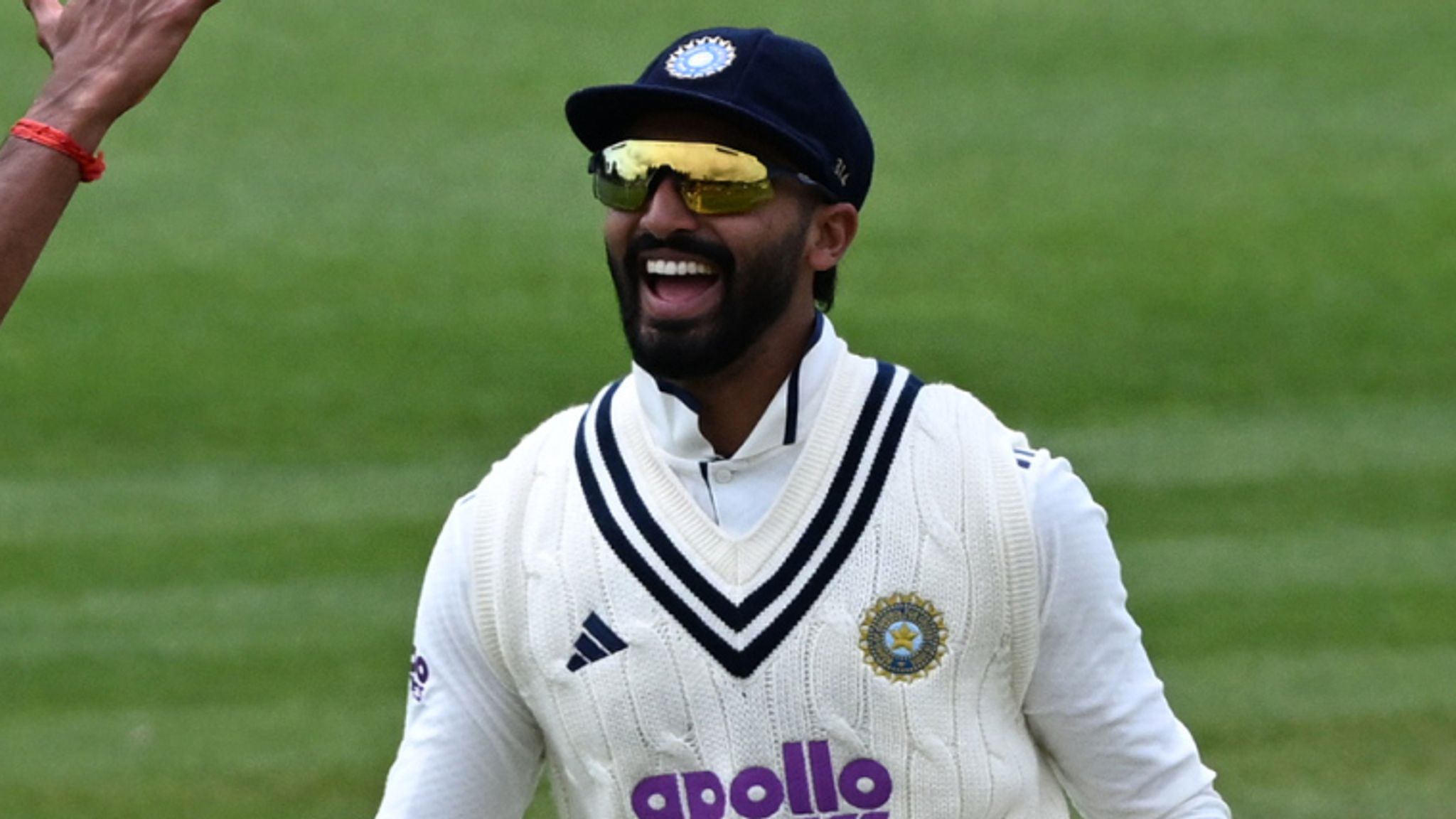
Both men suppressed their natural attacking instincts for the collective good. Phillips accumulated just 26 from 126 balls, while Mitchell remained unbeaten on 49 from 186 deliveries. Their partnership of 43 overs proved unbreakable, and the teams shook hands with an hour still remaining in the day. New Zealand finished its second innings at 239-5, 113 runs behind India's declared total, with 15 overs still scheduled.
Bumrah's return and the broader context
Jasprit Bumrah, making his return to Test cricket after a 12-month absence, made an immediate impact by dismissing New Zealand captain Tom Latham in the opening over of both innings. His presence added another dimension to India's attack, though the Black Caps' defensive resolve ultimately proved sufficient.
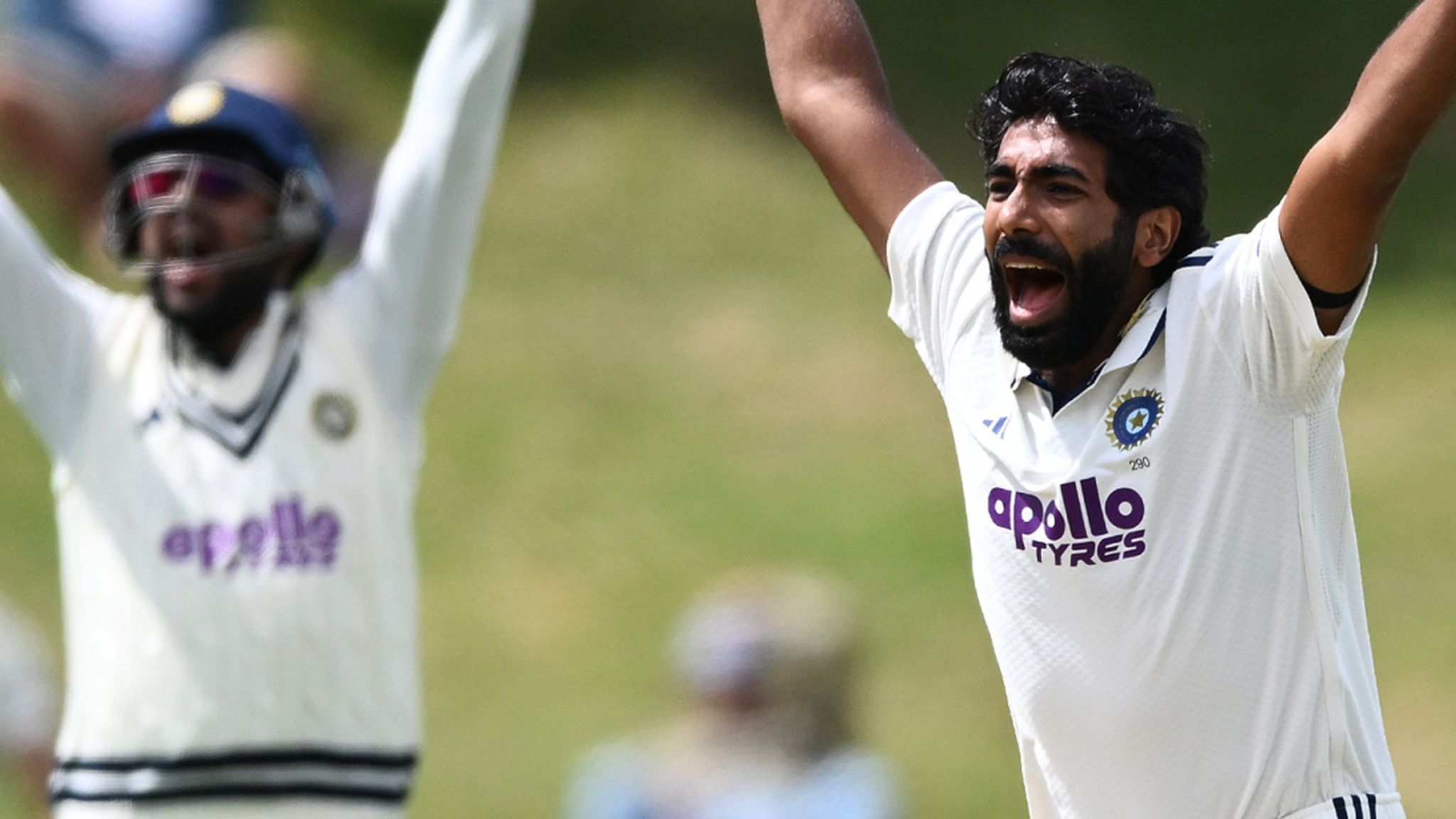
Gill acknowledged the quality of New Zealand's resistance despite India's dominance in other areas.
"We knew it was going to be a challenge to get 10 wickets on that pitch," Gill continued. "We had a couple of chances and a decent day in the field. We were impressive touring away from home and I think we challenged them in all areas."
The draw leaves India's World Test Championship points percentage at 50%, down from 51.52%, though the team remains fourth in the standings. Both sides earned four points from the match toward the World Test Championship, with New Zealand now third behind South Africa and Australia.
What happens next
The second and final Test is scheduled to begin in Christchurch on Friday, November 27. With the series still alive after the Wellington stalemate, both teams will seek to claim the decisive advantage in the concluding encounter.