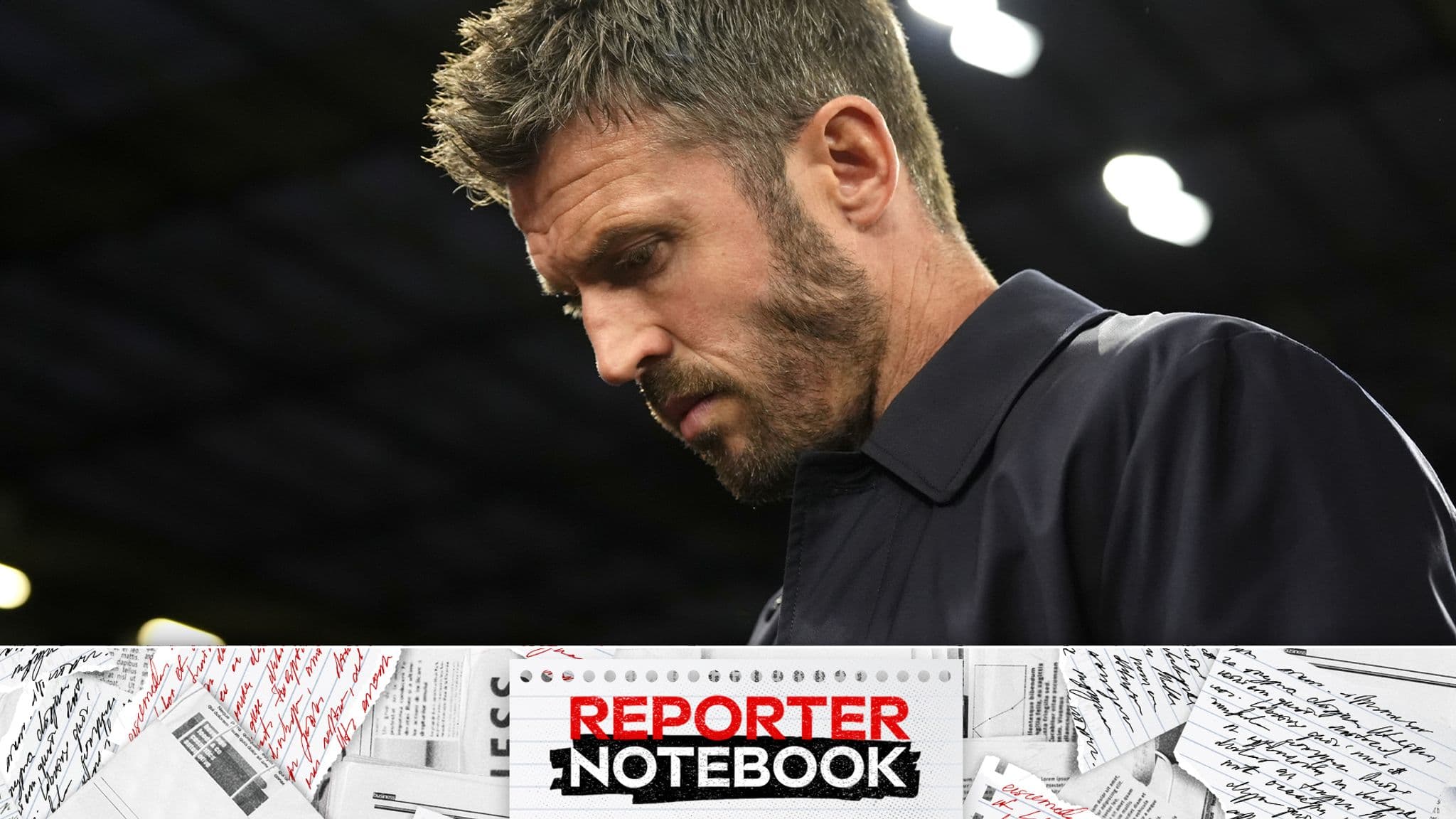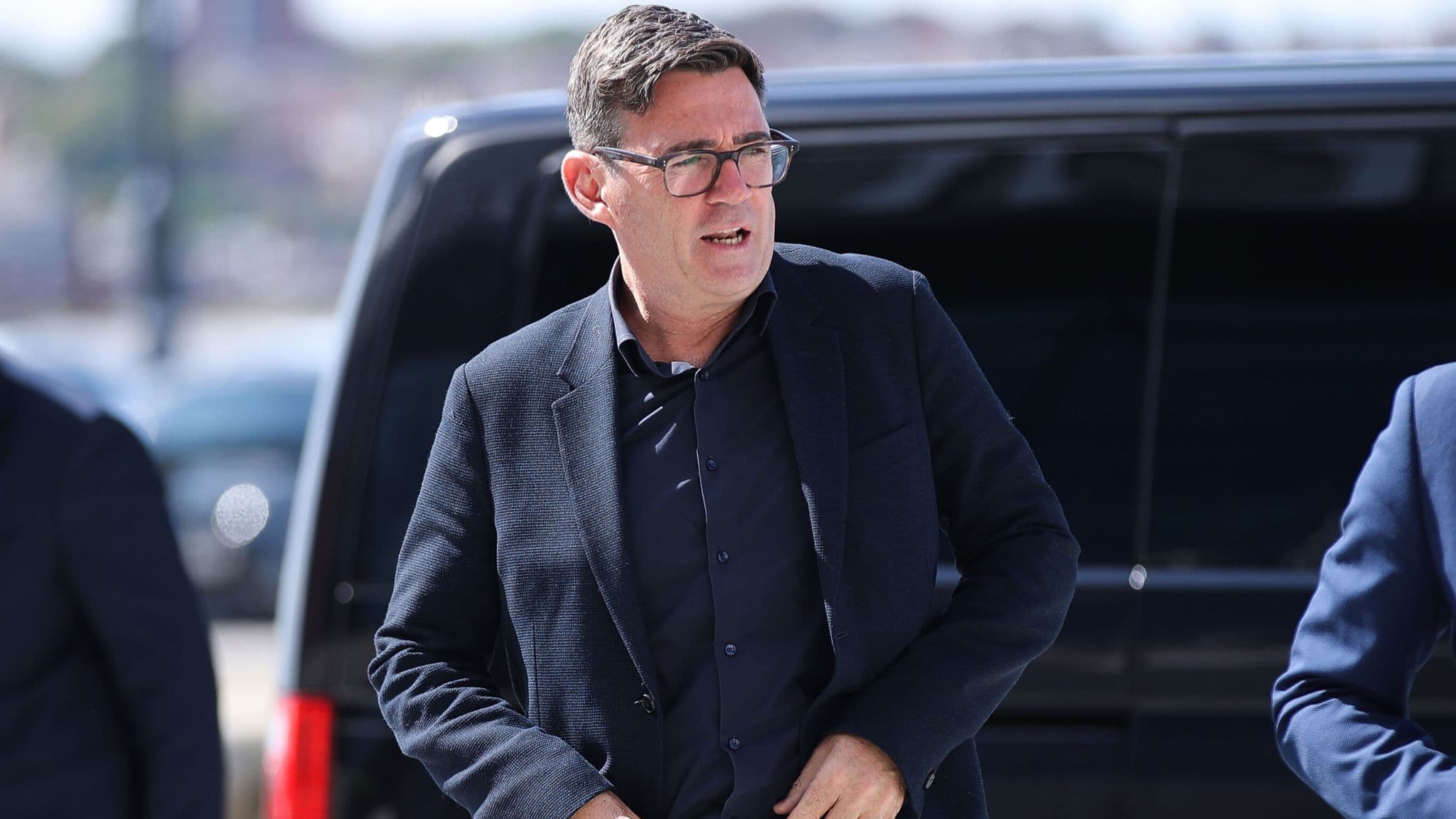
Prime Minister Andy Burnham remains committed to reversing the prohibition on alcohol consumption in football stands, a stance he has maintained throughout his political career.
For nearly four decades, supporters have been forbidden from drinking within stadium seating areas. The restriction was introduced in 1985 as a response to widespread concerns about football-related violence and disorder.
Burnham, who has long supported Everton, publicly opposed the drinking ban before taking office at Number 10. During remarks made while attending the United Nations in New York, he reiterated his conviction that the law requires change.
The Prime Minister outlined his position with clarity:
I don't think it's fair for football fans to be singled out in that way and I made that point.
He went on to argue that the legislation reflects an outdated understanding of the sport.
That legislation dates to an era where football was very different, and I do believe there is a case to remove that discrimination.
Burnham suggested that any reversal need not be immediate or unconditional.
There are different ways it could be done - it could happen on a trial basis.
He made clear his determination to pursue the matter despite potential opposition.
But I'm not going to back away from what's been a long held view of mine.
The Prime Minister also highlighted what he sees as an inconsistency in how different sports are treated under law.
I don't see how it can be fair that some supporters of one sport can be treated differently.
Police concerns over safety implications
The UK Football Policing Unit responded to Burnham's comments by requesting a formal meeting with the Prime Minister. The unit stated it wished to
discuss his views and explain the challenges these proposed changes would bring to policing and the safety of staff and fans at football games.
Police representatives emphasised that football presents unique challenges compared with other sports. They noted:
Other sports simply don't see the violence and criminal behaviour from their supporters that football does, albeit a minority, with alcohol often playing a significant part in violent and disorderly behaviour.
The policing unit concluded with a stark warning about the potential consequences of relaxing the current rules.
It would be irresponsible to fuel this by allowing greater alcohol consumption during games.
The debate reflects a broader tension between modernising football culture and maintaining public safety measures that have been in place for four decades. Burnham's willingness to challenge the status quo suggests the issue may become a significant point of discussion within government and among football stakeholders in the coming months.