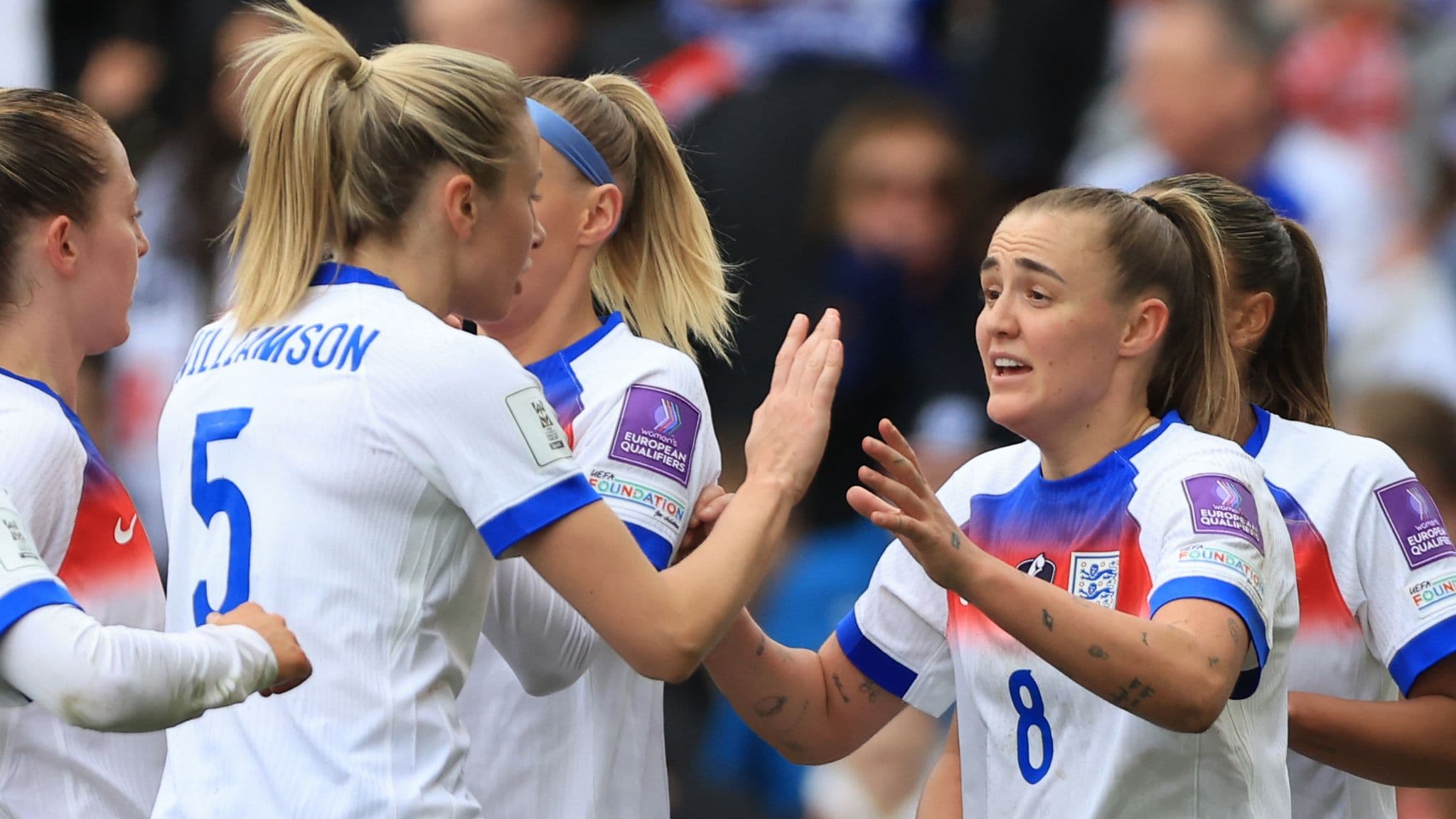
When England tumbled into the World Cup play-offs in June, the fall from grace felt seismic. How could the reigning European champions find themselves fighting for a place at the next major tournament rather than walking straight through?
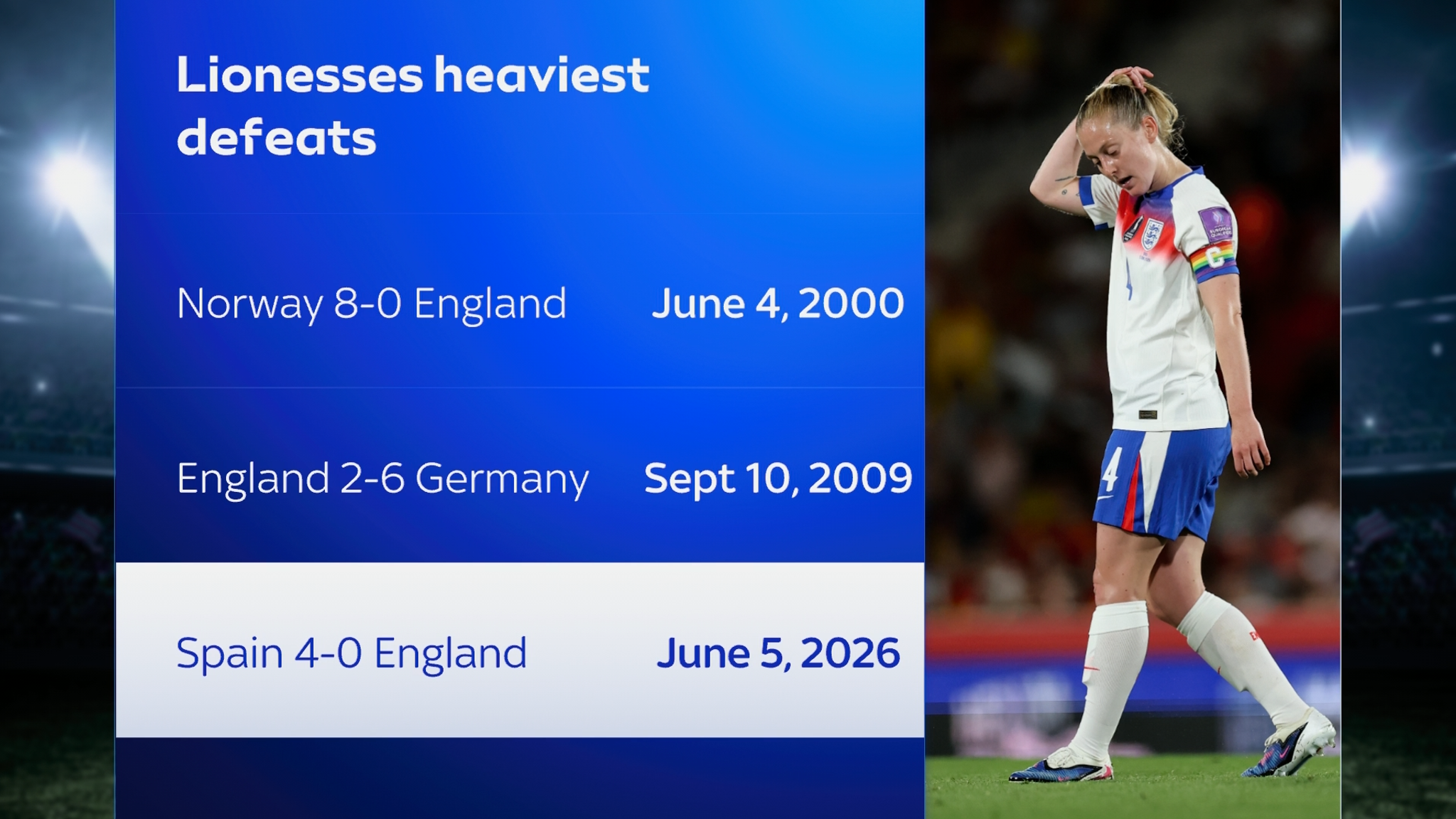
The Lionesses came agonisingly close to automatic qualification, accumulating 15 points from a possible 18 across their group campaign. A single victory separated them from direct passage. Yet the manner of their exit cannot be glossed over. Spain's 4-0 demolition of England represented their heaviest defeat in 17 years, and the most severe setback of Sarina Wiegman's tenure in charge.
That scoreline exposed something deeper than mere tactical misalignment. Spain demonstrated technical superiority across the pitch, a side operating with crystalline clarity of purpose and identity. Their possession-based football simply overwhelmed England's resistance, and the four-goal margin actually understated how thoroughly the hosts were outplayed.
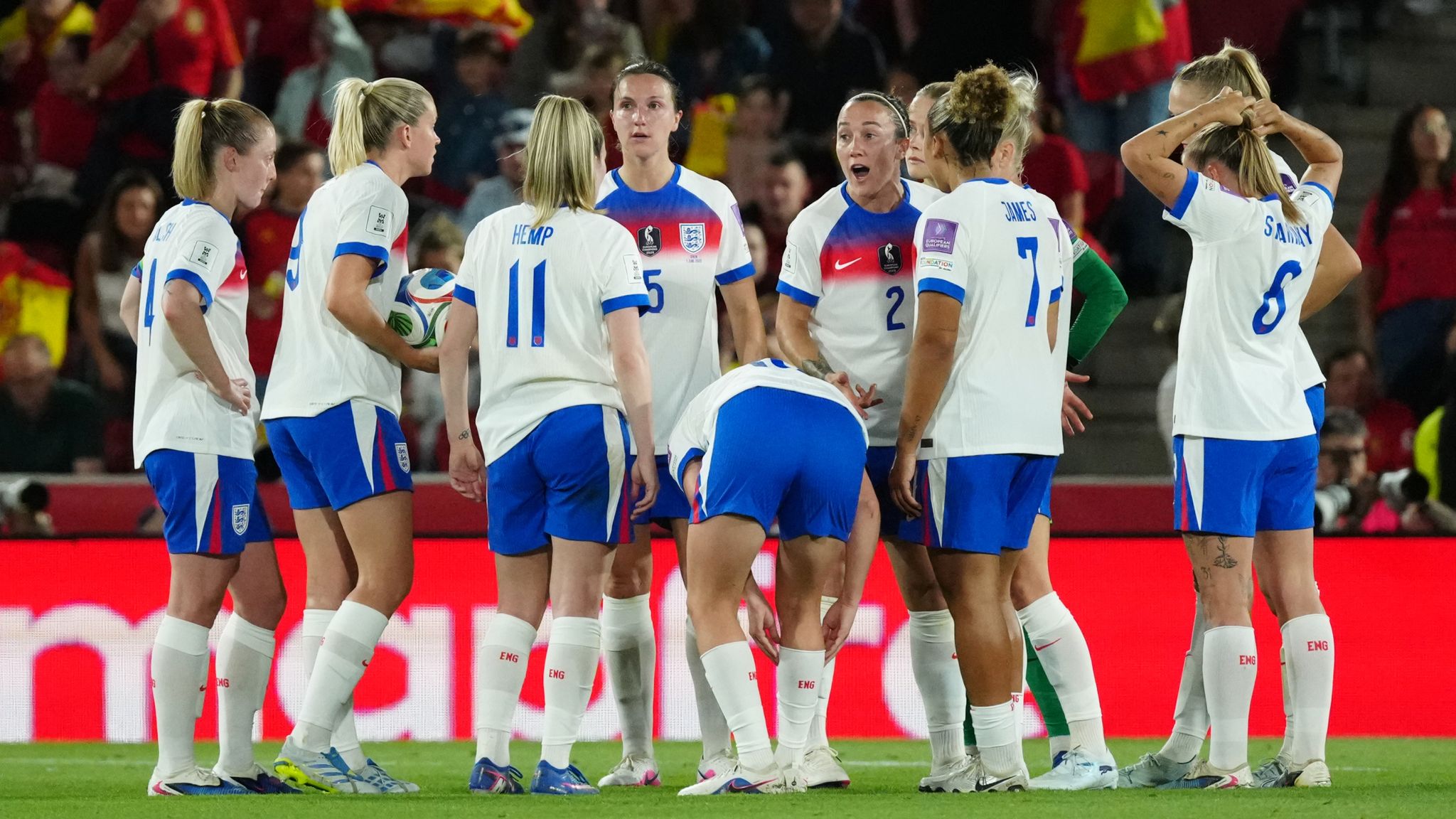
For Wiegman, the result posed uncomfortable questions about whether a rivalry once fiercely competitive had tilted decisively towards Spanish dominance. The manager admitted her bewilderment at the performance, having anticipated a tight contest.
What I'm trying to do now is think, what caused this?she reflected in the aftermath.
Three months on, that introspection should have yielded some clarity. Wiegman will count her blessings that England's path to redemption does not immediately lead back to Spain. Instead, Greece awaits—a nation ranked 55 places below England in the international pecking order. The Lionesses enter as overwhelming favourites across two legs.
Yet this tie offers something more valuable than a straightforward passage. It presents a genuine stress test of England's resilience and adaptability ahead of next year's World Cup in Brazil. Qualification remains the paramount objective, but the method matters equally.
The world's most dominant football nations distinguish themselves through their capacity to reinvent. This represents England's opportunity to demonstrate they possess that same quality.
Squad selection signals fresh direction
Wiegman's squad announcement blended established performers with calculated gambles, a signal that should reassure those who have advocated for England to inject new vitality into their ranks. The omission of Chloe Kelly and Ella Toone, paired with the inclusion of Chelsea's Lexi Potter on her first senior call-up, suggests a deliberate pivot towards form-based selection rather than reputation-driven choices.
Captain Leah Williamson returns after missing June's fixtures, providing leadership continuity. Potter, a precocious talent who has impressed for Chelsea operating alongside Keira Walsh this season, represents the kind of midfield pairing that could offer balance between defensive solidity and creative ball progression. Wiegman has already indicated Potter is
comfortableagainst elite opposition.
According to England Football's official squad announcement, Potter and Erica Meg Parkinson are the squad's two uncapped players, with Parkinson returning after an April debut call-up. Aston Villa's Lucia Kendall, 22, and North Carolina Courage's 18-year-old Parkinson occupy similar profiles—young, hungry, and capable at the highest level.
This represents no seismic overhaul, but rather evidence of intentional movement towards merit-based decision making during a critical World Cup cycle. That represents the shrewdest approach available.
The stakes and the opportunity
England must treat these fixtures as non-negotiable. They represent, in essence, the penalty for their catastrophic underperformance against Spain. There is no margin for error, no room for complacency. These are must-win games in the truest sense.
Yet paradoxically, that pressure could prove beneficial. England are demonstrably not World Cup-ready in their current state, and matches of genuine consequence provide the crucible in which improvement happens. New faces will have the chance to stake permanent claims, but equally, Wiegman's established leaders must deliver.
The Lionesses' reputation rests on their nucleus of world-class performers. Keira Walsh must orchestrate play with her customary intelligence. Lauren Hemp needs to terrorise defences down the flank. Lauren James must produce moments of individual brilliance. Williamson must show defensive bravery. Lucy Bronze must impose her authority. Alessia Russo must finish moves that remind the world England remain a creative force. Above all, fearlessness is non-negotiable.
While France, Germany and Spain—the other already-qualified European superpowers—observe from the sidelines, England must demonstrate beyond question that they merit a place alongside them in Brazil.
The play-off structure and path forward
England's route to next summer's World Cup involves two play-off rounds. The first round, taking place this month, splits into two separate paths. England occupy path one, paired with Greece. According to England Football's fixture list, the first leg takes place on 9 October at 5:30pm BST at the Pankritio Stadium in Heraklion, Crete. The return fixture follows at Leicester City's King Power Stadium on 13 October at 7:30pm BST.
Should England progress, the second round is scheduled for late November or December. They will face the winners of Slovakia versus Ukraine, with the away fixture played first. A victory in that tie secures passage to the 2027 World Cup finals.
According to ESPN's records, England beat Ukraine 3-0 on 9 June, but Spain's superior result meant the Lionesses finished second in Group A3 and entered the play-offs. Elsewhere, Germany secured automatic qualification from Group A4 after beating Norway 2-0, becoming the first European team to book their place at the 2027 finals.
England's obligation now is clear: prove they can learn from Spain's lesson, adapt their approach, and demonstrate the resilience required to compete at the highest level. Greece provides the stage. The Lionesses must seize it.