Manchester United have published their financial results for the first quarter of fiscal 2027, covering the three-month period ending 30 September. According to Sky Sports, the figures reveal a mixed picture: whilst revenues climbed, the club swung to a significant loss and long-term debt rose sharply.
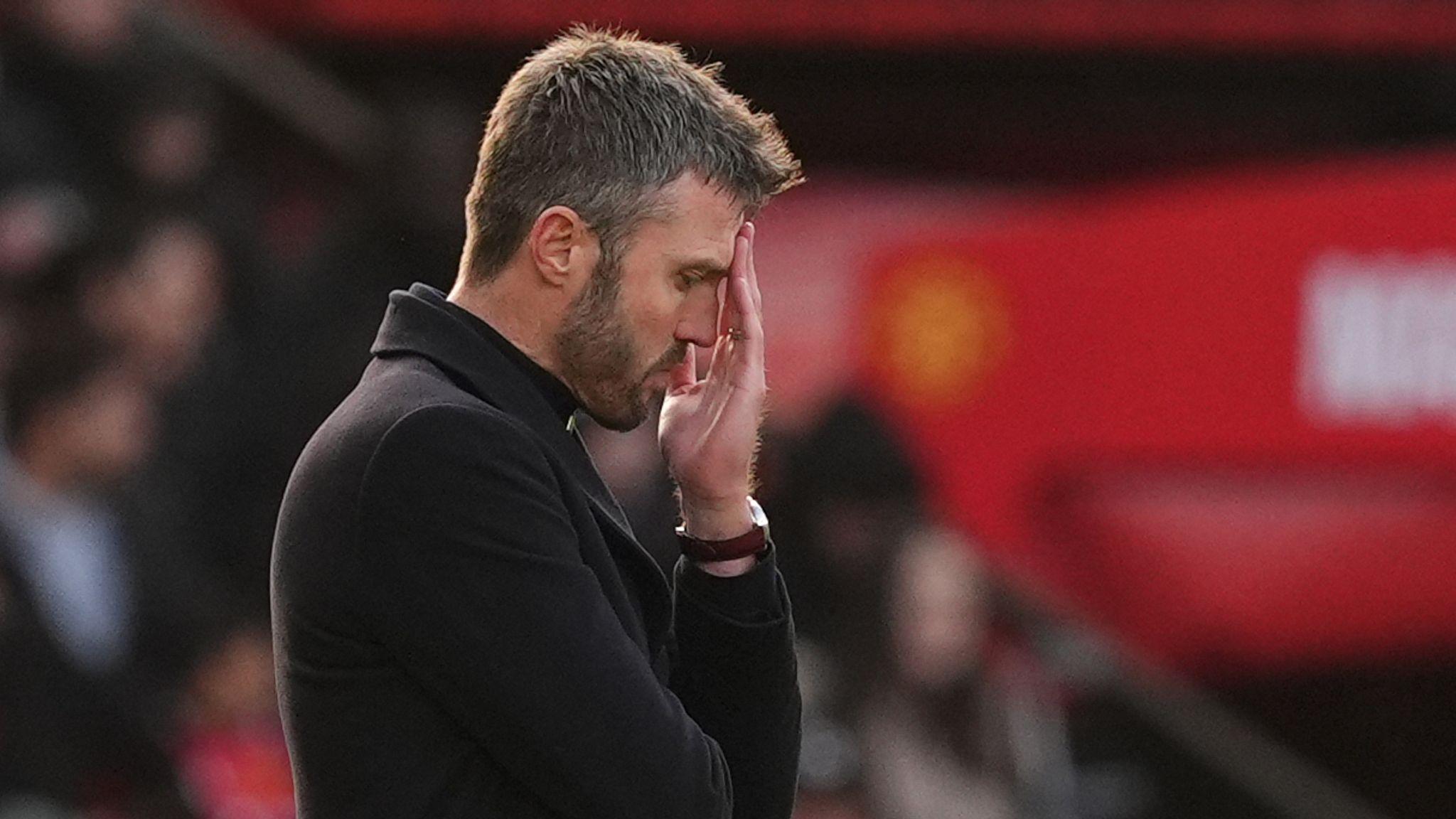
The reporting period encompasses the summer transfer window and the club's return to the Champions League, though it predates both Michael Carrick's departure and Mauricio Pochettino's arrival as manager. Of Manchester United's European matches during this quarter, only one was staged at Old Trafford—a 4-0 victory over Sabah—with four further home games and three away fixtures completing the quarter's schedule.
Revenue and wages climb
Total revenues increased by 4.1 per cent to £146.1m in comparison with the equivalent quarter the previous year. However, this growth was outpaced by wage expenditure, which rose 8.6 per cent to £79.9m, reflecting the club's continued investment in playing staff.
Broadcasting income surged 17.7 per cent, climbing from £29.9m to £35.2m—a jump that aligns with Manchester United's restoration to European competition. Matchday revenue also edged upward by 2.3 per cent, from £26.2m to £26.8m. Retail and merchandising revenue grew 3.5 per cent to £38.5m.
These gains were partially offset by a three per cent decline in sponsorship revenue, which fell from £47m to £45.6m following a reduced pre-season tour by the men's team.
Losses widen significantly
Despite the revenue increase, Manchester United's loss after tax surged dramatically, rising 174.2 per cent to £18.1m. More concerning, the club returned to an operating loss of £3.0m, compared with a £13.0m operating profit in the prior-year quarter. Interest payments fell 32 per cent to £14.5m, providing some relief on the debt servicing front.
The deterioration in profitability was driven partly by a 54 per cent collapse in player sale profits, which dropped to £20.7m. Before accounting for player sales, the operating loss narrowed to £23.7m from £32.0m in the prior-year quarter; however, lower player-sale profits offset that improvement.
Debt burden escalates
Long-term borrowings climbed significantly, rising 19.2 per cent from $650m (£481.2m) to $775m (£577.4m), primarily driven by refinancing activity. The club's senior secured notes refinancing in June was the principal factor behind this increase in non-current debt. Current borrowings, by contrast, decreased from £268m to £207.1m.
The club's net expenditure on intangible assets—principally player acquisitions—increased by £43.3m to £143.1m, underscoring continued investment in the squad despite the financial headwinds.
Market reaction and analyst expectations
Manchester United's shares fell 7.5 per cent following the announcement, as the results missed analyst revenue forecasts and revealed the return to an operating loss. Revenue came in below the £152m consensus expectation, and adjusted loss per share reached £0.08 against expected earnings per share of £0.06.
Adjusted EBITDA did rise modestly by 2.2 per cent to £27.5m from £26.9m, providing a small bright spot in an otherwise challenging set of figures.
Management response and outlook
Manchester United chief executive Omar Berrada commented on the results, saying:
Our revenue remains strong and on track, while we continue to grow sustainably. We are pleased to welcome Mauricio Pochettino and his staff to the club and our priority is to support them as we look continuously to improve our performances on the pitch. We are pleased with the progress Eva Olid has made with our women's team and how well the team has adapted to her approach.
The club has reiterated its fiscal 2027 guidance, projecting revenues of £740m–£760m and adjusted EBITDA of £205m–£225m for the full year.
Context: the managerial transition
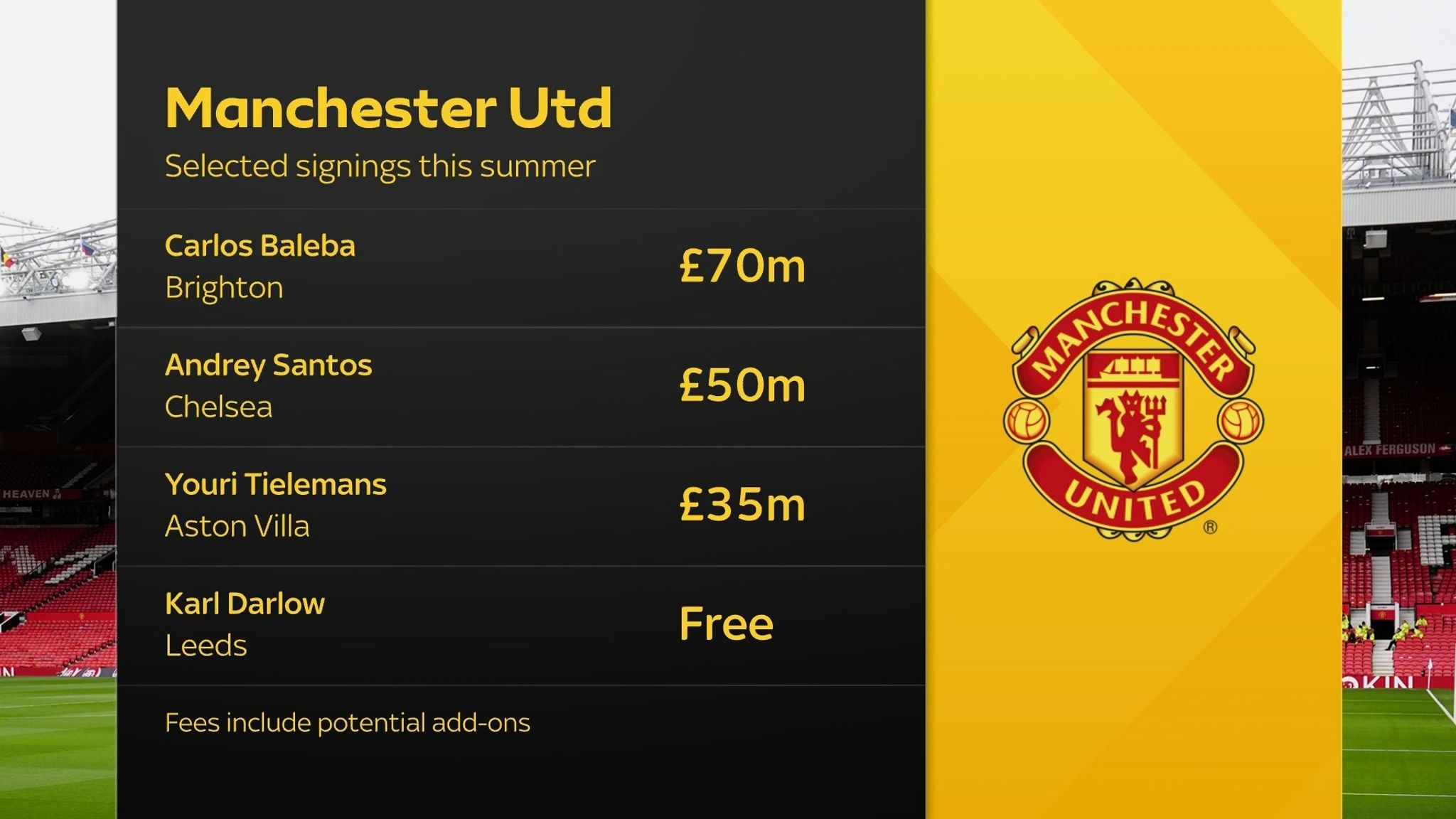
These results arrive at a pivotal moment for the club. Earlier in the season, Michael Carrick had expressed confidence that Manchester United had strengthened their squad through summer signings of Santos, Tielemans, Baleba and Darlow, though he hinted more business might follow. However, the club's collapse deepened following a 4-1 European humbling at Como, with seven games without a win and their worst Premier League start ever, ultimately leading to Carrick's departure and Pochettino's appointment.
What comes next
Manchester United's next fixture is an away trip to Liverpool on 22 November in the Premier League, a match that will test Pochettino's early progress in stabilising the club both on and off the pitch.