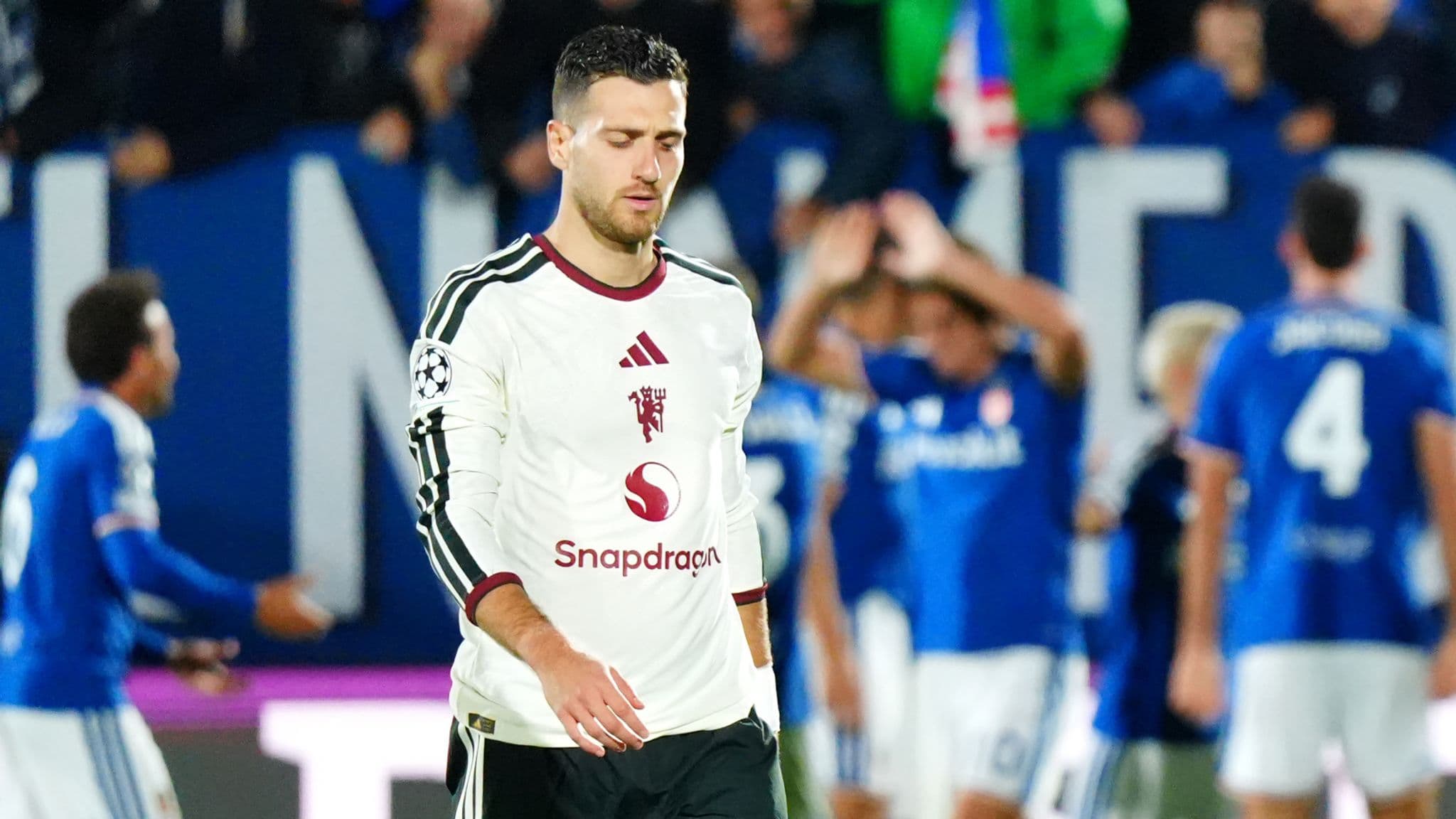
Precisely five months have elapsed since Manchester United confirmed Michael Carrick would continue as head coach. The morning after his darkest evening in the position, there will be scant appetite for marking such milestones.
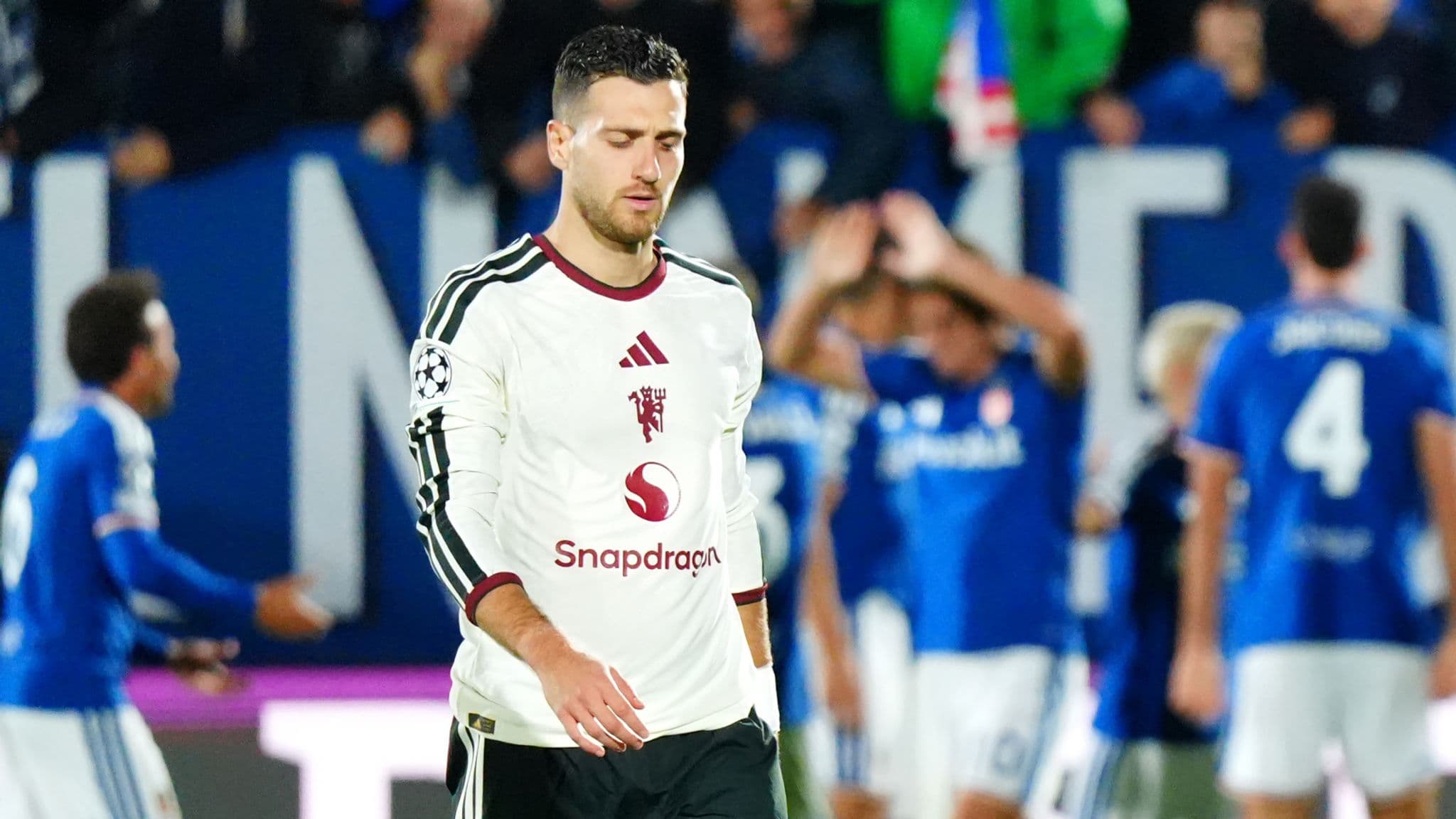
A devastating 4-1 defeat at Como has left Carrick visibly shaken, describing himself as "angry" in the aftermath. The loss has exposed fractures within the squad, most notably when club skipper Bruno Fernandes openly questioned the tactical approach deployed in Italy. According to Sky Sports, this represents a watershed moment for Carrick's tenure.
The Red Devils have endured their poorest opening to a Premier League campaign in the club's history. The European humbling extends their winless run to seven matches across all competitions, a dramatic reversal from the exceptional form that persuaded the club to tie Carrick down until 2028.
The scale of the collapse demands examination. What has transformed a side that finished third in the league and convinced the board to back Carrick into a team struggling at both ends of the pitch?
Summer recruitment shortcomings
Tensions have surfaced repeatedly in recent weeks. Fernandes voiced his frustration this week, while centre-back Lisandro Martinez aimed criticism at the hierarchy last week, specifically targeting technical director Jason Wilcox over the club's reluctance to strengthen the squad during the summer window.
United's expenditure of £163m fell short of promoted Hull City and Ipswich Town, as well as seven other Premier League clubs. The focus centred on midfield reinforcement, yet critical gaps remained unfilled at left-back and centre-forward.
The reasons for the modest investment are complex and rooted in the club's history stretching back to the Glazer takeover. However, the fundamental issue remains that Carrick lacked the resources to substantially upgrade his playing group to manage the transition from 40 matches last season to competing in the Champions League whilst targeting improvement on their third-place Premier League finish.
The fitness and intensity problem
The World Cup created an exhausting summer for elite-level players across Europe. When this fatigue combined with reports that Youri Tielemans had highlighted a reduced pre-season running schedule, warning signals emerged.
United's lack of intensity has become a defining characteristic of their struggles. They have been out-run in six of their seven Premier League matches, with the sole exception occurring when Manchester City played for over an hour with a numerical disadvantage. The Como performance again laid bare their out-of-possession deficiencies.
Carrick's assessment was blunt:
If you don't run back, you ain't going to win.
According to Yahoo Sports, United held just 36% possession in the first half and conceded within two minutes, setting the tone for a disastrous evening.
Fernandes' alarming decline
Fernandes may harbour reservations about Carrick's pressing strategy in Como, yet his own form has deteriorated markedly. With a single goal involvement across his last nine appearances for United, the decline of the team's principal creative force has inflicted considerable damage.
His Premier League goal contributions have been confined to the Ipswich Town fixture, where he scored three times and provided one assist. Having shattered the assists record last season, his chance creation output has halved this campaign.
Since that Ipswich encounter, Fernandes has registered 12 shots but managed only two on target. Whilst United have accumulated more shots than any other team this season, they rank joint-worst for expected goals per attempt. Their finishing has become speculative rather than clinical.
Sesko's absence and attacking impotence
Fernandes' statistical decline reflects a broader offensive malfunction. United topped the scoring charts during the final 17 matches of last season under Carrick, when they harnessed the Portuguese midfielder's brilliance effectively.
The continued absence of Benjamin Sesko through injury, combined with the lack of a genuine alternative centre-forward, has deprived United of a focal point. Fernandes operated as a false nine on Wednesday evening, an experiment that yielded nothing. The team requires a target man to provide structure and purpose to their attacking play.
Defensive vulnerability
When attacking prowess falters, defensive solidity becomes essential. United have failed to record a single clean sheet this season, a damning statistic that compounds their struggles.
In Italy, full-backs Diogo Dalot and Noussair Mazraoui endured forgettable performances, whilst Matthijs de Ligt appeared understandably rusty following an 11-month absence from competitive action. According to ESPN, Como's Nico Paz scored twice and assisted Anastasios Douvikas, with Jacobo Ramón also finding the net, whilst Joshua Zirkzee netted United's stoppage-time consolation.
The defensive crisis extends beyond personnel. Injuries to Martinez and Luke Shaw, illness affecting Ayden Heaven, and suspension for Leny Yoro created additional complications. Whether the problem stems from personnel limitations, structural issues in their defensive shape, or insufficient intensity to suffocate opponents, United are being breached too frequently.
Carrick has experimented with different midfield combinations ahead of the backline but remains in search of the optimal pairing—one that likely incorporates Carlos Baleba, who is working his way back to full fitness. Baleba's return could prove transformative for a midfield that has struggled to provide adequate protection.
The road to recovery
The multiplicity of problems offers no straightforward solution. United could welcome back four of the nine unavailable players for Sunday's visit of Bournemouth. Yoro, Martinez, and Heaven would bolster the defence, whilst Marcus Rashford could inject attacking impetus.
Yet Fernandes has suggested the challenge transcends the physical realm. On the psychological impact of conceding after just two minutes, he reflected:
Conceding the goal very early makes us feeling, going into the game, already in a mood of a defeat. It's very difficult to get out of that at the moment, without being ourselves and trying to push and trying to be brave, trying to have the ball, trying to make something happen. If we're not able to do that it's going to be very difficult to get out of this situation.
Carrick has acknowledged the severity of the situation. According to ESPN, he apologized to the travelling supporters after the defeat, calling the performance "unacceptable" and accepting responsibility for it.
At Old Trafford, United must demonstrate courage both in and out of possession to deliver a performance capable of shifting the narrative and consigning this season's early failings to history. Recapturing the brilliance of Carrick's second-half run last season from their current position would represent a remarkable feat.