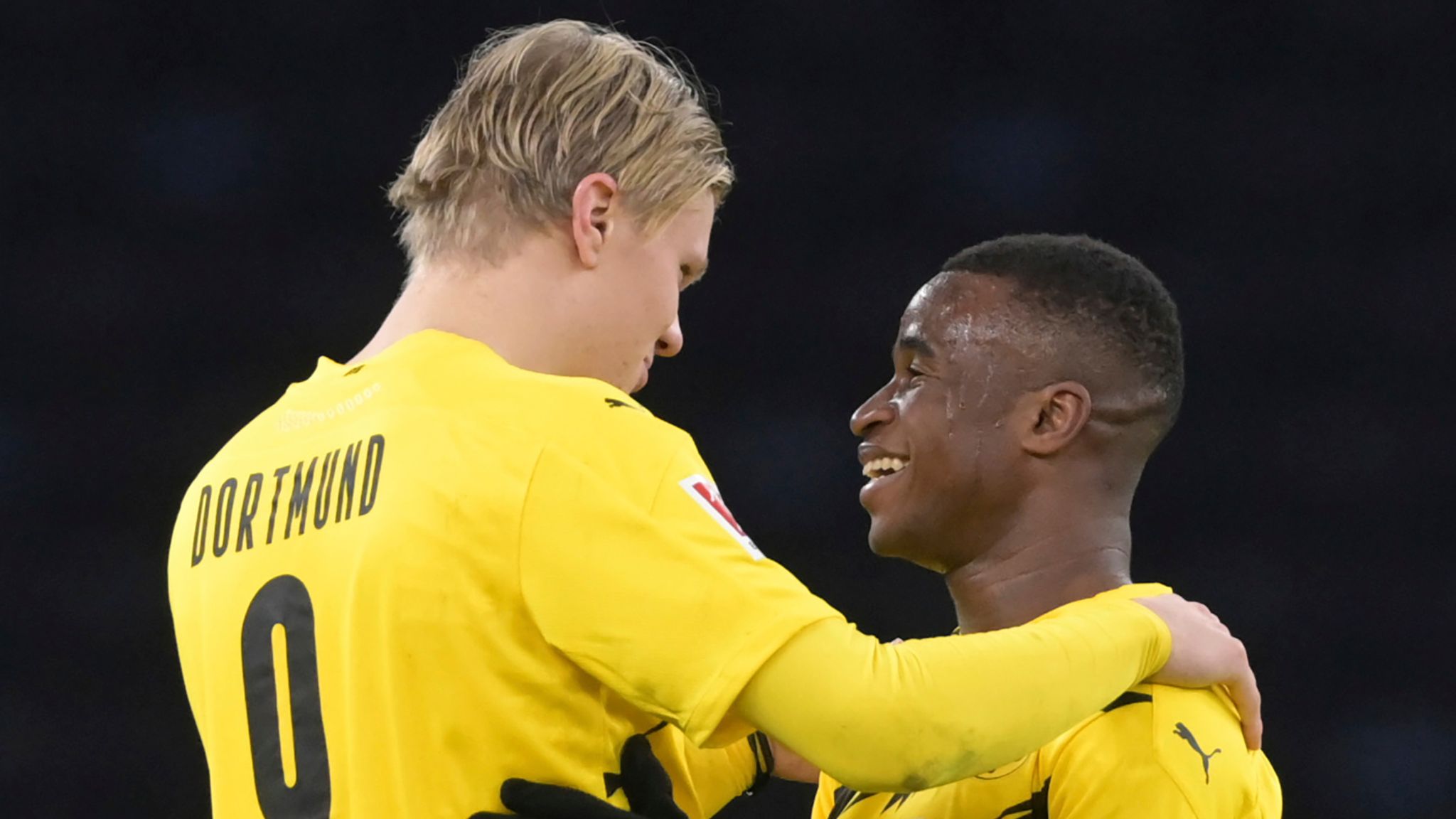
Four years have passed since Youssoufa Moukoko conjured a moment of magic at the Westfalenstadion. The teenage forward retrieved the ball from beneath his boots and ignited a Borussia Dortmund comeback against Bayern Munich, a performance that seemed to announce the arrival of a generational talent. Just days earlier, he had powered home a header to settle the Revierderby against Schalke in front of a roaring home crowd.
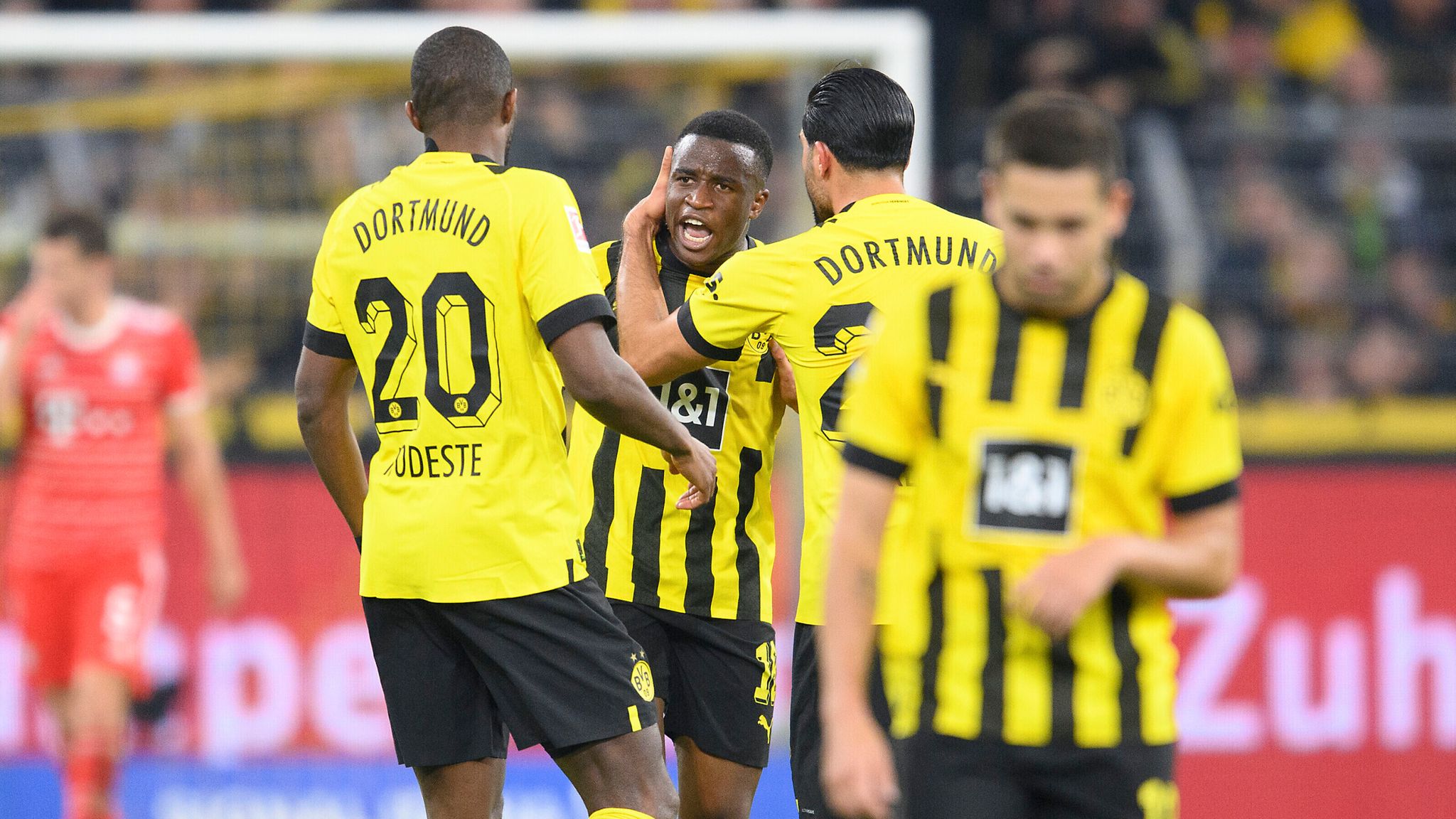
At 17, Moukoko appeared destined for the very pinnacle of the game. He was scoring in front of Europe's most demanding audiences, and his range was already evident. The following month brought two finishes against Bochum that showcased his two-footedness—a left-footed strike and a right-footed effort that hinted at a player without obvious weaknesses. Those displays earned him a place in Germany's World Cup squad that winter, and the football world began speaking of him in reverential tones.

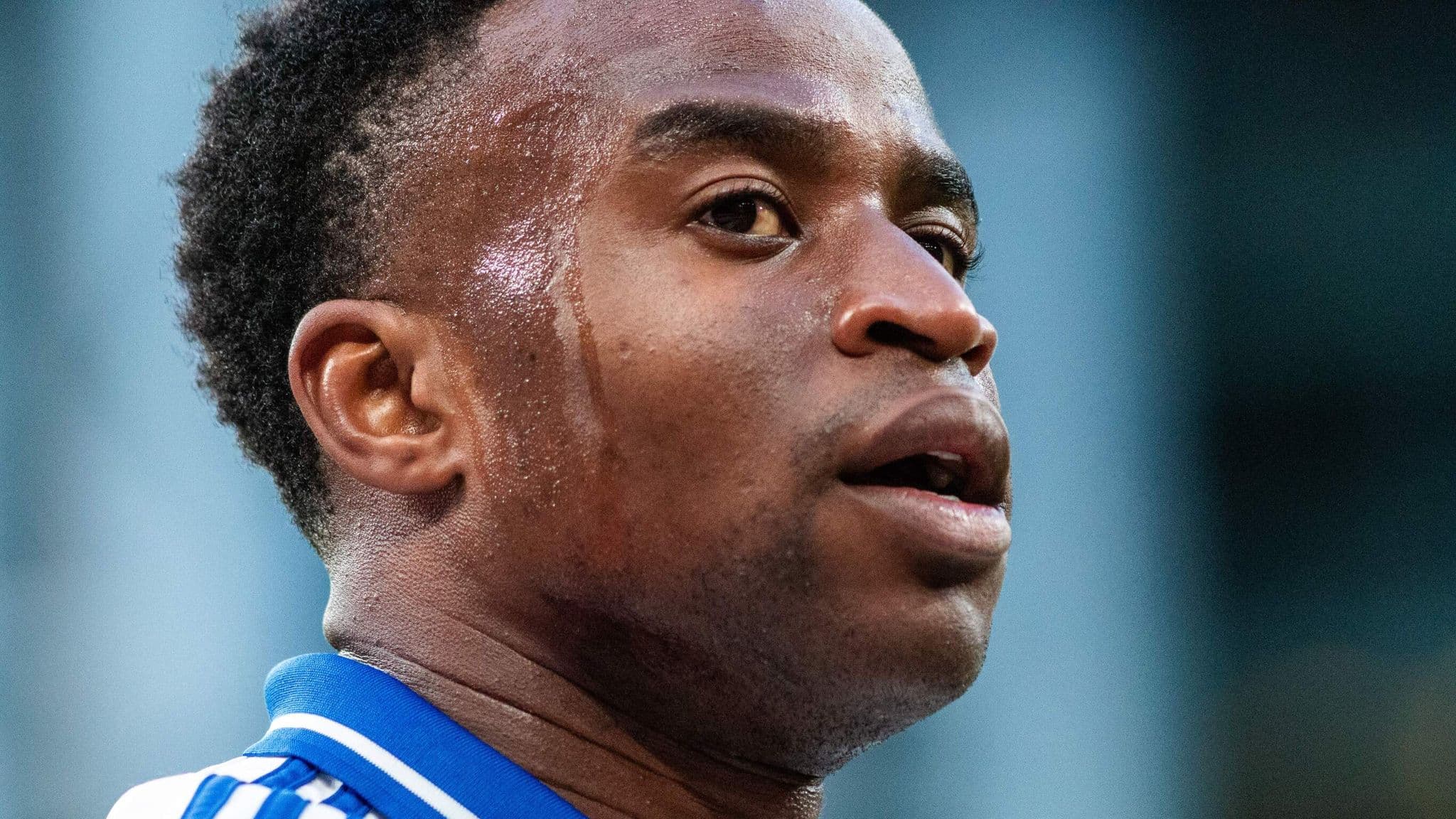
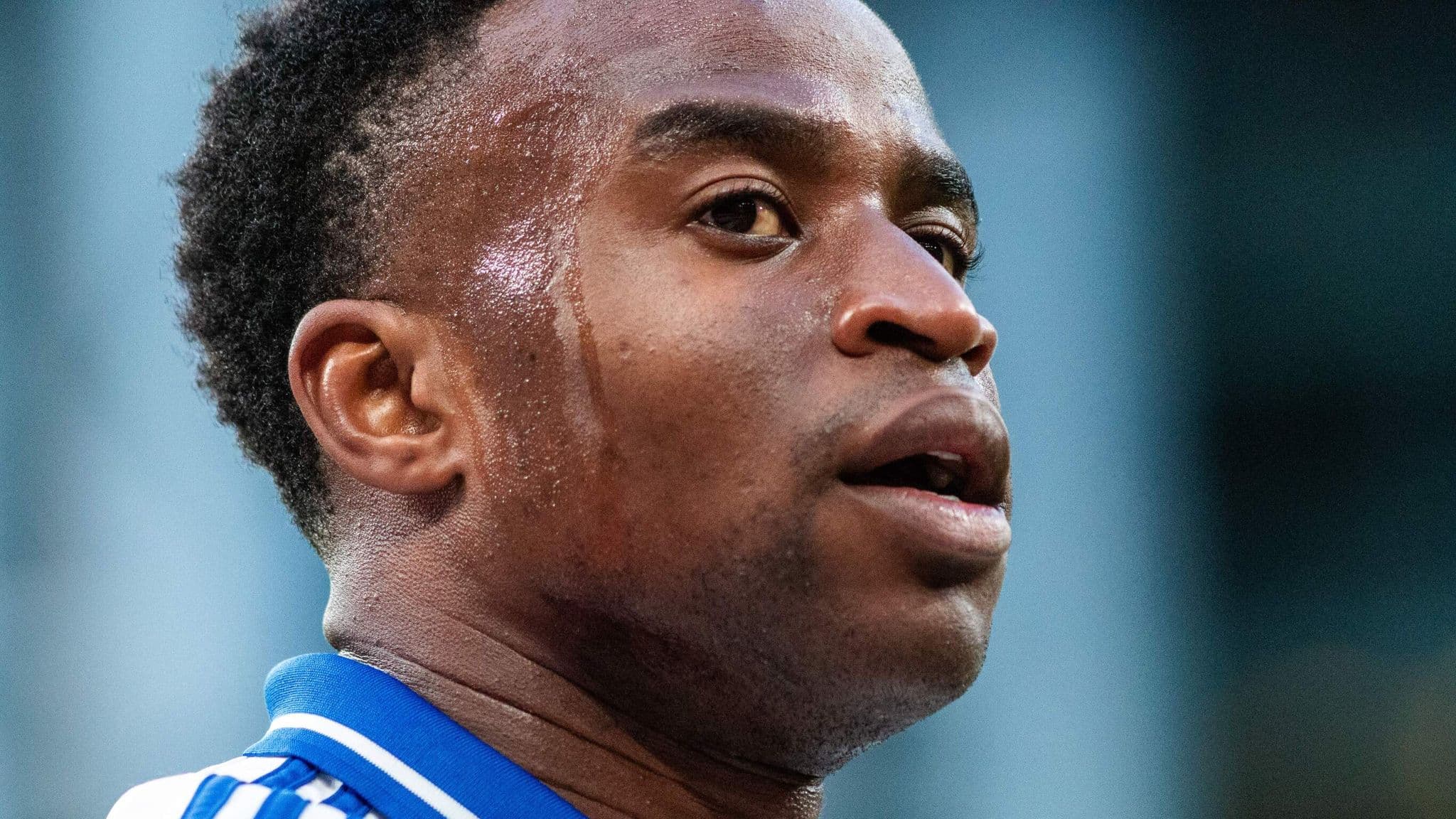
Yet on the fourth anniversary of that Bayern goal, Moukoko is nowhere near Jurgen Klopp's 44-man Liverpool squad. Instead, he occupies a bench in Turkey, where his loan to Çorum FK has yielded only three substitute appearances. Copenhagen, the club that holds his registration, saw him depart Denmark after a campaign that began without a goal.
The journey from Dortmund's academy sensation to the margins of European football has been marked by restlessness. In 2024, he departed for Nice in pursuit of regular first-team minutes, and his Ligue 1 debut brought two goals. Those proved to be his only strikes of the season. The pattern had begun to emerge: early promise followed by a fade into obscurity.
According to German media reports, Copenhagen sent Moukoko to Turkish club Çorum FK on a season-long loan with an option to buy on September 1, 2026. The move came after a more productive spell in Denmark than his early struggles suggested. According to Footystats, Moukoko scored 18 goals in 41 appearances for Copenhagen in 2025–26, including 11 league goals in 25 Superliga appearances. Yet even that improvement has not translated into stability or a clear pathway forward.
Explanations for his decline have proliferated, some more sensational than others. Der Spiegel published a controversial investigation suggesting that Moukoko had been adopted by his father Joseph and was actually four years older than his official birth certificate indicated. Joseph later indicated in a 2024 documentary that the claims held truth, though Moukoko himself has never publicly acknowledged this. Dortmund have maintained that official records confirm his registered birthdate.
Even if the age question were definitively resolved in the magazine's favour, it would only partially illuminate his struggles. It would certainly diminish the precocity of a player whom Erling Haaland once described as
the biggest talent in the world. But it would not fully account for why a player who once electrified the Bundesliga now finds himself on the periphery of European football at what should be his peak years.
The more compelling explanation lies not in controversy but in the fundamental architecture of his development. During a recent visit to Dortmund's training ground, Paul Schaffran, the club's academy manager, offered a candid assessment of where the pathway went wrong.
Schaffran outlined a paradox that sits at the heart of youth football.
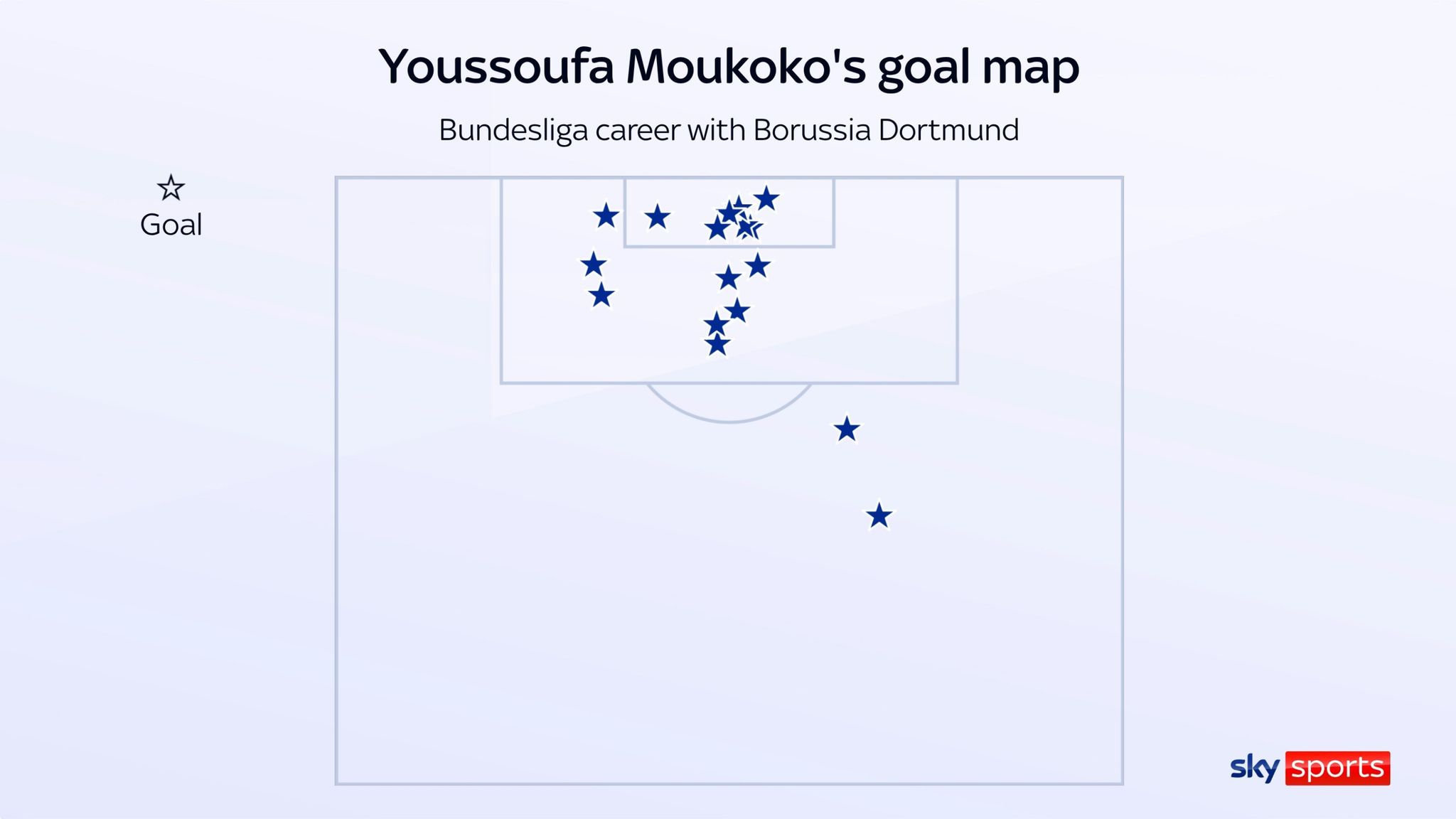
Youssoufa Moukoko scored 50 to 60 goals a season in the youth area. But if you see how he scored the goals, almost half of them were taking the ball in the middle of the field and just running through all alone. It is for sure this is not transferable.

The problem was not a lack of talent. Rather, it was that the style of finishing which made Moukoko prolific in youth football bore little resemblance to what the professional game demands.
That is for almost no player, except maybe Messi, transferable into a first-team environment.Schaffran observed. Yet Moukoko was breaking records, and there was institutional reluctance to constrain a player of such obvious ability.
Looking back, Schaffran articulates a different philosophy. The challenge for academy directors is not simply to allow talent to flourish in its natural form, but to shape it deliberately.
Knowing the athletic capacity that this player has, that he will not be the tallest, will not be the fastest, you have to make a decision. Do you want his efficiency in the youth area right now or do you want to bring him through in a style that benefits him later?
This tension between immediate success and long-term development has long defined youth football. Schaffran was explicit about the choice Dortmund faced with Moukoko.
I think we have to decide not what benefits us at the moment but what benefits the player's development in the long-term perspective.
The academy manager outlined an alternative trajectory. Rather than developing Moukoko as a traditional number nine—a role that would never suit his physical profile—he could have been positioned as a number 10 or number eight, operating in the half spaces where intelligence and movement matter more than raw pace or height.
If I had a player like him right now, I would know, okay, what might be his future profile? His future profile for sure will be not a number nine striker alone. So, he will not be perfect playing with his back to the goal. That would never be his style of playing. So, maybe it is better to develop him in a number 10 position, or in the number eight position, maybe playing in the half spaces. You will lose maybe 30 to 40 goals per season, but you might get a better player, specifically him, at the end of the pathway.
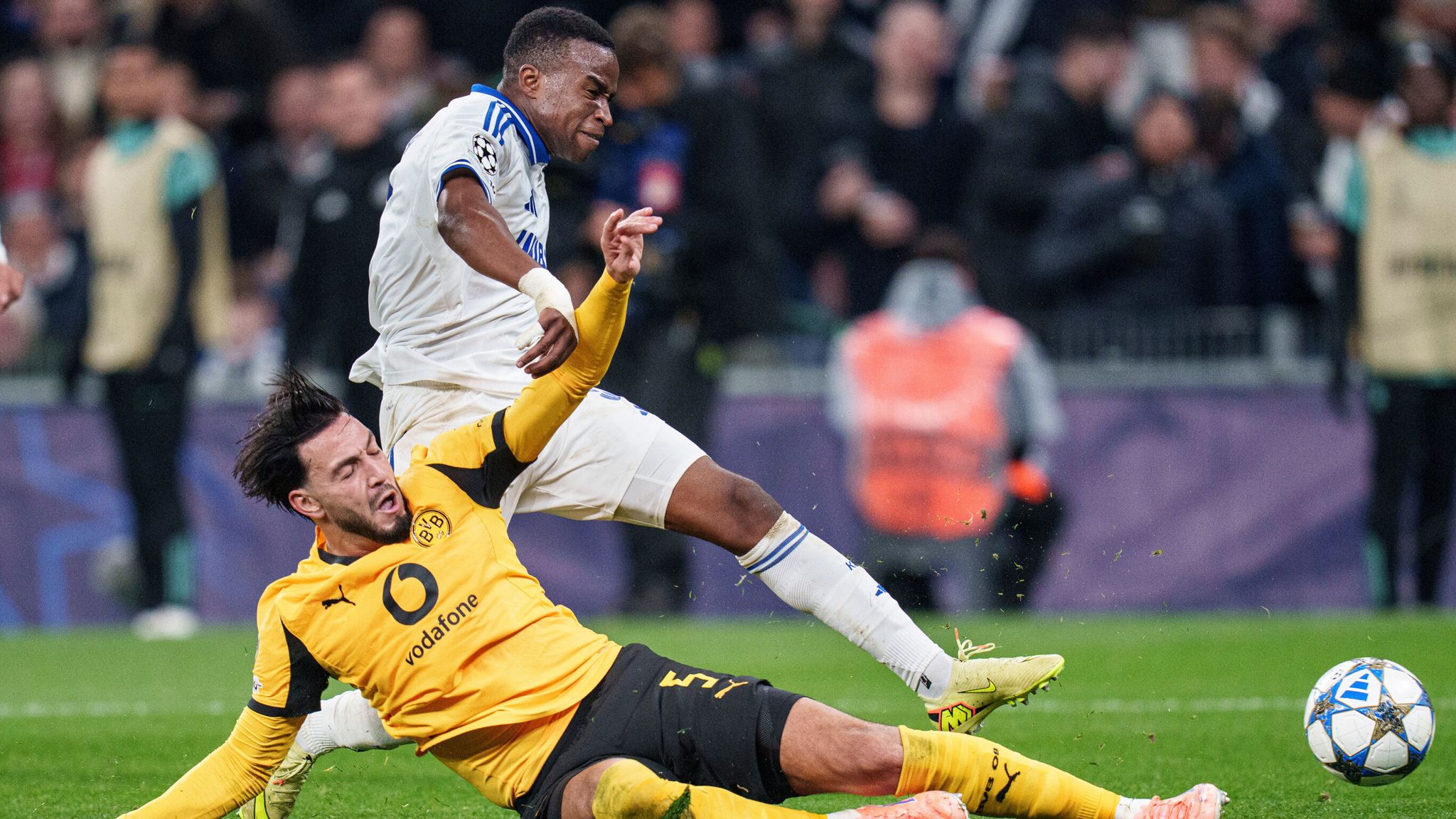
That education never came. At a critical juncture in his development, Moukoko did not acquire the technical and tactical skills required to operate in those deeper, more nuanced positions. The opportunity to transform him into a different type of forward—one whose gifts might have translated to the professional game—was squandered. As a result, he could no longer reliably score the only type of goal he had learned to score.
The consequences have been migration and instability. From Dortmund to France, from Denmark to Turkey, Moukoko has searched for an environment that might unlock what once seemed inevitable. According to Flashscore, his loan to Çorum runs until June 30, 2027, offering another window in which to rediscover his form.
Dortmund have drawn lessons from the Moukoko case. Schaffran acknowledged the statistical reality that no academy achieves perfection.
We wish we had a 100 per cent rate, but statistically it is impossible so we will always have these stories.Yet he insisted that acceptance is not enough.
You have to learn from this story when it comes to making decisions for the next generation.
The club have implemented substantial reforms to their academy structure under Schaffran's leadership. Those changes are designed to benefit future prospects, not to alter the trajectory of the current one. Moukoko, now 21 years old, still harbours hopes of a lengthy career. But the World Cup appearance, the Ballon d'Or ambitions whispered before he had even broken into Dortmund's first team, and that electrifying goal against Bayern—all of it now feels like a distant memory from another player's life.