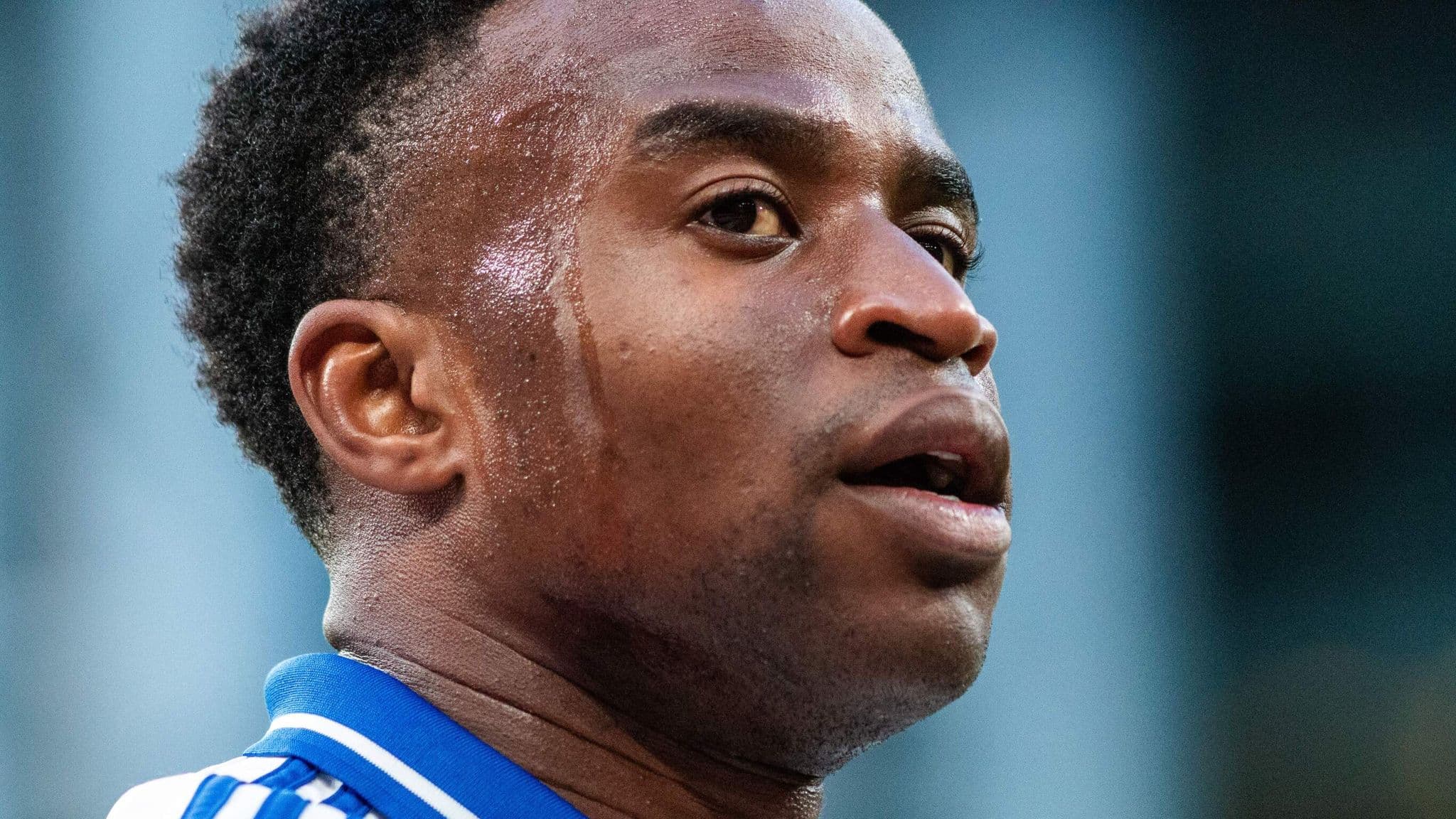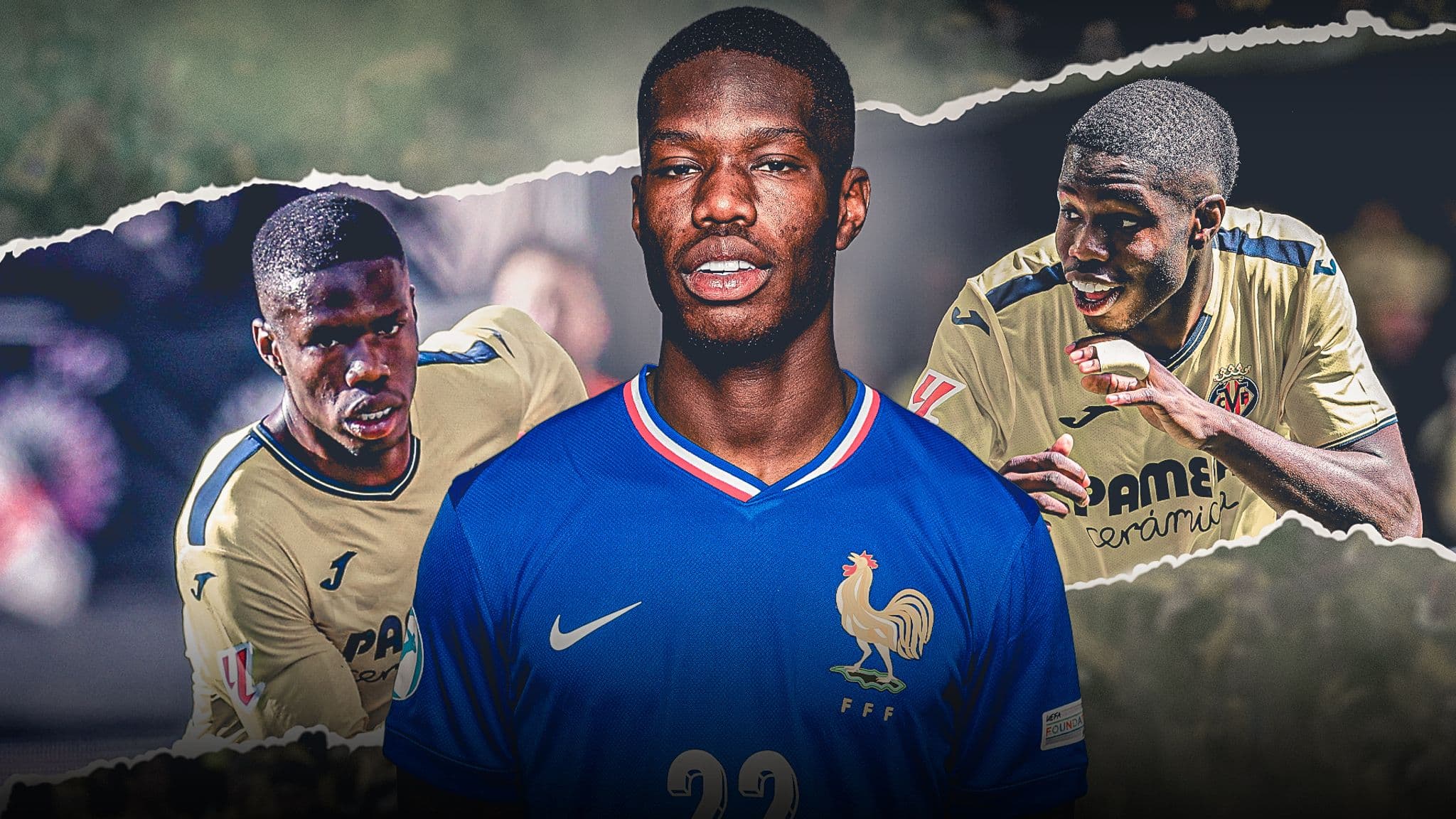
Four years have passed since Youssoufa Moukoko conjured a moment of magic at the Westfalenstadion. The ball sat awkwardly beneath his boot as Borussia Dortmund chased the game against Bayern Munich, and he produced the spark that ignited a comeback. Just days earlier, he had risen highest to head home the decisive goal in the Revierderby against Schalke, a performance that had the biggest stadium in Germany on its feet.
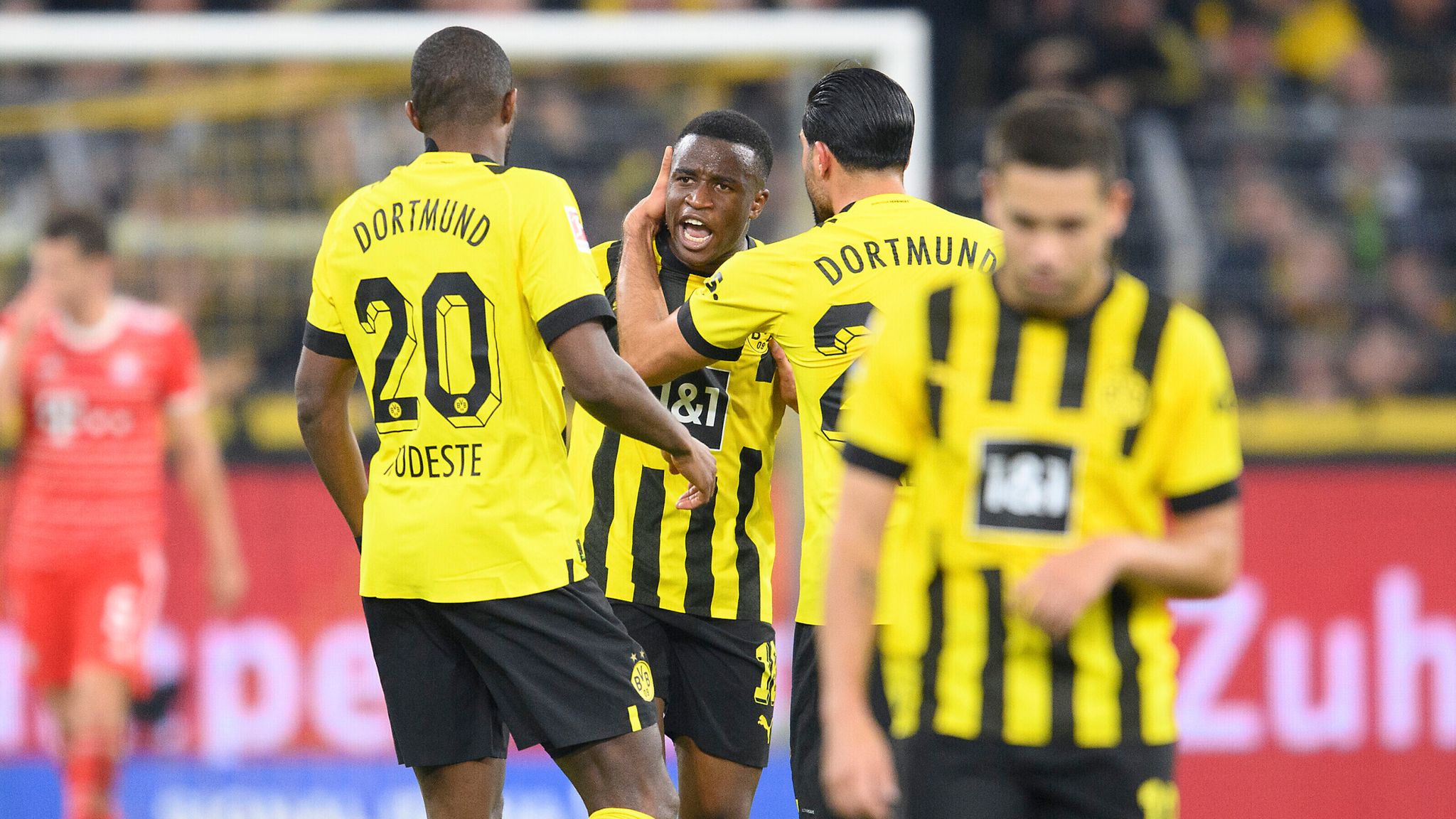
At 17 years old, Moukoko appeared destined for greatness. He was scoring in front of Europe's most demanding crowds, and the following month he struck twice against Bochum from distance, one curled in with his left foot, the other with his right. The performances earned him a place in Germany's World Cup squad that winter, and observers were hailing him as a generational talent.
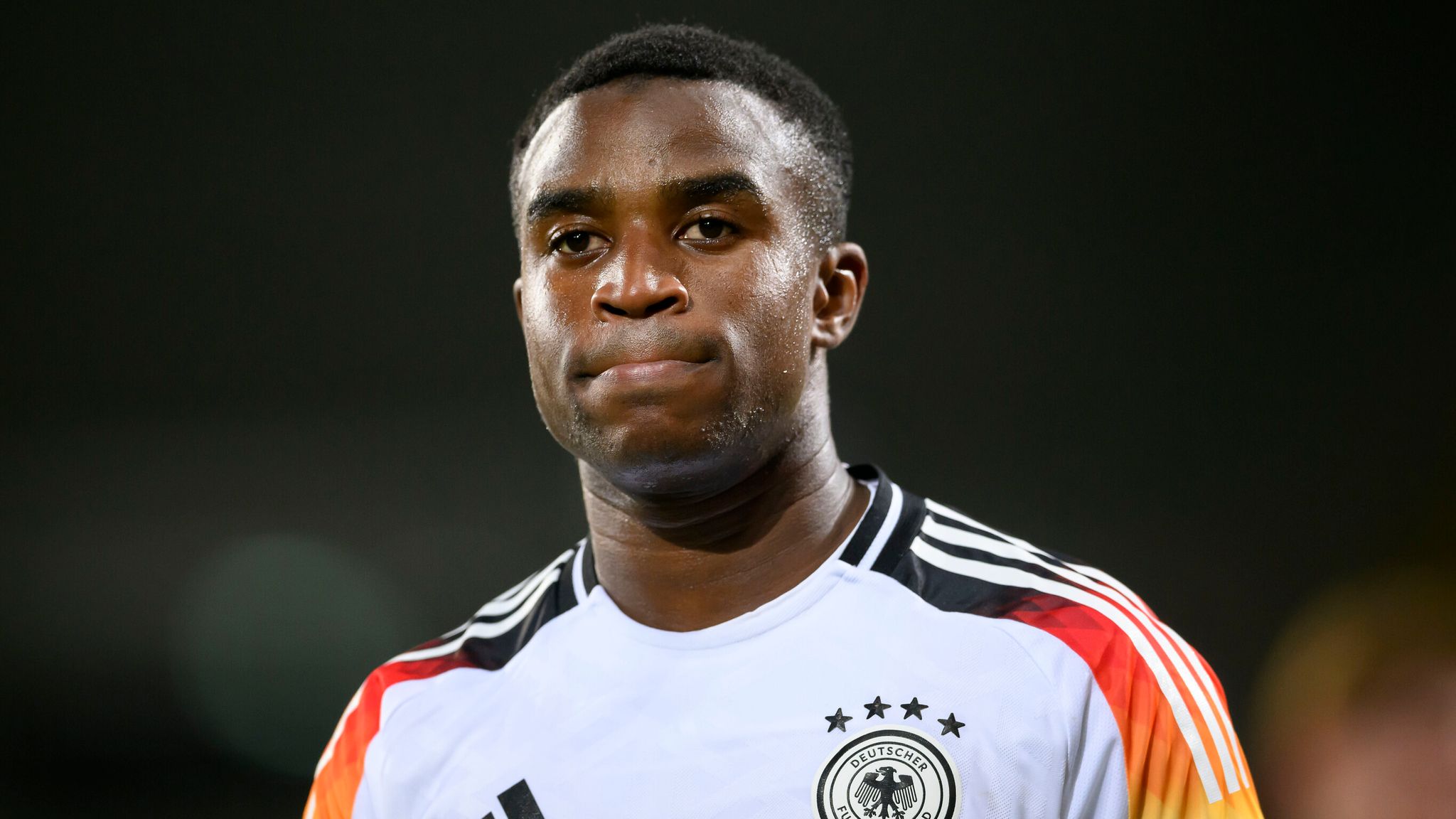
Yet on the fourth anniversary of that Bayern goal, Moukoko is nowhere near Jurgen Klopp's 44-man Liverpool squad. Instead, he occupies a bench at a struggling Turkish club. His loan move to Çorum FK, which Copenhagen arranged on 1 September 2026, has yielded only three substitute appearances. The Danish club, his parent organisation, had already seen him depart after a goalless start to their campaign.
This is not his first false start. Moukoko departed Dortmund for Nice in 2024 seeking regular football, and he scored twice in his opening Ligue 1 match. Those two goals proved to be his only contribution that season. The trajectory that once pointed skyward has become difficult to follow.
Speculation about his decline has been relentless, and some theories have been inflammatory. Der Spiegel published claims that Moukoko had been adopted by his father Joseph and was actually four years older than his official birth certificate indicated. Joseph initially denied the allegation, though he later suggested in a 2024 documentary that the claims held truth. Moukoko himself has never publicly acknowledged this, and Dortmund have maintained that official records confirm his registered birthdate.
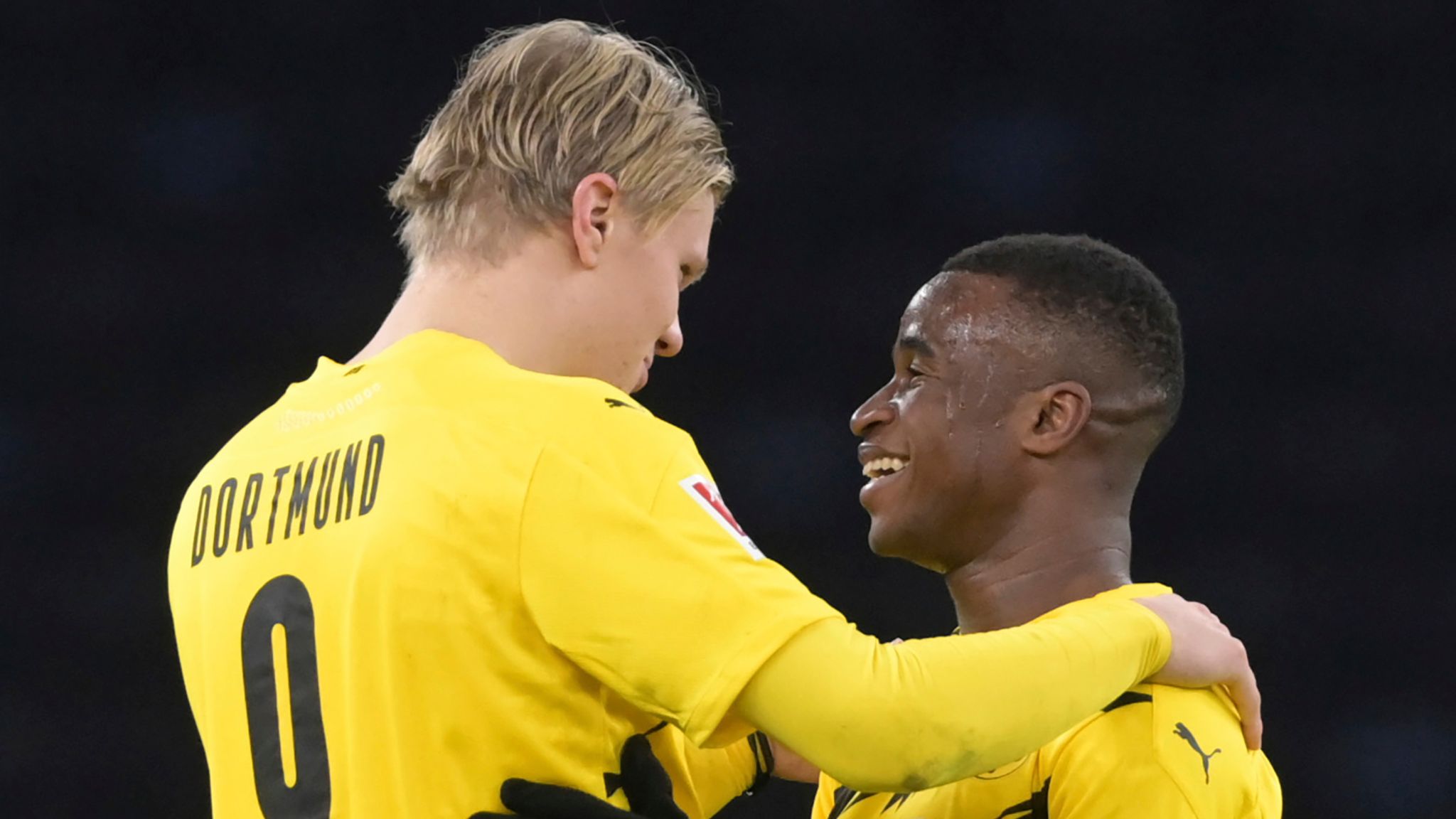
Even if the age question were settled conclusively, it would only partially explain his current struggles. It might diminish the precocity of a player whom Erling Haaland once called
the biggest talent in the world, but it would not fully account for why someone who once dominated the Bundesliga now operates on the fringes of European football. If he were 25 rather than 21, his decline would be even more perplexing.
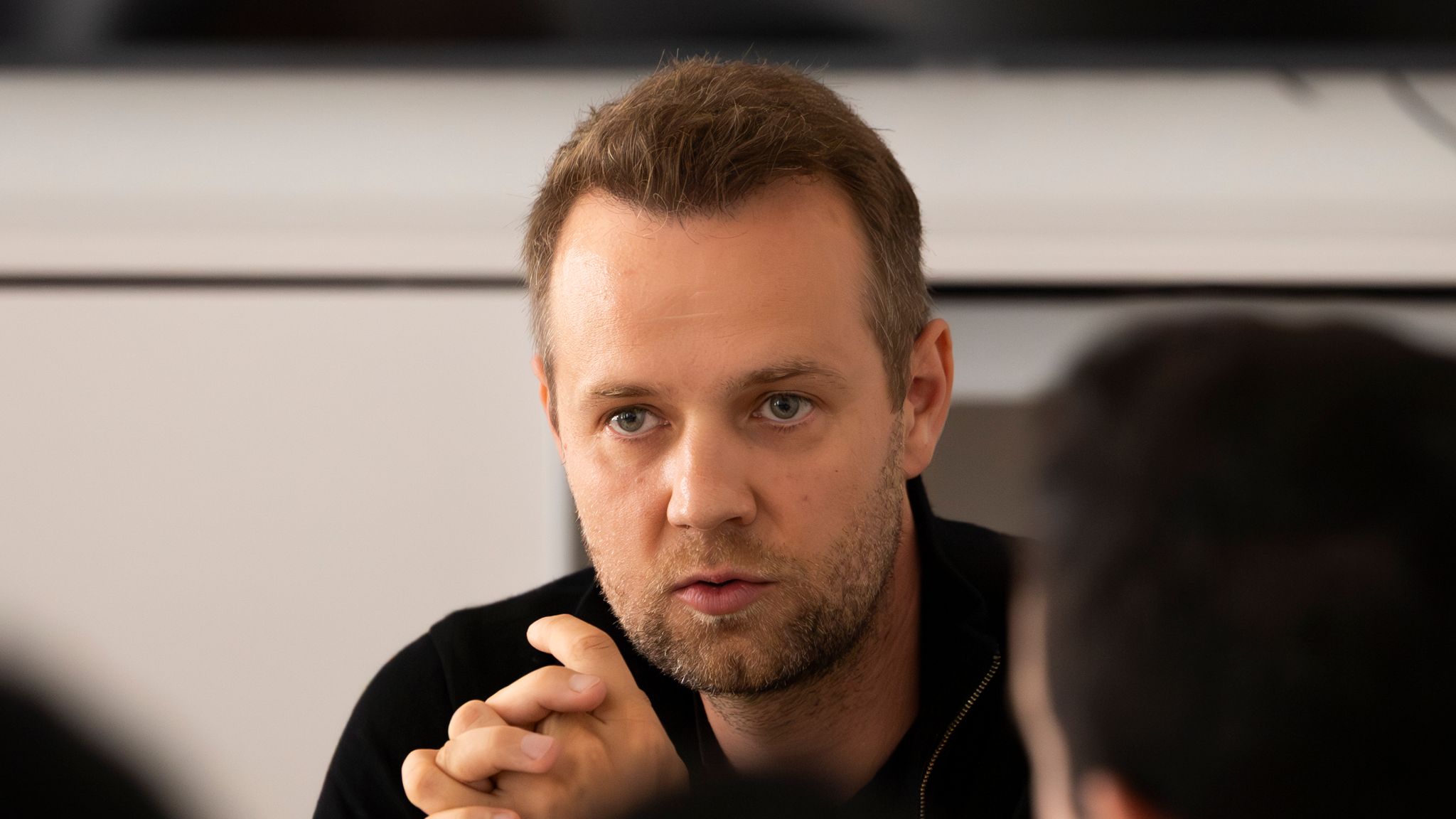
At Dortmund's training ground, a different narrative has emerged. Paul Schaffran, the club's academy manager, offered an alternative perspective during a recent conversation with international journalists. His assessment centres not on age or circumstance, but on the fundamental mismatch between Moukoko's youth-level skill set and the demands of professional football.
Schaffran explained that the player once tipped by Samuel Eto'o to succeed Lionel Messi, and who had openly discussed Ballon d'Or ambitions before establishing himself in Dortmund's first team, may have faced structural problems from the beginning.
If I had Youssoufa Moukoko in the academy right now, what we are looking for is whether the style of play that the player is playing in the youth area is transferable into a first-team environment.
The core issue, according to Schaffran, lay in how Moukoko accumulated his prodigious youth goal tallies.
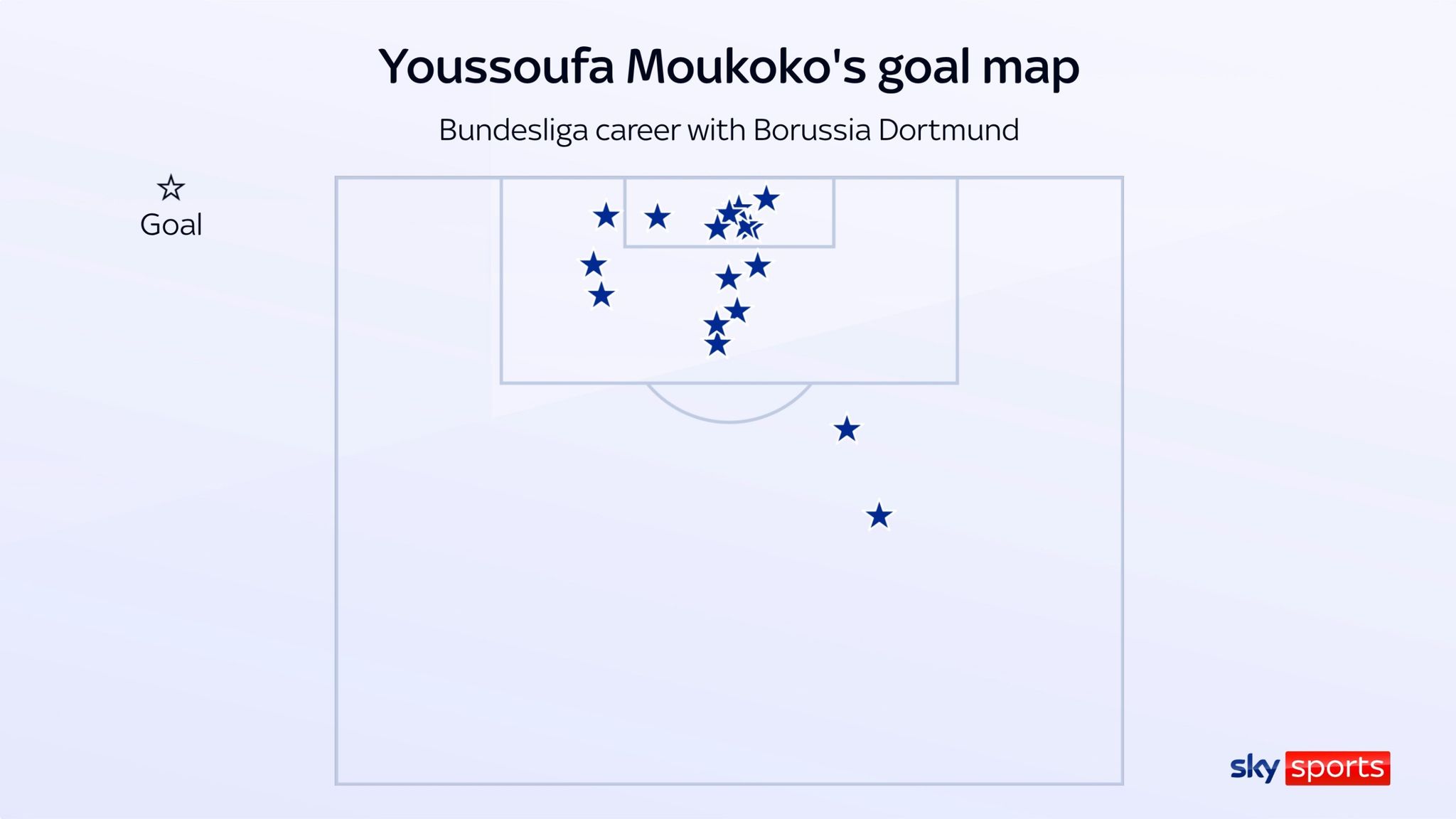
Youssoufa Moukoko scored 50 to 60 goals a season in the youth area. But if you see how he scored the goals, almost half of them were taking the ball in the middle of the field and just running through all alone. It is for sure this is not transferable.
The problem was not a lack of talent. Rather, the style of finishing that made him unstoppable in youth football simply does not exist in the professional game.
That is for almost no player, except maybe Messi, transferable into a first-team environment.
Dortmund, however, had little incentive to constrain a player breaking records at every level. The prevailing philosophy was to allow talent to flourish unimpeded. Schaffran now views that approach differently. The alternative would have been to challenge Moukoko, to guide his development in a direction that might have served his long-term career.
Knowing the athletic capacity that this player has, that he will not be the tallest, will not be the fastest, you have to make a decision. Do you want his efficiency in the youth area right now or do you want to bring him through in a style that benefits him later?
This tension has long defined youth development in elite football.
In this case, we perfectly see the challenge that we have. I think we have to decide not what benefits us at the moment but what benefits the player's development in the long-term perspective.
Schaffran outlined what a different pathway might have looked like.
If I had a player like him right now, I would know, okay, what might be his future profile? His future profile for sure will be not a number nine striker alone. So, he will not be perfect playing with his back to the goal. That would never be his style of playing. So, maybe it is better to develop him in a number 10 position, or in the number eight position, maybe playing in the half spaces. You will lose maybe 30 to 40 goals per season, but you might get a better player, specifically him, at the end of the pathway.
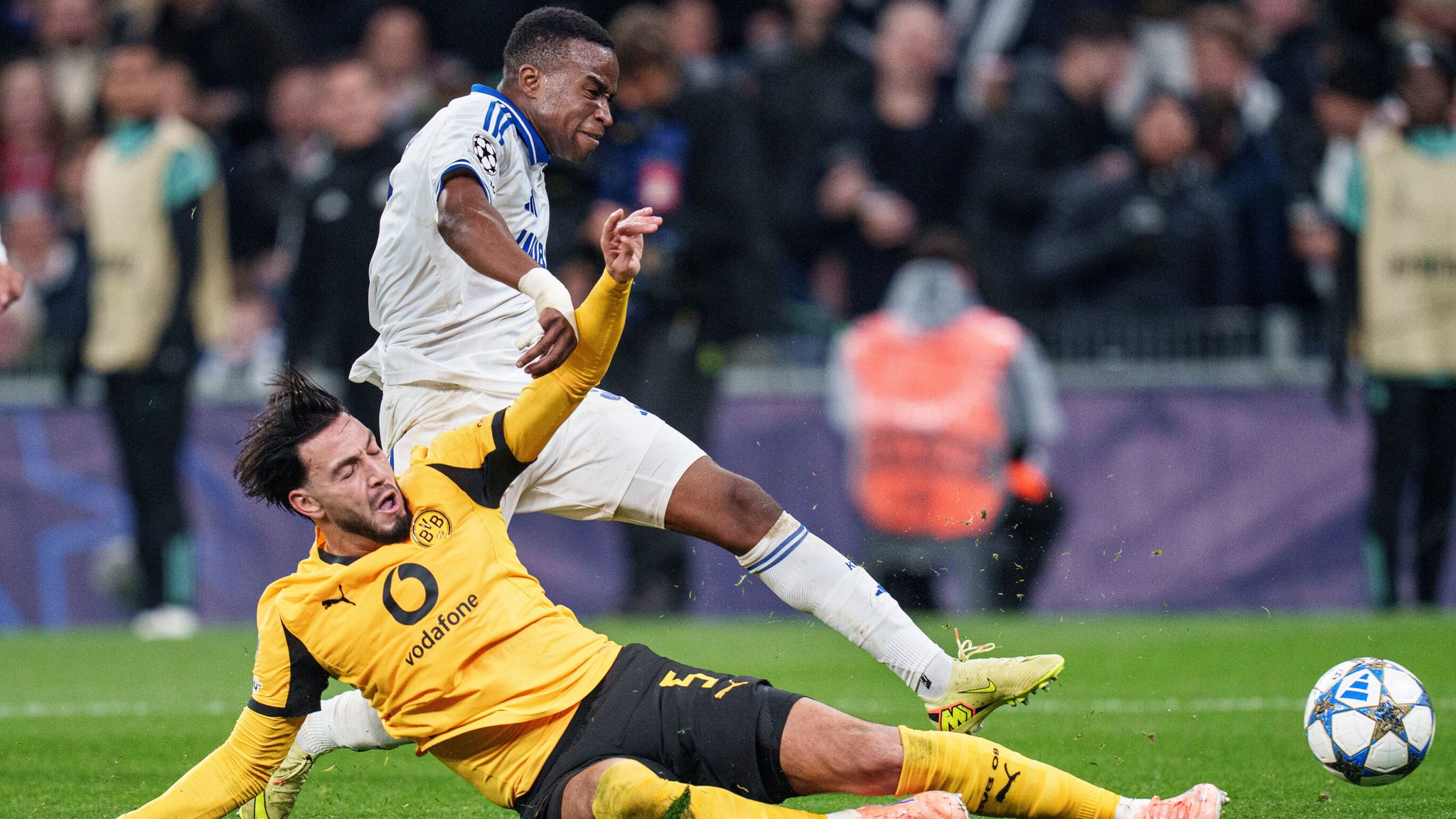
At a critical juncture in his development, Moukoko never received those experiences. He did not acquire the technical and positional skills required to operate in the half spaces. The opportunity to evolve into a different type of forward—one suited to his actual physical profile and long-term potential—was lost. When the supply of space dried up, so did his goals.
His career has since become a journey of searching. From Germany to France, from Denmark to Turkey, Moukoko has moved in pursuit of an environment that might unlock what once seemed inevitable. According to Copenhagen's official records, he managed 18 goals across 46 appearances for the Danish club, including 11 in 27 Superliga matches during the 2025–26 season. Yet even those figures have not translated into sustained success or a clear path forward.
Back at Dortmund, there is a resolve to extract lessons from the Moukoko case.
We wish we had a 100 per cent rate, but statistically it is impossible so we will always have these stories,Schaffran acknowledged. But acceptance is not the same as resignation.
You have to learn from this story when it comes to making decisions for the next generation.
The club has implemented significant structural changes to their academy under Schaffran's leadership. Those reforms are designed to benefit the next generation of young talent, not Moukoko himself. The current iteration of the wonderkid still harbours hopes of a lengthy career. But the moment when he scored against Bayern, when he represented Germany at the World Cup, when a Ballon d'Or seemed within reach—that feels like a different lifetime now.
What happens next
Moukoko's immediate focus will be on gaining minutes at Çorum FK. The Turkish club is scheduled to face Gaziantep FK on 11 October 2026 in the Süper Lig, offering another opportunity for the forward to demonstrate his value and stake a claim for regular football.