Gary Neville's assessment in the aftermath of Manchester United's 2-2 stalemate with Everton proved remarkably prescient.
It puts a bit of pressure on United. They've got City next week and European games starting in midweek.Though the calendar still shows September, his observation captures the mounting intensity surrounding Michael Carrick's tenure. What unfolds this week could well define the trajectory of the entire campaign.
When the Premier League released its 2026/27 fixture schedule, Manchester United appeared fortunate on paper. Statistical analysis suggested their opening six matches represented the season's gentlest run. Halfway through that sequence, however, the reality tells a different story: they have surrendered more points than they have accumulated.
The fixture congestion intensifies dramatically from this juncture. Carrick must navigate a Champions League debut on Thursday 10 September against Sabah FK at Old Trafford, followed immediately by the first Manchester derby of the season just 72 hours later.
The scheduling presents Carrick with a tactical puzzle. Conventional wisdom suggests he will deploy a rotated side for the European fixture, offering fringe players their first genuine opportunity to demonstrate their credentials. Yet this raises an uncomfortable question: does his squad possess sufficient quality to warrant such experimentation?
The prevailing view among observers holds that Manchester United's transfer activity has left them inadequately equipped. The consensus points to a squad incapable of sustaining three matches weekly, hamstrung by an excessive reliance on the same core group of performers.
Transfermarkt data reveals a paradox. United boast the second-largest squad in the Premier League by headcount. Yet the composition of that squad creates genuine difficulties. They rank first in forward depth but occupy eighth position in midfield and tenth in defence. Drilling deeper into specialist positions exposes further vulnerabilities: ninth in right-back availability and eighteenth at left-back, a position perpetually scrutinised due to Luke Shaw's recurring injury concerns.
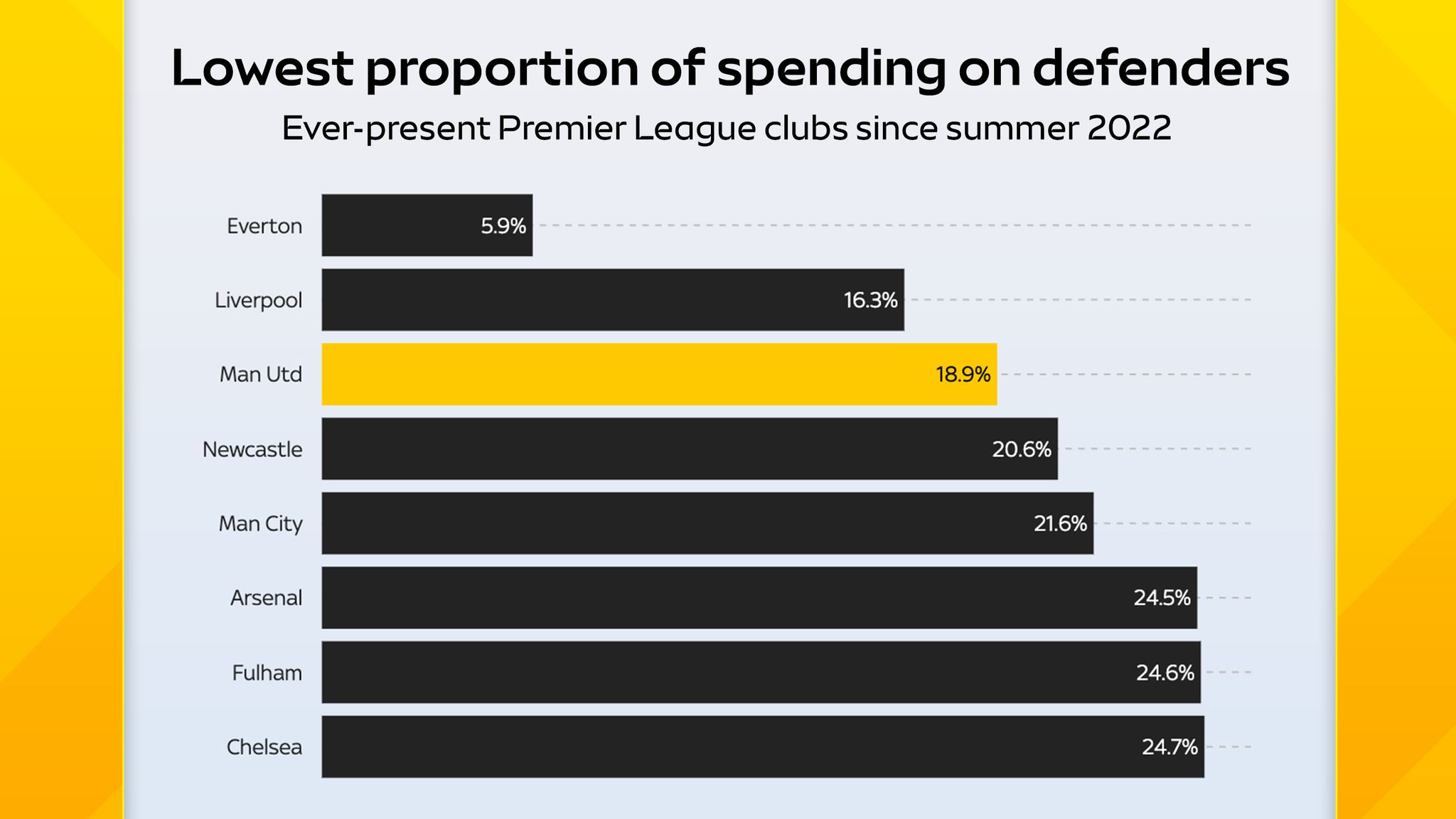
The club bears responsibility for these shortcomings. Since 2022, only Everton and Liverpool have invested less substantially in their defensive line than Manchester United.
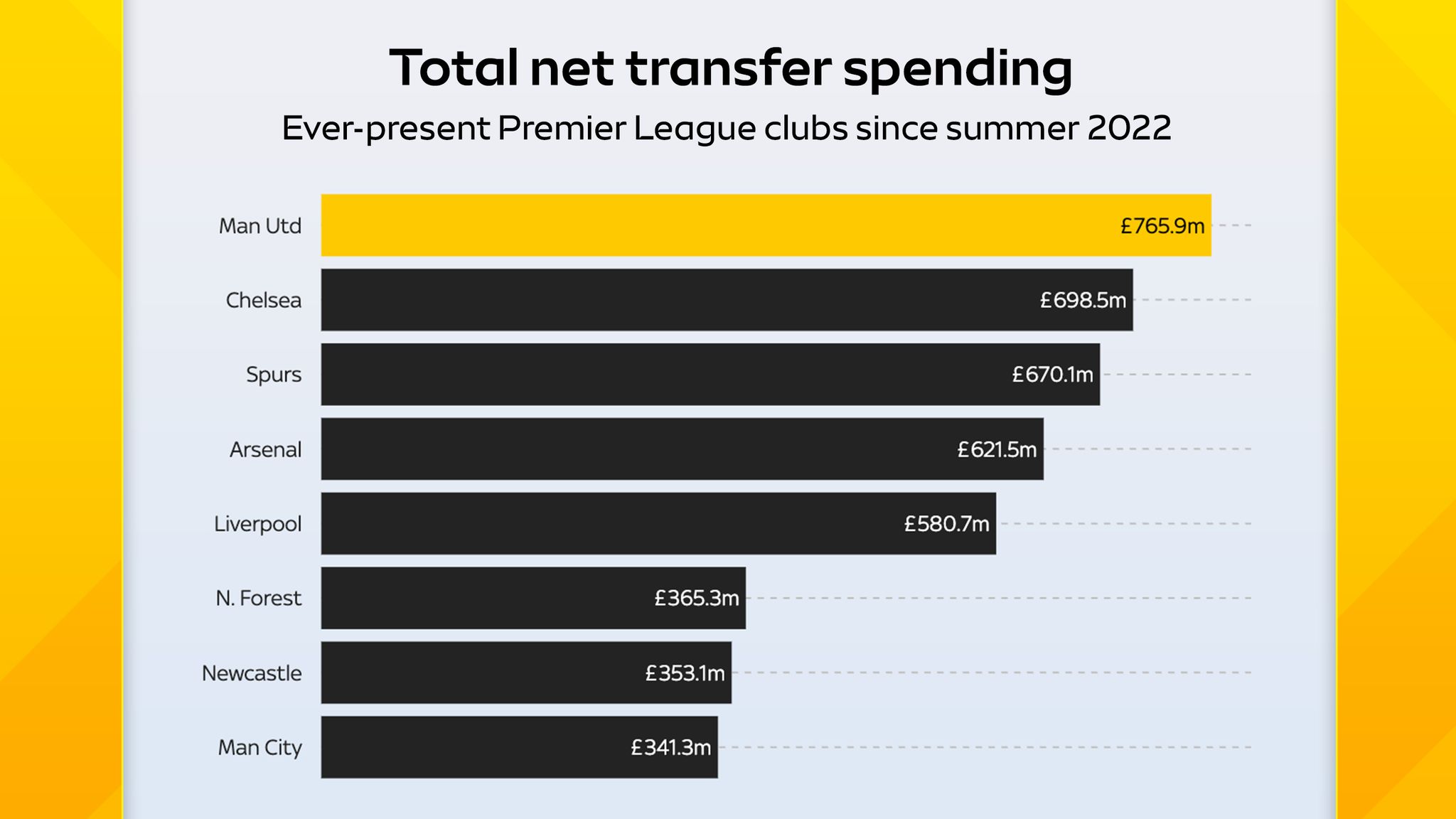
Beyond structural imbalance lies another critical issue: the chasm separating the starting eleven from the replacement options. Despite apparent financial constraints operating within the organisation, Manchester United cannot escape one uncomfortable reality. They have generated the highest net spend of any Premier League club since 2022, yet that expenditure has failed to construct a genuinely competitive squad where places are genuinely contested.
The Everton encounter provides illuminating evidence. Carrick introduced his first substitutions in the 70th minute. Comparative analysis of the data before and after those changes reveals a troubling pattern. Following the alterations, United's territorial control shifts. They occupy more of the opposition half, but this possession lacks penetration. Passes into the final third diminish, and chances created decline noticeably.
Simultaneously, their involvement in contested duels decreases, inviting sustained pressure and conceding substantially more opportunities. Context matters, naturally. Everton were chasing the match, making the final twenty minutes unlikely to mirror the opening seventy. Nevertheless, the statistics underscore a fundamental problem: when Carrick turns to his peripheral players, they fail to deliver sufficiently.
Benjamin Sesko represents the solitary exception, but one impactful substitute cannot substitute for adequate squad depth across the board.
This pattern extends beyond the Everton fixture. Similar trends emerged during the Hull encounter. While the data might suggest United improved following their substitutions, context complicates that interpretation. Four members of the starting eleven against Hull were subsequently dropped, with Carrick forced to utilise his squad in that opener because players were still building match fitness. The changes he implemented brought the team closer to the configuration he would select for matches against Ipswich and Everton.
Therein resides the fundamental challenge. Even when Carrick alters fewer than half his team, performance deteriorates noticeably. The players involved must elevate their standards dramatically or risk leaving Carrick exposed this week—and potentially throughout the season.
The opportunity awaits
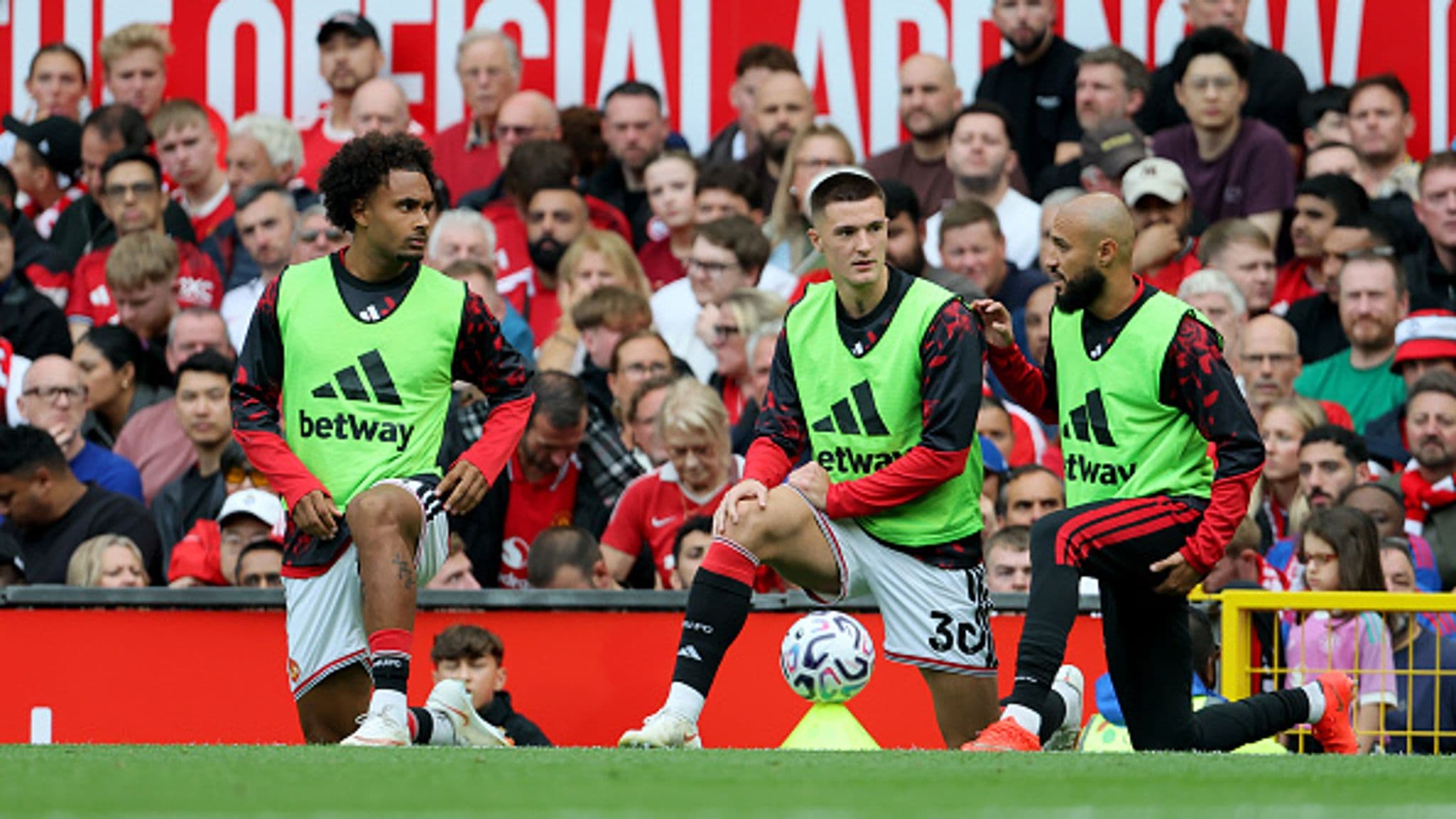
For players like Leny Yoro, Patrick Dorgu, Andrey Santos and Joshua Zirkzee, Thursday's European encounter represents a golden platform to establish their worth within the squad structure. While all would naturally prefer selection for the derby, launching the Champions League campaign successfully carries equal importance. The pressure upon them to deliver if selected matches the burden facing the established core who will almost certainly start against City.
Neville emphasised that Carrick must earn the confidence of the fanbase. Those fringe players face an identical imperative. Victory in Europe provides reassurance and quiets the growing unease. Failure to perform will only amplify the anxiety permeating Old Trafford.
What comes next
Manchester United will face Sabah FK in the Champions League league phase, with kick-off scheduled for 8pm BST on Thursday 10 September. French referee Willy Delajod will oversee the fixture. The immediate aftermath will focus on squad selection and team news as Carrick prepares for the derby encounter three days hence.