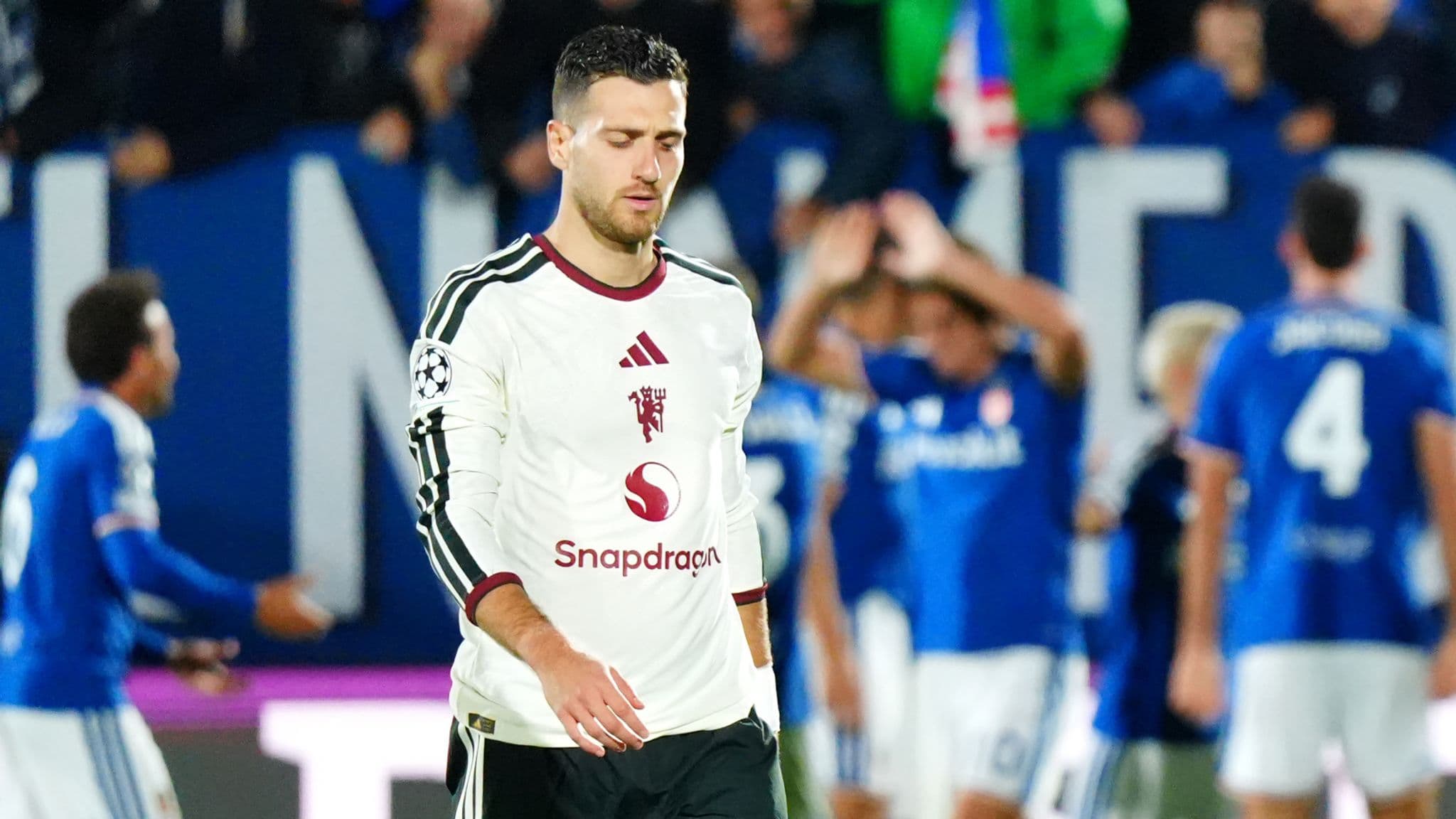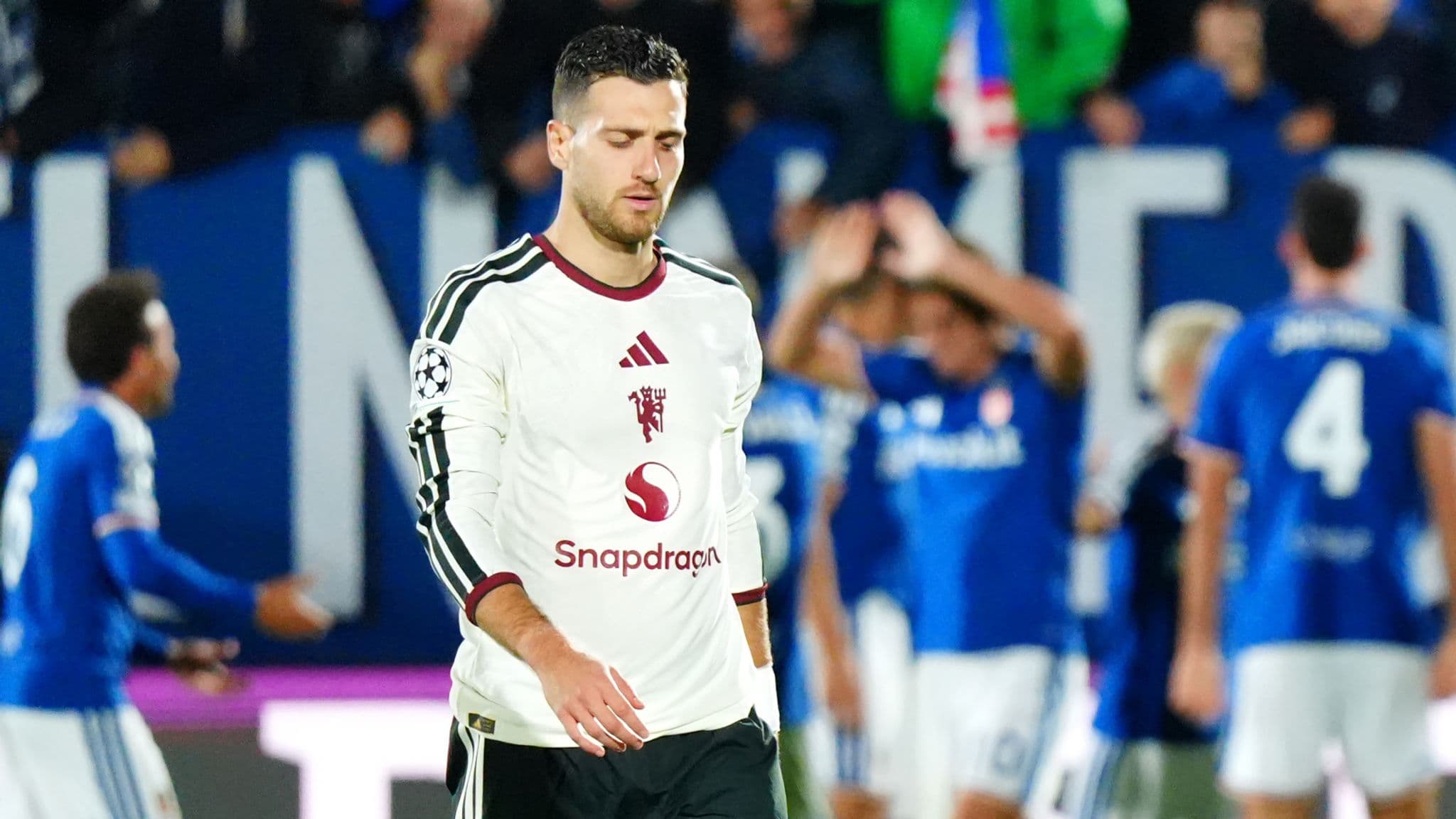
Exactly five months have passed since Manchester United confirmed Michael Carrick would remain as head coach, signing a contract through 2028. The morning after his worst evening in the job—a 4-1 demolition at Como—offers little cause for celebration.
According to Sky Sports, the Italian defeat has left Carrick visibly frustrated and exposed fresh tensions within the squad, with club captain Bruno Fernandes openly questioning the tactical approach. United's Premier League record is now their worst in the division's history, and they have failed to win in seven consecutive matches across all competitions.
The contrast is stark. The brilliant form that closed out last season—the very run that persuaded the club to commit Carrick to a long-term deal—has evaporated entirely. Understanding what has unravelled requires examining multiple layers of failure.
The summer transfer window and squad depth
Discontent with the transfer strategy has surfaced repeatedly in recent weeks. Lisandro Martinez publicly criticised the hierarchy last week for failing to strengthen the squad adequately, with technical director Jason Wilcox in his sights. This week, Fernandes joined the chorus of complaint about the tactical setup.
United invested £163m during the summer window—a figure that placed them below promoted Hull City and Ipswich Town, as well as seven other Premier League clubs. The focus fell on midfield recruitment, but the left-back and centre-forward positions went unaddressed despite clear needs.
The reasons for this spending restraint are complex and rooted in the club's ownership structure, but the immediate consequence is clear: Carrick has been unable to substantially upgrade the playing group to manage the jump from 40 matches last season to competing in the Champions League while challenging for Premier League honours. The squad depth simply does not match the ambition.
Fitness and intensity: the standout weakness
The summer proved demanding for elite players across Europe, with World Cup commitments draining recovery time. When concerns about United's increased workload this season were paired with suggestions from Youri Tielemans that pre-season running had been lighter than expected, warning signs emerged.
What has followed has been a glaring lack of intensity. United have been out-run in six of their seven Premier League matches, with the sole exception coming when Manchester City played for over an hour with a numerical disadvantage. The Como performance laid this bare once more.
If you don't run back, you ain't going to win, Carrick said in the aftermath, diagnosing the problem with brutal simplicity.
According to Yahoo Sports, United managed just 36% possession in the first half against Como, who struck inside two minutes. The defeat itself carries historical weight: it was United's heaviest loss in European competition since 1994, and they became the first team to concede in the opening two minutes of consecutive European matches.
Fernandes' dramatic dip in form
The captain may harbour reservations about Carrick's pressing instructions, but his own output has collapsed. Across his last nine appearances for United, Fernandes has managed just one goal involvement—a staggering decline from his status as the team's creative heartbeat.
In the Premier League, all four of his goal contributions have come in a single match: the fixture against Ipswich Town, where he scored three times and provided one assist. After breaking the assists record last season, his chance creation has halved this term.
Since that Ipswich game, Fernandes has registered 12 shots but only two have found the target. The numbers paint a picture of a player struggling to influence matches at his usual level, and for a team built around his creativity, that absence is crippling.
An attack misfiring despite volume
Fernandes' individual struggles reflect a broader attacking dysfunction. United have accumulated more shots than any other team this season, yet they rank joint-worst for expected goals per shot—a damning indictment of quality over quantity.
The problem intensifies without Benjamin Sesko. The striker's continued absence through injury has left United without a focal point in the penalty area, forcing Fernandes into a false-nine role on Wednesday, an experiment that failed. During the final 17 matches of last season under Carrick, United topped the scoring charts, harnessing Fernandes' brilliance in a more structured attacking system. That fluency has vanished.
Too often, United's shooting is speculative rather than purposeful. The absence of a dedicated centre-forward, combined with Fernandes' loss of form, has created a vacuum that the current squad cannot fill.
Defensive fragility and personnel chaos
Scoring struggles demand defensive solidity, yet United have failed to record a single clean sheet this season. In Como, Diogo Dalot and Noussair Mazraoui endured forgettable evenings, while Matthijs de Ligt appeared understandably laboured in his first outing after 11 months sidelined.
The injury list has compounded the problem. Martinez and Luke Shaw are unavailable, Ayden Heaven is dealing with illness, and Leny Yoro served a suspension. Yet these absences, while significant, do not fully explain the defensive brittleness on display.
Whether the issue stems from personnel limitations, structural problems in United's shape without possession, or simply the fitness and intensity required to shut down opponents remains unclear. Carrick has experimented with different midfield pairings in front of the backline, but the optimal combination—likely involving Carlos Baleba, who is working his way back to match fitness—continues to elude him.
The road ahead: Bournemouth and beyond
United face Bournemouth at Old Trafford on Sunday, October 25, with the possibility of recalling up to four of the nine unavailable players from the Como trip. Yoro, Martinez, Heaven and Marcus Rashford could all return, offering defensive reinforcement and attacking impetus.
Yet Fernandes has suggested the battle extends beyond the physical realm.
Conceding the goal very early makes us feeling, going into the game, already in a mood of a defeat. It's very difficult to get out of that at the moment, without being ourselves and trying to push and trying to be brave, trying to have the ball, trying to make something happen. If we're not able to do that it's going to be very difficult to get out of this situation.
According to Yahoo Sports, Carrick stated after the Como defeat that he had not given his own position any thought and took full responsibility for the performance. The focus now must be on Old Trafford, where United will need to demonstrate the bravery and intensity that has been absent.
Recovering the form that characterised Carrick's late-season run last year from this position would represent a remarkable turnaround. The fixtures ahead—Chelsea, Roma, Aston Villa and Liverpool after the international break—offer no respite, and the pressure continues to mount on both manager and players to reverse a deeply troubling trajectory.