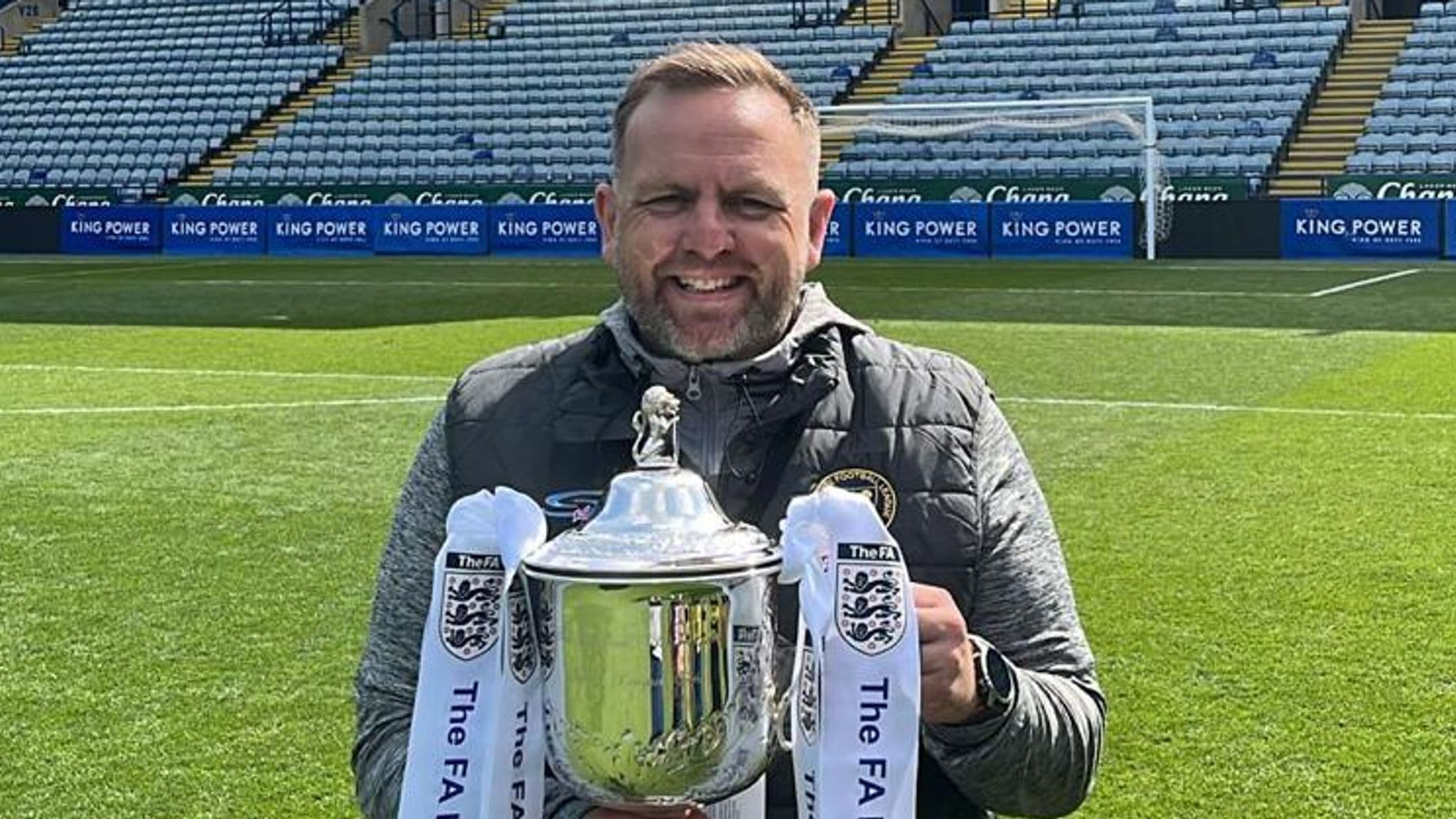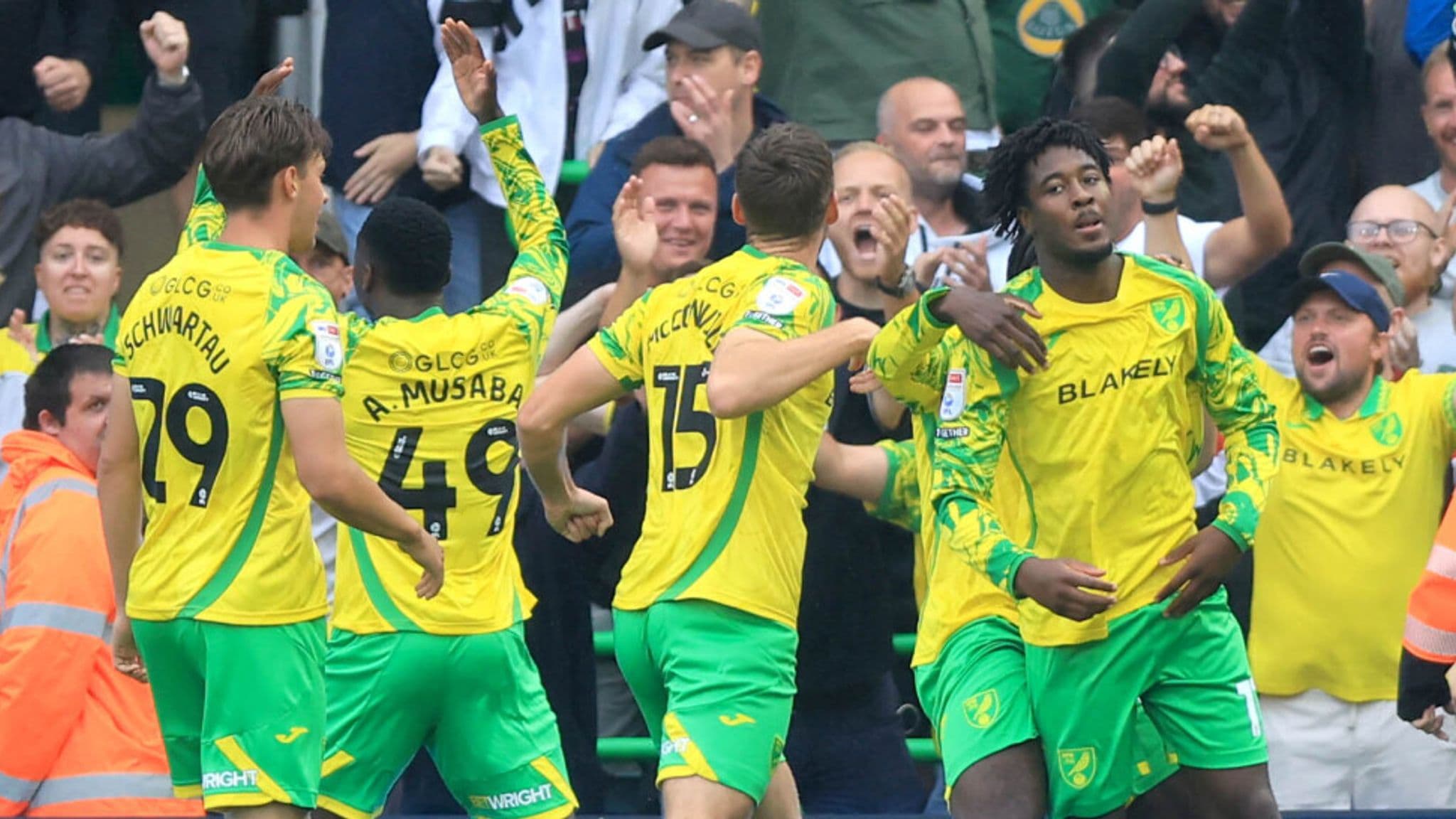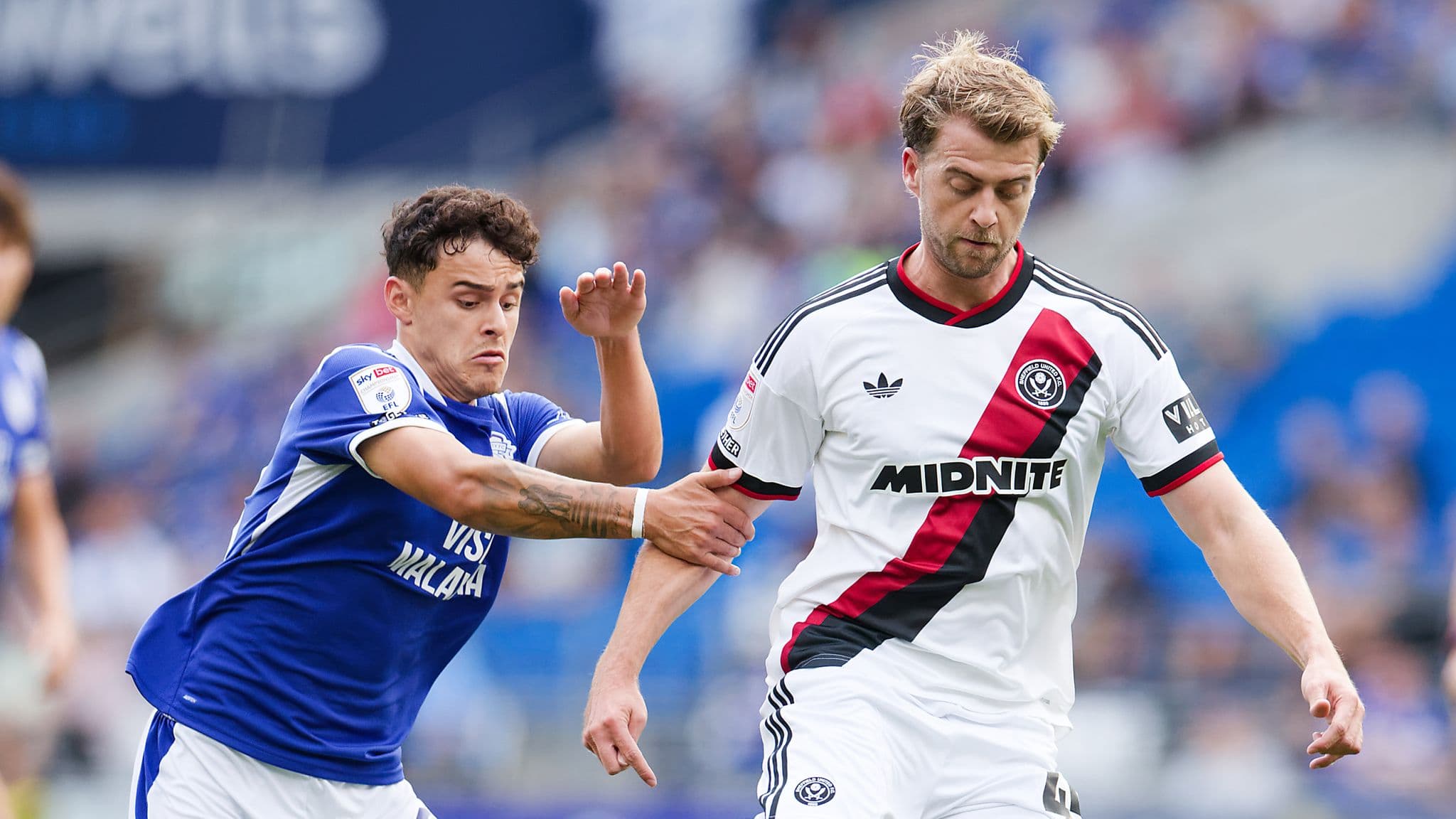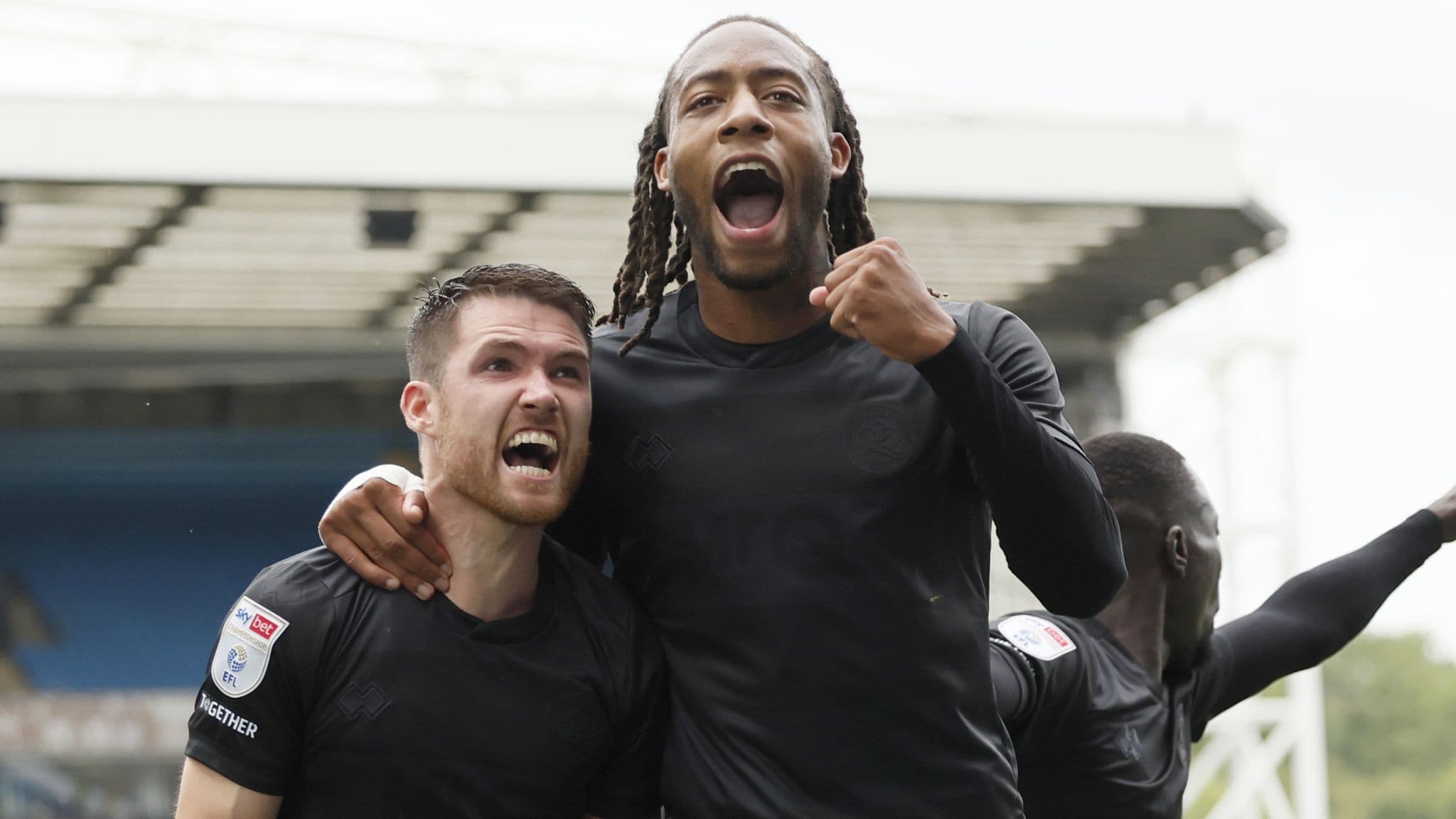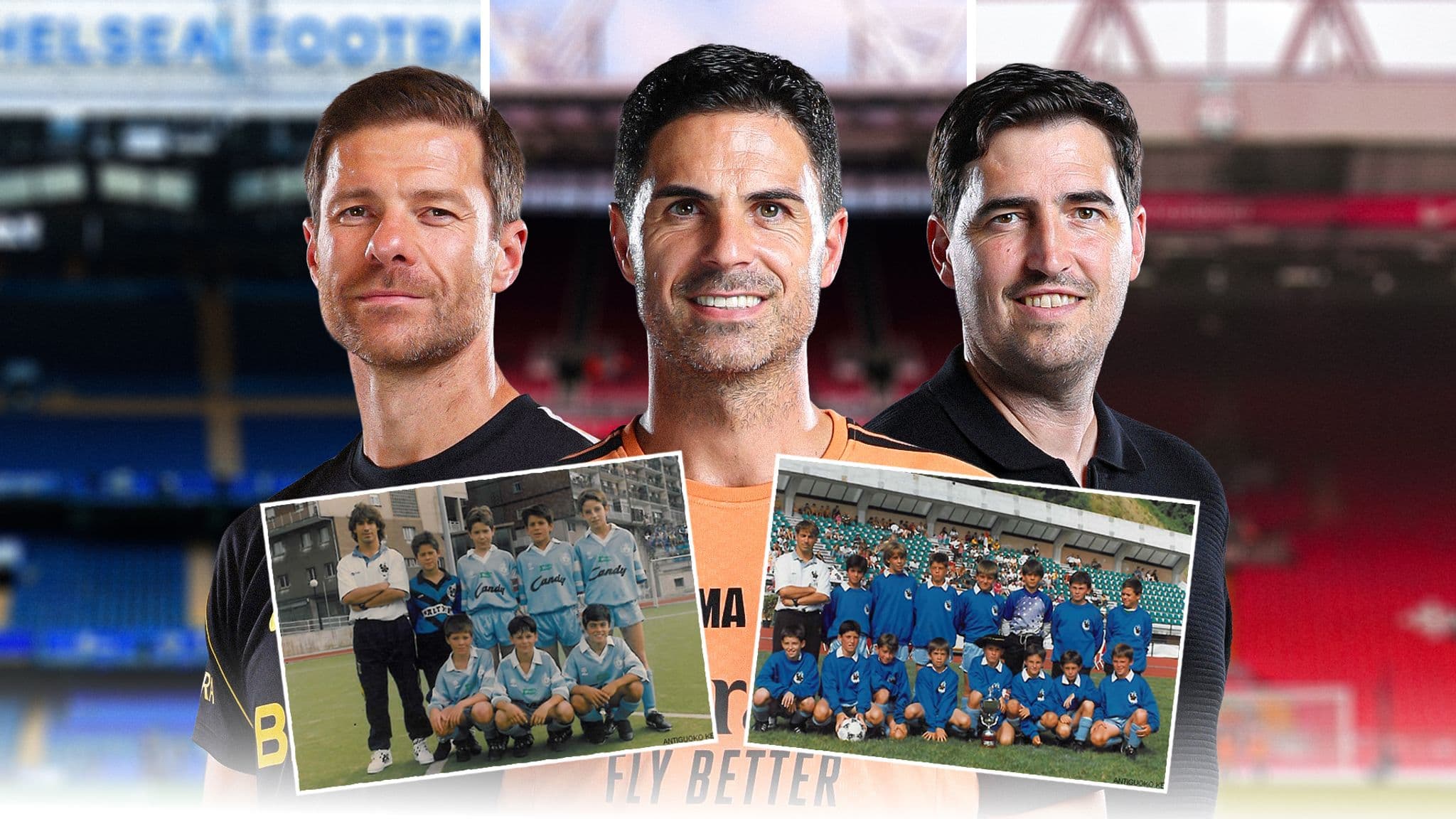
Nestled between white apartment buildings and an artificial pitch set into the verdant hills of Berio in San Sebastian stands a public park that holds profound significance for three of Europe's most prominent football managers. This unremarkable patch of land is where Mikel Arteta, Xabi Alonso and Andoni Iraola first learned to master their craft at Antiguoko, a grassroots club that has quietly become one of football's most unlikely talent factories.
Roberto Montiel, the club's long-serving coach and vice-president, gestures across the park with the reverence of someone describing sacred ground.
The centre circle was just over there,he says, settling into a seat where the old pitch once lay. He rubs his thumb and forefinger together, recalling the texture of a surface that shaped champions.
The pitch wasn't like the new one up there. It was smaller and made of small stones, like gravel. The balls weren't like the ones now either. When they got wet, they became heavy. You would slip and slide, and if you fell, you'd end up with a terrible scrape.
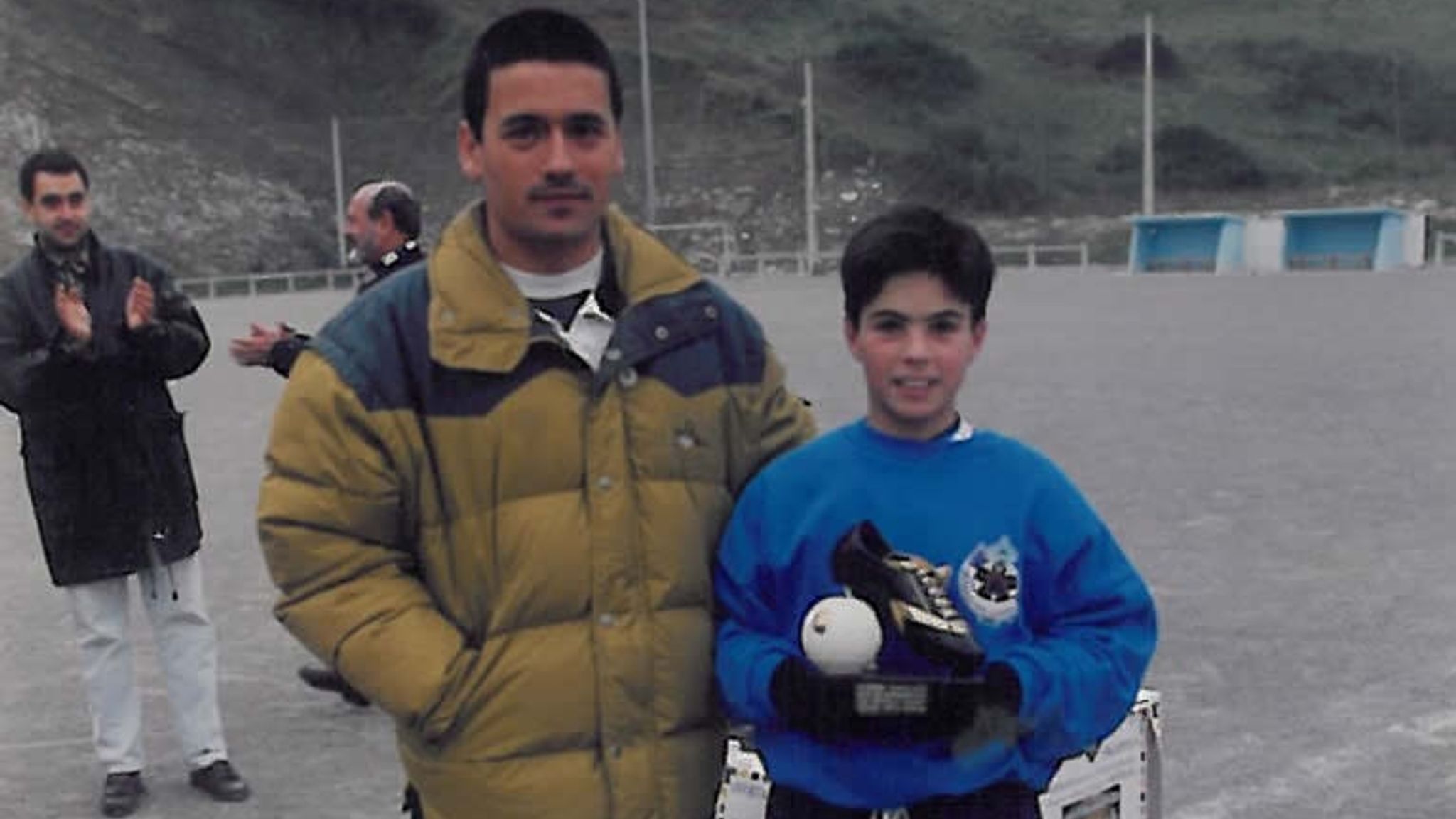
The conditions were brutal, yet the quality of football produced on that unforgiving surface became the stuff of local legend. Two of Antiguoko's most celebrated alumni will meet as opposing managers when Arsenal face Chelsea on Sky Sports on Sunday, a fixture that carries profound meaning for those who watched them develop.
Even then you could see their vision for the game,Montiel reflects.
On this pitch made of gravel, trying to pass those balls when it was raining, with puddles all over the place, with everything getting dirty. Honestly, it was something special to watch. The teams from those '81 and '82 generations were incredible.
Arteta and Iraola belonged to the latter cohort; Alonso to the former. The three were born within 15 miles of each other, separated by only seven months, in Gipuzkoa—Spain's smallest province—yet their rise to managing Premier League clubs remains extraordinary even to those who knew them as boys.
Alvaro Parra, a former Antiguoko team-mate and lifelong friend of Arteta's, describes the competitive dominance of their youth sides.
It was like a national team of the best players in the area and it made us an unbeatable team,he says.
I remember games against Real Sociedad that were so easy. They would come to play us and we would beat them 5-0. Athletic Club would come and we would beat them as well. We won all the leagues. The team became known as the Basque Dream Team.
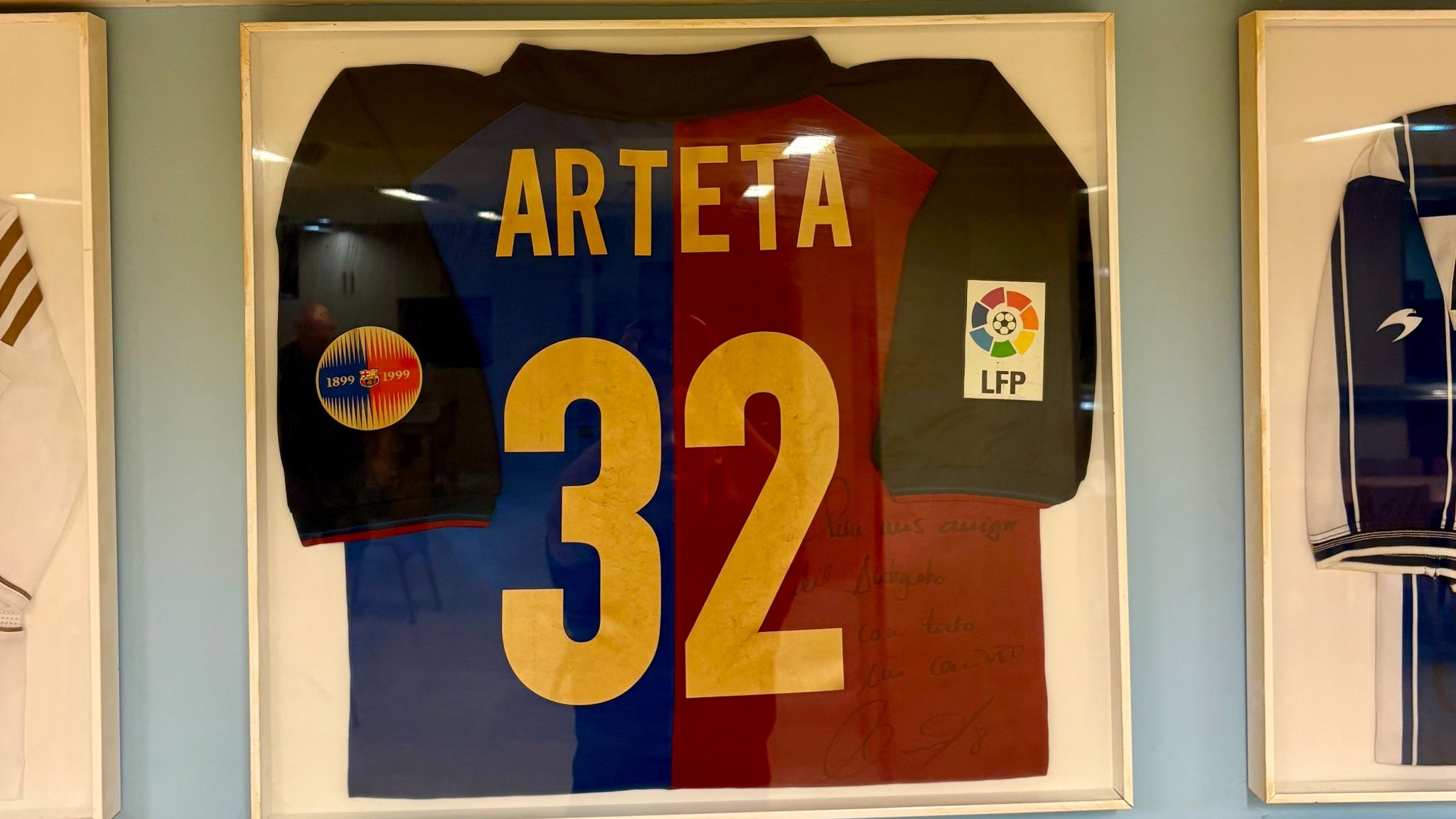
The club's success in producing top-flight talent has continued unabated. At their offices near Ondarreta beach, a mile further into town, Montiel jokes that they require additional wall space to display signed shirts from a roster of more than 40 top-division graduates. Those belonging to Arteta, Alonso and Iraola occupy the most prominent positions.
According to BBC coverage of the Antiguoko story, the club has become recognised as the shared starting point for three of Europe's leading coaching voices, with their simultaneous rise to prominence in elite football representing an unprecedented achievement for a grassroots institution.
Mikel Yanguas, another former team-mate, struggles to process the reality.
If I really think about it, it's absolutely crazy that our three friends are managing these Premier League teams,he says.
Sometimes I turn on the TV and say, 'Oh, it's Mikel! Oh, it's Xabi! What's happened here?'
Arteta: The Predatory Midfielder
Even as a boy, Arteta possessed qualities that set him apart from his peers. Yanguas, who played as a striker alongside him, recalls the intelligence that defined his positioning.
He had something different,Yanguas explains.
He was small but very technical and very clever. He played right behind me and he was always thinking about his next pass. I just needed to run.
Yanguas later joined Arteta at Barcelona's La Masia academy, though he would struggle to adapt to the Catalan environment. He jokes that his old team-mate made him appear far more capable than he truly was. Parra, a centre-back who played directly in front of Arteta, felt similarly.
I just had to pass the ball to Mikel Arteta. Mikel Arteta to Yanguas. Goal.
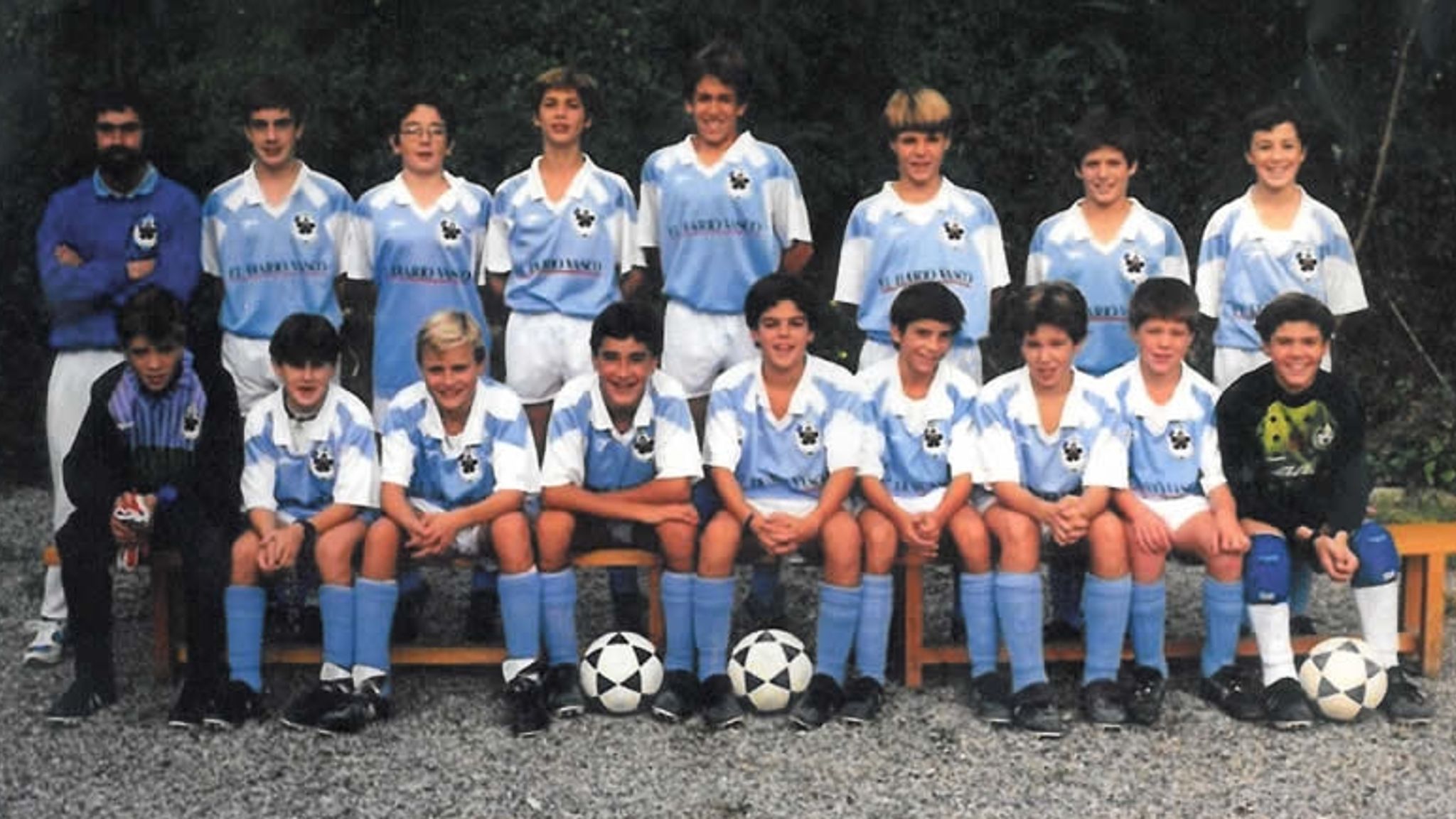
Montiel possesses an extensive collection of anecdotes from the gravel pitch, many illustrating Arteta's exceptional awareness even in youth.
The one I like to tell, and the one that stays with me most, shows that he was a player who was so alert to everything,he says.
It was right over there, in midfield. The referee blew for a drop ball, and just as he let it bounce, Arteta flicked it away with the outside of his boot and hit a long pass across the pitch for a team-mate who was on his own to score - and that was against Real Sociedad.
There existed a competitive edge to Arteta's play, particularly when facing opponents a year his senior.
He had a real competitive look about him,Montiel recalls.
He was super-attentive to everything you said. He showed an interest in everything. And then, when he went on the pitch, he was a predator. And that was against players a year older. I don't even need to tell you what he was like against players of his own age.
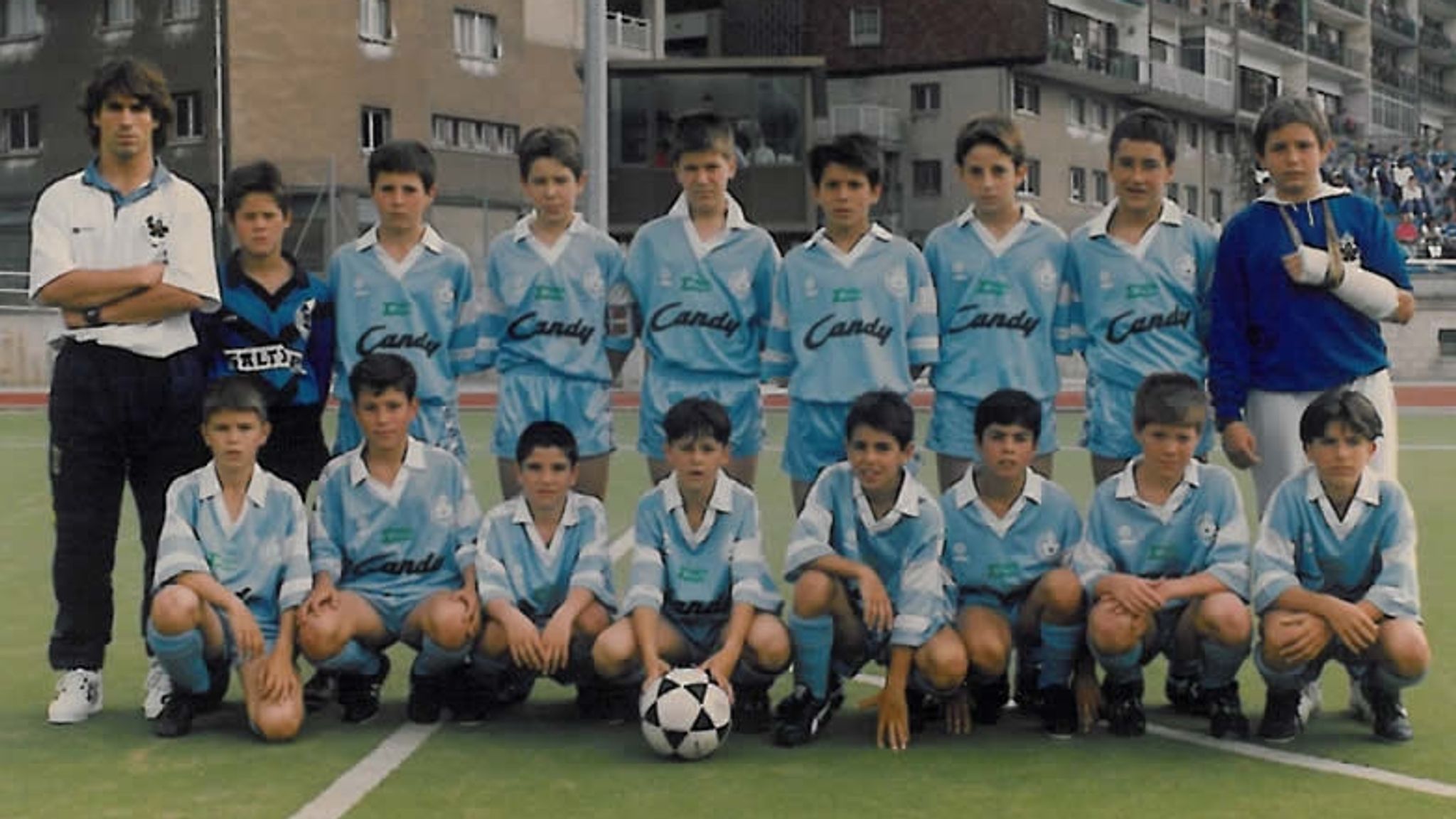
This competitive intensity has remained central to Arteta's identity as a manager, but it extended far beyond the pitch during his youth. Montiel recalls Arteta sliding Jurgen Klinsmann-style down the hallway of his house in Liverpool after defeating him at PlayStation during a visit while playing for Everton.
Whatever game you played with him, you would always lose,Parra adds with a chuckle.
If you played PlayStation, you would lose. If you played ping pong, you would lose. He was very, very competitive. If you beat him at anything, he would get angry and go home.
Yet beneath this fierce competitiveness lay a disciplined, organised individual. Parra emphasises that Arteta's parents instilled values of structure and commitment in all aspects of his life, including his studies. These qualities proved invaluable when he relocated to Barcelona at just 15 years old.
Yanguas, though similarly talented according to those who first spotted him playing on La Concha beach alongside Arteta, could not settle in Catalonia and returned home within a year.
Mikel had a better capacity to adapt,Yanguas observes.
He was quickly speaking to the other people at La Masia. I think he demonstrated that in other countries too, in France, in Scotland, in England. He always had the ability to adapt to any environment.
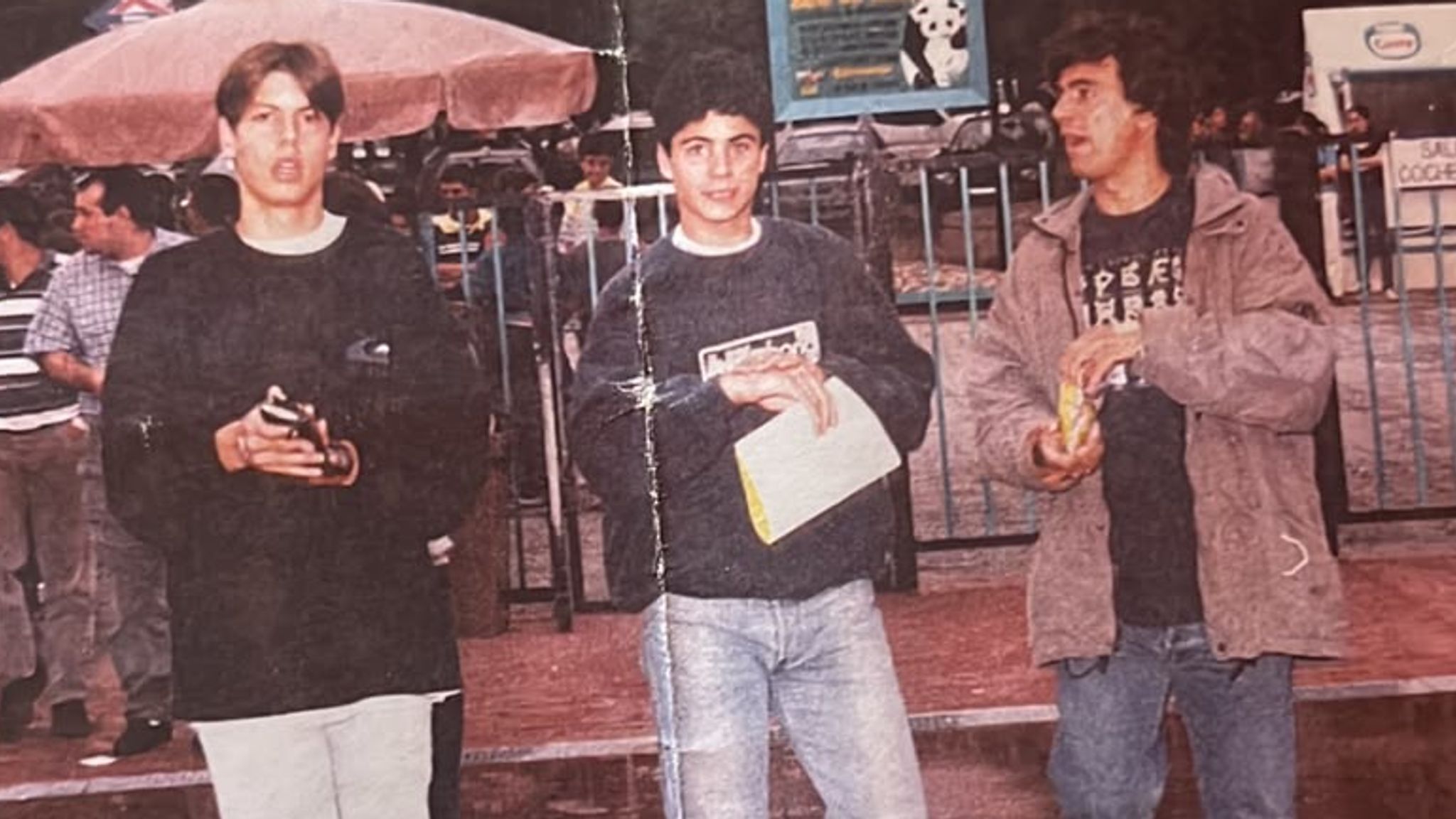
Parra and Arteta remained inseparable despite the distance created by his career trajectory. Their friendship and holidays together continued even after Arteta's moves abroad.
After the year he made his debut with Paris Saint-Germain, he called me and said, 'Alvaro, pack your suitcase, we're going to Marbella.'Parra recalls with fondness, though he laments having no photographs from that particular trip.
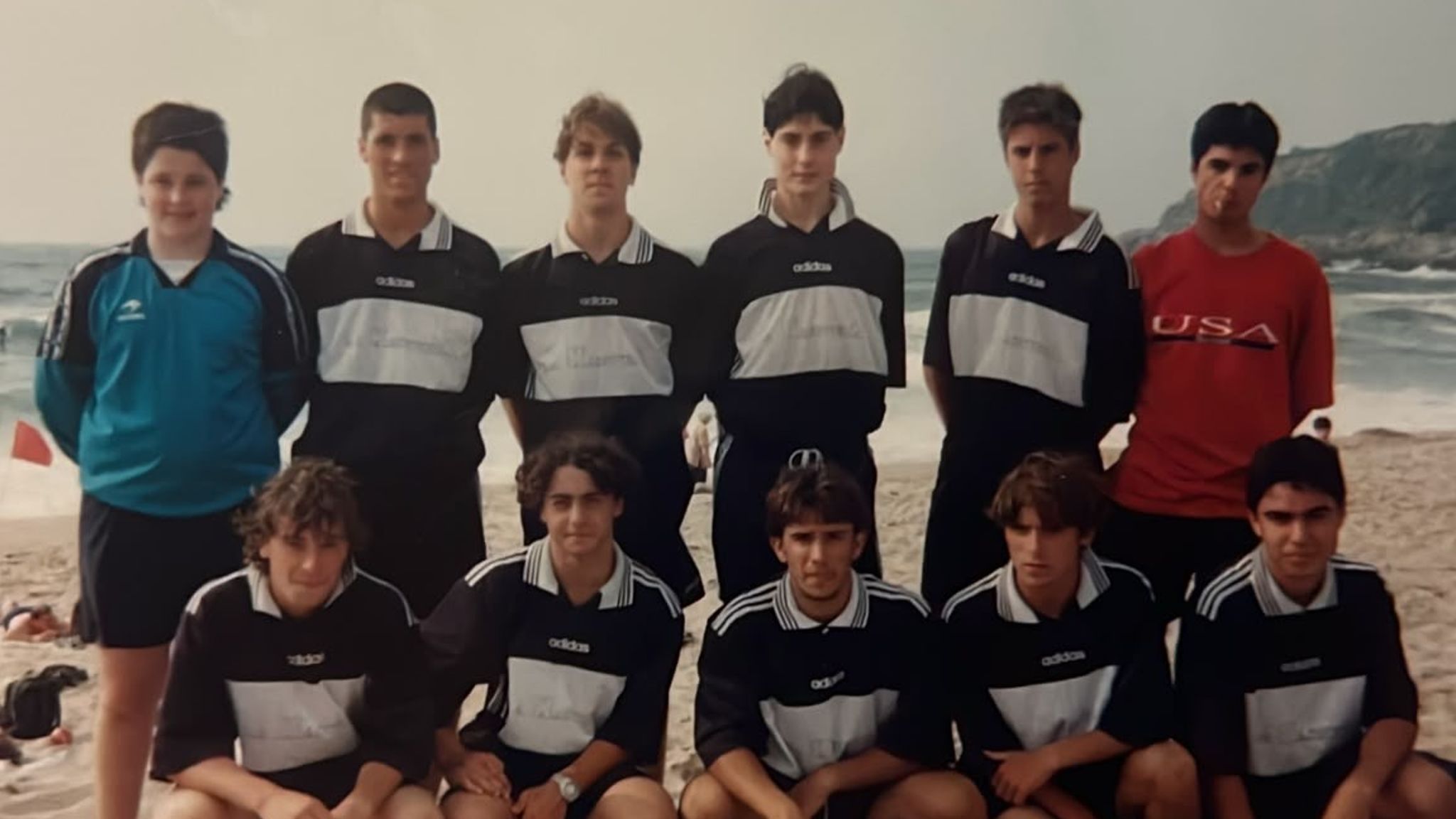
Arteta himself has acknowledged the profound impact Antiguoko and Montiel had on his development.
I'm extremely grateful to all the people that work in Antiguoko. They really ignited something in me, that belief,he tells Sky Sports.
Roberto used to tell me every day, 'You're going to be a professional footballer. You're going to be one of the best footballers in the country.' He was totally convinced. He believed more in me than anyone else. You need someone like this in life.
Iraola: The Quiet Leader
Moving up the slope from the site of Antiguoko's original pitch to their modern facility, one encounters an U16s team being put through their paces under the midday sun. Montiel gestures towards a slight figure in central midfield who stands out for his technical quality.
This is a very good group,he says.
He had an offer from Real Sociedad but preferred to stay with us.
Real Sociedad and Athletic increasingly sign Antiguoko players at ever-younger ages, Montiel notes, yet some remain committed to the education offered by their neighbourhood club. The coach overseeing this session, Iñigo Iraola, is the cousin of Andoni and comes from excellent footballing stock himself.
Like his older cousin, Iñigo came through Antiguoko's youth ranks as a player before returning as a coach.
The first game I ever watched was here in Berio, when Andoni came back with Athletic Club as an U18,he says.
From then on I always saw him as a role model and an example to follow.
Iñigo remembers Andoni taking him to purchase his first pair of football boots.
They were Adidas boots,he says, smiling.
I went to buy them with him on my birthday here in San Sebastian. He was already playing for Athletic, so it was special for me to go with him.
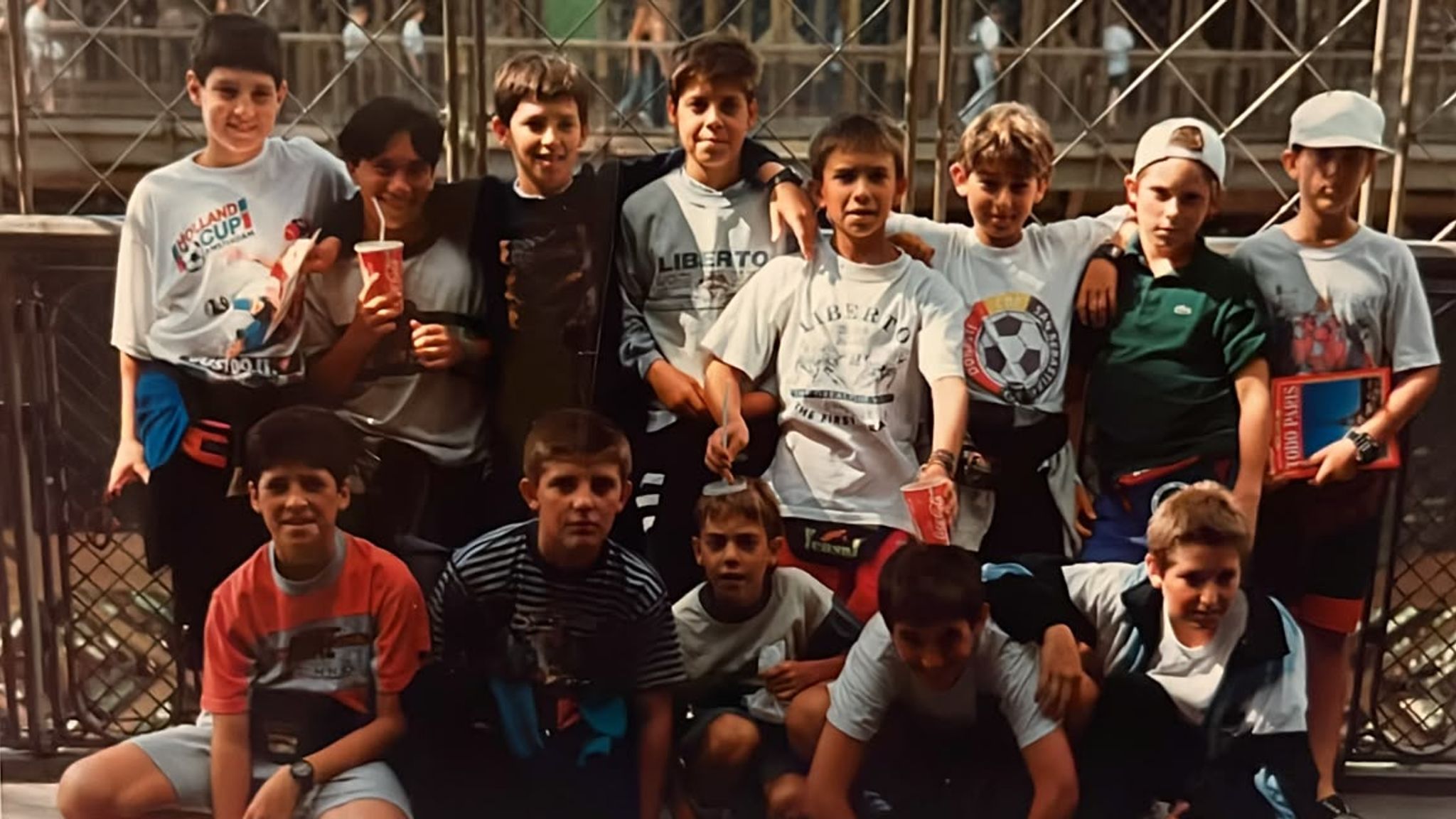
Iraola's reputation at Antiguoko differed markedly from Arteta's. Where Arteta commanded through captaincy and responsibility, Iraola led through quieter means.
Mikel was captain of the team, he took responsibility,Parra explains.
Andoni was more introverted, but at the same time he had incredible ability, and even if he was quieter, he was always a fun and polite guy, a great team-mate, and popular in the group.
He was one of my favourites,Montiel adds.
Playing out wide, he didn't get as many touches as those in the centre, but every time he got to the byline, he would beat two or three players, make a pass and we'd score. He could work wonders with the ball.
Iraola possessed the same competitive drive as Arteta, though his reserved nature meant it manifested differently. According to The Athletic's 2026 update, Iraola was born in June 1982, three months after Arteta and six miles away from him, and he later returned to Antiguoko to coach youth players while studying for his UEFA Pro Licence.
When Ernesto Valverde moved Iraola from right winger to full-back at Athletic Club, the transition did not sit comfortably with him initially.
In our team, he played as a right winger and had a really important role,Parra recalls.
But when he went to Athletic, their manager Ernesto Valverde moved him to full-back. At first, he didn't like it at all. He even got angry, asking, 'Why are you putting me in defence?' But Valverde knew he was going to be an incredible full-back because he had the quality and the ability to take on players and get all the way up the pitch.
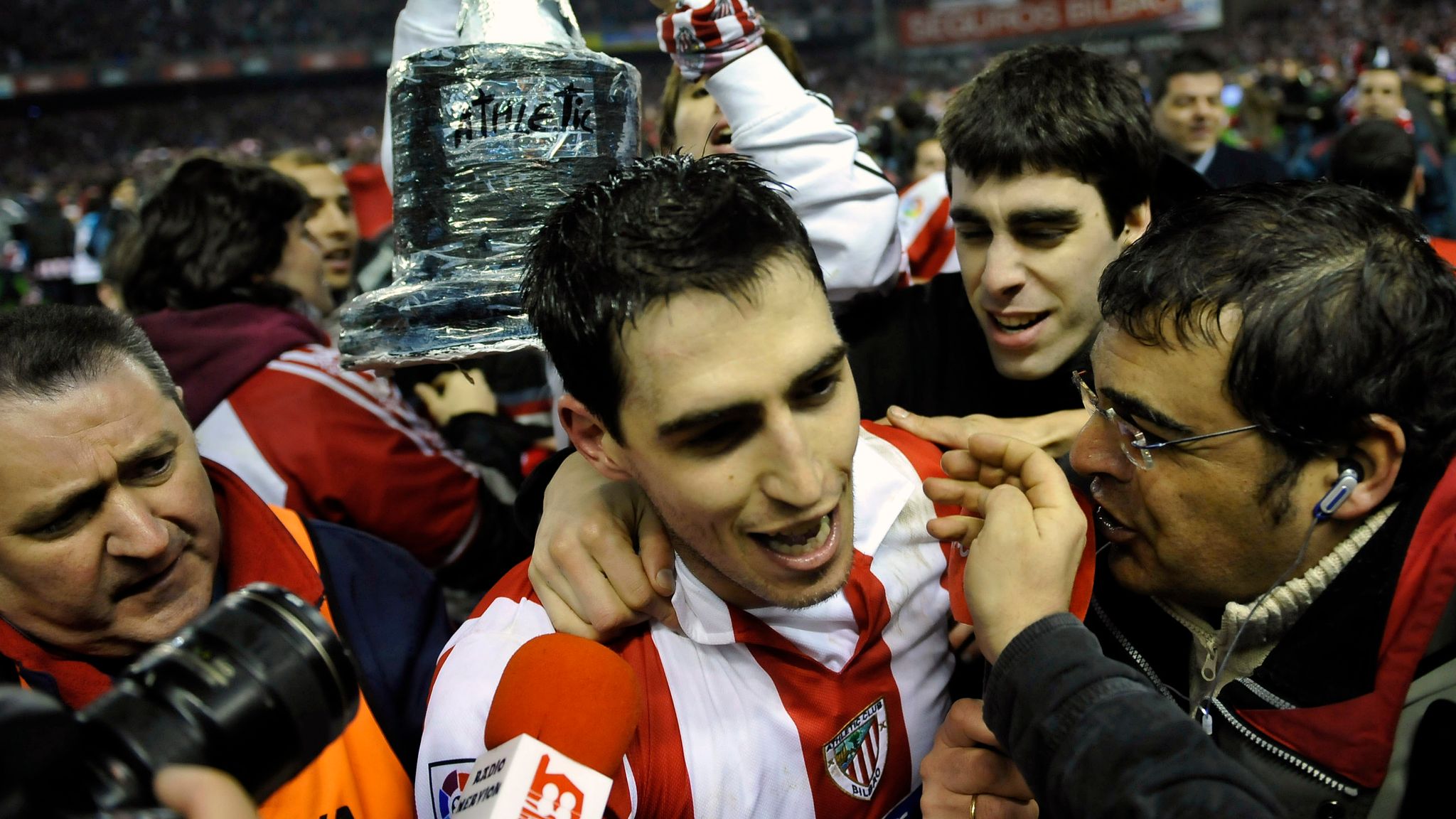
Iraola's leadership qualities emerged gradually, first as captain of Athletic Club—where he accumulated 510 appearances—and later as a manager. His cousin recognises the distinctive nature of his leadership approach.
One thing I really admire about Andoni is the kind of leader he is,