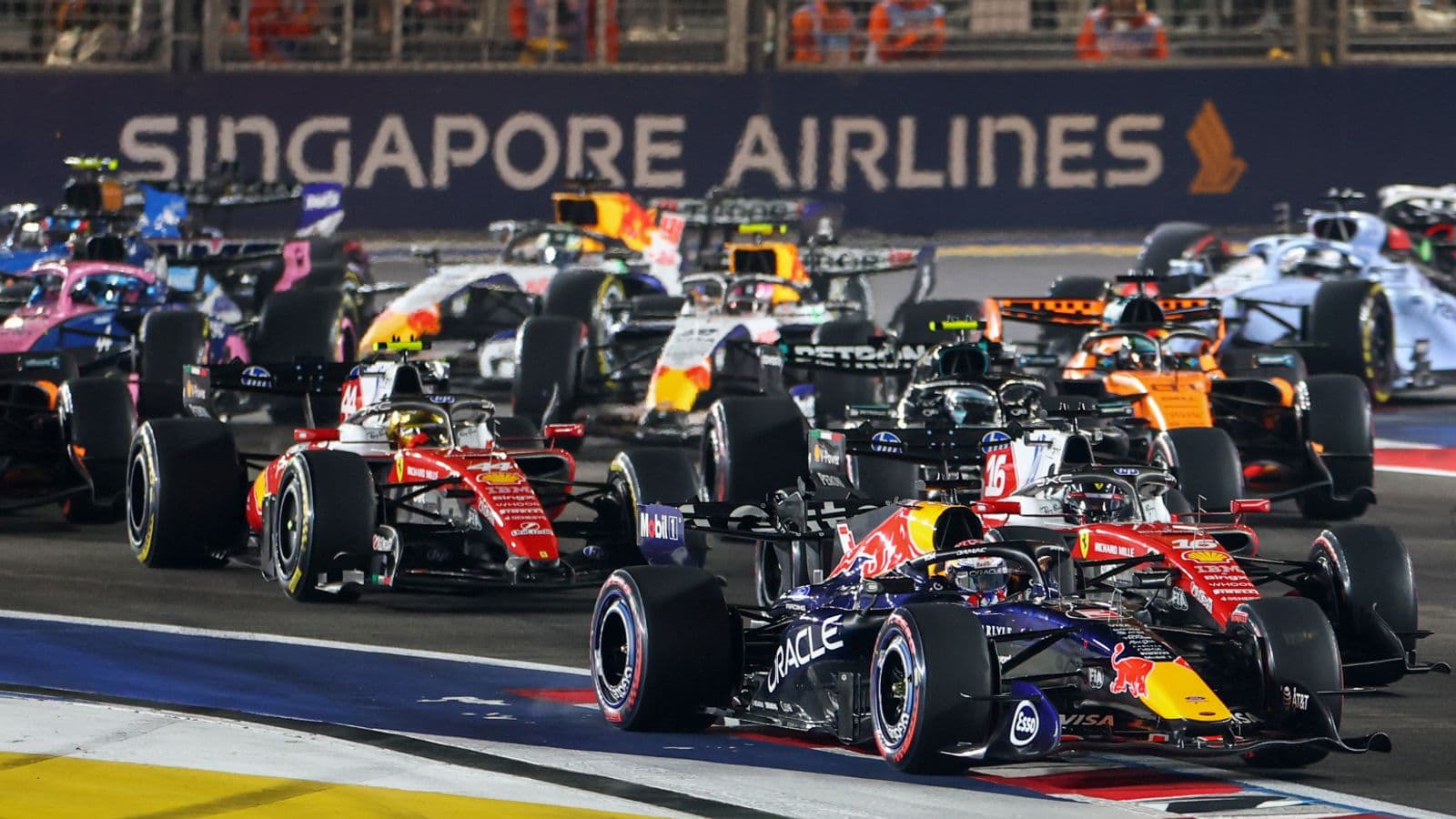
Formula 1 descended on Singapore for a weekend packed with racing action, featuring a Sprint event layered onto the street circuit calendar for the first time. The event arrived at the tail end of an exhausting sequence of six Grands Prix crammed into seven weeks, presenting a formidable test not only for the competing teams and drivers but for everyone involved in the championship.
The Singapore Grand Prix has always held a special place in the F1 calendar. From the inaugural running, the event has captivated despite the oppressive heat and humidity that can leave you drenched within minutes of stepping outside. The city pulses with energy, the atmosphere surrounding the event is world-class, and the F1 machinery pounds relentlessly around the circuit. With just a single practice session preceding two qualifying sessions and two races, the weekend delivers non-stop action.
Yet this year's edition suffered from an unexpected drawback: unusually degraded air quality stemming from agricultural burning in neighbouring territories dampened the experience somewhat.
Singapore has long carried the distinction of being F1's premier 'business' Grand Prix, merging elite motorsport with a top-tier music festival. A record combined attendance exceeding 300,000 spectators underscored its magnetic appeal. According to the Straits Times, the Grand Prix attracted 301,294 fans across the three-day event, marking its second-highest three-day turnout on record and its largest since the 2023 track configuration change. For those yet to experience it, Singapore remains an unmissable addition to any motorsport enthusiast's itinerary.
Russell's opening-lap mishap encapsulates a troubled campaign
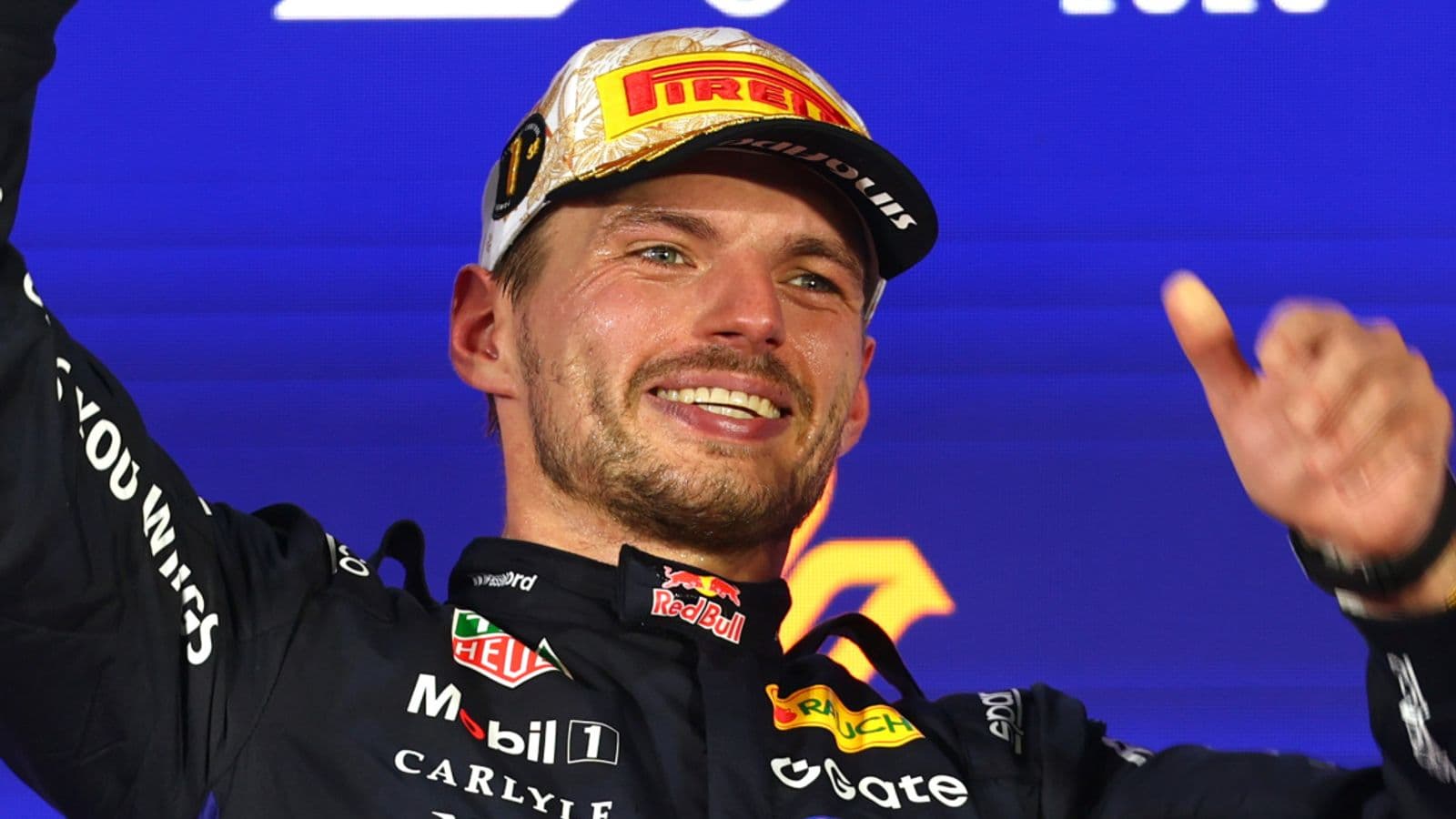
The weekend belonged decisively to Max Verstappen and Red Bull. The Dutch driver claimed victory in both the Sprint and the Grand Prix, each time starting from pole position. Combined with his triumph at Sepang in Malaysia just days earlier, this represented three consecutive victories.
Although Verstappen remains too distant to orchestrate another dramatic championship recovery comparable to his exploits in the previous season, he has nevertheless climbed to fourth in the standings, sitting just eight points adrift of Lewis Hamilton and 17 behind second-placed George Russell. Yet he trails championship leader Kimi Antonelli by 119 points, with 150 points still in contention, contingent on all remaining races proceeding amid ongoing international tensions.
Following a surprise weather delay and a couple of laps behind the Safety Car, the Sprint eventually commenced. George Russell produced an impressive launch from second on the grid to seize the lead, but he carried excessive speed and throttle onto the pit straight at the conclusion of the opening lap, spinning into the concrete barriers. With substantial power unit penalties already scheduled for the Grand Prix, this represented his optimal opportunity to accumulate points. The sight of him sliding across the white line and damp kerbs felt emblematic of his season's trajectory thus far.
This promoted Verstappen to the front, with Lewis Hamilton's Ferrari maintaining pressure, while Charles Leclerc began to fade in the second Ferrari as he struggled disproportionately with his degraded intermediate tyres.
Oscar Piastri and Lando Norris maintained close observation in their McLarens, which had demonstrated competitive pace throughout the weekend. Both were narrowing the gap to Leclerc, with Antonelli's Mercedes also being drawn into the contest. However, with the circuit remaining damp and the kerbs treacherous, there existed minimal motivation to pursue unnecessary risks with the main qualifying session and Grand Prix still pending. The sensible approach was to shepherd the cars to the finish and accumulate whatever Sprint points were available, before shifting focus to the more substantial rewards ahead.
Norris overextends himself against his teammate
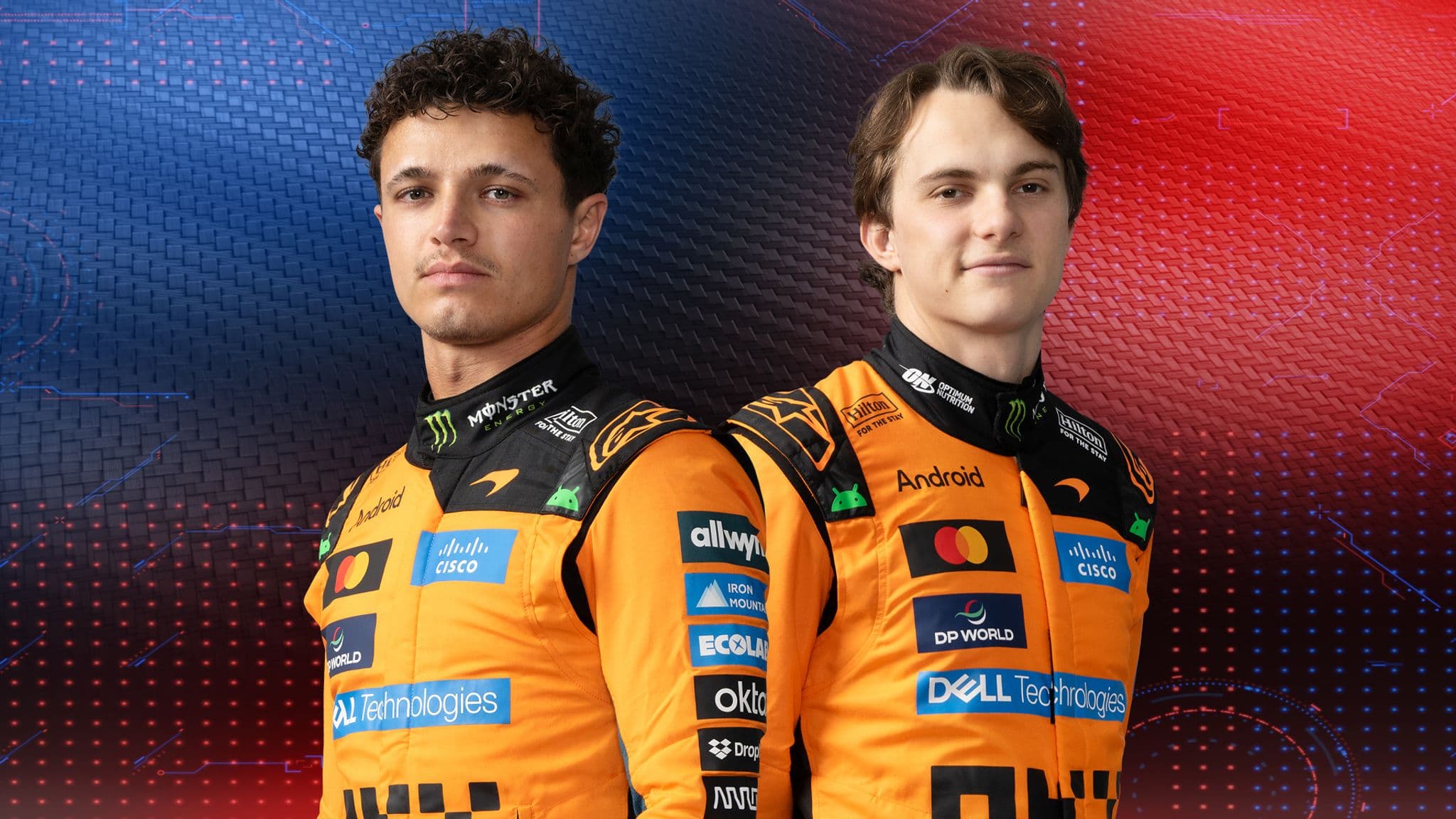
Lando possessed alternative intentions. He had appeared marginally quicker than Oscar throughout the Sprint, though not sufficiently to execute an uncomplicated overtake. Approaching Turn 5 on the final lap, having seemingly been constructing the move across several laps, Norris dove down Oscar's right flank to claim the corner and the position. The pair made contact and rotated in a synchronised spin, with Piastri's machine striking the wall.
McLaren currently finds itself engaged in a battle with Red Bull for third in the championship, a dramatic shift from the not-distant past when they were pursuing Ferrari for second place. These positions carry enormous financial implications for 2027, encompassing substantial prize money alongside prestige and season-long pitlane positioning, plus probable partner and sponsor bonuses. Resources allocated to 2026 component development also exert influence on the 2027 machinery.
The team harboured no preference regarding which driver occupied the higher position; they simply desired both cars to cross the line undamaged in fourth and fifth. The sole consolation arrived when Lando recovered to claim a point in eighth.
Drivers are fundamentally programmed to race and prioritise their individual objectives—that is precisely why they excel at what they do—but whilst a gap existed against his teammate, who perhaps could have afforded additional space had he even perceived the manoeuvre coming, it represented a hazardous move and an overambitious lunge from Lando. McLaren's leadership reportedly expressed extreme displeasure with the incident.
Amid the turmoil, Antonelli navigated adroitly around the chaos to secure a fortuitous third-place finish from seventh on the Sprint grid, once again extending his championship advantage. His measured approach continues to yield dividends.
Verstappen commanded every element of the Grand Prix
Having never claimed pole position in Singapore previously, Max Verstappen followed his Sprint triumph by securing pole for the main race. The telemetry indicated that either Ferrari could have captured pole had they maximised the potential from their qualifying laps. Regardless, Charles Leclerc came tantalizingly close to beating Verstappen to the opening corner, yet the Red Bull driver possessed the advantage of a fresh set of soft tyres and deployed them to force Leclerc into submission.
The field established its race order with relative swiftness. Commencing from the rear, George Russell managed only to climb to 17th in the initial phases, such was the intensity and competitiveness of the midfield battle. Isack Hadjar, launching from the pitlane in his similarly displaced Red Bull, confronted an even more formidable challenge.
This provides an opportune moment to acknowledge Liam Lawson's commendable performance. Piloting for Racing Bulls, he secured seventh in the demanding conditions at Sepang the preceding week, followed that achievement with fifth in the Singapore Sprint and then claimed another seventh-place finish in Sunday's Grand Prix. As the highest-finishing driver outside the top four teams, Lawson assembled an outstanding sequence across a gruelling run of races.
Out front, Verstappen maintained commanding control of the Grand Prix. Although Leclerc kept him honest in the initial stages, the Dutchman eventually constructed a comfortable advantage, affording Red Bull greater tactical flexibility and the capacity to respond calmly to rival strategies or potential Safety Car interventions.
Hamilton's strategy miscalculation proves costly
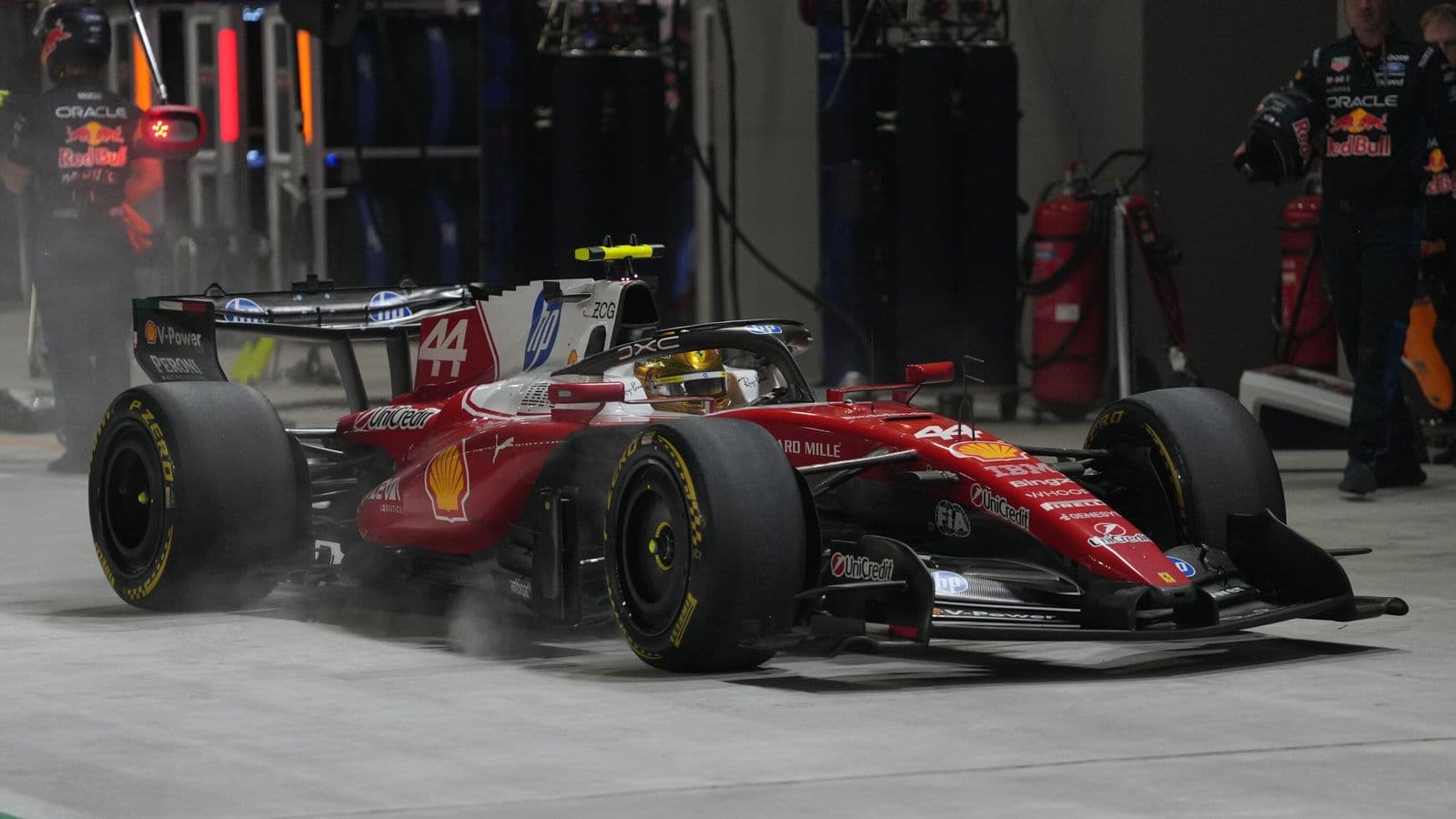
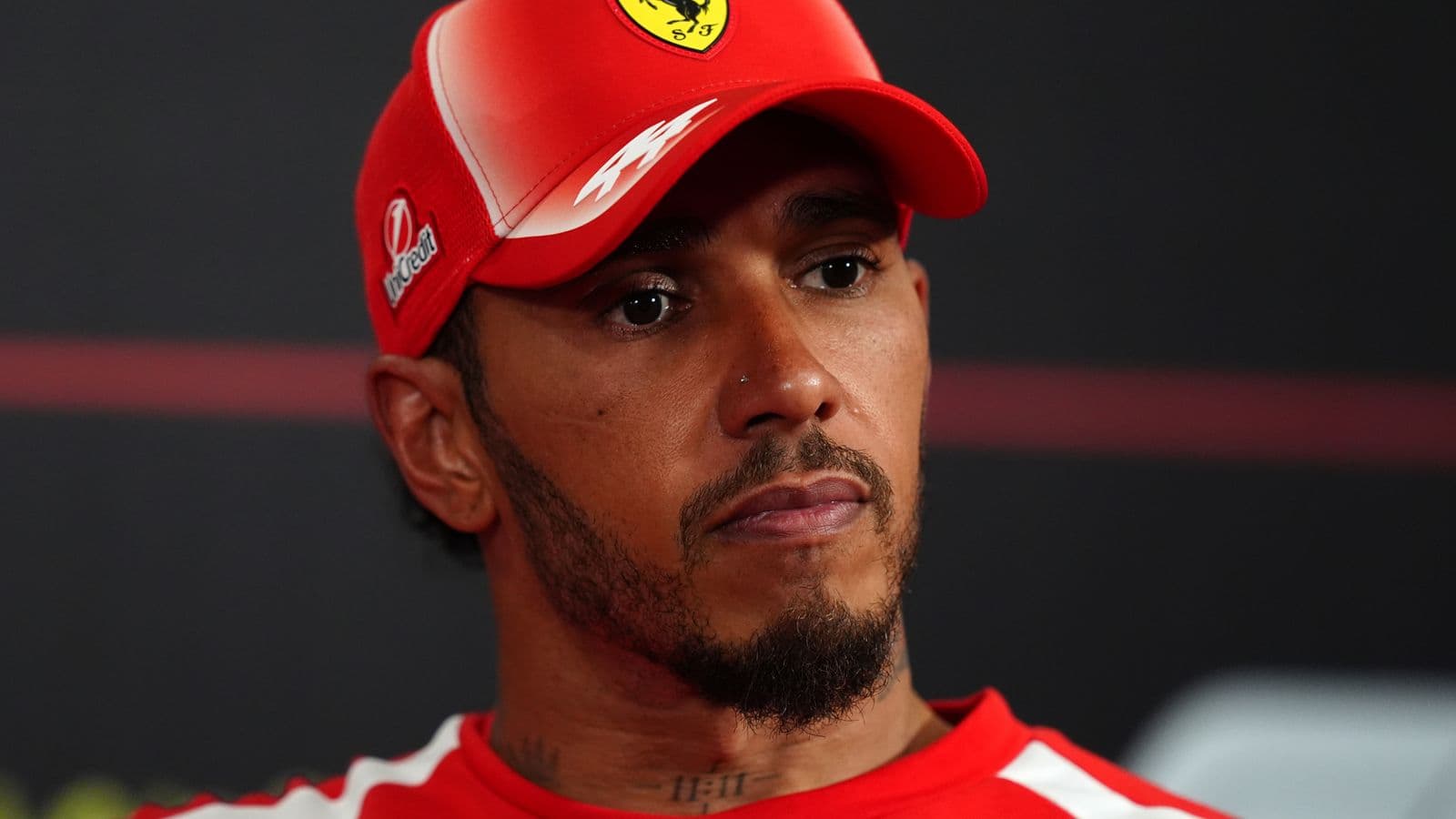
Hamilton commenced on a fresh set of medium tyres but commenced to deteriorate as the race unfolded. Appearing to be committed to a transparent two-stop strategy, he entered the pits as early as lap 18 for soft tyres. Remarkably, he would not pit again, despite the prospect of executing a relatively economical pit stop under a Virtual Safety Car (VSC) when Lance Stroll's disabled Aston Martin required clearance from the circuit.
Hamilton subsequently endured a relentless decline through the order, eventually surrendering fifth place to Oscar Piastri's McLaren in the closing stages, despite the Australian having made an unscheduled stop to address a slow puncture. According to Crash.net, Hamilton completed 44 laps on the same set of soft tyres and subsequently apologised to Ferrari for the decision.
Post-race analysis revealed that transitioning to a one-stop strategy, which demanded he traverse 44 laps on identical rubber, had originated from Hamilton's own judgment. He tendered an apology to the team for the call. Orchestrating a contemporary F1 car and managing team strategy whilst operating the controls proves extraordinarily challenging, and the incident proved telling. Ferrari had seemingly anticipated Hamilton would pit under the VSC.
Lando Norris had been applying pressure to the struggling Hamilton before executing a late manoeuvre down the inside at Turn 1. Both drivers ran wide, Hamilton more substantially, and as they scrambled back onto the circuit with soiled tyres, championship leader Kimi Antonelli capitalised on the opportunity to sweep past them both. The move secured him third place, ahead of his two nearest title challengers, and extended his championship lead yet again. It represented an impressive demonstration of maturity, particularly given that Mercedes no longer appears to possess the quickest machinery on the grid.
Norris and Piastri secured a respectable fourth and fifth for McLaren, whilst a determined drive from Nico Hulkenberg in his Audi restricted George Russell to merely two points in ninth.
Isack Hadjar claimed the final point in 10th after launching from the pitlane in his Red Bull, capping an impressive recovery effort.
According to Formula1.com, the race's top five comprised Verstappen, Leclerc, Antonelli, Norris and Piastri, with Hamilton finishing 53.188 seconds adrift of the victor. It was hardly a memorable Grand Prix by Singapore's standards or anywhere else, but the stifling humidity did nothing to diminish the abundance of storylines and drama that unfolded.
What happens next
The championship now turns its attention to the United States. According to Formula1.com, the next scheduled race is the United States Grand Prix, set for October 23–25, 2026, in Austin, Texas.