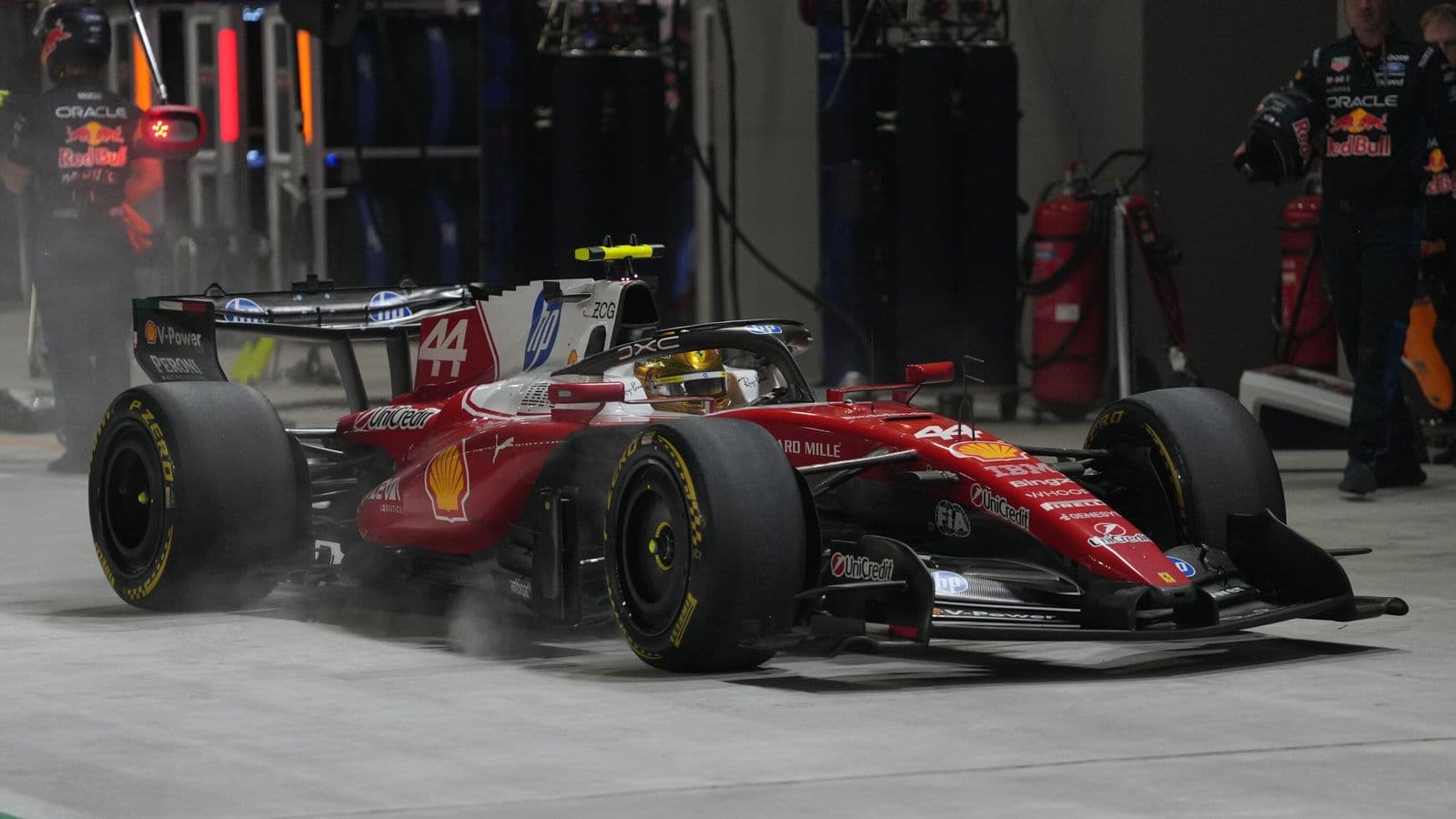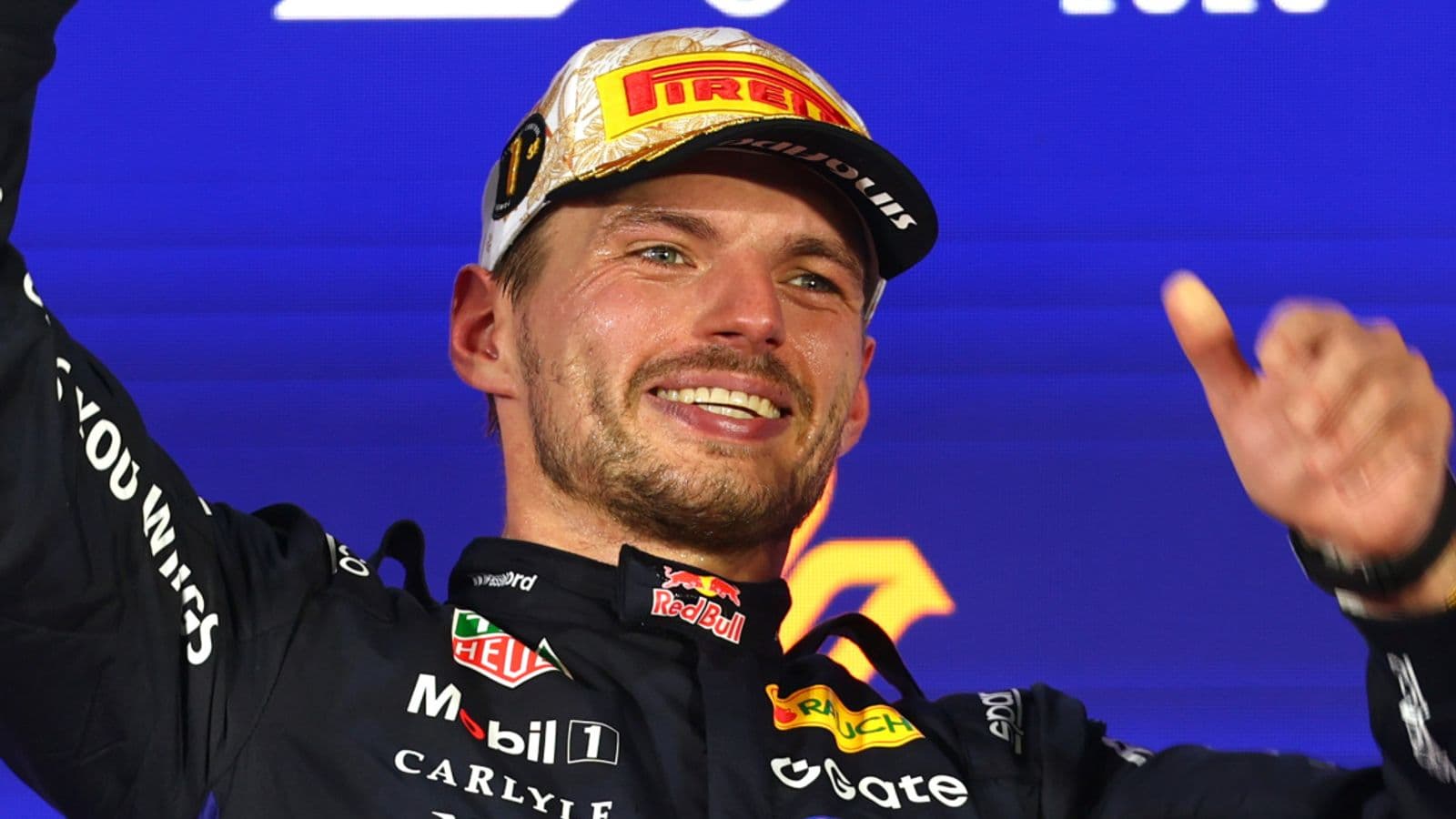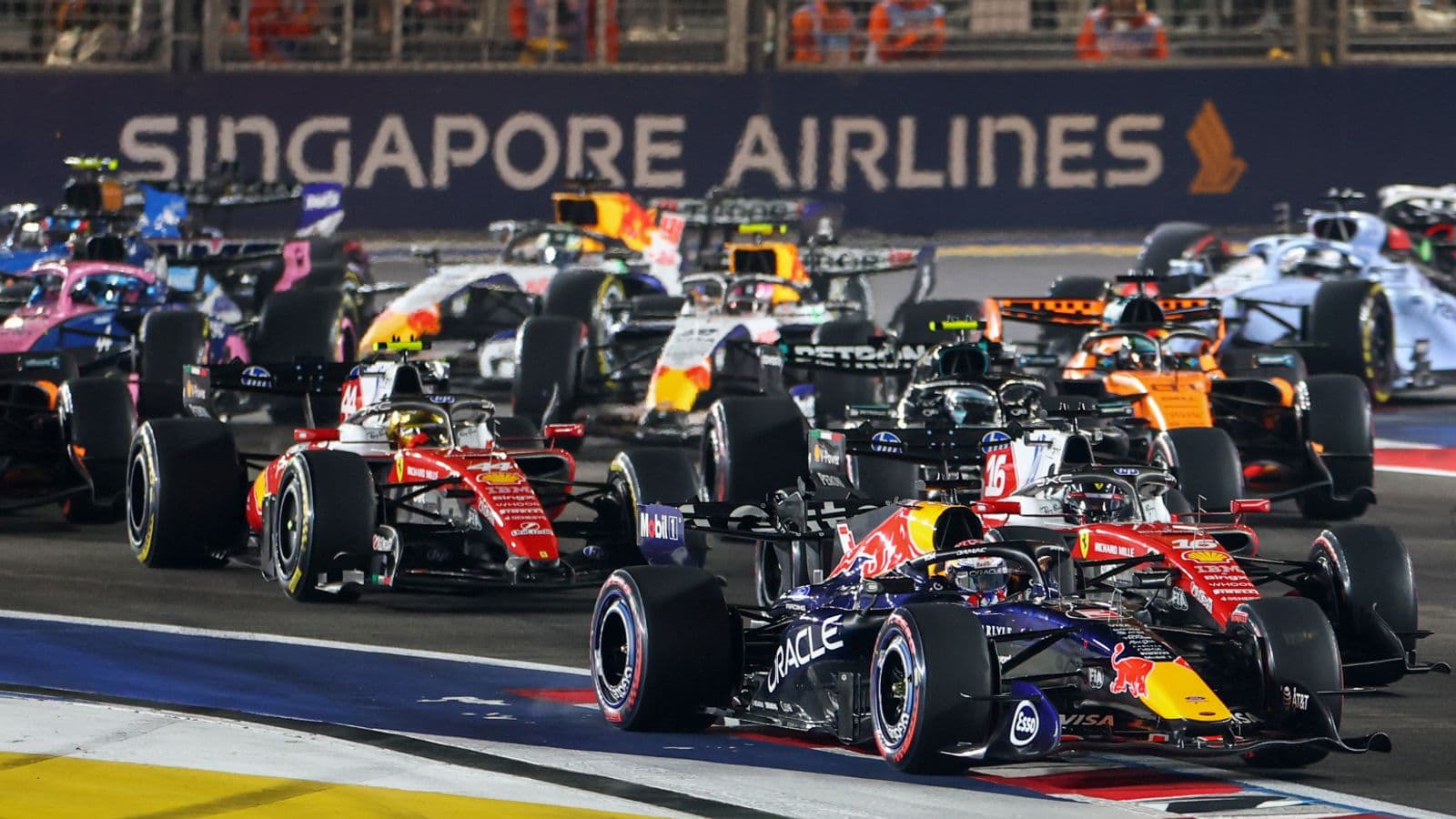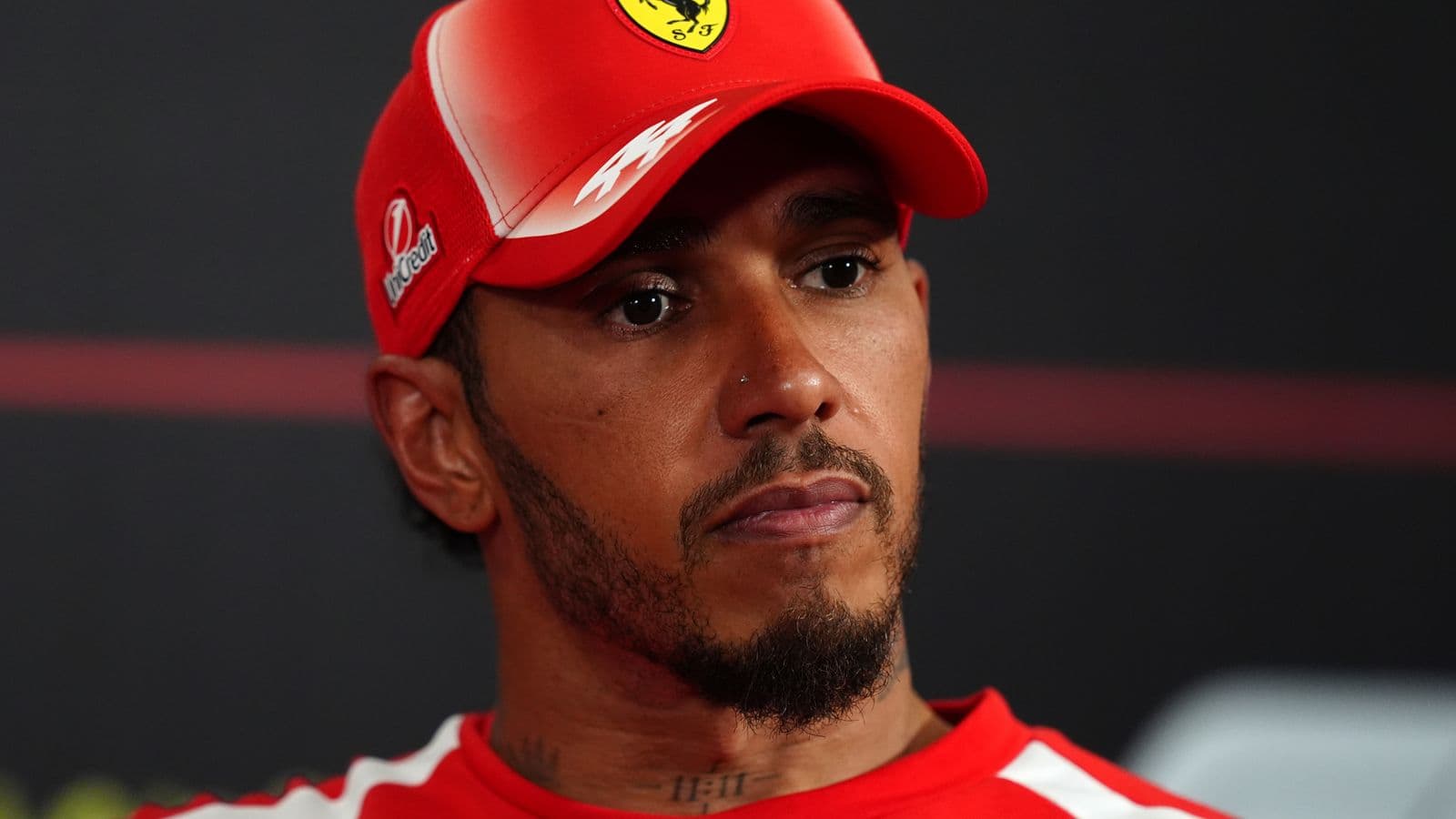
Questions over Ferrari's tactical approach and driver communication intensified following the Singapore Grand Prix, where Lewis Hamilton chose to override a pit wall instruction with significant consequences for his race outcome.
Hamilton crossed the line in sixth position rather than the third-place finish that appeared within reach before he rejected a call from Ferrari's strategists to enter the pits during a Virtual Safety Car period on lap 39. In the immediate aftermath, speaking over team radio as he struggled with deteriorating rubber, Hamilton took responsibility for what he termed "my call" on strategy. He later reinforced this stance publicly, describing the experience as a "painful lesson" stemming from his choice of an approach that ultimately yielded disappointing results.
The Singapore incident marked the second consecutive weekend in which Ferrari's strategic decision-making became the focal point of post-race discussion. One week earlier at the Bahrain Grand Prix in Malaysia, both Ferrari drivers found themselves adrift at the rear of the field during the race's opening phase after the team made the costly error of beginning on slick tyres when track conditions remained too wet for that compound.
Hamilton had openly questioned that initial call during the race itself, and afterwards acknowledged it had sparked a "huge discussion" within the team. Despite this setback, he mounted an impressive recovery to third place at Sepang by electing to remain on slicks longer than his teammate Charles Leclerc—a calculated gamble that proved vindicated when the Safety Car emerged at a fortuitous moment as the circuit began to dry.
With fresh concerns emerging from Singapore, Sky Sports F1's analysis programme examined whether the relationship between Hamilton and Ferrari's pit wall had fundamentally fractured over these successive strategic flashpoints.
Trust and communication under strain
Bernie Collins, a former head of race strategy at Aston Martin, was asked directly whether Singapore demonstrated a breakdown in trust between Hamilton and the Ferrari pit wall. She outlined the sequence of events that created the controversy.
Lewis started on the medium tyre, which is one of the things he actually came out and said he thought in hindsight was the wrong decision, but was his decision. He decided to go that way strategically at the beginning of the race. He stops earlier than everybody else so instantly when we're watching at home, we're thinking, 'okay, he's probably on a two-stop here' because he's the first of any of the cars really to stop. He puts on that soft tyre. Then they get this perfect opportunity with the virtual safety car to stop again, take another set of soft tyres.
Collins noted that while Ferrari's pit wall call to Hamilton was not audible on the broadcast feed, team principal Fred Vasseur confirmed afterwards that the instruction had been transmitted.
On the coverage at home, we didn't hear any call from Ferrari to box Lewis, but we don't hear a lot of the calls that happen. Fred obviously came out afterwards and said, yes, they did call him, Lewis missed the entry or ignored the call, whichever way you want to think about it.
According to Crash.net reporting, Vasseur stated that his instruction to pit was "crystal clear"; Hamilton initially missed the pit entry, then made the deliberate choice to remain on track and attempt to construct a one-stop strategy.
Collins emphasised that a driver of Hamilton's experience and calibre does not simply forget to execute a pit stop.
But someone of Lewis's stature doesn't forget to do a pit stop. So let's say it's a decision to not take the pit entry or the call didn't come in time or whatever. But that was crucial, I think, to the race at that point.
She drew a parallel with the Malaysia situation one week prior.
If we go back a week, we had the same sort of lack of trust, for want of another word, in Malaysia.When Ferrari's tyre selection at the start in Malaysia caused their drivers to fall more than a minute adrift of the lead, Hamilton's decision from the cockpit to stay the course on slicks ultimately vindicated his judgment.
Collins concluded that the pattern suggested a broader erosion of confidence.
That shows, more globally, that Lewis isn't trusting that Ferrari team. He's questioning their decisions and in this sort of quick-decision VSC moment, there's not the time to have all the back and forth about what he thinks or why he thinks it or doesn't think it.
The challenge of rapid-fire decisions
Collins acknowledged the structural difficulty facing both the pit wall and Hamilton when split-second calls are required.
But it's very difficult from a pit wall and Lewis's side to then think, 'okay, last week I questioned them. I think I was correct. This week I'm going to question them, maybe I'm correct or incorrect.' And then there was opportunity later on, I think, even after they missed the VSC, to do a full pit stop and still be able to beat Piastri and they didn't take that either.
She identified additional layers of tactical confusion during the race.
There was the decision then to string it out and hope for another safety car. There were lots of decisions that should have been done differently and they should be having a very difficult conversation between Lewis and his engineers, or the strategy team or Fred Vasseur, whoever needs to be involved, to say, 'where is the trust? When we make these decisions, what is the protocol for how that decision is taken and why?'
Bridging the information gap
Collins stressed that drivers should ordinarily defer to the pit wall on strategic matters, given that strategists possess a comprehensive overview of the entire race picture. However, she drew on her experience at Aston Martin to illustrate how teams can proactively address drivers who regularly question calls.
In my opinion, yes, [drivers] should [defer to the pit wall]. They're the people with the most information. They're the people with the big picture. However, there's another band of thought that says the driver is the most expensive sensor in the car. And I often had situations with Sebastian Vettel, who was very strong strategically, where we ended up starting to give him pit stop information earlier than we would give another driver in order to give him a sort of right to reply.
According to Crash.net's analysis, Collins advocated that Ferrari should bring strategy discussions forward and provide Hamilton with more information when he questions decisions, while also clarifying the protocol for how calls are made and justified.
If your driver regularly questions strategy, then you need to maybe give them the information. Many teams, lots and lots of teams in the situation that Ferrari were in, five laps before the safety car would have said, 'if there's a safety car now, we will take it and double stack the cars'. And that gives Lewis a chance to say, 'I think that's right, I think that's wrong'. You've a bit of a discussion about it. Yes, you're giving away information to other teams, which people don't want to do, but you're making the right decision for you and that is your P1 goal. So they need to bring the conversation forward if there's going to be a back and forth.
A reset is needed
Fellow Sky Sports F1 analyst and former driver Karun Chandhok was more direct in his assessment, contending that Ferrari and Hamilton require a fundamental recalibration of their strategic relationship.
They've got to have some sort of reset in terms of how they approach strategy discussions and decisions at Ferrari.
Chandhok dissected the broader tactical failures that preceded the VSC moment.
Lewis was annoyed with the way Ferrari played that whole race. If you look at it, he started on the medium tyre. Of the top-seven finishers, he was the only one to start on the medium tyre, yet he pitted first. They were clearly unhappy with his pace on the medium. We know it was a less preferred tyre, so they tried to get him off that tyre quickly. Fine.
According to Racing News 365, Chandhok urged Hamilton and Ferrari to reset their approach, noting that the trust between them was "cracking"; he highlighted that Hamilton scored only eight points in Singapore while Leclerc earned 18.
Chandhok continued his analysis of Ferrari's handling of the race structure.
But then you have to look at the overall race time and they didn't look at that. They put him out behind Leclerc and then he sat there getting annoyed [at] the fact that he's not getting past Leclerc, and they didn't explain to either driver, that they need a swap. They didn't do a good job in that phase of the race.
He explained the psychological state Hamilton entered when the VSC appeared.
So then you've got Lewis who's now three seconds behind Charles annoyed that he's not been allowed to get in front. The VSC comes out, Charles boxes and he thinks, 'well, I'm going to have free air. I'm going to go for it.' He's not thinking of the big picture of the race and that's why I think the strategy team needed to say to him, 'Lewis, your tyres are 21 laps old now, you are going to get passed. You're going to drop like a stone when it comes to pace with all these people.'
Chandhok outlined the tyre performance disparity that emerged after the VSC period.
Leclerc didn't have new soft tyres but he had a set that had done one run in qualy, and you could just see, he came out of the pits and was two seconds a lap faster than Lewis when the VSC cleared.
He concluded by placing responsibility on both parties.
And that's where any driver has to trust and believe their strategy team and take the inputs and make that decision. But, equally, it's on the team to explain the big picture to the driver and navigate the whole thing and I don't think Ferrari did a good job across the whole race there.
Hamilton was seen by the FIA medical team after the race, having reported feeling unwell, and was subsequently excused from attending the media pen.
What comes next
Formula 1 moves to the Americas for a triple-header sequence, with the United States Grand Prix scheduled for October 23–25 in Austin. The race will be broadcast live on Sky Sports F1, with streaming available through NOW without requiring a contract commitment.