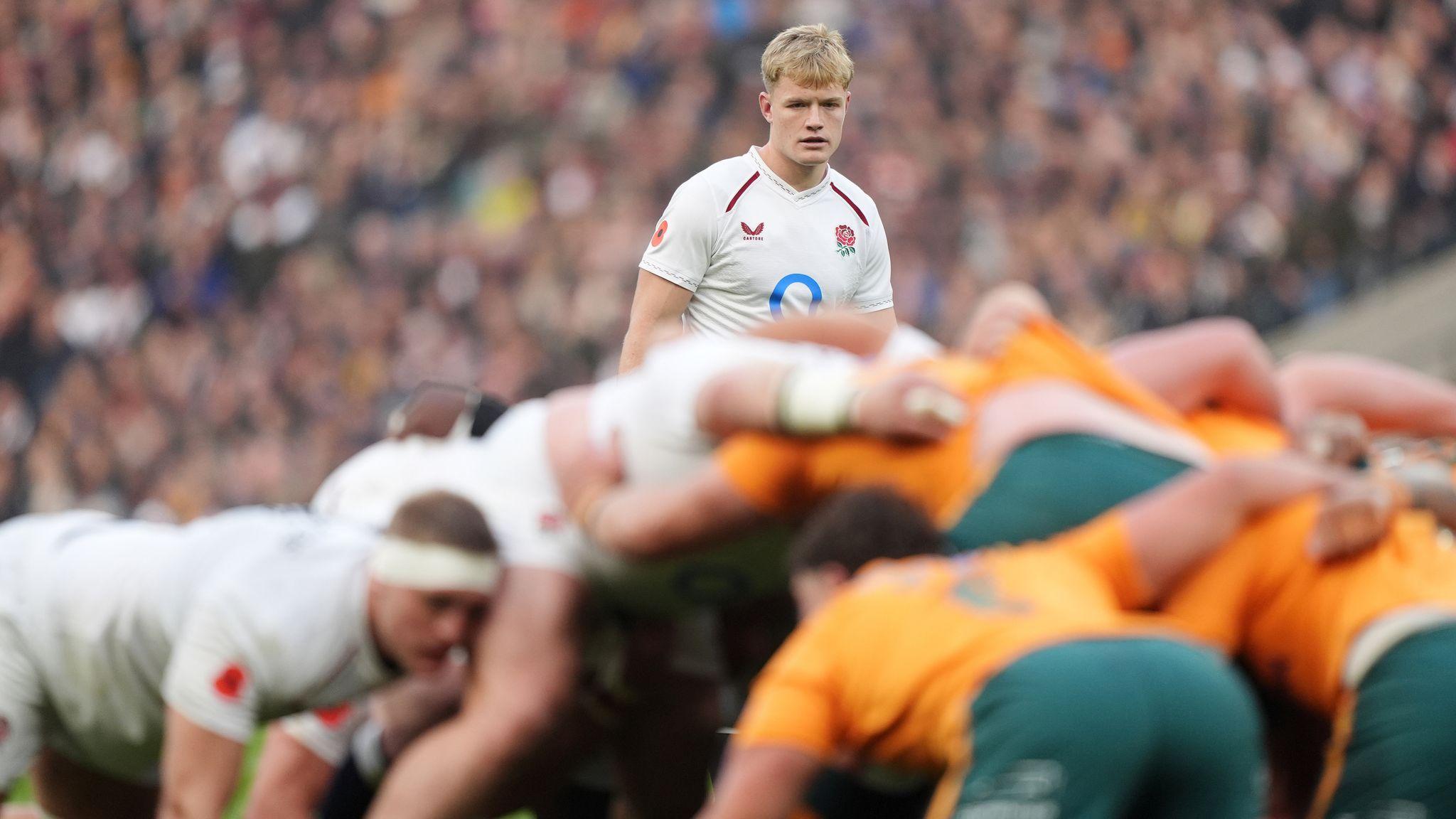
England secured a commanding 45-22 victory over Australia at Twickenham in a Nations Championship fixture that delivered the result Steve Borthwick's squad desperately needed. According to Sky Sports, the performance showcased both exceptional moments and areas requiring urgent attention as England prepare for their remaining autumn fixtures.
The hosts produced their highest-ever points total against Australia with seven tries, a dominant display that eased mounting pressure on Borthwick after reports of a summer rift with the squad, which captain Jamie George subsequently denied.
Pollock's unexpected wing impact transforms the contest
When selecting a 6-2 replacements bench—six forwards and two backs rather than the conventional 5-3 split—head coaches face a significant backline vulnerability. With one of those two backs necessarily being a scrum-half, only a single player remains to cover fly-half, centre, wings and full-back, or to shuffle other players into those positions.
Rugby union has recently developed a small but valuable pool of genuine hybrid players capable of performing as both forwards and backs. Fiji's Levani Botia and South Africa's Andre Esterhuizen have both played at back-row and centre, while France's Oscar Jegou impressed as a centre in Dublin in 2025 despite being a back-row forward. England's Ben Earl has been discussed as a potential centre option, though it was Henry Pollock who would demonstrate the most striking versatility on Sunday.
England's recognised backs on the bench comprised scrum-half Ben Spencer and Marcus Smith, who can operate at fly-half and full-back. When wing Immanuel Feyi-Waboso—who had been sensational in the opening period—suffered an ankle injury and could not continue beyond half-time, back-row forward Pollock was deployed onto the wing.
At that juncture, England led by only nine points, hardly a match decided. Yet Pollock's first carry on the wing proved transformative: he motored forward aggressively for approximately 10 metres into Australia's half, initiating the attack that culminated in Tommy Freeman racing down the right and passing inside for Jack van Poortvliet to claim the bonus-point fourth try. From that moment, England never relinquished control.
The 21-year-old's performance only improved. He scored twice in two minutes on the opposite flank, finishing off slick backline movements orchestrated by fly-half Fin Smith. Those tries effectively settled the contest as a contest.
Pollock's emergence as a part-time winger represents a significant asset for Borthwick and England. Despite the noise surrounding him, an all-action back-row forward with superb breakdown skills and the pace of a back now adds winger to his repertoire—a capability that could prove priceless in future contests.
Pack delivers brains alongside brawn
While England's backline moved the ball with fluency on Sunday afternoon, their attacking platform depended entirely on their forwards, who built possession and field position for the backs to launch raids from.
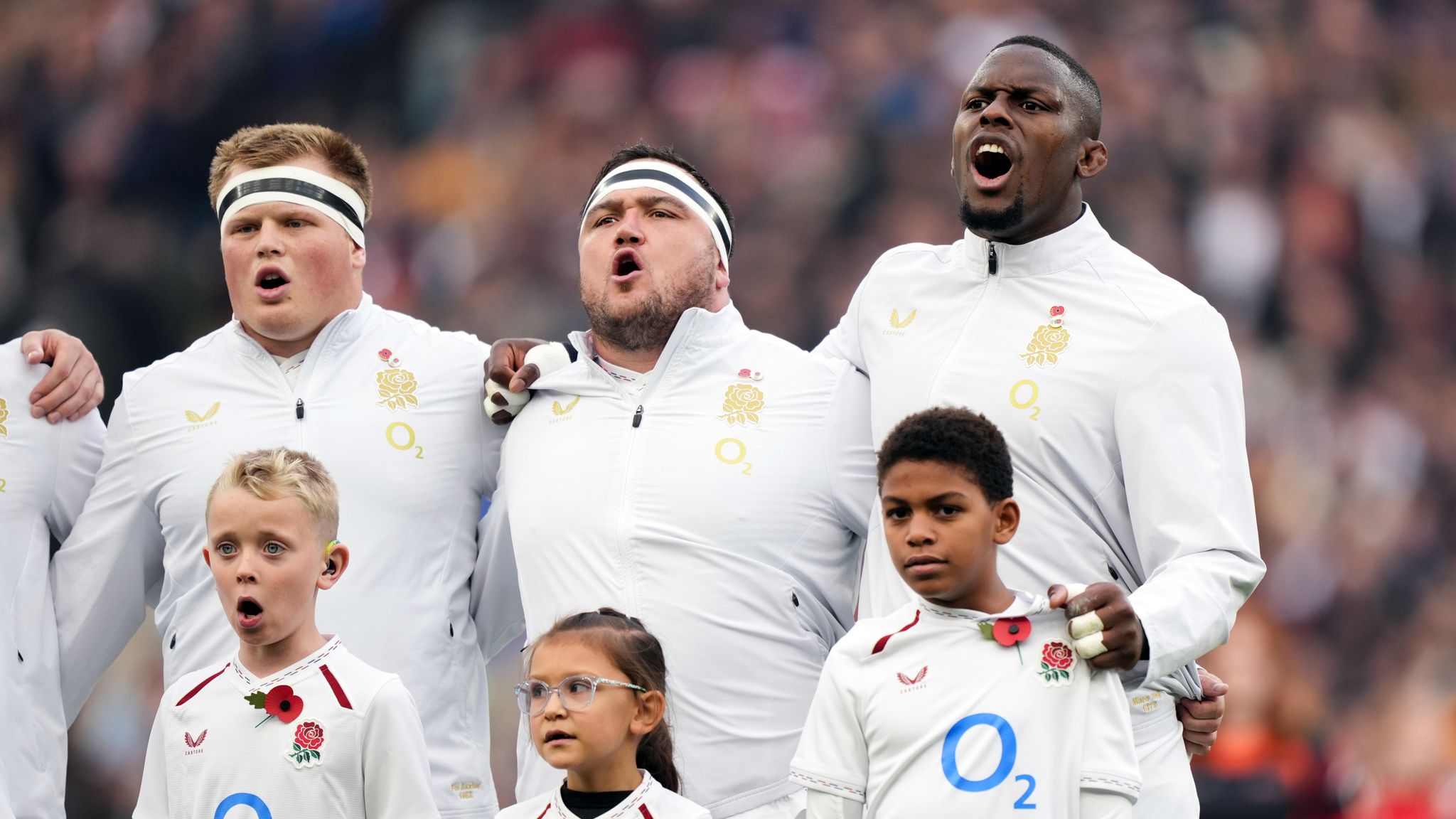
Jamie George led the pack superbly and crossed for England's opening try in the eighth minute, with the hosts demonstrating not only devastating power but also tactical intelligence in their mauling approach near the opposition line.
After securing a lineout five metres from Australia's tryline, with Ollie Chessum delivering brilliant service from the top throughout the match, Australia disrupted England's initial maul. George, collecting possession at the rear, identified a weakness in Australia's defensive alignment and peeled away with supporting team-mates before powering over the line.
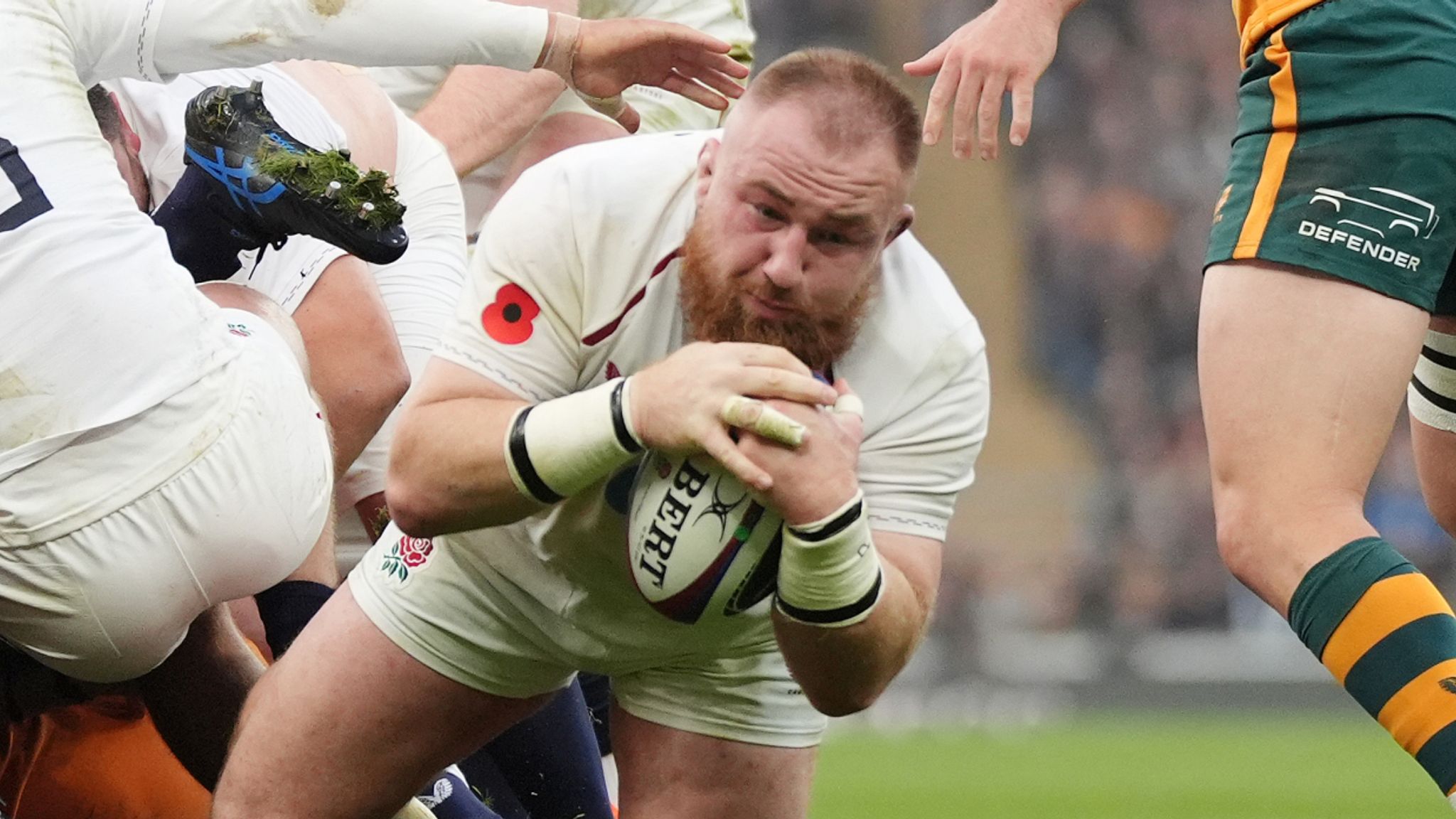
England's third try, scored by tighthead Joe Heyes in the 33rd minute, followed a similar pattern. The hosts opted to maul again before Heyes spotted a gap on the fringes and skirted over. Both tries exemplified the combination of tactical awareness and physical dominance that characterised England's forward play.
At scrum time, Heyes secured an early advantage over Angus Bell, forcing the Australian prop to stand and concede a penalty. However, England displayed occasional complacency, giving away unnecessary free kicks for early engagements in critical field positions.
Lapses in concentration emerged as a concern, particularly at the breakdown during crucial moments. Alex Coles carelessly went off his feet while entering a ruck in the first half just as England were building momentum, conceding a penalty as a result. Despite these lapses, England impressed with their rucking intensity and power through contact, outclassing Australia for physicality—a considerable achievement against the Wallabies' formidable pack.
Errors and inefficiency undermine dominance
While the final scoreline at Twickenham made for impressive reading and England's players and coaching staff rightly celebrated, significant issues demand attention.
The volume of errors in the first half alone could prove catastrophic against stronger opposition. Against South Africa, New Zealand, France and Ireland, such profligacy would likely result in defeat.
George Furbank was penalised for a neck roll, Coles for going off his feet, Feyi-Waboso spilled possession on the run, Heyes was penalised for an early shove at an England scrum, George had a lineout throw ruled crooked, a scrum penalty was conceded, and Furbank knocked on a grubber-kick—all occurring in Australia's 22 in the first half. Each represented a pressure-relieving moment for the opposition.
When Van Poortvliet's telegraphed pass was intercepted by Max Jorgensen for a try in the final minute of the half, England's lead stood at nine points when they could have been substantially ahead. At present, England remain too profligate, making it too easy for opponents to remain competitive in contests.
Borthwick's side also struggled to dominate the scrum against referee Pierre Brousset's interpretation, finishing with a 78 per cent success rate despite possessing a pack that dominated Australia for most of the match. That efficiency must improve significantly.
England conceded 11 turnovers in the Test, though this proved inconsequential as they won 17. Australia produced a disappointing display, but England's own shortcomings in execution remain evident across multiple areas.
Injury concerns cloud the victory
With major fixtures against New Zealand and Japan approaching, Borthwick faces anxious days regarding the fitness of both Feyi-Waboso and Seb Atkinson, who departed injured on Sunday.
Seven minutes before half-time, Feyi-Waboso limped to the touchline in visible discomfort after appearing to twist his right leg in a hip-drop tackle by Angus Bell, who received a yellow card. Bell became the first player penalised under World Rugby's hip-drop tackle ban introduced that month.
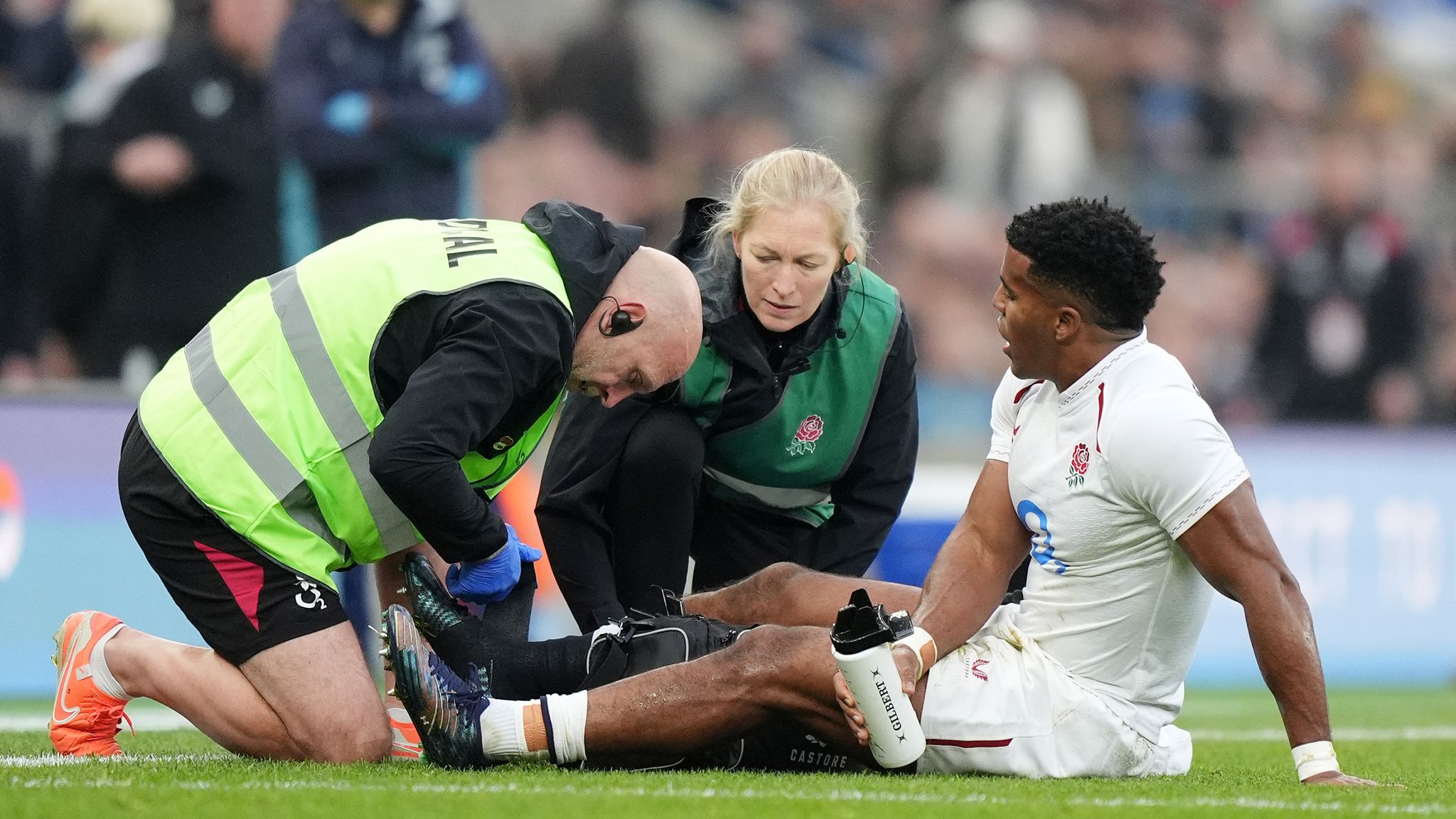
Feyi-Waboso was replaced at half-time by Pollock and was subsequently observed wearing a support boot as he walked onto the field to celebrate with team-mates. Borthwick confirmed his injury required assessment, a concerning development given the Exeter winger's status as one of England's most exciting attacking threats and his ability to trouble Australia's defence throughout the match.
Atkinson hobbled from the field in the 65th minute after appearing to suffer a hip injury.
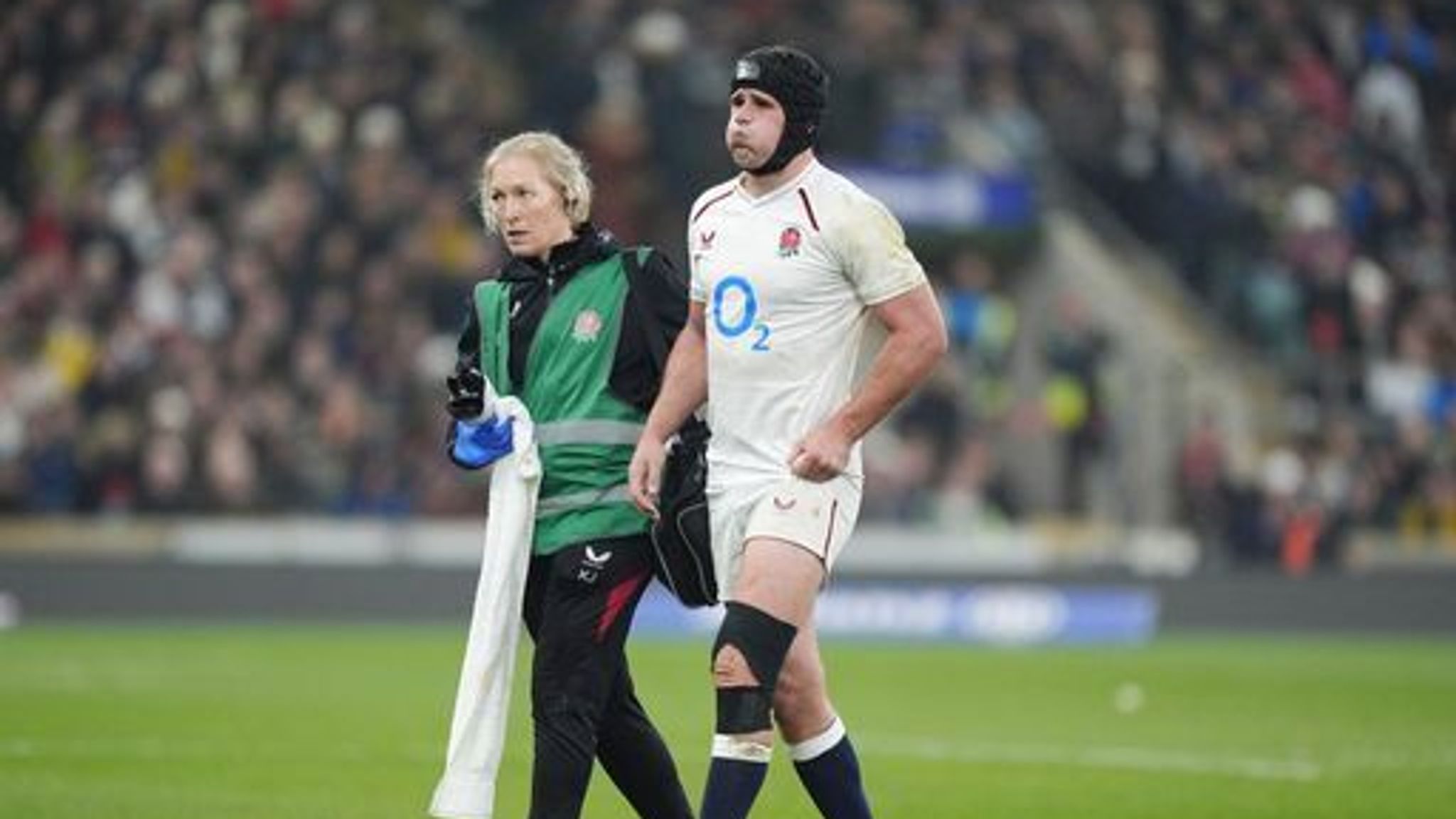
Borthwick provided more encouraging news regarding Atkinson, confirming his injury was not considered serious.
What happens next
England face Japan in their second Nations Championship fixture of the autumn at Allianz Stadium, Twickenham on Saturday, 14 November at 4.40pm kick-off. The match precedes a fixture against New Zealand on 21 November, with both contests providing crucial opportunities to build momentum in the championship.