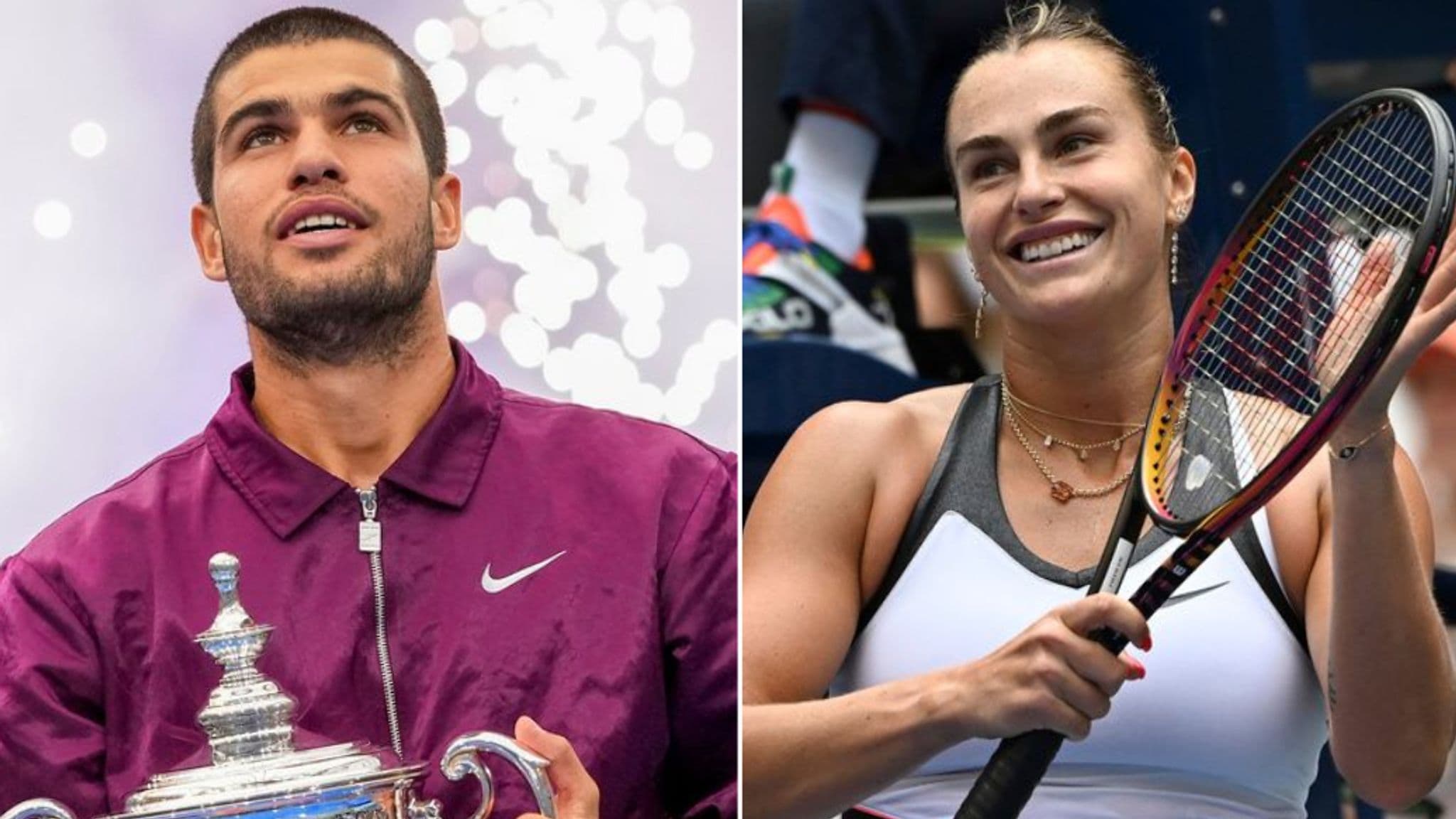
The US Open stands apart among the four Grand Slams as the most difficult to predict, arriving at a point in the season when players have already endured eight months of grinding competition. By late summer, most competitors are managing some combination of injuries, fatigue and accumulated wear from the relentless tour schedule.
The hard court surface amplifies this unpredictability. Unlike clay and grass, where many players maintain complicated relationships with the playing conditions, hard courts suit the majority of the field. This breadth of comfort across the draw means upsets are more common and seeding counts for less.
The tournament has expanded into a three-week event, with Fan Week kicking off proceedings before the main draw begins. This year's opening week brought several notable moments: five-time champion Roger Federer returned for an exhibition match, Karolina Muchova and Jakub Mensik captured their first Grand Slam title in mixed doubles, and six-time champion Serena Williams made a return to Flushing Meadows. The qualifying competition also drew 15 British players into contention.
When the main draw commences on Sunday, nine British players will compete, with a record five having advanced through qualifying. The men's draw is led by Sascha Zverev in the absence of Jannik Sinner, who withdrew due to a right knee injury. The women's draw is headed by world No 1 Aryna Sabalenka.
Men's draw: Can Zverev handle the pressure?
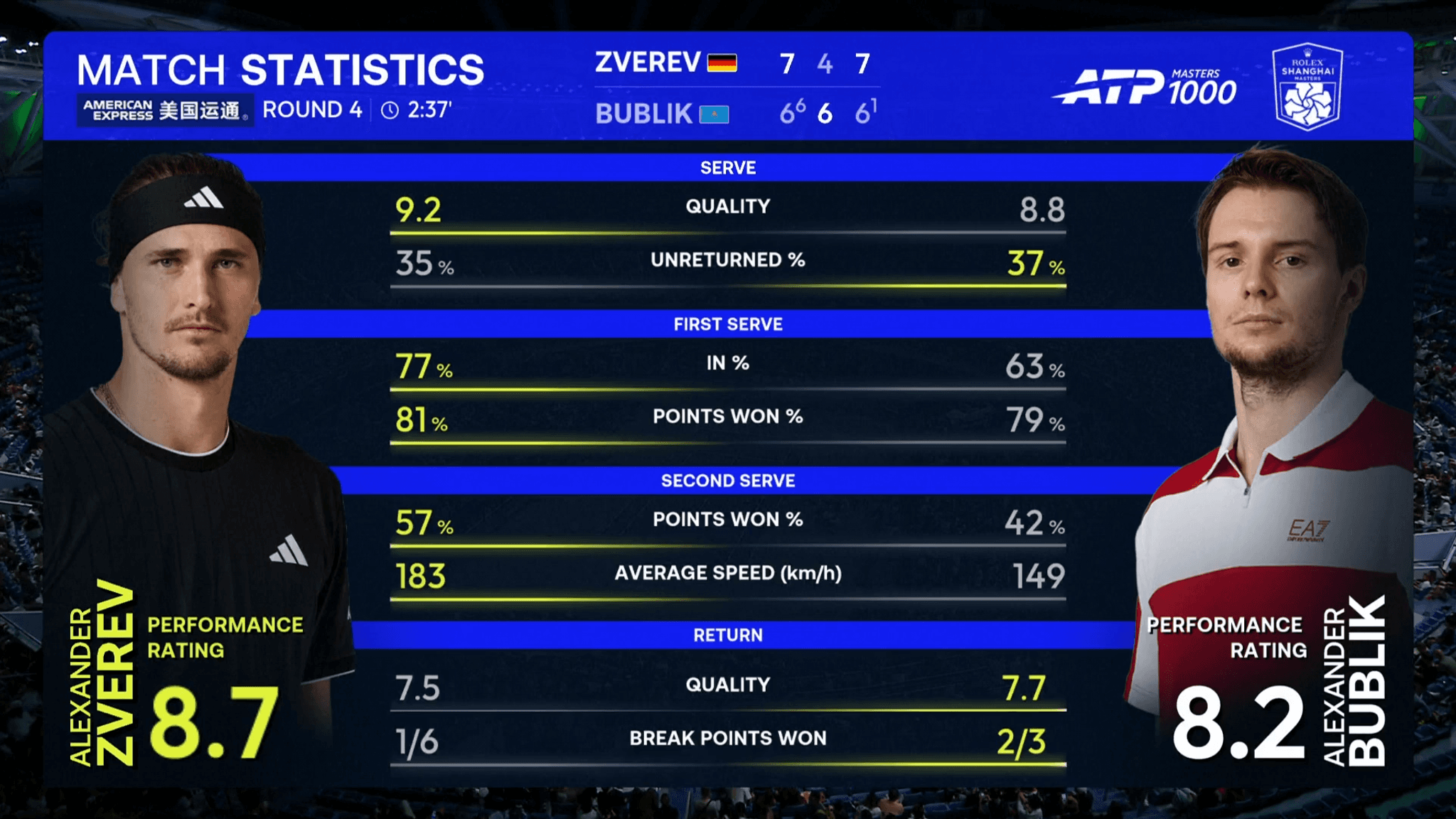
Zverev occupies the top of the men's draw as the top seed at a Grand Slam for the first time, carrying momentum from his French Open victory earlier this year. The German arrives with an impressive 18-2 record at Grand Slam level in 2026, and the draw has opened up favourably for his chances.
Yet the familiar question looms: will he manage the pressure of being top seed? He has fallen early in both Masters 1000 events leading into the US Open, a pattern that raises doubts about his ability to sustain form when the weight of expectation is heaviest.
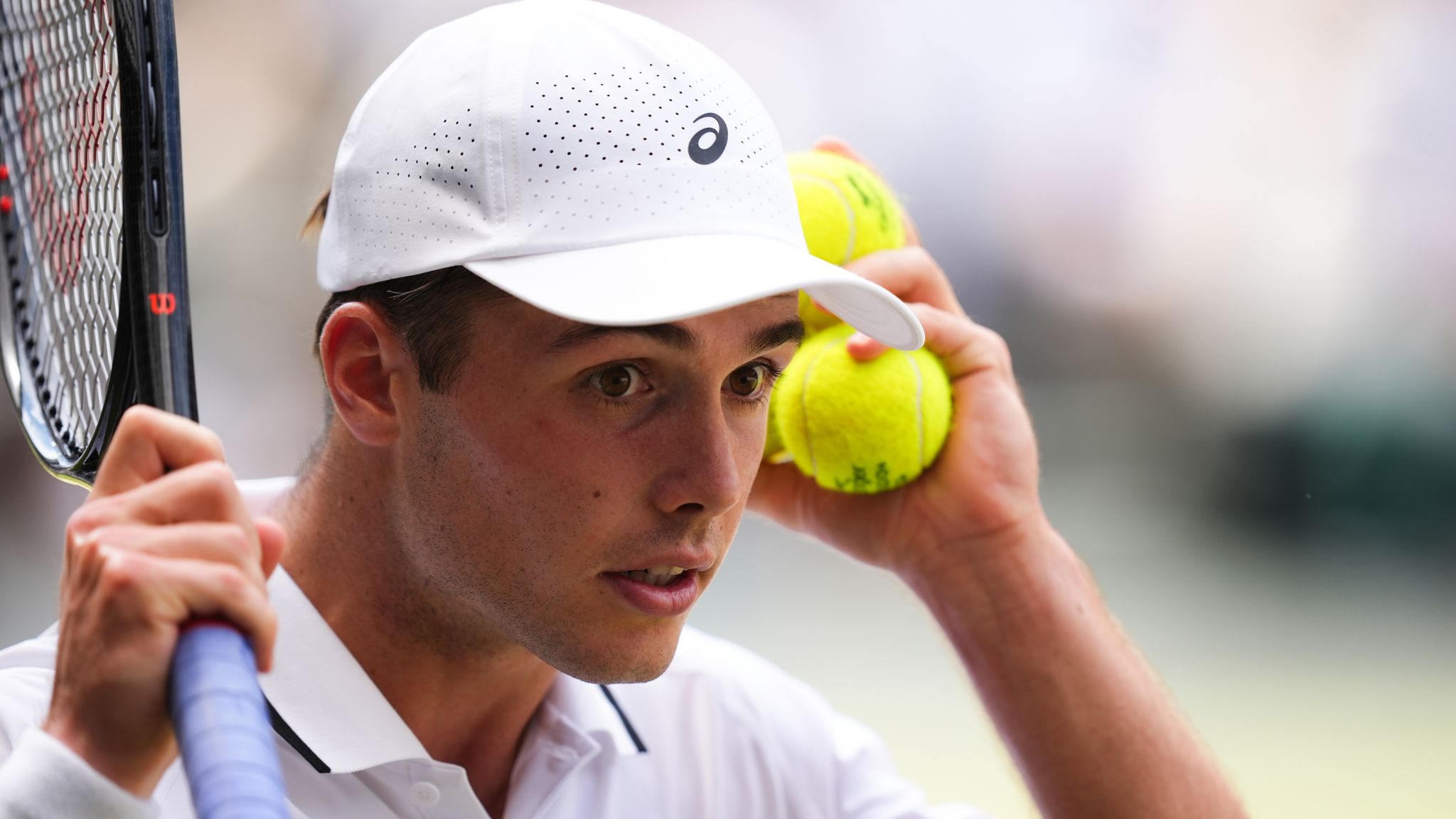
The second quarter belongs to sixth seed Alex de Minaur of Australia, who is projected to meet Zverev in the quarter-finals. While Djokovic and Alcaraz are absent from his section, de Minaur faces a challenging path through former finalist Taylor Fritz, French Open finalist Flavio Cobolli and last year's semi-finalist Felix Auger-Aliassime.
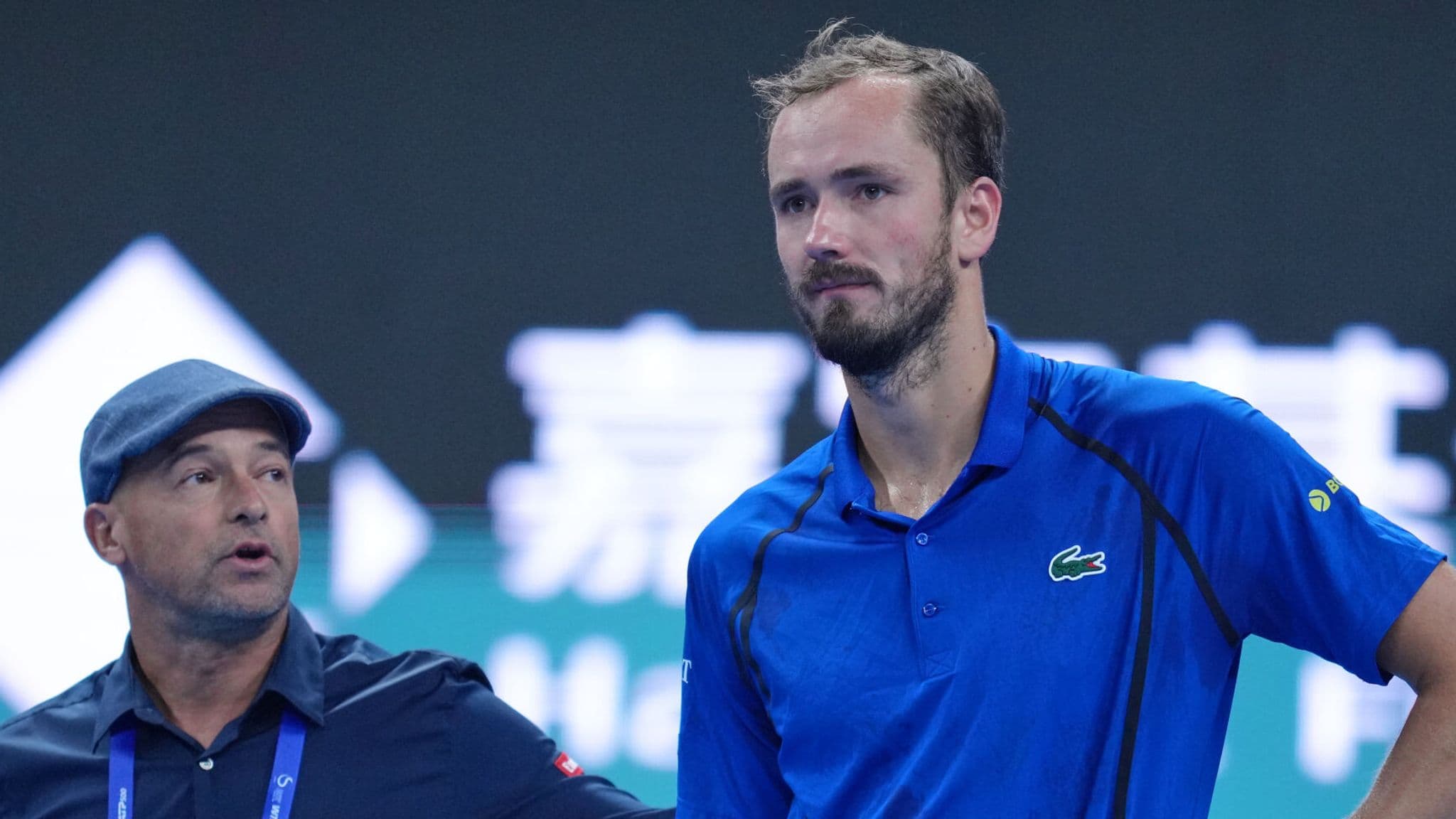
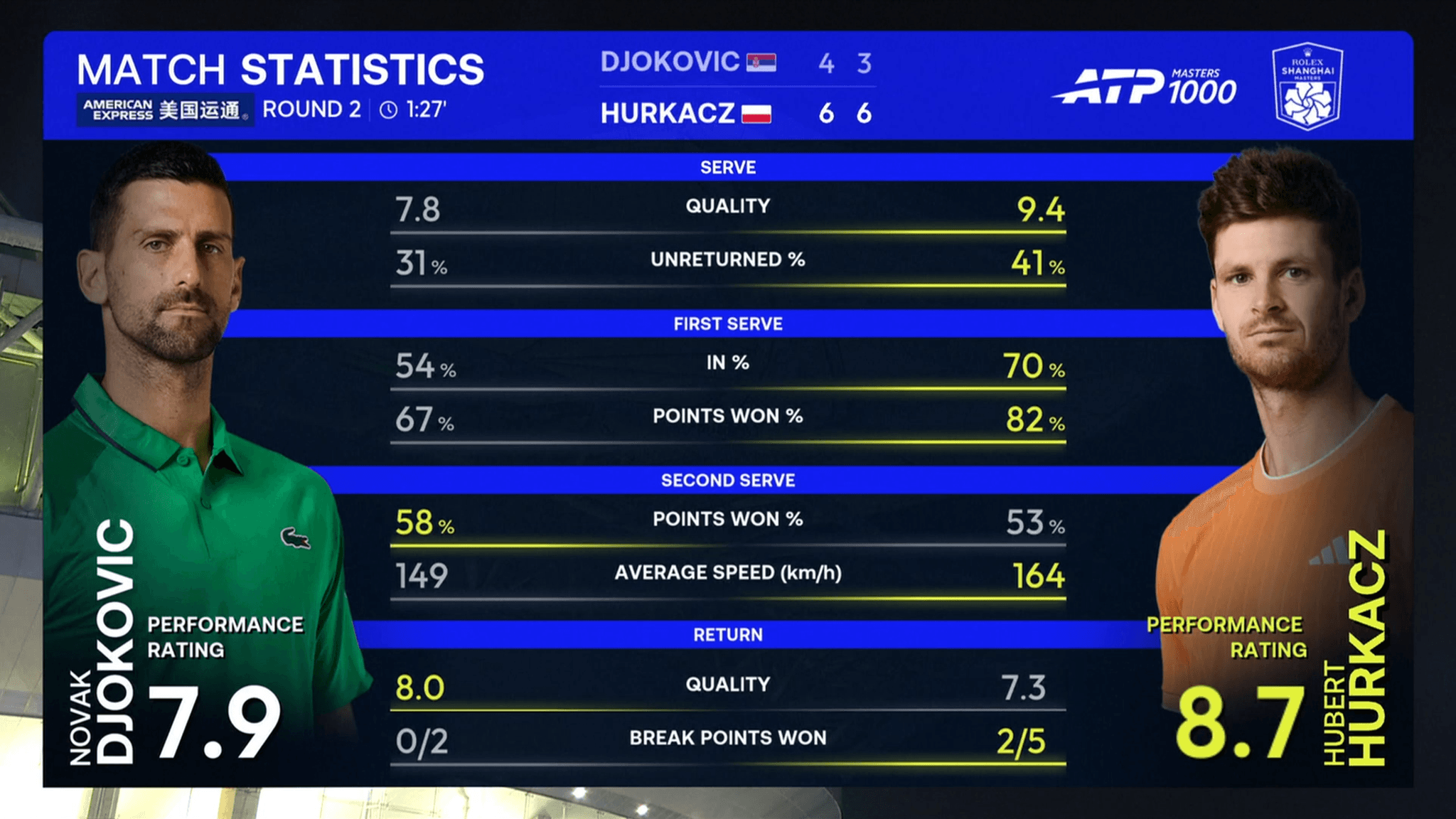
The bottom half of the draw is stacked with talent and experience. All five former US Open champions reside here: defending champion Carlos Alcaraz, Novak Djokovic, Daniil Medvedev, Stan Wawrinka and Marin Cilic.
Djokovic's quarter features Medvedev, Cincinnati finalist Francis Tiafoe, Canadian champion Brandon Nakashima, and a potential second-round meeting with either Wawrinka or Matteo Berrettini before any consideration of facing Alcaraz in the final quarter.
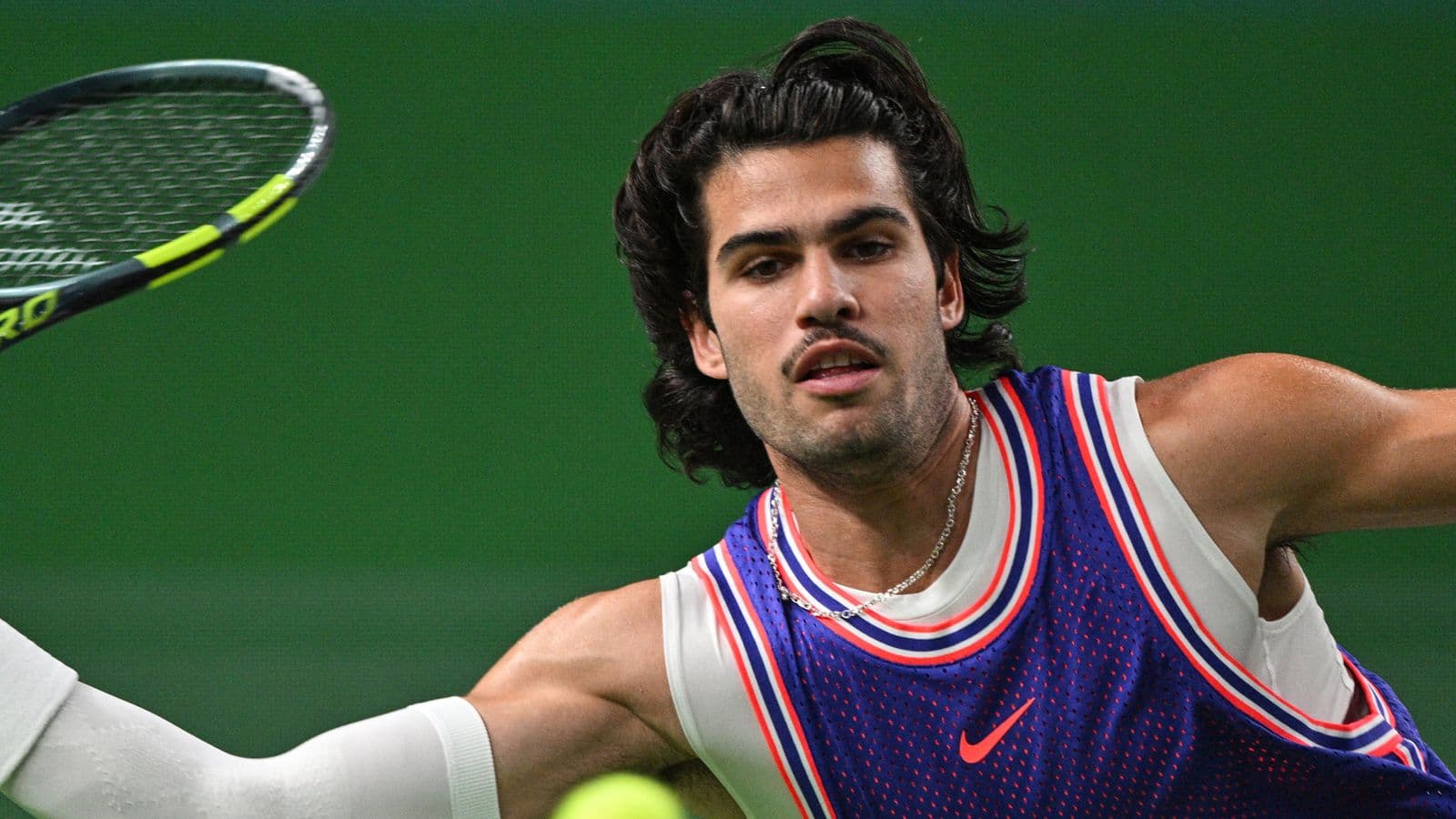
Alcaraz's section contains several formidable opponents. Ben Shelton won Canada, Arthur Fils captured Cincinnati, and the draw also includes Alexander Bublik, Tommy Paul and Roman Safiullin. According to BBC Sport, Alcaraz will begin his title defence against Safiullin, marking the first serious test of his comeback from a long-term wrist injury. Safiullin has beaten Alcaraz before and represents one of the Spaniard's toughest tests, particularly given that Alcaraz has not played a singles match since April.
Women's draw: Sabalenka's quest for history
Sabalenka occupies the first quarter and carries the weight of two major objectives. She is pursuing a historic third consecutive US Open title, which would make her the first woman since Serena Williams to achieve that feat. Simultaneously, she is fighting to retain her world No 1 ranking.
On paper, her draw appears manageable until the quarter-finals, where she could encounter Wimbledon champion Linda Noskova. However, Sabalenka's form has been concerning. Since April, she holds a 17-7 record and has not won a title since March. She remains without a Grand Slam title in 2026, and her vulnerability is evident.
Jessica Pegula heads the second quarter and sits in contention to finish the tournament as world No 1. For that to happen, nothing short of winning the title will suffice. Her path is treacherous, with Elina Svitolina, Karolina Muchova and Sorana Cirstea in her section, plus a potential second-round meeting with either former Australian Open champion Sofia Kenin or two-time US Open champion Venus Williams.
Former US Open champion and current Cincinnati champion Coco Gauff leads the top of the bottom half. She too has a chance of reaching world No 1, but only if she wins the title. Her third quarter contains last year's finalist Amanda Anisimova, French Open champion Mirra Andreeva, Washington champion Alex Eala, and a potentially tricky early meeting with Paula Badosa.
The fourth quarter is arguably the most difficult in the entire draw. Elena Rybakina, Iga Swiatek, Naomi Osaka, Madison Keys and Belinda Bencic all reside here. Rybakina will become world No 1 if she reaches the semi-finals, a milestone within her control. What remains beyond her control is the left ankle and Achilles injury she has been managing for some time. The injury flared up in Cincinnati, forcing her to withdraw from her match against Swiatek. She has appeared tentative in practice, leaving uncertainty about whether her body will hold up long enough for her to reach world No 1 for the first time in her career.
British contingent: Fery's breakthrough moment
Arthur Fery has enjoyed a remarkable summer. In his second tournament since reaching the Wimbledon semi-finals, he advanced to the final of the Winston-Salem Open, where he fell to third seed Ignacio Buse in the title decider. That run has elevated him to British No 1 and earned him a place at the US Open as a main draw entrant.
Fery will make his US Open debut against 13th seed Lorenzo Musetti, a challenging opening assignment. Musetti has recently found form in Cincinnati but is not long back from a back injury, giving Fery reason for optimism. Fery sits in the top quarter with Zverev. Also in that section is Jan Choinski, who takes on Dutchman Botic Van De Zandschulp.
Cameron Norrie, the other Brit to qualify on ranking, occupies the bottom half with Alcaraz as the 29th seed. He faces Frenchman Luca van Assche in the first round, with a potential second-round meeting against either Miomir Kecmanovic or Dennis Shapovalov.
In total, nine Brits populate the main draw, and for the first time at the US Open, five have come through qualifying. Toby Samuel, ranked 110th in the world, will make his US Open main draw debut at age 23, having drawn Czech player Tomas Machac, ranked 58th. Harry Wendleken also makes his debut after playing nine sets across nine hours to reach the main draw; his reward is a first-round meeting with 21st seed Luciano Darderi. Jacob Fearnley, entering as a lucky loser for his second US Open appearance, will face Spaniard Martin Landaluce.
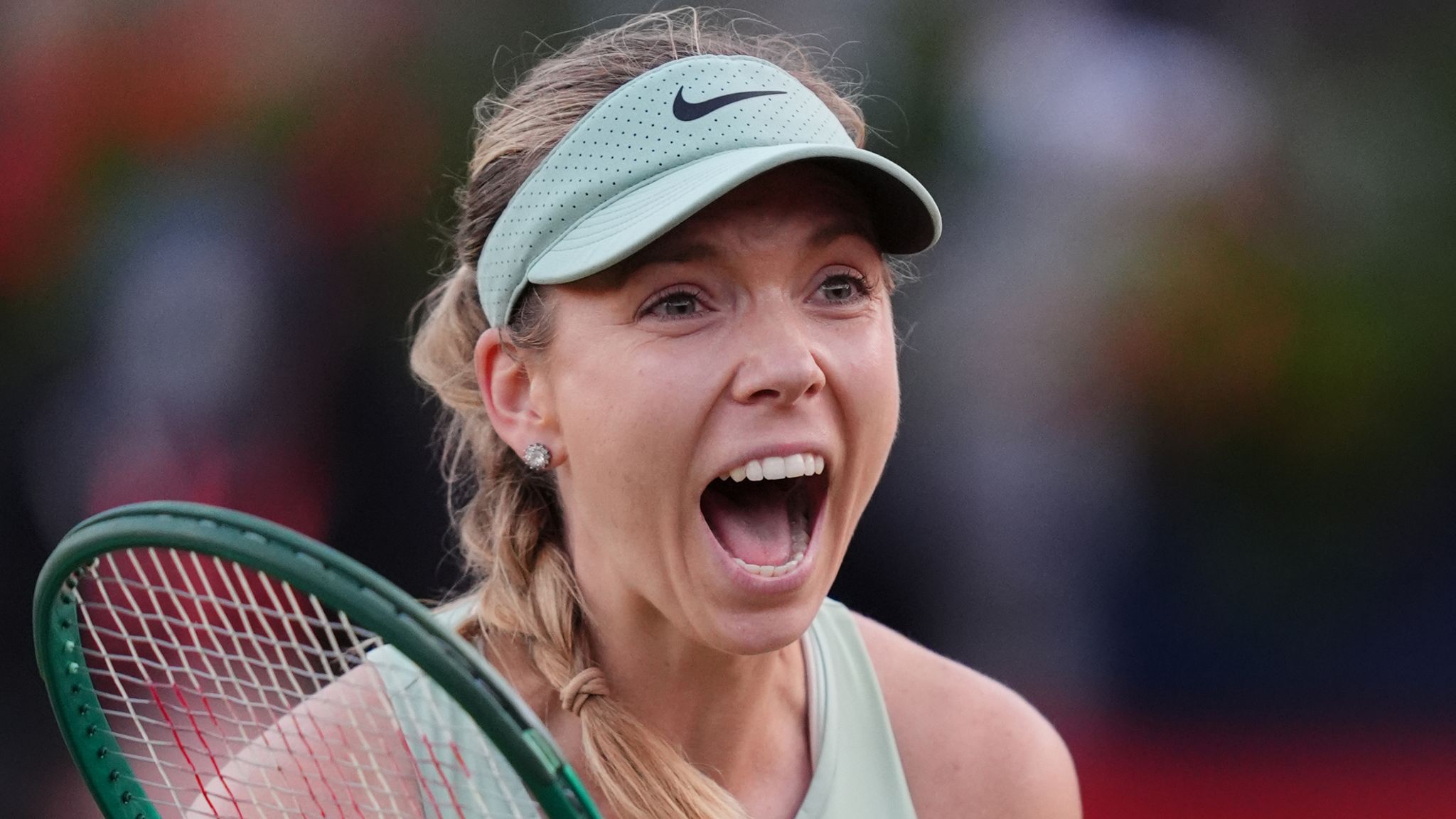
Katie Boulter was the only British woman to gain direct entry and has been handed a favourable first-round draw against American wild card Carol Young Suh Lee. Lee, 24 years old and sitting at a career-high ranking of 140, will be making her Grand Slam main draw debut. Should Boulter advance, she will more than likely face US Open mixed doubles champion and Wimbledon finalist Karolina Muchova in round two.
Harriet Dart qualified by defeating Heather Watson in the final qualifying round and will meet American Peyton Stearns, ranked 54th. The two recently played in Cincinnati, where Stearns won, but Dart defeated the American in US Open qualifying in 2021. Fran Jones has secured qualification for a second consecutive year and will face Poland's Magda Linette in what will be their first meeting.
The Williams sisters return to doubles
Serena Williams will not disappear from the US Open after her mixed doubles run with Alcaraz. She has teamed up with sister Venus in the doubles competition after receiving a wild card. The two-time US Open doubles champions last competed together at a Grand Slam in 2022, also at Flushing Meadows.
Prize money and broadcast details
Prize money has increased again this year. The men's and women's singles champions will each receive $5.5 million (£4.7 million), while players reaching the first round are guaranteed $140,000 (£120,000).
According to WTA Tennis, the women's singles first round runs from 30 August to 1 September, with the second round on 2-3 September. The women's singles final is scheduled for 12 September, and the men's singles final for 13 September. The quarterfinals for both competitions take place on 8-9 September.
Sky Sports Tennis will provide comprehensive coverage from Sunday onwards, with every ball of every match on every court available to viewers. The commentary team includes Martin Navratilova, Tim Henman, Marion Bartoli, Laura Robson, Ryan Harrison and Naomi Broady, among others. Coverage begins at 3pm on Sunday from New York.
The predictions
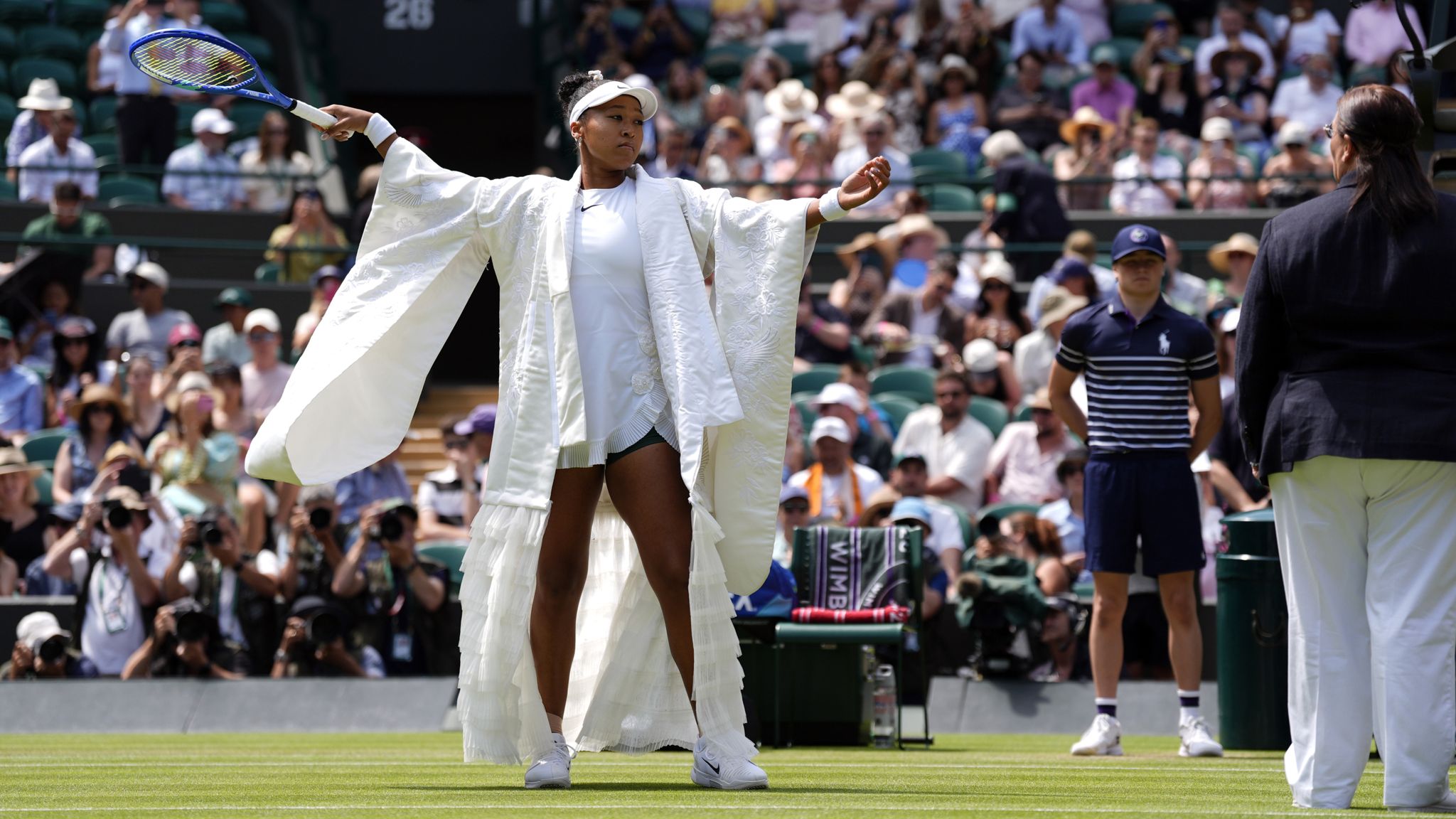
Forecasting the US Open winner remains difficult even at this late stage. For the men's draw, Zverev emerges as the choice for his second Grand Slam title, largely because the draw appears exceptionally favourable for his chances. For the women's draw, the selection moves away from those competing for the world No 1 ranking and instead picks Naomi Osaka to win her third US Open title and her first here since 2020.
What happens next
According to the Olympics, the singles main draw started on 30 August, with women's play running through 12 September and men's play through 13 September. The women's singles first round continues through 1 September, followed by the second round on 2-3 September. Quarterfinals for both competitions are scheduled for 8-9 September, with the women's final on 12 September and the men's final on 13 September.
The US Open is live on Sky Sports from 30 August. Stream tennis with no contract on NOW and the Sky Sports App. The Laver Cup at The O2 in London runs from 25-27 September, also live on Sky Sports.