England's forthcoming three-Test tour of South Africa, beginning in December with the first match in Johannesburg on December 17, offers a chance to study how the world's top-ranked side operates on home soil. Australia's commanding 214-run victory in the series opener at Durban has already provided several instructive moments for Joe Root's squad, who will also have the Ashes at home next summer firmly in their sights.
South Africa's rust proves costly in opening encounter
The Proteas carried a significant disadvantage into this contest through sheer lack of match practice. Nearly twelve months had elapsed since their previous Test assignment—a commanding 2-0 series triumph in India—while their most recent home fixture came when they claimed the World Test Championship final against Australia at Lord's in June 2025.
That extended layoff showed plainly throughout the opening Test. South Africa's batsmen struggled to build substantial innings despite occasional bright moments. Aiden Markram provided the most encouraging display, remaining at the crease for nearly six hours across 237 deliveries during the second innings as the hosts desperately sought a draw. David Bedingham contributed two 40s from the number three position, yet neither performance translated into the commanding totals required in the longer format.
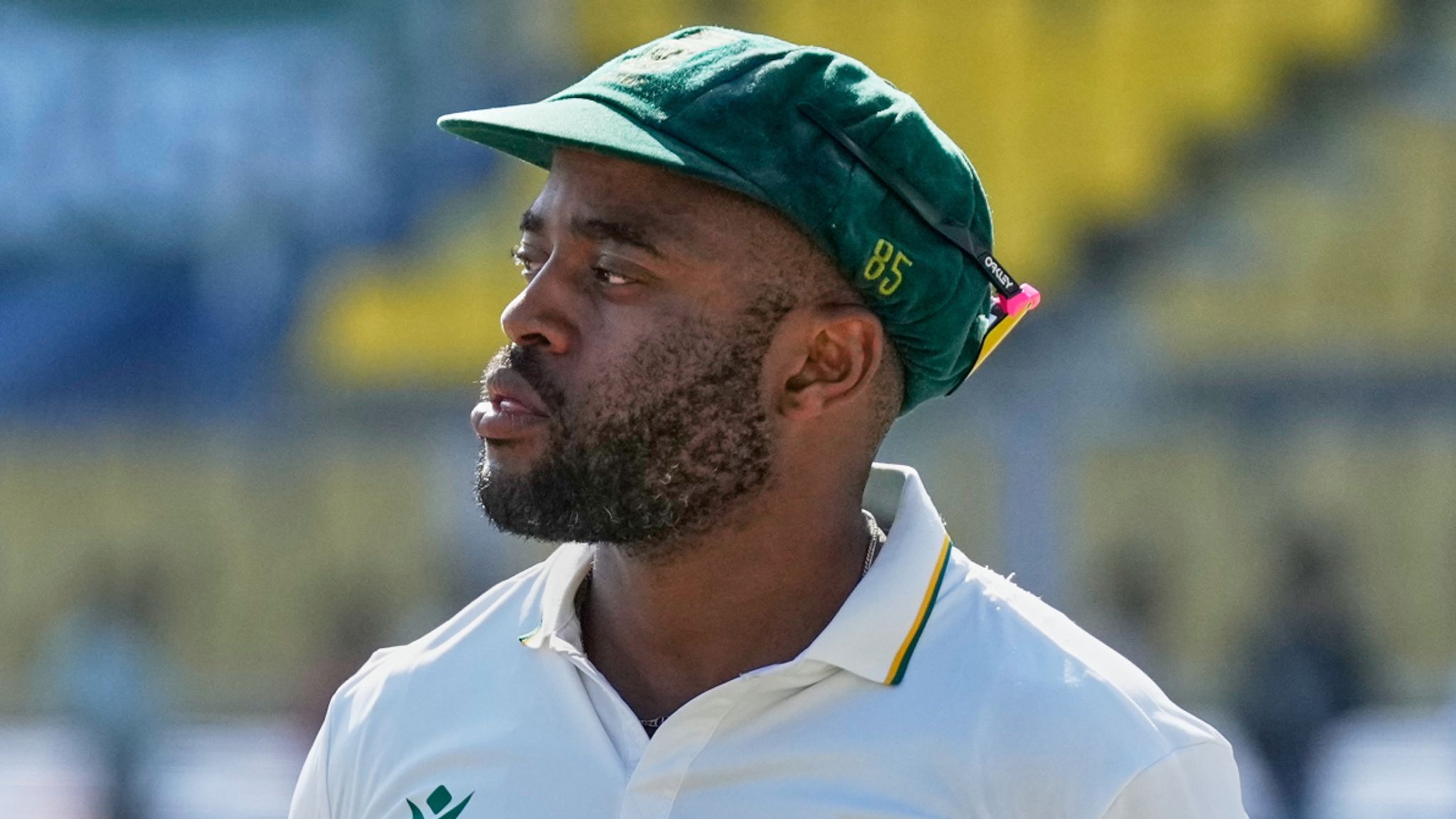
The first innings proved particularly damaging. Six South African batsmen reached 30 or beyond but failed to convert these starts into meaningful contributions, ultimately surrendering a 106-run deficit. Ryan Rickelton's struggles at the top of the order raised concerns, while captain Temba Bavuma's contribution across both innings—a mere four runs—will invite scrutiny about his form and leadership at a critical juncture.
England will hope this represents nothing more than the inevitable consequence of returning to Test cricket after such a prolonged absence. However, they should gain clarity before arriving in South Africa, as the hosts face two further Tests against Australia followed by a two-match series against Bangladesh in November, providing ample opportunity to shake off the cobwebs.
Renshaw's breakthrough offers Australia middle-order stability
Matt Renshaw's career-best 190 in the first innings may have resolved one of Australia's most persistent batting headaches. The player of the match, who also struck 82 from 99 balls in the second innings, rescued his side from a precarious position when they stood at 124-6 on day one, threatening to surrender control of the contest amid familiar top-order frailties.
According to ESPN's match report, Renshaw accumulated 174 runs while batting alongside Australia's final four batsmen—the highest such partnership contribution in a Test innings since 2002. His 397-ball vigil proved instrumental in propelling Australia to 390 deep into day two, from which point they never relinquished their grip on proceedings.
Renshaw's return to Test cricket after a three-year absence marks a significant development. According to the BBC, this represented his first Test hundred in more than nine years, making the achievement all the more remarkable. Beyond his batting, he also claimed his maiden Test wicket by dismissing Temba Bavuma, adding further value to his all-round contribution.
Yet questions persist regarding the optimal construction of Australia's batting lineup. Travis Head previously held the number five position before being promoted to open during last winter's Ashes campaign, where he struck three centuries in winning causes at Perth, Adelaide and Sydney. Since that promotion, however, he has failed to pass 22 across three Test appearances, including a pair of soft dismissals in Durban.
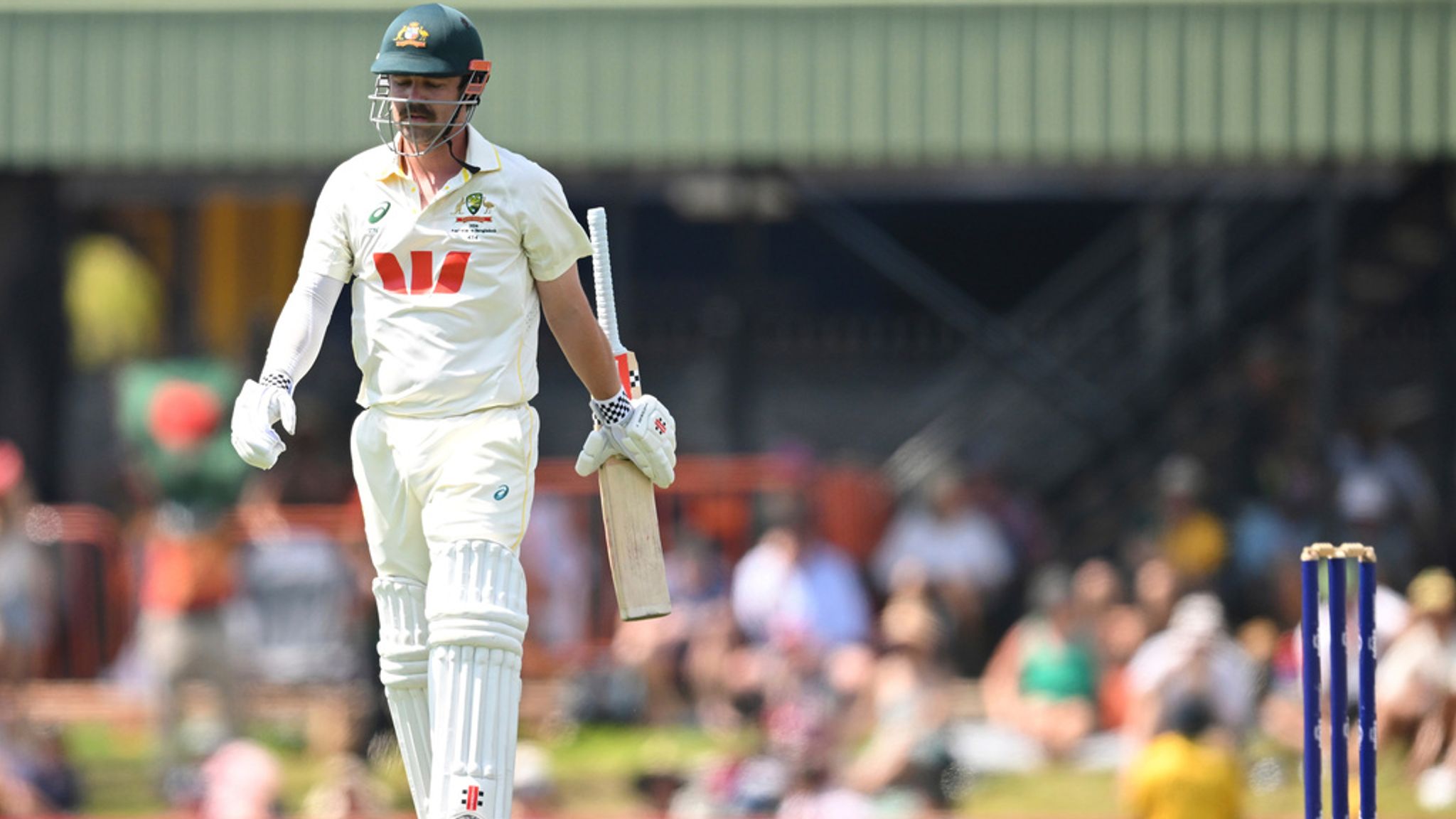
Renshaw has opened previously for Australia, raising the possibility of a positional swap between the two batsmen. This remains a question for consideration before the trip to England next summer, though for now Renshaw should benefit from a sustained run in the middle order while Australia addresses more pressing batting concerns.
Labuschagne's century drought deepens amid selection uncertainty
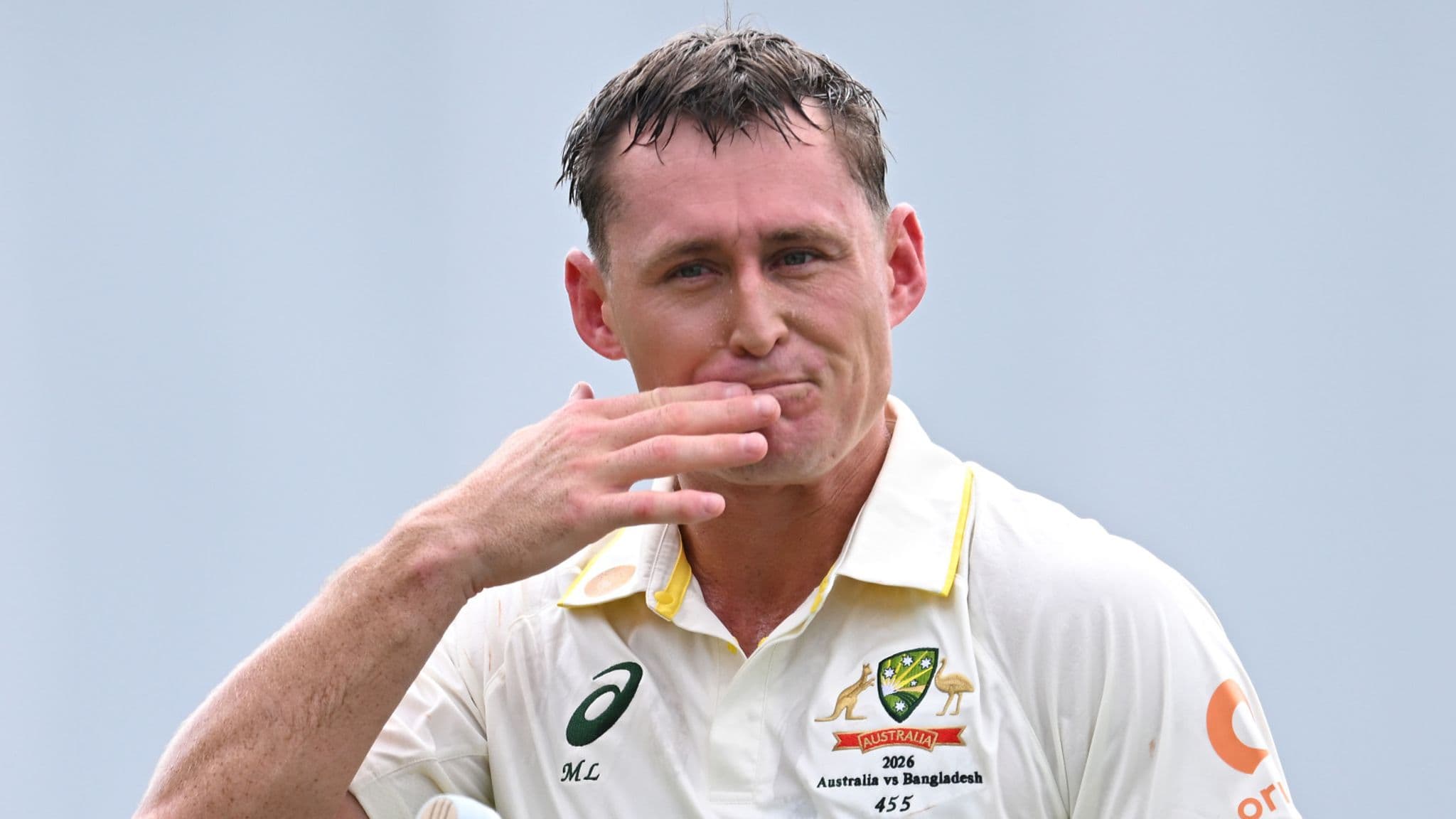
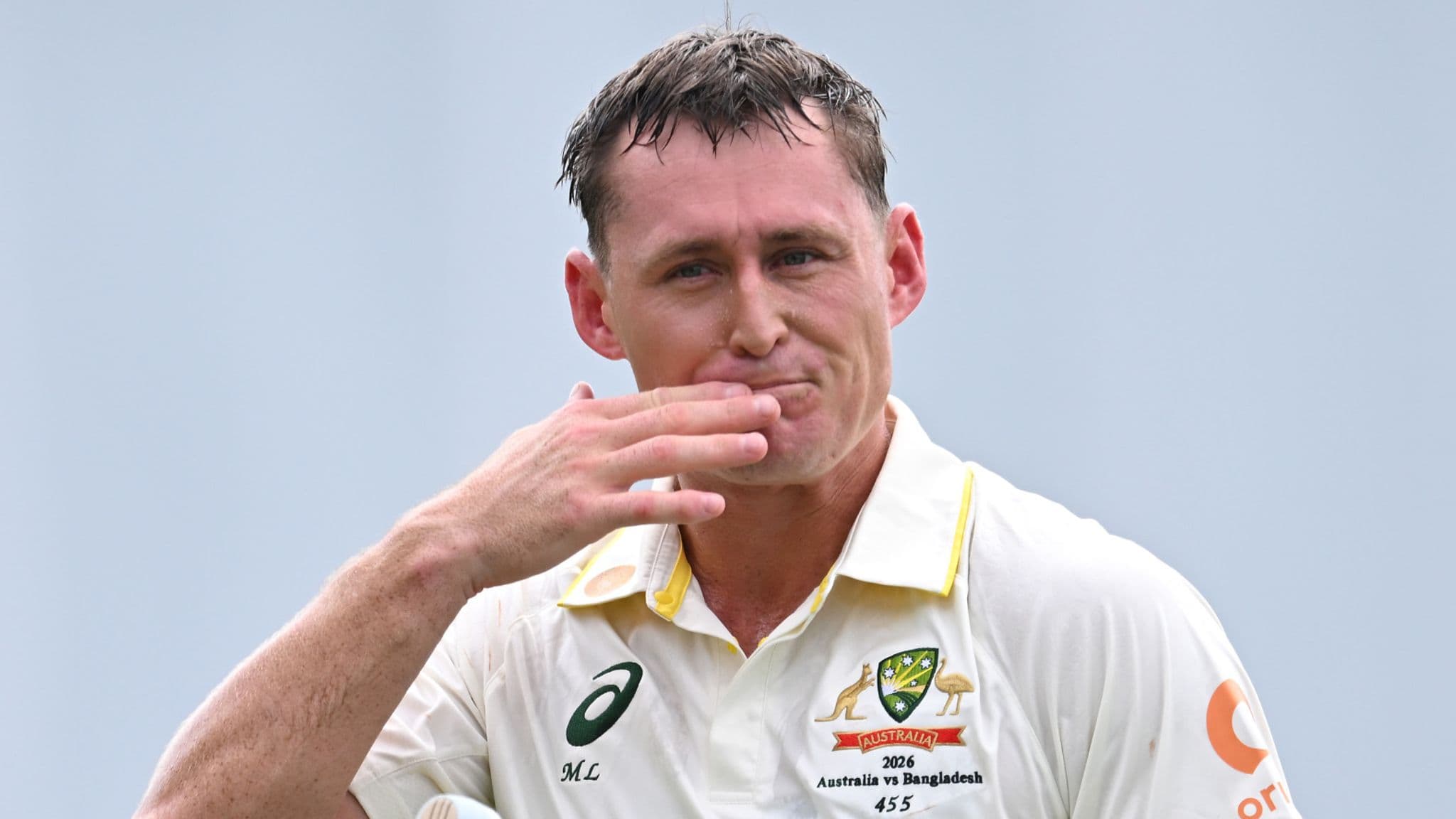
Marnus Labuschagne's wait for a twelfth Test century extended further in Durban, with his drought now stretching back to July 2023. A hundred in the warm-up match preceding the series had promised much, as did his pair of 37s in this Test, yet he failed to convert either into a score of genuine substance.
The situation has become increasingly concerning. Labuschagne has averaged merely 25.29 with the bat across his 24 Tests since last reaching three figures at Old Trafford during the 2023 Ashes. His retention in the Australian side was viewed as remarkably fortunate, justified only by the absence of credible alternatives staking a claim to his position.
Nic Maddinson's return to the Test team in Durban came as a surprise, given the circumstances surrounding his absence from international cricket. The 34-year-old had not featured in a first-class match since March 2025, having been sidelined by injuries, mental health challenges, and a testicular cancer diagnosis that kept him out for most of the previous year. His last Test appearance for Australia occurred in late 2016, when he averaged 6.75 across three appearances.
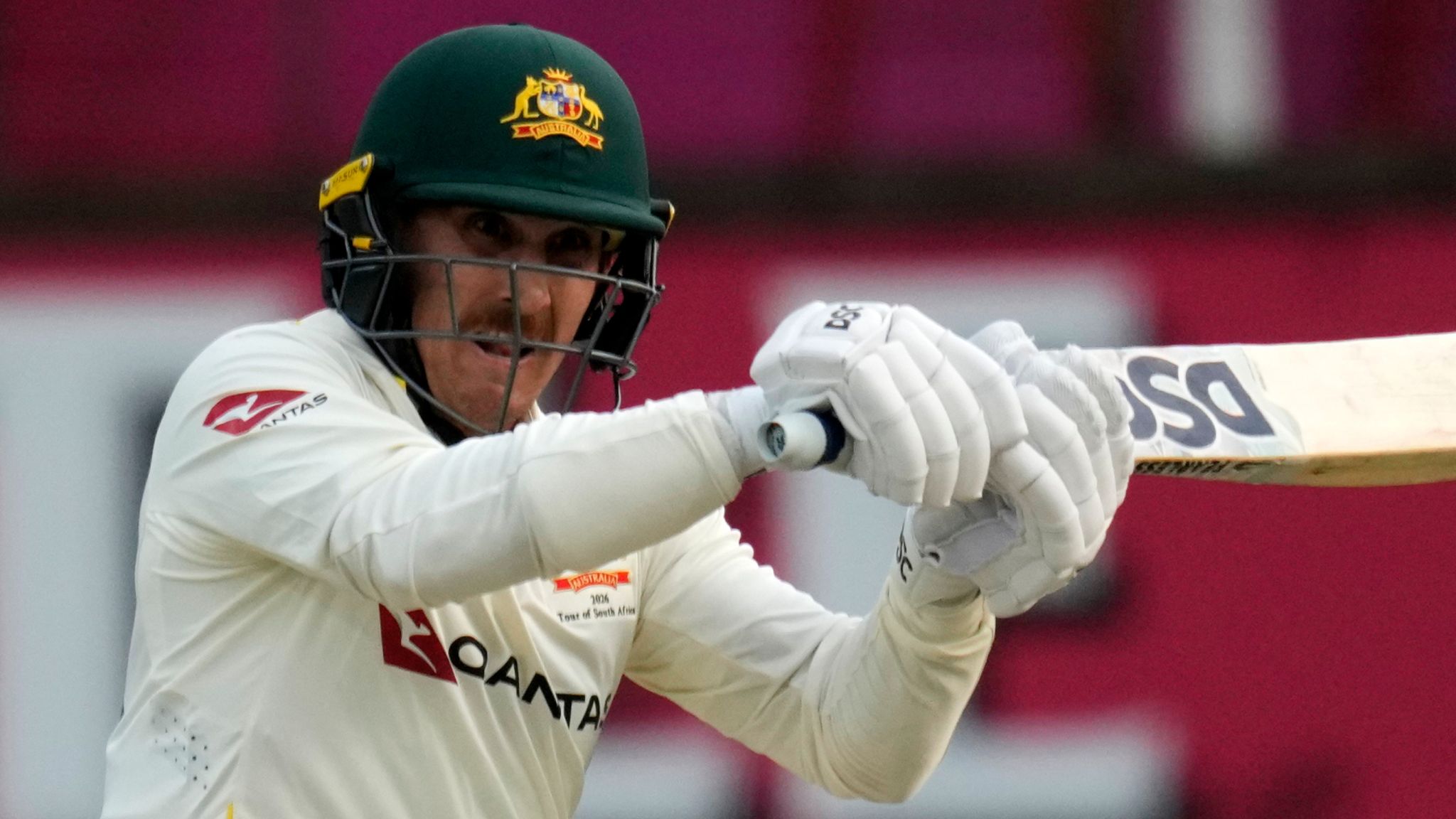
Maddinson's return proved inauspicious. He registered a 33-ball duck in the first innings, an unpromising start to his second coming in international cricket. Though he displayed considerably greater freedom in the second innings—striking six fours and a couple of sixes in his 48 from 38 balls—this came with Australia already well ahead in the contest. His place in the team will inevitably face continued scrutiny, particularly as Cameron Green and Josh Inglis prepare to return from injury for the second Test in Gqeberha.
Dropping Maddinson after only one match would appear harsh, yet Australia's eagerness to reintegrate Green, in particular, creates a selection puzzle. Renshaw has effectively blocked Green's most straightforward route back into the side at number five. Could Green instead slot in at number three in place of Labuschagne, or might Beau Webster's underutilisation as an all-rounder at number seven offer an alternative? The composition of Australia's batting order remains far from settled.
Australia's bowling attack remains a formidable proposition
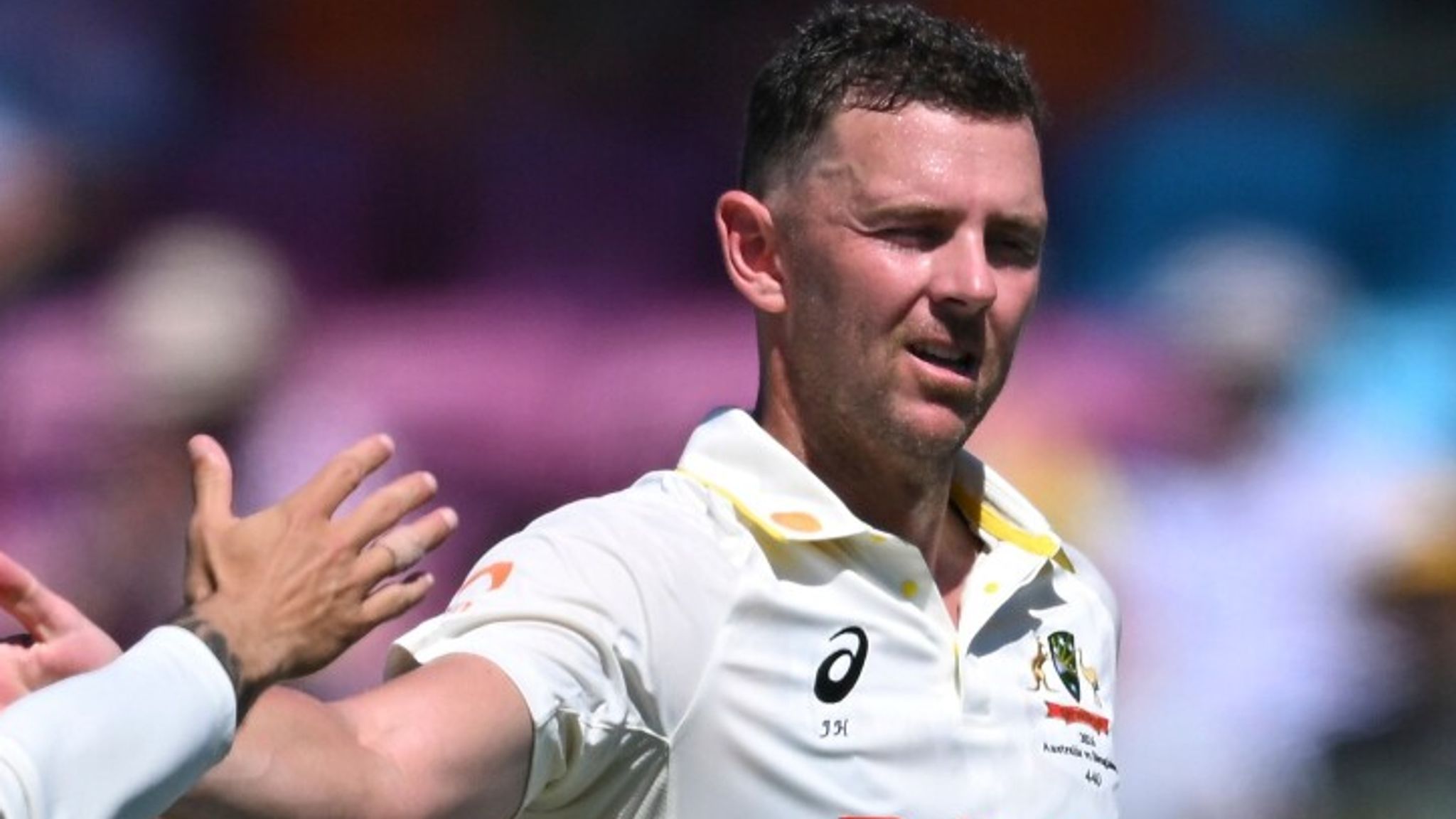
If one element of Australia's performance should genuinely concern England, it is the sustained quality and considerable depth of their bowling attack. Josh Hazlewood delivered a masterclass in the second innings, claiming career-best Test figures of 6-49 to complete a dominant seaming performance by the visiting attack.
Pat Cummins had orchestrated the first-innings assault, taking 3-54 to help dismiss South Africa for 284 on a surface that offered reasonable batting conditions. The enduring excellence of 38-year-old off-spinner Nathan Lyon provides an additional dimension to Australia's attack, while Scott Boland and Michael Neser remain available in reserve.
This depth will prove crucial in the months ahead. Australia's attack comprises an ageing group, and the relentless demands of their Test schedule—a four-match series at home against New Zealand followed by five away in India—will test their fitness and durability severely. The question looms: how will they be holding up by the time the Ashes commences on June 18 with the first Test at Trent Bridge?
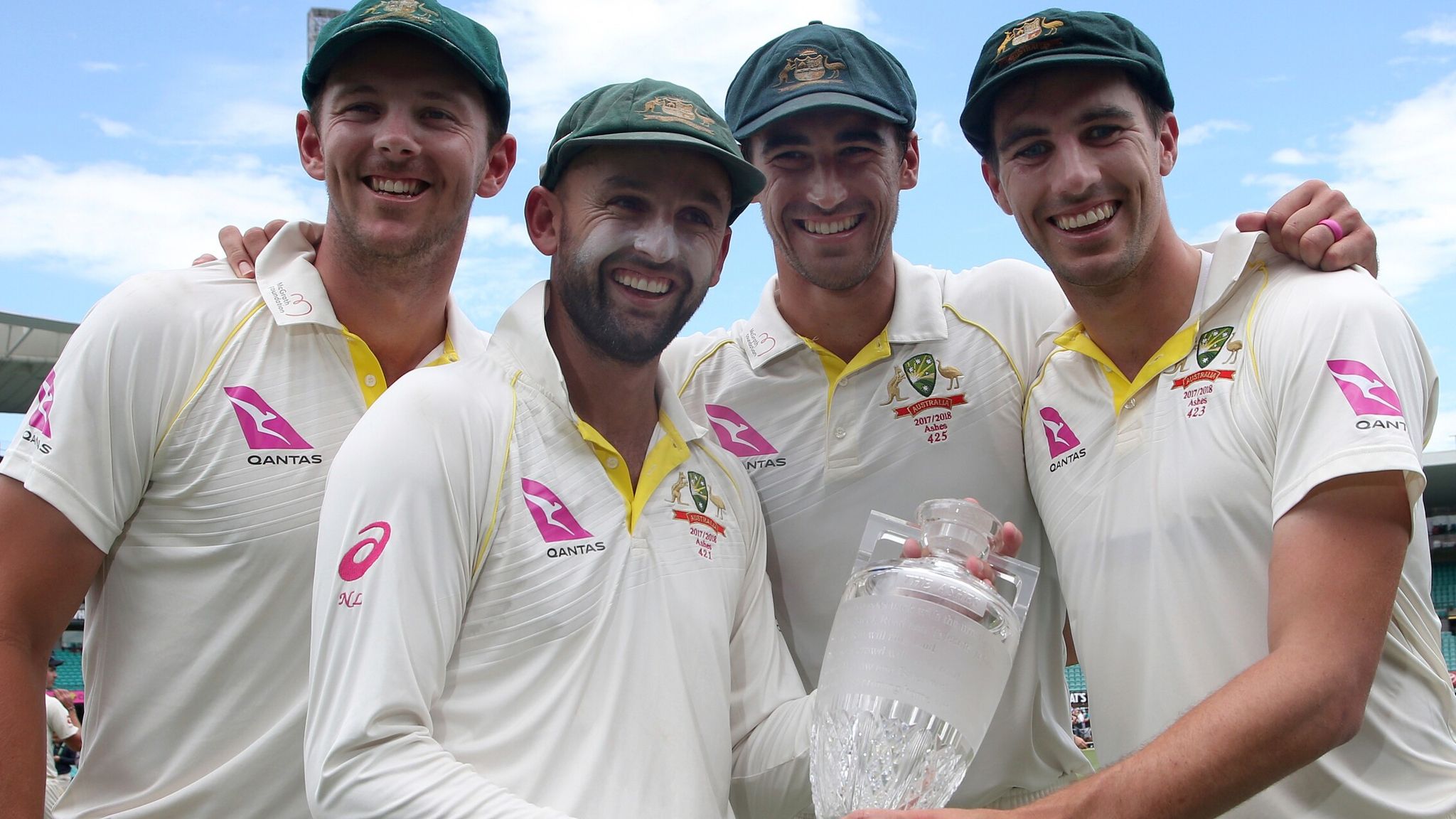
For the present, however, any suggestion that Australia's attack might be past their best by next summer appears decidedly premature. Their performance in Durban demonstrated that they remain a formidable force capable of dominating on any surface.
South Africa's selection strategy backfires in Durban
South Africa's team selection for the series opener raised considerable eyebrows, particularly the decision to field two specialist spinners in Durban. Keshav Maharaj and Simon Harmer provided left and right-arm options respectively, yet neither proved particularly effective, combining for just four wickets across the match—with Harmer managing only one in the first innings.
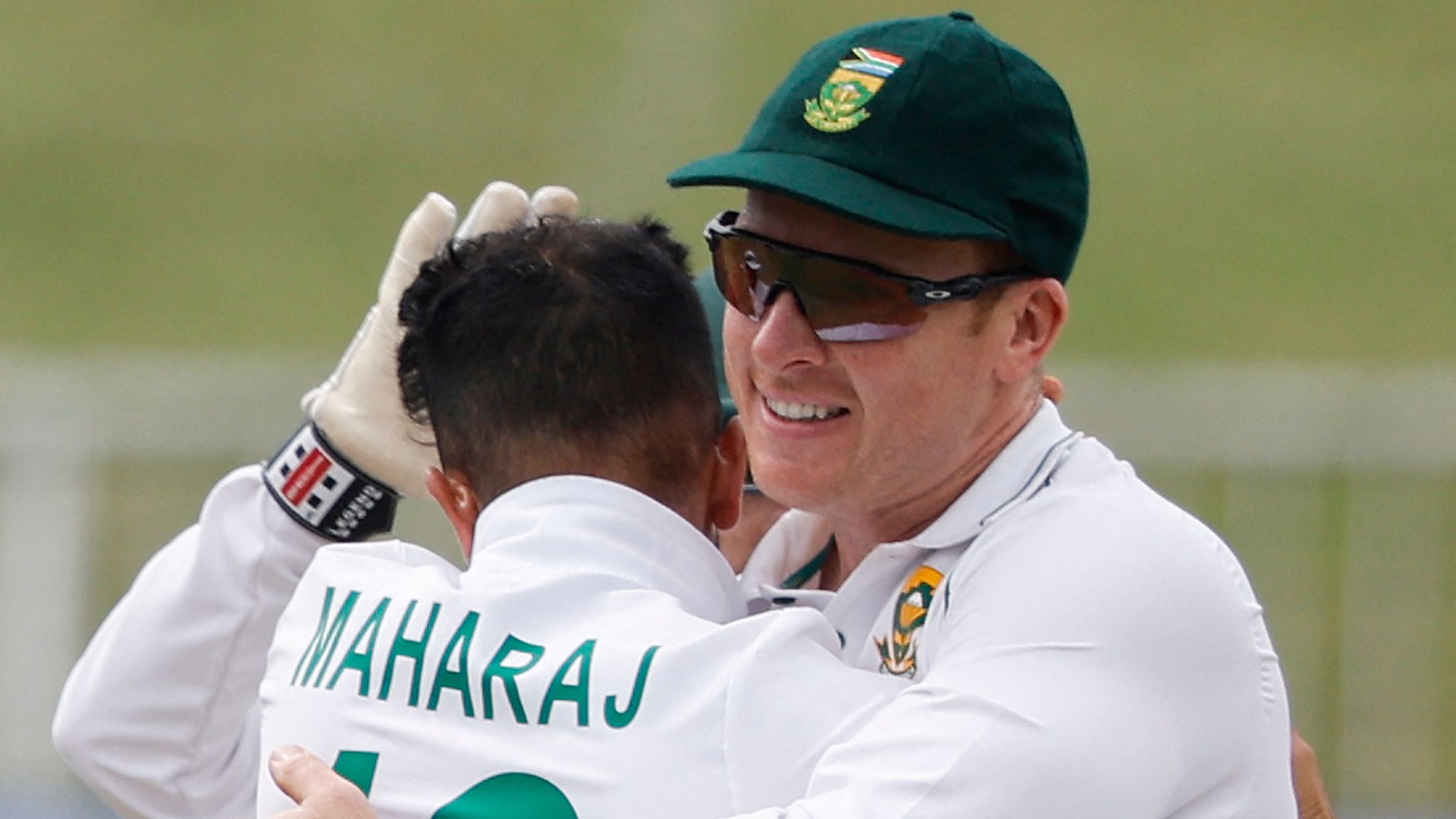
The absence of Kagiso Rabada, who failed to recover from a hamstring injury in time for this Test, may have forced the selectors' hand, but it left their attack appearing lopsided and somewhat hastily assembled. Wiaan Mulder, operating as a batting all-rounder, should not have been entrusted with the new ball in Test cricket. Though he claimed two wickets on the first morning and burgled a couple more into day two, he proved largely ineffective otherwise across his 31 overs of demanding labour throughout the match.
The return of Anrich Nortje offered encouragement. Following an extended absence from Test cricket, the fast bowler demonstrated glimpses of the pace and aggression that established him as a major asset during his initial stint in the side from 2019 to 2023. Assuming Rabada recovers in time for the second Test in Gqeberha, his return would provide substantially greater balance and potency to South Africa's attack.
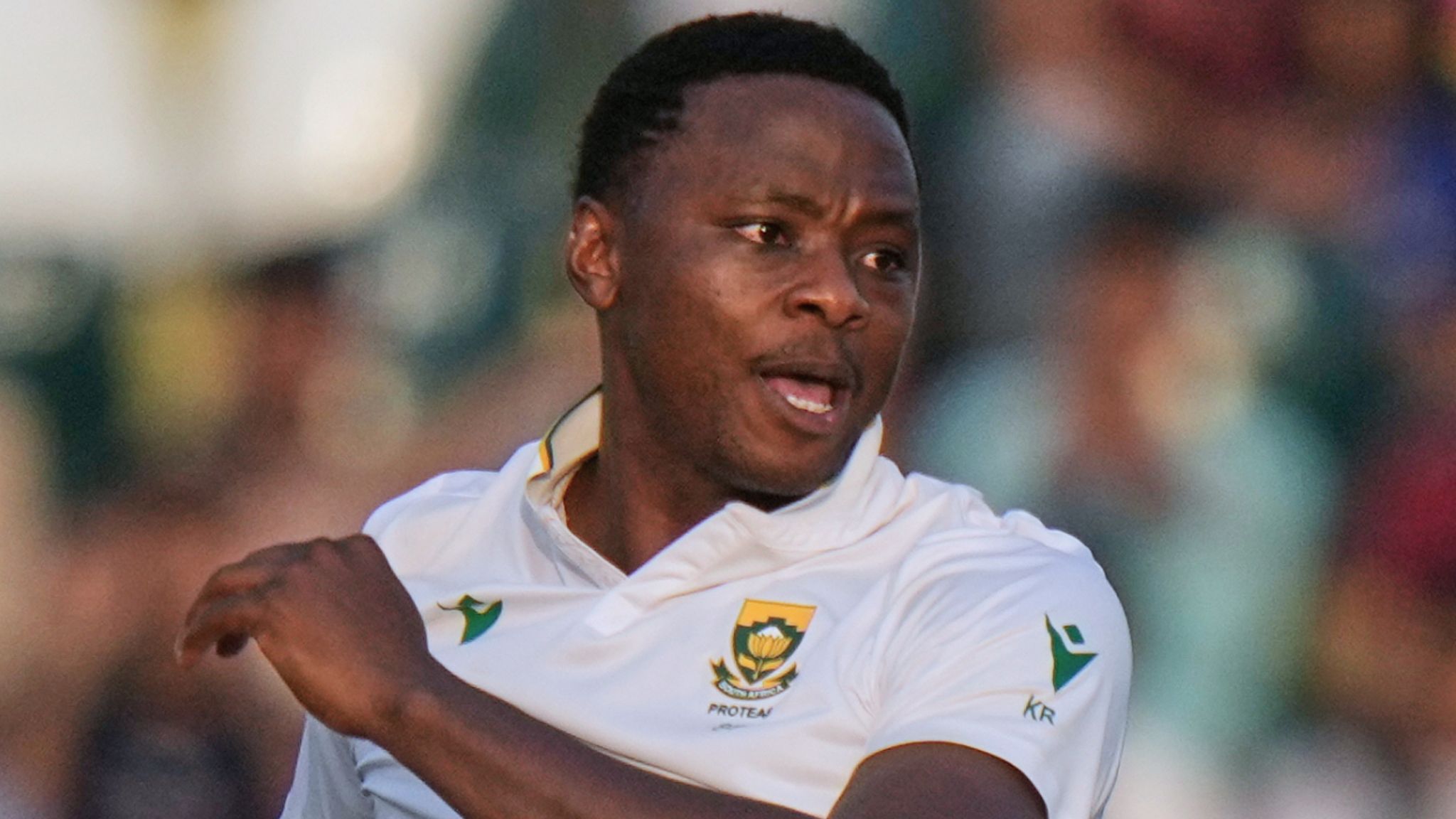
The prospect of Rabada, Nortje and the left-arm option of Marco Jansen operating in tandem would represent a considerably sterner challenge for Australia, and subsequently for England when they arrive in a couple of months' time.
What comes next for both sides
Australia will seek to extend their series lead when the second Test commences in Gqeberha. According to the ICC, Australia's victory in Durban gave them a 1-0 advantage in the three-Test series, with momentum firmly in their favour heading into the next encounter.
England, meanwhile, will monitor developments closely as they prepare for their own three-Test campaign beginning in December. The lessons from Australia's performance—both the strengths of their bowling attack and the vulnerabilities exposed in South Africa's batting—will inform their own preparation for what promises to be a demanding tour.