England's three-Test tour of South Africa begins in December, with the 2027 Ashes at home next summer already on the horizon. The opening encounter between Australia and South Africa in Durban offers valuable lessons for the visitors, though not all of them are encouraging.
England's Pakistan whitewash ends a turbulent summer, but the challenges ahead in South Africa and the Ashes demand careful preparation. What the first Test between the world's top two ranked sides reveals about the Proteas' current form and Australia's capabilities will shape England's thinking considerably.
Proteas showing signs of ring rust after extended absence
The Proteas have not featured in Test cricket for nearly a year, their last outing a commanding 2-0 series victory in India. This Durban encounter marked their first home Test since claiming the World Test Championship final against Australia at Lord's in June 2025, and the absence showed.
South Africa appeared undercooked and short of rhythm as a result. Aiden Markram provided some encouragement with a resolute 237-ball innings spanning nearly six hours in the second innings, though his efforts ultimately proved futile in the hosts' attempt to secure a draw. David Bedingham contributed usefully with a pair of 40s at number three, but neither performance translated into the substantial totals required in the longer format.
The Proteas squandered multiple opportunities in their first innings, with six batsmen reaching at least 30 runs before failing to build on those starts. They surrendered a 106-run deficit as a result. Ryan Rickelton struggled at the top of the order with a couple of failures, while captain Temba Bavuma's contribution raised eyebrows—he managed just four runs across both innings combined.
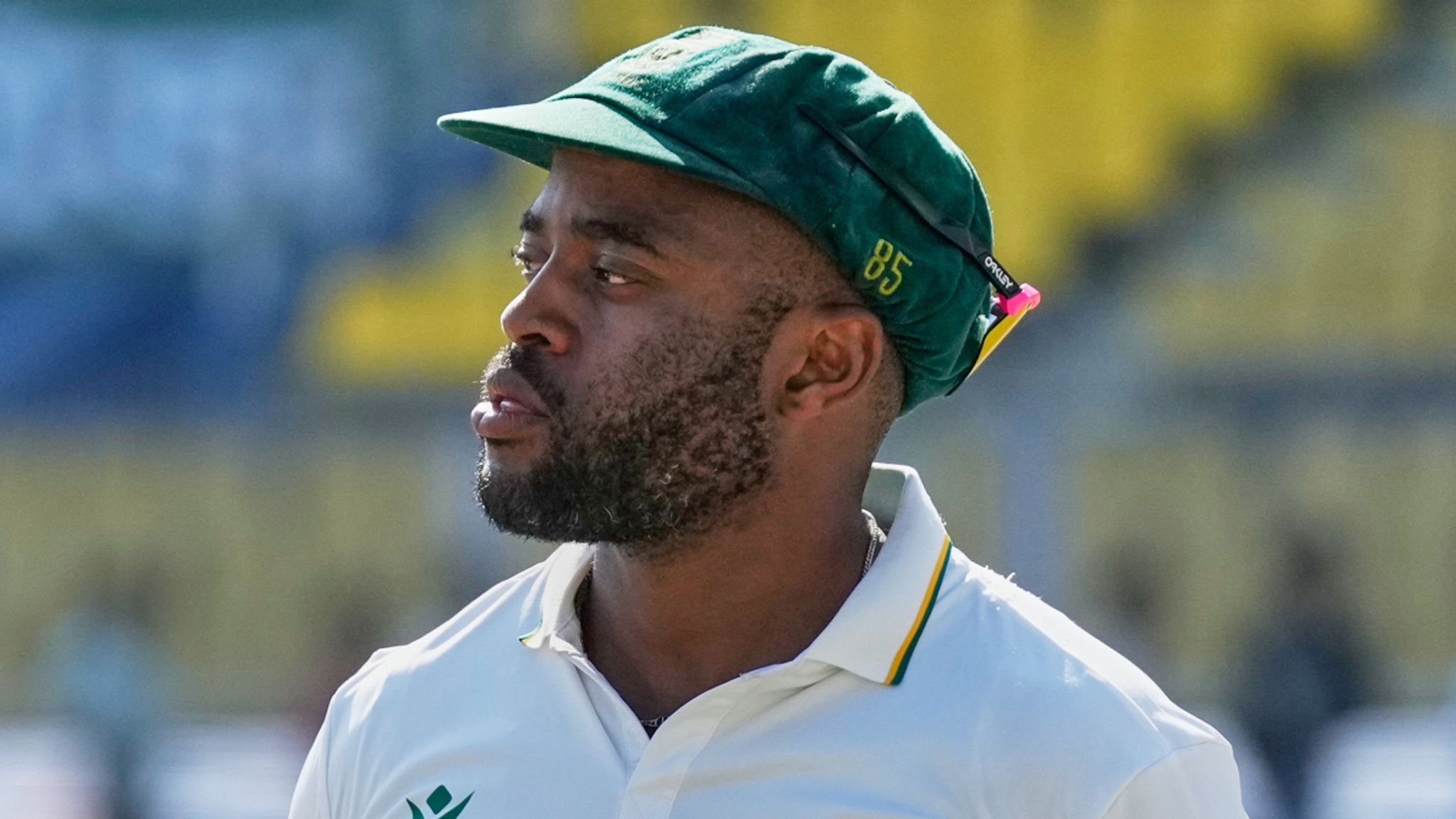
Whether this performance reflected deeper structural problems or simply the inevitable consequence of returning to Test cricket after such a lengthy layoff remains unclear. England should have their answer by the time they arrive in South Africa for their first Test in Johannesburg on December 17. The Proteas face two further Tests against Australia, followed by a two-match series against Bangladesh in November, providing ample opportunity to shake off the rust before facing the English visitors.
Renshaw's resurgence offers Australia middle-order stability
Matt Renshaw may have solved Australia's persistent middle-order puzzle with a career-best 190 in the first innings. His 397-ball innings saw him score 174 runs while batting with Australia's last four batters, rescuing the visitors from a precarious 124-6 on day one when they risked surrendering control of the contest.
The player of the match also contributed 82 in the second innings and claimed a couple of wickets with his part-time off-spin. Australia recovered to post 390 deep into day two and never relinquished their advantage thereafter. Renshaw's return to Test cricket came after a three-year absence, with Durban marking only his second game back.
If Renshaw has genuinely secured the number five position for the foreseeable future, questions persist about the optimal configuration of the remainder of the batting lineup. Travis Head previously held that slot before being promoted to open midway through the Ashes last winter—a move that yielded three centuries in winning efforts at Perth, Adelaide and Sydney. However, he has failed to pass 22 in his three Test appearances since, including a couple of soft dismissals in Durban.
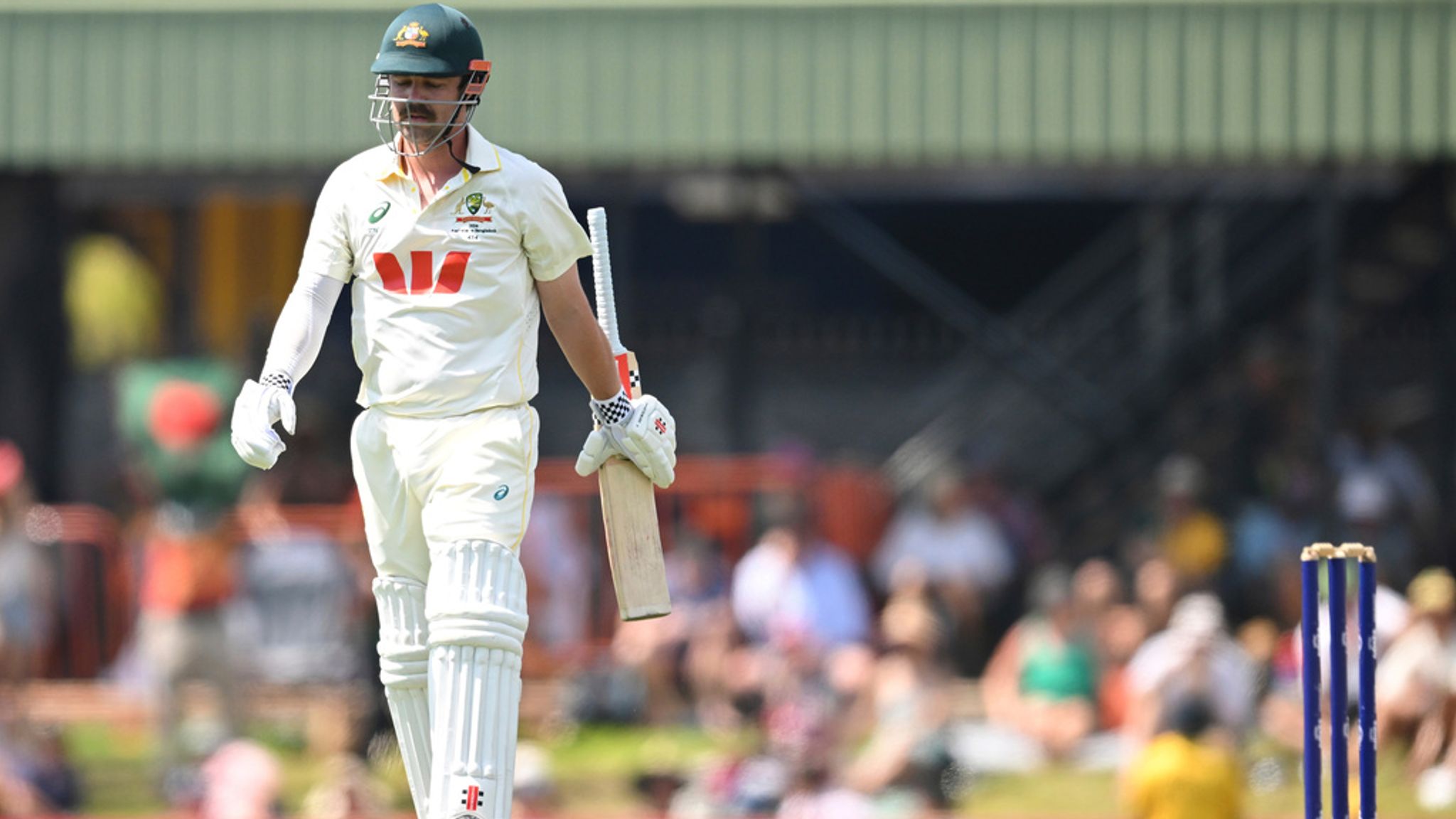
Renshaw has also opened previously for Australia, raising the possibility of a positional switch between the two batsmen. This represents a decision Australia might revisit before their trip to England next summer. For now, Renshaw will almost certainly receive an extended run in the middle order, allowing Australia to focus on resolving more pressing batting concerns before determining how best to deploy Head.
Labuschagne's century drought deepens amid selection uncertainty
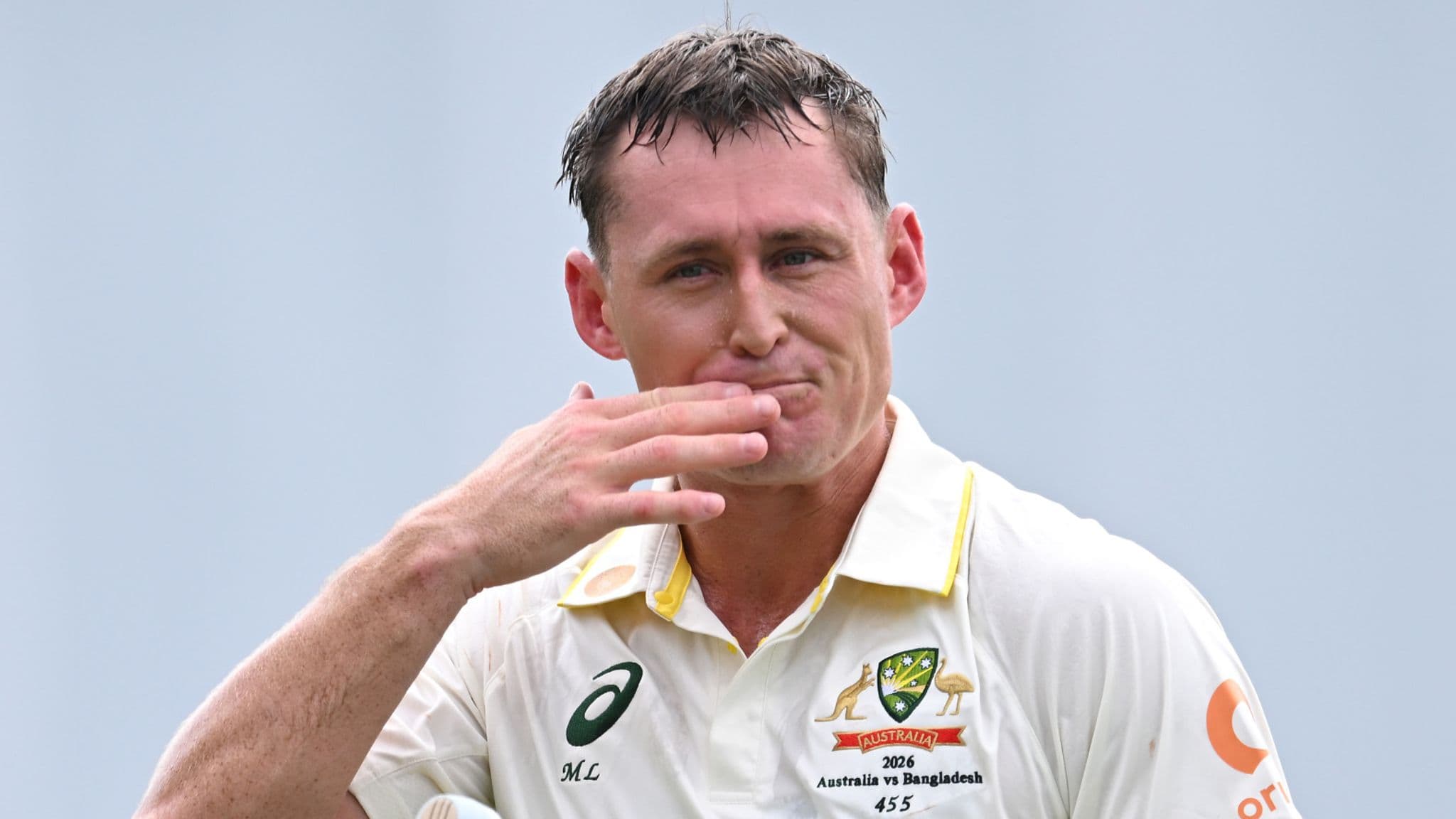
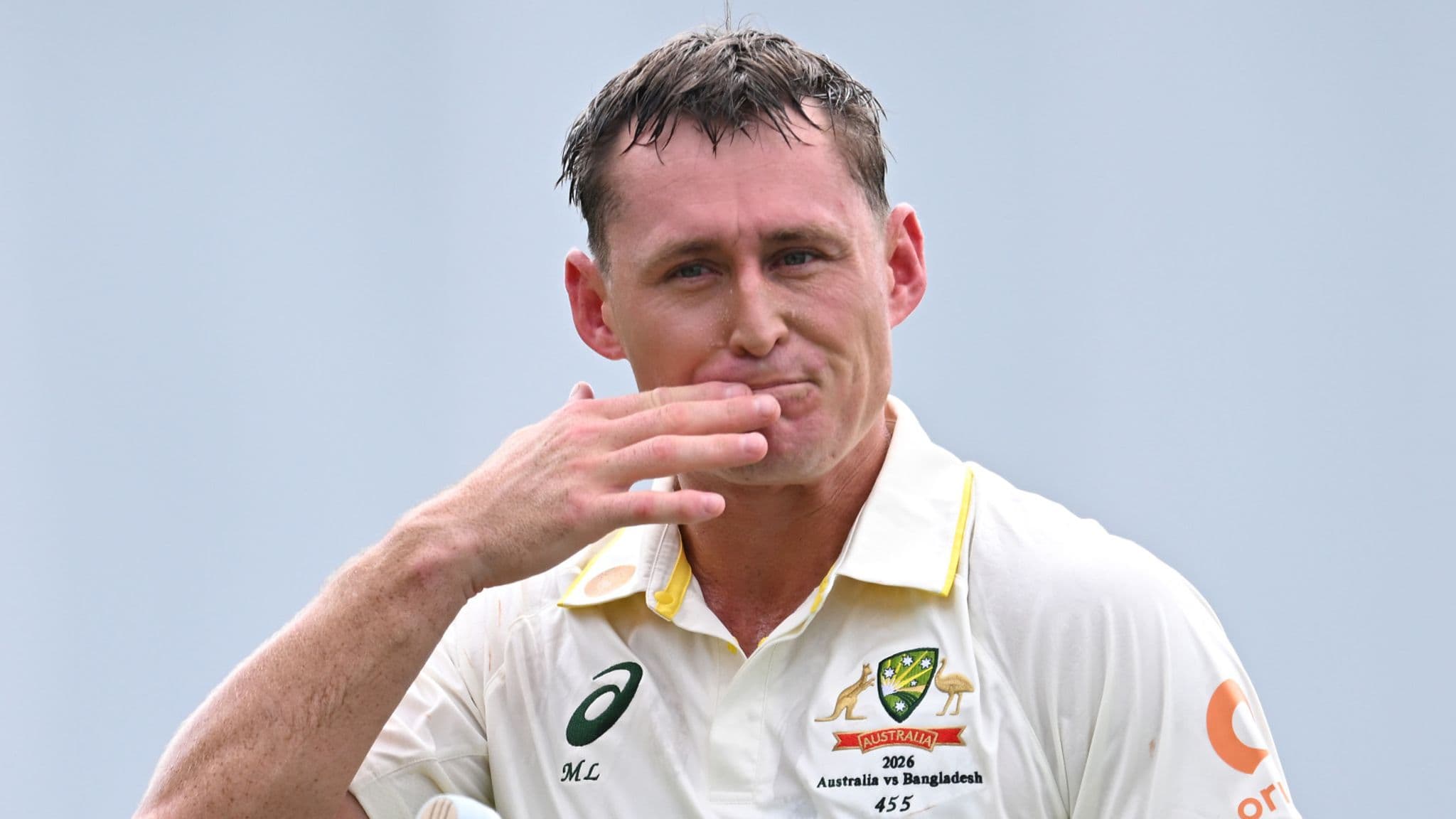
Marnus Labuschagne's wait for a 12th Test century continues to stretch, now extending back to July 2023. A hundred in the warm-up match preceding the series offered promise, as did his pair of 37s in this Test, yet he failed to convert either into a significant score—let alone a century.
Since last reaching three figures at Old Trafford during the 2023 Ashes, Labuschagne has averaged only 25.29 across 24 Tests. He was considered remarkably fortunate to retain his place in this Australian side, a selection that reflected the absence of viable alternatives rather than confidence in his form.
Nic Maddinson, his primary competitor for the number three spot, had not played Test cricket since late 2016, when he averaged 6.75 across three appearances. His career subsequently stalled due to injury, mental health challenges, and a testicular cancer diagnosis that sidelined him for most of last year. The 34-year-old had not featured in a first-class match since March 2025 before returning to the Test team in Durban following injuries to Cameron Green and Josh Inglis.
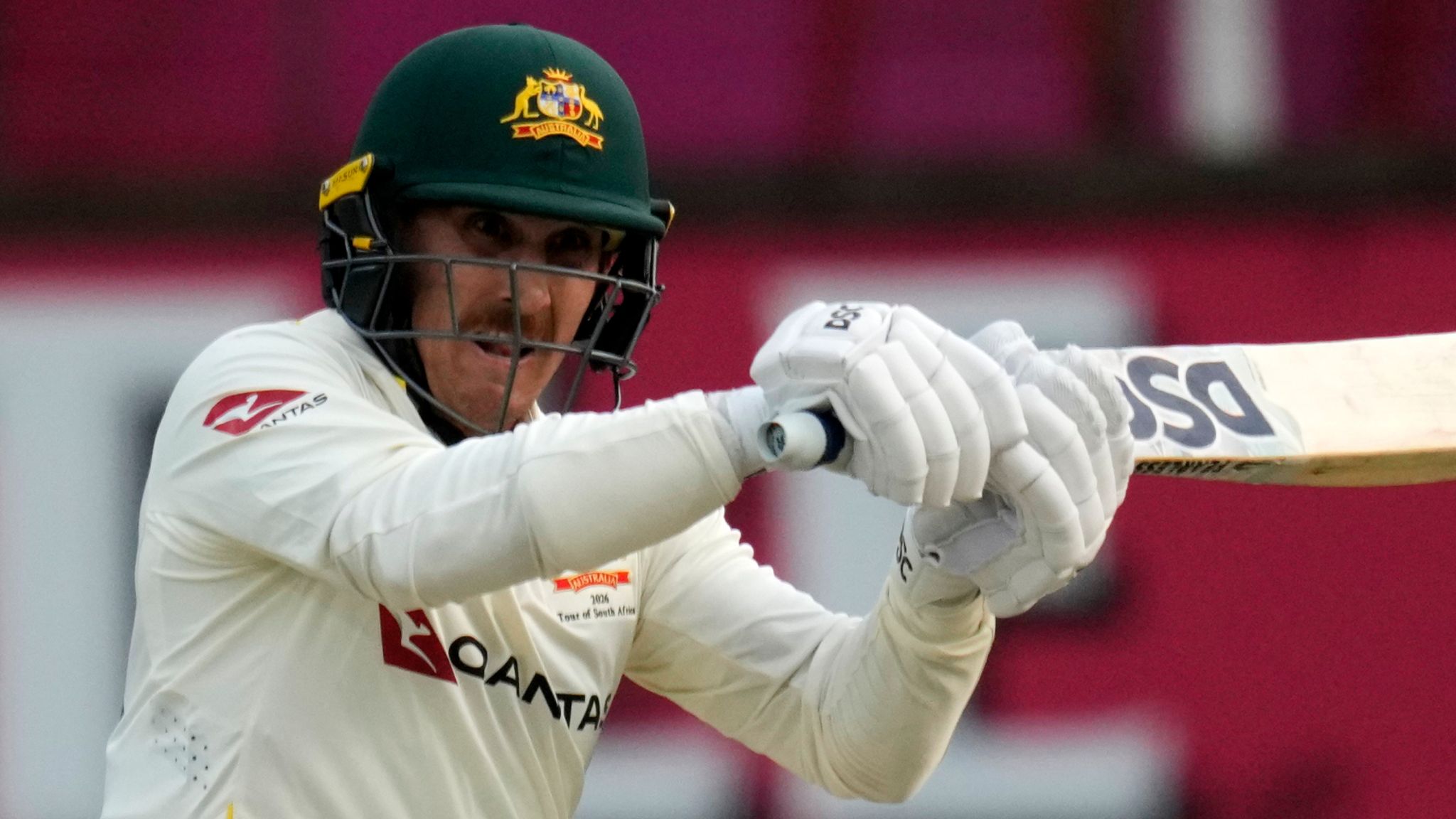
Maddinson's first-innings 33-ball duck represented an inauspicious beginning to his international comeback. Though he displayed considerably greater freedom in the second innings—striking six fours and a couple of sixes in his 48 off 38 balls—this came with Australia already well ahead. His place in the team will face continued scrutiny, particularly as Green and Inglis are now expected to return for the second Test in Gqeberha.
Dropping Maddinson after only one match would appear harsh, yet Australia will be eager to reintegrate Green, in particular, into the lineup. However, Renshaw's occupation of the number five position blocks Green's most obvious route back into the team. Could Green slot in at number three in place of Labuschagne, or might Beau Webster—underutilised as an all-rounder in Durban—vacate his number seven berth? Considerable uncertainty still surrounds the final shape of this batting order.
Australia's bowling attack remains a formidable threat
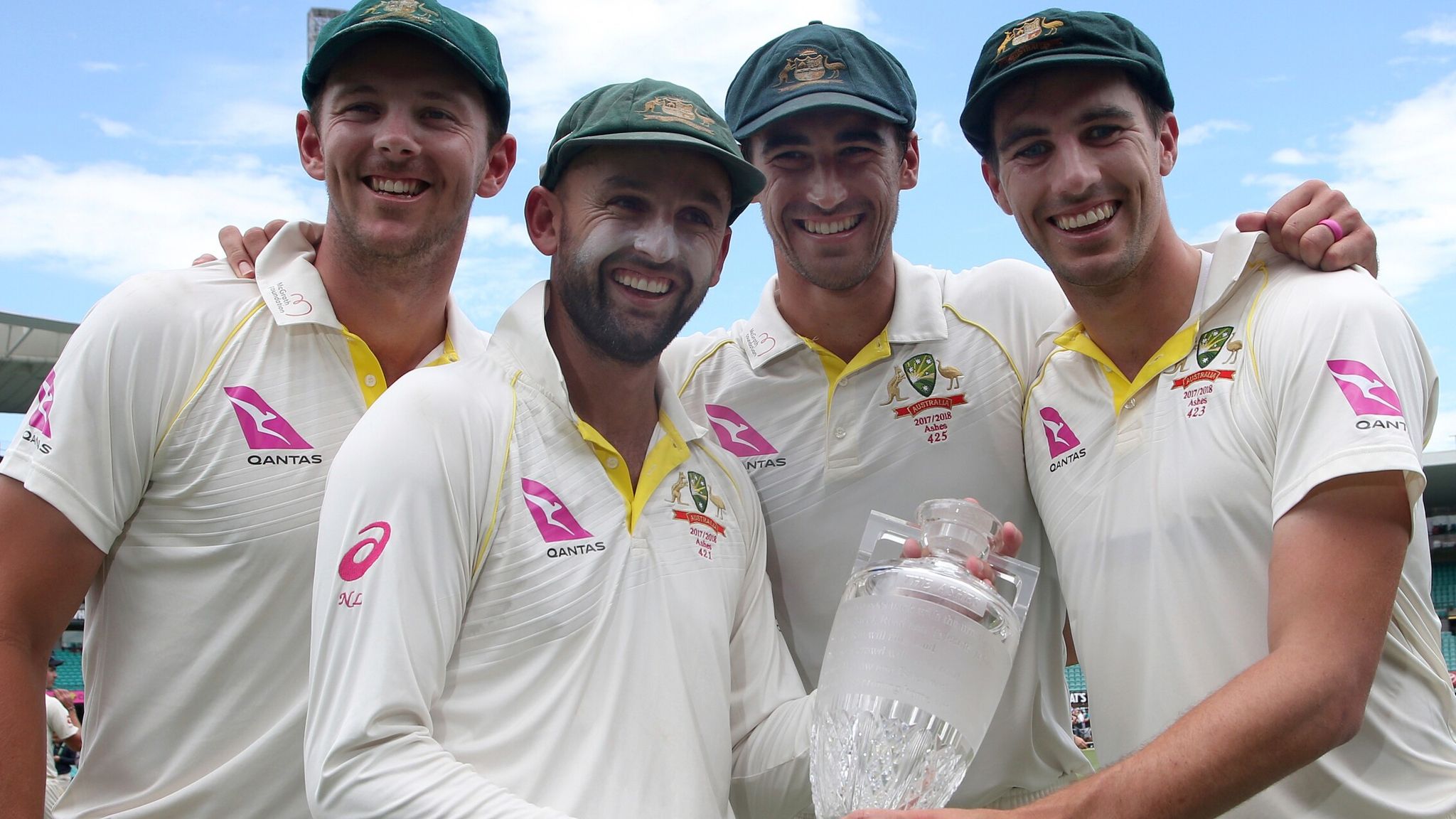
If one element of Australia's performance should concern England, it is the sustained quality and depth of their bowling arsenal. Josh Hazlewood claimed career-best Test figures of 6-49 in South Africa's second innings as the hosts were bowled out for 206, completing a dominant seaming performance. Captain Pat Cummins led the attack in the first innings, taking 3-54 to help dismiss the Proteas for a below-par 284 on a surface that offered reasonable batting conditions.
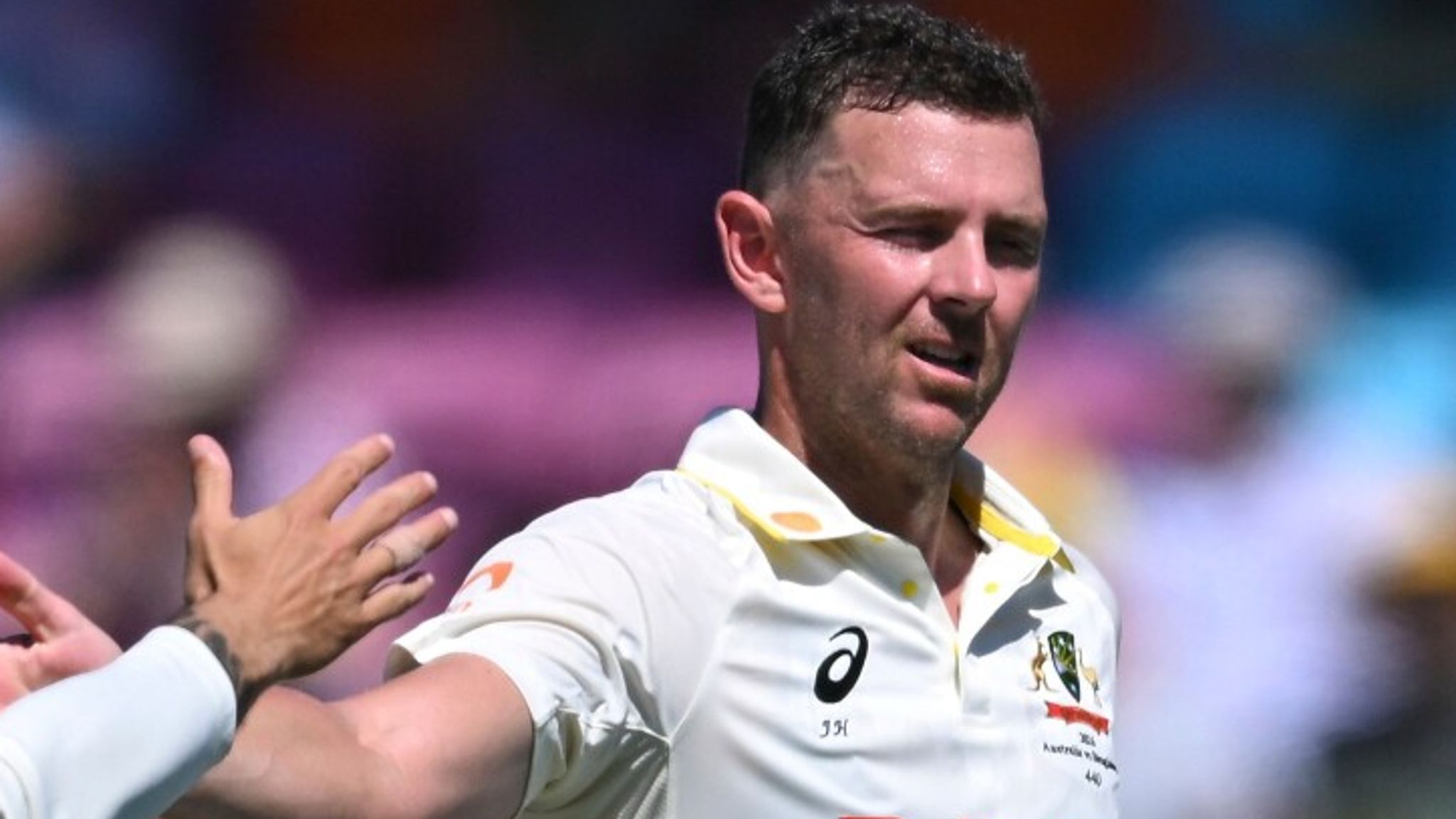
The enduring quality of 38-year-old off-spinner Nathan Lyon adds another dimension to Australia's attack, while Scott Boland and Michael Neser provide capable backup options. This depth will prove crucial in the months ahead. Australia's bowling group represents an ageing contingent, and the demands of an intense Test schedule—a four-match series at home against New Zealand followed by five Tests away in India—will test their fitness and durability severely.
How will these bowlers be holding up by the time the Ashes arrives on June 18 with the first Test at Trent Bridge? For the moment, any suggestion that Australia's attack might be past its best by then appears premature.
South Africa's selection strategy raises eyebrows
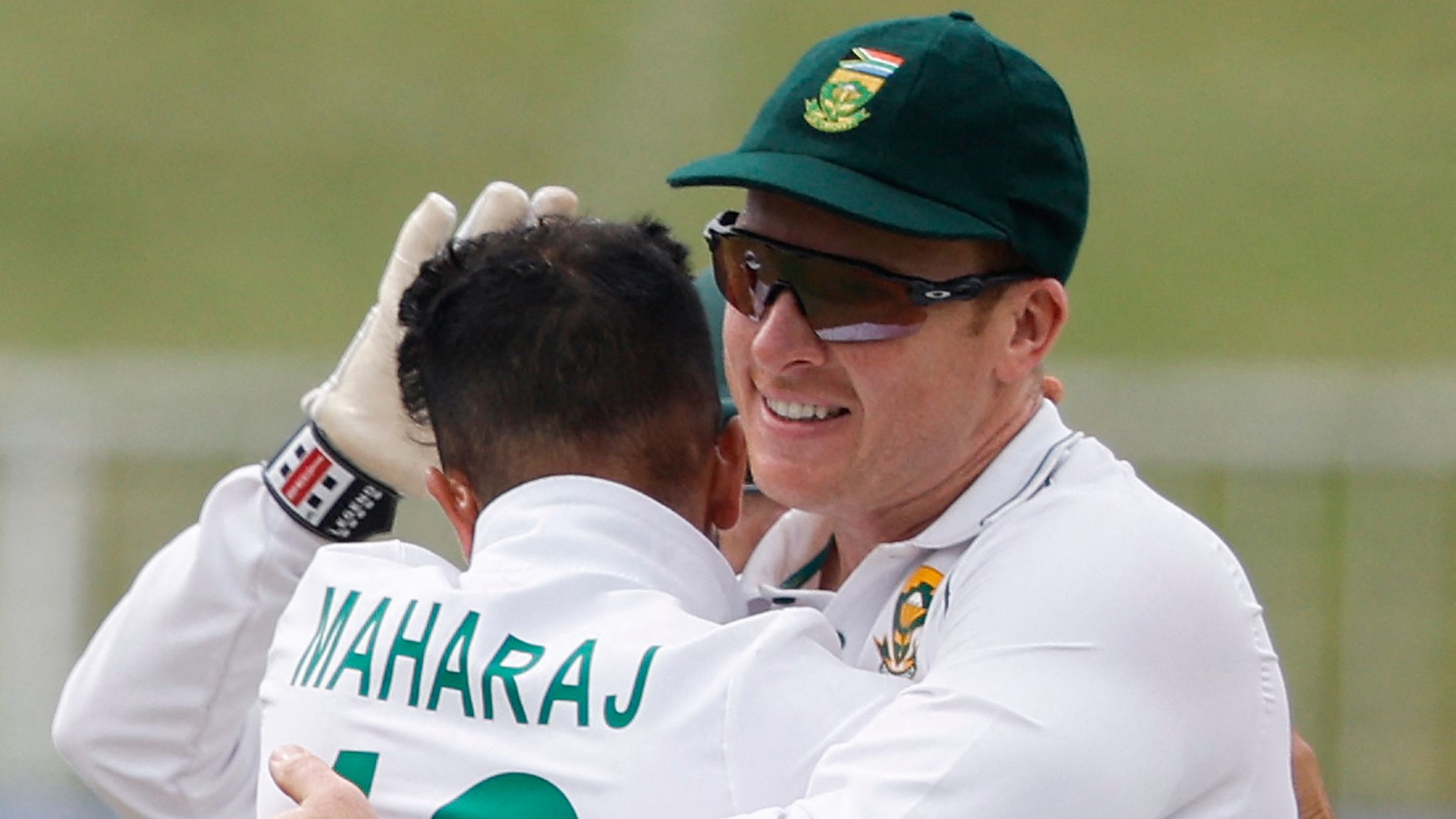
South Africa's team selection for the series opener prompted considerable debate, particularly the decision to field two specialist spinners in Durban. Keshav Maharaj and Simon Harmer provided left and right-arm options respectively, yet neither proved particularly effective. The pair managed just four wickets between them, with Harmer claiming only one in the first innings—a crucial period when Australia recovered from 124-6 to reach 390.
The absence of Kagiso Rabada, who failed to recover from a hamstring injury in time for this Test, may have forced the selectors' hand, but it left their attack appearing lopsided and somewhat makeshift. Wiaan Mulder, a batting all-rounder, should not have been operating with the new ball in Test cricket. He took two wickets with it on the first morning and claimed a couple more into day two, but proved largely ineffective otherwise across his 31 overs of demanding labour throughout the Test.
Anrich Nortje's return offered encouragement. Following an extended absence from Test cricket, the fast bowler displayed glimpses of the pace and aggression that made him a major asset during his initial stint in the side from 2019 to 2023. Assuming Rabada recovers in time for the second Test in Gqeberha, his return would restore greater balance and potency to South Africa's attack.
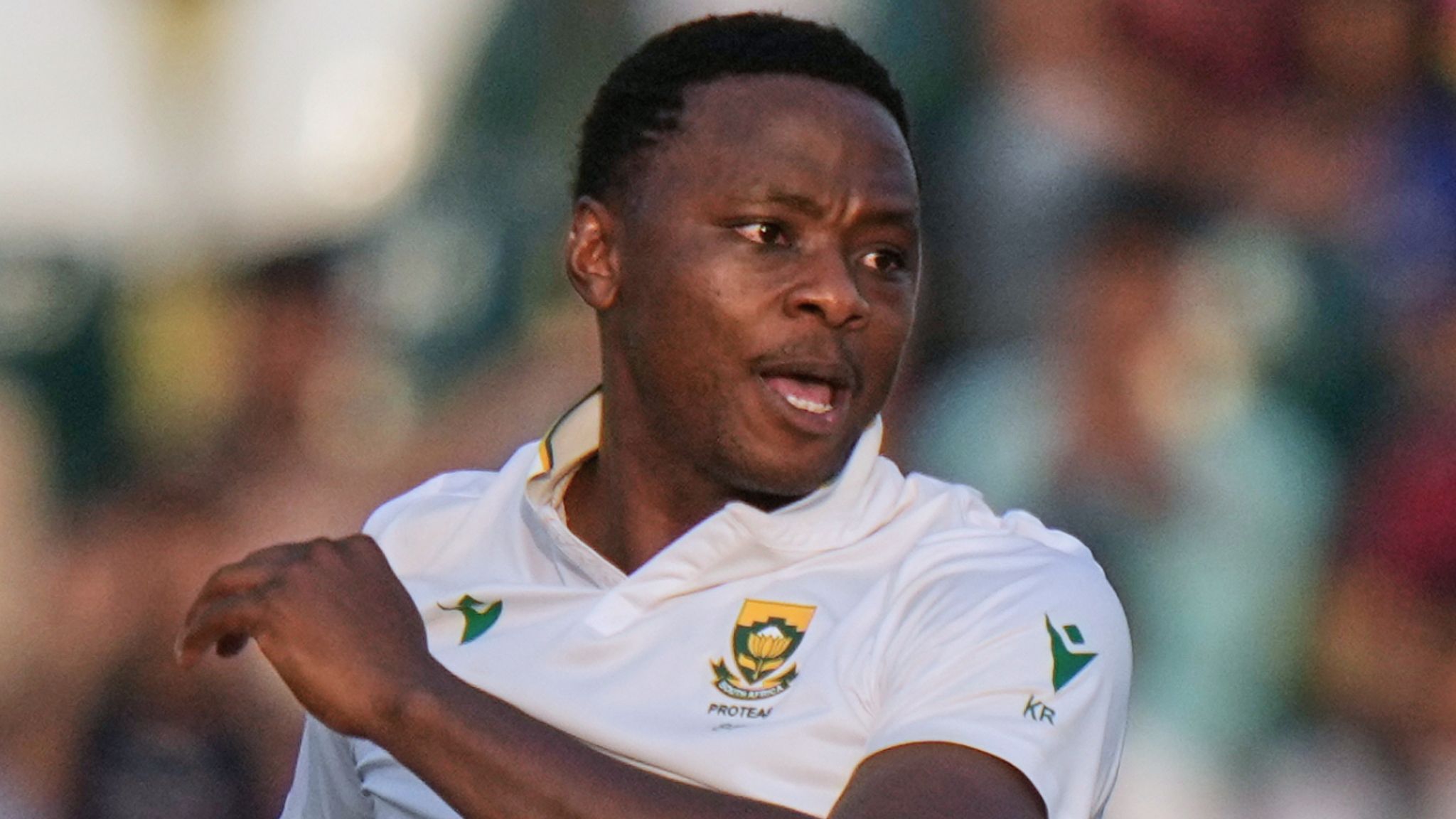
The prospect of Rabada, Nortje and the left-arm option of Marco Jansen operating in tandem would present a considerably sterner challenge for Australia, and subsequently for England in a couple of months' time.
What comes next in the series
The second Test is scheduled for Gqeberha, with Australia leading the series 1-0 after the opener. The hosts will be desperate to level the series and demonstrate that the opening Test represented merely a rusty performance rather than a sign of deeper problems. Australia, meanwhile, will seek to build on their dominant display and move closer to securing the series victory.