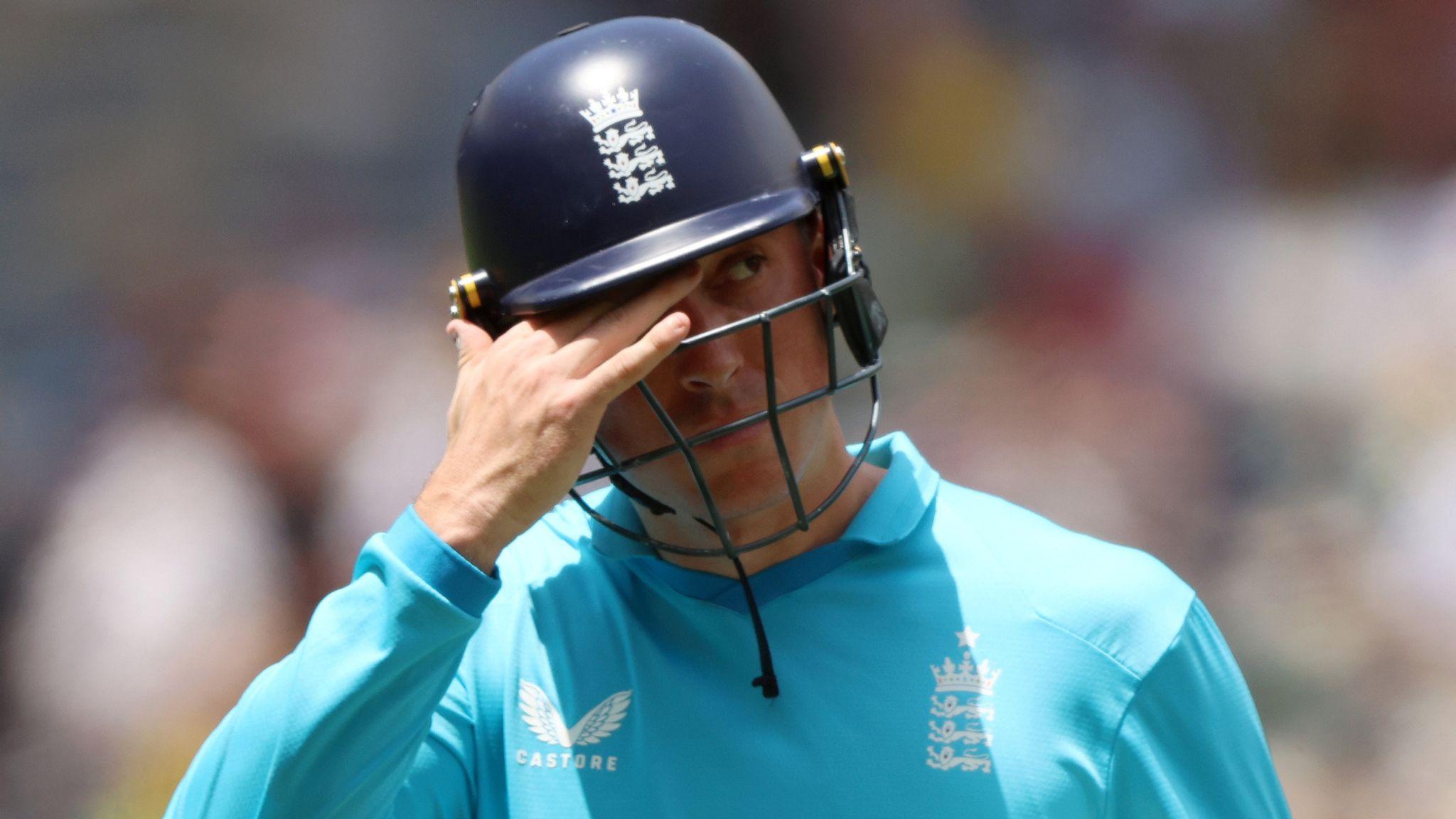
England's batting lineup crumbled in sweltering Perth conditions as Australia claimed a commanding seven-wicket victory in the first ODI, leaving head coach Brendon McCullum to reflect on his team's inability to adjust their approach despite extensive preparation. According to Sky Sports, the tourists managed just 131 in 33.4 overs before Australia chased down the target in 23.3 overs to take a 1–0 series lead.
The defeat marked a troubling pattern for England's white-ball cricket, coming after they arrived in Perth with improved preparation following their Ashes struggles. Despite spending ten days acclimatising at the WACA ground—a surface comparable to the Optus Stadium pitch—England's batsmen failed to implement the lessons discussed in team meetings.
McCullum acknowledged the shortcomings in his post-match assessment.
It all happened pretty quick! We weren't quick enough to adapt to the conditions.He explained the challenge posed by Perth's distinctive playing surface.
We'd talked extensively leading into the game about the surface here - it's a bit like batting on a trampoline, so there's certain shots which are very difficult to execute. We talked a lot bout trying to put those away.
The England captain's team had studied the venue's recent history before arrival.
We also looked at the history of some of the games here. I think the last four have all been over within about 30-odd overs; we knew we'd be in for a low-scoring contest but we expected to get a few more runs that 131.The average first-innings total across those four prior ODIs at the Optus Stadium stood at 172, suggesting that a score approaching 200 might have offered genuine competitive value on the bouncy, pacey pitch.
England's collapse to 65-8 proved catastrophic, with 21-year-old fast bowler Mahli Beardman delivering a devastating debut performance. According to ESPN, Beardman's 6–24 were the best figures by an Australian on ODI debut and the fourth-best debut figures in ODI history, while he also recorded Australia's fastest ODI debut five-for, in 28 balls. Beardman's five-wicket haul was only the second by an Australian in an ODI, following Tony Dodemaide's 5–21 against Sri Lanka in 1988.
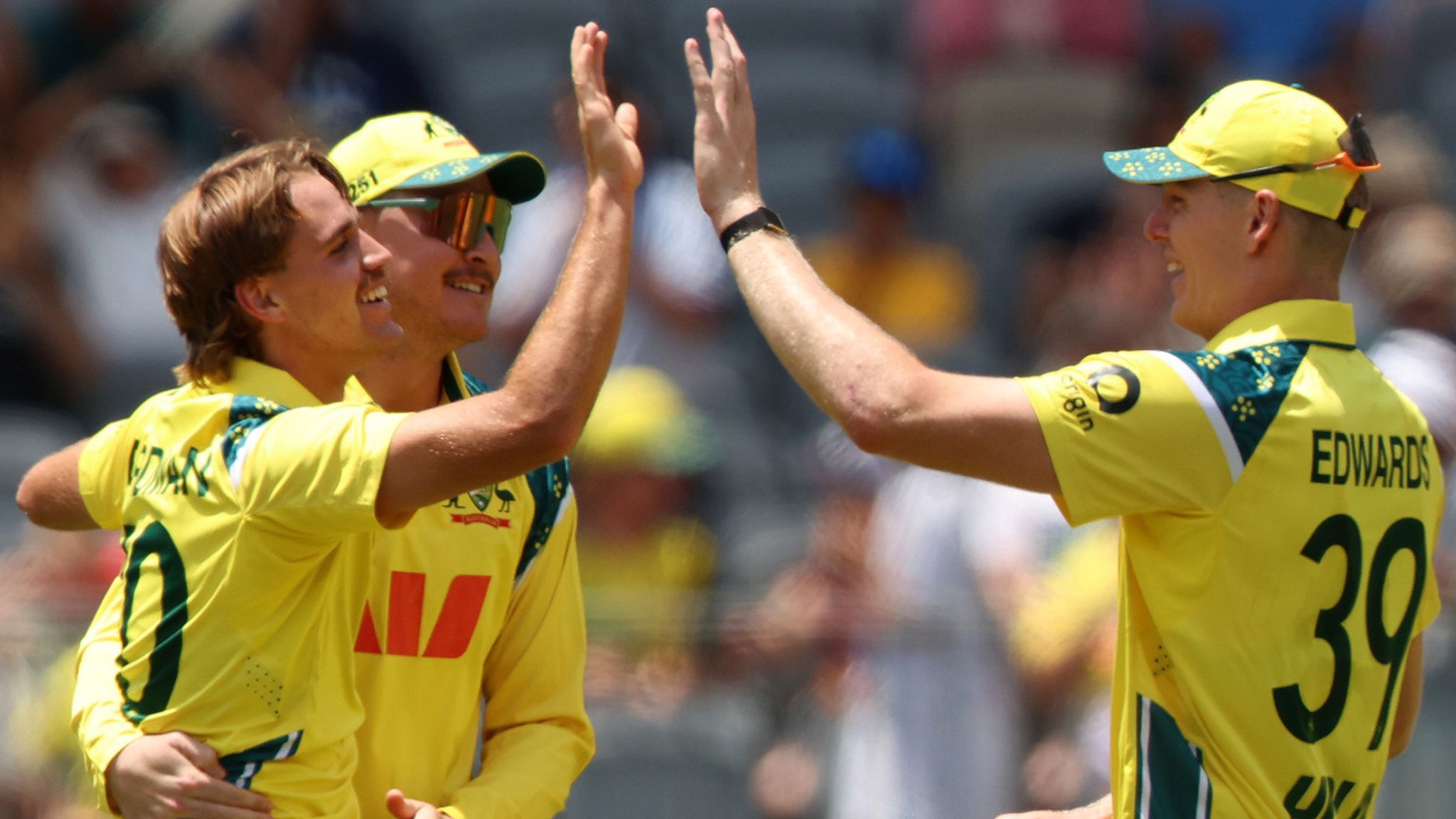
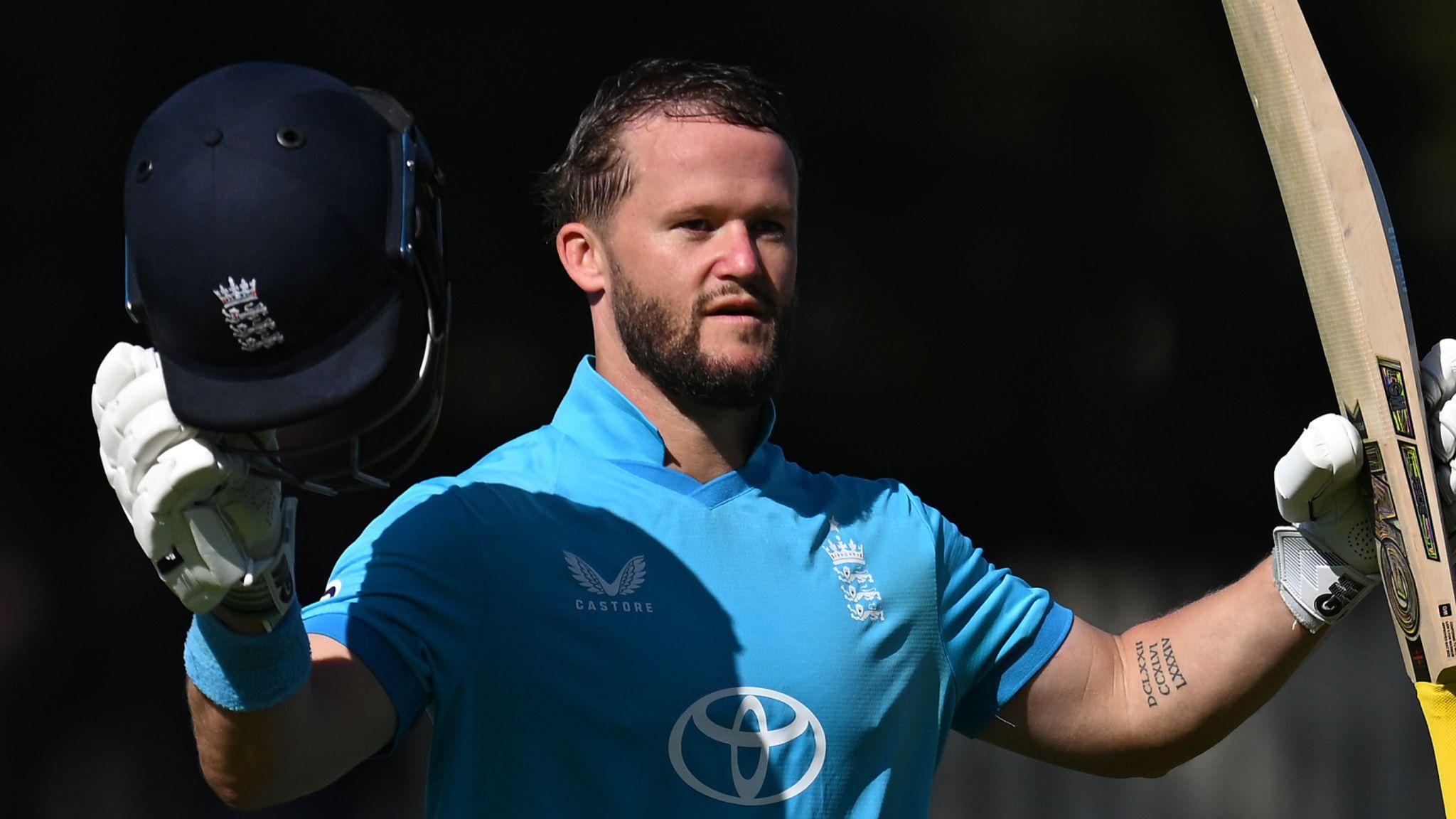
Will Jacks (25) and Gus Atkinson (29 not out) provided some resistance late in the innings, but the damage had already been inflicted. Australia's reply proved straightforward, with Mitchell Marsh making his fifty in 29 balls as the hosts completed their chase with 159 balls remaining.
Batting inflexibility exposed
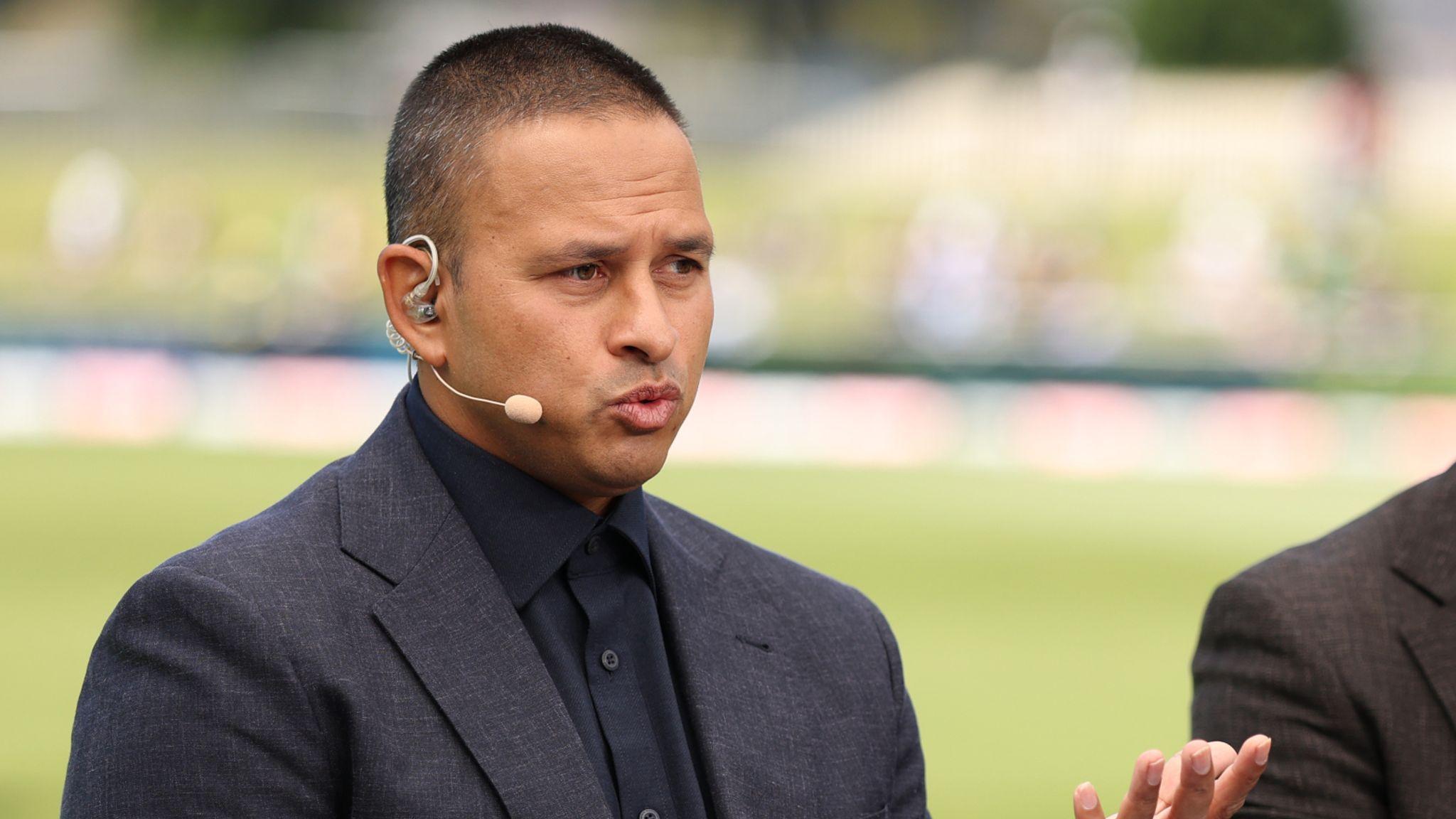
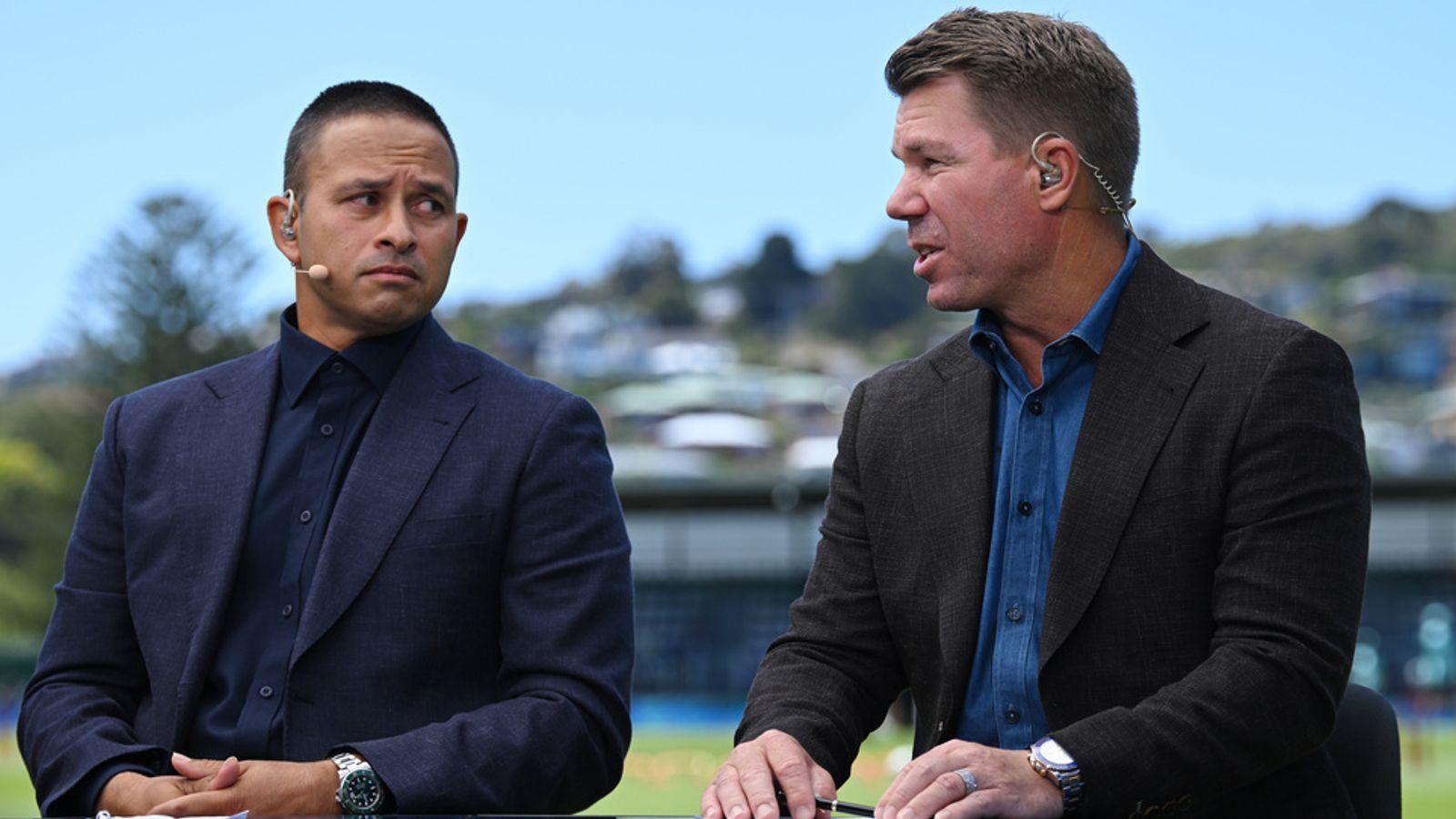
Former England wicketkeeper Matt Prior highlighted the fundamental issue plaguing the team's approach.
Going to Perth as an Englishman is always a bit of a nightmare, the pace and the bounce is very different. You've got to have the ability to adapt, which the England batsmen didn't do.
Prior identified a persistent weakness in the squad's tactical armoury.
Also, one of the big criticisms this ODI batting lineup have had is they only have one gear, which is all-out attack. Today was an opportunity to assess the conditions and maybe come down a few gears, bat the full 50 overs and put a score on the board to keep us in the game - the wicket wasn't easy to bat on.
The challenge of facing an unfamiliar opponent added another layer of difficulty.
And you add that to Mahli Beardman having the most incredible day on debut. When you come up against someone you haven't seen a lot of, it can add another challenge.
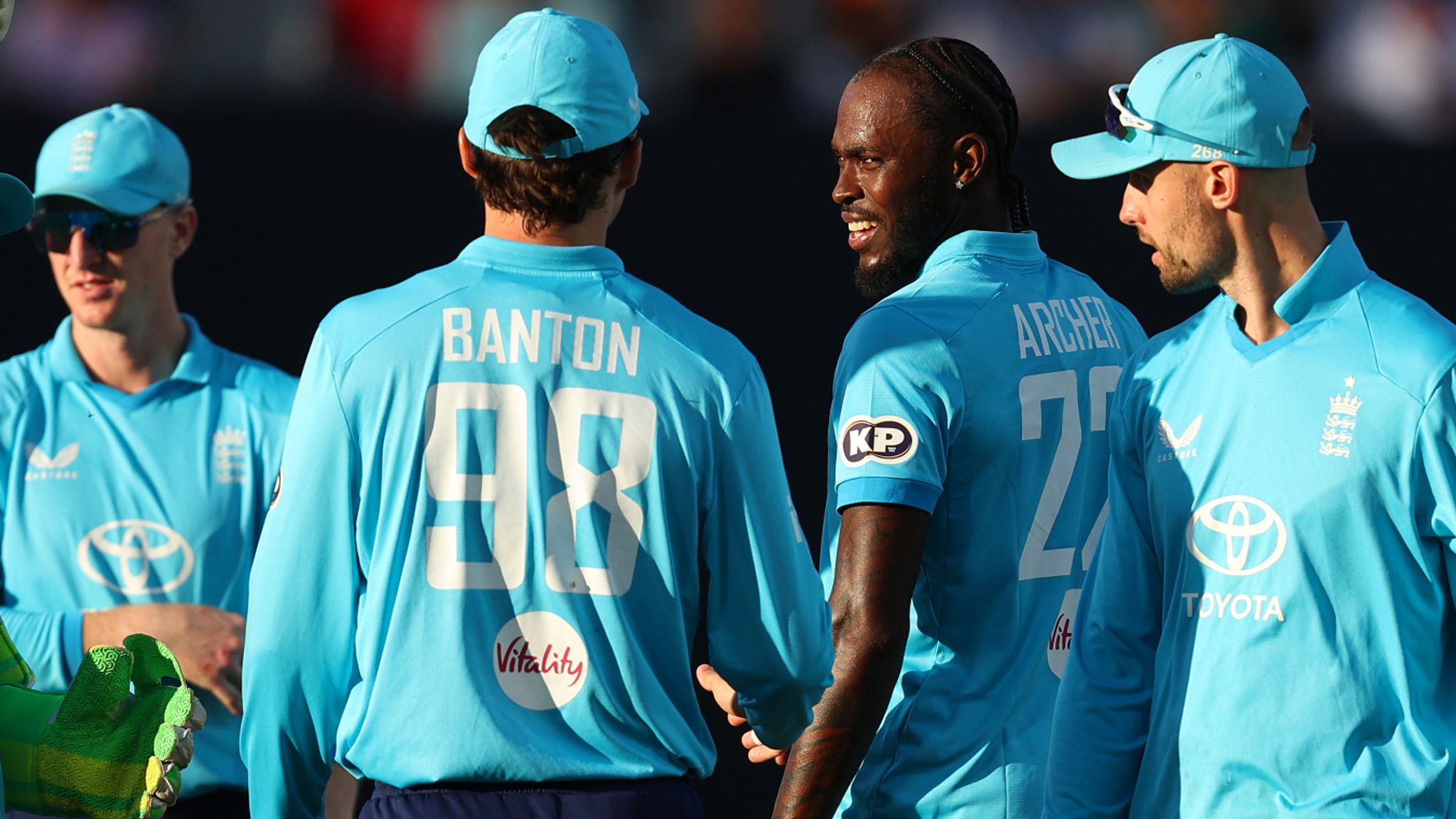
Preparation failing to translate
Prior expressed particular concern about the disconnect between England's stated preparation and their actual performance.
Another thing I picked up on, which is slightly concerning, is England have spoken about their preparation and have made a real point about how well they've prepared this time and the intensity they've trained with. They've had 10 days over in Australia, on a surface [at the WACA] that was very similar to the one they played on today, and they've spoken at length about adapting to conditions, and yet that still hasn't materialised in the middle.
The gap between theory and execution proved damaging.
You can have all the team meetings you want, but if you can't take it from the dressing room out into the middle, that is a problem. There's quite a bit of work to be done with that batting group around decision making under pressure.
Losing becoming a habit
England's recent form has deteriorated significantly. Currently positioned eighth in the world rankings, Harry Brook's side had appeared to be trending positively with consecutive series wins in Sri Lanka and at home to India and Sri Lanka in 2026. However, they have now lost four of their last five matches, spanning a disappointing tri-series in Pakistan and this latest defeat in Australia.
McCullum acknowledged the broader context.
Overall, we're obviously disappointed. But there's some good lessons for us as well - looking towards the World Cup in Africa, there are going to be some pitches there that will also test us with the bounce, and we're going to have to find ways to counter that.
With the 2027 Cricket World Cup in South Africa, Zimbabwe and Namibia less than a year away, England's window for correction is rapidly closing. Prior warned of the psychological danger of consecutive defeats.
Like we say winning is a habit, so too is losing. They are going to have to shift it around.
He assessed the scale of the challenge ahead.
Going to Australia is a tough ask for any any England cricket team, in any format. Coming back from behind is even tougher. It's going to be a massive challenge. You're trying to develop the team and learn what your best 11 is, at the same time, so there's a huge amount to contend with. But, this is a performance industry and nothing bloods a team better than actually winning. England need to start that habit.
What happens next
England have limited time to respond. The second ODI is scheduled for Adelaide Oval on 15 November, followed by the third ODI at Bellerine Oval in Hobart on 18 November. Both matches will be broadcast at 3.30am UK time, with the T20 series to follow at 8.15am UK time.