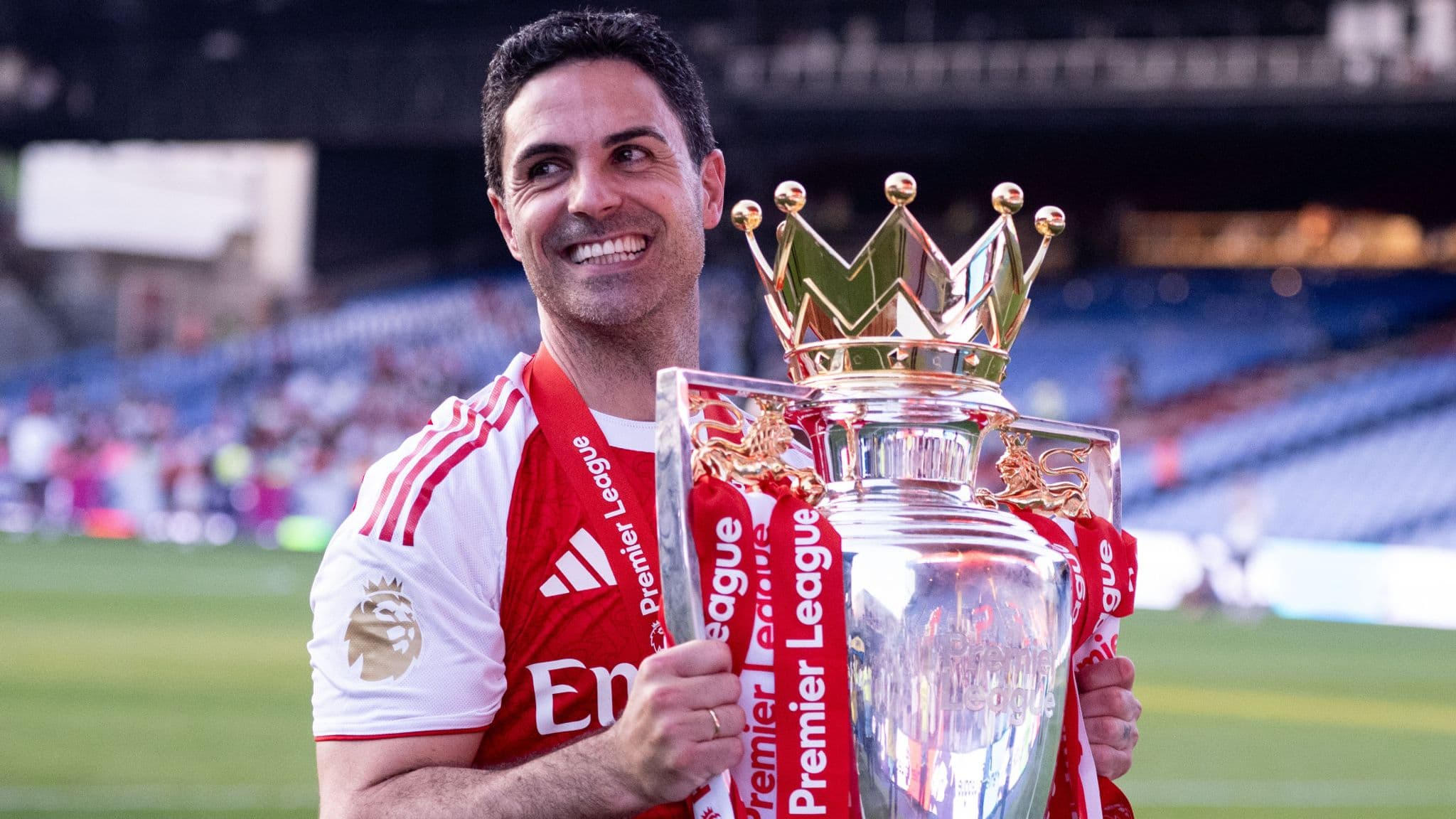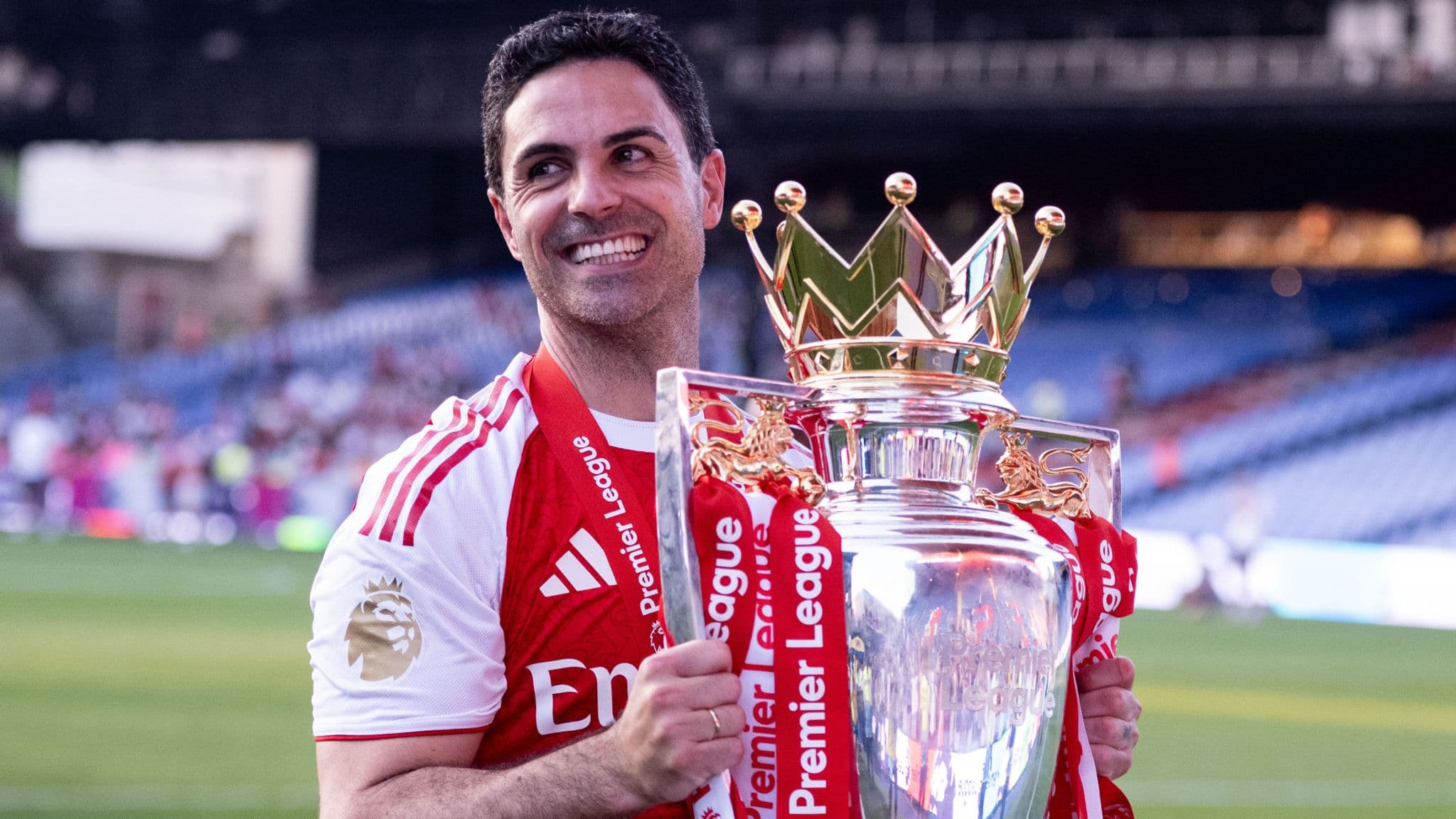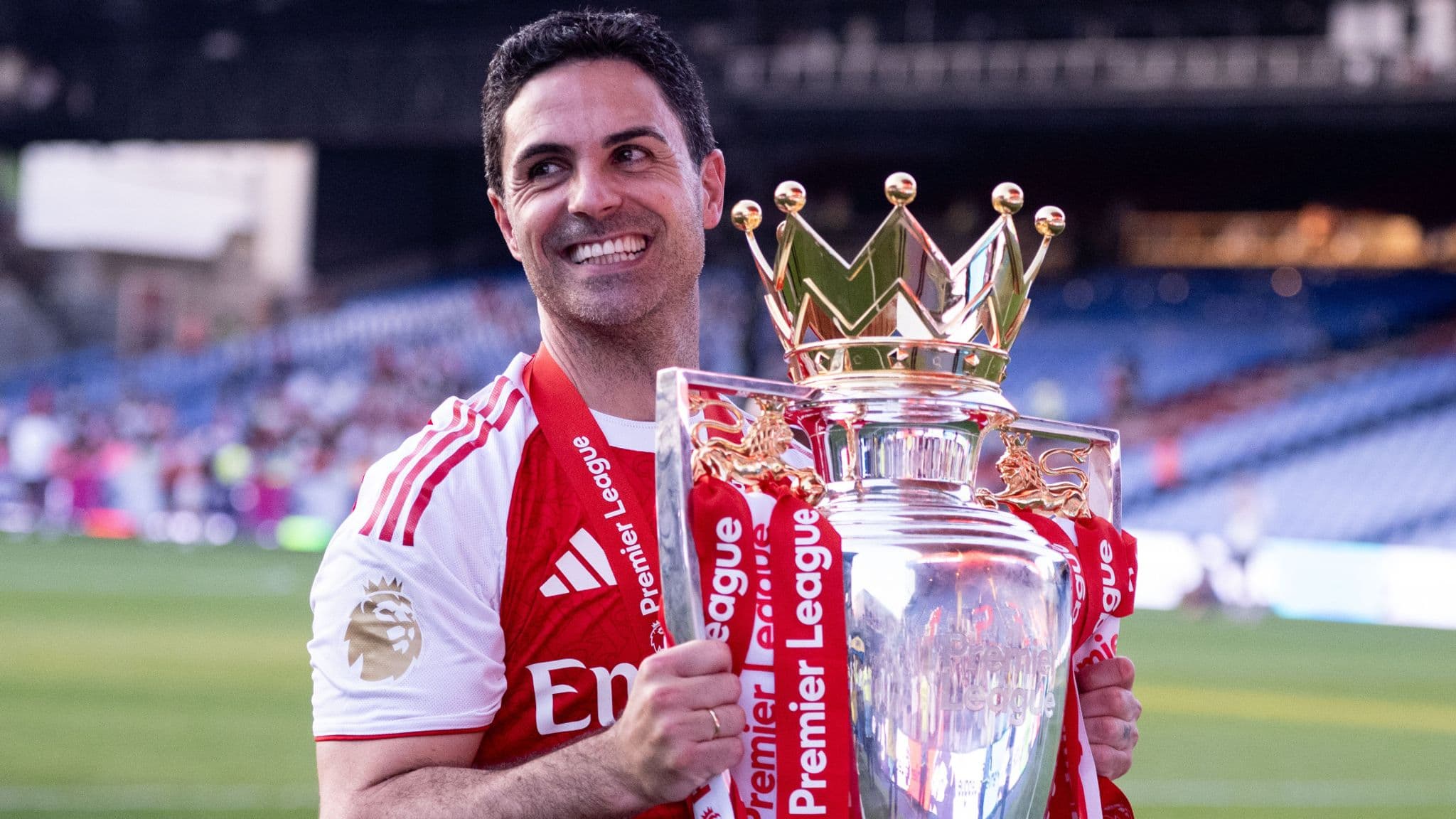
Mikel Arteta has transformed Arsenal into Premier League champions, but does his latest contract extension signal entry into a new and defining chapter of his project? A special podcast panel featuring Ron Walker, Gary Cotterill, Nick Wright and Sam Blitz examines whether the manager can now accumulate the silverware needed to rival Arsene Wenger's legacy.
According to ESPN, Arsenal and Arteta have agreed terms on a new long-term contract, with an official announcement expected and the deal bringing a significant pay rise. Arteta's existing contract was due to expire in summer 2027, having last signed fresh terms in September 2024, according to The Athletic.
Transformation from 2019 to elite status
Nick Wright reflected on the scale of change since Arteta's arrival.
The club is unrecognisable from 2019, on and off the pitch. It's been a collective effort but Arteta is the driving force behind it. He's one of few constants over these six or seven years.
Wright highlighted how the manager has restored Arsenal to the pinnacle of English football.
He has brought the club back to the elite. This is a team winning titles now, also consistently reaching the latter stages of the Champions League. Obviously, there are still imperfections. There's still fallibility. The Brighton game showed that.
The Brighton defeat proved instructive in understanding the standards Arteta has established.
But what made that defeat such a surprise was that it was so uncharacteristic, and that tells you a lot about the standards that he has set. Arsenal hadn't lost a game by three goals in the Premier League for over three years. It just doesn't really happen.
Arsenal's competitive edge now defines them.
And it's what we've come to expect, that capacity to deliver consistently. They have become so difficult to beat. And remember, Arsenal used to get bullied and beaten up all the time.
Wright emphasised the philosophical shift.
It's a total transformation of their identity under Arteta. They are defined by that competitiveness. They are a super-competitive team, they are relentless, and that's a reflection of the manager.
The manager's personality permeates the squad.
These are the things that define him, and these are the ways in which he has imprinted his own personality on this team. The team is very much a reflection of Arteta and the way he approaches his job.
The five-step blueprint to dominance
Sam Blitz outlined the structured approach Arteta has followed since arriving at the club.
It's been well-documented that when Arteta arrived, he had a five-step plan to bring Arsenal to the top of English football.
The first phase focused on cultural foundations.
Step one was creating that culture. There was that infamous story of the first-team meeting with the Arsenal players, where the players walked in and the room was a mess.
Blitz recounted the symbolic moment that set the tone.
Chairs and tables were everywhere and Arteta said, 'this is what English football thinks of you, and we're going to fix it bit by bit'.
The second stage involved recruitment aligned with Arteta's vision.
Step two was probably getting the right players in. We saw that with the likes of Gabriel joining, Ben White, Aaron Ramsdale. These are more the profiles of what he wanted.
Step three coincided with the arrival of key attacking talent.
Step three then was to challenge, and that coincided with the time when Gabriel Jesus and Oleksandr Zinchenko arrived. Arteta said those two 'changed our world', so that got them challenging for the top honours once again.
The fourth stage delivered the breakthrough.
Step four was to win, to get over the line. That also coincided with the arrival of Win the dog, who is a popular figure at the training ground. And that obviously happened last season.
Now Arteta enters uncharted territory.
And now we've got to step five, which is the D-word. Anyone associated with Arsenal will know the D-word is dynasty. And it's interesting that this new contract coincides with that step five.
Can Arteta eclipse Wenger's record?
Gary Cotterill examined whether Arteta can match the achievements of Arsenal's most celebrated manager.
Arsene Wenger certainly got off to a faster start, didn't he? But Arteta has got the time to do it.
The timeline favours the current manager.
Arteta now, he's on his fourth contract and he's 44 years old. Arsene Wenger was 47 when he arrived at Arsenal. So he's already got a lot of years on him.
Cotterill projected Arteta's potential longevity.
In three years, Arteta will have been at Arsenal for 10 years, but still be the same age that Wenger was when he was appointed at Arsenal.
The comparison carries weight in the minds of supporters.
That will be one of his ambitions, because people still think about Wenger as being the best manager, certainly modern manager, that Arsenal have ever had.
Cotterill suggested Arteta's trajectory puts him in contention.
And Arteta is certainly in the running, given his age and the fact that they seem to be having this contract situation, which doesn't look like it's going to stop any time soon, to get the trophies that Wenger got.
Arsenal co-chairman Josh Kroenke underscored the club's commitment, stating in May that securing Arteta's future was the club's priority.
The rebuild test ahead
Blitz raised a critical question about Arteta's ability to navigate future transitions.
The potential rebuild will test Arteta.
The manager's tenure could soon rival other legendary spells.
If he's still in charge of Arsenal in 2029, he will have overtaken Jurgen Klopp's spell at Liverpool. If he's in there in 2030, he will have overtaken Pep's time at Manchester City.
Arteta possesses advantages over his peers.
Arteta is younger, this is his first job and he's probably got more in the tank compared to those two. But it's the rebuilds that really damaged Klopp and Guardiola.
The core squad faces an aging curve.
If you actually look at the ages of the Arsenal squad, come 2029, you'd have Gabriel, 31, [Martin] Odegaard, 30, [Declan] Rice, 30, [Kai] Havertz, 30, [David] Raya, 34.
These five players form the backbone of Arteta's project.
Those are five players you'd probably put at the very heart of this Mikel Arteta project. All of them would probably have to be thinking about moving on.
Blitz posed the ultimate test.
Does Arteta have that in him when he gets to that stage to then really go and create a new team, almost?
Attacking philosophy misunderstood
Wright addressed criticism of Arsenal's attacking approach.
The attack is the area where fans want to see the most improvement but there is a slight misconception around Arteta in terms of what he wants the team to be and who he is as a manager.
Some observers have questioned the team's tactical balance.
People are sometimes critical of Arsenal for putting too much emphasis on set-pieces and being too defensive. They did lean into those things to win the title, no doubt about it.
Wright contextualised these choices.
But that was largely to do with injuries. When you can't get your most effective attacking players on the pitch, it's hard to be that free-flowing force. He maximised their chances of winning by leaning into other things.
Historical evidence supports Arteta's attacking credentials.
You have to remember, the last time he had Havertz, Bukayo Saka and Odegaard fit for a full season, Arsenal scored a club-record number of goals with 91 - more goals than any Wenger team.
Wright rejected the notion that Arteta has fundamentally altered Arsenal's identity.
He would like to return Arsenal to that level of attacking potency. I don't think he's wilfully turned them into something else. He has adapted. He is pragmatic.
The Mourinho comparison
Cotterill drew parallels between Arteta and Jose Mourinho, focusing on a shared ruthlessness.
They are both ruthless. This is the biggest thing they have in common. Arteta was ruthless when it came to Gabriel Martinelli and Gabriel Jesus.
Mourinho's approach to squad management mirrors Arteta's.
Jose Mourinho has been ruthless with players as well.
Arteta's willingness to make difficult decisions defines his management.
If they're not doing the job or around the place that they were brought in to do because of age or attitude, no matter what relationship they have, Arteta will ruthlessly get rid of them.
This ruthlessness extends to his public stance.
He's ruthless when it comes to the officials as well. Arteta is becoming like a mini-Mourinho in his criticism of decisions and referees.
What comes next
Arsenal face a demanding fixture schedule as they pursue their dynasty ambitions. The club is scheduled to host Leeds United on October 10, followed by a home Champions League match against Lille on October 13, marking crucial tests in both domestic and European competition.