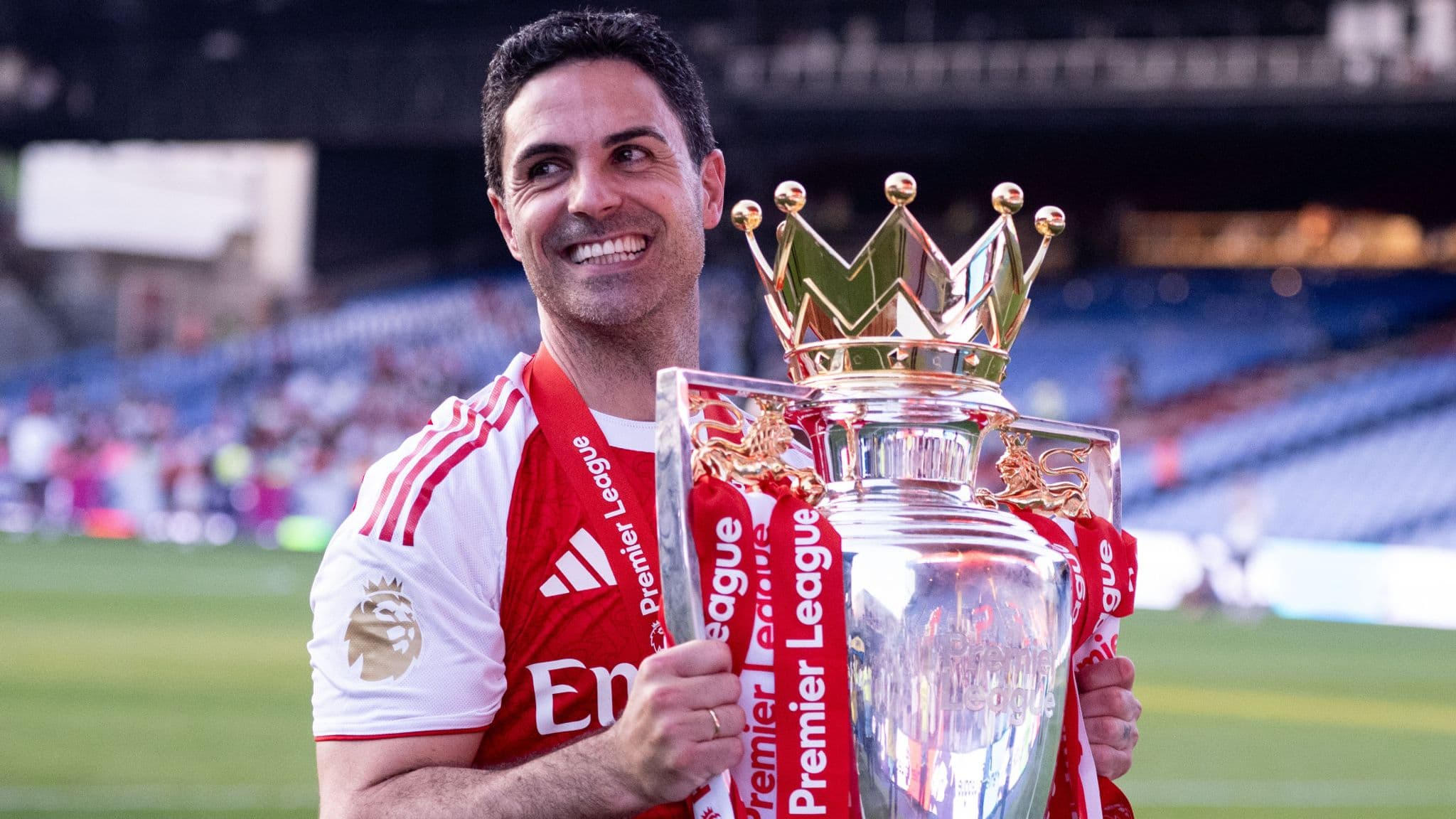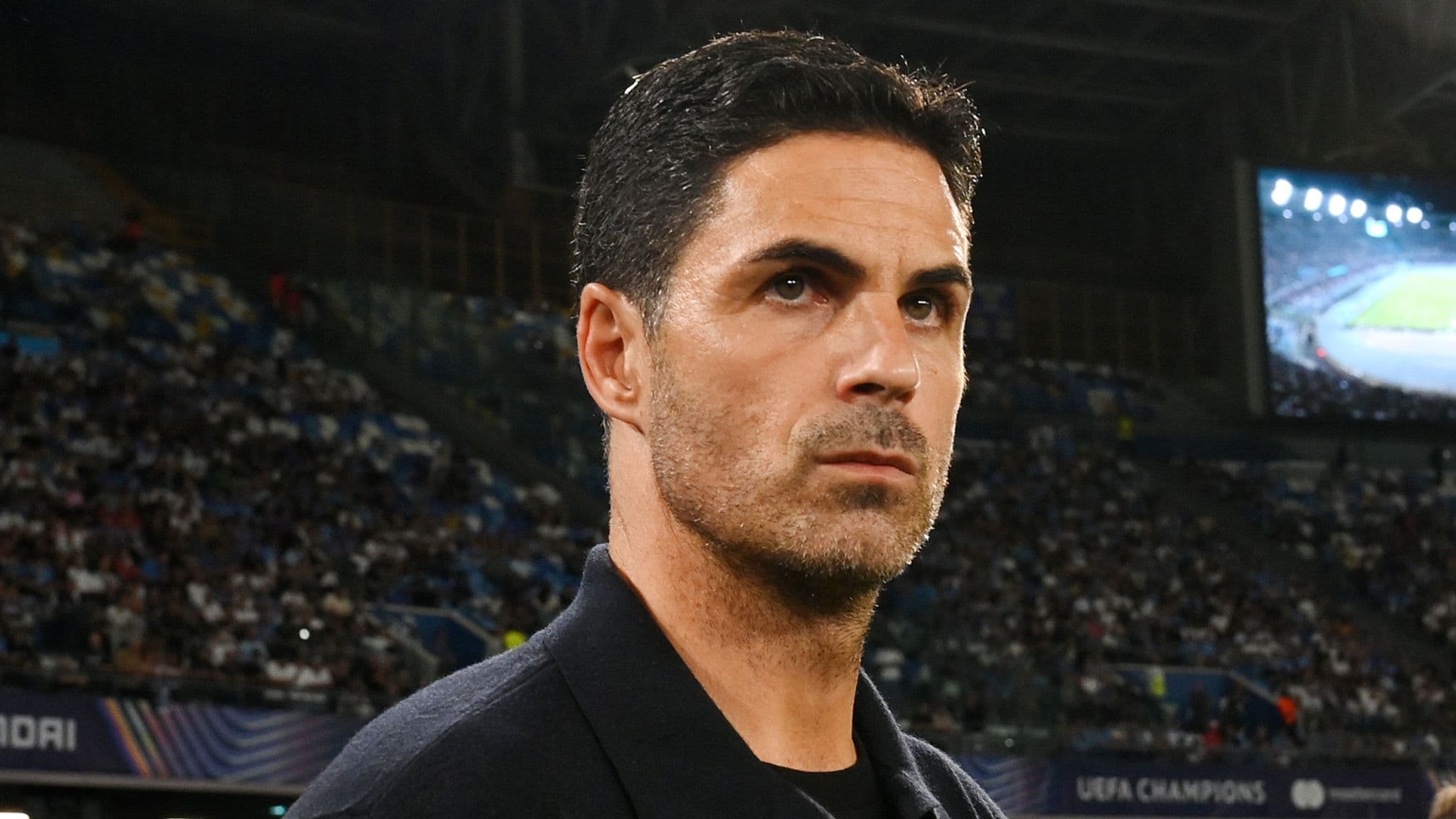
When Mikel Arteta put pen to paper on his previous Arsenal contract in September 2024, the club remained locked in pursuit of their first Premier League crown in two decades. Now, having delivered that long-awaited silverware, he has secured fresh terms that reflect the board's conviction that he is the architect capable of building something far greater: a sustained period of dominance.
The task before him is formidable. Arteta must transform a champion side into serial winners—a feat achieved by only a handful of managers in the modern era.
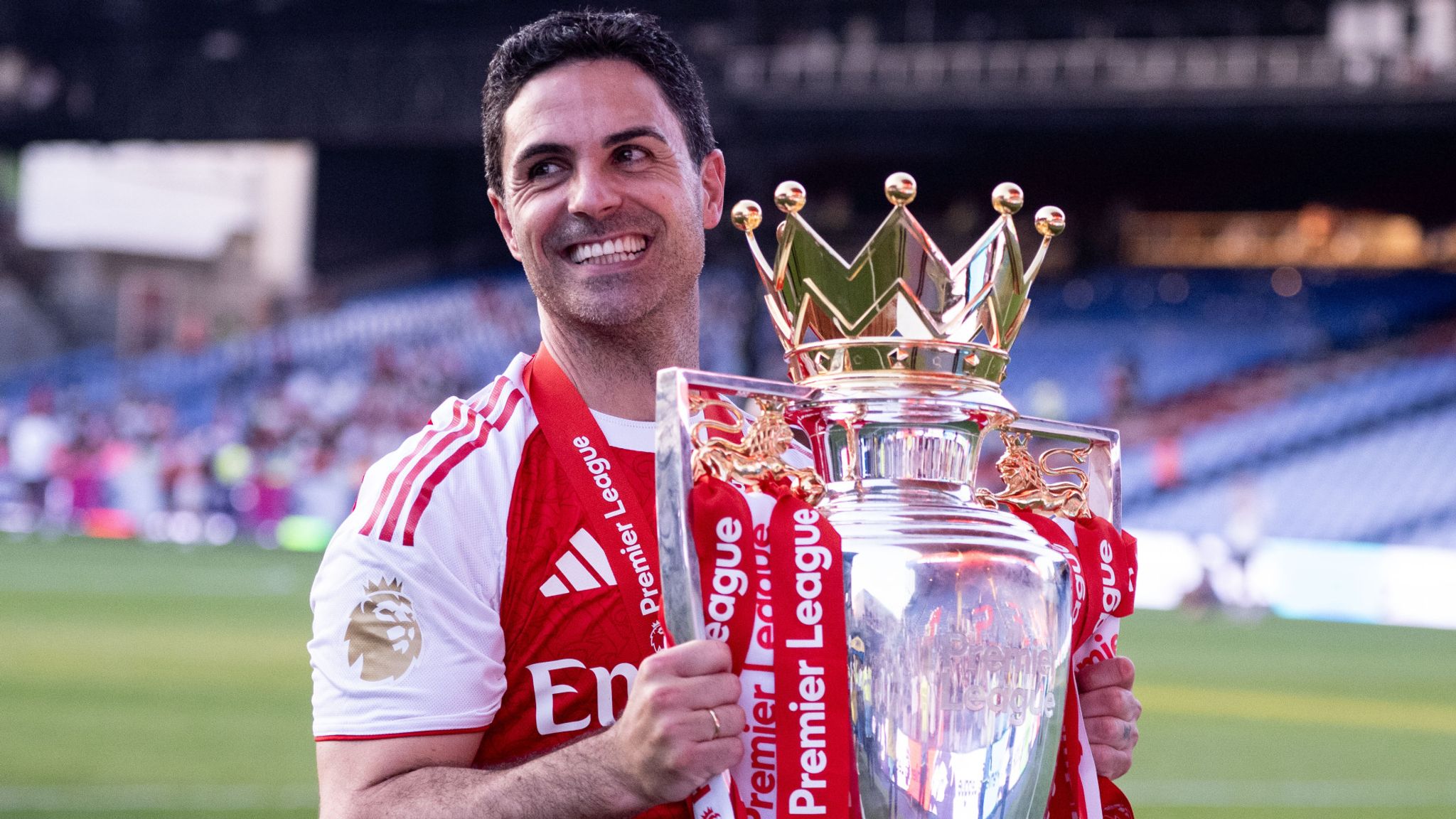
Since his arrival in December 2019, Arteta has overseen a complete overhaul of Arsenal's identity and trajectory. The club languished in 10th place when he took charge, adrift and lacking direction across every facet of their operation. Today, they stand re-established among Europe's elite, unrecognisable in structure, mentality and performance.
His elevation to Premier League title-winner places him among an exclusive cohort of 13 managers to have achieved that distinction. Yet an even smaller circle awaits: only Sir Alex Ferguson, Pep Guardiola, Jose Mourinho and Arsene Wenger have won the league more than once. That is the summit Arteta now targets.
A maiden Champions League triumph, following Arsenal's run to the final last season, represents another pathway to immortality in the game.
Arsenal's board moved swiftly to secure their manager's future. Co-chair Josh Kroenke had described a new contract as an "utmost priority" in May, and the BBC reported in late September that Arteta and the club had reached a final agreement on improved terms. The deal represents a significant financial commitment: Arteta's salary will rise sharply from his current £10m annual package plus up to £5m in bonuses, and the contract is expected to extend his tenure into at least his 10th year at the club.
The timing and scale of the offer underscores Arsenal's belief that they possess the right leader to capitalise on a rare window of opportunity. Guardiola's departure from Manchester City, combined with instability at other elite clubs, has created space at the summit. Kroenke articulated this clearly in May:
We think we have a chance here to dominate.
Arsenal are in their "win window," as the co-chair framed it. Yet the path to sustained success is far from straightforward.
The summer transfer window exposed a gap in Arteta's squad. The failure to recruit a level-raising forward—a position identified as critical—has left the attacking department vulnerable. However, the core of the team is exceptionally well-positioned. The squad is populated with players in or approaching their peak years, aged between 24 and 28, now hardened by the experience of winning major silverware.
Arteta himself may be Arsenal's greatest asset. The former Manchester City assistant, once a rookie head coach, has evolved into an elite manager whose methods other clubs now seek to replicate. His ability to build and nurture a winning culture is precisely what Arsenal require as they attempt to sustain their trajectory.
Getting the foundations in place is usually the hardest part of the journey,Kroenke reflected, acknowledging that Arteta has already completed that gruelling phase.
His tenure has been defined by methodical, relentless improvement. Domestically, Arsenal ended a 22-year wait for the Premier League title. In Europe, their progression has been striking: from Champions League quarter-finalists to semi-finalists to runners-up in the space of three seasons. The trajectory is unmistakable.
Yet the challenge of defending that crown is immense. Only a handful of sides have achieved back-to-back Premier League titles in the modern era, and Arsenal have not managed consecutive championships since the 1930s. History underscores the enormity of what lies ahead.
Recent results have provided a sobering reminder. Arsenal's defeat to Brighton exposed vulnerabilities that had seemed uncharacteristic. The side, defined by their defensive steel, had not lost a Premier League match by a margin of three goals since 2023. The loss stung precisely because it felt so out of character.
Arteta recognised the value in the setback.
This is a big lesson for all of us to understand what it takes to win at this level,he said, framing the defeat as a potential catalyst rather than a crisis. He may ultimately view the result as a timely wake-up call, a reminder to his players that complacency has no place in a title defence.
Part of Arteta's challenge involves continued tactical and squad evolution. For the second consecutive season, Arsenal's attacking players were ravaged by injury, forcing the team to lean heavily on their defensive and set-piece mastery to secure the title. Both remain formidable weapons, yet the imbalance is unsustainable long-term.
The transfer market must address this gap. For now, though, Arteta's immediate task is to extract maximum value from his existing resources—a task made easier by a clearer injury landscape.
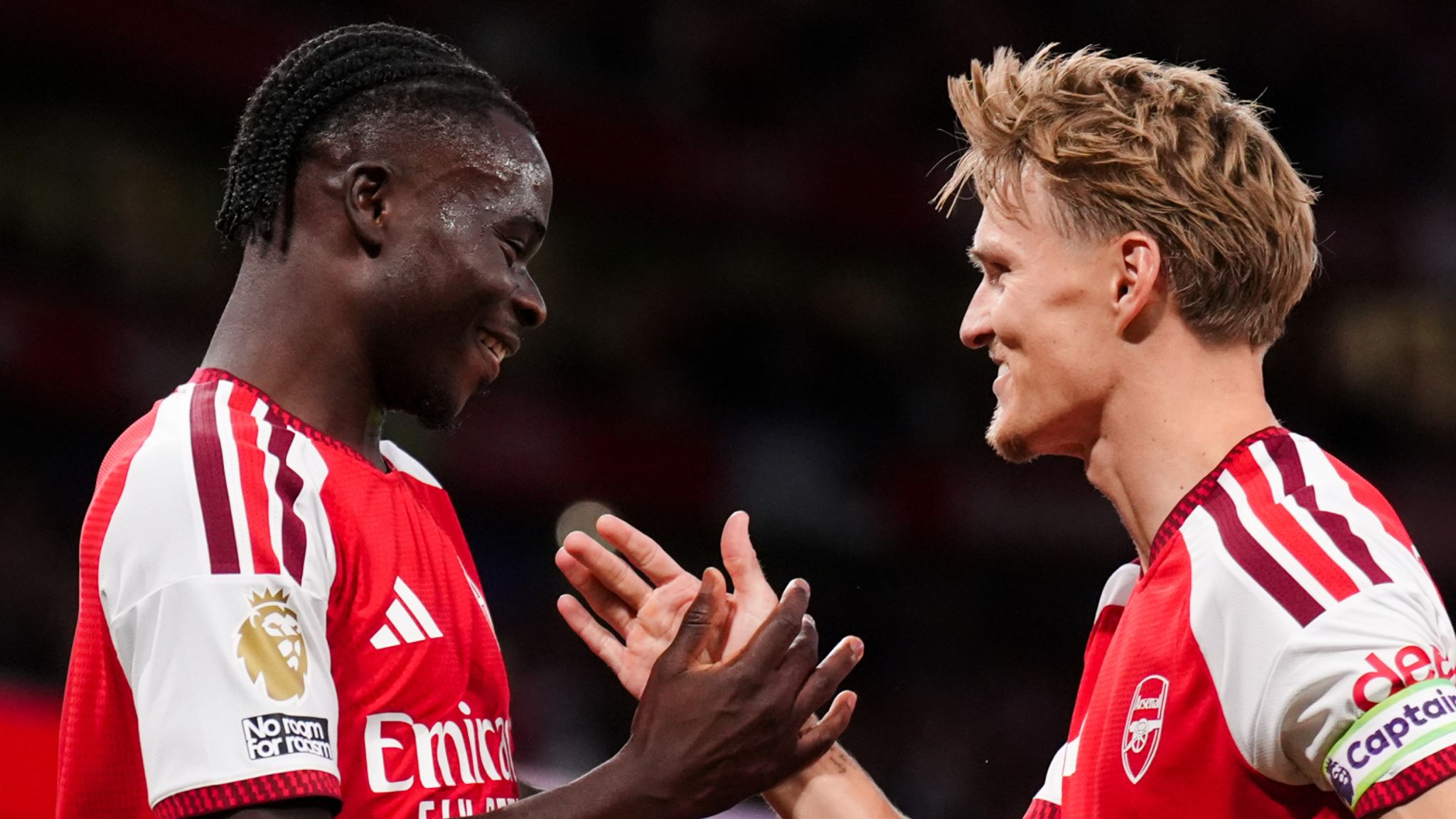
The significance of having Kai Havertz, Martin Odegaard and Bukayo Saka fit simultaneously cannot be overstated. When all three were available throughout 2023/24, Arsenal broke a club record for goals. Early in the current campaign, the trio have already scored 10 goals in their opening seven matches, a promising sign of what sustained fitness might unlock.
Broader patterns suggest a tactical recalibration is underway. Arsenal have shown signs of returning to a more possession-orientated approach, prioritising control of the ball and domination of territory rather than relying on transitions and set-pieces. The numbers support this shift: possession, pass counts and passes in the final third have all increased compared to last season.
Most strikingly, Arsenal are attempting nearly twice as many build-up attacks—defined as open-play passing sequences of 10 or more passes leading to a shot or touch in the opposition box. The Brighton match exposed teething problems, with Arsenal repeatedly struggling to play through the press and landing themselves in trouble. Yet across most matches, the side has appeared more cohesive and purposeful in their attacking play.
The underlying data paints an encouraging picture. Despite trailing Manchester City by three points in the Premier League table, advanced metrics suggest Arsenal remain the best-performing team in the league this season. Set-pieces have become less critical to their output: 15 of their 16 goals in all competitions have come from open play, with only Saka's penalty against Sunderland representing an exception.
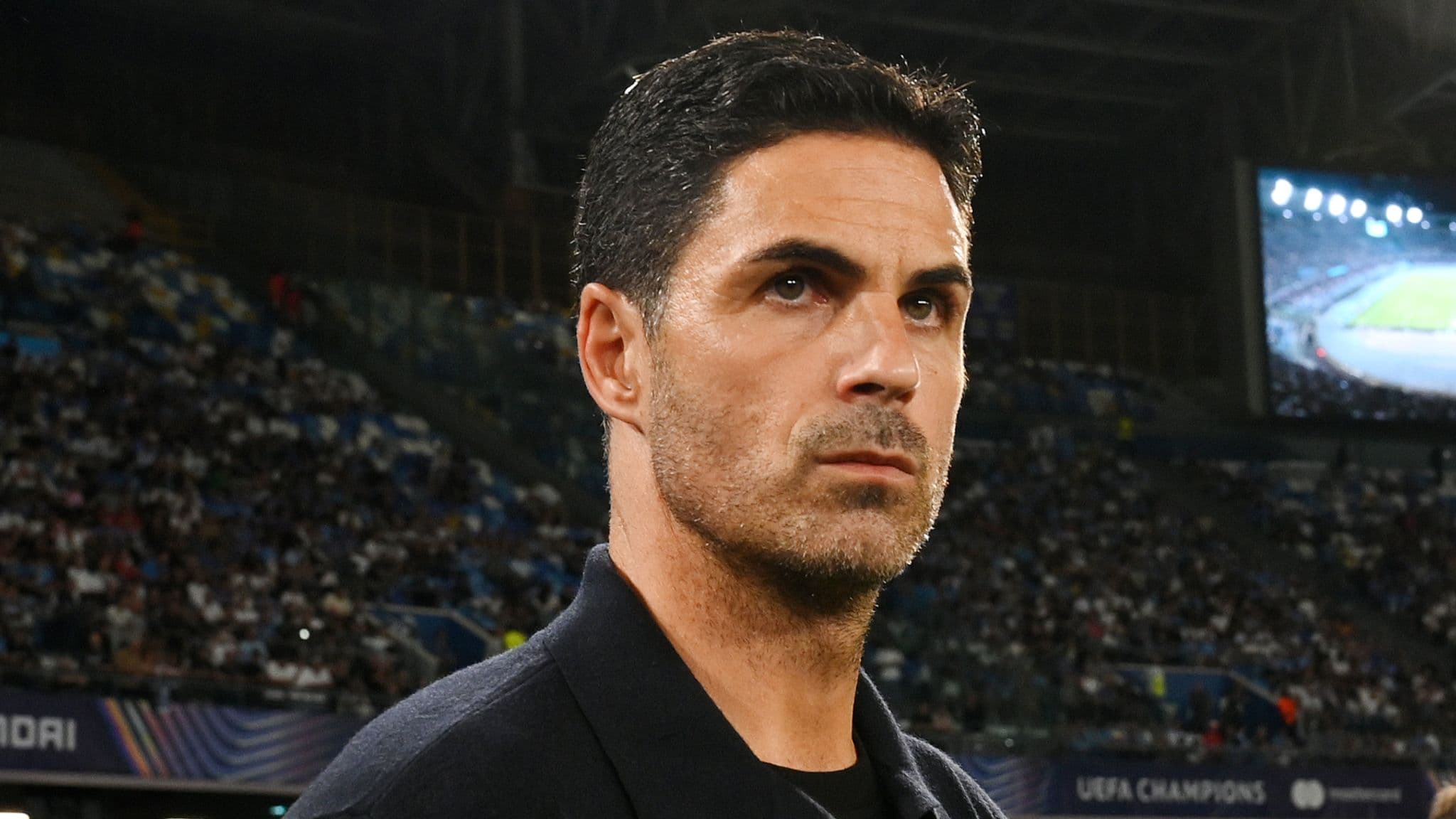
Their Champions League opener against Napoli provided further evidence of increased offensive threat. Arsenal attacked relentlessly, generating 4.05 expected goals—their highest figure on record in European competition—despite scoring only once. The performance hinted at a team rediscovering its attacking identity.
The academy pathway offers additional encouragement. Max Dowman and Marli Salmon are the latest young players to benefit from the environment Arteta has cultivated at London Colney. As his tenure enters a new era, the continued emergence of homegrown talent suggests the foundations for sustained success extend beyond the current first-team squad.
What comes next
Arsenal's next fixture is a home match against Leeds United on 10 October 2026. The fixture arrives at a critical juncture: the side must demonstrate that the Brighton defeat was an aberration rather than a sign of deeper fragility.
The club will need to continue using future transfer windows to complete Arteta's vision. But with a manager now committed to the project long-term, a squad in or approaching its peak, and a clear tactical direction emerging, Arsenal possess the ingredients to challenge for multiple trophies. Whether Arteta can transform that potential into sustained silverware—and join the pantheon of managers who have won the Premier League more than once—will define his legacy at the club.