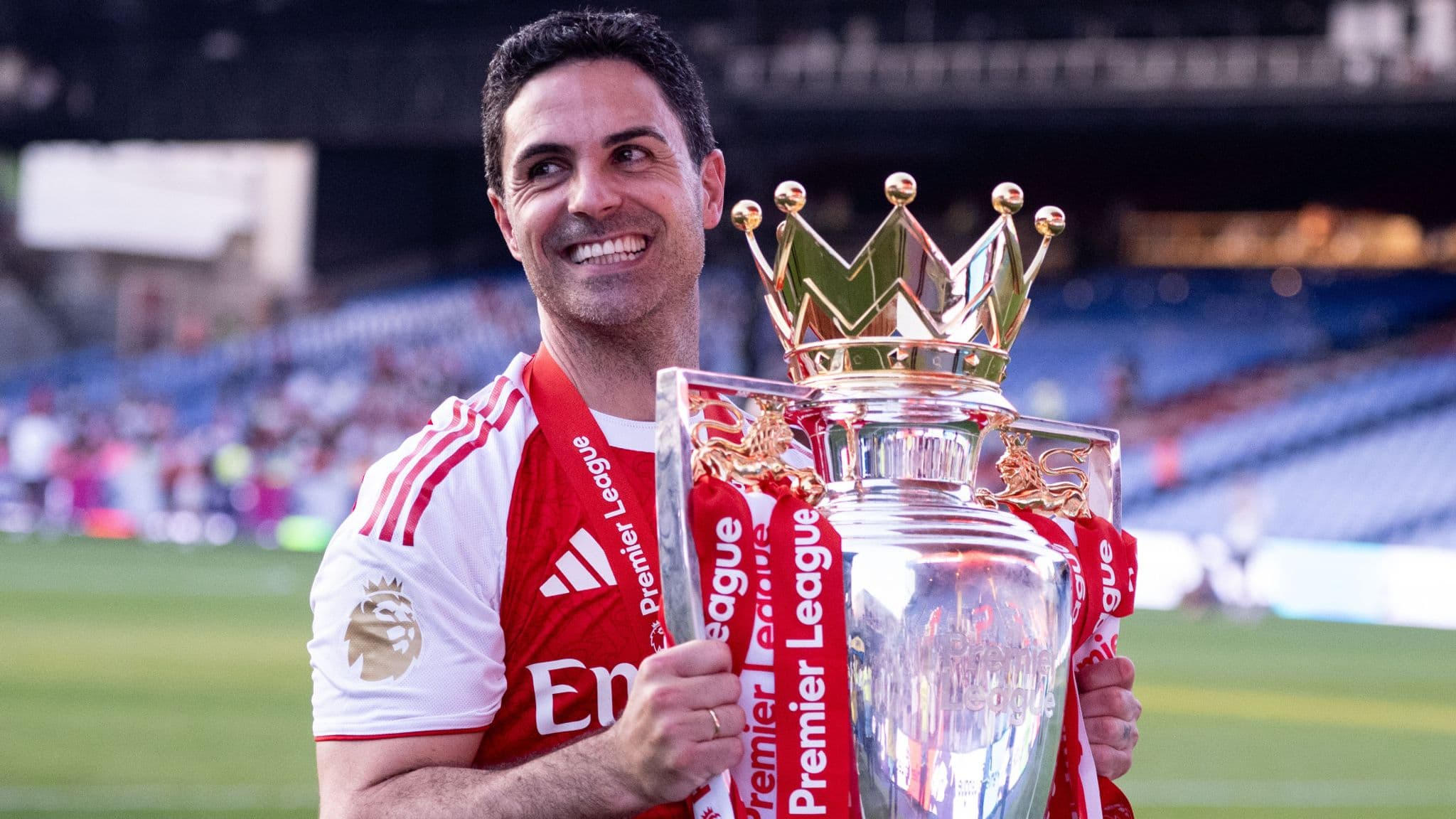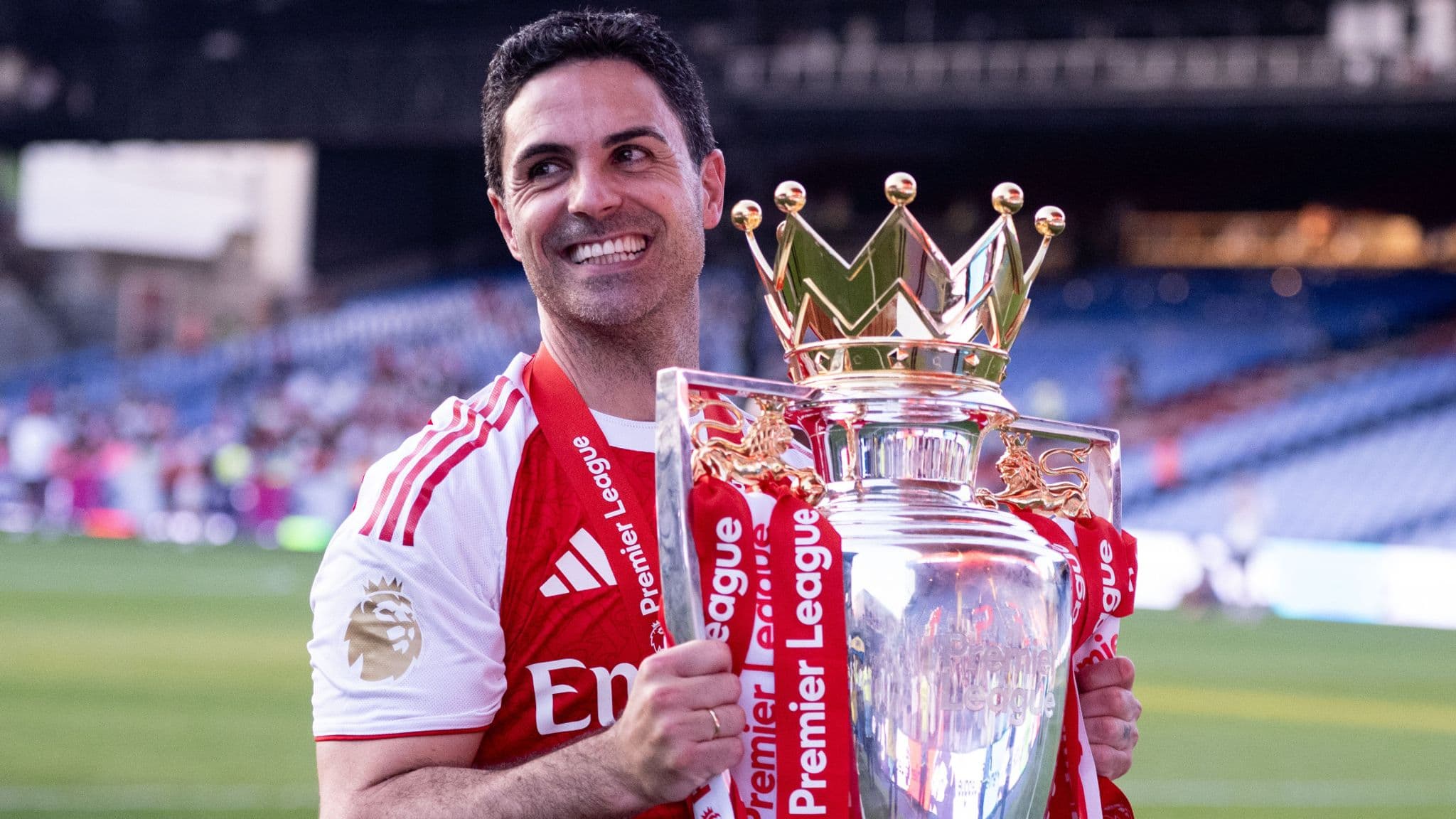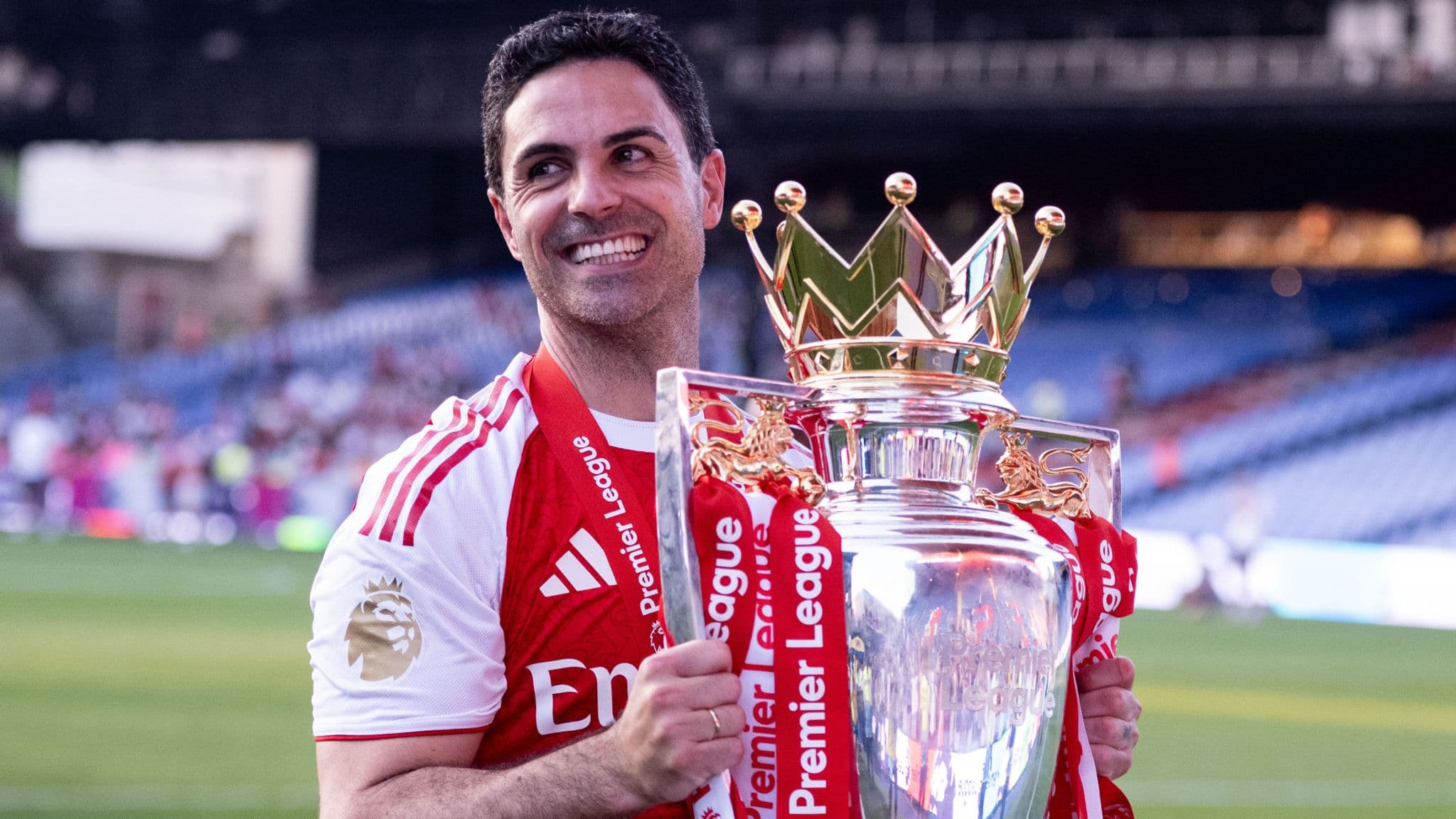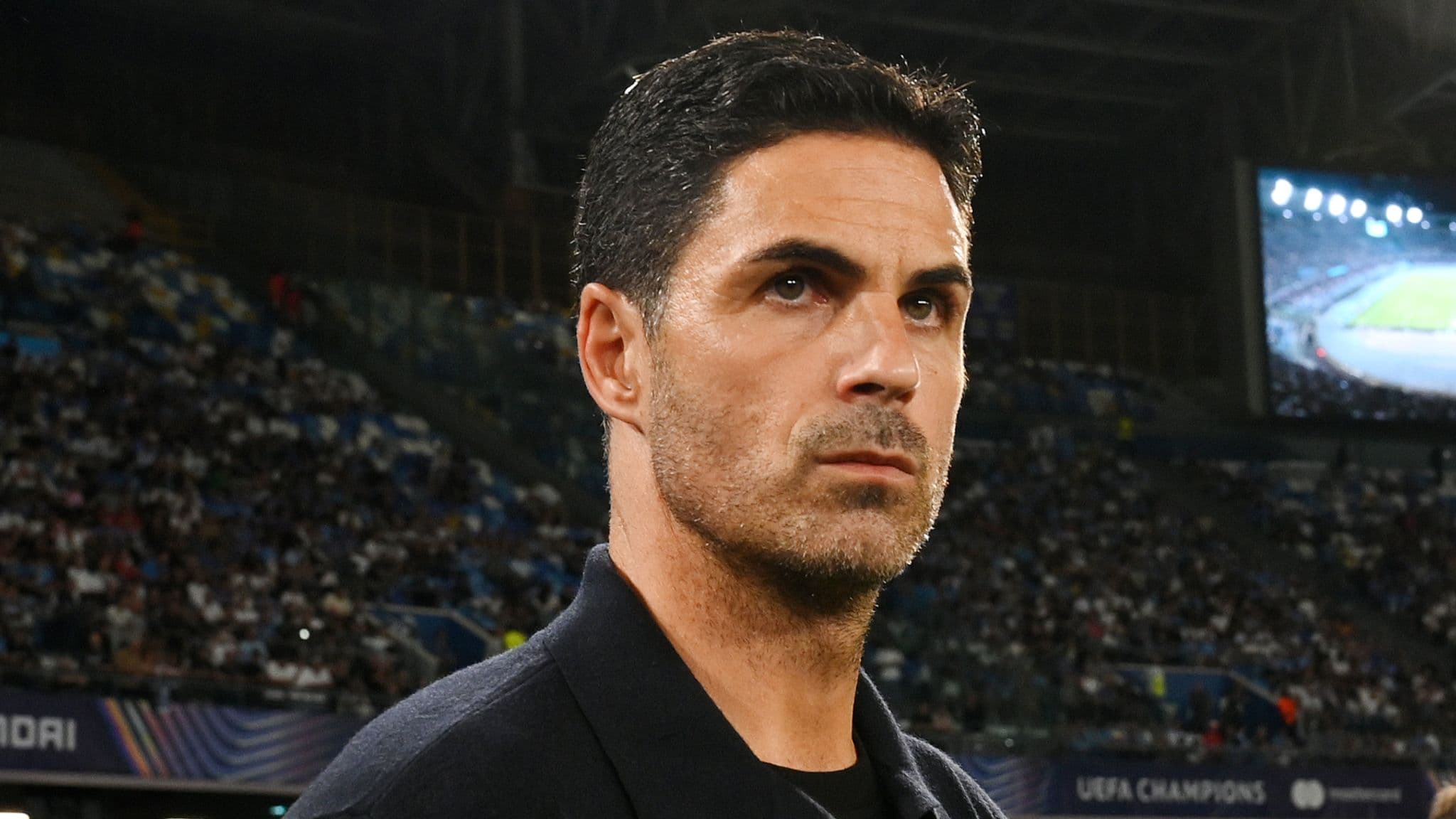
When Mikel Arteta penned his previous Arsenal contract in September 2024, the club remained locked in pursuit of their first major trophy under his stewardship. Now, having guided the Gunners to their first league title in 22 years, he has committed his future to the club with a significantly improved deal.
According to BBC Sport, Arteta has agreed an enhanced contract that is expected to keep him at the club into at least his 10th year. The new agreement represents a substantial pay rise from his current £10m annual salary, plus £5m in bonuses, reflecting Arsenal's determination to retain their manager at a moment of unprecedented opportunity.
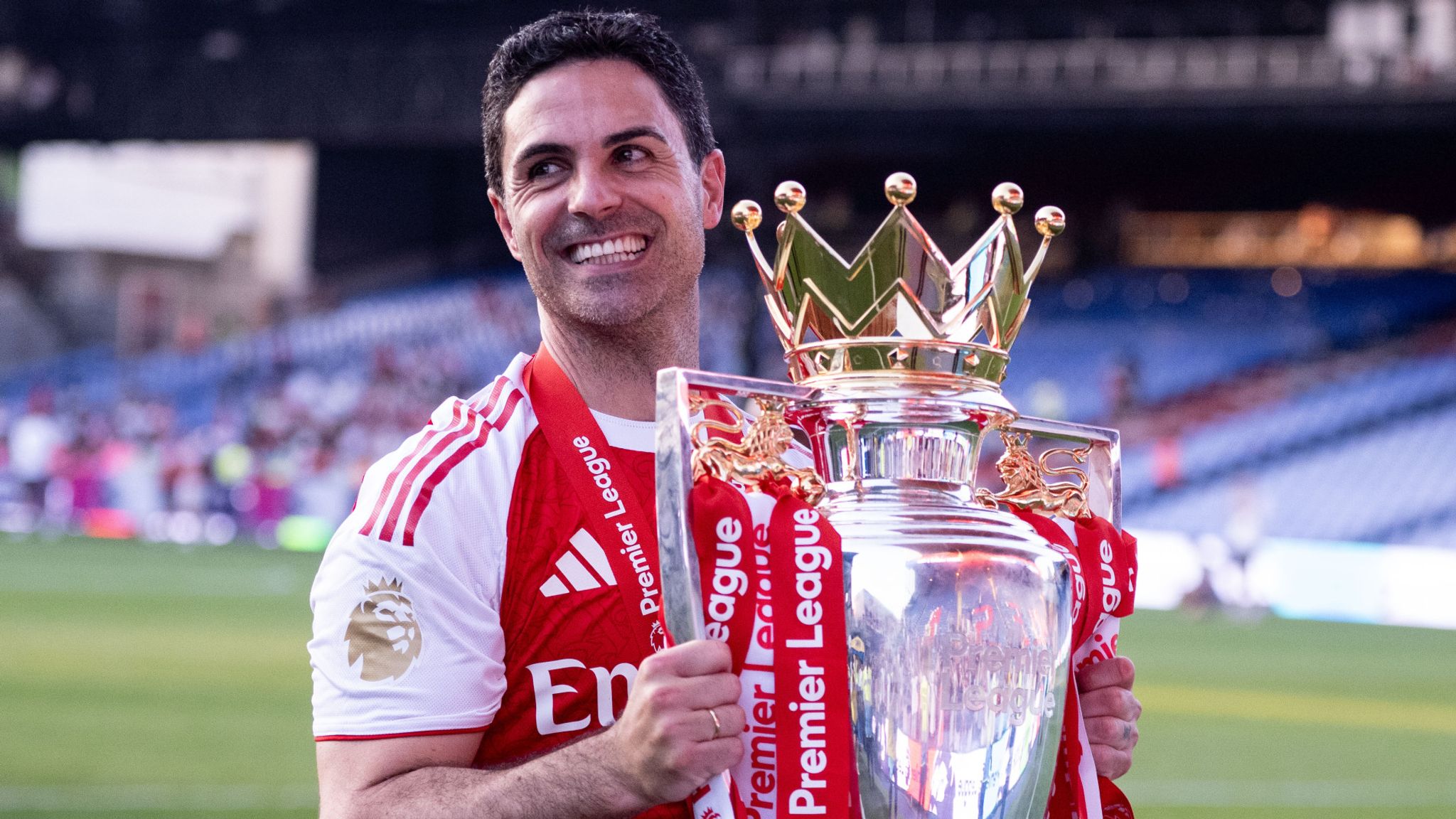
The challenge facing Arteta now extends far beyond winning a single title. His task is to establish Arsenal as serial winners, capable of defending their crown and competing for the Champions League trophy that has eluded them for two decades.
Since his appointment in December 2019, Arteta has orchestrated a complete overhaul of the club's identity and trajectory. When he arrived, Arsenal languished in 10th place in the Premier League table, adrift and without direction. The transformation has been total, touching every aspect of the organisation. Today, the Gunners stand among Europe's elite, unrecognisable from the side he inherited.
Arteta now belongs to an exclusive group of 13 managers to have won the Premier League. Yet an even smaller circle awaits him—only Sir Alex Ferguson, Pep Guardiola, Jose Mourinho and Arsene Wenger have won the title more than once. A second league crown would place him among that rarefied company.
Beyond domestic glory lies another path to immortality. Arsenal reached their second European Cup final last season, and capturing the Champions League would represent the ultimate validation of Arteta's project.
Co-chair Josh Kroenke described the new contract as an "utmost priority" in May, underscoring the club's conviction that Arteta represents their best chance of sustained success. The timing is significant. The departure of Arteta's former mentor Pep Guardiola from Manchester City, combined with instability elsewhere in the elite, has created what Kroenke termed Arsenal's "win window." "We think we have a chance here to dominate," he stated.
Arteta's existing contract had been due to expire at the end of the 2026-27 season, and negotiations over an extension had been under way for months, with the manager previously insisting any deal would come together "organically."
The squad Arteta has assembled is well-positioned to build on their success. Most of his key players are between 24 and 28 years old, entering or at their peak years, and now carrying the experience of having won major silverware. Yet the failure to recruit a level-raising forward during the summer transfer window has complicated his task.
Arsenal's campaign has already delivered important lessons. Their defeat to Brighton exposed vulnerabilities that had become uncharacteristic of Arteta's side. The Gunners, defined by their defensive solidity, had not lost a Premier League match by a margin of three goals since 2023. The result stung precisely because it felt so out of character.
Arteta has treated the setback as a valuable wake-up call.
This is a big lesson for all of us to understand what it takes to win at this level,he reflected. The message to his players is unambiguous: there is no room for complacency in their bid to retain the title.
History underscores the enormity of the challenge ahead. Only a handful of sides have won back-to-back Premier League titles in the modern era. Arsenal themselves have not achieved consecutive championships since the 1930s. The statistical weight of history works against them.
Evolution and attacking improvement
Part of Arteta's task involves continuing to evolve the team's approach. Last season, injuries to key attacking players for a second consecutive campaign forced Arsenal to lean heavily on their defensive and set-piece prowess to secure the title. They remain formidable in both areas, but the balance requires adjustment.
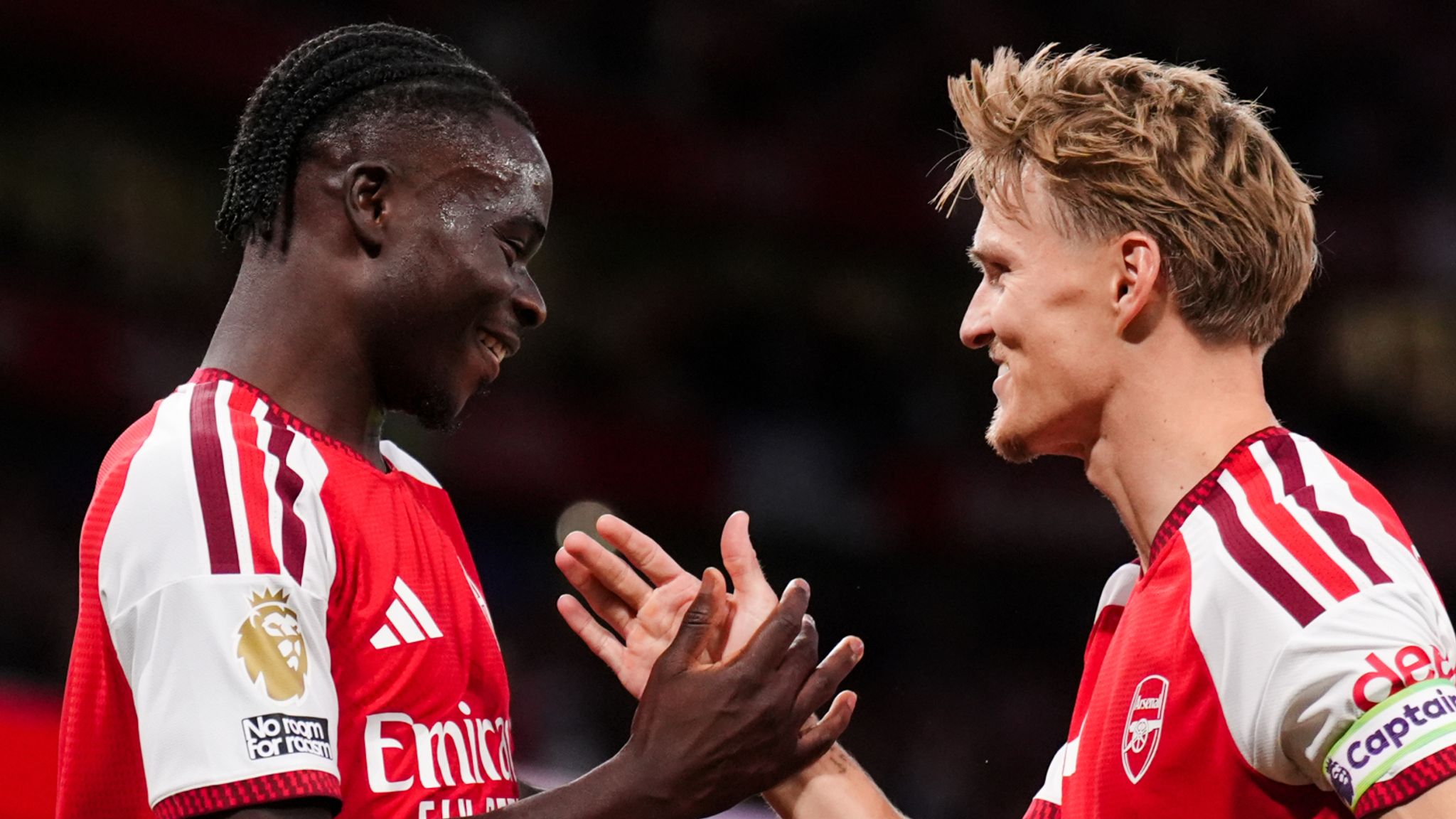
The transfer market will need to address the attacking dimension further, but for now Arteta must extract maximum value from his existing resources. Encouragingly, the last time he had Kai Havertz, Martin Odegaard and Bukayo Saka available for a full season—in 2023-24—Arsenal broke a club record for goals. This trio, reunited at last, scored 10 goals in their opening seven games of the current campaign.
More broadly, Arsenal have demonstrated signs of returning to a more possession-orientated style of play, prioritising control of the ball and dominating games through sustained attacking sequences rather than relying on defensive organisation alone.
The underlying statistics paint an encouraging picture. Arsenal's possession figures are up compared to last season, as are their pass counts and passes in the final third. Most strikingly, they are attempting nearly twice as many build-up attacks—defined as open-play passing sequences of 10 or more passes leading to a shot or touch in the opposition box.
The Brighton match revealed teething problems as Arsenal struggled to break through their opponent's press, repeatedly creating dangerous situations for themselves. Yet across most of their fixtures, the side has appeared more cohesive and purposeful in their attacking play.
Arsenal currently trail Manchester City by three points in the Premier League table. However, underlying performance data—typically the strongest predictor of future success—suggests they remain the best-performing team in the division this season, notwithstanding the Brighton result.
The reliance on set-pieces has diminished markedly. Of their 16 goals across all competitions this season, all but one have arrived from open play. The sole exception was Bukayo Saka's late penalty in their victory over Sunderland.
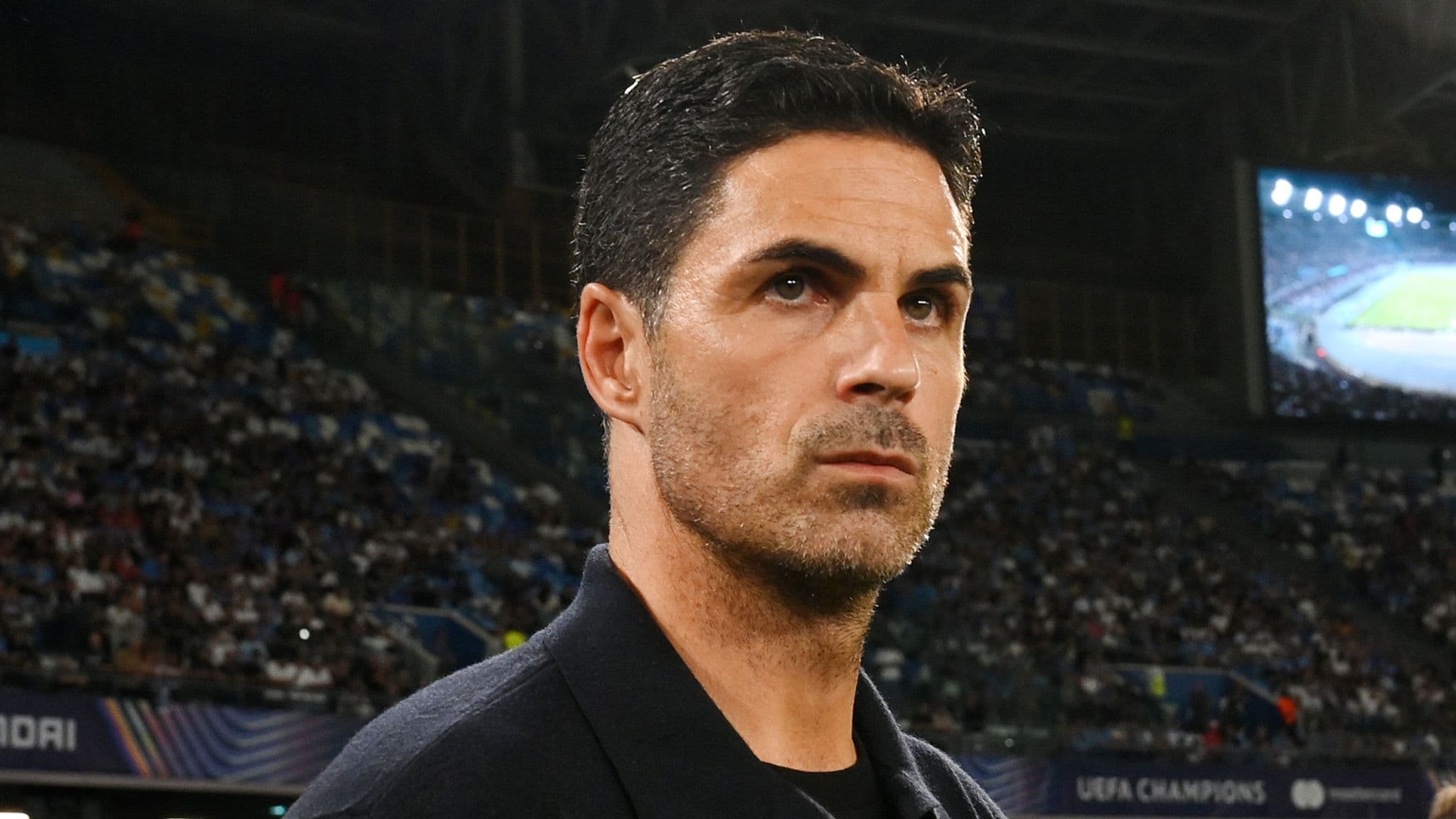
Their Champions League opener against Napoli provided further evidence of increased offensive threat. Arsenal attacked with relentless intensity, scoring once but generating 4.05 expected goals—their highest figure on record in the competition.
Building for the future
Future transfer windows will be essential to completing Arteta's squad. Yet the continued emergence of academy products offers encouragement as his tenure enters a new phase. Max Dowman and Marli Salmon are the latest young players to benefit from the environment Arteta has cultivated at London Colney.
Arteta's own stability and continuity represent perhaps Arsenal's greatest asset. The rookie head coach who arrived in 2019 has evolved into an elite manager whose methods other clubs now attempt to replicate.
Getting the foundations in place is usually the hardest part of the journey,Kroenke observed, and Arteta has done precisely that.
His tenure has been defined by steady, relentless improvement. Domestically, Arsenal have ended a 22-year wait for the title. In Europe, they have progressed from Champions League quarter-finalists to semi-finalists to runners-up in three years—a trajectory that speaks to the systematic nature of his project.
Yet the work is far from complete. Sustaining this trajectory will demand continued evolution, shrewd recruitment, and the maintenance of the culture Arteta has painstakingly constructed. The Brighton defeat, painful as it was, may yet prove valuable if it sharpens focus and prevents complacency from taking root.
What comes next
Arsenal face a demanding schedule in the coming weeks. The club are scheduled to host Leeds United in the Premier League on 10 October 2026, before turning their attention to European competition. Arsenal will host Lille in the Champions League on 13 October, then travel to Bayern Munich on 21 October 2026, presenting a crucial test of their credentials at the highest level.
These fixtures will provide early indicators of whether Arteta's side possess the consistency and quality required to mount a genuine challenge for multiple trophies. The manager's new contract represents the club's faith that he is the architect capable of delivering sustained success. Now comes the task of proving that faith justified.