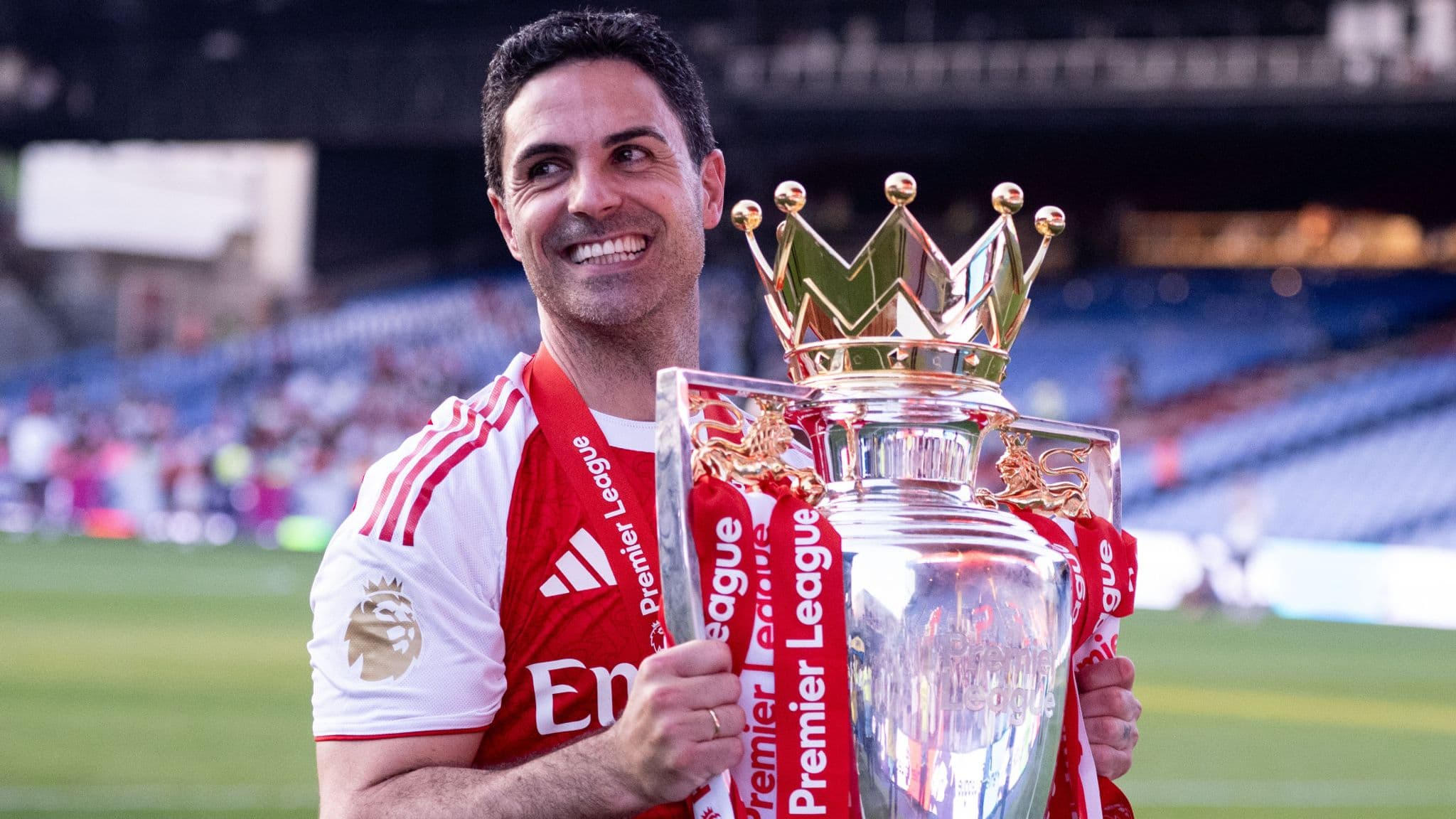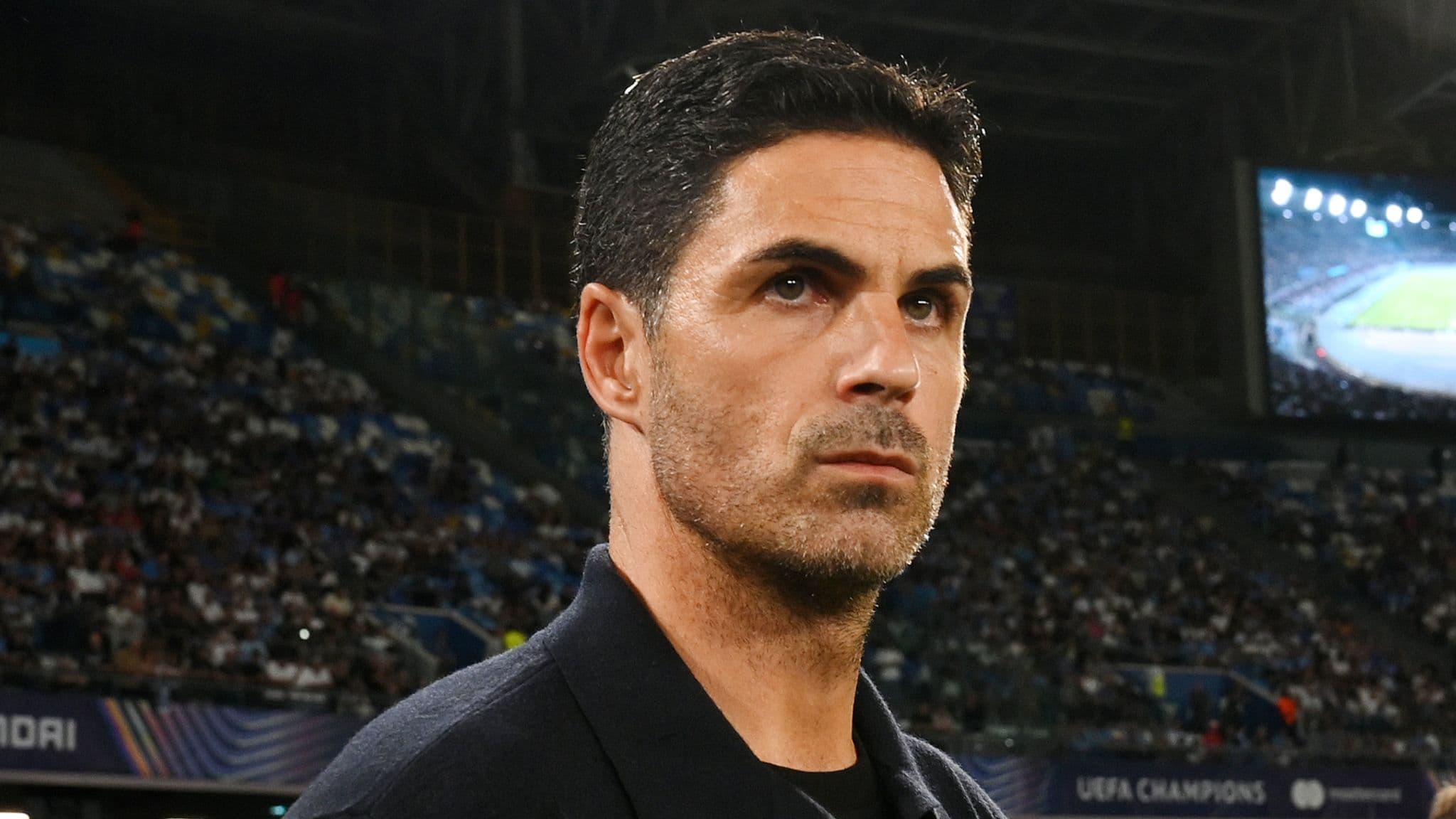
When Mikel Arteta put pen to paper on his previous Arsenal contract in September 2024, the club remained in pursuit of major honours. Now, having guided them to their first Premier League title in nearly two decades, he has secured fresh terms that reflect the scale of his achievement and the board's ambition for sustained success.
The fundamental question facing Arteta is no longer how to restore Arsenal to competitiveness—that task is complete. Instead, he must now navigate the considerably harder challenge of transforming a single championship into a sustained period of dominance.
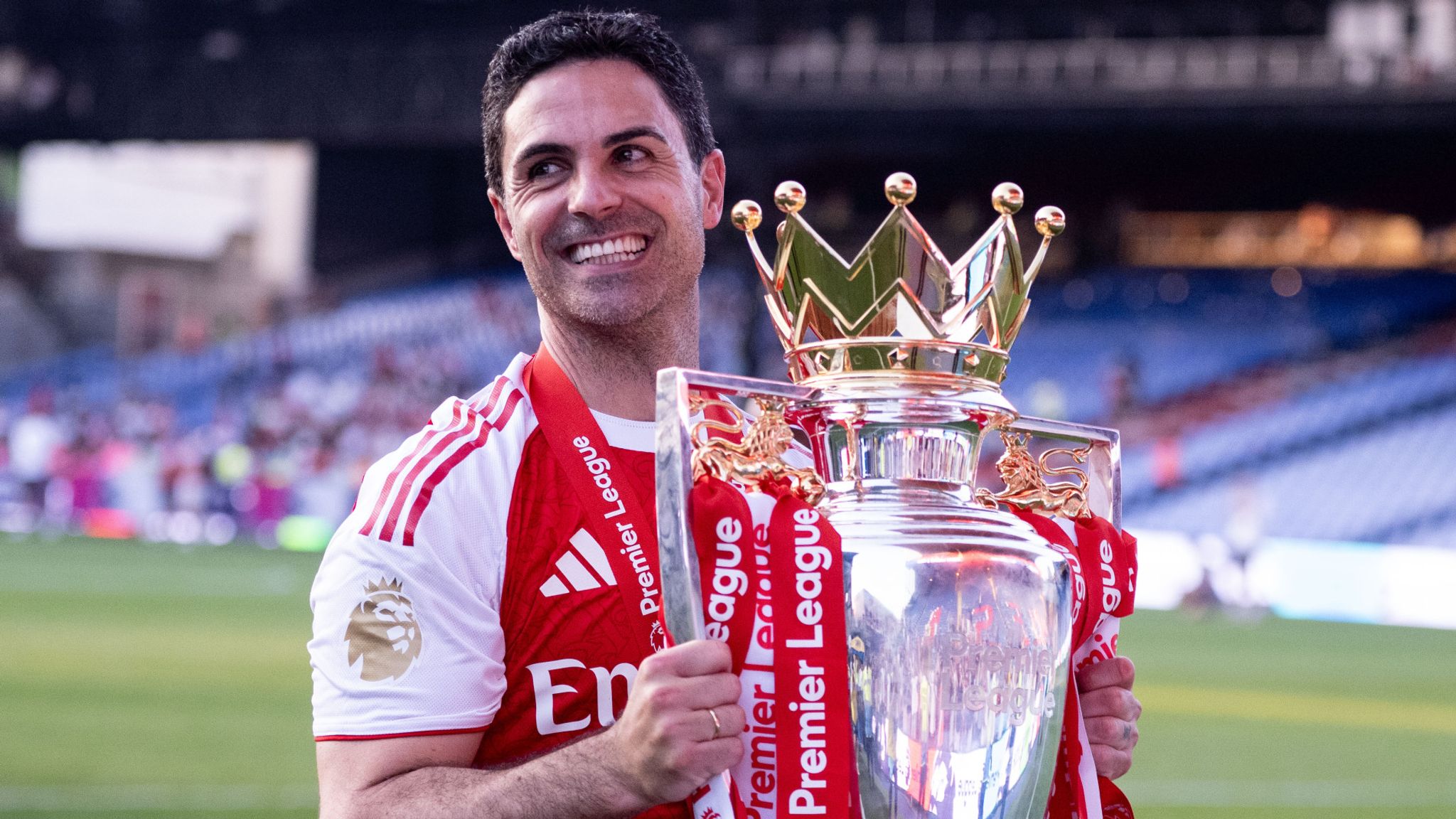
Since taking charge in December 2019, Arteta has orchestrated a complete overhaul of the club's identity and trajectory. Arsenal languished in 10th place when he arrived, adrift and lacking direction across every facet of their operation. The transformation has been so thorough that they are now unrecognisable, re-established among Europe's elite with a playing philosophy and infrastructure that other clubs now seek to replicate.
By winning the Premier League, Arteta has joined an exclusive cohort of 13 managers to have achieved that feat. Yet an even smaller circle awaits him—the group of just four managers who have won the title on multiple occasions: Sir Alex Ferguson, Pep Guardiola, Jose Mourinho and Arsene Wenger. Securing a first Champions League crown, particularly after guiding Arsenal to only their second European final last season, would represent another pathway to lasting legacy.
Arsenal's hierarchy moved swiftly to secure their manager's future. According to BBC Sport, Arteta reached a final agreement with the club on an improved contract on 7 October, though the deal's length has not been publicly confirmed. The BBC reports that Arteta currently earns £10m a year, plus up to £5m in bonuses, and that his new deal is expected to take him into at least his 10th year at the club.
Co-chair Josh Kroenke had previously described securing Arteta's future as an "utmost priority" in May, a statement that underscored the club's conviction that they have their manager in place to drive the next phase of their development. The timing of the new contract also reflects Arsenal's belief that they occupy a unique window of opportunity. With Guardiola's departure from Manchester City and instability elsewhere among the traditional powerhouses, Kroenke articulated the club's thinking plainly: "We think we have a chance here to dominate."
The challenge ahead remains formidable. Arteta's squad has been strengthened by experience of winning major silverware, with most key players now in or approaching their peak years between the ages of 24 and 28. Yet the failure to recruit a transformative forward during the summer transfer window has left a gap that Arteta must work around.
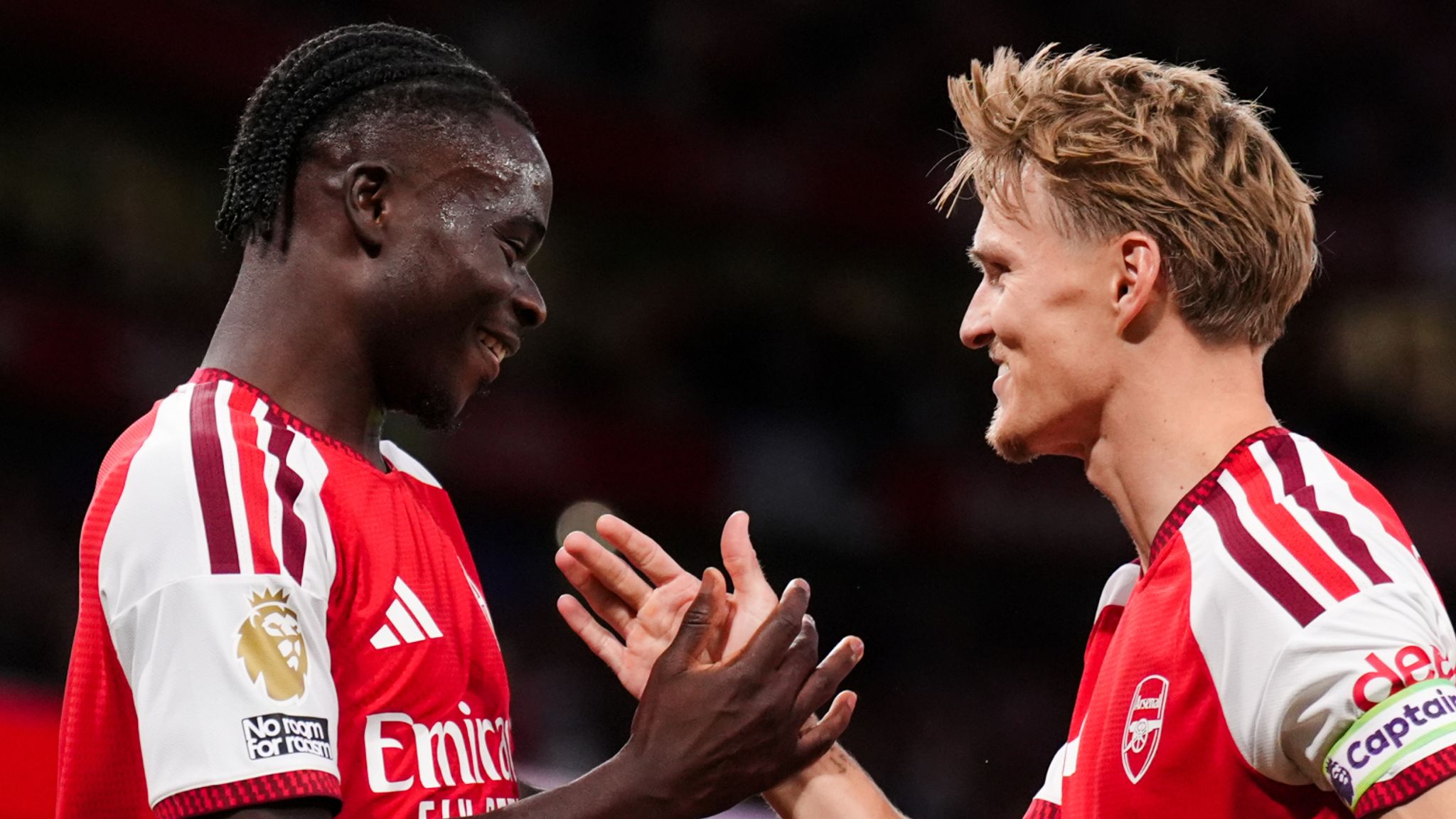
The manager's ability to extract maximum value from his existing resources will be critical. In the 2023/24 season, when Kai Havertz, Martin Odegaard and Bukayo Saka were available for a full campaign, Arsenal broke their club record for goals. The trio have now started the new season together and scored 10 goals in their opening seven matches, suggesting that fitness and continuity could unlock the attacking potency the team requires.
Arsenal's recent 3-0 defeat to Brighton served as a sharp reminder of the standards required to sustain a title challenge. The loss was particularly jarring because it departed so markedly from the defensive resilience that has defined Arteta's tenure. Prior to that result, Arsenal had not conceded three goals in a Premier League match since 2023, a statistic that underscores how uncharacteristic the Brighton performance was.
Arteta responded to the setback with characteristic clarity.
This is a big lesson for all of us to understand what it takes to win at this level,he said, using the defeat as a teaching moment rather than a cause for panic. The manager will hope his players absorb the message that complacency has no place in their bid to retain the title.
Historically, the task of winning back-to-back Premier League titles has defeated most clubs. Only a handful of sides have managed the feat in the modern era, and Arsenal themselves have not achieved consecutive championships since the 1930s. That historical context illustrates the magnitude of what lies ahead.
One encouraging development is the evolution visible in Arsenal's attacking approach. Early season data suggests a shift towards a more possession-orientated style, with the team attempting to control matches through the ball rather than without it. Their numbers for possession, passes and passes in the final third have all risen compared to last season.
Most strikingly, Arsenal are attempting nearly twice as many build-up attacks—defined as open-play passing sequences of 10 or more passes leading to a shot or touch in the opposition box—compared to their previous campaign. This represents a meaningful tactical adjustment that could unlock greater attacking fluency.
The Brighton match exposed some teething problems in this transition, with Arsenal struggling to play through their opponent's press and repeatedly creating dangerous situations for themselves. However, across most of their fixtures, they have demonstrated a more cohesive and purposeful attacking intent.
The underlying statistical picture remains encouraging. Despite the Brighton result, Arsenal's underlying data—typically the strongest predictor of future performance—indicates they remain the best-performing team in the Premier League this season. They trail Manchester City by three points in the table, but the metrics suggest they are on an upward trajectory.
Set-piece dependency has also diminished. Of Arsenal's 16 goals across all competitions this season, all but one have arrived from open play, with Bukayo Saka's penalty against Sunderland the sole exception. This shift towards open-play goals reflects the tactical evolution taking place under Arteta's guidance.
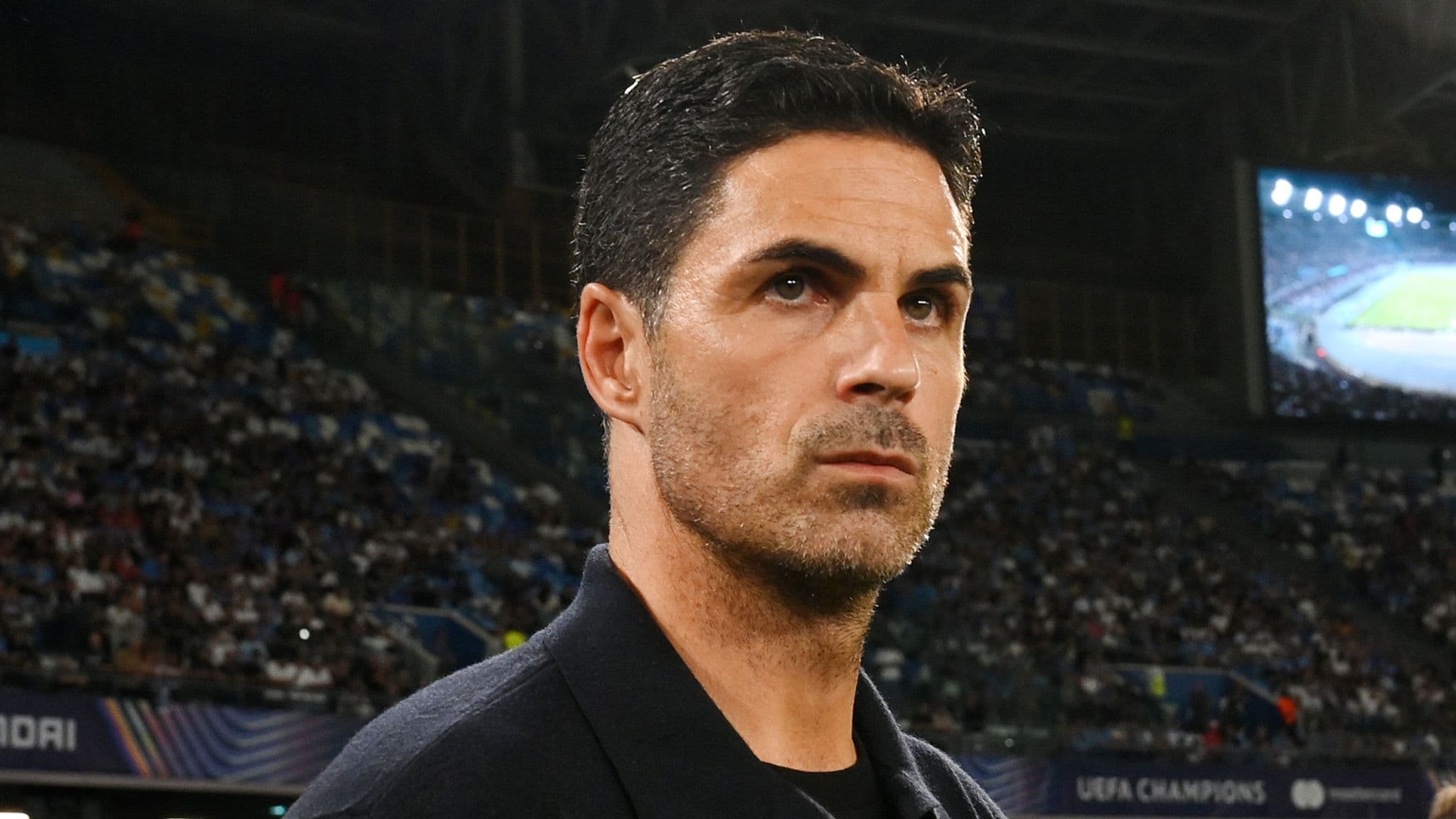
In their Champions League opener against Napoli, Arsenal produced a performance that encapsulated their attacking ambitions. Though they scored only once, they generated 4.05 expected goals—their highest figure on record in European competition—demonstrating sustained offensive threat against elite opposition.
The emergence of academy products offers further encouragement as Arteta's tenure enters a new phase. Max Dowman and Marli Salmon are the latest young players to benefit from the environment now established at London Colney, suggesting that the club's pathway from academy to first team remains productive.
Arteta's role in creating and maintaining the culture underpinning Arsenal's success cannot be overstated. He has moved from being a rookie head coach to an elite manager whose methods other clubs now attempt to emulate. His tenure has been defined by steady, relentless improvement: a 22-year wait for the Premier League title has ended, while in Europe, Arsenal have progressed from quarter-finalists to semi-finalists to runners-up in the space of three years.
The new contract provides stability that allows Arsenal to operate from a position of strength. As Kroenke noted,
Getting the foundations in place is usually the hardest part of the journey.That foundation-building phase is complete. What remains is the construction of something more durable: a sustained period of dominance that separates champions from serial winners.
What comes next
Arsenal's immediate focus turns to domestic and European fixtures. The club are scheduled to host Leeds United on 10 October before travelling to face Lille in the Champions League on 13 October. These matches will provide early indicators of whether the team can maintain momentum and consistency following the Brighton setback.