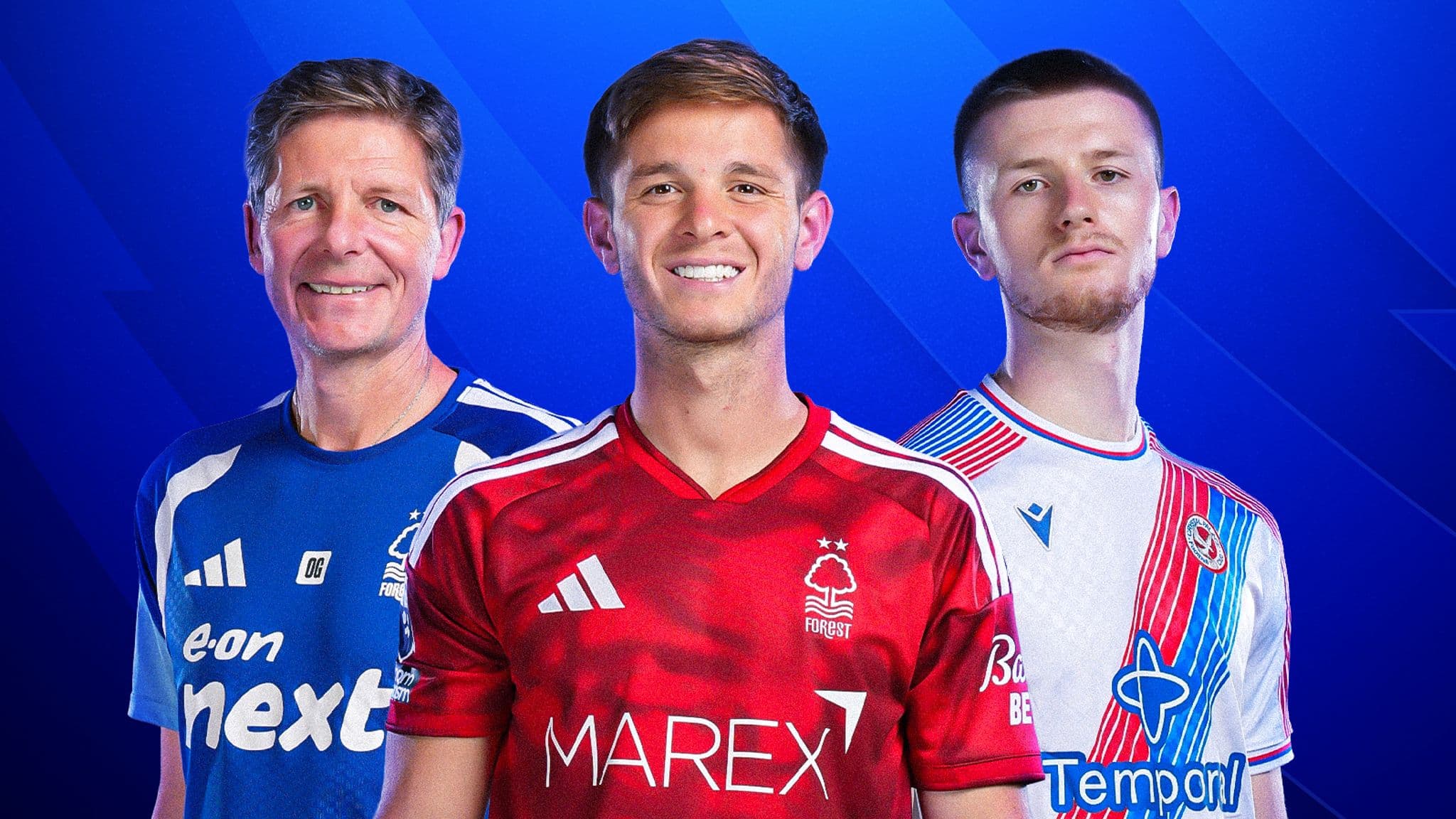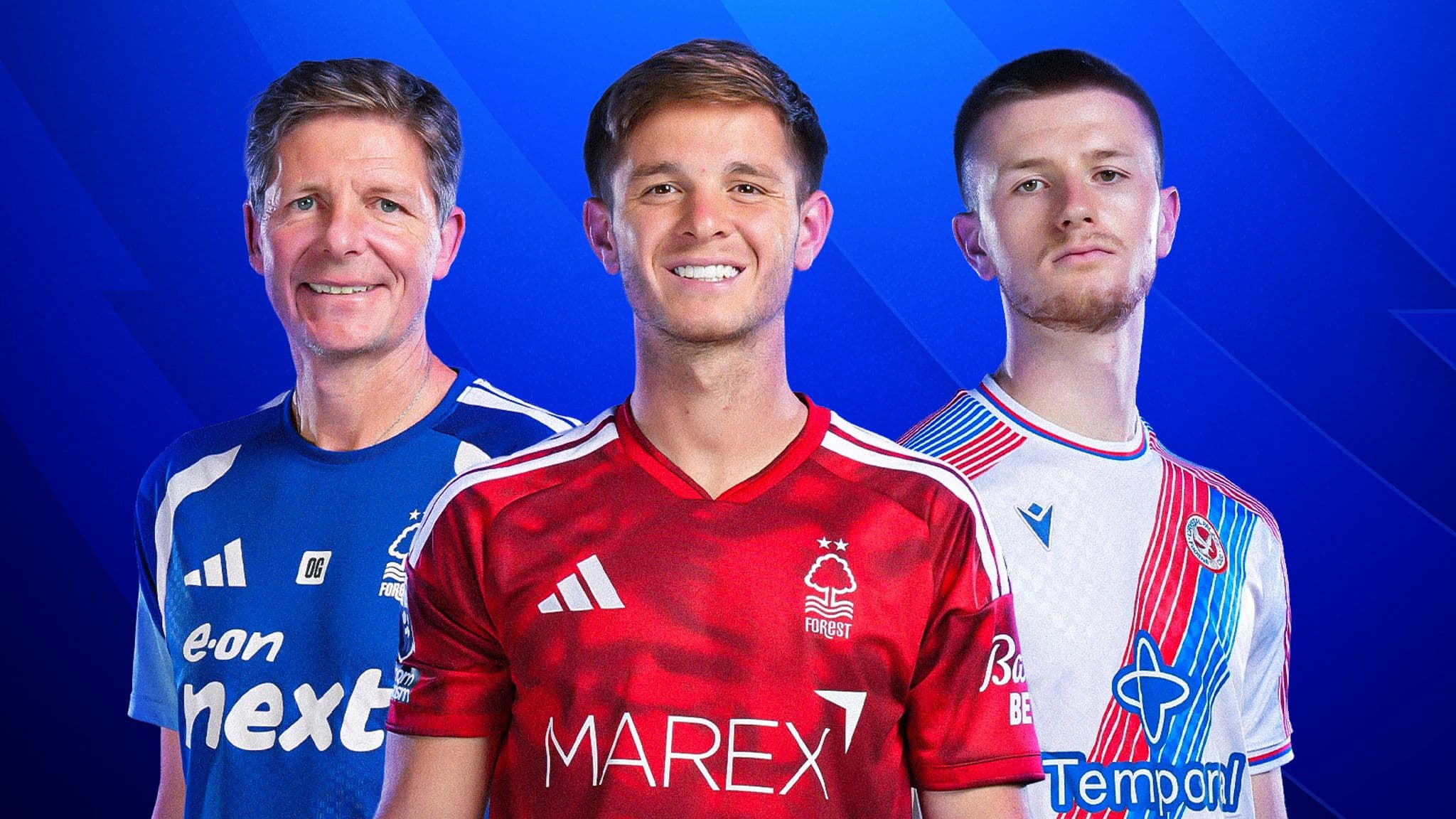
When Oliver Glasner arrived at Nottingham Forest following his departure from Crystal Palace, he brought with him a clear tactical blueprint. The 3-4-2-1 system that had served him so effectively at Selhurst Park would form the foundation of his new project at the City Ground.
Central to that formation are two midfielders operating in a specific role.
We call them the quarterbacksGlasner explained during his time at Palace. The Austrian coach had found the ideal quarterback in Adam Wharton—a midfielder who combined defensive solidity with creative influence and attacking threat.
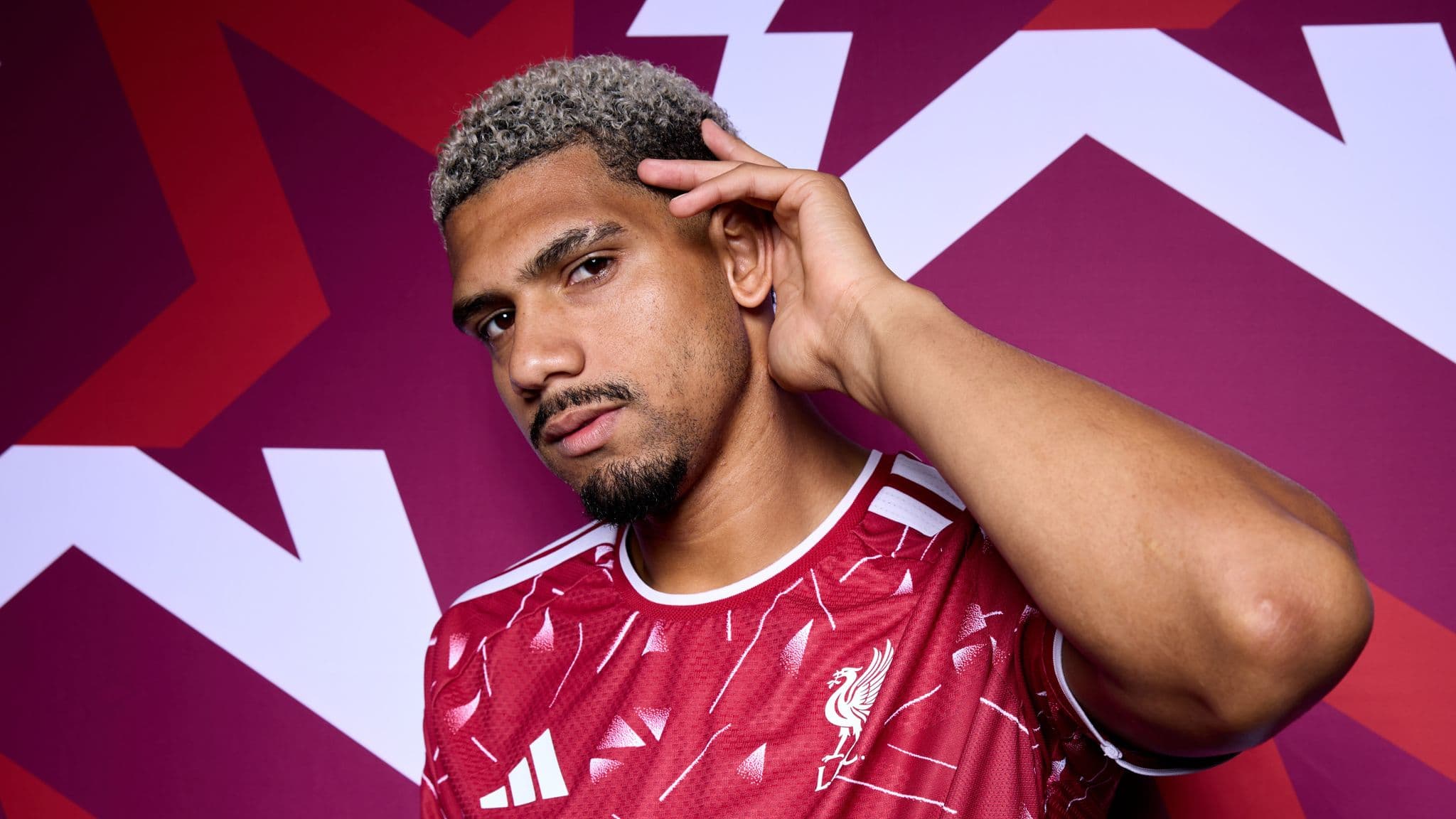
At Forest, Glasner faced a dual challenge. He needed to locate his own version of Wharton while simultaneously replacing Elliot Anderson, the heartbeat of the midfield who had departed for Manchester City. Few observers anticipated that James McAtee would solve both problems.
Just months earlier, McAtee appeared destined to become another casualty of Forest's managerial instability. Following his £30m transfer from Manchester City, the midfielder had started only two Premier League matches in the previous campaign. Across four different managers, he had never received a genuine opportunity to establish himself.
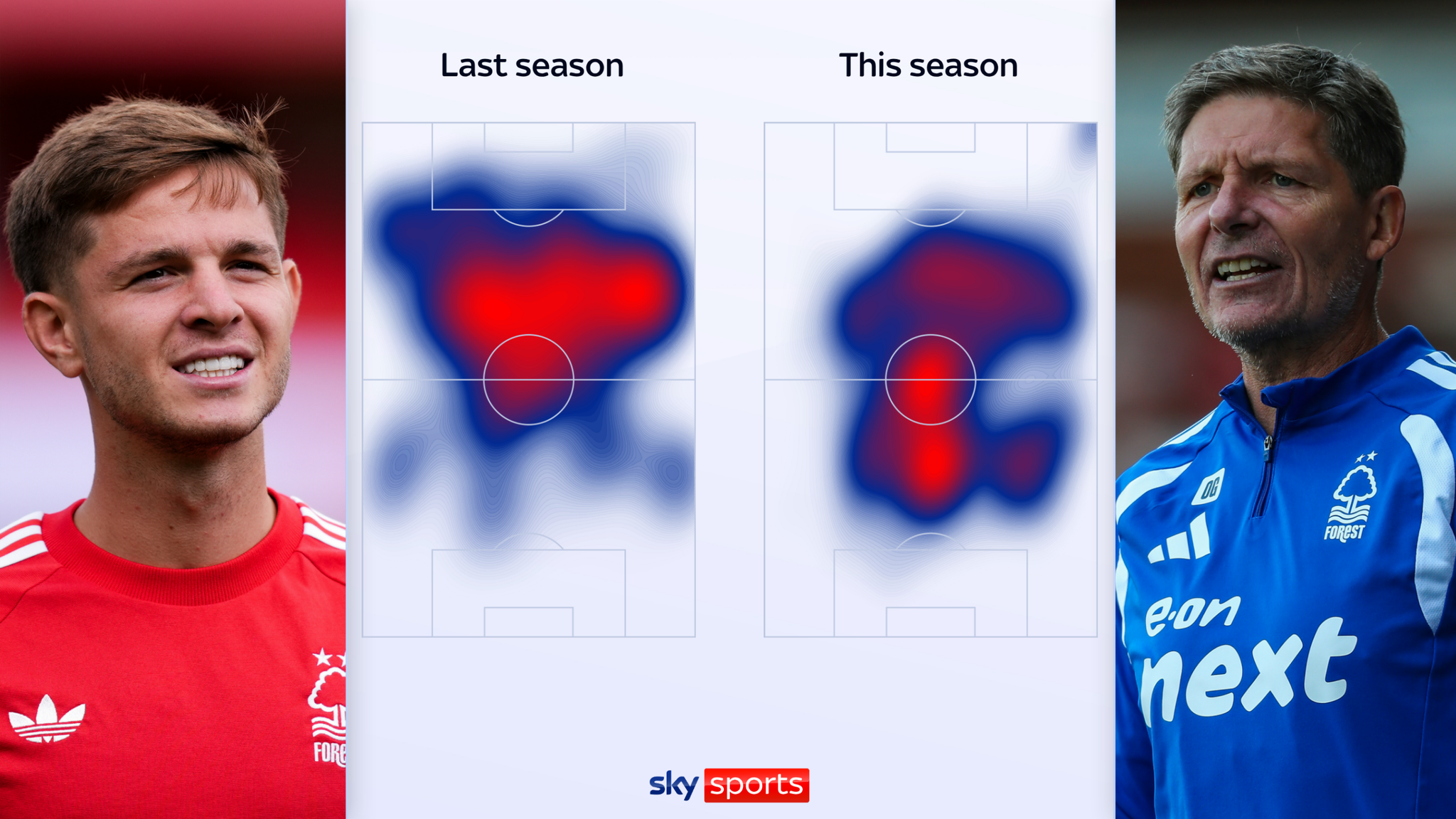
Glasner's solution required a fundamental repositioning. McAtee, who had progressed through Manchester City's academy and represented England as an attacking number 10, was asked to operate significantly deeper in the midfield structure. It represented a dramatic shift from everything he had known.
Yet this tactical adjustment aligned with observations made by one of football's greatest minds.
Pep always references how good he is in pocketsBrian Barry-Murphy told Sky Sports in 2024. Barry-Murphy, who worked with McAtee during his time in Manchester City's academy and now manages Cardiff City, elaborated on the midfielder's unique qualities.
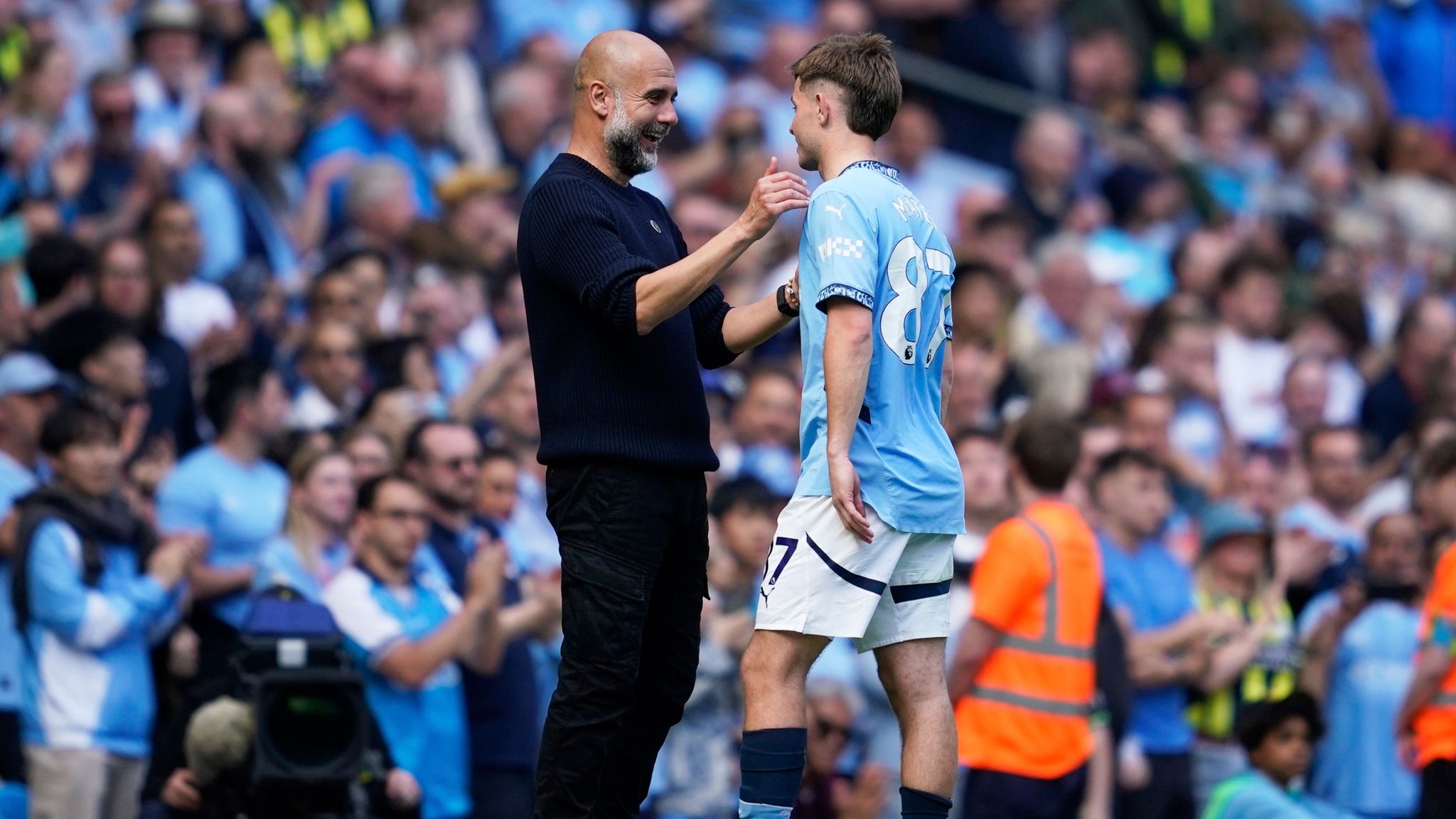
What's the most significant thing about James McAtee? The tighter the spaces, the more at home and comfortable he is. He's a very specific player in that role.This assessment proved prescient. As a diminutive, left-footed operator comfortable in congested areas, McAtee has begun to replicate Wharton's effectiveness within Glasner's system.
Wharton's game revolves around incisive passes that thread through defensive lines and unlock attacking opportunities. In Forest's opening matches, McAtee has demonstrated precisely this capability, with striking results emerging early in the campaign.
Through the first five Premier League fixtures, McAtee has established himself among the division's most creative forces. Only five players have generated more chances than the 23-year-old, while merely three have surpassed his creativity from open play. According to FotMob data, McAtee had recorded 12 chances created across 418 minutes of action by 8 October, alongside 44 line-breaking passes and 1.05 expected assists.
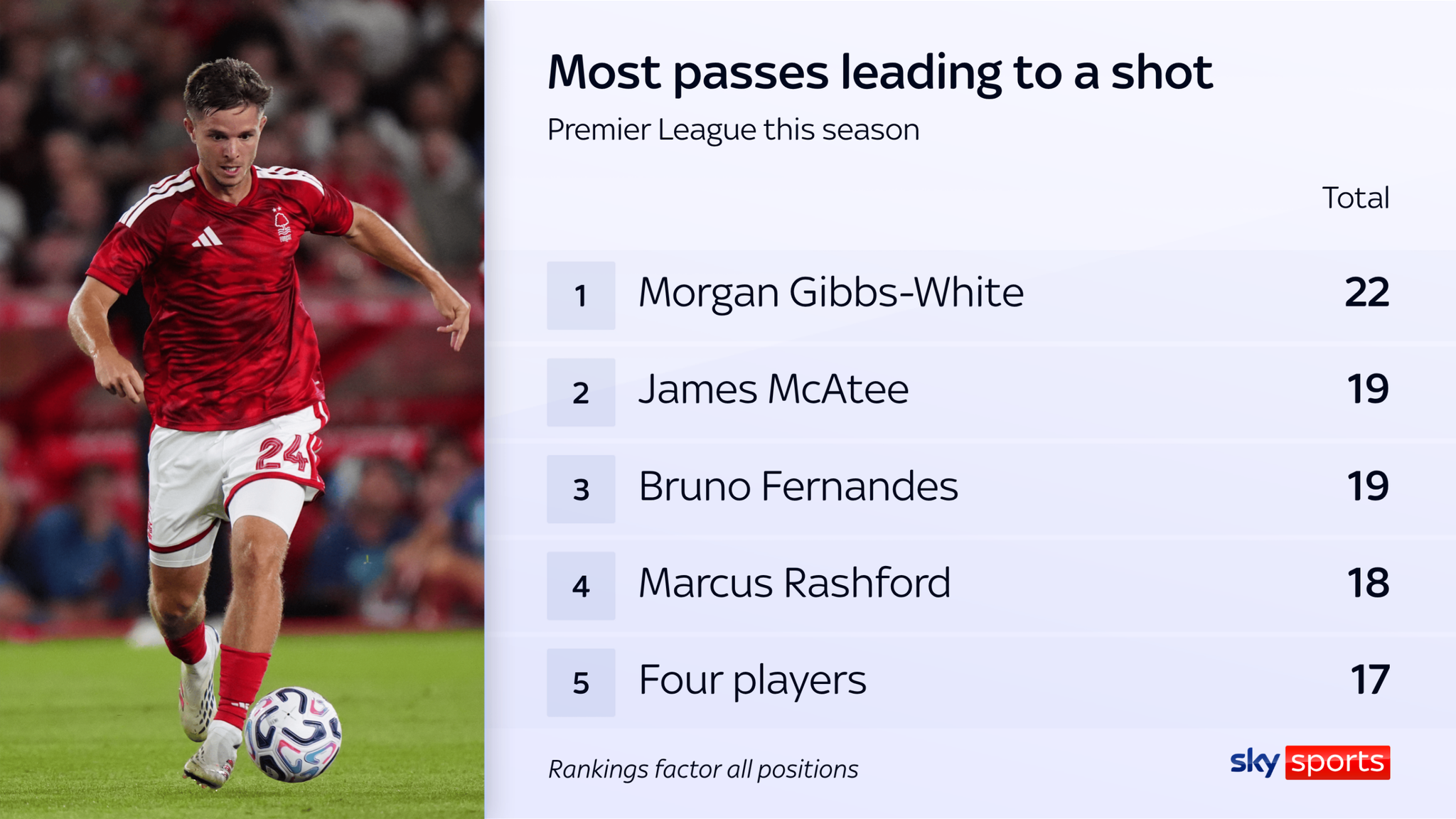
In terms of passes leading to a shot—the metric measuring balls that eventually produce an attempt on goal within two or three passes—McAtee ranks second in the Premier League, level with Bruno Fernandes, who finished as the top-flight's most creative player last season. Only his Forest team-mate Morgan Gibbs-White has achieved more passes leading to a shot this term. While Gibbs-White functions as Forest's talisman, McAtee arguably occupies the more pivotal role within the team structure.
He operates in the quarterback position. He is the midfielder orchestrating play.
They are responsible for the speed of our attacks, if we go forward or keep possessionGlasner explained during his previous tenure regarding this midfield role. McAtee controls the tempo and direction of Forest's attacking movements. Those penetrative passes that both Wharton and McAtee deliver prove essential to Glasner's direct methodology.
Unlike at Palace, where possession-based football dominated, Forest under Glasner pursue a vertical, efficient approach. The Austrian manager favours rapid progression over patient build-up play. This philosophy manifests in striking statistical evidence: only four of Forest's attacks this season have been classified as 'build-up attacks'. When possession is regained, the ball travels forward immediately. Forest rank fourth for forward passing percentage this season and third for completed through balls.
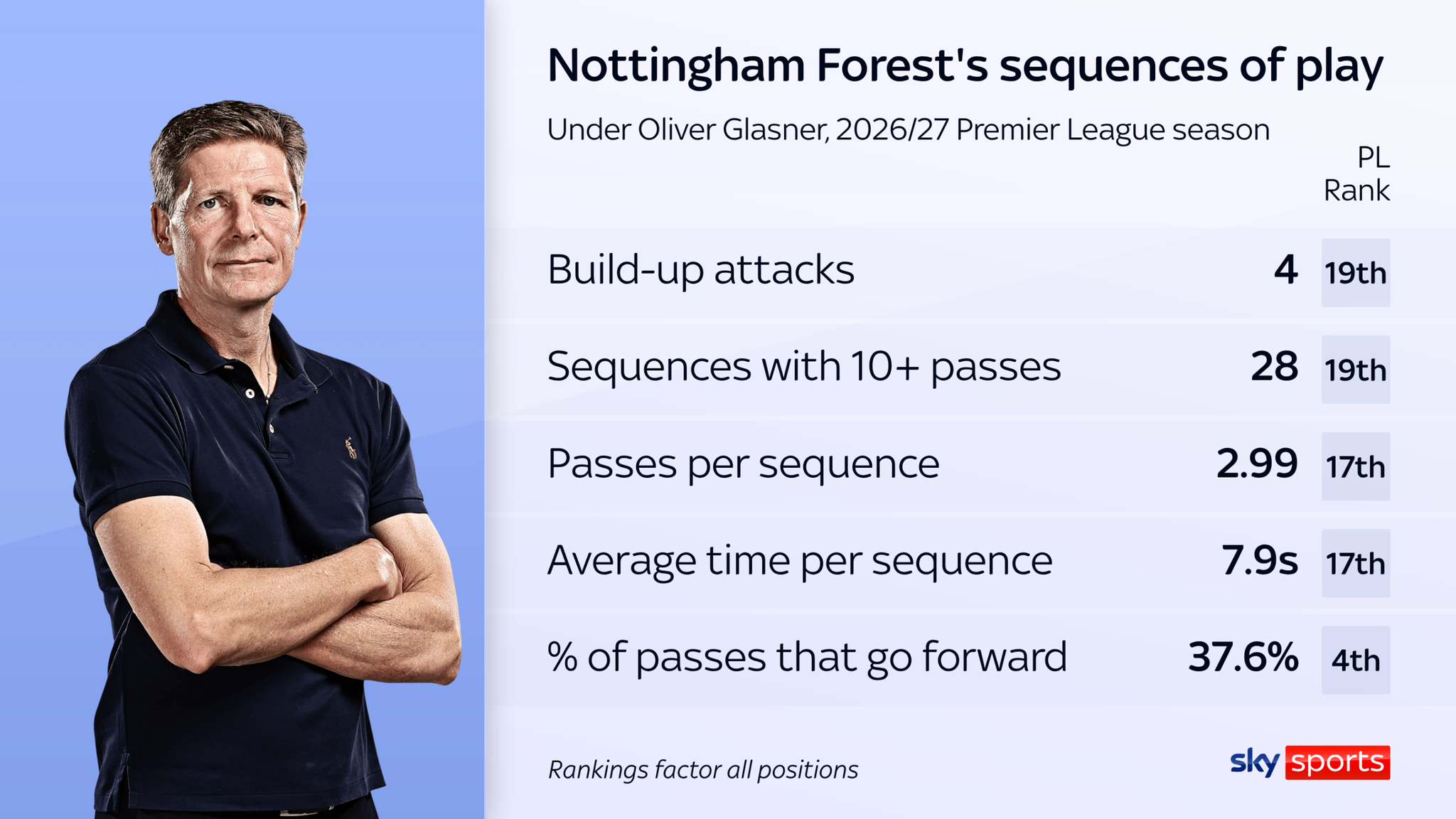
McAtee sits at the epicentre of this tactical identity. His ability to generate chances through quick, incisive passing mirrors Wharton's role at Palace. This rapid-fire creativity explains why the Eagles midfielder commands such high regard across the sport.
A tale of old versus new
When Glasner makes his much-anticipated return to Crystal Palace in the Forest dugout, the narrative extends far beyond a simple homecoming story. This transcends the storyline of Glasner returning to the club where he delivered unprecedented success to generations of Palace supporters. It surpasses the tale of Glasner arriving at Selhurst Park representing the team who supplanted them in last season's Europa League.
This represents Glasner's new project confronting his old one. In Wharton lining up against McAtee in midfield, a specific battle of 'old versus new' unfolds. The quarterback Glasner perfected at Palace faces the quarterback Glasner has reconstructed at Forest.
Glasner's arrival at Forest came as part of his mission to restore stability after a chaotic year of managerial changes, blending tactical discipline with the club's attacking talent. McAtee's emergence as a creative force represents a tangible success in that stabilisation project.
What happens next
Nottingham Forest are scheduled to visit Crystal Palace on 11 October 2026, with kick-off at 2pm. The fixture will be broadcast live on Sky Sports' Super Sunday from 1pm, offering viewers the chance to witness this quarterback duel unfold at Selhurst Park.